
Updated planning guide for 2026-2027
Visa Rules At Tanzania Borders: Complete Guide 2026-2027
Navigating Tanzania's visa rules at border crossings can seem complex. This comprehensive guide breaks down everything you need to know for a hassle-free entry into Tanzania for your safari, Kilimanjaro trek, or Zanzibar holiday in 2026-2027.
WhatsApp +255616946642 | topguideadventures@gmail.com | info@topguideadventures.com
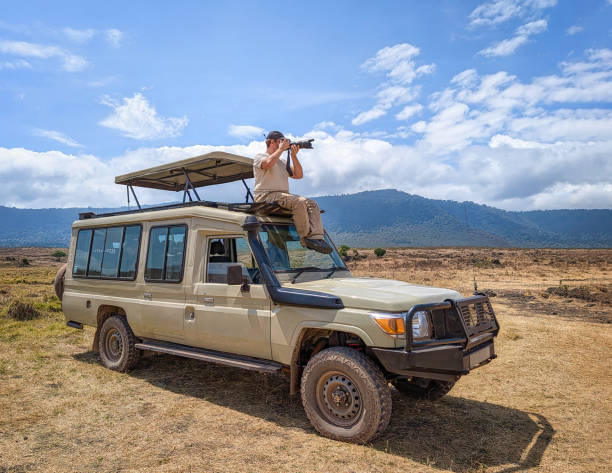
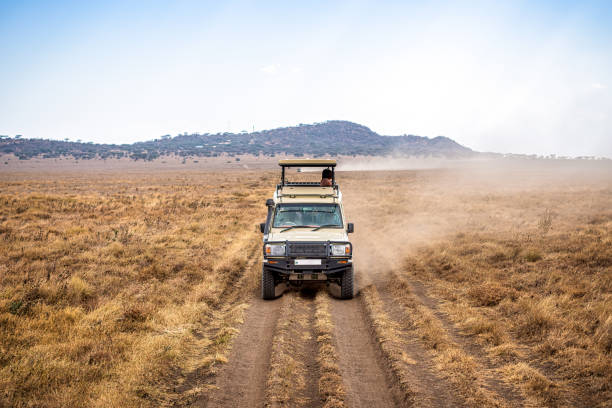
Understanding Visa Rules at Tanzania Borders: Your Essential 2026-2027 Guide
Planning an adventure to Tanzania, whether it’s an iconic Serengeti safari, a challenging Kilimanjaro climb, or a relaxing Zanzibar beach escape, requires careful preparation. Among the most critical aspects of this preparation are the visa rules at Tanzania borders. Ensuring you have the correct documentation and understand the entry requirements will save you time, stress, and potential headaches upon arrival. This guide provides a detailed, practical overview for travelers planning their trips for 2026 and 2027, covering everything from application processes to common pitfalls to avoid.
As a leading tour operator in Tanzania, we’ve assisted countless travelers in navigating these procedures. Our goal is to equip you with the knowledge needed for a smooth and enjoyable journey. We’ll cover visa types, application methods, what to expect at immigration, and crucial tips to make your entry into the beautiful landscapes and vibrant cultures of Tanzania as straightforward as possible.
Table of Contents
- Quick Facts About Tanzania Visas
- Overview of Tanzania Visa Requirements
- Why Understanding Visa Rules at Tanzania Borders is Crucial
- Types of Tanzania Visas Available
- How to Apply for a Tanzania Visa
- Tanzania Entry Points and Border Crossings
- What to Expect at Immigration
- Required Documents for Entry
- Visa Exemptions and Special Cases
- Common Pitfalls and How to Avoid Them
- Who Needs a Tanzania Visa?
- Alternatives to Visa on Arrival
- Planning Your Visa for 2026-2027 Trips
- Booking Your Tanzania Trip and Visa
- Frequently Asked Questions (FAQs)
Quick Facts About Tanzania Visas
| Aspect | Details |
|---|---|
| Visa Requirement | Required for most nationalities. Check specific exemptions. |
| Application Methods | Online (e-Visa), Embassy/Consulate, Visa on Arrival (VOA) |
| Visa on Arrival Availability | Available at major airports and some land borders. Recommended to apply online in advance. |
| Standard Tourist Visa Duration | Typically 30 or 90 days, single or multiple entry. |
| Validity | Usually valid for entry within 90 days of issuance. |
| Processing Time (e-Visa) | Can range from 10 days to 3 weeks. Apply well in advance. |
| VOA Processing Time | Can vary significantly depending on queues and officer availability. |
| Payment Methods | Online (credit card), VOA (USD cash is preferred and often required). |
| Key Entry Points | Kilimanjaro International Airport (JRO), Julius Nyerere International Airport (DAR), Zanzibar Airport (ZNZ), Namanga border (Kenya). |
Overview of Tanzania Visa Requirements
For most international visitors, obtaining a visa is a prerequisite for entering Tanzania. The specific requirements and procedures can depend on your nationality, the purpose of your visit, and your intended length of stay. Understanding the nuances of the visa rules at Tanzania borders is your first step towards a successful trip. While many nationalities can obtain a visa upon arrival or apply online, proactive planning is always the best approach, especially for travel in 2026-2027.
Tanzania has streamlined its visa application process in recent years, with the introduction of the e-Visa system. This online portal allows many travelers to apply for and receive their visas before they even leave home. However, the option to obtain a visa on arrival at major entry points remains available. It’s essential to be aware of the advantages and disadvantages of each method to choose the one that best suits your travel style and itinerary.
Why Understanding Visa Rules at Tanzania Borders is Crucial
Ignoring or misunderstanding visa regulations can lead to significant disruptions. Imagine arriving at Kilimanjaro International Airport after a long flight, only to be denied entry because of an incorrect visa application or missing documentation. This scenario can jeopardize your entire safari or trek. Therefore, a thorough understanding of the visa rules at Tanzania borders is not just a formality; it’s a critical component of responsible travel planning.
Key reasons why this knowledge is vital:
- Smooth Entry: Correct documentation ensures you pass through immigration swiftly, minimizing wait times and stress.
- Avoiding Denied Entry: Non-compliance can result in being denied boarding on your flight or being turned away at the border.
- Preventing Fines or Detention: In some cases, entry without the proper visa can lead to fines or other legal consequences.
- Peace of Mind: Knowing you’ve met all requirements allows you to focus on enjoying your Tanzanian adventure.
- Accurate Planning: Visa duration affects how long you can stay, influencing your itinerary and tour bookings.
Types of Tanzania Visas Available
Tanzania offers several visa categories to accommodate different travel purposes. For most tourists planning safaris, Kilimanjaro treks, or Zanzibar holidays, the Tourist Visa is the most relevant. However, it’s important to be aware of the variations:
1. Tourist Visa
This is the most common visa for visitors coming for leisure, sightseeing, and visiting friends or relatives.
- Single Entry Visa (Ordinary Visa): Allows one entry into Tanzania and is typically valid for 30 or 90 days. This is generally the most common type issued.
- Multiple Entry Visa: Allows for multiple entries and exits within a specified period (usually 6 or 12 months). This is less common for standard tourist trips and often requires a specific reason or sponsorship.
2. Business Visa
For individuals traveling for business purposes, such as attending meetings, conferences, or exploring investment opportunities. This is distinct from a tourist visa and has different requirements and fees.
3. Employment Visa
For those planning to work in Tanzania. This requires sponsorship from a Tanzanian employer and a work permit.
4. Student Visa
For individuals admitted to study at a Tanzanian educational institution.
5. Gratuitous Visa (Volunteer/NGO Work)
For individuals undertaking volunteer work or engaging with NGOs. Specific documentation from the organization is usually required.
6. Transit Visa
For travelers who need to pass through Tanzania to reach another destination. Typically valid for a short period, such as 7 days.
For most travelers booking safaris or treks with us, the Single Entry Tourist Visa is what you will need. Ensure you select the correct category when applying.
How to Apply for a Tanzania Visa
Tanzania provides three primary methods for obtaining a visa. Each has its own advantages and processing times, and choosing the right one depends on your preparedness and travel timeline.
1. Online Visa (e-Visa)
Recommended Method for 2026-2027 Travel. The Tanzanian government has an official e-Visa portal. This is often the most convenient method for many nationalities.
- Process: You fill out an online application form, upload required documents (passport scan, photo), and pay the visa fee electronically.
- Advantages: Apply from anywhere, potentially faster processing than some embassies, reduces time spent at immigration upon arrival.
- Disadvantages: Processing times can vary (allow at least 10-15 working days, but sometimes longer), and errors in the application can lead to delays or rejection. You must have a confirmed itinerary and accommodation details.
- Official Portal: Always use the official government e-Visa website to avoid third-party scams.
2. Visa on Arrival (VOA)
Available but requires patience. This option allows you to obtain your visa upon landing at a major international airport or a designated land border crossing.
- Process: You will proceed to the visa counter upon arrival, fill out an application form, present your passport and supporting documents, and pay the fee.
- Advantages: Useful for last-minute travel plans or if online application is not feasible.
- Disadvantages: Can involve long queues, especially during peak tourist seasons. Payment is usually required in USD cash, and exact change may be needed. Processing can be slow, potentially delaying your onward travel.
3. Tanzanian Embassy or Consulate
Traditional Method. You can apply for a visa in advance through the Tanzanian Embassy or Consulate in your home country or country of residence.
- Process: Involves visiting or mailing your application, passport, and supporting documents to the embassy. Processing times vary by embassy.
- Advantages: Can provide certainty and clarity if you prefer a traditional application process.
- Disadvantages: Requires more effort (traveling to the embassy, mailing documents), processing can sometimes be slower than e-Visa, and availability of embassies may be limited depending on your location.
Our Recommendation for 2026-2027: We strongly advise applying for an e-Visa at least 3-4 weeks before your intended travel date. This approach minimizes risks and ensures you have your visa sorted before your journey begins.
Tanzania Entry Points and Border Crossings
When considering visa rules at Tanzania borders, it’s important to know where you are likely to enter the country. Tanzania has several international airports and land border crossings. The visa process can sometimes differ slightly depending on the point of entry.
Major International Airports:
- Kilimanjaro International Airport (JRO): The primary gateway for safaris in the northern circuit (Serengeti, Ngorongoro) and Kilimanjaro climbs. Visa on Arrival is available here, but e-Visa is preferred.
- Julius Nyerere International Airport (DAR), Dar es Salaam: The main airport for visitors heading to southern parks, Zanzibar (via domestic flight), or exploring the coast. VOA is available.
- Abeid Amani Karume International Airport (ZNZ), Zanzibar: Serves international and domestic flights to the Zanzibar archipelago. If arriving directly from abroad, VOA is possible; otherwise, you’ll likely have a domestic transfer from the mainland.
Key Land Border Crossings:
- Namanga Border Post: Connects Tanzania with Kenya, located on the main road between Arusha and Nairobi. This is a very common crossing for overland travelers. Visa on Arrival is typically available here, but it’s wise to have an e-Visa to expedite the process.
- Tunduma Border Post: Connects Tanzania with Zambia.
- Sirari Border Post: Connects Tanzania with Kenya (near Lake Victoria).
Note on Border Crossings: While VOA is often available at these points, queues can be long. Having your e-Visa approved beforehand is highly recommended to speed up immigration procedures at any border crossing.
What to Expect at Immigration
Upon arrival at a Tanzanian port of entry, whether by air or land, you will proceed to immigration. The process for obtaining or presenting your visa involves several steps:
- Find the Visa Counter (if applying for VOA): If you haven’t secured an e-Visa or are using the VOA option, look for the designated visa application desk. You’ll need to fill out a form.
- Present Passport and Documents: Have your passport (valid for at least six months beyond your stay), completed visa application form (if applicable), flight details, and proof of accommodation ready.
- Pay the Visa Fee: If you are getting a VOA or have applied for an e-Visa, you will pay the fee. For VOA, USD cash is often required. For e-Visa, payment is made online.
- Immigration Officer Review: An immigration officer will review your documents, passport, and visa application. They may ask questions about the purpose and duration of your stay.
- Biometrics (Potentially): Some ports of entry may require fingerprints or digital photographs.
- Visa Stamping: Once approved, your visa will be stamped into your passport, or your e-Visa confirmation will be processed.
- Proceed to Customs: After immigration, you will go through customs.
Tips for a Smooth Immigration Experience:
- Have all documents organized: Keep your passport, e-Visa printout (if applicable), flight tickets, and hotel bookings easily accessible.
- Carry USD cash: If you plan on getting a VOA, ensure you have sufficient USD in clean, newer bills. Small denominations can be helpful.
- Be patient: Queues can be long, especially at peak times. Stay calm and polite.
- Answer questions honestly: Provide clear and truthful answers to any questions the immigration officer may ask.
- Know your itinerary: Be prepared to state the purpose of your visit and where you will be staying.
Required Documents for Entry
Regardless of whether you obtain your visa in advance or on arrival, certain documents are mandatory for entry into Tanzania. Ensure these are readily available:
- Valid Passport: Must be valid for at least six months beyond your intended stay and have at least two blank pages for visa stamping.
- Completed Visa Application Form: If applying for a Visa on Arrival or through an embassy.
- Passport-Sized Photographs: Usually one or two are required, with a white background. Check the specific requirements for e-Visa or VOA applications.
- Proof of Sufficient Funds: While not always explicitly asked for, immigration officers have the right to request evidence that you can support yourself during your stay.
- Proof of Onward or Return Travel: A flight ticket showing you will depart Tanzania.
- Yellow Fever Vaccination Certificate: This is MANDATORY for travelers arriving from or transiting through countries with a risk of Yellow Fever. Even if you are coming from a non-risk country, if your flight itinerary includes a transit of more than 12 hours in a Yellow Fever risk country, you may be required to show proof of vaccination. Check the latest WHO guidelines.
- Accommodation Details: It’s wise to have your hotel bookings or tour operator’s contact information handy.
For e-Visa applications: You will typically need a scanned copy of your passport’s bio-data page and a digital passport photo. Specific requirements can be found on the official e-Visa portal.
Visa Exemptions and Special Cases
While most nationalities require a visa, there are some exceptions. It’s crucial to verify your specific situation based on your passport.
Nationals of the following countries are generally exempt from needing a visa for stays up to three months:
- Citizens of Commonwealth member states (excluding UK, Canada, Australia, India, Pakistan, Bangladesh, New Zealand, Nigeria, and Sri Lanka). This often includes citizens of countries like Kenya, Uganda, Rwanda, South Africa, etc.
- Citizens of certain other countries, which can change. Always verify the latest list with official sources or your tour operator.
Other exemptions may apply to:
- Holders of diplomatic or official passports.
- Crew members of airlines or shipping companies.
Important Note: Visa exemption policies can change. Always confirm the latest regulations with the Tanzanian Immigration Services Department or your country’s Tanzanian Embassy before your trip. Relying on outdated information can lead to unexpected issues at the border.
Common Pitfalls and How to Avoid Them
Travelers often encounter minor issues when dealing with visa rules at Tanzania borders. Being aware of these common pitfalls can help you avoid them:
Immigration officers require your passport to be valid for at least six months beyond your intended stay. Always check your passport’s expiry date well in advance.
Your passport needs at least two completely blank pages for the visa stamp. If you’re a frequent traveler, ensure you have enough space.
Errors on the e-Visa or VOA application form (e.g., spelling mistakes, incorrect dates, wrong visa type) can lead to delays or rejection. Double-check everything carefully.
VOA fees must typically be paid in USD cash. Not having the exact amount or not having USD can cause problems. For 2026-2027, confirm the current fee and payment methods.
This is a strict requirement for entry from or transit through risk countries. Ensure you have it if applicable, or consult the latest health advisories.
Visa rules and fees can change. Always consult official government websites or your tour operator for the most current information for your travel dates in 2026-2027.
Be wary of third-party websites that claim to offer e-Visa services. Always use the official Tanzanian government portal to avoid scams and ensure legitimacy.
Who Needs a Tanzania Visa?
This guide is primarily for:
- Tourists: Individuals planning safaris in national parks like Serengeti, Tarangire, Lake Manyara, or Ngorongoro Crater.
- Trekkers: Those aiming to summit Mount Kilimanjaro or Mount Meru.
- Holidaymakers: Visitors heading to the beaches of Zanzibar, Pemba, or Mafia.
- Business Travelers: Individuals on short-term business trips.
- Transit Passengers: Those passing through Tanzania to other destinations.
Generally, if you are not a citizen of Tanzania and do not fall under a specific visa exemption category based on your nationality, you will need a visa. This guide focuses on the most common tourist visa requirements relevant to travelers using services from operators like Best Tanzania Tour Operator.
Alternatives to Visa on Arrival
While Visa on Arrival (VOA) is an option, many travelers prefer alternatives for greater certainty and efficiency. The primary and most recommended alternative is the e-Visa.
The e-Visa Advantage:
Applying for an e-Visa online before your trip offers several benefits:
- Reduced Airport Wait Times: You can often bypass the VOA queues, saving valuable time upon arrival.
- Pre-Approval: Knowing your visa is approved before you travel provides significant peace of mind.
- Convenience: Apply from the comfort of your home or office.
- Clearer Payment: The fee is paid online, avoiding the need to carry large amounts of USD cash for VOA.
Applying through an Embassy: This is a more traditional route. It can be beneficial if you have complex visa needs or prefer direct interaction with officials. However, it typically requires more time and effort than the e-Visa.
For your 2026-2027 travels, we strongly recommend the e-Visa route. It aligns with modern travel practices and offers the best balance of convenience and reliability.
Planning Your Visa for 2026-2027 Trips
Proactive planning is key to a stress-free experience with visa rules at Tanzania borders. Here’s a timeline and checklist to help you prepare for your 2026-2027 adventure:
Visa Planning Timeline:
- 6-8 Weeks Before Travel: Check your passport’s expiry date and number of blank pages. Research the latest visa requirements for your nationality on the official Tanzanian Immigration website.
- 4-6 Weeks Before Travel: Apply for your e-Visa online. This allows ample time for processing and for any potential issues to be resolved.
- 2 Weeks Before Travel: Confirm your e-Visa has been approved. If not, follow up or consider applying for a Visa on Arrival as a backup (though this is not ideal). Ensure you have the Yellow Fever certificate if required.
- 1 Week Before Travel: Print copies of your e-Visa, passport, flight itinerary, and accommodation details.
- Upon Arrival: Proceed to immigration with all your organized documents.
Visa Planning Checklist for 2026-2027:
- [ ] Passport valid for at least 6 months beyond stay?
- [ ] At least two blank visa pages in passport?
- [ ] Verified current visa requirements for your nationality?
- [ ] Applied for e-Visa via the official portal (recommended)?
- [ ] Allowed sufficient processing time (10-15 business days minimum)?
- [ ] Confirmed e-Visa approval?
- [ ] Prepared Yellow Fever certificate (if required)?
- [ ] Have proof of onward/return travel?
- [ ] Have accommodation details/tour operator contact?
- [ ] Prepared USD cash for VOA fee (as backup or if VOA is chosen)?
- [ ] Printed copies of all essential documents?
Booking Your Tanzania Trip and Visa
When you book your safari, Kilimanjaro trek, or Zanzibar holiday with a reputable tour operator like Best Tanzania Tour Operator, we can provide guidance on visa requirements. However, the responsibility for obtaining the correct visa rests with the traveler.
Our Booking Process and Visa Support:
- Initial Consultation: We discuss your travel plans, itinerary, and dates.
- Information Provision: We will advise you on the general visa requirements based on your nationality and typical travel patterns.
- Itinerary and Accommodation: We provide detailed itineraries and confirmed accommodation details, which are essential for your visa application.
- Pre-Departure Briefing: Before your trip, we can offer a final reminder of the documents you should carry, including your visa confirmation.
Important Considerations for Booking:
- Book in Advance: Especially for peak seasons in 2026-2027, book your tours and flights well ahead of time. This also gives you more time to sort out your visa.
- Tour Operator Reliability: Choose a tour operator with a proven track record. We are committed to making your Tanzania experience memorable and stress-free, including helping you understand the visa process.
- Visa Fees: Note that visa fees are separate from tour package costs. They are paid directly to the government.
- Flexibility: While we plan meticulously, having some flexibility in your arrival day can be helpful in case of unexpected travel delays.
For any questions regarding your visa application or to start planning your 2026-2027 Tanzanian adventure, contact us. We are here to ensure your journey is as smooth as possible, from the moment you consider traveling to your safe arrival at Tanzania’s borders.
Frequently Asked Questions (FAQs)
Q1: Do I need a visa to enter Tanzania?
Most foreign nationals require a visa to enter Tanzania for tourism, business, or other purposes. However, citizens of certain countries, particularly within the Commonwealth, may be exempt. It is essential to verify the specific requirements based on your nationality.
Q2: How much does a Tanzania visa cost?
Visa fees vary by nationality and the type of visa. For a standard tourist visa, the fee typically ranges from $50 to $100 USD. The exact amount for e-Visa or Visa on Arrival should be confirmed on the official Tanzanian Immigration website or with your tour operator for 2026-2027.
Q3: Can I get a visa on arrival at Kilimanjaro Airport (JRO)?
Yes, Visa on Arrival is available at Kilimanjaro International Airport (JRO). However, we highly recommend applying for an e-Visa in advance to save time and avoid potential queues and processing delays.
Q4: How long does the e-Visa application take to process?
The processing time for a Tanzanian e-Visa can vary, but it typically takes between 10 to 15 business days. It is advisable to apply at least 3-4 weeks before your planned travel date to allow for any unforeseen delays.
Q5: What is the validity period of a Tanzania tourist visa?
A standard single-entry tourist visa is usually valid for 30 or 90 days from the date of issue. It allows you to stay in Tanzania for the specified duration from your entry date. Multiple-entry visas have longer validity periods.
Q6: What happens if my e-Visa is rejected?
If your e-Visa is rejected, you may be able to apply for a Visa on Arrival at a major port of entry, provided you meet all the requirements. However, it is best to contact the Tanzanian immigration authorities for clarification or re-application procedures. Ensure you have all necessary documents and have followed the application guidelines precisely.
Q7: Do children need a visa for Tanzania?
Yes, children of all ages generally require a visa to enter Tanzania, unless they hold a passport from a visa-exempt country. The application process and fees for children are typically the same as for adults.
Q8: Is the Yellow Fever vaccination certificate mandatory for entering Tanzania?
A Yellow Fever vaccination certificate is mandatory for all travelers arriving from, or transiting for more than 12 hours through, a country with a risk of Yellow Fever transmission. Always check the latest WHO recommendations and Tanzanian immigration requirements before your trip for 2026-2027.
Q9: Can I extend my visa once I am in Tanzania?
Visa extensions are possible at the Tanzanian Immigration Department in major towns, such as Arusha or Dar es Salaam. However, extensions are not guaranteed and depend on the discretion of the immigration officials. It is always best to apply for a visa that covers your intended length of stay initially.
Q10: What are the visa rules at Tanzania borders for overland travel from Kenya?
At land borders like Namanga, you can typically obtain a Visa on Arrival. However, applying for an e-Visa in advance is highly recommended to expedite the process, as border queues can be lengthy. Ensure you have all required documents and sufficient USD cash for the VOA fee if you opt for that method.
Ready for Your Tanzanian Adventure?
Navigating the visa rules at Tanzania borders is a vital step in planning your unforgettable safari, Kilimanjaro climb, or Zanzibar getaway. By understanding the requirements, choosing the right application method, and preparing your documents in advance, you can ensure a smooth and stress-free entry into Tanzania for your 2026-2027 travels.
At Best Tanzania Tour Operator, we are dedicated to making your journey exceptional. We provide expert advice and support to help you prepare for every aspect of your trip, including visa information.
Contact us today to start planning your dream Tanzanian adventure!
WhatsApp: +255616946642
Email: topguideadventures@gmail.com
Backup Email: info@topguideadventures.com
Plan your Visa Rules at Tanzania Borders with Top Guide Adventures
Tell us your travel dates, group size, comfort level, and dream experience. We will help you shape a clear, realistic, and memorable Tanzania itinerary.







 Veedesigner
 Fatma Kizanga
 Benjamin Waryuba
 Philip Philip
 John jr Itaja
 Antonia Optatus
 Edith Kanyere
 Neema Iddy
 Kelvin Boniphace
 Damari Maiga



