
Updated planning guide for 2026-2027
Border Requirements For Tanzania Travelers: Complete Guide 2026-2027
Planning a trip to Tanzania? This comprehensive guide details all the essential border requirements for travelers, covering visas, passports, health regulations, and customs. Prepare for your Tanzanian adventure with confidence.
WhatsApp +255616946642 | topguideadventures@gmail.com | info@topguideadventures.com
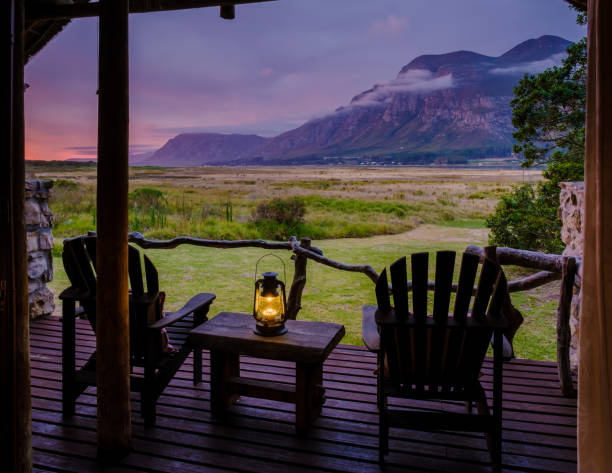
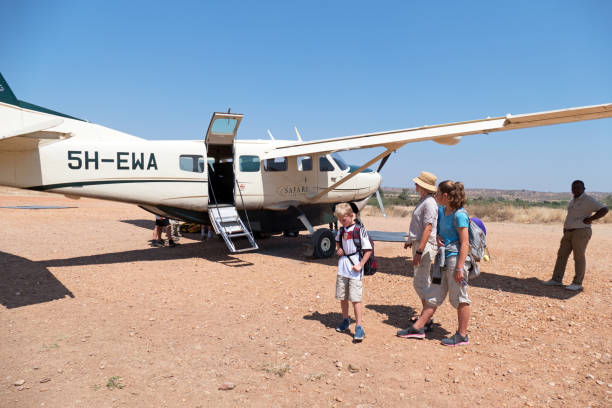
Tanzania, a land of breathtaking landscapes, iconic wildlife, and vibrant cultures, attracts visitors from around the globe. Whether you dream of witnessing the Great Migration in the Serengeti, climbing the majestic Mount Kilimanjaro, or relaxing on the pristine beaches of Zanzibar, a successful trip begins with understanding and meeting the necessary border requirements for Tanzania travelers. This guide provides an in-depth look at everything you need to know to ensure a smooth entry into this incredible East African nation for your 2026-2027 adventures.
Contents
- Quick Facts
- Tanzania Border Requirements: An Overview
- Why Understanding Border Requirements Matters
- Passport Requirements
- Visa Information for Tanzania
- Health and Vaccination Requirements
- Customs Regulations
- Key Entry Points into Tanzania
- Preparing Your Essential Documents
- Common Mistakes to Avoid
- Who is This Guide For?
- Alternatives to Consider (If Applicable)
- Planning Your Trip for 2026-2027: Key Considerations
- Booking Your Tanzania Adventure: Expert Tips
Quick Facts
| Aspect | Details |
|---|---|
| Official Language | Swahili, English |
| Currency | Tanzanian Shilling (TZS) |
| International Airports | Kilimanjaro (JRO), Julius Nyerere (DAR), Abeid Amani Karume (ZNZ) |
| Visa Policy | Varies by nationality; often available on arrival or e-visa. |
| Required Vaccinations | Yellow Fever (mandatory if arriving from/transiting through endemic countries). Recommended: Hepatitis A, Typhoid, Tetanus. |
| Currency Restrictions | No limit on import/export of foreign currency, but declaration is required for amounts over USD 10,000. |
| Driving Side | Left |
Tanzania Border Requirements: An Overview
Navigating the border requirements for Tanzania travelers involves several key components: your passport, visa, any necessary health documentation, and adherence to customs regulations. While Tanzania is generally welcoming to tourists, being prepared in advance significantly eases the process. The primary goal is to ensure you have all the official paperwork in order before you even begin your journey, and to be aware of any specific health or customs rules that apply to your situation.
Why Understanding Border Requirements Matters
Ignoring or misunderstanding the border requirements for Tanzania travelers can lead to significant disruptions. These can range from minor inconveniences like lengthy processing times at immigration to more serious issues such as being denied entry, facing fines, or requiring last-minute, potentially expensive, document acquisition. For instance, arriving without a valid visa when one is required, or without the mandatory Yellow Fever certificate if coming from an at-risk country, can result in immediate quarantine or deportation. Proper preparation ensures that your focus remains on the incredible experiences awaiting you, not on stressful bureaucratic hurdles.
Passport Requirements
Your passport is your most critical travel document. For entry into Tanzania, it must meet specific criteria:
- Validity: Your passport must be valid for at least six months beyond your intended date of departure from Tanzania. This is a standard requirement in many countries to allow for unexpected delays or extensions.
- Blank Pages: You must have at least one or two blank pages in your passport for entry and exit stamps. Some nationalities may require two blank pages. Check with your local Tanzanian embassy or consulate if you are unsure.
- Condition: The passport should be in good condition, with no significant damage, tearing, or alterations that could raise questions.
Traveler Tip: Always make photocopies or take clear photos of your passport, visa, and other important documents. Store these separately from the originals and consider keeping digital copies accessible online.
Visa Information for Tanzania
Visa requirements for Tanzania vary significantly based on your nationality. Many nationalities require a visa, though the process for obtaining one has become more streamlined. It is crucial to determine your specific requirements well in advance of your travel dates.
Types of Visas:
- Tourist Visa: The most common type for visitors. Allows for tourism activities, visiting friends and family.
- Business Visa: For individuals entering for business purposes.
- Other Visas: Depending on your purpose of visit (e.g., work, study, transit), other visa categories may apply.
How to Obtain a Tanzanian Visa:
1. E-Visa (Online Application):
Tanzania offers an e-visa system for many nationalities. This is often the most convenient method. You can apply online through the official Tanzanian immigration website.
- Process: Complete the online application form, upload necessary documents (passport scan, photo), and pay the visa fee.
- Processing Time: Typically takes 5-10 business days, but it’s wise to apply at least 3-4 weeks before your trip to allow for any delays.
- Approval: Once approved, you will receive an email with your e-visa grant letter. Print this and carry it with you. You will present this at immigration upon arrival.
2. Visa on Arrival:
Some nationalities can obtain a visa upon arrival at major international airports (Kilimanjaro, Dar es Salaam, Zanzibar). However, relying on this can lead to longer queues and potential uncertainty. It is generally recommended to secure your visa in advance, especially if you are traveling during peak season or have a tight schedule.
- Requirements: You will need your passport, passport photos, completed visa application form (often provided at the airport), and the visa fee (usually payable in USD cash).
- Fees: Visa fees vary by nationality and visa type. Check the latest fees with the Tanzanian embassy or consulate in your country.
3. Visa from Tanzanian Embassy/Consulate:
You can also apply for a visa in person or by mail through a Tanzanian embassy or consulate in your home country or country of residence before your departure. This is a more traditional method and may be necessary for certain visa types or nationalities not covered by the e-visa system.
Visa Exemptions:
Citizens of certain countries may be exempt from visa requirements for short stays. This typically includes citizens of East African Community (EAC) partner states. Always verify your specific country’s status.
Visa Fees:
Visa fees are subject to change. As of recent information, tourist visas often range from $50 to $100 USD, depending on the type and duration. Payment is usually required in US Dollars in cash for visas on arrival. E-visa fees are paid online.
Important Note: Always check the official Tanzanian immigration website or consult the Tanzanian embassy in your country for the most up-to-date and accurate visa information relevant to your nationality. Regulations can change.
Health and Vaccination Requirements
Health is a crucial aspect of travel planning, especially for destinations like Tanzania. Understanding the required and recommended vaccinations and health precautions is vital for your well-being.
Mandatory Vaccinations:
Yellow Fever:
Proof of Yellow Fever vaccination is MANDATORY for all travelers arriving from, or transiting for more than 12 hours through, a country with a risk of Yellow Fever transmission. This includes most countries in sub-Saharan Africa and South America. You will need to present your International Certificate of Vaccination or Prophylaxis (ICVP), often referred to as the ‘Yellow Card,’ at immigration. If you do not have it, you may be vaccinated at the port of entry (which can be costly and time-consuming) or denied entry.
Recommended Vaccinations:
While not always mandatory for entry, the following vaccinations are strongly recommended by health authorities for travel to Tanzania:
- Hepatitis A: Recommended for most travelers.
- Typhoid: Recommended for most travelers, especially if you plan to eat or drink outside of major tourist hotels.
- Tetanus, Diphtheria, and Pertussis (Tdap): Routine vaccinations should be up-to-date.
- Hepatitis B: Recommended if you may have exposure to blood or bodily fluids, or engage in sexual contact.
- Rabies: Recommended for travelers spending extended periods outdoors, involved in activities like caving, or with increased risk of animal bites.
- Influenza: Recommended, especially if traveling during flu season.
Malaria Prevention:
Malaria is present in Tanzania, particularly in coastal areas and lower altitudes. While the risk is lower in highlands like Kilimanjaro’s higher slopes and in major cities, it is still a concern. Consult your doctor or a travel clinic about malaria prophylaxis (anti-malarial medication) well before your trip. They can prescribe the most suitable medication based on your health and travel plans.
Other Health Precautions:
- Traveler’s Diarrhea: Be mindful of what you eat and drink. Stick to bottled water, avoid raw or undercooked food, and be cautious with street food.
- Insect Repellent: Use insect repellent containing DEET or picaridin, especially during dawn and dusk, to protect against mosquitoes that transmit malaria and other diseases like Dengue fever.
- Sun Protection: The equatorial sun can be intense. Use sunscreen, wear hats, and stay hydrated.
- Travel Insurance: Comprehensive travel insurance that covers medical emergencies and evacuation is highly recommended.
Disclaimer: Always consult with your doctor or a travel health professional at least 4-6 weeks before your trip for personalized advice on vaccinations and health precautions for Tanzania.
Customs Regulations
Understanding Tanzanian customs regulations helps avoid any surprises at the airport or border crossings. These rules cover what you can bring into and take out of the country.
Items Allowed Duty-Free:
- Personal effects (clothing, toiletries, camera, binoculars, etc.)
- A reasonable amount of perfume.
- A reasonable quantity of tobacco (e.g., 200 cigarettes or 50 cigars) and spirits (e.g., 1 liter of alcohol) for personal consumption.
Prohibited and Restricted Items:
- Narcotics and Illegal Drugs: Strictly prohibited. Penalties are severe.
- Weapons and Ammunition: Require special permits.
- Plastic Bags: Tanzania has a ban on single-use plastic bags. While enforcement can vary, it’s best to avoid bringing them. If you do bring them, they may be confiscated. Reusable shopping bags are a good alternative.
- Certain Wildlife Products: Bringing in or taking out items made from endangered species (like ivory or certain animal skins) is illegal and carries heavy penalties.
- Pornographic Materials: Prohibited.
- Second-hand Clothing: Restrictions apply; it’s best to avoid bringing large quantities.
Currency Declaration:
There is no limit to the amount of foreign currency you can bring into Tanzania. However, you must declare any amount exceeding USD 10,000 (or its equivalent in other foreign currencies) to the customs authorities upon arrival. This is for monitoring purposes and does not mean you cannot bring it.
Bringing Goods into Tanzania:
Commercial goods, or items intended for resale, are subject to import duties and taxes. Personal gifts are usually acceptable within reasonable limits.
Exporting Goods from Tanzania:
- Souvenirs: Many souvenirs are allowed, but ensure they are not made from endangered species. For items like animal skins or carved wooden artifacts, check if you need an export permit from the wildlife authorities or the Ministry of Natural Resources and Tourism.
- Antiques: Exporting genuine antiques requires special permits.
Tip: When purchasing souvenirs, especially those made from animal products or exotic woods, ask the vendor for documentation or advice on export regulations. It’s often easier to buy from reputable shops that handle these matters.
Key Entry Points into Tanzania
Tanzania has several international airports and land border crossings. Knowing the primary entry points can help you plan your arrival and onward travel.
International Airports:
- Kilimanjaro International Airport (JRO): Located between Arusha and Moshi, this is the primary gateway for safaris in the northern circuit (Serengeti, Ngorongoro, Tarangire, Lake Manyara) and for Mount Kilimanjaro climbs.
- Julius Nyerere International Airport (DAR), Dar es Salaam: Tanzania’s largest airport, serving as a major hub for travel to southern circuit safaris, Zanzibar, and international connections.
- Abeid Amani Karume International Airport (ZNZ), Zanzibar: The main airport for the Zanzibar archipelago, serving both domestic and international flights, especially from Europe and the Middle East.
Major Land Border Crossings:
- Namanga: Border crossing with Kenya, located on the road between Arusha and Nairobi. Commonly used by travelers coming from or going to Kenya.
- Sirari: Another border crossing with Kenya, further north.
- Tunduma: Border crossing with Zambia, primarily used by travelers heading south towards Zambia or Malawi.
- Horohoro: Border crossing with Kenya, near the coast.
Note: While land borders are an option, especially for overland expeditions, international flights arriving at JRO, DAR, or ZNZ are the most common and convenient for most tourists. Ensure you have all your documents in order regardless of your entry point.
Preparing Your Essential Documents
A well-organized document pouch is your best friend when traveling. For Tanzania, ensure you have the following:
Checklist:
- Passport: Valid for at least 6 months beyond departure, with at least 1-2 blank pages.
- Visa: Printed e-visa grant letter or visa obtained in advance. If applying on arrival, have the required application form, photos, and payment ready.
- Yellow Fever Certificate (ICVP): Mandatory if applicable based on your travel history. Carry the original.
- Flight Tickets: Both arrival and departure details. Some immigration officers may ask to see your return ticket.
- Accommodation Bookings: Proof of where you will be staying, especially if required for your visa application.
- Travel Itinerary: A clear outline of your planned activities and movements in Tanzania.
- Yellow Fever Vaccination Certificate: (As mentioned, this is critical if required).
- Travel Insurance Details: Policy number and emergency contact information.
- Emergency Contact Information: For family back home and your tour operator in Tanzania.
- Copies of Important Documents: Keep digital and physical copies of your passport, visa, and flight details separate from the originals.
Pro Tip: Organize your documents in a travel wallet or folder. Have your passport and visa easily accessible for immigration and customs checks. Keep other documents in a safe place but readily available if needed.
Common Mistakes to Avoid
Even with careful planning, travelers can sometimes make errors that cause delays or stress. Here are common mistakes related to border requirements for Tanzania travelers:
- Passport Validity Too Short: Not checking if your passport meets the 6-month validity rule.
- Insufficient Blank Pages: Arriving with a passport that doesn’t have enough blank pages for stamps.
- Forgetting Yellow Fever Certificate: This is a critical one. If you are arriving from or have transited through an at-risk country, this is non-negotiable.
- Incorrect Visa Application: Applying for the wrong visa type or providing incomplete/inaccurate information on the e-visa or arrival application.
- Not Having Cash for Visa on Arrival: If you plan to get a visa on arrival, ensure you have the exact fee in USD cash, as credit cards are often not accepted.
- Bringing Prohibited Items: Such as single-use plastic bags, certain medications without a prescription, or items made from endangered species.
- Underestimating Processing Times: Applying for an e-visa too close to your departure date and facing delays.
- Not Having Proof of Onward Travel: Some immigration officials may ask for proof of your return or onward flight ticket.
Who is This Guide For?
This guide is designed for anyone planning a trip to Tanzania, whether you are:
- A first-time visitor to Africa seeking comprehensive information.
- A seasoned traveler who wants to ensure they haven’t missed any crucial details.
- Planning a safari in the Serengeti or Ngorongoro Crater.
- Trekking Mount Kilimanjaro.
- Enjoying a relaxing holiday in Zanzibar.
- Traveling independently or as part of a guided tour.
- Seeking to travel in 2026 or 2027 and want to get ahead with planning.
Our aim is to provide clear, actionable information about the border requirements for Tanzania travelers, making your journey planning as smooth as possible.
Alternatives to Consider (If Applicable)
While this guide focuses on Tanzania, if your travel plans are flexible or you are considering neighboring countries, you might find some comparative information useful. However, for specific border requirements, it is always best to consult the official sources for each country.
Example: If your primary concern is wildlife viewing and you are looking at East Africa, you might compare Tanzania with Kenya. Both offer incredible safari experiences. However, their visa policies, entry points, and specific border requirements differ. For instance, Kenya also has an e-visa system, and Yellow Fever requirements may vary depending on your exact travel route and origin country.
For the purposes of this guide, we remain focused on Tanzania, but understanding that regional travel often involves navigating multiple sets of border requirements is important.
Planning Your Trip for 2026-2027: Key Considerations
Planning a trip for the near future, such as 2026 or 2027, allows ample time to prepare thoroughly. Here are specific points to consider regarding border requirements for Tanzania travelers for these upcoming years:
Staying Updated:
Immigration and health regulations can change. For your 2026-2027 travel, make it a habit to check official sources:
- Tanzanian Immigration Department Website: For the latest visa policies and application procedures.
- Ministry of Health, Tanzania: For any updates on health advisories or vaccination requirements.
- Your Country’s Ministry of Foreign Affairs: For travel advisories and information on Tanzanian embassies in your region.
- Your Local Tanzanian Embassy/Consulate: The most direct source for country-specific visa information.
Visa Application Timing:
For trips planned for 2026 or 2027, start looking into visa requirements at least 3-4 months before your intended travel date. The e-visa system is generally efficient, but unexpected technical issues or processing delays can occur. Applying early provides a buffer.
Health Preparations:
Schedule appointments with your doctor or travel clinic 6-8 weeks before departure for 2026-2027 trips. This allows time to receive necessary vaccinations, for them to become effective, and to obtain the Yellow Fever certificate if needed.
Financial Planning:
Visa fees and potential on-arrival payments are often best made in USD. Ensure you have enough clean, uncreased USD bills (newer than 2009 is often preferred) for any visa fees or other potential expenses. Factor these costs into your overall travel budget for 2026-2027.
Document Management:
Create a digital folder on a cloud service (like Google Drive, Dropbox) for all your travel documents. Upload scans of your passport, visa, flight bookings, insurance, and vaccination certificates. This provides easy access if originals are lost or stolen.
Booking Your Tanzania Adventure: Expert Tips
Once you have a clear understanding of the border requirements for Tanzania travelers, you can focus on booking your dream trip. Here’s how to ensure a smooth booking process:
Choose a Reputable Tour Operator:
A reliable tour operator will be your best resource for navigating local regulations and ensuring your trip is well-organized. They can provide guidance on visa applications, suggest appropriate accommodations, and handle logistics.
When booking your safari, Kilimanjaro trek, or Zanzibar holiday for 2026-2027, consider:
- Reviews and Reputation: Look for operators with consistently positive reviews from past clients.
- Experience: Choose operators with extensive experience in Tanzania and your chosen activities.
- Customization: Can they tailor an itinerary to your interests, budget, and pace?
- Communication: Are they responsive and clear in their communication? Do they proactively provide information?
Understand What’s Included:
Carefully review your tour package or itinerary to understand what is covered. Typical inclusions for a safari might be park fees, accommodation, meals, a guide, and a safari vehicle. Exclusions often include international flights, visa fees, tips, personal expenses, and travel insurance.
| Typical Inclusions (Safari Example) | Typical Exclusions (Safari Example) |
|---|---|
| Park Entrance Fees | International Flights |
| Accommodation (Lodges/Camps) | Visa Fees |
| All Meals as specified | Travel Insurance |
| Game Drives in a 4×4 Vehicle | Tips for Guides and Staff |
| Professional English-Speaking Guide | Personal Expenses (souvenirs, drinks) |
| Bottled Water during Game Drives | Optional Activities (e.g., hot air balloon safari) |
Booking Timeline:
For popular times like the Great Migration season or peak holiday periods in 2026-2027, booking 6-12 months in advance is recommended. For Kilimanjaro climbs, early booking is also advisable due to park regulations and availability.
Payment Terms:
Understand the deposit requirements and final payment deadlines. Reputable operators will have clear terms and conditions.
Contact Us:
When you’re ready to plan your unforgettable Tanzanian adventure, our team is here to help. We specialize in creating tailor-made safari experiences, Kilimanjaro treks, and Zanzibar holidays. Don’t hesitate to reach out with any questions regarding your trip or the border requirements for Tanzania travelers.
WhatsApp: +255616946642
Email: topguideadventures@gmail.com
Backup Email: info@topguideadventures.com
Frequently Asked Questions (FAQs)
Q1: What is the most important document for border requirements for Tanzania travelers?
A: Your passport is the most critical document. It must be valid for at least six months beyond your intended departure date from Tanzania and have at least one to two blank pages for entry and exit stamps.
Q2: Do I need a visa to enter Tanzania?
A: Most nationalities require a visa to enter Tanzania. However, this can often be obtained online as an e-visa, on arrival, or from a Tanzanian embassy/consulate. It is essential to check the specific requirements for your nationality well in advance of your travel dates for 2026-2027.
Q3: Is the Yellow Fever vaccination mandatory for Tanzania?
A: Yes, proof of Yellow Fever vaccination is mandatory for all travelers arriving from, or transiting for more than 12 hours through, a country with a risk of Yellow Fever transmission. You must carry your International Certificate of Vaccination or Prophylaxis (ICVP).
Q4: Can I get a visa on arrival in Tanzania?
A: Yes, many nationalities can obtain a visa on arrival at major international airports. However, it is often recommended to apply for an e-visa in advance to save time at immigration and ensure a smoother entry process.
Q5: How much does a Tanzanian visa cost?
A: Visa fees vary by nationality and type. Tourist visas typically range from $50 to $100 USD. It’s best to check the official Tanzanian immigration website or your local embassy for the most current fees. Payment for visas on arrival is usually required in USD cash.
Q6: What are the customs rules regarding plastic bags in Tanzania?
A: Tanzania has a ban on single-use plastic bags. It is advisable to avoid bringing them into the country, as they may be confiscated upon arrival. Reusable shopping bags are a good alternative.
Q7: What is the best way to prepare my documents for border requirements for Tanzania travelers?
A: Organize all essential documents (passport, visa, Yellow Fever certificate, flight tickets, insurance details) in a travel wallet. Keep physical and digital copies of everything separate from the originals. For 2026-2027 travel, consider storing digital copies securely online.
Q8: What should I do if my passport is lost or stolen in Tanzania?
A: Immediately report the loss to the local police and then contact your country’s embassy or consulate in Tanzania to obtain emergency travel documents for your return home.
Q9: Are there any specific health recommendations for visiting Tanzania in 2026-2027?
A: Beyond the mandatory Yellow Fever vaccination, it’s recommended to consult a travel clinic for advice on malaria prevention, and vaccinations against Hepatitis A, Typhoid, and Tetanus. Always practice good food and water safety.
Q10: What is the best entry airport for a Northern Circuit safari?
A: Kilimanjaro International Airport (JRO) is the most convenient entry point for safaris in the Northern Circuit, including the Serengeti and Ngorongoro Conservation Area, and for climbing Mount Kilimanjaro.
Plan Your Tanzania Adventure with Confidence
Understanding and preparing for the border requirements for Tanzania travelers is a fundamental step in planning a successful and stress-free trip. From ensuring your passport is valid to securing the necessary visa and health documents, being informed makes all the difference. We are dedicated to helping you create unforgettable experiences, whether it’s an exhilarating safari, a challenging Kilimanjaro climb, or a serene Zanzibar getaway.
Let us handle the details so you can focus on the magic of Tanzania. For personalized assistance with your travel plans for 2026-2027, or if you have any further questions about entry requirements, please get in touch:
WhatsApp: +255616946642
Email: topguideadventures@gmail.com
Backup Email: info@topguideadventures.com
We look forward to helping you discover the wonders of Tanzania!
Plan your Border Requirements for Tanzania Travelers with Top Guide Adventures
Tell us your travel dates, group size, comfort level, and dream experience. We will help you shape a clear, realistic, and memorable Tanzania itinerary.







 Veedesigner
 Fatma Kizanga
 Benjamin Waryuba
 Philip Philip
 John jr Itaja
 Antonia Optatus
 Edith Kanyere
 Neema Iddy
 Kelvin Boniphace
 Damari Maiga



