
Updated planning guide for 2026-2027
Pan-East Africa Transport Routes: Complete Guide 2026-2027
Planning a journey across East Africa involves understanding its diverse transport networks. This guide covers key Pan-East Africa transport routes, helping you connect destinations like Tanzania, Kenya, and Uganda for safaris, treks, and beach holidays.
WhatsApp +255616946642 | topguideadventures@gmail.com | info@topguideadventures.com

Understanding Pan-East Africa Transport Routes
East Africa is a region of breathtaking natural beauty, rich cultural heritage, and unparalleled wildlife encounters. For travelers aiming to experience its wonders, understanding the intricate network of Pan-East Africa transport routes is crucial. Whether you’re planning a classic Northern Circuit safari in Tanzania, a gorilla trekking adventure in Uganda, a Kenyan savannah exploration, or a relaxing escape to Zanzibar, navigating between these incredible destinations requires informed planning. This comprehensive guide will walk you through the essential transport options, helping you piece together your dream East African journey for 2026 and 2027.
As a premier Tanzania tour operator, Top Guide Adventures specializes in crafting unforgettable experiences across this vibrant continent. We understand the nuances of East African travel, from the best routes to the most reliable transport, ensuring your adventure is smooth and memorable. This guide is designed to equip you with the knowledge needed to plan your trip, covering everything from the major hubs to the practicalities of getting around.
Quick Facts: East African Travel Logistics
| Aspect | Details |
|---|---|
| Primary International Airports | JRO (Kilimanjaro, Tanzania), DAR (Dar es Salaam, Tanzania), NBO (Nairobi, Kenya), EBB (Entebbe, Uganda) |
| Major Internal Transport Modes | Flights (scheduled & charter), Road (4×4 safari vehicles, buses, private transfers), Ferries (e.g., Zanzibar) |
| Key Hub Cities | Nairobi, Dar es Salaam, Arusha, Kampala, Zanzibar City |
| Common Travel Durations | Inter-country flights: 1-3 hours. Road transfers: 4-12+ hours depending on distance and road conditions. |
| Currency | Varies by country (e.g., Tanzanian Shilling, Kenyan Shilling, Ugandan Shilling, US Dollar widely accepted for tourism) |
Table of Contents
- East Africa’s Connectivity: An Overview
- Why Understanding Pan-East Africa Transport Routes is Key
- Major Air Routes: Connecting the Region Quickly
- Road Networks: The Backbone of Safari Travel
- Exploring Specific Pan-East Africa Transport Routes
- Tanzania-Centric Routes
- Kenya Connections
- Uganda Access
- Cross-Border Journeys
- Best Time to Travel and Transport Considerations
- What to Expect on East African Roads and Flights
- Inclusions, Packing, and Preparation
- Common Mistakes to Avoid
- Who Are Pan-East Africa Transport Routes Best For?
- Alternatives to Direct Pan-East Africa Transport
- Planning Your 2026-2027 East African Adventure
- Booking Advice
- Frequently Asked Questions
- Ready to Explore East Africa?
East Africa’s Connectivity: An Overview
East Africa, comprising countries like Tanzania, Kenya, Uganda, Rwanda, and others, is a vast and diverse region. Its primary gateways for international travelers are major airports like Kilimanjaro International Airport (JRO) in Tanzania, Julius Nyerere International Airport (DAR) in Tanzania, Jomo Kenyatta International Airport (NBO) in Kenya, and Entebbe International Airport (EBB) in Uganda. From these hubs, a complex web of transport options connects travelers to their ultimate destinations.
The most common modes of transport for exploring the region include:
- Flights: Essential for covering long distances quickly between countries or remote airstrips.
- Road Travel: The most common way to experience safaris within national parks and travel between nearby towns and attractions. This typically involves 4×4 safari vehicles for off-road capabilities.
- Buses and Public Transport: Available for inter-city travel but generally not suitable for safari logistics or reaching remote areas.
- Ferries: Crucial for reaching islands like Zanzibar from the mainland.
Understanding how these modes link together is key to navigating Pan-East Africa transport routes effectively.
Why Understanding Pan-East Africa Transport Routes is Key
Effective planning of your East African journey hinges on a solid grasp of the available transport. Here’s why it matters:
- Time Efficiency: East Africa is huge. Knowing the best routes and modes saves precious travel time, allowing more time for experiences rather than transit.
- Cost Management: Different transport options have varying costs. Flights are faster but pricier, while road travel can be more economical but time-consuming. Strategic planning optimizes your budget.
- Accessibility: Some remote parks or specific attractions are only accessible by certain means (e.g., small aircraft to certain safari lodges, 4x4s for rough terrain).
- Comfort and Safety: Choosing the right vehicle (e.g., a well-maintained safari vehicle vs. a crowded bus) significantly impacts your comfort and safety.
- Seamless Itinerary: Smooth transitions between locations, especially when crossing borders or moving between different types of travel (safari to beach), depend on well-planned transport links.
- Experiential Value: The journey itself can be part of the adventure. A scenic road trip or a flight over the Serengeti offers unique perspectives.
Major Air Routes: Connecting the Region Quickly
For inter-country travel and reaching distant locations within a country, air travel is indispensable. Several airlines operate routes connecting the major East African hubs.
Key Airlines and Routes:
- Kenya Airways: The flag carrier of Kenya, offering extensive routes from Nairobi (NBO) to other African cities, including Kilimanjaro (JRO), Dar es Salaam (DAR), and Entebbe (EBB).
- Precision Air, Air Tanzania: Tanzanian carriers connecting Dar es Salaam (DAR) and Kilimanjaro (JRO) to various domestic destinations and some regional hubs.
- Ethiopian Airlines, RwandAir: These airlines provide crucial connections through their hubs in Addis Ababa and Kigali, often serving as convenient transit points for travel between different East African countries.
- Charter Flights: For ultimate flexibility and access to remote safari airstrips, charter flights are available. These are typically arranged by tour operators for luxury or time-sensitive itineraries.
Domestic Flights within Tanzania:
For itineraries focusing on Tanzania, domestic flights are common for:
- Connecting Kilimanjaro (JRO) or Arusha to the Serengeti, Ngorongoro Conservation Area (via nearby airstrips), Zanzibar, or coastal areas like the Serengeti’s Grumeti or Singita airstrips.
- Traveling between Dar es Salaam (DAR) and Zanzibar or other coastal towns.
- Accessing more remote parks like Ruaha or Selous (now Nyerere National Park).
Connecting Kenya and Tanzania:
The most common air route is between Nairobi (NBO) and Kilimanjaro (JRO) or Arusha. This is ideal for travelers combining the Masai Mara with the Serengeti or Ngorongoro.
Connecting Uganda and its Neighbors:
Flights from Entebbe (EBB) to Nairobi (NBO) or Kilimanjaro (JRO) are typical for travelers wanting to combine gorilla trekking with safaris in Kenya or Tanzania.
Road Networks: The Backbone of Safari Travel
While flights cover long distances, the true essence of an East African safari is experienced on the ground. The road network is crucial, especially within national parks and for inter-town travel.
Safari Vehicles:
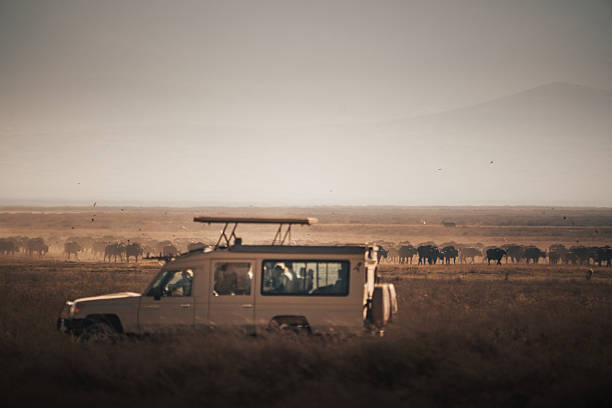
The standard for safari travel is a 4×4 safari vehicle, typically a Land Cruiser or Land Rover. These are equipped with:
- Pop-up roofs for optimal game viewing and photography.
- Comfortable seating for passengers.
- Ample space for luggage.
- Reliable suspension for navigating rough terrain.
Your tour operator will usually provide these vehicles and experienced drivers/guides.
Inter-town and Inter-park Travel:
Road travel between towns like Arusha, Moshi, Nairobi, and Kampala can be done via:
- Private Transfers: Comfortable and convenient, often arranged by tour operators. This is the preferred method for most tourists seeking comfort and efficiency.
- Shuttles and Buses: More economical but less comfortable and significantly slower. These are generally not recommended for tourists on a tight schedule or those prioritizing comfort.
Road conditions can vary significantly. Major highways are often paved, but roads within national parks and to more remote areas can be unpaved, dusty, and bumpy, especially during the rainy seasons.
Illustrative Route: Arusha to Serengeti National Park (Northern Tanzania)
| Start: Arusha | (Gateway city, hotels, tour operator offices) |
| Route Segment 1: Arusha to Ngorongoro Conservation Area Gate (e.g., Karatu area) | Approx. 3-4 hours. Paved roads for most of the way, passing through agricultural land and small towns. |
| Route Segment 2: Ngorongoro Conservation Area Gate to Serengeti National Park (e.g., Central Serengeti Airstrip area) | Approx. 4-6 hours (depending on wildlife sightings and lodge location). Primarily unpaved, rough tracks within the conservation area and park. Game drives begin immediately. |
| End: Serengeti National Park Camps/Lodges | (Various areas like Seronera, Lobo, Grumeti, depending on season and preference) |
Exploring Specific Pan-East Africa Transport Routes
Let’s break down common travel patterns and the transport routes that facilitate them.
Tanzania-Centric Routes
Tanzania offers the classic Northern Circuit and Southern Circuit safaris, plus the iconic Mount Kilimanjaro and the exotic island of Zanzibar.
Northern Circuit Safari (Serengeti, Ngorongoro, Tarangire, Manyara):
- Entry Point: Kilimanjaro International Airport (JRO) or Arusha Airport (ARK).
- Transport: Typically a 4×4 safari vehicle departing from Arusha or Moshi.
- Route Logic: Arusha -> Tarangire NP -> Lake Manyara NP -> Ngorongoro Conservation Area (Crater descent) -> Serengeti NP. The order can vary.
- Internal Travel: Mostly by 4×4 safari vehicle. Some travelers opt for a flight from Arusha/JRO to a Serengeti airstrip to save driving time.
- Duration: Usually 5-7 days for a good overview.
Kilimanjaro Trekking:
- Entry Point: Kilimanjaro International Airport (JRO).
- Transport: Transfer from JRO to your hotel in Arusha or Moshi, then a drive in a 4×4 vehicle to the mountain’s base gate (e.g., Marangu, Machame).
- Route Logic: Arrive JRO -> Arusha/Moshi (briefing) -> Mountain Gate -> Trekking routes (Machame, Lemosho, Marangu, etc.) -> Descend to gate -> Transfer back to Arusha/Moshi.
- Duration: Trekking itself is 5-9 days, plus arrival/departure days.
Zanzibar Holidays:
- Entry Point: Abeid Amani Karume International Airport (ZNZ) or ferry from Dar es Salaam.
- Transport: Flights from JRO, DAR, or NBO are common. Ferries operate from Dar es Salaam. On the island, taxis, private transfers, and local dala-dalas (minibuses) are used.
- Route Logic: Arrive ZNZ -> Stone Town (historical exploration) -> Transfer to beach resorts (Nungwi, Kendwa, Paje, Jambiani) -> Spice tours, Jozani Forest.
- Duration: 3-7 days are typical for a beach holiday.
Kenya Connections
Kenya is famed for its iconic Masai Mara and diverse landscapes.
Masai Mara Safari:
- Entry Point: Jomo Kenyatta International Airport (NBO) in Nairobi.
- Transport: Most commonly a 4×4 safari vehicle from Nairobi, or a short flight from Wilson Airport (WIL) in Nairobi to a Mara airstrip.
- Route Logic: Nairobi -> Masai Mara National Reserve. Roads within the Mara are unpaved tracks.
- Duration: 3-5 days for a typical safari.
Combining Kenya and Tanzania:
- Common Route: Nairobi -> Masai Mara -> (cross border) -> Serengeti -> Ngorongoro -> Arusha.
- Transport Options:
- Road: A long but scenic drive from the Mara to Serengeti via the Isebania/Sirare border crossing. This can take a full day or more. Requires careful border crossing arrangements.
- Flight: Fly from a Mara airstrip to Kilimanjaro (JRO) or Arusha (ARK), or vice versa. This is significantly faster and more convenient.
Uganda Access
Uganda is the prime destination for gorilla and chimpanzee trekking.
Gorilla Trekking (Bwindi Impenetrable National Park / Mgahinga Gorilla National Park):
- Entry Point: Entebbe International Airport (EBB).
- Transport:
- Road: A long drive (8-10 hours) from Kampala/Entebbe to the gorilla trekking regions. This is a scenic journey through Ugandan countryside.
- Flight: Charter flights can be arranged from Entebbe (EBB) to Kihihi or Kisoro airstrips, significantly reducing travel time.
- Route Logic: EBB -> Kampala/Entebbe (overnight) -> Drive or fly to Bwindi/Mgahinga -> Trekking -> Drive or fly back to EBB.
- Duration: 3-4 days minimum for a gorilla trek trip.
Chimpanzee Trekking (Kibale Forest National Park):
- Entry Point: Entebbe International Airport (EBB).
- Transport: Similar to gorilla trekking, either a long drive from Kampala/Entebbe or a flight to a nearby airstrip.
- Route Logic: EBB -> Kampala/Entebbe -> Drive or fly to Kibale -> Trekking -> Drive or fly back.
Cross-Border Journeys
Combining multiple countries offers a richer East African experience. Here are common cross-border routes and their transport implications:
Tanzania & Kenya:
- Nairobi (Kenya) to Arusha/Serengeti (Tanzania):
- Air: Direct flights from NBO to JRO/ARK are fastest.
- Road: Long drive from Nairobi to Arusha (approx. 5-6 hours). From Arusha, begin your Tanzanian safari. Alternatively, a very long road trip from the Masai Mara to Serengeti via border crossings.
Tanzania & Uganda:
- Arusha/Serengeti (Tanzania) to Kampala/Bwindi (Uganda):
- Air: Fly from JRO/ARK to EBB (often via Nairobi or Addis Ababa). This is the most practical way.
- Road: An extremely long and complex road journey, not typically recommended for tourists due to time and logistical challenges.
Kenya & Uganda:
- Nairobi (Kenya) to Kampala/Bwindi (Uganda):
- Air: Fly from NBO to EBB. This is the most common and efficient method.
- Road: A long drive (approx. 10-12 hours) between Nairobi and Kampala, crossing the border at Malaba.
Important Note on Border Crossings: When planning cross-border travel, especially by road, ensure your visa requirements are met and that your tour operator can facilitate smooth transitions. Some border posts can be busy and time-consuming.
Best Time to Travel and Transport Considerations
The timing of your trip significantly impacts road conditions and flight availability.
| Season | Months | Weather Impact on Transport | Key Considerations |
|---|---|---|---|
| Dry Season | June – October | Roads are generally good, less dust. Ideal for safari drives. Flights are reliable. | Peak tourist season. Higher prices. Excellent wildlife viewing as animals congregate near water sources. |
| Short Rains | November – December | Occasional showers, can make some tracks muddy but usually passable. Landscapes become greener. | Shoulder season. Fewer crowds, potentially lower prices. Good for birdwatching. |
| Long Rains | March – May | Heavy, prolonged rains. Roads can become very muddy, impassable in some areas. Some remote airstrips may be affected. Safari activities might be limited in certain parks. Ferry services can be affected by rough seas. | Low season. Best prices. Lush scenery. Ideal for birding and fewer crowds, but requires flexible planning and sturdy 4×4 vehicles. Many lodges offer lower rates. |
| Green Season / Shoulder | January – February | Generally dry but can have short showers. Roads are usually good. | Good wildlife viewing, especially calving season in Serengeti. Pleasant temperatures. |
For 2026-2027 travel, consider that the dry seasons (June-October) are optimal for road travel and reliable flights. The rainy season (March-May) requires more flexibility and a well-prepared 4×4 vehicle, especially for off-the-beaten-path destinations.
What to Expect on East African Roads and Flights
On the Roads:
- Comfort Levels: Safari vehicles offer a good level of comfort, but expect bumps, dust, and potentially long hours in the vehicle, especially on longer transfers.
- Pace: Travel is often slow due to road conditions and the desire to stop for wildlife sightings. Don’t expect to cover vast distances quickly by road.
- Scenery: Road journeys offer incredible views of the landscape, local villages, and roadside life.
- Driver-Guides: Your driver-guide is your key to the region. They are knowledgeable about wildlife, culture, and navigation.
- Breakdowns: While tour operators maintain their vehicles well, occasional breakdowns can occur. Patience and a good relationship with your guide are helpful.
On the Flights:
- Airstrip Experience: Flights to national parks usually land on small dirt airstrips. You’ll be met by your lodge’s vehicle or safari guide.
- Luggage Restrictions: Small bush planes often have strict weight and size limits for luggage (typically 15-20kg in a soft duffel bag).
- Views: Flights offer spectacular aerial views of the landscape, Great Rift Valley, and wildlife herds.
- Punctuality: Flights can be subject to weather delays or changes in schedule, especially in the rainy season.
Inclusions, Packing, and Preparation
When booking a tour that involves extensive Pan-East Africa transport routes, understanding what’s included is vital.
Typical Inclusions by Tour Operators:
- Ground Transport: 4×4 safari vehicle with a driver-guide for safari portions.
- Airport Transfers: Transfers from international/domestic airports to hotels/lodges.
- Inter-hotel/Lodge Transfers: Transport between accommodation.
- Park Fees: In some packages, park entry fees are included.
- Fuel: For all included drives.
What Might NOT Be Included:
- International Flights: Your flights to and from East Africa.
- Internal Flights: Unless specifically stated, flights between countries or to remote airstrips are often extra.
- Visa Fees: Costs for obtaining visas.
- Tips: Gratuities for guides, drivers, lodge staff.
- Personal Expenses: Drinks, laundry, souvenirs.
Packing Essentials for Transport:
- Soft Duffel Bag: Essential for bush flights. Avoid hard suitcases.
- Comfortable Clothing: Layers are key. Neutral colors for safari.
- Sun Protection: Hat, sunglasses, high SPF sunscreen.
- Insect Repellent: Especially for evenings and jungle areas.
- Camera and Binoculars: For wildlife viewing. Extra batteries/power banks.
- Reusable Water Bottle: Stay hydrated and reduce plastic waste.
- Lightweight Jacket/Fleece: Evenings can be cool, especially at higher altitudes or during certain seasons.
- Comfortable Walking Shoes: For exploring towns or light walking.
Common Mistakes to Avoid
Navigating Pan-East Africa transport routes comes with potential pitfalls. Be aware of these:
- Underestimating Travel Times: Distances look shorter on a map than they are in reality due to road conditions and speed limits. Always add buffer time.
- Booking Flights Last Minute: Internal and regional flights can fill up, especially during peak season. Book in advance.
- Ignoring Luggage Limits for Bush Flights: Exceeding weight or size limits can lead to missed flights or extra charges.
- Relying Solely on Public Transport: While economical, public buses are slow, crowded, and often don’t go to tourist destinations.
- Not Factoring in Border Crossing Times: International border crossings can take several hours.
- Assuming All Roads are Paved: Many roads, especially within parks, are unpaved and can be challenging, particularly in the rainy season.
- Not Consulting Your Tour Operator: Experienced operators like Top Guide Adventures have invaluable knowledge about the best routes, reliable transport, and current conditions.
Who Are Pan-East Africa Transport Routes Best For?
These routes and transport methods cater to a range of travelers:
- Adventurous Travelers: Those comfortable with longer drives and varied road conditions.
- Safari Enthusiasts: The vast majority of safari-goers rely on 4×4 vehicles and a network of roads within parks.
- Multi-Country Explorers: Travelers looking to experience safaris in Kenya and Tanzania, or gorillas in Uganda and then beach time in Zanzibar, will utilize these routes.
- Budget Travelers (with caveats): While private transfers and flights are more expensive, some travelers opt for longer bus journeys between major cities (though not recommended for safari logistics).
- Time-Conscious Travelers: Those who opt for internal flights to maximize their time on the ground.
Alternatives to Direct Pan-East Africa Transport
While direct routes are common, consider these alternatives:
- Focus on One Country: Instead of hopping between countries, dedicate your entire trip to exploring Tanzania (safaris, Kilimanjaro, Zanzibar), Kenya, or Uganda in depth. This simplifies logistics.
- Organized Group Tours: Many operators offer set itineraries that already incorporate the best transport methods for specific routes.
- Island Hopping (within Zanzibar): Instead of just one beach location, use local taxis or transfers to explore different beaches and villages on Zanzibar.
- Walking Safaris (where permitted): In some areas outside the main parks, guided walking safaris offer a different perspective and require minimal transport.
Planning Your 2026-2027 East African Adventure
Planning for 2026 and 2027 requires foresight, especially concerning travel routes and availability. Here’s a planning guide:
Step-by-Step Planning for 2026-2027:
- Define Your Interests: What do you want to see? (Wildlife, mountains, beaches, culture). This dictates which countries and specific routes are relevant.
- Choose Your Destinations: Based on interests, select countries (e.g., Tanzania for Serengeti & Zanzibar, Uganda for gorillas).
- Determine Trip Length: How much time do you have? This will influence whether you can combine countries or need to focus on one.
- Select Transport Modes: Decide if you prefer the speed of flights or the scenery of road travel for inter-country or long-distance internal journeys.
- Research Itineraries: Look at sample itineraries from reputable operators. See how they connect destinations and what transport they use.
- Consider Seasonality: For 2026-2027, check the expected weather patterns for your chosen travel dates and how they might affect road conditions.
- Budgeting: Factor in costs for internal flights, private transfers, park fees, and your chosen level of accommodation.
- Book Key Elements Early: Especially for 2026-2027, popular lodges, gorilla permits (for Uganda/Rwanda), and flights should be booked well in advance.
2026-2027 Planning Checklist:
- [ ] Define travel dates & duration
- [ ] Select countries and key destinations
- [ ] Research visa requirements for each country
- [ ] Check passport validity (at least 6 months beyond stay)
- [ ] Identify preferred transport modes (flights vs. road)
- [ ] Get quotes from reputable tour operators
- [ ] Book internal/regional flights if necessary
- [ ] Secure accommodation, especially in popular areas
- [ ] Arrange necessary permits (e.g., gorilla trekking)
- [ ] Purchase travel insurance
- [ ] Get necessary vaccinations and malaria prophylaxis
- [ ] Pack appropriately for varied climates and activities
- [ ] Inform your bank about your travel plans
- [ ] Confirm all transport arrangements before departure
Booking Advice
When booking your East African adventure, particularly for 2026-2027 travel, consider the following:
- Choose a Reputable Tour Operator: Look for operators with extensive experience in East Africa, good reviews, and clear communication. Top Guide Adventures has been helping travelers plan their dream trips for years.
- Be Specific About Your Needs: Clearly state your interests, budget, preferred pace, and any specific transport requirements when requesting quotes.
- Ask About Transport Details: Don’t hesitate to ask for specifics about the vehicles used, flight arrangements, and estimated travel times.
- Understand Inclusions/Exclusions: Get a detailed breakdown of what your package covers regarding transport, accommodation, meals, and activities.
- Read the Fine Print: Pay attention to cancellation policies, payment schedules, and terms and conditions.
- Confirm Luggage Policies: If bush flights are involved, reconfirm luggage weight and size limits.
- Consider a Combination Package: Many operators can create custom packages that seamlessly blend different countries and transport methods, optimizing your experience.
For seamless planning and an unforgettable journey across the Pan-East Africa transport routes in 2026-2027, reach out to experienced professionals who understand the local logistics.
Frequently Asked Questions
Q1: How do I get from Kilimanjaro Airport (JRO) to Arusha?
Answer: The most common way is via a pre-booked private transfer arranged by your tour operator. The drive takes approximately 45-60 minutes. Taxis are also available at the airport.
Q2: Is it possible to drive from Nairobi, Kenya to Arusha, Tanzania?
Answer: Yes, it is possible to drive between Nairobi and Arusha. The journey takes approximately 5-6 hours, including border crossing procedures at Namanga. This is often arranged as a private transfer.
Q3: What is the best way to travel between the Serengeti and Ngorongoro Crater?
Answer: This is typically done by 4×4 safari vehicle. The drive takes several hours, with game viewing opportunities along the way. Some travelers opt to fly from a Serengeti airstrip to Kilimanjaro (JRO) or Arusha (ARK) to connect to other destinations.
Q4: Are there direct flights between Tanzania and Uganda?
Answer: Direct flights are rare. Most connections involve a transit, typically through Nairobi (Kenya) or Addis Ababa (Ethiopia). Flying is the most efficient way to travel between these countries.
Q5: What are the luggage restrictions for internal flights in East Africa?
Answer: For small bush planes serving safari airstrips, luggage is usually restricted to 15-20 kg (33-44 lbs) per person, and it must be in a soft-sided duffel bag. Always confirm with your airline or tour operator.
Q6: How reliable is public bus transport for tourists in East Africa?
Answer: Public buses are generally not recommended for tourists aiming for comfort, efficiency, or reaching remote destinations. They are slow, crowded, and their routes may not align with tourist itineraries. Private transfers or specialized safari vehicles are preferred.
Q7: Can I use the same 4×4 vehicle for my entire East African safari if I visit multiple countries?
Answer: This depends on your itinerary. If you are doing a combined Kenya-Tanzania safari, you might use one vehicle in Kenya and a different one in Tanzania, or arrange for a vehicle and guide to cross borders (which can be complex and costly). Often, it’s more practical to switch operators or vehicles at the border or fly between countries.
Q8: What is the best time of year for road travel across Pan-East Africa routes in 2026?
Answer: The dry seasons (June-October and January-February) are generally best for road travel, as roads are in better condition. The long rainy season (March-May) can make many unpaved roads difficult or impassable.
Q9: How do I get from mainland Tanzania to Zanzibar?
Answer: The most common ways are by a short flight (approx. 20-30 minutes) from Dar es Salaam (DAR) or Kilimanjaro (JRO) to Zanzibar (ZNZ), or by ferry from Dar es Salaam to Zanzibar City. The ferry takes about 1.5-2 hours.
Q10: Are there organized bus tours that cover multiple East African countries?
Answer: While some backpacker-style overland tours exist, they are typically long, basic, and focused on budget travel. For a comfortable and efficient experience exploring Pan-East Africa transport routes, customized private tours or small group tours arranged by specialist operators are far more suitable for most travelers in 2027.
Ready to Explore East Africa?
Navigating the Pan-East Africa transport routes is a key part of planning an incredible journey. Whether you dream of witnessing the Great Migration in the Serengeti, trekking to the roof of Africa on Kilimanjaro, or relaxing on the beaches of Zanzibar, understanding how to get there is the first step.
At Top Guide Adventures, we specialize in creating tailor-made itineraries that optimize your travel experience. We handle the complex logistics of flights, transfers, and safari vehicles, so you can focus on the adventure. Let us help you plan your unforgettable East African safari or holiday for 2026-2027.
Contact us today to start planning:
- WhatsApp: +255616946642
- Email: topguideadventures@gmail.com
- Backup Email: info@topguideadventures.com
We look forward to helping you explore the wonders of East Africa!
Plan your Pan-East Africa Transport Routes with Top Guide Adventures
Tell us your travel dates, group size, comfort level, and dream experience. We will help you shape a clear, realistic, and memorable Tanzania itinerary.







 Veedesigner
 Fatma Kizanga
 Benjamin Waryuba
 Philip Philip
 John jr Itaja
 Antonia Optatus
 Edith Kanyere
 Neema Iddy
 Kelvin Boniphace
 Damari Maiga



