
Updated planning guide for 2026-2027
Cross-Border Transport Costs: Complete Guide 2026-2027
Planning a trip to Tanzania and wondering about cross-border transport costs? This comprehensive guide breaks down everything you need to know for safaris, Kilimanjaro climbs, and Zanzibar holidays in 2026-2027.
WhatsApp +255616946642 | topguideadventures@gmail.com | info@topguideadventures.com

Understanding Cross-Border Transport Costs in Tanzania
Planning an adventure to Tanzania involves many exciting elements, from spotting the Big Five on safari to conquering Mount Kilimanjaro or relaxing on Zanzibar’s pristine beaches. A crucial, often overlooked, aspect of this planning is understanding cross-border transport costs. These costs can significantly impact your overall budget and itinerary, especially if you’re traveling to or from neighboring countries, or even just considering internal flights and longer road journeys within Tanzania. This guide aims to provide a clear, practical overview for travelers planning their 2026-2027 Tanzanian expeditions.
Many travelers arrive in Tanzania via international flights, but the complexities of cross-border transport costs emerge when planning onward journeys, multi-country East African adventures, or even for those arriving from Kenya or Uganda by land. We will explore the various modes of transport, factors influencing costs, and how to budget effectively for your Tanzanian dream trip.
| Aspect | Details |
|---|---|
| Main International Airports | Julius Nyerere International Airport (DAR) in Dar es Salaam, Kilimanjaro International Airport (JRO) near Arusha, Abeid Amani Karume International Airport (ZNZ) in Zanzibar. |
| Primary Gateway for Safaris/Kili | Kilimanjaro International Airport (JRO) or Arusha Airport (ARK) for domestic flights. |
| Common Border Crossings | Kenya (Namanga, Taveta), Uganda (Mutukula). |
| Major Internal Transport Modes | Flights (domestic), private vehicles (safaris), shared shuttles/buses, ferries (to/from Zanzibar). |
| Key Cost Influencers | Distance, mode of transport, fuel prices, vehicle type, time of year, group size, border fees, visa requirements. |
Table of Contents
- Understanding the Landscape of Tanzania Transport
- Why Understanding Cross-Border Transport Costs is Crucial
- Modes of Transport and Associated Costs
- Factors Affecting Cross-Border Transport Costs
- Budgeting for Your Tanzania Trip: Cost Considerations
- Sample Routes and Cost Notes
- Planning Your 2026-2027 Trip: Key Considerations
- Common Mistakes to Avoid
- Who is This Guide Best For?
- Alternatives to Standard Cross-Border Transport
- Booking Advice for Seamless Travel
- Frequently Asked Questions
Understanding the Landscape of Tanzania Transport
Tanzania is a vast country with diverse attractions spread across significant distances. Getting from point A to point B often involves choices that directly influence your budget and experience. When we talk about cross-border transport costs, it’s not just about international flights. It encompasses the entire journey, including moving between regions, crossing national borders, and the various logistical considerations involved. For instance, a safari starting in Arusha and ending in Zanzibar will involve significant internal transport costs, whether through flights or a combination of road and ferry.
The primary hubs for international arrivals are Kilimanjaro International Airport (JRO) for northern Tanzania safaris and Mount Kilimanjaro treks, and Julius Nyerere International Airport (DAR) in Dar es Salaam for southern safaris and access to Zanzibar. Zanzibar has its own international airport (ZNZ).
For travelers entering Tanzania overland, common points of entry include the Namanga border crossing from Kenya (a popular route for those combining Kenya and Tanzania safaris) and the Mutukula border from Uganda (often used by those exploring East Africa). These border crossings introduce their own set of costs related to visas, transport changes, and potential delays.
Why Understanding Cross-Border Transport Costs is Crucial
Ignoring the nuances of cross-border transport costs can lead to budget overruns, missed connections, and a less enjoyable trip. Here’s why it’s vital to get a handle on this:
- Budget Management: Transport, especially private vehicle hire for safaris or internal flights, can be one of the largest components of a Tanzanian travel budget after accommodation and park fees. Understanding these costs upfront allows for realistic financial planning.
- Itinerary Design: The cost and availability of transport options can dictate the feasibility of certain routes or the pace of your journey. For example, extensive overland travel might be cheaper but takes considerably more time than flying, impacting how many destinations you can realistically visit.
- Logistical Efficiency: Knowing the best and most efficient ways to move between locations saves time and reduces stress. This is particularly important for time-sensitive activities like Kilimanjaro ascents or short safari durations.
- Maximizing Experience: Choosing the right transport can enhance your experience. A private safari vehicle offers flexibility and comfort, while a ferry ride to Zanzibar provides scenic views.
- Avoiding Surprises: Unexpected costs at borders or for last-minute transport changes can be a significant dampener on a holiday. Proper research mitigates these surprises.
Modes of Transport and Associated Costs
Several modes of transport are available for getting around Tanzania and its borders. Each comes with its own cost structure and suitability for different travel styles.
Road Transport: Private Vehicles and Shuttles
Road transport is the backbone of Tanzanian travel, especially for safaris and overland journeys. The costs vary dramatically based on the type of vehicle and service.
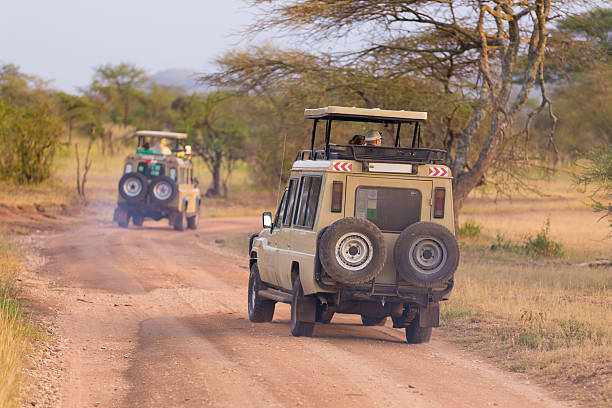
- Private Safari Vehicles: This is the most common and recommended mode for safaris. You’ll typically hire a 4×4 vehicle with a dedicated driver-guide for the duration of your safari. The cost is usually quoted per vehicle per day, which includes the driver’s fee, fuel, and vehicle maintenance. This cost is then divided among the passengers. For 2026-2027, expect daily rates for a private safari vehicle to be substantial, reflecting the specialized nature of the vehicle, the expertise of the driver-guide, and the fuel consumption in remote areas. The total cost will depend on the number of safari days.
- Shared Shuttles/Buses: For budget travelers, public buses and shared shuttle services connect major towns and cities. These are significantly cheaper but much slower, less comfortable, and may not be suitable for reaching remote safari lodges or trailheads. Routes like Arusha to Moshi, Arusha to Dar es Salaam, or Dar es Salaam to Zanzibar ferry terminal are well-served. Costs are per person, per journey.
- Transfers between Towns/Airports: Private transfers between airports, hotels, and tour starting points are common. These are usually fixed-price per vehicle. For example, a transfer from JRO airport to Arusha town or Moshi will have a set rate.
- Overland Travel between Countries: Traveling by road from Kenya (e.g., Nairobi to Arusha) or Uganda (e.g., Kampala to Arusha) involves border crossing procedures, potential visa fees, and arranging transport on both sides. You might take a bus to the border, cross on foot, and then catch another bus or taxi on the other side. Alternatively, organized shuttle services can handle the entire route, often at a higher cost but with greater convenience. The cross-border transport costs here include fuel, driver fees, potential border assistance fees, and the cost of the vehicle itself.
Air Travel: Domestic Flights
Domestic flights are an efficient way to cover long distances in Tanzania, saving considerable time compared to road travel. This is especially relevant for reaching Zanzibar from the mainland or accessing remote safari airstrips.
- Routes: Popular routes include Arusha (ARK) to Zanzibar (ZNZ), Dar es Salaam (DAR) to Zanzibar (ZNZ), and flights to remote airstrips within national parks (e.g., Seronera in Serengeti, Manyara).
- Cost Factors: Prices are per person, per flight, and vary significantly based on the airline, route, time of booking, and season. Booking in advance is highly recommended, especially for 2026-2027 travel, as seats on popular routes fill up quickly.
- When it’s Worth It: If your itinerary is tight or you prioritize comfort and speed, domestic flights are a valuable option, despite being more expensive than buses. For example, flying from Arusha to Zanzibar saves an entire day of travel compared to road and ferry.
Ferry Travel: To and From Zanzibar
For travelers going between mainland Tanzania (Dar es Salaam) and the Zanzibar archipelago, the ferry is a common and cost-effective option.
- Route: The main ferry route is Dar es Salaam to Zanzibar City (Unguja Island).
- Cost: Ferry tickets are priced per person. There are usually different classes of seating, with ‘first class’ being more expensive but offering better comfort and views. While not excessively high, these costs add up if you’re traveling round trip.
- Considerations: The ferry can sometimes be delayed or cancelled due to weather conditions. It’s also advisable to book tickets in advance, especially during peak seasons. For those with significant luggage or a preference for speed, flying might be a better alternative, though it incurs higher cross-border transport costs.
Land Border Crossings (Kenya, Uganda)
Crossing overland into Tanzania from neighboring countries involves specific procedures and associated costs.
- Kenya to Tanzania (Namanga/Taveta): This is a very common route for tourists. You can take a bus or shuttle from Nairobi to Arusha. The cross-border transport costs here include the bus/shuttle fare, potential visa fees for Tanzania (check current requirements for your nationality), and sometimes fees for assistance with border formalities. Drivers of private vehicles crossing the border will need to arrange temporary import permits and insurance.
- Uganda to Tanzania (Mutukula): This route is less common for typical safari-goers but used by those on longer East African journeys. Similar to the Kenya border, costs involve transport to the border, visa processing, and onward travel arrangements.
- Visa Costs: Ensure you factor in the cost of Tanzanian visas, which can often be obtained at the border or online in advance. Visa fees vary by nationality.
| Transport Mode | Indicative Cost Range (USD) | Notes |
|---|---|---|
| Private Safari Vehicle (per day, shared) | $250 – $500+ | Includes driver, fuel, vehicle. Divided by passengers. |
| Domestic Flight (one-way) | $100 – $300+ | Arusha-Zanzibar, DAR-ZNZ. Varies by airline/route. |
| Ferry (Dar-Zanzibar, one-way) | $35 – $50 | Standard/First Class. |
| Shuttle Bus (Arusha-Nairobi, one-way) | $30 – $50 | Includes border assistance. |
| Public Bus (Arusha-Dar, one-way) | $20 – $40 | Longer journey, basic comfort. |
| Airport Transfer (JRO-Arusha) | $40 – $70 | Per vehicle. |
Disclaimer: These are indicative costs for planning purposes for 2026-2027 and are subject to change. Actual prices will depend on specific providers, booking times, and market conditions.
Factors Affecting Cross-Border Transport Costs
Several elements influence the final price you pay for transport in and around Tanzania:
- Distance: Naturally, longer journeys cost more. A drive from Dar es Salaam to the southern safari circuits (like Ruaha) is extensive and will incur significant fuel and driver costs compared to a short transfer.
- Mode of Transport: As detailed above, private vehicles and flights are the most expensive, while public buses are the cheapest.
- Fuel Prices: Fuel costs can fluctuate significantly and have a direct impact on road transport expenses. Tanzania’s fuel prices are influenced by global markets and local distribution.
- Vehicle Type: For safaris, the type of 4×4 used (e.g., Land Cruiser vs. Land Rover) can affect the daily hire rate.
- Time of Year (Seasonality): During peak tourist seasons (e.g., June-October, December-February), demand for transport, especially safari vehicles and flights, increases, potentially leading to higher prices or reduced availability. Booking well in advance for 2026-2027 is crucial during these times.
- Group Size: For private vehicles, the cost per person decreases as the group size increases (up to the vehicle’s capacity).
- Border Fees and Visas: While not strictly transport costs, visa fees and any border assistance charges are often part of the overall budget for cross-border travel.
- Operator Markup: Tour operators add their margin for arranging transport, managing logistics, and providing customer support. This is where using a reputable local operator like Best Tanzania Tour Operator can provide value and clarity on pricing.
Budgeting for Your Tanzania Trip: Cost Considerations
When budgeting for your Tanzanian adventure, specifically for cross-border transport costs, consider the following:
- Build in Buffer: Always add a buffer of 10-15% to your transport budget for unforeseen circumstances, fuel price increases, or last-minute changes.
- Compare Inclusions: When receiving quotes, always check what is included in the transport price. For safari vehicles, ensure it covers the driver, fuel, park entry for the vehicle, and any vehicle-related fees. For flights, check baggage allowances.
- Factor in Time vs. Cost: Decide your priority. If time is limited, budget for flights. If you have more flexibility and want to save money, factor in longer road journeys.
- Research Visa Requirements: Understand the visa costs for Tanzania based on your nationality and where you’ll be entering. This is a key part of cross-border budgeting.
- Group Travel Savings: If traveling with friends or family, sharing the cost of private vehicles significantly reduces the per-person expense.
- Book in Advance: Especially for 2026-2027, booking flights and longer road transfers well in advance can secure better rates and availability.
Sample Routes and Cost Notes
To illustrate how cross-border transport costs factor into different itineraries, here are some sample routes. Note that exact prices are not provided, as they fluctuate, but the cost considerations are highlighted.
Safari Circuit (Northern Tanzania)
* Arrival: Kilimanjaro International Airport (JRO).
* Transport: Private 4×4 safari vehicle with driver-guide for 5-7 days covering Tarangire, Serengeti, Ngorongoro Crater.
* Internal Movement: Transfers from JRO to Arusha/Moshi, then daily drives between parks.
* Departure: Fly from a Serengeti airstrip (e.g., Seronera) to Zanzibar (ZNZ), or drive back to JRO for international departure.
* Cost Notes: This route is heavily reliant on private safari vehicle hire, which is a significant daily expense. The cost per person depends on the number of people in the vehicle. Flying out of Serengeti adds flight costs but saves time and a long drive back.
Kilimanjaro Trek & Safari Combo
* Arrival: JRO.
* Transport: Transfer to Moshi/Arusha. Kilimanjaro trek (5-9 days) with dedicated crew (guides, porters, cook). Post-trek transfer to Arusha. Private 4×4 safari vehicle for 2-3 days (e.g., Tarangire, Lake Manyara).
* Departure: Fly from JRO.
* Cost Notes: The primary costs are the Kilimanjaro trek package (which includes crew, food, park fees, camping/hut fees) and the safari vehicle hire. Transport between locations is usually included in the trek or safari package quotes.
Zanzibar Beach Holiday with Mainland Excursions
* Arrival: Zanzibar Airport (ZNZ).
* Transport: Transfers within Zanzibar. Optional day trip or 2-day excursion to mainland Tanzania (e.g., a quick safari in Mikumi or Selous, or a visit to Dar es Salaam).
* Internal Movement: Flight or ferry between mainland and Zanzibar.
* Departure: ZNZ.
* Cost Notes: The main cross-border transport costs here are the flights or ferry tickets between Zanzibar and the mainland. If opting for a mainland excursion, factor in the cost of that specific tour package, which will include local transport.
Multi-Country East Africa (Kenya/Tanzania)
* Arrival: Nairobi, Kenya.
* Transport: Shuttle bus or private vehicle from Nairobi to Arusha, Tanzania. Safari in Northern Tanzania (5-7 days). Transfer to Arusha Airport (ARK). Flight from ARK to Zanzibar (ZNZ). Ferry or flight from Zanzibar to Dar es Salaam (DAR). International flight from DAR.
* Departure: DAR.
* Cost Notes: This itinerary involves multiple cross-border transport legs: Nairobi-Arusha (shuttle/private), internal Tanzanian travel (safari vehicle), and flights/ferry to Zanzibar and then to Dar. Each leg needs to be budgeted separately. This is where understanding cross-border transport costs across different countries becomes essential.
Tanzania – Key Transport Hubs & Routes Overview
This is a simplified illustration of common travel flows.
+-----------------+     (Road/Air)     +-----------------+     (Road/Air)     +-----------------+     (Air/Ferry)     +-----------------+     (Air)     +-----------------+
| Nairobi, Kenya  |------------------>| Arusha/JRO, TZ  |------------------>| Serengeti Airstrip|------------------>| Zanzibar (ZNZ)  |------------------>| Dar es Salaam (DAR) |
+-----------------+                  +-----------------+                  +-----------------+                  +-----------------+                  +-----------------+
        ^                                    |                                    |                                    ^                                    |
        | (Road/Air)                         | (Road/Air/Ferry)                   | (Road/Air)                         | (Road/Air)                         | (Air/Road)
        |                                    v                                    v                                    |
        +------------------------------------+------------------------------------+------------------------------------+------------------------------------+
                                             | Safari Parks (Tarangire, L. Manyara, Ngorongoro) |
                                             +----------------------------------------------------+
Note: This is a conceptual map. Actual routes and connections vary.
Planning Your 2026-2027 Trip: Key Considerations
As you look ahead to planning your 2026 or 2027 Tanzanian adventure, keep these points in mind regarding transport costs:
- Book Early for Peak Seasons: For travel in 2026 or 2027 during popular months (June-October, December-February), book international flights, domestic flights, and safari vehicles at least 6-12 months in advance to secure better rates and availability.
- Stay Informed on Fuel Prices: While hard to predict far in advance, be aware that significant global fuel price shifts could impact overland travel costs.
- Visa Policy Updates: Check the latest Tanzanian visa requirements and fees for your nationality closer to your travel dates for 2026-2027.
- Consult Local Experts: Working with a reputable Tanzanian tour operator can provide the most accurate and up-to-date costings for transport within the country. They have established relationships with providers and understand the local market dynamics.
- Flexibility: If your dates are flexible, consider traveling during the shoulder seasons (e.g., March-May, November) when demand might be lower, potentially leading to slightly reduced transport costs.
Common Mistakes to Avoid
Here are some common pitfalls travelers encounter regarding transport costs:
- Underestimating Road Travel Time: Assuming you can cover vast distances quickly by road without accounting for road conditions, potential delays, and the need for frequent stops. This can lead to rushed itineraries or missed activities.
- Ignoring Domestic Flight Costs: While convenient, flights add up. If on a tight budget, meticulously plan overland routes, even if they take longer.
- Not Factoring in Border Crossing Logistics: Underestimating the time and potential costs (visas, transport changes) involved in overland border crossings.
- Last-Minute Bookings: Booking transport, especially flights or safari vehicles, close to the travel date can result in significantly higher prices or lack of availability.
- Not Clarifying Inclusions: Accepting a quote without understanding what’s included in the transport price (e.g., fuel, driver’s allowance, park entry for vehicle) can lead to unexpected charges.
- Over-reliance on Public Transport for Remote Areas: Public buses are great for town-to-town travel, but they won’t get you to remote lodges or specific park gates.
Who is This Guide Best For?
This guide is designed for a broad range of travelers planning a trip to Tanzania, including:
- First-time Tanzania Visitors: Those unfamiliar with the logistics and costs of travel within the country.
- Budget Travelers: Individuals or groups looking to understand the cheapest ways to travel and how to allocate their funds effectively.
- Mid-Range and Luxury Travelers: Those seeking comfort and efficiency, needing to understand the premium costs associated with private vehicles and flights.
- Multi-Country East Africa Explorers: Travelers planning to combine Tanzania with neighboring countries like Kenya or Uganda.
- Safari Enthusiasts: Anyone planning a safari in parks like the Serengeti, Ngorongoro, Tarangire, or others, where vehicle hire is a major component.
- Kilimanjaro Trekkers: Understanding how transport connects to the trek starting points and subsequent activities.
- Zanzibar Vacationers: Those arriving from or departing to the mainland, or planning day trips.
Alternatives to Standard Cross-Border Transport
While the modes mentioned are standard, consider these alternatives for specific situations:
- Charter Flights: For ultimate flexibility and speed, especially for reaching very remote lodges or making quick connections, charter flights are an option, albeit at a very high cost.
- Hiring a Vehicle for Longer Durations: Instead of daily rates, some operators might offer weekly rates for vehicle hire, which can be cost-effective for longer overland journeys or extensive exploration.
- Organized Overland Tours: For budget travelers or those seeking a social experience, overland tour companies offer pre-packaged trips that include transport, camping, and sometimes activities, covering multiple countries.
Booking Advice for Seamless Travel
To ensure your travel arrangements are smooth and cost-effective, follow these booking tips:
- Work with a Reputable Local Operator: Companies like Best Tanzania Tour Operator have deep knowledge of Tanzania’s transport networks and can secure competitive rates for vehicles, drivers, and internal flights. They handle the logistics, saving you time and potential headaches. Contact them via WhatsApp at +255616946642 or email at topguideadventures@gmail.com / info@topguideadventures.com.
- Get Detailed Itineraries and Quotes: Ensure your travel agent or operator provides a clear breakdown of all transport costs, including what is included and excluded.
- Book International Flights First: Once your international flights are booked, you’ll have a clearer picture of your arrival and departure dates, allowing you to plan internal transport more effectively.
- Book Internal Flights Early: For popular routes like Arusha-Zanzibar or Dar-Zanzibar, book at least 3-6 months in advance for 2026-2027, especially if traveling during peak season.
- Confirm Vehicle Type and Driver Experience: For safaris, ensure the vehicle is suitable for the terrain and that your driver-guide is experienced and licensed.
- Understand Cancellation Policies: Be aware of the cancellation and refund policies for all transport bookings, especially for flights and long-distance transfers.
Frequently Asked Questions
What are the typical cross-border transport costs when entering Tanzania from Kenya by road?
Entering Tanzania from Kenya typically involves taking a shuttle bus or private transfer from Nairobi to Arusha. Costs for a shuttle bus can range from $30-$50 per person for the entire journey, which often includes some assistance at the border. You’ll also need to factor in the Tanzanian visa fee, which varies by nationality. If driving a private vehicle across the border, you’ll need temporary import permits, insurance, and potentially Carnet de Passages, adding significantly to the cost.
How much should I budget for domestic flights within Tanzania for 2026-2027?
Domestic flights within Tanzania, such as from Arusha to Zanzibar or Dar es Salaam to Zanzibar, can range from $100 to $300+ per person for a one-way ticket. Prices depend heavily on the airline, route, how far in advance you book, and the season. For popular routes and peak travel times in 2026-2027, booking 3-6 months ahead is recommended to secure better fares.
Is it cheaper to fly or take the ferry to Zanzibar from Dar es Salaam?
The ferry is generally cheaper than flying. A one-way ferry ticket from Dar es Salaam to Zanzibar typically costs between $35-$50, depending on the class. Flights, on the other hand, can cost $100-$200+ for a one-way trip. However, the ferry takes several hours and can be affected by sea conditions, while flights are much quicker and more comfortable.
What is included in the daily cost of a private safari vehicle in Tanzania?
Typically, the daily rate for a private safari vehicle in Tanzania includes the vehicle itself (usually a 4×4 Land Cruiser), the professional driver-guide, fuel, and vehicle maintenance. It does not usually include park entry fees, crater service fees (for Ngorongoro), or the driver’s accommodation and meals when on safari for multiple days. Always clarify these inclusions with your tour operator.
Are there any hidden transport costs I should be aware of?
Hidden costs can sometimes arise from: fuel price fluctuations (if not fixed in your contract), tips for drivers/guides, border assistance fees if you’re not using an organized shuttle, and potential charges for excess luggage on domestic flights or ferries. It’s always best to ask your tour operator for a comprehensive breakdown of all potential expenses related to transport.
How do I calculate the total cross-border transport costs for a multi-country trip involving Tanzania?
For a multi-country trip, you need to calculate the transport costs for each leg separately. This includes international flights to your first destination, overland or flight costs between countries (e.g., Kenya to Tanzania), internal transport within each country (safari vehicles, domestic flights), and your international flight out. Summing these individual components will give you the total cross-border and internal transport budget.
Is it safe to use public buses for long-distance travel in Tanzania?
Public buses are a widely used mode of transport for locals and budget-conscious travelers. While generally safe, they can be crowded, slow, and less comfortable than private options. It’s advisable to be vigilant with your belongings. For remote areas or specific park access, public buses are not a viable option. Stick to reputable shuttle services or private transfers for convenience and safety, especially when traveling with significant luggage or on tight schedules.
What are the best practices for booking transport for 2026-2027 travel?
For 2026-2027 travel, book international flights and popular domestic flights 6-12 months in advance. For safari vehicles, book at least 3-6 months ahead, especially for peak seasons. Work with a trusted local tour operator who can provide accurate quotes and manage bookings efficiently. Always confirm what’s included in your quotes and understand cancellation policies.
Your Tanzania Adventure Awaits
Navigating the complexities of cross-border transport costs is a vital step in planning a successful and enjoyable trip to Tanzania. Whether you’re planning a thrilling safari adventure, an iconic Kilimanjaro climb, or a relaxing holiday in Zanzibar, understanding these costs ensures you can budget effectively, design a realistic itinerary, and avoid unwelcome surprises. By considering the various modes of transport, the factors influencing prices, and booking strategically, you can ensure your journey through Tanzania is as smooth as it is unforgettable.
Ready to plan your dream Tanzanian experience for 2026-2027? Let us help you craft the perfect itinerary, taking all transport logistics into account. We offer expert advice and personalized service to make your adventure stress-free.
Contact us today to discuss your travel plans:
- WhatsApp: +255616946642
- Email: topguideadventures@gmail.com
- Backup Email: info@topguideadventures.com
Plan your Cross-Border Transport Costs with Top Guide Adventures
Tell us your travel dates, group size, comfort level, and dream experience. We will help you shape a clear, realistic, and memorable Tanzania itinerary.







 Veedesigner
 Fatma Kizanga
 Benjamin Waryuba
 Philip Philip
 John jr Itaja
 Antonia Optatus
 Edith Kanyere
 Neema Iddy
 Kelvin Boniphace
 Damari Maiga



