
Updated planning guide for 2026-2027
Customs Rules For Tanzania Borders: Complete Guide 2026-2027
Planning a trip to Tanzania? Understand the essential customs rules for entering Tanzania by land, air, or sea to ensure a hassle-free journey. This guide covers everything from what you can bring to what to declare.
WhatsApp +255616946642 | topguideadventures@gmail.com | info@topguideadventures.com
Your Comprehensive Guide to Customs Rules for Tanzania Borders
Arriving in Tanzania is the exciting start to an unforgettable adventure, whether you’re heading for a thrilling safari, a challenging climb up Mount Kilimanjaro, or relaxing on the beaches of Zanzibar. To ensure your journey is as smooth and stress-free as possible, understanding the Customs Rules for Tanzania Borders is crucial. This detailed guide will walk you through everything you need to know about what you can bring into the country, what you must declare, and common pitfalls to avoid. We’ll cover air, land, and sea entry points, providing practical advice for travelers planning their 2026-2027 trips.
Quick Answer: Tanzania’s customs rules aim to control the import of certain goods, protect local industries, and ensure public safety. Travelers are allowed personal effects and limited quantities of alcohol and tobacco duty-free. Prohibited items include narcotics, weapons, and certain agricultural products. Always declare goods exceeding allowances or that might be restricted. Consulting your tour operator for the latest information is recommended.
Table of Contents
- Tanzania Customs Quick Facts
- Understanding Tanzania’s Customs Regulations
- Why Knowing Customs Rules Matters
- Entry Points and Their Specifics
- What You Can Bring Into Tanzania (Duty-Free Allowances)
- What You Must Declare
- Prohibited and Restricted Items
- Special Considerations: Agriculture and Wildlife Products
- Currency Regulations
- Personal Effects and Gifts
- Bringing Goods for Business or Donation
- The Customs Clearance Process
- Common Mistakes to Avoid
- Who Needs to Pay Attention to These Rules?
- Planning Your 2026-2027 Trip: Key Customs Considerations
- Packing and Preparation for Customs
- Alternatives to Bringing Certain Items
- Booking Advice: Smooth Entry Guaranteed
- Frequently Asked Questions (FAQs)
Tanzania Customs Quick Facts
| Aspect | Details |
|---|---|
| Primary Authority | Tanzania Revenue Authority (TRA) |
| Personal Allowance (Alcohol) | 1 litre of spirits or wine, or 2 litres of beer |
| Personal Allowance (Tobacco) | 200 cigarettes or 50 cigars or 250g tobacco |
| Prohibited Items | Narcotics, pornography, uncertified medicines, certain agricultural products, firearms (without permit), goods infringing intellectual property rights. |
| Restricted Items | Firearms, large amounts of currency, wild animal products, certain medicines. |
| Declaration Requirement | All items exceeding personal allowances, restricted items, and goods for commercial purposes. |
| Currency Import/Export | No limit on foreign currency import; must declare amounts over USD 10,000. Export limit applies. |
Understanding Tanzania’s Customs Regulations
Tanzania, like any nation, has a set of customs regulations designed to manage the flow of goods into and out of the country. These rules are enforced by the Tanzania Revenue Authority (TRA) and are in place for several important reasons: to protect domestic industries, to prevent the import of harmful or illegal substances, to collect revenue through duties and taxes on certain goods, and to safeguard national heritage and biodiversity.
For travelers, this means being aware of what you can and cannot bring, and what you need to declare. The regulations apply to all travelers, regardless of nationality or purpose of visit, and cover goods brought in for personal use, as gifts, or for commercial purposes. Understanding these rules, especially the Customs Rules for Tanzania Borders, is the first step to a smooth arrival.
Why Knowing Customs Rules Matters
Ignoring or misunderstanding customs regulations can lead to a range of inconveniences, from delays and confiscation of goods to fines or even more serious legal consequences. For tourists, the primary goals are to avoid unexpected costs, prevent the seizure of personal belongings, and ensure a positive start to their Tanzanian experience.
- Avoiding Fines and Penalties: Failing to declare items that require it can result in significant fines.
- Preventing Confiscation: Prohibited items will be seized, and you won’t get them back.
- Saving Time: Being prepared and knowing what to declare can speed up your passage through customs.
- Respecting Local Laws: Adhering to customs rules shows respect for Tanzania’s laws and regulations.
- Protecting Your Trip: Unexpected issues at customs can disrupt your itinerary and your peace of mind.
Entry Points and Their Specifics
Tanzania has several international entry points, each with its own customs and immigration procedures. While the core regulations remain the same, the volume of travelers and the specific enforcement might vary slightly.
Air Travel
Most international visitors arrive via Julius Nyerere International Airport (JNIA) in Dar es Salaam, Kilimanjaro International Airport (KIA) near Arusha, or Abeid Amani Karume International Airport (AAKIA) in Zanzibar. Upon arrival, you will clear immigration, collect your luggage, and then proceed through customs. The process is generally straightforward for personal effects within allowances.
Land Borders
Tanzania shares land borders with several neighboring countries, including Kenya, Uganda, Rwanda, Burundi, Zambia, Malawi, Mozambique, and the Democratic Republic of Congo. Popular border crossings include:
- Namanga (Kenya-Tanzania): A very common crossing for those traveling between Nairobi and Arusha.
- Holili/Taveta (Kenya-Tanzania): Another key crossing point.
- Sirari (Kenya-Tanzania): Connects to Lake Victoria region.
- Akanyaru/Rusumo (Rwanda-Tanzania): For travelers coming from or going to Rwanda.
- Kasumulu (Burundi-Tanzania): A major entry point from Burundi.
At land borders, you’ll typically clear immigration for both countries consecutively, then proceed to customs. It’s essential to have all your documentation ready and to be aware of the Customs Rules for Tanzania Borders, as enforcement can sometimes be more stringent at land crossings.
Sea Ports
Major seaports like Dar es Salaam and Zanzibar handle cargo and cruise ship arrivals. For private yachts or smaller vessels, specific port authorities and customs procedures will apply. It’s advisable for private boat owners to contact port authorities in advance for detailed requirements.
What You Can Bring Into Tanzania (Duty-Free Allowances)
Tanzanian customs allows travelers to bring in certain personal items and limited quantities of goods without incurring duties or taxes. These are generally considered personal effects intended for your own use during your stay.
Personal Allowances
The standard duty-free allowances for adult travelers (18 years and above) typically include:
- Alcoholic Beverages: Up to 1 litre of spirits or wine, or 2 litres of beer. If you bring more, you will likely have to pay duty on the excess.
- Tobacco Products: Up to 200 cigarettes, or 50 cigars, or 250 grams of tobacco. Again, exceeding this will attract duties.
- Perfumes and Toiletries: Reasonable quantities of personal perfumes and toiletries for your own use are usually permitted.
Personal Effects
Items intended for your personal use during your stay are generally exempt from duty. This includes:
- Clothing and personal adornments.
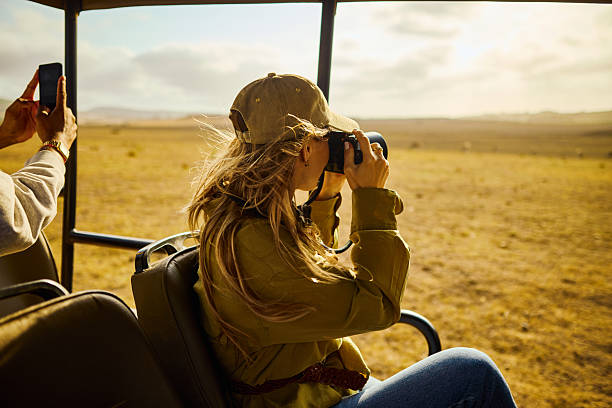
- Cameras, binoculars, and portable electronic devices (e.g., laptops, mobile phones) for personal use.
- Sports equipment for personal use.
- Musical instruments for personal use.
- Camping and trekking equipment if you are undertaking such activities.
It’s important that these items are genuinely for personal use and are not new or in commercial quantities. You are expected to take these items with you when you leave Tanzania.
Gifts
Small gifts intended for friends or family are often allowed, but it’s a grey area. If the value of the gifts is significant or they are numerous, customs officials may assess them for duty. It’s best to keep gifts modest and declare anything of substantial value.
What You Must Declare
Honesty and transparency are key when dealing with customs. You must declare any items that fall outside the duty-free allowances or are subject to specific regulations. This typically includes:
- Goods Exceeding Personal Allowances: Any alcohol or tobacco beyond the specified limits.
- Commercial Goods: Items brought into the country for sale or business purposes, even if they are personal effects.
- High-Value Items: While not always strictly enforced for personal electronics, very expensive items might warrant declaration, especially if they appear new or are in original packaging.
- Currency: Any amount of foreign currency equivalent to USD 10,000 or more must be declared upon entry. Failure to declare can lead to confiscation.
- Restricted Items: Items that require special permits or are subject to specific controls (e.g., medications, firearms, certain animal products).
- Agricultural Products: Seeds, plants, fruits, vegetables, and unprocessed animal products often require permits.
The customs declaration form, usually provided on the aircraft or at the airport, is where you should list these items. If in doubt, it is always better to declare something than to risk not declaring it.
Prohibited and Restricted Items
Certain items are outright banned from entering Tanzania, while others are allowed only under specific conditions or with prior permits.
Prohibited Items (Banned)
- Narcotic Drugs: Possession, use, or trafficking of illegal drugs carries severe penalties.
- Pornographic Material: Any form of obscene publications, films, or articles.
- Uncertified Medicines: Medications that have not been approved by the Tanzania Food and Drugs Authority (TFDA). Always carry prescription medications in their original packaging with a doctor’s note.
- Second-hand Clothing (in large quantities): While personal used clothing is fine, importing large bales of second-hand clothes for sale is prohibited.
- Certain Agricultural Products: To prevent the introduction of pests and diseases, many raw or unprocessed agricultural items are banned.
- Goods Infringing Intellectual Property Rights: Counterfeit goods are prohibited.
Restricted Items (Require Permits/Licenses)
- Firearms and Ammunition: Strictly controlled. Import requires a permit from the Tanzania Police Force. Carrying weapons without authorization is illegal.
- Wild Animal Products: Products derived from endangered or protected species (e.g., ivory, certain skins) are heavily regulated and often prohibited under international conventions like CITES.
- Antiques: Exporting genuine antiques may require a permit from the Antiquities Department. Bringing them in might also be subject to scrutiny.
- Medications: While personal use is allowed, carrying large quantities or specific controlled substances may require a prescription and a doctor’s letter.
- Drones: Regulations around drone use and import can change. It’s advisable to check current rules and potentially obtain necessary permits if you plan to bring one for photography.
Special Considerations: Agriculture and Wildlife Products
Tanzania is a biodiversity hotspot, and its government takes the protection of its natural resources very seriously. This has significant implications for what you can bring into the country, particularly concerning flora and fauna.
Agricultural Products
To protect Tanzania’s agricultural sector and native ecosystems from invasive species and diseases, the import of many agricultural products is restricted or prohibited. This includes:
- Fresh fruits, vegetables, and plants.
- Unprocessed grains and seeds.
- Unprocessed animal products (meat, dairy, hides).
If you need to bring any such items, you must declare them and be prepared to provide phytosanitary certificates or veterinary health certificates, depending on the item. It’s often easier and safer to purchase local produce once you are in Tanzania.
Wildlife Products
Tanzania is home to iconic wildlife, and regulations are strict to prevent poaching and illegal trade. Bringing products made from endangered or protected species into the country is generally prohibited. This includes:
- Ivory and ivory products.
- Products made from rhino horn.
- Skins or parts of protected reptiles, birds, or mammals (unless legally sourced and certified, which is rare for tourists).
Even if you purchased an item legally in another country, it may not be legal to import it into Tanzania. If you are considering purchasing souvenirs made from animal parts, always verify their legality and ensure you have the necessary export/import permits. It is usually best to avoid such items altogether.
Currency Regulations
When it comes to money, Tanzania has specific rules regarding the amount of foreign currency you can bring in and take out.
Currency Import
There is no limit to the amount of foreign currency you can bring into Tanzania. However, if the total value of foreign currency you are carrying is USD 10,000 or its equivalent in other foreign currencies, you are legally required to declare it to customs upon arrival. This declaration is for monitoring purposes and does not mean you will be taxed on it.
Currency Export
There are limits on the amount of Tanzanian Shillings (TZS) and foreign currency you can take out of the country. Generally, you can export:
- Up to TZS 100,000 in Tanzanian Shillings.
- The amount of foreign currency you declared upon entry, minus any amounts exchanged or spent.
It’s advisable to keep records of currency exchange transactions to avoid issues when departing.
Personal Effects and Gifts
Most travelers are concerned about bringing personal items and perhaps a few small gifts for friends or local contacts.
Personal Items
As mentioned, personal clothing, toiletries, cameras, laptops, and mobile phones for your own use are generally allowed duty-free. Ensure these items are clearly for personal use and not excessive. For example, bringing three laptops might raise questions, whereas one is standard.
Gifts for Locals
If you plan to bring gifts for people you meet, such as staff at lodges or guides, it’s a thoughtful gesture. However, customs regulations still apply. Small, modest gifts like pens, notebooks, or small sweets are usually fine. If you plan to donate larger items or quantities of goods, especially things like school supplies or medical items, it’s best to consult with your tour operator or local contacts beforehand. Sometimes, donating through established organizations or arranging donations through your tour company can be more effective and avoid customs complications.
Bringing Goods for Business or Donation
The Customs Rules for Tanzania Borders are more stringent if you are bringing items for commercial purposes or for donation.
Commercial Goods
If you are bringing goods to sell in Tanzania, you will be subject to import duties, taxes, and potentially other licensing requirements. This applies even if the goods are for a small business or personal venture. You will need to declare these items and be prepared to pay applicable duties and taxes. It is highly recommended to work with a customs clearing agent for commercial imports.
Donations and Charitable Goods
Bringing goods for charitable purposes, such as medical supplies, school materials, or clothing for orphanages, requires careful planning. While the intention is good, these items may still be subject to customs duties and taxes, although there can be exemptions for recognized charities. It is crucial to:
- Contact the relevant Tanzanian authorities (e.g., Ministry of Health, Ministry of Education) or the Tanzania Revenue Authority (TRA) in advance to understand the specific procedures and documentation required for duty-free import of charitable goods.
- Work with a local partner organization that is experienced in handling such imports.
- Declare all items clearly and have documentation supporting their charitable nature.
Without proper procedures, even donated items can be held up or taxed, causing delays and frustration.
The Customs Clearance Process
Navigating customs upon arrival typically involves a few key steps:
- Immigration: First, you’ll pass through immigration to have your passport and visa checked.
- Baggage Claim: Collect your checked luggage from the baggage carousel.
- Customs Declaration: If you have items to declare, present your completed customs declaration form to the customs officer. You may be directed to a specific counter or a red channel if you have goods to declare, or a green channel if you have nothing to declare.
- Inspection: Customs officers have the right to inspect your luggage. Be prepared to open bags if requested.
- Duty Payment (if applicable): If you have undeclared dutiable goods, you will be required to pay the assessed duties and taxes on the spot.
- Exit: Once cleared, you can proceed to the arrivals hall.
The process is usually efficient at major international airports, but can take longer at land borders or during peak travel times.
Common Mistakes to Avoid
Many travelers encounter minor issues at customs due to simple oversights. Here are common mistakes to steer clear of:
- Not Declaring Items: This is the most frequent error. If you’re unsure whether to declare something, it’s always safer to do so.
- Bringing Prohibited Items: Believing that personal use of certain items (like narcotics or uncertified medicines) is acceptable.
- Misunderstanding Allowances: Assuming you can bring more than the stated duty-free limits for alcohol or tobacco.
- Bringing Large Quantities of New Goods: Even if not explicitly commercial, large quantities of new items can be interpreted as such and subject to duty.
- Not Carrying Prescriptions: Bringing prescription medications without a valid doctor’s note and in original packaging.
- Ignoring Currency Declaration Rules: Failing to declare amounts over USD 10,000.
- Bringing Illegally Sourced Souvenirs: Purchasing items made from protected wildlife or cultural artifacts without proper permits.
Who Needs to Pay Attention to These Rules?
Essentially, every traveler entering Tanzania needs to be aware of the Customs Rules for Tanzania Borders. However, certain groups might need to pay extra attention:
- Safari-Goers: Often bring specialized gear, medicines, and might purchase souvenirs.
- Kilimanjaro Trekkers: Carry significant amounts of camping and trekking equipment, potentially including trekking poles (which are generally fine but can be questioned).
- Zanzibar Visitors: While often more relaxed, customs rules still apply at Zanzibar airports and ports.
- Business Travelers: Must declare any goods intended for commercial activity.
- Expatriates and Long-Term Residents: May be bringing more personal belongings and household items.
- Travelers Crossing Land Borders: Procedures can sometimes be more manual and require more direct interaction with officials.
Planning Your 2026-2027 Trip: Key Customs Considerations
As you plan your adventure for 2026 or 2027, incorporating customs considerations early can save you a lot of hassle. Here’s how:
- Research Current Regulations: While this guide provides comprehensive information, customs rules can change. Check the official website of the Tanzania Revenue Authority (TRA) or consult with your tour operator closer to your travel dates for any updates.
- Pack Smartly: Avoid bringing items that are prohibited or heavily restricted. If you need specific medications, ensure you have the necessary documentation.
- Budget for Potential Duties: If you plan to bring items that might exceed allowances or are questionable, be prepared to pay duty.
- Keep Records: For significant currency amounts or valuable personal items, keep receipts and documentation.
- Consult Your Tour Operator: We at Best Tanzania Tour Operator are here to help. If you have specific items you plan to bring, especially for specialized trips like research, filming, or extended expeditions, let us know. We can advise on potential customs implications and assist with necessary permits.
2026-2027 Specific Planning Tips
- Digital Documentation: Ensure any necessary digital permits or documentation are easily accessible on your devices, but also have hard copies as backups.
- Connectivity: If you plan to use mobile devices extensively, consider local SIM cards or international roaming plans.
- Security: Be aware of any specific security screenings that might be in place at airports or border crossings for 2026-2027.
Packing and Preparation for Customs
Your packing strategy can significantly impact your customs experience.
Customs-Focused Packing Checklist
- Medications: Prescription copy, doctor’s note, original packaging.
- Valuable Electronics: Keep original receipts or serial numbers if concerned about them being perceived as commercial.
- Alcohol/Tobacco: Pack only within the duty-free limits for personal use.
- Gifts: Keep them small and modest. Avoid items that could be construed as weapons or drugs.
- Documents: Ensure passport, visa, flight details, and any special permits are organized.
Preparation at Arrival
- Complete Declaration Forms Accurately: Fill them out before you reach the customs desk.
- Know Your Luggage: Be aware of what is in each bag.
- Be Polite and Honest: A cooperative attitude goes a long way.
- Have Cash for Duties: If you anticipate paying duties, have sufficient USD or TZS available.
Alternatives to Bringing Certain Items
For many items, especially those that are restricted or could cause customs issues, there are viable alternatives:
- Medications: While essential personal prescriptions are allowed, avoid bringing large quantities of over-the-counter drugs unless you have a specific reason and documentation. Many common medications can be purchased locally.
- Alcohol: Tanzania has a good supply of local and imported beverages. Enjoy local beers and spirits, or purchase your limited allowance at the airport.
- Agricultural Products: Instead of bringing fruits or snacks from home, explore Tanzania’s vibrant local markets for fresh produce and local delicacies.
- Large Gifts/Donations: If you wish to contribute, consider making a monetary donation to a reputable local charity or your tour operator’s recommended community projects. This avoids customs complexities and ensures your contribution is used effectively.
Booking Advice: Smooth Entry Guaranteed
A well-planned trip is the best way to ensure a smooth entry into Tanzania. When booking your safari, Kilimanjaro trek, or Zanzibar holiday with Best Tanzania Tour Operator, we prioritize your peace of mind.
How We Help with Customs:
- Pre-Trip Information: We provide detailed packing lists and advice tailored to your specific itinerary, including guidance on what is permissible to bring.
- Customs Guidance: We can answer your questions regarding the Customs Rules for Tanzania Borders and advise on any specific items you plan to bring.
- Logistical Support: For specialized trips requiring permits or bringing specific equipment, we can help navigate the process or advise on local alternatives.
- Local Expertise: Our team has extensive experience with Tanzanian regulations and can offer real-time advice.
Contact Us:
For any queries regarding your upcoming trip or to start planning your Tanzanian adventure for 2026-2027, reach out to us:
WhatsApp: +255616946642
Email: topguideadventures@gmail.com
Backup Email: info@topguideadventures.com
Let us handle the details so you can focus on the excitement of your Tanzanian journey!
Frequently Asked Questions (FAQs)
Q1: Do I need to declare my laptop and phone when entering Tanzania?
A: Generally, personal laptops and mobile phones for your own use are not required to be declared. However, if you are bringing multiple high-end devices or they appear new and in commercial packaging, it might be wise to declare them to avoid any questions.
Q2: Can I bring prescription medications into Tanzania?
A: Yes, you can bring prescription medications for personal use. It is highly recommended to carry them in their original packaging along with a copy of your prescription and a doctor’s note explaining the necessity of the medication.
Q3: What are the customs rules for Tanzania borders regarding second-hand clothing?
A: While personal used clothing is fine, importing large quantities of second-hand clothing for sale is prohibited to protect the local textile industry. Small amounts of used clothing as personal effects are acceptable.
Q4: Is it safe to bring drones into Tanzania?
A: Drone regulations can be complex and change frequently. It is best to check the latest regulations with the Tanzania Civil Aviation Authority (TCAA) and potentially obtain a permit before your arrival. Carrying a drone without proper authorization could lead to it being confiscated.
Q5: What happens if I don’t declare an item that I should have?
A: If you are caught with undeclared items that should have been declared (e.g., exceeding allowances, restricted items), you may face fines, confiscation of the items, or further legal action. It’s always better to declare.
Q6: Can I bring in a reasonable amount of gifts for my Tanzanian friends?
A: Small, modest gifts are generally acceptable. However, if the value is significant or the items are numerous, they may be subject to duty. It’s best to keep gifts small or consult with your tour operator if you plan to bring anything substantial.
Q7: Are there any specific customs rules for entering Zanzibar?
A: Zanzibar follows the same national customs regulations as mainland Tanzania. You will go through customs upon arrival at Zanzibar’s airport or port, and the rules regarding allowances, prohibited items, and declarations are the same.
Q8: What is the limit for currency declaration for 2026-2027?
A: You must declare any amount of foreign currency equivalent to USD 10,000 or more when entering Tanzania. This requirement is expected to remain in place for 2026-2027.
Q9: Can I bring my own trekking poles for Kilimanjaro?
A: Yes, personal trekking poles for activities like climbing Kilimanjaro are generally permitted as personal equipment. Ensure they are packed securely.
Q10: Where can I find the most up-to-date customs information for Tanzania?
A: For the most current and official information, you should consult the Tanzania Revenue Authority (TRA) website or contact them directly. Your tour operator is also a valuable resource for practical advice.
Ready to Plan Your Tanzanian Adventure?
Navigating Customs Rules for Tanzania Borders is just one part of planning an incredible trip. Let Best Tanzania Tour Operator handle the complexities of your safari, Kilimanjaro trek, or Zanzibar holiday. We ensure your journey is memorable for all the right reasons.
Contact us today to start planning your 2026-2027 adventure:
WhatsApp: +255616946642
Email: topguideadventures@gmail.com
Backup Email: info@topguideadventures.com
We look forward to helping you create an unforgettable Tanzanian experience!
Plan your Customs Rules for Tanzania Borders with Top Guide Adventures
Tell us your travel dates, group size, comfort level, and dream experience. We will help you shape a clear, realistic, and memorable Tanzania itinerary.







 Veedesigner
 Fatma Kizanga
 Benjamin Waryuba
 Philip Philip
 John jr Itaja
 Antonia Optatus
 Edith Kanyere
 Neema Iddy
 Kelvin Boniphace
 Damari Maiga



