
Updated planning guide for 2026-2027
Best Transport For Cross-Border Travel: Complete Guide 2026-2027
Planning cross-border travel in East Africa requires understanding your transport options. This comprehensive guide covers everything from private vehicles to public transport, helping you choose the best way to connect Tanzania with neighboring countries for safaris, treks, and beach holidays.
WhatsApp +255616946642 | topguideadventures@gmail.com | info@topguideadventures.com
Navigating East Africa: Your Essential Guide to the Best Transport for Cross-Border Travel
East Africa is a region of incredible natural beauty and diverse cultures, drawing travelers for its iconic safaris, majestic mountains, and pristine coastlines. For those looking to explore beyond a single country, understanding the best transport for cross-border travel is crucial. Whether you’re planning a safari that spans multiple parks across Tanzania and Kenya, trekking Kilimanjaro and then heading to the beaches of Zanzibar, or connecting from Uganda’s gorilla forests to Rwanda’s volcanoes, your journey requires careful logistical planning. This guide provides an in-depth look at your options, helping you make informed decisions for your 2026-2027 adventures.
As a leading tour operator in Tanzania, we understand the nuances of moving between countries in this vibrant region. We’ve seen firsthand what works best for travelers seeking both adventure and comfort. This article is designed to equip you with the knowledge needed to navigate these routes efficiently and enjoyably.
Quick Answer: What is the Best Transport for Cross-Border Travel?
The best transport for cross-border travel in East Africa typically involves a combination of private, pre-booked vehicles (especially for safaris and remote areas), scheduled internal flights for longer distances, and reliable, though sometimes basic, public buses for budget-conscious travelers connecting major towns. For unique experiences like Kilimanjaro treks followed by Zanzibar holidays, private transfers and internal flights are usually the most efficient and comfortable. The optimal choice depends heavily on your budget, time, comfort preferences, and specific itinerary.
| Aspect | Details |
|---|---|
| Primary Countries Involved | Tanzania, Kenya, Uganda, Rwanda, Burundi, (and nearby Mozambique, Zambia) |
| Most Common Cross-Border Routes | Tanzania-Kenya (Serengeti-Maasai Mara), Tanzania-Zanzibar (ferry/flight), Uganda-Rwanda (gorillas) |
| Key Transport Modes | 4×4 Safari Vehicles, Private Cars, Public Buses, Internal Flights, Ferries |
| Budget Considerations | Public buses are cheapest; private vehicles and flights are most expensive. |
| Time Efficiency | Flights are fastest; long-distance buses are slowest. |
| Comfort & Safety | Private vehicles and flights offer the highest comfort and safety. |
| Visa Requirements | Varies by nationality and country. East African Tourist Visa can simplify some border crossings. |
| Best for 2026-2027 Travel | Pre-booking private transfers and flights is recommended for reliability. |
Understanding the East African Travel Landscape
East Africa is a vast and geographically diverse region. When we talk about cross-border travel, we’re often referring to moving between Tanzania, Kenya, Uganda, and Rwanda, with connections to Burundi and sometimes further afield. These countries share popular tourist circuits, particularly the northern Tanzanian parks (Serengeti, Ngorongoro) and Kenya’s Maasai Mara for the Great Migration, and the gorilla trekking regions of Uganda and Rwanda.
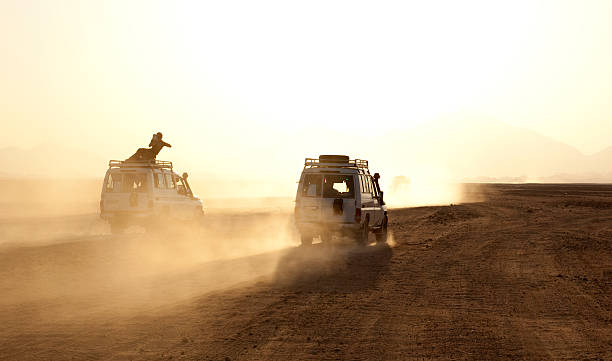
The infrastructure varies significantly. Major cities and tourist hubs are generally well-connected, but travel between smaller towns or remote park entrances can be challenging. Road conditions can be unpredictable, ranging from well-paved highways to rough, unpaved tracks, especially during the rainy seasons.
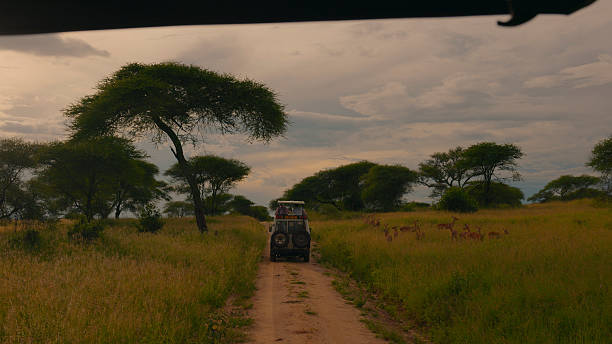
Choosing the best transport for cross-border travel isn’t just about getting from Point A to Point B; it’s about maximizing your experience, ensuring safety, and managing your time and budget effectively. For many, a safari involving multiple countries means relying on specialized safari vehicles capable of handling varied terrain and ensuring clear visibility for wildlife viewing.
Why Choosing the Right Cross-Border Transport Matters
- Time Management: Long distances and potentially slow travel times can eat into your vacation. Efficient transport saves precious days.
- Comfort and Safety: Road conditions and driving standards can be challenging. The right vehicle and driver significantly impact your comfort and security.
- Accessibility: Some remote parks or attractions are only accessible with specialized vehicles, like 4×4 safari jeeps.
- Cost-Effectiveness: Balancing budget with convenience is key. Public transport is cheap but time-consuming and less comfortable. Private options offer convenience at a higher price.
- Experience Enhancement: A comfortable safari vehicle with pop-up roofs offers better game viewing than a standard bus. A smooth flight saves you from a bumpy 10-hour drive.
Key Cross-Border Routes and Transport Considerations
Let’s look at the most common cross-border journeys and the recommended transport for each.
1. Tanzania to Kenya (and vice-versa): The Safari Corridor
This is perhaps the most famous cross-border route, primarily for following the Great Migration of wildebeest and zebras between the Serengeti National Park in Tanzania and the Maasai Mara National Reserve in Kenya. The migration typically moves north from the Serengeti’s Grumeti River area towards the Mara River in July and August, and south again from October onwards.
- Route Logic: Travelers often start in Arusha (Tanzania), drive to the Serengeti, cross the border at the Isebania/Sirare crossing, and continue to the Maasai Mara, then fly out from Nairobi (Kenya). Or the reverse.
- Best Transport:
- Safari 4×4 Vehicles: This is the standard and highly recommended method. You’ll typically use a Tanzanian-registered 4×4 for the Tanzanian leg and a Kenyan-registered 4×4 for the Kenyan leg. Many tour operators arrange for a vehicle change at the border to ensure compliance with local regulations and insurance. Some operators may offer a single vehicle and driver for the entire journey, which requires specific cross-border permits and can be more complex.
- Internal Flights: For a quicker transition, you can fly from the Serengeti airstrip (e.g., Seronera) to the Maasai Mara airstrip (e.g., Keekorok) or to Nairobi. This is significantly more expensive but saves a full day or more of travel. Flights between Kilimanjaro International Airport (JRO) and Nairobi (NBO) are also common for those starting or ending their trip in different countries.
- Public Buses: While possible to travel between Arusha and Nairobi by bus, this is NOT recommended if your primary goal is safari. The journey is long (8-10 hours), less comfortable, and you would need to arrange separate safari transport within each country. It’s only suitable for the most budget-conscious travelers who are not prioritizing game viewing.
- Border Crossing: Isebania/Sirare. Be prepared for potentially busy queues and have your visas and documentation ready.
Traveler Tip for 2026-2027: Book your Tanzania-Kenya safari as a package with a reputable operator. They handle the vehicle changes, border logistics, and park entries, making this complex route feel much simpler.
2. Tanzania Mainland to Zanzibar
Zanzibar, a semi-autonomous archipelago off Tanzania’s coast, is a popular extension to a mainland safari or Kilimanjaro climb. The journey is straightforward.
- Route Logic: From Arusha or Kilimanjaro, travel to Arusha Airport (ARK) or Kilimanjaro International Airport (JRO) for a flight, or travel to the ferry port in Dar es Salaam for a ferry crossing.
- Best Transport:
- Internal Flights: The quickest and most convenient option. Numerous daily flights operate from Arusha (ARK) and Kilimanjaro (JRO) directly to Zanzibar’s Abeid Amani Karume International Airport (ZNZ). This is ideal if you’re short on time or prefer to avoid the sea crossing.
- Ferry: A popular and more economical option. Ferries run frequently between Dar es Salaam and Zanzibar’s Stone Town. The journey takes approximately 1.5 to 2 hours. It can be a bit bumpy, especially during rough seas, and luggage handling can be chaotic.
- Private Transfers: If you’re coming directly from a safari in southern Tanzania (e.g., Selous/Nyerere National Park), a private transfer to the ferry port in Dar es Salaam or a flight from a local airstrip to Zanzibar might be arranged.
- Border Crossing: Not applicable, as Zanzibar is part of Tanzania. However, immigration checks are standard for flights and ferries.
3. Uganda to Rwanda (and vice-versa): Gorilla Trekking Routes
These two countries are renowned for their mountain gorilla populations, found in Bwindi Impenetrable National Park (Uganda) and Volcanoes National Park (Rwanda). Many travelers combine treks in both countries.
- Route Logic: Travelers often start in Entebbe (Uganda), travel to Bwindi, cross into Rwanda, visit Volcanoes National Park, and then depart from Kigali (Rwanda). Or the reverse.
- Best Transport:
- Private 4×4 Vehicle with Driver: This is the most practical and comfortable way to travel between Uganda and Rwanda, especially for accessing the different gorilla sectors. Roads can be winding and mountainous. A good driver ensures a safe and scenic journey. Operators typically arrange for a Rwandan-registered vehicle and driver on the Rwandan side.
- Scheduled Flights: While possible to fly between Entebbe (EBB) and Kigali (KGL), this bypasses the scenic overland journey and the opportunity to explore other attractions. It’s mainly for those with very limited time.
- Public Transport: Possible between Kampala and Kigali, but extremely time-consuming and not practical for accessing gorilla parks.
- Border Crossing: Cyanika (Uganda-Rwanda) or Katuna/Gatuna (Uganda-Rwanda). These crossings can be busy. Ensure your visa arrangements are in order. The East African Tourist Visa can be beneficial here.
Planning for 2026-2027: Gorilla permits are limited and sell out months in advance. Book your permits and transport well ahead of time, especially if aiming for peak seasons.
4. Other Cross-Border Options
- Tanzania to Malawi/Zambia: For those interested in exploring Lake Malawi or the South Luangwa National Park (Zambia), overland travel is common. This usually involves private vehicles or a combination of buses and shared taxis. Flights are less common for this specific route unless connecting through major hubs.
- Kenya to Ethiopia: Less common for typical tourist circuits, but possible via overland routes or flights from Nairobi to Addis Ababa.
| Day | Location | Activity | Transport Notes |
|---|---|---|---|
| 1 | Arusha, Tanzania | Arrival, pre-safari briefing. | Airport transfer to hotel. |
| 2 | Tarangire National Park | Full-day game drive. | Private 4×4 safari vehicle from Arusha. Overnight near park. |
| 3 | Ngorongoro Crater | Crater descent and game drive. | Private 4×4 safari vehicle. Overnight near crater rim or Karatu. |
| 4 | Serengeti National Park | Game drive en route to Central Serengeti. | Private 4×4 safari vehicle. Overnight in Central Serengeti. |
| 5-6 | Serengeti National Park | Full-day game drives (tracking migration if applicable). | Private 4×4 safari vehicle. Overnight in Serengeti. |
| 7 | Serengeti to Maasai Mara | Morning game drive, then cross border. | Vehicle change at Isebania/Sirare border. New Kenyan 4×4. Overnight in Maasai Mara. |
| 8-9 | Maasai Mara National Reserve | Full-day game drives. | Kenyan 4×4 safari vehicle. Overnight in Maasai Mara. |
| 10 | Maasai Mara to Nairobi | Morning game drive, then drive to Nairobi. | Kenyan 4×4 safari vehicle. Overnight in Nairobi. (Or fly from Mara to Wilson Airport). |
| 11 | Nairobi | Departure or onward travel. | Airport transfer. |
Types of Transport for Cross-Border Travel Explained
Let’s break down the common modes of transport you’ll encounter when planning your cross-border trips.
1. Private 4×4 Safari Vehicles
These are the workhorses of East African safaris. Robust, custom-built Land Cruisers or Land Rovers with pop-up roofs, ample space for luggage, and often equipped with charging ports and fridges. They are essential for navigating national parks and reserves, offering excellent visibility for wildlife spotting.
- Pros: Best for game viewing, comfortable on rough terrain, flexible itinerary, reliable, driven by experienced guides.
- Cons: Most expensive option, requires coordination for border crossings (vehicle change often needed).
- Best For: Safari-focused trips, multi-country safaris, travelers prioritizing comfort and game viewing.
2. Private Cars/SUVs with Drivers
For travel between cities, towns, or to areas not requiring extreme off-road capability (like between Kampala and Kigali, or Arusha to Nairobi), a comfortable sedan or SUV with a driver is a good choice. These vehicles are generally more fuel-efficient and provide a smoother ride on paved roads.
- Pros: Comfortable for long drives on good roads, cost-effective for groups sharing, flexible.
- Cons: Not suitable for off-road park driving, may require a different vehicle for different countries.
- Best For: Inter-city travel, transfers between airports and hotels, connecting destinations outside of national parks.
3. Internal Flights
Airlines like Safarilink, Air Kenya, Coastal Aviation, and Precision Air operate domestic and regional routes. Flights connect major hubs like Nairobi, Kilimanjaro, Arusha, Zanzibar, Entebbe, and Kigali, as well as remote airstrips within national parks.
- Pros: Fastest way to cover long distances, avoids difficult road conditions, offers aerial views.
- Cons: Most expensive option, strict luggage limits (often 15-20kg per person, soft bags preferred), can be subject to weather delays.
- Best For: Saving time, connecting distant locations quickly (e.g., Serengeti to Zanzibar, or Maasai Mara to Nairobi), travelers with limited time.
4. Public Buses
Companies like Modern Coast, Scandinavia Express, and Akamba operate extensive bus networks between major towns and cities across East Africa. They are the most budget-friendly option.
- Pros: Very affordable, frequent services on main routes, experience local life.
- Cons: Long travel times, uncomfortable for long distances, can be crowded, limited luggage space, potential for delays, not suitable for reaching remote tourist sites directly.
- Best For: Budget travelers on specific inter-city routes (e.g., Arusha to Nairobi, Kampala to Kigali), if time is not a constraint and comfort is secondary.
Important Note for 2026-2027: While public buses are an option, for most international tourists aiming for a quality safari or trekking experience, they are generally not the best transport for cross-border travel due to time and comfort limitations.
5. Ferries
The primary ferry service is between Dar es Salaam and Zanzibar. It’s a common and affordable way to travel between the mainland and the islands.
- Pros: Economical, frequent service, good for short sea crossings.
- Cons: Can be uncomfortable in rough seas, prone to delays, luggage handling can be chaotic.
- Best For: Travelers heading to Zanzibar from Dar es Salaam who are on a budget and don’t mind a potentially bumpy ride.
Planning Your Cross-Border Journey: Key Steps
Successful cross-border travel requires meticulous planning. Here’s a step-by-step approach:
1. Define Your Itinerary and Destinations
What do you want to see? Are you focused on the Serengeti-Maasai Mara migration? Do you want to trek Kilimanjaro and relax in Zanzibar? Or combine gorilla treks in Uganda and Rwanda? Your core interests will dictate the routes and transport needed.
2. Research Visa Requirements
Visa policies change. Check the latest requirements for your nationality for each country you plan to visit. The East African Tourist Visa, which covers Kenya, Uganda, and Rwanda (and sometimes Burundi), can simplify multiple entries but check its current validity and applicability for your specific itinerary.
3. Determine Your Budget
Transport costs can vary dramatically. Internal flights and private 4x4s are the most expensive, while public buses are the cheapest. Factor in border crossing fees, potential visa costs, and any necessary vehicle changes.
4. Choose Your Transport Mode
Based on your itinerary, budget, and comfort level, select the most appropriate transport. For safaris, private 4x4s are usually non-negotiable. For long distances between cities, consider flights or private cars. For the budget traveler, buses are an option for specific legs.
5. Book in Advance
Especially for 2026-2027 travel, booking key transport, particularly internal flights and private safari vehicles, well in advance is highly recommended. This is crucial for peak seasons and for securing preferred departure times or vehicle types.
6. Coordinate with Tour Operators
For complex multi-country trips, working with a reputable tour operator is invaluable. They can arrange seamless transfers, vehicle changes at borders, and ensure all necessary permits are in order. This is where companies like Top Guide Adventures excel, taking the stress out of logistics.
7. Prepare for Border Crossings
Have your passport, visas, and any required documentation (like yellow fever certificates) readily accessible. Be patient, as border crossings can sometimes involve waiting times and bureaucratic processes.
Cross-Border Travel Planning Checklist for 2026-2027
- Itinerary Outline: Which countries, parks, and cities?
- Dates: Specific travel dates and duration.
- Visa Research: Check requirements for your nationality in each country.
- Budget Allocation: Estimate costs for transport, accommodation, activities, visas.
- Transport Mode Selection: Flights, private 4x4s, buses, ferries?
- Booking Confirmation: Flights, safari vehicles, lodges, hotels.
- Driver/Guide Arrangements: If not part of a package.
- Insurance: Ensure travel and medical insurance covers all planned activities and countries.
- Vaccinations & Health: Consult your doctor regarding necessary vaccinations (e.g., Yellow Fever) and malaria precautions.
- Currency: Research local currencies and exchange rates.
- Communication: Consider local SIM cards or international roaming.
- Packing List: Tailor to climate, activities, and luggage restrictions (especially for flights).
Common Mistakes to Avoid
To ensure your cross-border journey is smooth, be aware of these common pitfalls:
- Underestimating Travel Times: East African roads can be slow. Don’t pack too much into one day, especially when traveling overland.
- Ignoring Luggage Restrictions: Especially on internal flights, excess luggage can be costly or unaccepted. Soft bags are often preferred for safari vehicles.
- Not Pre-booking Key Transport: Last-minute bookings, especially for flights or popular safari vehicles, can lead to unavailability or inflated prices.
- Assuming One Vehicle for All Borders: Most countries require vehicles to be locally registered for insurance and tax purposes. Be prepared for vehicle changes at borders.
- Ignoring Visa Requirements: Ensure you have the correct visas before you travel or understand the process upon arrival.
- Not Budgeting for Unexpected Costs: Border fees, tips, and potential delays can add up.
- Relying Solely on Public Transport for Safaris: This is rarely practical or enjoyable for reaching national parks and reserves.
Who is the Best Transport for Cross-Border Travel For?
The best transport for cross-border travel caters to different traveler types:
- Adventure Seekers: Often comfortable with a mix of public transport and private transfers to maximize local immersion and keep costs down, especially for overland journeys between destinations like Uganda and Rwanda.
- Safari Enthusiasts: Prioritize private 4×4 safari vehicles for optimal game viewing and comfort. They typically use internal flights or private transfers to connect different safari regions or countries (e.g., Serengeti to Maasai Mara).
- Luxury Travelers: Opt for a combination of private charter flights, high-end private vehicles, and seamless, pre-arranged transfers to ensure maximum comfort, exclusivity, and time efficiency.
- Family Travelers: Benefit from private vehicles for safety, comfort, and flexibility, especially with children. Flights can reduce long, tiring journeys.
- Budget Travelers: Rely on public buses for inter-city travel and potentially shared taxis. They might opt for ferries over flights to Zanzibar. This requires more time and a higher tolerance for basic conditions.
| Traveler Type | Preferred Transport | Key Considerations |
|---|---|---|
| Luxury Traveler | Private Charter Flights, High-End Private Vehicles | Comfort, exclusivity, speed, personalized service. |
| Safari Enthusiast | Private 4×4 Safari Vehicles, Internal Flights | Game viewing quality, terrain capability, time efficiency. |
| Family Traveler | Private Vehicles (4×4 or SUV), Internal Flights | Safety, comfort, flexibility, reducing travel fatigue. |
| Adventure/Mid-Range | Private 4x4s, Private Cars, some scheduled flights, reliable buses for specific legs. | Balance of cost, comfort, and efficiency. |
| Budget Traveler | Public Buses, Ferries, Shared Taxis | Lowest cost, requires significant time and flexibility. |
Alternatives to Direct Cross-Border Travel
Sometimes, the most practical way to move between countries is not directly across the land border. Consider these alternatives:
- Flying Between Major Hubs: Instead of driving from Arusha to Nairobi, fly from Kilimanjaro International Airport (JRO) to Jomo Kenyatta International Airport (NBO). This is often more efficient than a long overland journey.
- Utilizing Regional Airports: Fly from a regional airstrip in Tanzania (e.g., Serengeti) to a regional airport in Kenya (e.g., Maasai Mara) or vice-versa, rather than driving the entire distance.
- Round Trips from a Single Hub: For shorter trips, you might fly into Nairobi, do a Kenyan safari, fly back to Nairobi, then fly to Kilimanjaro, do a Tanzanian safari, and fly out of Kilimanjaro. This avoids complex border crossings but involves more flying.
Special Considerations for 2026-2027 Travel
As you plan for trips in 2026 and 2027, keep these points in mind:
- Increased Demand: East Africa continues to grow in popularity. Book flights, lodges, and key transport well in advance, especially for peak migration seasons or holidays.
- Flexibility is Key: While planning is essential, be prepared for minor adjustments. Road conditions, weather, or local events can sometimes necessitate changes.
- Health Protocols: Stay updated on any health advisories or requirements, such as vaccination certificates (e.g., Yellow Fever), which are often checked at borders and airports.
- Digital Nomad Trends: If you’re combining work with travel, ensure your chosen transport and accommodation offer reliable internet access and power.
- Sustainability: Consider operators who prioritize eco-friendly practices and support local communities.
Booking Your Cross-Border Transport: Expert Advice
Booking the best transport for cross-border travel requires a strategic approach. Here’s how to do it effectively:
- Work with a Reputable Tour Operator: This is by far the easiest and most reliable method, especially for complex itineraries involving multiple countries and safaris. Operators like Top Guide Adventures specialize in crafting seamless journeys. They have established relationships with reliable drivers, vehicle providers, and airlines, and they understand the intricacies of border crossings. They can arrange:
- Full Itinerary Planning: From arrival to departure.
- Vehicle Logistics: Ensuring the right vehicle for each leg and managing border handovers.
- Accommodation: Booking lodges and hotels that fit your budget and style.
- Park Fees and Permits: Handling all necessary entries.
- 24/7 Support: Assistance during your trip.
- Direct Booking (Flights): For internal flights, you can book directly with airlines like Safarilink, Air Kenya, Coastal Aviation, Precision Air, or through online travel agencies. Be mindful of luggage restrictions and booking in advance.
- Direct Booking (Buses): Major bus companies often have websites or booking offices in major towns. However, for longer or more complex routes, operator coordination is better.
- Car Hire with Driver: For specific inter-city transfers, you can often book a car and driver directly with local taxi companies or through your hotel. Ensure they are licensed and experienced.
When booking with Top Guide Adventures: We handle all aspects of your cross-border transport. Simply let us know your desired destinations and travel style, and we will craft a personalized itinerary. Contact us via WhatsApp +255616946642 or email topguideadventures@gmail.com / info@topguideadventures.com.
What to Expect Regarding Costs
Exact prices fluctuate based on season, vehicle type, and the number of people sharing. However, here’s a general cost expectation:
- Public Buses: The cheapest, often costing less than $30-50 USD for a long inter-city journey (e.g., Arusha to Nairobi).
- Ferries: Typically $35-50 USD one-way between Dar es Salaam and Zanzibar.
- Private Transfers (Car/SUV with Driver): For inter-city travel, expect $150-300+ USD per day, depending on the distance and vehicle.
- Internal Flights: Can range from $150-400+ USD per person per leg, depending on the route and booking time.
- Private 4×4 Safari Vehicles: This is usually bundled into a safari package. The daily cost per vehicle (excluding park fees, guide fees, and accommodation) can be in the range of $250-400+ USD per day, shared among travelers. For cross-border safaris, the cost may increase due to permits and potential vehicle swaps.
Remember that these are rough estimates. The most cost-effective way to manage cross-border transport for a safari is often through a comprehensive package deal from a tour operator, as they can leverage economies of scale and pre-negotiated rates.
Frequently Asked Questions (FAQs)
Q1: What is the most common cross-border transport for safaris between Tanzania and Kenya?
A1: The most common and recommended transport is a private 4×4 safari vehicle. You will typically use a Tanzanian-registered vehicle for your Tanzania leg and a Kenyan-registered vehicle for your Kenya leg, with a handover at the border crossing (e.g., Isebania/Sirare). Some operators may arrange a single vehicle for the entire trip, but this is more complex.
Q2: Can I travel between Uganda and Rwanda using public transport?
A2: While it’s possible to take public buses between major cities like Kampala and Kigali, it is not practical or comfortable for accessing national parks for gorilla trekking. For this route, a private 4×4 with a driver is highly recommended for safety, comfort, and accessing park entrances. This is a key consideration for 2026-2027 travel planning.
Q3: How do I get from mainland Tanzania to Zanzibar?
A3: You have two main options: internal flights from Arusha or Kilimanjaro to Zanzibar (quickest and most comfortable) or taking a ferry from Dar es Salaam to Zanzibar (more economical but can be bumpy).
Q4: Do I need a special permit for my safari vehicle to cross borders?
A4: Yes, if a single vehicle is intended to cross multiple borders, special permits are usually required for the vehicle itself, in addition to visa requirements for passengers. Most reputable tour operators manage this by arranging for a vehicle change at each border to comply with local regulations and insurance requirements.
Q5: What is the East African Tourist Visa, and is it useful for cross-border travel?
A5: The East African Tourist Visa is a multiple-entry visa that allows travelers to visit Kenya, Uganda, and Rwanda (and sometimes Burundi) on a single visa. It can simplify border crossings for multi-country trips. However, always verify its current availability and validity for your specific nationality and itinerary when planning for 2026-2027.
Q6: How much luggage can I take on internal flights in East Africa?
A6: Internal flights, especially those to remote airstrips, have strict luggage limits, typically around 15-20 kg per person. Soft-sided duffel bags are often preferred over hard suitcases for safari vehicles. Always confirm the exact limits with your airline or tour operator.
Q7: Is it safe to travel overland between countries in East Africa?
A7: Traveling overland can be safe when using reputable transport providers and sticking to main routes. Private vehicles with experienced drivers offer the highest level of safety and comfort. Public buses are generally safe for inter-city travel but require more vigilance. It’s advisable to avoid traveling at night.
Q8: What is the best way to book cross-border transport for a Kilimanjaro climb and Zanzibar holiday?
A8: For this popular combination, the best approach is to book with a tour operator like Top Guide Adventures. We can arrange your Kilimanjaro trek with private transfers to/from the airport, then book your internal flight from Arusha to Zanzibar, and assist with airport transfers on the island. This ensures a smooth transition between activities.
Q9: How far in advance should I book cross-border transport for 2026-2027?
A9: For popular routes and peak seasons (June-October, December-March), booking at least 6-12 months in advance is highly recommended, especially for internal flights and private safari vehicles. This applies particularly to 2026 and 2027 travel due to increasing demand.
Q10: Can I drive a rental car across borders in East Africa?
A10: Driving a rental car across borders is generally complex and often not permitted by rental agencies due to insurance and permit issues. It is far more common and practical to use local drivers and vehicles arranged by tour operators, who handle all necessary documentation and vehicle registration for each country.
Your Partner for Seamless Cross-Border Adventures
Navigating the best transport for cross-border travel in East Africa might seem daunting, but with the right planning and a trusted partner, it becomes an exciting part of your adventure. Whether you’re dreaming of the Serengeti plains, the peaks of Kilimanjaro, the spice-scented air of Zanzibar, or the misty mountains of Uganda, Top Guide Adventures is here to make your journey happen.
We specialize in creating bespoke itineraries that connect these incredible destinations, ensuring your travel is comfortable, safe, and memorable. From private 4×4 safaris to seamless transfers and internal flight arrangements, we handle all the logistics so you can focus on experiencing the magic of East Africa.
Let us help you plan your 2026-2027 adventure. Contact us today for a personalized quote and itinerary:
WhatsApp: +255616946642
Email: topguideadventures@gmail.com
Backup Email: info@topguideadventures.com
We look forward to helping you explore East Africa!
Plan your Best Transport for Cross-Border Travel with Top Guide Adventures
Tell us your travel dates, group size, comfort level, and dream experience. We will help you shape a clear, realistic, and memorable Tanzania itinerary.







 Veedesigner
 Fatma Kizanga
 Benjamin Waryuba
 Philip Philip
 John jr Itaja
 Antonia Optatus
 Edith Kanyere
 Neema Iddy
 Kelvin Boniphace
 Damari Maiga



