
Updated planning guide for 2026-2027
Africa Expedition Routes By Region: Complete Guide 2026-2027
Explore the diverse continent with detailed insights into Africa expedition routes by region. This comprehensive guide covers planning, best times, itineraries, and booking advice for your 2026-2027 adventure.
WhatsApp +255616946642 | topguideadventures@gmail.com | info@topguideadventures.com

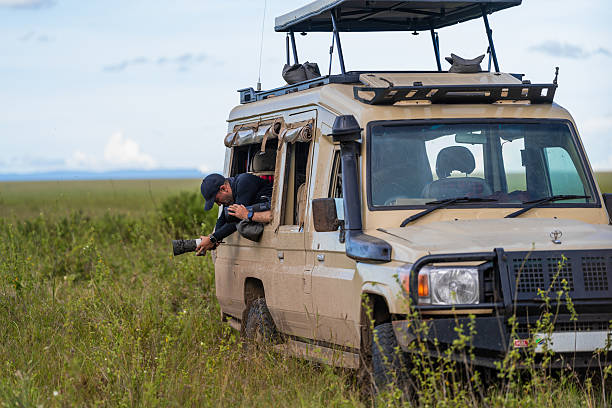
Discover Africa Expedition Routes by Region: Your Comprehensive Planning Guide
Africa, a continent of unparalleled diversity, beckons with its vast landscapes, rich cultures, and abundant wildlife. Planning an expedition here requires understanding the distinct offerings of its various regions. Whether you dream of the rolling savannas of East Africa, the dramatic deserts of the North, the lush rainforests of the West, or the unique biodiversity of the South, choosing the right expedition route is key to a memorable journey. This guide details Africa expedition routes by region, offering practical advice for travelers aiming for 2026 and 2027 adventures.
Quick Facts: Africa Expedition Routes
| Aspect | Details |
|---|---|
| Primary Focus | Wildlife Safaris, Cultural Immersion, Trekking, Adventure Activities |
| Best Time to Visit | Varies significantly by region; generally dry seasons are popular for safaris (June-Oct, Jan-Feb) |
| Key Regions Covered | East Africa, Southern Africa, North Africa, West Africa |
| Popular Activities | Game drives, walking safaris, mountain climbing, cultural village visits, beach relaxation, historical tours |
| Travel Styles | Budget camping, mid-range lodges, luxury tented camps, custom private tours |
| Planning Horizon | 6-12 months recommended for popular destinations and peak seasons in 2026-2027 |
Understanding Africa Expedition Routes by Region
Africa is not a monolith; it’s a mosaic of distinct geographical and cultural zones, each offering unique expedition experiences. Understanding these regional differences is fundamental to crafting an itinerary that aligns with your interests and expectations. We will explore the most popular expedition hubs:
- East Africa: The quintessential safari destination, famous for the Great Migration, Mount Kilimanjaro, and diverse national parks.
- Southern Africa: Offers a blend of iconic wildlife, dramatic landscapes like Victoria Falls, and unique cultural encounters.
- North Africa: Characterized by ancient history, desert landscapes, and vibrant souks.
- West Africa: Known for its rich history, diverse cultures, and less-trodden paths for the adventurous traveler.
Africa Expedition Route Overview (Conceptual)
This is a simplified representation of key regions and their primary expedition focuses:
  +-----------------------------------------------------------------+
  | NORTH AFRICA:                                                   |
  |   - Sahara Desert Treks (Morocco, Egypt)                        |
  |   - Ancient Civilizations (Egypt, Tunisia)                      |
  |                                                                 |
  +-----------------------------------------------------------------+
  | EAST AFRICA:                                                    |
  |   - Serengeti & Masai Mara (Kenya/Tanzania) - Great Migration    |
  |   - Mount Kilimanjaro Trekking (Tanzania)                       |
  |   - Gorilla Trekking (Uganda, Rwanda)                           |
  |   - Zanzibar Beaches & Culture (Tanzania)                       |
  |                                                                 |
  +-----------------------------------------------------------------+
  | SOUTHERN AFRICA:                                                |
  |   - Okavango Delta & Chobe (Botswana) - Water Safaris           |
  |   - Kruger National Park (South Africa) - Diverse Wildlife      |
  |   - Victoria Falls (Zambia/Zimbabwe) - Adventure Hub            |
  |   - Namib Desert & Skeleton Coast (Namibia) - Unique Landscapes |
  |                                                                 |
  +-----------------------------------------------------------------+
  | WEST AFRICA:                                                    |
  |   - Ancient Kingdoms & Culture (Ghana, Senegal)                 |
  |   - Rainforests & Wildlife (Cameroon, Gabon)                    |
  |   - Off-the-Beaten-Path Adventures                              |
  +-----------------------------------------------------------------+
East Africa: The Classic Safari and Mountain Adventure
East Africa is the benchmark for many travelers considering an African expedition, particularly for safaris and challenging treks. Tanzania and Kenya are the titans here, but Uganda and Rwanda offer unique primate encounters.
Tanzania: The Pinnacle of Safari and Kilimanjaro
Tanzania is a destination that frequently tops lists for its sheer concentration of iconic wildlife and natural wonders. It offers some of the most sought-after Africa expedition routes.
- Northern Circuit Safari: This is the classic Tanzanian safari. It includes the Serengeti National Park, famous for the Great Migration (witnessing millions of wildebeest and zebras crossing the plains); the Ngorongoro Conservation Area, a UNESCO World Heritage Site and a caldera teeming with wildlife; Tarangire National Park, known for its large elephant herds and baobab trees; and Lake Manyara National Park, offering tree-climbing lions and diverse birdlife. A typical expedition might span 7-10 days.
- Mount Kilimanjaro Trekking: Standing at 5,895 meters (19,341 feet), Kilimanjaro is Africa’s highest peak and one of the world’s highest freestanding mountains. It’s a bucket-list trek for many. Several routes are available, each with varying difficulty, scenery, and acclimatization profiles:
- Marangu Route: The “Coca-Cola” route, known for its hut accommodations and gradual ascent, but often criticized for lower success rates due to rapid ascent. (5-7 days)
- Machame Route: The most popular route, offering stunning scenery and good acclimatization, often called the “Whiskey” route. (6-7 days)
- Lemosho Route: A longer, more scenic route with excellent acclimatization, ideal for those seeking a more immersive experience. (7-8 days)
- Shira Route: Similar to Lemosho but starts at a higher altitude. (7-8 days)
- Rongai Route: Approaches from the north, often drier and less crowded, good for rainy seasons. (6-7 days)
- Northern Circuit: The longest and most scenic, offering the highest success rates due to excellent acclimatization. (9-10 days)
- Southern Tanzania Safari: For a more remote and less crowded experience, consider parks like Ruaha National Park (Tanzania’s largest) and Selous Game Reserve (now Nyerere National Park), offering walking safaris and boat safaris. These are excellent for those seeking raw, untamed wilderness.
- Zanzibar Holidays: Often combined with a safari or Kilimanjaro climb, Zanzibar offers pristine beaches, rich Swahili and Omani history in Stone Town, and spice tours. It’s a perfect complement to an active expedition.
Kenya: The Wild Heart of Safari
Kenya is the birthplace of safari and continues to be a premier destination. Its vast plains and iconic wildlife reserves are central to many Africa expedition routes.
- Maasai Mara National Reserve: Famous for its high density of predators and its role in the Great Migration, especially from July to October. Offers classic game drives and hot-air balloon safaris.
- Amboseli National Park: Renowned for its large elephant herds with Mount Kilimanjaro providing a breathtaking backdrop.
- Samburu National Reserve: Home to unique species adapted to arid conditions, known as the “Samburu Special Five” (Grevy’s zebra, reticulated giraffe, Somali ostrich, gerenuk, and beisa oryx).
- Lake Nakuru National Park: Famous for its flamingos (though numbers fluctuate) and rhino sanctuary.
- Tsavo East & West National Parks: Vast parks offering diverse landscapes, from red earth plains to volcanic hills.
Uganda & Rwanda: Gorilla and Primate Encounters
These two nations are paramount for anyone interested in trekking to see mountain gorillas and chimpanzees in their natural habitat. Permits are limited and must be booked well in advance.
- Bwindi Impenetrable National Park (Uganda): Offers the most reliable opportunities to see mountain gorillas, with several habituated gorilla families. Chimpanzee trekking is also available in Kibale Forest National Park.
- Volcanoes National Park (Rwanda): Another prime location for gorilla trekking, known for its stunning volcanic scenery. Golden monkey trekking is also a popular activity.
Southern Africa: Diverse Landscapes and Iconic Wildlife
Southern Africa presents a different facet of the continent, with a mix of classic safaris, dramatic natural wonders, and unique desert environments. This region is excellent for self-drive safaris and more established tourism infrastructure in some areas.
Botswana: Luxury Safari and the Okavango Delta
Botswana is synonymous with exclusive, high-end safaris, particularly in the Okavango Delta. It emphasizes conservation and low-impact tourism, making it a premium choice for Africa expedition routes.
- Okavango Delta: A UNESCO World Heritage site, this inland delta floods seasonally, creating a unique aquatic environment for wildlife. Activities include mokoro (traditional canoe) trips, walking safaris, and game drives.
- Chobe National Park: Famous for its immense elephant population, particularly along the Chobe Riverfront, offering incredible boat safaris.
- Moremi Game Reserve: Located within the Okavango Delta, it’s known for its rich wildlife diversity and beautiful landscapes.
- Central Kalahari Game Reserve: A vast, remote desert experience offering a stark contrast to the delta, with unique desert-adapted wildlife.
South Africa: Accessible Wildlife and Scenic Beauty
South Africa offers a wide range of experiences, from self-drive safaris to luxury lodges, alongside stunning coastlines and cultural heritage sites.
- Kruger National Park: One of Africa’s largest game reserves, offering excellent opportunities to see the Big Five and a wide array of other animals. It’s accessible via self-drive or guided tours.
- Private Game Reserves (Sabi Sands, Timbavati): Adjacent to Kruger, these reserves offer a more exclusive safari experience with off-road driving and night drives.
- Cape Town & the Garden Route: While not a traditional safari, this region offers incredible natural beauty, whale watching, shark cage diving, wine tasting, and hiking opportunities, forming part of a broader expedition.
Namibia: Desert Wonders and Unique Wildlife
Namibia is characterized by its dramatic desert landscapes, from towering red dunes to the rugged Skeleton Coast. It’s ideal for self-drive expeditions and photographic safaris.
- Sossusvlei & Deadvlei: Iconic salt pans surrounded by the world’s highest sand dunes.
- Etosha National Park: A vast salt pan with waterholes that attract abundant wildlife, especially during the dry season.
- Damaraland: Known for its desert-adapted elephants, black rhinos, and ancient rock art.
- Skeleton Coast: A desolate and beautiful coastline with shipwrecks and unique desert wildlife.
Zimbabwe & Zambia: Victoria Falls and Beyond
These countries share the magnificent Victoria Falls, one of the Seven Natural Wonders of the World, and offer excellent safari opportunities.
- Victoria Falls: Offers a range of adventure activities like white-water rafting, bungee jumping, and sunset cruises.
- Hwange National Park (Zimbabwe): Known for its large elephant herds and diverse wildlife.
- South Luangwa National Park (Zambia): Considered one of Africa’s finest walking safari destinations.
North Africa: History, Deserts, and Culture
North Africa offers a departure from the classic safari, focusing on ancient history, vast desert landscapes, and vibrant cultural experiences. These Africa expedition routes are often geared towards history buffs and adventurers seeking unique terrains.
Morocco: Deserts and Imperial Cities
- Sahara Desert Excursions: Camel treks into the Erg Chebbi or Erg Chigaga dunes for overnight stays in desert camps are a highlight.
- Imperial Cities: Exploring Marrakech, Fes, Meknes, and Rabat offers deep dives into history, architecture, and bustling souks.
- Atlas Mountains: Trekking and hiking opportunities in the dramatic mountain ranges.
Egypt: Ancient Wonders and Nile Cruises
- Nile River Cruises: A classic way to explore ancient sites like Luxor, Karnak, the Valley of the Kings, and Aswan.
- Pyramids of Giza & Cairo: Essential stops for any historical expedition.
- Desert Safaris: Exploring areas like the White Desert and Black Desert.
West Africa: Cultural Richness and Untamed Nature
West Africa is often overlooked by mainstream tourism, making it a compelling destination for travelers seeking authentic cultural encounters and off-the-beaten-path adventures. These Africa expedition routes are for those who want to explore beyond the typical tourist trails.
Ghana: History and Vibrant Culture
- Cape Coast & Elmina Castles: Sites of the transatlantic slave trade, offering profound historical insights.
- Kakum National Park: Features a famous canopy walkway through the rainforest.
- Accra: A bustling capital city with vibrant markets and cultural attractions.
Senegal: Music, Islands, and Coastlines
- Gorée Island: A UNESCO World Heritage site with a poignant history.
- Saint-Louis: A historic colonial city with a unique atmosphere.
- Coastal Exploration: Beaches and fishing villages.
Other West African Destinations:
Countries like Benin (voodoo culture), Togo, Nigeria, and Cameroon offer unique, less-traveled expedition opportunities for the truly adventurous.
Best Time to Travel by Region (General Guidelines)
| Region | Dry Season (Safari/Trekking) | Green Season (Photography/Birding/Fewer Crowds) | Shoulder Seasons |
|---|---|---|---|
| East Africa (Tanzania, Kenya) | June – October (Great Migration July-Oct), Jan – Feb | March – May | November – December |
| East Africa (Uganda, Rwanda) | June – August, December – February (Gorilla/Chimp trekking possible year-round but drier is easier) | March – May, September – November | N/A |
| Southern Africa (Botswana, Namibia, South Africa) | May – October (Dry, cooler, animals congregate at water) | November – April (Hot, wet, lush, good for birding, fewer crowds) | April, October |
| Southern Africa (Zimbabwe, Zambia) | May – October (Dry season for Victoria Falls visibility and wildlife) | November – April (Green season, lush, birding, lower water levels at falls) | April, October |
| North Africa (Morocco, Egypt) | October – April (Pleasant temperatures for desert/cities; avoid summer heat) | May – September (Very hot, especially inland and desert areas) | Spring (April-May) and Autumn (Sept-Oct) are ideal. |
| West Africa (Ghana, Senegal) | November – March (Dry season, cooler) | June – October (Rainy season, humid, lush) | April – May, October – November |
Planning Your African Expedition: Key Considerations for 2026-2027
Successful Africa expedition routes are built on meticulous planning. For trips in 2026 and 2027, starting early is crucial, especially for popular destinations and activities.
1. Define Your Interests and Travel Style
What do you want to experience? Wildlife viewing? Trekking? Cultural immersion? Relaxation? Adventure sports? Your primary interest will guide your region choice. Consider your comfort level: are you happy camping, prefer mid-range lodges, or seek luxury tented camps? Do you want a fast-paced trip or a more relaxed journey?
2. Choose Your Region(s)
Based on your interests, select a region. For a first-time safari, East or Southern Africa are excellent choices. For a unique cultural and historical journey, North Africa might be more suitable. For those seeking genuine off-the-beaten-path experiences, West Africa awaits.
3. Select Specific Destinations and Activities
Within your chosen region, pinpoint specific parks, reserves, mountains, or cultural sites. Research the best time to visit these specific locations, as micro-climates and wildlife movements can vary.
4. Determine Duration and Pace
How much time do you have? A short trip might focus on one national park or a single trek. Longer expeditions (2-4 weeks) allow for multi-country or multi-region exploration. Rushing through too many places often diminishes the experience.
5. Budget Considerations
Africa expeditions can range from budget-friendly camping safaris to ultra-luxury experiences. Key cost drivers include:
- Accommodation: Camping vs. lodges vs. luxury camps.
- Transportation: Internal flights, private 4×4 vehicles, shared transfers.
- Activities: Park entry fees, special permits (gorillas, Kilimanjaro), guided walks, balloon safaris.
- Time of Year: Peak seasons are generally more expensive.
- Group Size: Private tours are more expensive per person than group tours.
- Tour Operator: Local operators often offer better value than international ones.
It’s wise to budget around $250-$500+ per person per day for mid-range to luxury safaris, excluding international flights. Kilimanjaro climbs can range from $1500-$3000+ depending on the route and operator. Gorilla permits are significant costs ($600-$1500+ each).
6. Visas, Vaccinations, and Health Precautions
Research visa requirements for your nationality for each country you plan to visit well in advance for your 2026-2027 travel. Consult your doctor or a travel clinic 6-8 weeks before departure regarding necessary vaccinations (e.g., Yellow Fever, Typhoid, Hepatitis A) and malaria prophylaxis. Pack a comprehensive first-aid kit.
7. Travel Insurance
Comprehensive travel insurance is non-negotiable. Ensure it covers medical emergencies, evacuation, trip cancellation, and loss of belongings.
8. Packing Essentials
Pack light, practical clothing in neutral colors (khaki, green, brown). Key items include:
- Lightweight, breathable clothing (long sleeves and trousers for sun and insect protection)
- Warm layers for cool mornings/evenings (especially for Kilimanjaro and desert nights)
- Comfortable walking shoes/hiking boots
- Sun protection: hat, sunglasses, high SPF sunscreen
- Insect repellent with DEET
- Camera and binoculars
- Reusable water bottle
- Basic toiletries and personal medications
- Headlamp or flashlight
Pre-Trip Planning Checklist (for 2026-2027 Expeditions)
- [ ] Define expedition goals and interests
- [ ] Select primary region(s) and countries
- [ ] Determine trip duration and ideal travel dates
- [ ] Research and choose specific parks/reserves/trekking routes
- [ ] Obtain visa information and apply if necessary
- [ ] Consult doctor for vaccinations and malaria prevention
- [ ] Purchase comprehensive travel insurance
- [ ] Book flights (international and internal)
- [ ] Book accommodation and safari/trekking packages
- [ ] Secure necessary permits (e.g., gorilla, Kilimanjaro)
- [ ] Arrange currency exchange and inform bank of travel plans
- [ ] Pack essential clothing and gear
- [ ] Make copies of important documents (passport, visas, insurance)
- [ ] Learn a few basic phrases in the local language
Sample Itinerary Logic: East African Safari & Kilimanjaro Combination
This sample itinerary demonstrates how different Africa expedition routes can be combined logically within one region. This is a popular choice for a comprehensive East African experience.
14-Day Tanzania Explorer: Safari & Kilimanjaro’s Shadow
- Day 1: Arrival in Arusha
Arrive at Kilimanjaro International Airport (JRO), transfer to your hotel in Arusha. Briefing for your upcoming adventure. - Day 2: Tarangire National Park
Drive to Tarangire, known for its large elephant herds and baobab trees. Afternoon game drive. Overnight near Tarangire. - Day 3: Lake Manyara National Park
Morning game drive in Tarangire, then proceed to Lake Manyara for a game drive. Overnight near Lake Manyara or Karatu. - Day 4: Ngorongoro Crater Tour
Descend into the Ngorongoro Crater for a full-day game drive. This caldera is a microcosm of African wildlife. Overnight on the crater rim or in Karatu. - Day 5: Serengeti National Park
Drive to the Serengeti, entering through the western corridor or central region depending on the time of year and migration. Afternoon game drive. Overnight in the Serengeti. - Day 6-7: Serengeti Exploration
Two full days of game drives in the Serengeti, seeking out the Big Five and witnessing the vast plains. Optional hot-air balloon safari. Overnight in the Serengeti. - Day 8: Travel to Moshi/Kilimanjaro Base
Morning game drive in the Serengeti, then drive back towards Arusha and onward to Moshi, the gateway town for Kilimanjaro climbs. Prepare for your trek. - Day 9-14: Mount Kilimanjaro Trek (Machame Route Example)
Begin your 6-day Machame Route ascent of Kilimanjaro. This route offers good acclimatization and spectacular scenery, culminating in a summit attempt on Day 5 of the trek (Day 13 overall). Descend and celebrate your achievement. - Day 14: Departure or Zanzibar Extension
After descending Kilimanjaro and resting, transfer back to JRO for your departure, or continue to Zanzibar for a beach extension.
Common Mistakes to Avoid on African Expeditions
Even seasoned travelers can make missteps when planning an African expedition. Awareness of these common pitfalls can save time, money, and disappointment.
- Over-scheduling: Trying to see too much in too little time leads to a rushed and superficial experience. Focus on quality over quantity.
- Underestimating Travel Times: Distances can be vast, and road conditions variable. Factor in ample travel time between locations.
- Ignoring Seasonality: Traveling during the wrong season can mean missed wildlife sightings (e.g., migration outside its typical areas) or difficult trekking conditions.
- Not Booking in Advance: Popular lodges, Kilimanjaro permits, and gorilla permits sell out months, sometimes over a year, in advance, especially for 2026-2027.
- Packing Inappropriately: Bright colors can scare wildlife, and lack of layers can make cold mornings uncomfortable.
- Underestimating Costs: Africa travel can be surprisingly expensive, especially for park fees, permits, and quality guiding.
- Skipping Travel Insurance: Medical emergencies or trip cancellations can be financially devastating without proper coverage.
- Choosing the Wrong Operator: A reputable, experienced local operator is crucial for safety, logistics, and authentic experiences.
Who Are These Africa Expedition Routes Best For?
Africa expedition routes cater to a wide range of travelers, but some are particularly well-suited to certain profiles:
- Adventure Seekers: Those who enjoy physical challenges like trekking Kilimanjaro or hiking in national parks.
- Wildlife Enthusiasts: From seasoned birdwatchers to those hoping to see the Big Five, the safaris are unparalleled.
- Culture Explorers: Travelers interested in understanding diverse tribal traditions, historical sites, and local life.
- Photographers: The stunning landscapes and abundant wildlife offer endless photographic opportunities.
- Nature Lovers: Anyone seeking to connect with raw, untamed natural environments.
- Honeymooners & Couples: Many lodges offer romantic settings and special packages.
- Families: With careful planning, safaris can be incredibly educational and engaging for children (age restrictions may apply for certain activities or lodges).
For travelers in 2026-2027, planning based on your physical fitness, budget, and desired level of comfort is essential for a successful expedition.
Alternatives to Traditional Expedition Routes
While the classic routes are popular for good reason, consider these alternatives for a different perspective:
- Walking Safaris: Focus on the smaller details of the bush, often in more remote areas (e.g., South Luangwa, Zambia; Selous/Nyerere, Tanzania).
- Mobile Camping Safaris: Traditional camping safaris that move with the wildlife or your itinerary, offering a more rustic and intimate experience.
- Cultural Homestays: Live with local communities for a deeper understanding of daily life.
- Conservation-Focused Tours: Participate in or learn about wildlife conservation efforts.
- Diving & Marine Expeditions: Explore the Red Sea coast (Egypt) or the islands off East Africa (Zanzibar, Pemba).
Planning Your 2026-2027 African Expedition: Expert Tips
Booking your African expedition for 2026 or 2027 requires foresight. Here’s how to make the most of your planning period:
- Book Key Elements Early: For 2026-2027, popular safari lodges, Kilimanjaro climbs, and gorilla permits should be booked at least 9-12 months in advance, especially if traveling during peak seasons (June-October, Christmas/New Year).
- Consider Shoulder Seasons: For 2026-2027, traveling in April-May or November-December can offer good weather, fewer crowds, and potentially better prices than the peak dry season.
- Flexibility is Key: While planning is essential, maintain some flexibility. Wildlife movements and weather patterns can be unpredictable.
- Research Local Operators: Partnering with a reputable local tour operator (like Best Tanzania Tour Operator) ensures authentic experiences, better logistical support, and often better value for money. They have on-the-ground knowledge crucial for navigating Africa expedition routes.
- Focus on Acclimatization for Treks: For Kilimanjaro or other high-altitude treks in 2026-2027, prioritize routes and itineraries that allow for proper acclimatization to maximize your chances of success and enjoyment.
- Stay Informed on Wildlife Events: The Great Migration timing can shift slightly year to year. Consult with your tour operator closer to your travel dates for the most accurate information.
Booking Advice for Africa Expedition Routes
Choosing the right tour operator is paramount to a successful and safe African expedition. Look for:
- Local Expertise: A company with deep knowledge of the specific regions and countries you plan to visit.
- Reputation: Check reviews and testimonials. A good operator will have a solid track record.
- Transparency: Clear communication about what is included and excluded in your package.
- Customization: The ability to tailor itineraries to your specific interests, budget, and pace.
- Safety Standards: Ensure they adhere to high safety protocols, especially for activities like trekking or remote safaris.
- Responsiveness: Prompt and helpful communication is a good indicator of their service quality.
When you’re ready to plan your unforgettable African expedition, whether it’s a classic safari, a challenging trek, or a cultural immersion, we are here to help. We specialize in crafting bespoke itineraries across East and Southern Africa, ensuring an authentic and well-organized adventure.
Contact us to discuss your dream trip for 2026-2027:
WhatsApp: +255616946642
Email: topguideadventures@gmail.com
Backup Email: info@topguideadventures.com
Frequently Asked Questions (FAQs)
What are the main differences between East African and Southern African safaris?
East Africa (Tanzania, Kenya) is renowned for the Great Migration, vast open savannas, and iconic parks like the Serengeti and Maasai Mara. Southern Africa (Botswana, South Africa, Namibia) offers diverse landscapes from deserts to deltas, iconic sights like Victoria Falls and Etosha, and often more established infrastructure for self-driving or luxury camps.
Is it safe to travel on Africa expedition routes?
Generally, yes. Reputable tour operators prioritize safety, using experienced guides and adhering to safety protocols. It’s important to follow your guide’s instructions, be aware of your surroundings, and take necessary health precautions (vaccinations, malaria prevention).
How far in advance should I book my 2026-2027 trip?
For popular destinations, peak seasons, and specific activities like Kilimanjaro treks or gorilla permits, booking 9-12 months in advance is highly recommended for 2026-2027 travel. For less popular times or regions, 3-6 months might suffice.
What is the best way to experience the Great Migration?
The Great Migration is a year-round phenomenon, but its location changes. To see the river crossings, aim for the Grumeti River (western Serengeti) in July/August or the Mara River (Masai Mara) in September/October. Your tour operator can advise on the best timing and location for your specific travel dates.
Can I combine different countries in one expedition?
Yes, it’s common and often recommended to combine countries, especially in regions like East Africa (e.g., Tanzania and Kenya) or Southern Africa (e.g., Botswana, Zimbabwe, Zambia). Factor in travel time and visa requirements.
What kind of physical fitness is needed for Kilimanjaro treks?
While you don’t need to be an elite athlete, a good level of cardiovascular fitness and stamina is essential. Regular hiking, walking, and cardio exercises in the months leading up to your trek will significantly improve your experience and chances of success.
Are there solo traveler options for Africa expedition routes?
Absolutely. Many operators offer small group tours, which are great for solo travelers to meet like-minded people. Single supplements may apply for private rooms, but some operators have options to pair solo travelers to share accommodation and reduce costs.
What is the typical cost of a 10-day safari in Tanzania?
A mid-range 10-day safari in Tanzania (Northern Circuit) can range from $3,000 to $5,000+ per person, excluding international flights. This includes accommodation, park fees, most meals, a private vehicle, and a guide. Luxury options will be higher.
What are the main costs associated with a Kilimanjaro climb?
The primary costs include park fees, camping/hut fees, crew wages (guides, porters, cooks), food, and transport. A reputable operator will bundle these into a package price, typically ranging from $1,500 to $3,000+ per person for a 6-7 day trek.
Can I arrange a custom expedition route?
Yes, custom or private tours are highly recommended for a personalized experience. Reputable operators can design itineraries tailored to your specific interests, budget, pace, and preferred accommodation style for your 2026-2027 adventure.
What is the best region for first-time visitors to Africa?
For a classic safari experience, East Africa (Tanzania or Kenya) is often recommended due to its iconic wildlife viewing and well-established infrastructure. Southern Africa also offers excellent options with diverse landscapes.
How do I choose a reputable tour operator for my Africa expedition?
Look for local operators with extensive experience in your chosen region. Check online reviews, ask for references, and ensure they are transparent about their inclusions, pricing, and safety standards. Direct communication via WhatsApp or email is a good way to gauge their responsiveness and expertise.
Plan Your Ultimate Africa Expedition Routes with Expert Guidance
Africa offers an astonishing array of expedition possibilities, from the iconic plains of the Serengeti to the majestic peaks of Kilimanjaro and the ancient sands of the Sahara. Understanding the nuances of Africa expedition routes by region is the first step towards an unforgettable journey. Whether you’re planning for 2026 or 2027, expert advice is invaluable.
We are a leading Tanzania-based tour operator dedicated to creating authentic and memorable African adventures. We combine deep local knowledge with a commitment to excellent service, ensuring your safari, Kilimanjaro trek, or Zanzibar holiday is perfectly tailored to your dreams.
Ready to explore Africa expedition routes? Let us help you craft an itinerary that exceeds your expectations. Get in touch today:
WhatsApp: +255616946642
Email: topguideadventures@gmail.com
Backup Email: info@topguideadventures.com
Plan your Africa Expedition Routes by Region with Top Guide Adventures
Tell us your travel dates, group size, comfort level, and dream experience. We will help you shape a clear, realistic, and memorable Tanzania itinerary.







 Veedesigner
 Fatma Kizanga
 Benjamin Waryuba
 Philip Philip
 John jr Itaja
 Antonia Optatus
 Edith Kanyere
 Neema Iddy
 Kelvin Boniphace
 Damari Maiga



