
Updated planning guide for 2026-2027
Best Time For Africa Expedition Travel: Complete Guide 2026-2027
Planning an African expedition? This comprehensive guide helps you pinpoint the best time to travel in 2026-2027, balancing wildlife viewing, weather patterns, and personal preferences. Learn about key seasons, destinations, and essential planning tips.
WhatsApp +255616946642 | topguideadventures@gmail.com | info@topguideadventures.com
Africa Expedition Travel: Finding Your Perfect Window 2026-2027
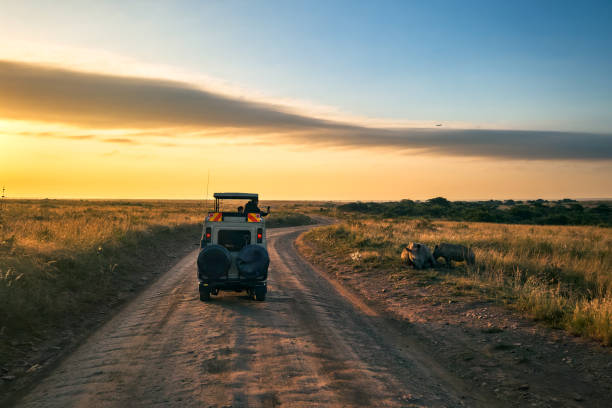
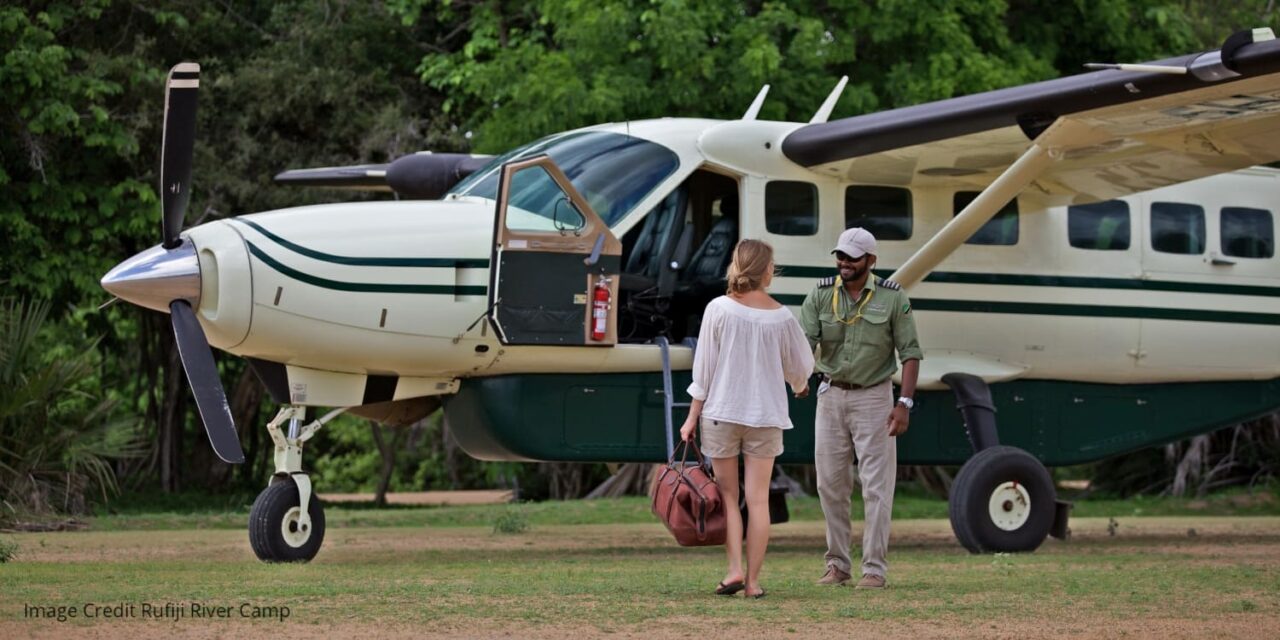
An African expedition is a journey of a lifetime, promising unparalleled wildlife encounters, breathtaking landscapes, and profound cultural experiences. When planning such an adventure, understanding the nuances of the best time for Africa expedition travel is crucial. It dictates everything from the visibility of the Great Migration to the pleasantness of your trekking conditions on Kilimanjaro or the tranquility of Zanzibar’s beaches. This guide is designed to help you navigate the complexities of seasonality across East Africa, focusing on Tanzania, to ensure your 2026-2027 expedition is everything you dream of and more.
Table of Contents
- Quick Facts for Africa Expedition Travel
- Expedition Travel in East Africa: An Overview
- Why Seasonality Matters for Your Expedition
- Best Time for Africa Expedition Travel by Activity
- Understanding Regional Weather Patterns
- Sample Itinerary Logic: Integrating Activities
- What to Expect During Peak Seasons
- What to Expect During Off-Peak Seasons
- Your Expedition Planning Checklist
- Essential Packing for Your Expedition
- Common Mistakes to Avoid When Planning
- Who is an African Expedition Best Suited For?
- Alternative Travel Styles and Destinations
- Planning Your 2026-2027 Expedition
- Booking Your Africa Expedition
- Frequently Asked Questions (FAQs)
Quick Facts for Africa Expedition Travel
| Aspect | Details |
|---|---|
| Primary Focus Regions | Tanzania (Serengeti, Ngorongoro, Kilimanjaro, Zanzibar), Kenya, Uganda, Rwanda |
| Key Wildlife Events | Great Migration (Serengeti/Masai Mara), Gorilla/Chimpanzee Trekking, Big Five sightings |
| Peak Tourist Seasons | June-October (Dry Season), December-February (Holiday Season) |
| Best Time for Safaris | Dry season (June-Oct) for game viewing; Jan-Feb for calving season (Serengeti) |
| Best Time for Kilimanjaro | Dry months: Jan-Mar, Jun-Oct |
| Best Time for Zanzibar | Dry months: Jun-Oct, Dec-Feb (can be busy) |
| Shoulder Seasons | March-May (Long Rains), November (Short Rains) |
| Traveler Types | Adventure seekers, wildlife enthusiasts, nature lovers, photographers, cultural explorers |
Expedition Travel in East Africa: An Overview
East Africa, particularly Tanzania, is a premier destination for expedition travel. It offers a diverse range of experiences, from the iconic savannahs teeming with wildlife to the majestic peaks of Kilimanjaro and the idyllic beaches of Zanzibar. An expedition here is not just a vacation; it’s an immersion into raw nature and vibrant cultures. The timing of your visit profoundly impacts what you can see and do.
When we talk about expedition travel in this context, we are referring to multi-faceted journeys that often combine different types of experiences. A typical expedition might include a safari in the Serengeti, a trek up Mount Kilimanjaro, and a relaxing period on the spice islands of Zanzibar. Each of these components has its optimal timing, and understanding how they align is key to crafting the best time for Africa expedition travel.
Why Seasonality Matters for Your Expedition
The climate in East Africa is characterized by distinct wet and dry seasons, which directly influence wildlife behavior, vegetation density, accessibility of certain areas, and the overall travel experience. Choosing the right season can mean the difference between:
- Witnessing the dramatic river crossings of the Great Migration or seeing herds spread across vast plains.
- Experiencing clear, crisp trekking conditions on Kilimanjaro or facing muddy, challenging ascents.
- Enjoying sun-drenched days on Zanzibar’s beaches or encountering frequent, heavy downpours.
- Finding fewer crowds and potentially lower prices, or navigating peak tourist seasons with higher demand.
For an expedition that aims to cover multiple activities, like a safari followed by a mountain climb and a beach escape, synchronizing these elements with favorable weather and wildlife patterns is essential for a fulfilling journey.
Best Time for Africa Expedition Travel by Activity
To determine the best time for your expedition, it’s helpful to break down the optimal periods for each primary activity:
Safari: Witnessing the Great Migration
The Great Migration is one of nature’s most spectacular events, with millions of wildebeest, zebras, and gazelles moving in a constant cycle across the Serengeti ecosystem. The best time for Africa expedition travel focused on the migration depends on where you want to see it:
- December to March: The herds are typically in the southern Serengeti and Ngorongoro Conservation Area for calving season. This is a fantastic time for seeing newborn animals and predators in action. The weather is generally warm and can have short, intense rains.
- April to May: This is the period of the long rains. While less ideal for game viewing due to denser vegetation and dispersed herds, it’s a quieter time with fewer tourists and greener landscapes.
- June to October: This is the dry season, and it’s prime time for witnessing the migration as herds move north. The Mara River crossings, where wildebeest and zebras brave crocodile-infested waters, are most likely to occur between July and October. Game viewing is excellent as animals congregate around water sources.
- November: The short rains begin, and the herds start moving back south towards the Serengeti plains. This can be a good time for birdwatching as migratory birds arrive.
Kilimanjaro Trekking
Climbing Mount Kilimanjaro requires good weather for visibility and safety. The mountain experiences its own microclimates, but generally, the dry seasons are preferred:
- January to March: This is a good dry period, offering clear skies and stable weather. It’s a popular time for trekkers.
- June to October: This is the longest and most stable dry season. Expect cooler temperatures at higher altitudes but excellent visibility and minimal rainfall. This is often considered the absolute best time for Kilimanjaro ascents.
- April to May: These months coincide with the long rains, making the trails muddy, slippery, and often shrouded in clouds, significantly reducing views and increasing difficulty.
- November: The short rains can bring intermittent showers, making conditions less predictable.
For an expedition combining safari and Kilimanjaro, aiming for the drier months like June-October or January-March allows for favorable conditions for both activities.
Zanzibar Holidays
Zanzibar offers beautiful beaches, historical Stone Town, and spice tours. The best time to visit is when the weather is pleasant for beach activities and exploring:
- June to October: This is the dry season, offering sunny days, low humidity, and pleasant temperatures. It’s ideal for beach relaxation, water sports, and exploring Stone Town. This period aligns well with the dry season in mainland Tanzania for safaris.
- December to February: This is another warm, dry period, often considered the best time for beach holidays. It’s a popular time, especially around the Christmas and New Year holidays, so expect more crowds and higher prices.
- March to May: This period is dominated by the long rains, which can bring heavy downpours, high humidity, and make beach days less enjoyable. Many accommodations offer lower rates during this time.
- November: The short rains can bring brief showers, but often the weather is still quite good for travel.
For an expedition, combining a safari during its dry season (June-Oct) with a Zanzibar visit during the same period offers consistent good weather.
Cultural Immersion and Day Trips
Day trips to local villages, cultural centers, or historical sites can be enjoyed year-round. However, the dry seasons generally offer more comfortable conditions for walking and exploring outdoors. If your expedition includes significant cultural components, consider that accessibility to some remote communities might be easier during the dry months.
Understanding Regional Weather Patterns
East Africa’s weather is broadly divided into seasons, but local variations exist. Knowing these patterns is fundamental to planning the best time for Africa expedition travel.
The Dry Season (June to October)
This is widely considered the prime time for safari and trekking. The landscape is drier, vegetation is less dense, and animals tend to congregate around permanent water sources, making them easier to spot. Rainfall is minimal, skies are often clear, and temperatures are generally pleasant, though cooler at higher altitudes like Kilimanjaro. This is the peak tourist season, meaning higher demand, more fellow travelers, and generally higher prices.
The Wet Season (November to May)
This period is characterized by rain, though it doesn’t usually rain all day. The long rains typically fall from March to May, while short rains occur in November. During the wet season, the landscape becomes lush and green, offering stunning photographic opportunities. Birdlife is abundant, and it’s a great time for spotting newborn animals. However, game viewing can be more challenging due to thicker vegetation and scattered animals. Roads can become difficult to navigate, especially in more remote areas. This season is less crowded and more budget-friendly.
The Shoulder Seasons
These are the periods between the main dry and wet seasons (e.g., March-May, November). They can offer a good balance of fewer crowds, potentially lower prices, and reasonably good weather, though with a higher chance of rain. March and April often see the tail end of the dry season and the beginning of the long rains, while November can be a transition from the dry season to the short rains.
Best Time for Expedition Travel in Tanzania (Summary)
| Activity | Ideal Months | Pros | Cons |
|---|---|---|---|
| Serengeti Safari (Migration) | June – Oct | Excellent game viewing, river crossings likely, dry conditions. | Peak season, higher prices, more crowds. |
| Jan – Feb | Calving season, predator activity high, greener landscapes. | Can have short rains, migration is in the south. | |
| Kilimanjaro Trek | June – Oct | Dry, stable weather, clear views, cooler temps. | Peak season, cooler at altitude, higher demand. |
| Jan – Mar | Dry, stable weather, moderate temps. | Popular, can be busy. | |
| Zanzibar Beach Holiday | Jun – Oct | Dry, sunny, low humidity, pleasant temps. | Peak season, higher prices. |
| Dec – Feb | Warm, dry, sunny, ideal for beaches. | Peak holiday season, very busy, highest prices. |
Sample Itinerary Logic: Integrating Activities
A well-planned expedition maximizes your chances of experiencing the best of each activity. Here’s a logical flow for combining safari, Kilimanjaro, and Zanzibar, considering the best time for Africa expedition travel:
Sample Expedition Route Flow
Option 1: Classic Dry Season Expedition (June – October)
- Days 1-7: Serengeti Safari
Focus on Northern Serengeti for potential river crossings, or central/western for general game viewing. Dry conditions mean excellent visibility. - Days 8-14: Kilimanjaro Trek
Ascend Kilimanjaro during its prime dry season. Clear skies offer incredible summit views. - Days 15-20: Zanzibar Relaxation
Wind down on Zanzibar’s beaches. Dry, sunny weather is perfect for island life.
Option 2: Calving Season & Green Season Blend (Late January – February)
- Days 1-7: Southern Serengeti Safari
Witness the incredible calving season and predator action. Landscapes are greening up. - Days 8-14: Kilimanjaro Trek
Trek during a relatively dry period, though expect cooler temperatures. - Days 15-20: Zanzibar Beach Holiday
Enjoy the island with generally good weather, though occasional short showers are possible.
Note: This is a simplified example. Actual expedition lengths can vary significantly based on traveler preference and the specific itinerary.
What to Expect During Peak Seasons (e.g., June-October)
Traveling during the peak seasons, especially the dry months of June to October, offers significant advantages for expedition travel:
- Wildlife Visibility: Animals are concentrated around waterholes and rivers, making spotting them much easier. The Great Migration is often at its most dramatic.
- Weather: Generally dry, sunny days with minimal rainfall. This is ideal for safaris, trekking, and beach activities.
- Accessibility: Roads are in better condition, making travel smoother and more reliable.
- Trekking Conditions: Kilimanjaro trails are drier and safer, with excellent visibility from higher altitudes.
- Beach Conditions: Zanzibar offers idyllic beach weather with low humidity and plenty of sunshine.
However, peak season also means:
- Higher Prices: Flights, accommodations, and tour packages are typically more expensive.
- More Crowds: Popular parks, lodges, and trekking routes will be busier. Booking well in advance is essential.
What to Expect During Off-Peak Seasons (e.g., April-May, November)
Venturing out during the off-peak or shoulder seasons can be a rewarding experience for the adventurous traveler:
- Fewer Crowds: Enjoy a more intimate experience with nature and less competition for prime viewing spots or lodge availability.
- Lower Prices: Accommodations and sometimes flights can be significantly cheaper, offering better value.
- Lush Landscapes: The rains bring vibrant green scenery, which is beautiful for photography.
- Calving Season (Jan-Feb): While not strictly off-peak, this period offers unique wildlife viewing opportunities.
The trade-offs for off-peak travel include:
- Rainfall: Expect unpredictable showers, which can sometimes be heavy and prolonged, especially during the long rains (March-May).
- Difficult Conditions: Roads can become muddy and impassable, potentially leading to travel delays or itinerary changes.
- Lower Wildlife Visibility: Thicker vegetation can make spotting animals more challenging, and they may be more dispersed.
- Kilimanjaro Challenges: Trails can be wet, muddy, and visibility often poor due to cloud cover.
Your Expedition Planning Checklist
- Define Your Priorities: What are your must-see wildlife, activities, and experiences?
- Determine Your Budget: Factor in flights, accommodation, activities, visas, insurance, and personal expenses.
- Choose Your Core Activities: Safari, Kilimanjaro, Zanzibar, or a combination?
- Research the Best Time for Your Chosen Activities: Use this guide to align your dates.
- Select Your Destinations: Serengeti, Ngorongoro, Kilimanjaro, Zanzibar, etc.
- Decide on Travel Style: Luxury lodges, mid-range camps, budget-friendly guesthouses?
- Consult a Local Tour Operator: Get expert advice and customize your itinerary. (e.g., Top Guide Adventures)
- Book Flights: Aim to book international flights 6-12 months in advance, especially for peak seasons.
- Book Accommodation & Tours: Secure your preferred lodges and safari vehicles, particularly for peak times. For Kilimanjaro, book your climb permit and guide services well in advance.
- Arrange Visas and Passports: Ensure your passport is valid for at least six months beyond your travel date and check visa requirements.
- Purchase Travel Insurance: Comprehensive insurance covering medical emergencies, trip cancellations, and lost luggage is essential.
- Get Vaccinations and Health Advice: Consult your doctor or a travel clinic about recommended vaccinations (e.g., Yellow Fever, Hepatitis A) and malaria precautions.
- Pack Appropriately: Refer to packing lists for safaris, trekking, and beach holidays.
- Prepare for the Altitude: If trekking Kilimanjaro, understand acclimatization.
- Learn Basic Phrases: Swahili phrases can enhance your interactions.
- Inform Your Bank: Let them know your travel dates to avoid card issues.
- Finalize Itinerary and Confirm Bookings: Double-check all details a few weeks before departure.
Essential Packing for Your Expedition
Packing for an African expedition requires versatility, as you’ll likely encounter different climates and activities. Layering is key.
For Safari:
- Neutral-colored clothing (khaki, beige, olive green) – avoid bright colors and dark blues/blacks which attract insects.
- Lightweight long-sleeved shirts and trousers for sun and insect protection.
- A warm fleece or jacket for cool mornings and evenings.
- Comfortable walking shoes or hiking boots.
- Hat with a wide brim for sun protection.
- Sunglasses.
- Binoculars.
- Camera with extra batteries and memory cards.
- Sunscreen, insect repellent (with DEET), and basic first-aid kit.
For Kilimanjaro Trekking:
- Layering system: Base layers (thermal), mid-layers (fleece), outer layer (waterproof and windproof jacket and trousers).
- Warm hat, gloves, and scarf.
- Sturdy, broken-in hiking boots.
- Comfortable hiking socks (several pairs).
- Waterproof duffel bag for porter transport.
- Headlamp with extra batteries.
- Trekking poles (highly recommended).
- High SPF sunscreen and lip balm.
- Water bottle or hydration reservoir.
For Zanzibar:
- Lightweight, breathable clothing (cotton, linen).
- Swimwear.
- Sarong or cover-up for the beach.
- Sandals or flip-flops.
- A light jacket or shawl for cooler evenings.
- Respectful clothing for visiting villages or Stone Town (shoulders and knees covered).
Common Mistakes to Avoid When Planning
Planning an African expedition can be complex. Here are common pitfalls to steer clear of:
- Not considering seasonality: Traveling during the long rains for a safari expecting to see the migration, or climbing Kilimanjaro during the wet season without proper preparation.
- Underestimating travel times: Distances can be vast, and road conditions can slow travel significantly. Allow ample time for transfers between locations.
- Not booking in advance: For peak seasons, lodges, safari vehicles, and Kilimanjaro permits get booked up months, sometimes a year, ahead.
- Overpacking: Especially for Kilimanjaro, where weight limits for porters apply. Stick to essentials and lightweight items.
- Ignoring health precautions: Failing to consult a doctor for vaccinations or malaria prophylaxis.
- Not getting comprehensive travel insurance: This is non-negotiable for an expedition.
- Assuming all operators are equal: Research reputable operators with good safety records and local expertise.
- Trying to fit too much in: Rushing between too many locations can detract from the experience. Quality over quantity.
Who is an African Expedition Best Suited For?
An African expedition, especially one combining safari, trekking, and beach relaxation, is ideal for:
- Adventurous Travelers: Those who seek active, multi-faceted experiences beyond a typical beach holiday.
- Wildlife Enthusiasts: Individuals passionate about observing diverse fauna in their natural habitats.
- Nature Lovers: People who appreciate stunning landscapes, from savannahs to mountains and coastlines.
- Photographers: Those looking to capture iconic wildlife, dramatic landscapes, and vibrant cultures.
- Active Individuals: People who enjoy trekking, hiking, and exploring on foot.
- Those Seeking a Deep Cultural Connection: Travelers interested in interacting with local communities and understanding different ways of life.
- Couples and Families (with older children): An expedition can be tailored for shared experiences, though the physical demands of Kilimanjaro might not suit very young children.
It requires a degree of physical fitness, particularly for Kilimanjaro, and a willingness to embrace the unpredictable nature of travel in wild places.
Alternative Travel Styles and Destinations
If a full expedition isn’t quite right, or you’re looking for variations, consider these:
- Safari-Focused Trip: Concentrate solely on safari in Tanzania (Serengeti, Ngorongoro, Tarangire, Lake Manyara) or explore other renowned parks in Kenya (Masai Mara), Botswana (Okavango Delta), or South Africa (Kruger).
- Trekking Focus: Beyond Kilimanjaro, consider Mount Kenya, or treks in Uganda and Rwanda for gorilla and chimpanzee tracking.
- Island Getaway: If Zanzibar is your primary interest, extend your stay or explore other islands like Pemba or Mafia for a quieter experience.
- Cultural Immersion: Focus on community-based tourism initiatives, visiting Maasai villages, or exploring historical sites in Stone Town.
- Luxury Expeditions: Opt for high-end lodges, private guides, and charter flights for a more comfortable, exclusive experience.
- Budget Expeditions: Utilize more modest accommodations, group tours, and public transport where feasible for cost savings.
Planning Your 2026-2027 Expedition
The best time for Africa expedition travel in 2026 and 2027 will follow the same seasonal patterns as described. However, planning further ahead offers distinct advantages:
- Early Booking for Peak Seasons: For travel in 2026 or 2027 during June-October or December-February, booking your safari lodges, Kilimanjaro permits, and flights 9-12 months in advance is highly recommended. Popular accommodations and specific dates can fill up quickly.
- Secure Your Preferred Guides/Operators: Reputable local operators like Top Guide Adventures often have specific guides or vehicles that clients request. Booking early ensures you secure your preferred team.
- Visa and Health Preparations: Start researching visa requirements and consulting your doctor for vaccinations and health advice at least 3-6 months before your trip. This allows ample time for appointments and any necessary treatments.
- Flexibility: While you aim for the best time, unexpected events can occur. Building a small buffer into your schedule or having flexible booking options can be beneficial.
- Cost Trends: While exact prices fluctuate, planning for 2026-2027 means you can monitor potential price increases and take advantage of early bird offers if available. Generally, the dry season remains the most sought-after and thus most expensive period.
By starting your planning for 2026-2027 now, you position yourself to secure the best options, manage costs effectively, and ensure a smoother preparation process for your incredible African adventure.
Booking Your Africa Expedition
Choosing the right tour operator is paramount for a successful expedition. Here’s what to consider:
- Local Expertise: Prioritize operators with deep knowledge of Tanzania and East Africa. They understand the seasons, wildlife, logistics, and cultural nuances.
- Customization: Ensure the operator can tailor itineraries to your specific interests, budget, and pace.
- Safety Standards: Inquire about their safety protocols, especially for Kilimanjaro climbs and safari drives.
- Reputation and Reviews: Look for testimonials, online reviews, and ask for references.
- Inclusions and Exclusions: Clearly understand what is covered in your package (e.g., park fees, accommodation, meals, guides, vehicle, Kilimanjaro permits, transfers) and what is not (e.g., international flights, visas, tips, personal expenses).
- Communication: A good operator will be responsive and clear in their communication.
Ready to plan your expedition? Contact Top Guide Adventures, your trusted Tanzania tour operator, for expert advice and a personalized itinerary. We specialize in crafting unforgettable safari, Kilimanjaro trekking, and Zanzibar holiday experiences. Let us help you find the best time for Africa expedition travel tailored to your dreams.
WhatsApp: +255616946642
Email: topguideadventures@gmail.com
Backup Email: info@topguideadventures.com
Frequently Asked Questions (FAQs)
General Expedition FAQs
Q1: What is the absolute best time to visit Tanzania for a safari and Kilimanjaro trek combined?
A: For the best chance of good weather for both activities, the dry seasons are ideal. Consider June to October for stable, dry conditions for both safari and trekking. January to March is also a good option, though it can be cooler on Kilimanjaro and the migration is in the south of the Serengeti.
Q2: How does the weather in Zanzibar compare to the mainland safari destinations?
A: Zanzibar generally follows similar seasonal patterns but can be more humid. The dry seasons (June-Oct, Dec-Feb) are also best for Zanzibar’s beaches, offering sunshine and lower humidity. The wet seasons can bring heavy rains and high humidity, making beach time less pleasant.
Q3: Is it possible to see the Great Migration outside of the June-October period?
A: Yes, the migration is a year-round phenomenon, but its location changes. For example, the calving season in the southern Serengeti occurs from January to March, offering excellent predator action. The river crossings are most likely between July and October in the northern Serengeti.
Q4: What if I can only travel during the wet season?
A: Traveling during the wet season (especially March-May) can be more budget-friendly and less crowded. While game viewing might be more challenging, the landscapes are lush, birdlife is abundant, and you can still have incredible wildlife encounters. For Kilimanjaro, it’s best avoided if possible, but with proper gear and realistic expectations, it can be done.
Q5: How far in advance should I book my 2026-2027 expedition?
A: For peak travel periods (June-Oct, Dec-Feb) in 2026-2027, booking 9-12 months in advance is strongly recommended. For shoulder or off-peak seasons, 4-6 months might suffice, but booking early always secures better availability and choice.
Q6: What are the main costs involved in an African expedition?
A: Major costs include international flights, park entry fees, accommodation (lodges/camps), safari vehicle and guide hire, Kilimanjaro climbing permits and crew fees, meals, internal transfers, visas, travel insurance, vaccinations, and tips for guides and staff.
Q7: Is it safe to travel in Tanzania?
A: Tanzania is generally considered a safe destination for tourists, especially when traveling with reputable tour operators. Standard travel precautions apply, and it’s wise to be aware of your surroundings, particularly in urban areas. For Kilimanjaro, safety is paramount, and experienced guides ensure proper procedures are followed.
Q8: What kind of physical fitness is required for an African expedition?
A: Safaris and Zanzibar holidays are generally accessible to most fitness levels. However, trekking Kilimanjaro requires a good level of cardiovascular fitness and acclimatization to altitude. It’s recommended to start training several months in advance.
Q9: Can I combine a safari in Tanzania with a trip to Kenya?
A: Yes, it’s common to combine safaris in Tanzania (Serengeti) with Kenya (Masai Mara), especially to follow the Great Migration. This requires careful itinerary planning and border crossing logistics.
Q10: What is the best time for photography during an African expedition?
A: The dry season (June-October) offers clear skies and good light for photography. The early mornings and late afternoons, known as the ‘golden hours,’ provide soft, dramatic light perfect for wildlife and landscapes. The green landscapes of the wet season also offer unique photographic opportunities.
Plan Your Ultimate Africa Expedition
Choosing the best time for Africa expedition travel is the first step towards an unforgettable journey. Whether you dream of witnessing the Great Migration, conquering Kilimanjaro, or relaxing on Zanzibar’s shores, timing is everything. Let Top Guide Adventures, your expert Tanzania tour operator, help you craft the perfect itinerary for 2026-2027.
We offer tailor-made safaris, Kilimanjaro treks, and Zanzibar packages designed to suit your interests and budget. Contact us today to start planning your adventure of a lifetime!
WhatsApp: +255616946642
Email: topguideadventures@gmail.com
Backup Email: info@topguideadventures.com
Plan your Best Time for Africa Expedition Travel with Top Guide Adventures
Tell us your travel dates, group size, comfort level, and dream experience. We will help you shape a clear, realistic, and memorable Tanzania itinerary.







 Veedesigner
 Fatma Kizanga
 Benjamin Waryuba
 Philip Philip
 John jr Itaja
 Antonia Optatus
 Edith Kanyere
 Neema Iddy
 Kelvin Boniphace
 Damari Maiga



