
Updated planning guide for 2026-2027
Budget Africa Adventure Journeys: Affordable Planning Guide 2026-2027
Planning an adventure in Africa on a budget? This comprehensive guide covers everything you need to know for unforgettable budget Africa adventure journeys in 2026-2027, from choosing destinations to packing smart.
WhatsApp +255616946642 | topguideadventures@gmail.com | info@topguideadventures.com
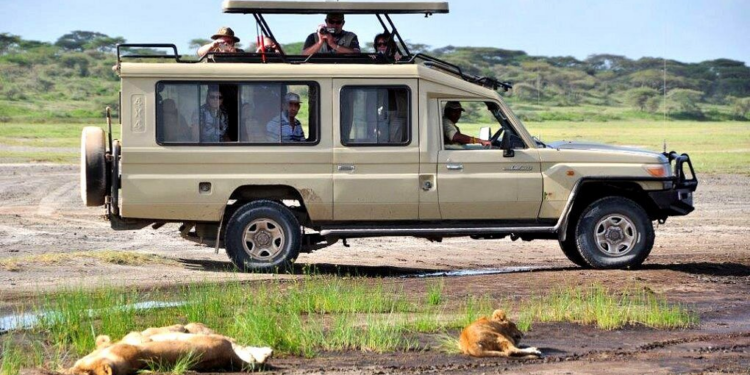

Budget Africa Adventure Journeys: Your Comprehensive Planning Guide
Africa is a continent brimming with incredible diversity, from the vast plains of the Serengeti to the ancient spice markets of Zanzibar and the towering peaks of Kilimanjaro. Many travelers dream of experiencing its wonders but worry about the cost. The good news is that planning budget Africa adventure journeys is entirely achievable with the right knowledge and preparation. This guide is designed to help you create an unforgettable African experience without breaking the bank, covering essential planning, destination insights, cost considerations, and practical advice for 2026 and 2027.
Whether you’re drawn to wildlife safaris, cultural immersion, trekking challenges, or coastal relaxation, Africa offers a wealth of opportunities for the budget-conscious explorer. We’ll explore how to maximize your experience while minimizing expenses, ensuring your adventure is both thrilling and financially sensible.
Quick Overview: Budget Africa Adventure Journeys
| Aspect | Details |
|---|---|
| Focus Keyword | Budget Africa Adventure Journeys |
| Primary Goal | Affordable yet enriching African travel experiences. |
| Key Destinations (Tanzania Focus) | Serengeti, Ngorongoro Crater, Tarangire, Lake Manyara, Mount Kilimanjaro, Zanzibar. |
| Activities | Wildlife safaris, trekking, cultural tours, beach relaxation, city exploration. |
| Target Years | 2026, 2027 |
| Travel Style | Budget-conscious, adventurous, immersive. |
| Key Considerations | Seasonality, accommodation choices, transportation, tour operator selection, packing. |
Table of Contents
- Why Choose Budget Africa Adventure Journeys?
- Understanding the Costs of African Travel
- Best Time for Budget Africa Adventure Journeys (2026-2027)
- Top Destinations for Budget Africa Adventure Journeys
- Sample Itineraries for Budget Africa Adventure Journeys in Tanzania
- Budget-Friendly Accommodation Options
- Smart Transportation for Budget Travelers
- Essential Packing List for Your Adventure
- Common Mistakes to Avoid on Budget Africa Adventures
- Who Are Budget Africa Adventure Journeys Best Suited For?
- Exploring Alternatives to Classic Safaris
- Planning Your Trip for 2026-2027: Key Steps
- Booking Your Budget Africa Adventure
- Frequently Asked Questions (FAQs)
Why Choose Budget Africa Adventure Journeys?
Africa is often perceived as an expensive travel destination, particularly for safaris. However, the reality is that with careful planning, it’s possible to experience the continent’s magic without needing a fortune. Budget Africa adventure journeys offer a unique opportunity to connect more deeply with the local culture, engage in authentic experiences, and witness incredible natural phenomena in a way that feels more personal and less commercialized.
Opting for a budget-friendly approach doesn’t mean sacrificing quality; it means being smart about your choices. It allows for more flexibility, potentially enabling longer stays or the inclusion of more diverse activities. For many, the most rewarding travel experiences come from stepping off the beaten path and engaging with a destination in a more grounded way, which budget travel often facilitates.
Furthermore, choosing budget-conscious options can sometimes lead you to local guides and smaller operators who offer unparalleled insights and a genuine connection to the places you visit. This is particularly true in countries like Tanzania, where local expertise is abundant and can significantly enhance your adventure.
Understanding the Costs of African Travel
The cost of an African adventure can vary dramatically based on several factors. For budget Africa adventure journeys, understanding these components is crucial for effective planning:
- Flights: International airfare is often one of the largest expenses. Booking in advance, being flexible with dates, and considering different airlines can help reduce this cost.
- Visas and Permits: Depending on your nationality and the countries you visit, visa fees can add up. Park entrance fees for national parks and game reserves are also significant, especially for safaris.
- Accommodation: This is a major area where budget travelers can save. Opting for guesthouses, hostels, camping, or basic lodges instead of luxury hotels makes a substantial difference.
- Activities and Tours: Safaris, guided treks, and cultural tours are often the core of an African adventure. Group tours are generally more affordable than private ones.
- Food and Drink: Eating at local markets and smaller restaurants is far cheaper than dining in tourist-oriented establishments.
- Transportation within Africa: Overland travel using local buses or shared taxis is budget-friendly but time-consuming. Internal flights are faster but pricier.
- Travel Insurance: Essential for any trip, especially adventure travel, but costs vary.
- Vaccinations and Medications: Health precautions are vital and incur costs.
For budget Africa adventure journeys, focusing on destinations and tour packages that offer good value for money is key. Tanzania, for example, has established infrastructure for tourism that can cater to various budgets, especially when working with local operators.
Best Time for Budget Africa Adventure Journeys (2026-2027)
The ‘best’ time to travel for budget Africa adventure journeys often involves balancing ideal weather conditions with lower prices, which typically occur during the shoulder seasons or the “green season” (rainy season).
| Season | Months | Pros for Budget Travel | Cons for Budget Travel | Best For |
|---|---|---|---|---|
| Dry Season (Peak) | June – October | Excellent wildlife viewing, clear skies, ideal for trekking. | Highest prices for flights and accommodation, most crowded. Not ideal for budget focus. | Wildlife photography, Kilimanjaro summit success. |
| Shoulder Season | March – May, November | Fewer crowds, lower prices on some tours and accommodation, good wildlife viewing still possible. March-May can have some rain. | Potential for rain (especially April-May), some roads might be affected. | Safari, Zanzibar, cultural experiences. Good balance of weather and cost. |
| Green Season (Low) | January – February, December | Lowest prices, lush landscapes, excellent birdwatching, fewer tourists. Some areas offer ‘calving season’ safaris. | Rain can impact road conditions and game viewing visibility. Kilimanjaro treks are more challenging due to rain/mud. | Birdwatching, photography, experiencing landscapes with fewer people, finding deals. |
For 2026-2027 budget Africa adventure journeys, consider the shoulder months of March-May and November. These periods often provide a sweet spot, offering good weather for safaris and other activities while prices are more manageable than the peak dry season. The green season (January-February) can also be excellent for deals, especially if your itinerary doesn’t heavily rely on road travel or if you’re focused on activities less affected by rain, like birdwatching or cultural tours.
Top Destinations for Budget Africa Adventure Journeys
While Africa is vast, certain countries and regions offer exceptional value and a wide range of adventure opportunities suitable for budget travelers. Tanzania, as a prime example, provides a diverse array of experiences that can be tailored for budget Africa adventure journeys.
Tanzania: A Hub for Diverse Adventures
Tanzania stands out as a premier destination for those seeking budget Africa adventure journeys due to its iconic wildlife, stunning landscapes, and well-developed tourism infrastructure that caters to various price points. It offers a perfect blend of safari, trekking, and beach experiences.
- Northern Circuit Safaris: This includes the Serengeti National Park, Ngorongoro Conservation Area, Tarangire National Park, and Lake Manyara National Park. While these parks can be expensive due to entrance fees, opting for group tours and staying in budget-friendly camps or lodges can significantly reduce costs. The sheer abundance of wildlife here is unparalleled.
- Mount Kilimanjaro Trekking: Climbing Kilimanjaro is a significant undertaking, but budget-conscious trekkers can find operators offering more affordable packages. These often involve basic camping accommodations and simpler meal arrangements. The key is to choose a reputable operator that prioritizes safety and ethical practices, even on a budget.
- Zanzibar Holidays: Beyond the safari, the island of Zanzibar offers tropical beaches, rich history, and water sports. Budget travelers can find affordable guesthouses in Stone Town and beach bungalows, and enjoy local cuisine at much lower prices than resort dining.
- Southern and Western Circuits: Parks like Ruaha, Selous (Nyerere National Park), and Katavi offer a more wild and less crowded safari experience. While access can be more challenging and potentially pricier due to logistics, they can sometimes offer better value outside peak season.
Other Notable Destinations for Budget Adventures:
- Uganda/Rwanda: Excellent for gorilla trekking, which is expensive but a once-in-a-lifetime experience. Beyond gorillas, these countries offer beautiful landscapes and other primate tracking opportunities at more accessible prices.
- Kenya: Neighboring Tanzania, Kenya offers similar safari experiences (Masai Mara) and can sometimes be more affordable for certain types of tours or overland travel.
- South Africa: Offers a wide range of activities, from self-drive safaris in Kruger National Park (which can be budget-friendly) to diverse cultural and adventure sports. Accommodation options are plentiful across all budgets.
- Namibia: Known for its dramatic desert landscapes and unique wildlife. While some aspects can be costly (like guided tours in remote areas), self-driving and camping can make it a viable budget option.
For the purpose of this guide, we will focus primarily on Tanzania, as it encapsulates many of the quintessential African adventure experiences that can be effectively managed on a budget.
Sample Itineraries for Budget Africa Adventure Journeys in Tanzania
These sample itineraries are designed to give you an idea of how budget Africa adventure journeys can be structured in Tanzania. They focus on maximizing experience while keeping costs down, often by utilizing group tours, strategic accommodation choices, and efficient routing.
Itinerary 1: Classic Northern Circuit Safari (Budget Focus)
Duration: 5 Days / 4 Nights
Travel Style: Group Safari, Mid-range budget camps/lodges.
- Day 1: Arrive in Arusha & Transfer to Moshi/Arusha. Arrive at Kilimanjaro International Airport (JRO). Meet your guide and transfer to your accommodation in Arusha or Moshi. Briefing for your safari. (Budget Guesthouse/Lodge)
- Day 2: Tarangire National Park. Drive to Tarangire, famous for its large elephant herds and baobab trees. Full-day game drive. Overnight in a budget tented camp or lodge near the park. (Budget Tented Camp)
- Day 3: Ngorongoro Crater Tour. Descend into the Ngorongoro Crater, a UNESCO World Heritage Site teeming with wildlife, including the Big Five. Enjoy a picnic lunch. Ascend and head towards Karatu or a lodge/camp near the crater rim. (Budget Lodge/Camp)
- Day 4: Lake Manyara National Park & Drive to Arusha. Morning game drive in Lake Manyara, known for its tree-climbing lions and diverse birdlife. After lunch, drive back to Arusha. Overnight in Arusha. (Budget Guesthouse/Lodge)
- Day 5: Departure or Optional Zanzibar Transfer. Depending on your flight schedule, you might have time for souvenir shopping or a visit to Arusha town. Transfer to JRO for your departure, or to Arusha Airport for a flight to Zanzibar.
Budget Notes: This itinerary prioritizes essential parks. Group safaris significantly reduce per-person costs. Accommodation is chosen for value and proximity to parks. Park fees are a significant portion of the budget.
Itinerary 2: Kilimanjaro Trek (Budget Machame Route)
Duration: 6 Days / 5 Nights
Travel Style: Camping Trek, focus on safety and experienced guides.
- Day 1: Arrival & Briefing. Arrive at JRO, transfer to Moshi. Meet your expedition team for a detailed briefing, gear check. Overnight in a budget hotel in Moshi.
- Day 2: Machame Gate to Machame Camp. Drive to Machame Gate, register, and begin the trek through the rainforest. Hike to Machame Camp. (Camping)
- Day 3: Machame Camp to Shira Camp. Trek through moorland and rocky terrain. Reach Shira Camp. (Camping)
- Day 4: Shira Camp to Barranco Camp. Ascend to Lava Tower, then descend to Barranco Camp. This day is crucial for acclimatization. (Camping)
- Day 5: Barranco Camp to Karanga Camp. Climb the Barranco Wall (a highlight!), then trek to Karanga Camp. (Camping)
- Day 6: Karanga Camp to Barafu Camp & Summit Attempt. Trek to Barafu Camp, rest, and then begin the summit push towards Uhuru Peak after midnight. Descend to Mweka Camp. (Camping)
- Day 7: Mweka Camp to Mweka Gate & Departure. Trek from Mweka Camp to Mweka Gate. Receive your certificates and transfer back to Moshi. (Budget Hotel in Moshi)
- Day 8: Departure. Transfer to JRO for your flight home.
Budget Notes: This is a 7-day itinerary; a 6-day option is possible but very rushed and not recommended for acclimatization. Opting for the 7-day Machame route with a reputable budget operator is a common choice. Costs include park fees, crew wages, food, and camping equipment. Cheaper operators may cut corners on safety or crew welfare, so research is vital.
Itinerary 3: Zanzibar Culture & Beach Combo (Budget)
Duration: 5 Days / 4 Nights
Travel Style: Independent exploration with local transport, budget guesthouses.
- Day 1: Arrive in Stone Town. Fly into Abeid Amani Karume International Airport (ZNZ). Take a local taxi or shuttle to your guesthouse in Stone Town. Explore the historic alleys, markets, and waterfront. (Budget Guesthouse)
- Day 2: Stone Town Exploration & Spice Tour. Morning walking tour of Stone Town (House of Wonders, Old Fort, slave market site). Afternoon spice tour to learn about local spices and fruits. Evening seafood dinner at Forodhani Gardens. (Budget Guesthouse)
- Day 3: Transfer to Beach (Nungwi/Kendwa/Paje). Take a local dala-dala (minibus) or shared taxi to your chosen beach area. Check into a budget bungalow or guesthouse. Relax on the beach. (Budget Beach Bungalow/Guesthouse)
- Day 4: Beach Activities. Enjoy swimming, snorkeling, or simply relaxing. Optional activities like visiting Mnemba Atoll for snorkeling (can be done affordably with local boatmen) or exploring nearby villages. (Budget Beach Bungalow/Guesthouse)
- Day 5: Departure. Enjoy a final morning on the beach before taking a transfer back to ZNZ airport for your departure.
Budget Notes: This itinerary emphasizes using local transport (dala-dalas) and staying in guesthouses or budget bungalows. Eating at local eateries and markets significantly reduces food costs. Group tours for activities like snorkeling can be more affordable.
Budget-Friendly Accommodation Options
Accommodation is often the biggest variable cost for budget Africa adventure journeys. Fortunately, Africa offers a range of options that don’t require luxury pricing:
- Guesthouses and Budget Hotels: Found in most towns and cities, these offer basic but clean rooms, often with private bathrooms. They are a great way to experience local hospitality.
- Hostels: Becoming more common in tourist hubs, hostels provide dormitories or private rooms at very low prices, and are excellent for meeting other travelers.
- Tented Camps: For safaris, opting for budget tented camps provides a more immersive experience than lodges. These often feature canvas tents with beds, shared or private bathrooms, and a communal dining area. They are significantly cheaper than brick-and-mortar lodges.
- Camping: The most budget-friendly option for safaris and Kilimanjaro treks. Many tour operators offer camping packages, providing tents, sleeping bags, and cooking facilities. This allows for a very close connection to nature.
- Homestays: In some rural areas or cultural tourism programs, homestays offer a chance to live with a local family, providing authentic cultural immersion and very affordable accommodation.
When booking budget Africa adventure journeys, look for accommodations that offer good value. Read reviews to ensure cleanliness and safety. For safaris, consider camps that are located just outside park boundaries, as they can be cheaper while still offering accessibility.
Smart Transportation for Budget Travelers
Getting around can be a significant expense, but smart choices can save a lot:
- Local Buses (Dala-dalas): In many East African countries like Tanzania and Kenya, these minibuses are the backbone of public transport. They are incredibly cheap but can be crowded, slow, and follow less predictable schedules. Ideal for short to medium distances where time is not a critical factor.
- Shared Taxis/Minivans: Faster and more comfortable than buses, these operate on fixed routes between towns. Prices are higher than buses but still very affordable compared to private taxis or internal flights.
- Overland Truck Tours: For longer distances or multi-country trips, some budget tour operators use overland trucks. These tours often include camping and cover significant ground, offering a structured but cost-effective way to see a lot.
- Hitchhiking: While possible in some areas, it’s generally not recommended for solo travelers or those unfamiliar with local customs due to safety concerns.
- Walking/Cycling: For exploring towns, villages, or within national parks (on guided walks), these are the cheapest and often most rewarding ways to experience a place.
- Choosing Tour Operators Wisely: For safaris and treks, the tour operator’s vehicle and guide are included. Look for operators who bundle transportation efficiently.
For budget Africa adventure journeys, embrace the slower pace of local transport. It’s an adventure in itself and a fantastic way to interact with locals. For longer distances, compare prices for shared taxis versus budget internal flights, especially if time is limited.
Essential Packing List for Your Adventure
Packing light and smart is crucial for budget travel, especially when moving between locations. For budget Africa adventure journeys, focus on versatility and durability.
- Clothing:
- Lightweight, breathable fabrics (cotton, linen, quick-dry synthetics).
- Neutral colors for safaris (khaki, beige, green) to blend in and avoid attracting insects.
- Long-sleeved shirts and trousers for sun and insect protection.
- Warm fleece or jacket for cool evenings/mornings and higher altitudes (Kilimanjaro).
- Waterproof/windproof jacket.
- Comfortable walking shoes/hiking boots (broken in!).
- Sandals or flip-flops for relaxing.
- Swimsuit.
- Hat with a wide brim for sun protection.
- Scarf or bandana (useful for dust, sun, and style).
- Toiletries & Health:
- High SPF sunscreen.
- Insect repellent with DEET.
- Basic first-aid kit (band-aids, antiseptic wipes, pain relievers, motion sickness medication, any personal prescriptions).
- Hand sanitizer.
- Personal medications.
- Malaria prophylaxis (consult your doctor).
- Gear:
- Backpack (daypack) and a larger duffel bag or backpack for main luggage (easier to carry than suitcases on rough roads).
- Reusable water bottle.
- Headlamp or flashlight with extra batteries.
- Camera and extra memory cards/batteries.
- Power bank/portable charger.
- Universal travel adapter.
- Sunglasses.
- Binoculars (highly recommended for safaris).
- Small, quick-dry towel.
- Dry bag (for protecting electronics on boat trips or in rain).
- Documents & Money:
- Passport (with at least 6 months validity) and copies.
- Visa (if required) and copies.
- Flight tickets and booking confirmations.
- Travel insurance details.
- Credit/debit cards and some local currency (USD is widely accepted for larger purchases/tips).
- Small notebook and pen.
Tip: Pack layers. Mornings and evenings can be cool, even in hot climates, and mountain treks require significant warmth. For Kilimanjaro, specialized gear is essential, and many operators offer rentals.
Common Mistakes to Avoid on Budget Africa Adventures
To ensure your budget Africa adventure journeys are successful and enjoyable, be aware of common pitfalls:
- Choosing the Cheapest Operator Without Research: The lowest price often means compromises. Always vet operators for safety records, ethical treatment of staff, and positive reviews, especially for Kilimanjaro treks.
- Underestimating Park Fees: National park entrance fees in countries like Tanzania are substantial and a fixed cost that significantly impacts the budget. Factor these in accurately.
- Not Budgeting for ‘Extras’: Tips for guides and staff, souvenirs, drinks, snacks, and optional activities can add up quickly. Have a buffer for these.
- Ignoring Seasonality: Traveling during peak season when prices are highest will inflate your budget unnecessarily. Be flexible with dates to take advantage of shoulder or green seasons.
- Overpacking: Lugging heavy bags is cumbersome and can incur extra costs if you need to pay for excess baggage or struggle with local transport. Pack light and efficiently.
- Not Booking in Advance (Especially for Kilimanjaro): While flexibility is good, popular routes and budget-friendly operators for major treks like Kilimanjaro can book up months in advance for 2026-2027.
- Relying Solely on Expensive Internal Flights: While convenient, flights add up. Explore overland options where feasible and safe.
- Not Staying Hydrated or Using Sun Protection: Dehydration and sunburn can quickly ruin your trip and lead to medical issues.
- Ignoring Local Customs: Respecting local traditions and dress codes, especially when visiting villages or cultural sites, enhances your experience and is crucial for positive interactions.
Who Are Budget Africa Adventure Journeys Best Suited For?
Budget Africa adventure journeys appeal to a wide range of travelers, but they are particularly well-suited for:
- Young Adventurers and Backpackers: Those seeking thrilling experiences and cultural immersion without a large financial outlay.
- Students and Gap Year Travelers: Individuals looking to explore the world on a limited budget.
- Experienced Travelers: Those who are comfortable with more basic amenities, local transport, and a degree of unpredictability.
- Independent Explorers: Travelers who enjoy planning their own routes and are comfortable navigating independently or with minimal support.
- Eco-conscious Travelers: Often, budget options involve more sustainable practices like camping and using local transport.
- Anyone Seeking Authentic Experiences: Budget travel often leads to more genuine interactions with local communities and a deeper understanding of the destination.
- Couples and Small Groups: Sharing costs for tours and accommodation can make budget travel very feasible for pairs or small groups.
It’s important to note that “budget” doesn’t necessarily mean “basic.” You can still have comfortable and safe experiences. The key is prioritizing what matters most to you – be it wildlife sightings, cultural interaction, or reaching a summit – and finding the most cost-effective way to achieve it.
Exploring Alternatives to Classic Safaris
While safaris are a major draw, Africa offers many other adventure opportunities that can be more budget-friendly or offer a different kind of thrill:
- Trekking and Hiking: Beyond Kilimanjaro, many African countries offer incredible hiking. Mount Kenya, the Simien Mountains in Ethiopia, and the Drakensberg Mountains in South Africa offer stunning scenery and physical challenges. These can be done with local guides at a fraction of the cost of a major safari.
- Cultural Tourism: Visiting local villages, participating in community projects, and learning traditional crafts can be deeply rewarding and affordable. Many organizations offer immersive cultural experiences.
- Water Sports and Coastal Adventures: Zanzibar, Kenya’s coast, and even destinations like Mozambique offer fantastic opportunities for snorkeling, diving, surfing, and dhow sailing. These can be less expensive than land-based safaris.
- City Exploration: Vibrant African cities like Nairobi, Dar es Salaam, Cape Town, and Addis Ababa offer rich history, art, music, and culinary scenes. Exploring these on foot or using local transport is very budget-friendly.
- Birdwatching Tours: Africa is a birdwatcher’s paradise. Many areas offer incredible diversity, and specialized birding tours can be more focused and sometimes more affordable than general wildlife safaris.
- Volcano Hiking: Destinations like Mount Nyiragongo in the Democratic Republic of Congo (known for its lava lake) offer unique and adventurous trekking experiences that are distinct from typical safaris.
Combining a short safari with one or two of these alternative activities can create a rich and varied budget Africa adventure journey that offers a broader perspective of the continent.
Planning Your Trip for 2026-2027: Key Steps
Successful budget Africa adventure journeys require meticulous planning, especially for trips planned for 2026 and 2027. Here’s a step-by-step approach:
- Step 1: Define Your Interests & Priorities (Now – 18 months out). What do you want to see and do? Wildlife, mountains, culture, beaches? Rank your priorities. This helps allocate your budget effectively.
- Step 2: Choose Your Destination(s) (Now – 15 months out). Based on your interests, research countries that offer good value and align with your adventure goals. Tanzania is a strong contender for many.
- Step 3: Determine Your Travel Dates & Seasonality (Now – 12 months out). Decide on your travel window. For budget Africa adventure journeys, aim for shoulder seasons (March-May, Nov) or the green season (Jan-Feb) for 2026-2027 to find better prices and fewer crowds.
- Step 4: Set Your Budget (Now – 12 months out). Be realistic. Break down expected costs: flights, visas, accommodation, tours/activities, food, insurance, vaccinations, miscellaneous.
- Step 5: Research & Select a Tour Operator (Now – 10 months out). This is crucial for safaris and treks. Look for local operators who offer good value and have strong safety records. Get multiple quotes. For Kilimanjaro, prioritize safety and experience over the absolute lowest price.
- Step 6: Book Flights (Now – 8-10 months out). International flights are often cheapest when booked well in advance. Use flight comparison sites and be flexible with dates if possible.
- Step 7: Book Core Tours/Accommodation (Now – 6-8 months out). Secure your main safari or trek with your chosen operator. Book any essential accommodation, especially in popular areas or during specific seasons.
- Step 8: Arrange Visas & Vaccinations (Now – 3-4 months out). Check visa requirements for your nationality and country of travel. Consult your doctor or a travel clinic about necessary vaccinations and malaria precautions.
- Step 9: Purchase Travel Insurance (Now – 2-3 months out). Ensure your policy covers adventure activities and medical emergencies.
- Step 10: Finalize Internal Travel & Logistics (Now – 1-2 months out). Book any necessary internal flights, bus tickets, or transfers.
- Step 11: Pack & Prepare (Now – 2-4 weeks out). Gather your gear, pack efficiently, and make copies of important documents.
- Step 12: Exchange Currency & Get Local SIM (Upon Arrival). Have some local currency for immediate expenses and consider a local SIM card for cheaper communication.
Planning for 2026-2027 means starting early. The earlier you book flights and core tours, the better your chances of securing good prices and availability for your budget Africa adventure journeys.
Booking Your Budget Africa Adventure
Booking your trip is the culmination of your planning. Here’s how to approach it for budget Africa adventure journeys:
- Work with Reputable Local Operators: For Tanzania, operators like Top Guide Adventures are local experts. They understand the terrain, logistics, and how to create value-packed itineraries. They often have better pricing than international agents because they cut out the middleman.
- Get Detailed Itineraries and Inclusions: Ensure you know exactly what is included in your tour price. For safaris, this typically includes vehicle, guide, park fees, accommodation, meals, and water. For Kilimanjaro, it’s park fees, crew wages, food, tents, and equipment. Clarify what is excluded (e.g., tips, personal expenses, alcoholic drinks).
- Ask About Group Tours: Joining a small group safari or trek is one of the most effective ways to reduce per-person costs. Operators often have scheduled departures or can group individuals together.
- Be Clear About Accommodation Standards: Specify if you are looking for budget tented camps, basic lodges, or guesthouses. Ensure the operator understands your budget constraints.
- Read Reviews Carefully: Look for recent reviews on platforms like TripAdvisor, Google, and dedicated travel forums. Pay attention to comments about safety, guide knowledge, vehicle condition, and overall value for money.
- Payment Terms: Understand the deposit and final payment schedule. Most operators require a deposit to secure bookings, with the balance due a few weeks or months before departure. Ensure you are comfortable with their terms.
- Communication is Key: Don’t hesitate to ask questions. A good operator will be transparent and helpful. Use email or WhatsApp for clear communication. For 2026-2027 bookings, starting early allows for more back-and-forth to finalize details.
Contacting Us for Your Budget Adventure:
Ready to plan your budget Africa adventure journeys? Top Guide Adventures specializes in creating unforgettable, cost-effective experiences in Tanzania. We pride ourselves on offering authentic adventures with excellent value, prioritizing safety, quality, and a deep understanding of the local landscape. Whether you’re dreaming of a Serengeti safari, a Kilimanjaro climb, or exploring the beaches of Zanzibar, we can tailor a trip to fit your budget and your dreams.
Get in touch with our expert team today to start planning your 2026 or 2027 adventure:
- WhatsApp: +255 616 946 642
- Email: topguideadventures@gmail.com
- Backup Email: info@topguideadventures.com
Let us help you craft the perfect budget Africa adventure journey!
Frequently Asked Questions (FAQs)
1. Is it possible to have a truly amazing African adventure on a tight budget?
Absolutely. Budget Africa adventure journeys are very possible. By choosing shoulder seasons, opting for group tours, selecting budget-friendly accommodation like guesthouses or tented camps, and utilizing local transport where feasible, you can experience incredible sights and activities without overspending.
2. What are the biggest costs to watch out for on a budget African trip?
The biggest costs typically include international flights, visa fees, and park entrance fees (especially for safaris). For treks like Kilimanjaro, the operator fees are substantial. Accommodation and activity costs can also add up, but these are areas where budget travelers have the most control.
3. How far in advance should I book my budget Africa adventure journey for 2026-2027?
For the best prices on flights and to secure spots with popular budget operators or on specific tour dates, it’s advisable to book at least 6-12 months in advance for 2026-2027. Major treks like Kilimanjaro often require booking even earlier.
4. Are local operators cheaper and better for budget travel?
Generally, yes. Local operators like Top Guide Adventures often offer more competitive pricing because they have lower overheads and direct knowledge of local resources. They can also provide more authentic experiences and insights. However, always research their reputation and safety standards.
5. What is the best way to handle money in Tanzania for a budget traveler?
For larger expenses like tour deposits, credit cards are often accepted, though they may incur fees. For daily expenses, carry a mix of US Dollars (widely accepted for park fees, visas, and some lodges) and Tanzanian Shillings (for local markets, transport, and smaller purchases). ATMs are available in major towns, but it’s wise to have backup cash.
6. Is it safe to travel in Tanzania on a budget?
Tanzania is generally considered safe for tourists, including budget travelers. However, like anywhere, it’s important to exercise common sense: be aware of your surroundings, avoid displaying valuables, don’t walk alone in unfamiliar areas at night, and use reputable transport. For safaris and treks, safety is paramount, and choosing a responsible operator is key.
7. Can I combine a safari with a beach holiday on a budget?
Yes, this is a popular and achievable combination in Tanzania. You can do a shorter, budget-focused Northern Circuit safari and then fly or take a ferry to Zanzibar for beach relaxation. Many operators can help arrange this multi-destination trip.
8. What are the best budget-friendly activities in Zanzibar?
In Zanzibar, budget-friendly activities include exploring Stone Town on foot, taking local dala-dala buses, eating at local markets and restaurants, relaxing on public beaches, and negotiating prices with local boatmen for snorkeling trips rather than booking through large tour companies.
9. What kind of travel insurance do I need for budget Africa adventure journeys?
You’ll need comprehensive travel insurance that covers medical emergencies, evacuation (especially important for remote areas or treks), trip cancellation, and lost luggage. Ensure it specifically covers adventure activities you plan to undertake, such as trekking or water sports.
10. How can I reduce food costs on my trip?
Eating at local markets, small eateries, and street food stalls (where hygiene appears good) is significantly cheaper than tourist restaurants or hotel dining. For safaris and treks, meals are often included, but bringing some of your own snacks can be useful.
Start Planning Your Budget Africa Adventure Journeys Today!
Africa is a continent of unparalleled beauty, diverse cultures, and thrilling adventures, accessible to travelers of all budgets. By understanding the costs, choosing the right time to travel, and planning strategically, you can create unforgettable budget Africa adventure journeys for 2026-2027. Whether you’re drawn to the iconic wildlife of the Serengeti, the challenge of Mount Kilimanjaro, or the exotic allure of Zanzibar, a world of discovery awaits.
Let Top Guide Adventures, your trusted Tanzania tour operator, help you craft the perfect itinerary. We are dedicated to providing authentic, high-value, and memorable experiences that cater specifically to budget-conscious adventurers. Don’t let budget concerns hold back your dreams of exploring Africa.
Contact us now to discuss your personalized budget Africa adventure journey:
- WhatsApp: +255 616 946 642
- Email: topguideadventures@gmail.com
- Backup Email: info@topguideadventures.com
We look forward to helping you plan an incredible African adventure!
Plan your Budget Africa Adventure Journeys with Top Guide Adventures
Tell us your travel dates, group size, comfort level, and dream experience. We will help you shape a clear, realistic, and memorable Tanzania itinerary.







 Veedesigner
 Fatma Kizanga
 Benjamin Waryuba
 Philip Philip
 John jr Itaja
 Antonia Optatus
 Edith Kanyere
 Neema Iddy
 Kelvin Boniphace
 Damari Maiga



