
Updated planning guide for 2026-2027
Group Expedition Travel Across Africa: Complete Guide 2026-2027
Planning a group expedition across Africa is an ambitious and rewarding endeavor. This comprehensive guide covers everything you need to know for a successful journey in 2026-2027, from choosing destinations and routes to budgeting, safety, and booking.
WhatsApp +255616946642 | topguideadventures@gmail.com | info@topguideadventures.com
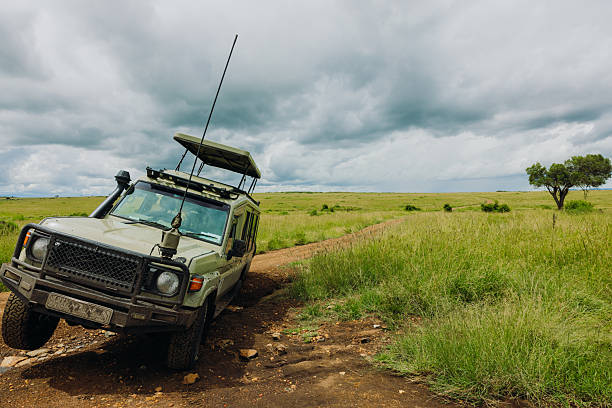
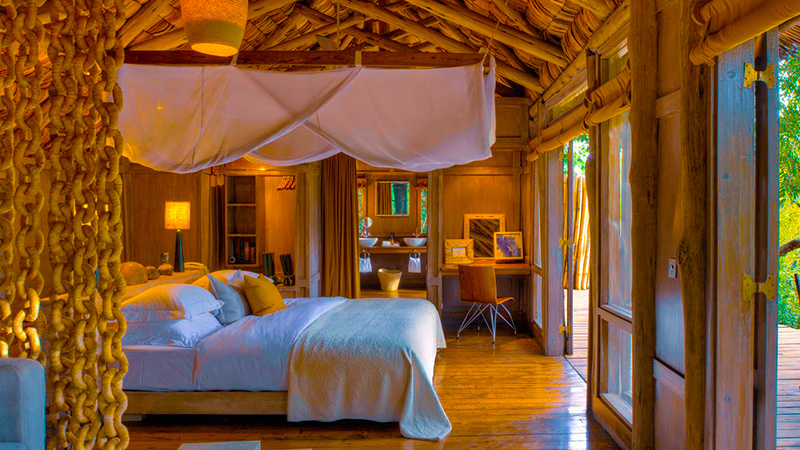
Group Expedition Travel Across Africa: The Definitive Planning Guide
Organizing group expedition travel across Africa is a monumental undertaking, promising unparalleled adventure and shared experiences. Whether your group is drawn to the vast savannas of East Africa, the rugged landscapes of Southern Africa, or the vibrant cultures of West Africa, careful planning is paramount. This guide provides an in-depth look at how to approach your African expedition, ensuring a memorable and safe journey for everyone involved. We’ll cover everything from initial concept and destination selection to detailed logistics, budgeting, and making final bookings for 2026-2027.
Quick Overview: Group Expedition Travel Across Africa
| Aspect | Details |
|---|---|
| Primary Goal | Shared adventure, cultural immersion, wildlife encounters, exploration of diverse African landscapes. |
| Key Destinations | Tanzania, Kenya, South Africa, Botswana, Namibia, Uganda, Rwanda, Morocco, Egypt, Ethiopia, etc. |
| Travel Styles | Safari, trekking, cultural tours, overland expeditions, combination trips. |
| Best Time to Travel | Varies by region; generally dry seasons for wildlife viewing and trekking. |
| Group Size Considerations | Impacts accommodation, transport, and activity booking; typically 6-16 people for optimal experience. |
| Budget Factors | Destination, duration, accommodation standard, activities, transport, group size. |
Table of Contents
- What is Group Expedition Travel Across Africa?
- Why Choose Group Expedition Travel Across Africa?
- Defining Your Expedition Goals
- Selecting Your African Expedition Route
- Understanding African Expedition Styles
- Best Time for African Expeditions (2026-2027)
- Sample Expedition Routes and Itineraries
- Logistics and Transportation for Groups
- Accommodation Options for Expeditions
- Budgeting Your African Expedition
- Health and Safety Considerations
- Packing Essentials for an African Expedition
- Common Mistakes to Avoid
- Who is Group Expedition Travel Best For?
- Alternatives to Group Expeditions
- Planning Your 2026-2027 African Expedition: Key Steps
- Booking Your African Expedition: Expert Advice
- FAQs About Group Expedition Travel Across Africa
What is Group Expedition Travel Across Africa?
Group expedition travel across Africa refers to organized journeys undertaken by a collective of individuals, typically ranging from a handful to a dozen or more, with a shared purpose of exploring the continent. Unlike standard group tours that might follow a rigid itinerary with a large number of participants, expeditions often imply a more adventurous, in-depth, and sometimes challenging exploration. This can involve overland journeys covering vast distances, multi-country safaris, strenuous treks up iconic peaks like Kilimanjaro, or immersive cultural exchanges. The essence lies in shared discovery, mutual support, and experiencing the diverse wonders of Africa together, fostering a strong sense of camaraderie.
Why Choose Group Expedition Travel Across Africa?
Opting for group expedition travel across Africa offers a unique blend of benefits that are hard to replicate with individual travel. Firstly, it significantly reduces the cost of travel. Shared expenses for transport, accommodation, and guides become more economical per person. Secondly, it enhances safety. Traveling in a group, especially in remote areas, provides a sense of security and a support network. Thirdly, it enriches the experience. Different group members bring diverse perspectives, knowledge, and skills, leading to a more dynamic and insightful journey. Sharing moments of awe, overcoming challenges together, and creating lasting memories with like-minded individuals fosters deep bonds and a collective sense of accomplishment. For many, the shared adventure is as valuable as the destinations themselves.
Defining Your Expedition Goals
Before diving into specific destinations or itineraries, it’s crucial for your group to align on the primary goals of your African expedition. What do you want to achieve? Are you primarily focused on:
- Wildlife Spectacles: Witnessing the Great Migration in the Serengeti, spotting the Big Five in Kruger, or observing gorillas in Rwanda/Uganda?
- Cultural Immersion: Engaging with local communities, understanding traditional ways of life, visiting historical sites, and experiencing diverse ethnic groups?
- Adventure and Challenge: Conquering Mount Kilimanjaro, trekking through the Simien Mountains, white-water rafting on the Zambezi, or navigating remote desert landscapes?
- Scenic Beauty and Landscapes: Exploring the vast Namib Desert, marveling at Victoria Falls, discovering the Ngorongoro Crater, or relaxing on Zanzibar’s beaches?
- A Combination: Many expeditions blend these elements, such as a safari ending with a Zanzibar beach escape, or a trek followed by cultural village visits.
Clearly defining these goals will guide your destination choices, the type of activities you pursue, and the overall pace of your expedition. It ensures everyone in the group is on the same page and excited about the planned journey.
Selecting Your African Expedition Route
Africa is a continent of immense diversity, and choosing a route depends heavily on your expedition goals, time constraints, and budget. Here are some popular regions and how they might fit into an expedition:
East Africa: The Classic Safari and Mountain Trekking Hub
Key Countries: Tanzania, Kenya, Uganda, Rwanda.
Highlights: Serengeti National Park (Great Migration), Masai Mara, Ngorongoro Crater, Mount Kilimanjaro, Mount Kenya, gorilla and chimpanzee trekking, Zanzibar archipelago.
Expedition Focus: Ideal for wildlife-centric expeditions, combining iconic safaris with challenging mountain climbs or primate tracking. A common route might involve a safari in Tanzania’s northern circuit, followed by a Kilimanjaro climb, and concluding with relaxation on Zanzibar. Alternatively, a Kenyan safari could be combined with gorilla trekking in Uganda.
Southern Africa: Diverse Landscapes and Overland Adventures
Key Countries: South Africa, Botswana, Namibia, Zimbabwe, Zambia.
Highlights: Kruger National Park, Okavango Delta, Chobe National Park, Etosha National Park, Namib Desert (Sossusvlei), Victoria Falls, Cape Town, Garden Route.
Expedition Focus: Excellent for overland expeditions, offering a mix of game viewing, unique desert landscapes, and dramatic natural wonders like Victoria Falls. A group could traverse from South Africa up through Botswana and into Namibia, or focus on the Zimbabwe/Zambia border for Victoria Falls and Hwange National Park.
North Africa: Ancient History and Cultural Depth
Key Countries: Egypt, Morocco, Tunisia.
Highlights: Pyramids of Giza, Nile River cruises, ancient temples, Sahara Desert excursions, vibrant souks, historical cities like Marrakech and Fes.
Expedition Focus: Suited for groups interested in history, culture, and desert exploration. An Egyptian expedition could involve a Nile cruise combined with Cairo’s ancient sites. Morocco offers a rich blend of imperial cities, Atlas Mountains, and Sahara experiences.
West Africa: Vibrant Cultures and Off-the-Beaten-Path Experiences
Key Countries: Ghana, Senegal, Mali, Benin, Nigeria.
Highlights: Rich history (slave trade sites), diverse tribal cultures, vibrant music scenes, bustling markets, unique traditions.
Expedition Focus: For adventurous groups seeking deep cultural immersion and a less-traveled path. Expeditions here often focus on understanding history, engaging with local communities, and exploring unique festivals.
Understanding African Expedition Styles
The style of your expedition will greatly influence the pace, comfort level, and type of activities. Consider these common approaches:
- Overland Truck Expeditions: These are classic for covering vast distances across multiple countries. Groups travel in specially equipped overland trucks, often with camping or basic lodge accommodations. They are budget-friendly and highly social, ideal for younger or more adventurous travelers.
- Safari-Focused Expeditions: Centered around wildlife viewing, these expeditions typically involve multiple national parks and reserves, often with a mix of lodge stays and luxury tented camps. The pace is dictated by game drive schedules.
- Trekking and Mountaineering Expeditions: Focused on specific peaks or mountain ranges (e.g., Kilimanjaro, Mount Kenya, Atlas Mountains). These require good physical fitness and involve camping or basic mountain huts.
- Cultural Immersion Expeditions: Prioritizing interaction with local communities, attending festivals, visiting villages, and learning about traditions. Accommodation can vary from homestays to comfortable lodges.
- Luxury Expeditions: High-end travel combining exclusive lodges, private guides, and premium transport, often with a focus on comfort and personalized experiences.
- Custom-Designed Expeditions: Tailored to your group’s specific interests, pace, and budget, often managed by a specialist tour operator.
Best Time for African Expeditions (2026-2027)
The ideal time for group expedition travel across Africa is highly dependent on the region and the specific activities planned. Generally, the dry seasons are preferred for wildlife viewing and trekking, as animals congregate around water sources and paths are less challenging.
| Region/Activity | Dry Season (Best for Wildlife/Trekking) | Green Season (Lower Prices, Lush Scenery, Birding) | Shoulder Seasons |
|---|---|---|---|
| East Africa (Tanzania, Kenya) | June-October (Great Migration in Mara/Serengeti), Jan-Feb (Calving season). Dry, cooler. | March-May, November. Rains can be heavy, fewer crowds, vibrant landscapes. | May, November. |
| Southern Africa (Botswana, South Africa, Namibia) | May-October. Cooler, dry, excellent game viewing. | November-April. Hot, humid, lush, great for birding, lower prices, but some roads may be impassable. | April, October. |
| Gorilla & Chimp Trekking (Uganda, Rwanda) | June-August, December-February. Dry, easier trekking. | March-May, September-November. Can be muddy, but fewer crowds. | N/A (Year-round possible, but dry seasons are preferred). |
| Kilimanjaro Trekking | January-March, June-October. Clearer skies, less rain. | April-May, November. Wettest months, challenging conditions. | N/A (Dry seasons are strongly recommended). |
| North Africa (Egypt, Morocco) | October-April. Pleasant temperatures for sightseeing and desert exploration. Avoid summer (June-August) due to extreme heat. | N/A (Winter can be cooler, but generally mild). | Spring (March-May) and Autumn (September-November) offer ideal weather. |
Planning for 2026-2027: For peak safari seasons in 2026 and 2027, especially for the Great Migration or popular gorilla trekking permits, booking 9-12 months in advance is highly recommended. For Kilimanjaro, booking 6-8 months ahead is advisable. Shoulder seasons can offer a good balance of weather and fewer crowds, while the green season provides a more budget-friendly and visually different experience.
Sample Expedition Routes and Itineraries
Here are a couple of sample itineraries to illustrate group expedition travel across Africa. These are flexible and can be customized.
Sample 1: East African Safari & Kilimanjaro Trek (14 Days)
| Day | Location | Activity | Focus |
|---|---|---|---|
| 1 | Arusha, Tanzania | Arrival, pre-trek briefing. | Preparation, acclimatization. |
| 2-7 | Mount Kilimanjaro | Machame Route (7 Days). | Trekking, summit attempt, diverse ecosystems. |
| 8 | Arusha | Rest, recovery, celebrate summit. | Relaxation, debrief. |
| 9 | Tarangire National Park | Game drive. | Large elephant herds, baobab trees. |
| 10 | Ngorongoro Conservation Area | Crater descent and game drive. | Dense wildlife population, unique caldera ecosystem. |
| 11 | Serengeti National Park | Full day game drive. | Vast plains, predator sightings, potential migration. |
| 12 | Serengeti National Park | Morning game drive, transfer to Zanzibar. | Final safari experience, transition. |
| 13 | Zanzibar | Stone Town exploration, spice tour. | History, culture, local flavors. |
| 14 | Zanzibar | Beach relaxation, departure. | Leisure, departure. |
Sample 2: Southern Africa Overland Adventure (21 Days)
| Day | Location | Activity | Focus |
|---|---|---|---|
| 1 | Johannesburg, South Africa | Arrival, orientation. | Start point. |
| 2-3 | Kruger National Park Area | Game drives (private reserve option). | Big Five viewing. |
| 4 | Travel to Botswana | Cross border, drive towards Chobe. | Inter-country travel. |
| 5-6 | Chobe National Park, Botswana | Boat safari, game drives. | Elephant herds, river wildlife. |
| 7-9 | Okavango Delta, Botswana | Mokoro excursions, walking safaris, lodge/camp stay. | Unique delta ecosystem, pristine wilderness. |
| 10 | Travel to Namibia | Cross border, drive towards Etosha. | Inter-country travel. |
| 11-13 | Etosha National Park, Namibia | Game drives around waterholes. | Unique desert-adapted wildlife. |
| 14-15 | Damaraland, Namibia | Desert-adapted elephant tracking, rock art. | Arid landscapes, ancient history. |
| 16-18 | Swakopmund, Namibia | Coastal town, optional activities (dune boarding, boat trips). | Coastal desert, adventure hub. |
| 19-20 | Sossusvlei/Deadvlei, Namibia | Explore red dunes, iconic landscapes. | Stunning desert scenery. |
| 21 | Windhoek, Namibia | Drive to Windhoek, departure. | End point. |
Logistics and Transportation for Groups
Logistics are the backbone of any successful group expedition. For group expedition travel across Africa, you’ll need to consider:
- Vehicle Choice: For safaris, 4×4 safari vehicles (minibuses or custom-built) are standard. For overland trips, robust overland trucks are common. Ensure vehicles are well-maintained, have adequate seating, and are equipped with essentials like spare tires, first-aid kits, and potentially a cooler box. For larger groups, multiple vehicles might be necessary.
- Driver/Guides: Experienced, knowledgeable, and licensed drivers/guides are invaluable. They not only navigate but also enhance the experience with their insights into wildlife, culture, and local conditions. For multi-country trips, guides who are familiar with border crossings and local protocols are essential.
- Border Crossings: These can be time-consuming and complex. Pre-arranging visas and having all necessary documentation readily available can streamline the process. A good tour operator will manage this efficiently.
- Internal Flights: For longer distances or time-saving, internal flights might be an option, but they add significant cost and may not be feasible for all group expedition styles.
- Communication: Reliable communication methods are vital, especially in remote areas. Satellite phones or reliable local SIM cards can be necessary.
Accommodation Options for Expeditions
The choice of accommodation significantly impacts the group’s comfort and budget. Options range widely:
- Camping: From basic bush camping to more equipped campsites, this is often the most budget-friendly and immersive option, especially for overland expeditions. Requires carrying camping gear.
- Tented Camps: Offering a step up from camping, these are permanent or semi-permanent canvas structures, often with beds, en-suite bathrooms, and a more comfortable experience.
- Lodges and Guesthouses: Mid-range to comfortable hotels offering private rooms, amenities, and often meals. Suitable for groups seeking more comfort.
- Luxury Safari Camps/Lodges: High-end options providing exceptional service, gourmet food, and premium amenities.
- Homestays: For deeper cultural immersion, staying with local families can be arranged, offering a unique insight into daily life.
For group expedition travel, booking accommodation well in advance is crucial, especially for popular locations or during peak seasons. The type of accommodation should align with the group’s overall expedition style and budget.
Budgeting Your African Expedition
Accurate budgeting is critical for group expedition travel. Costs can vary dramatically based on the factors below. It’s best to get quotes from tour operators for precise figures for 2026-2027.
| Cost Category | Factors Influencing Cost | Notes for Groups |
|---|---|---|
| International Flights | Origin, time of booking, airline, season. | Group discounts are rare; individuals usually book their own. |
| Visas & Permits | Nationality, countries visited, duration. | Ensure all group members have correct documentation. Gorilla/chimpanzee permits are expensive and book up fast. |
| Accommodation | Type (camping, lodge, luxury), location, duration. | Bulk bookings can sometimes secure better rates. |
| Transportation | Vehicle type, driver/guide fees, fuel, border crossing fees, internal flights. | Overland trucks are cost-effective for larger groups. |
| Activities & Park Fees | National park entry fees, game drives, boat safaris, trekking permits, cultural visits. | Park fees are often per person per day and can be substantial. |
| Food & Drink | Self-catering vs. included meals, restaurant choices, alcohol. | Group meals can be more economical. Factor in personal spending money. |
| Insurance | Comprehensive travel and medical insurance is mandatory. | Ensure coverage is adequate for expedition activities. |
| Contingency Fund | Unexpected expenses, emergencies. | Always wise to have a buffer (10-15% of total budget). |
General Budget Tiers (per person, excluding international flights):
- Budget: $150 – $250 per day (overland camping, basic lodges).
- Mid-Range: $250 – $450 per day (comfortable lodges, some private reserves, mix of activities).
- Luxury: $450+ per day (high-end lodges, private guiding, exclusive experiences).
These are rough estimates for 2026-2027. A specialized tour operator can provide a detailed breakdown based on your specific itinerary.
Health and Safety Considerations
Health and safety are paramount for group expedition travel across Africa. Thorough preparation is key:
- Medical Consultation: Visit your doctor or a travel clinic 6-8 weeks before departure. Discuss necessary vaccinations (Yellow Fever is often mandatory, Hepatitis A/B, Typhoid, Tetanus recommended) and malaria prophylaxis.
- Malaria Prevention: Africa is a malaria-endemic continent. Use insect repellent with DEET, wear long sleeves/trousers at dawn and dusk, and take prescribed antimalarial medication diligently.
- Water Safety: Drink only bottled or purified water. Avoid ice in drinks unless you’re certain it’s made from purified water.
- Food Safety: Eat well-cooked food. Be cautious with street food. Peel fruits and vegetables yourself.
- Sun Protection: The African sun is intense. Use high SPF sunscreen, wear hats, and stay hydrated.
- Wildlife Safety: Always follow your guide’s instructions. Maintain a safe distance from animals. Never feed wildlife. Be aware of your surroundings, especially at night.
- Road Safety: African roads can be unpredictable. Seatbelts should always be worn. Drivers should be experienced and licensed.
- Travel Insurance: Comprehensive travel insurance covering medical emergencies, evacuation, and trip cancellation is non-negotiable. Ensure it covers all planned activities, including trekking at altitude.
- Emergency Contacts: Keep a list of local emergency numbers, your embassy, and your tour operator’s emergency contact details accessible.
Packing Essentials for an African Expedition
Packing for an African expedition requires balancing practicality, comfort, and the specific demands of your itinerary. Layering is key due to varying climates and temperatures.
| Category | Items | Notes |
|---|---|---|
| Clothing | Lightweight, breathable long-sleeved shirts & trousers (neutral colours for safari), t-shirts, fleece jacket/warm sweater, waterproof/windproof jacket, comfortable walking shoes/hiking boots, sandals/flip-flops, socks (wool/synthetic), hat (wide-brimmed), swimwear. | Avoid bright colours on safari; they can startle animals. Pack for varying temperatures. Laundry services are often available. |
| Documents | Passport (valid for 6+ months), visas, flight tickets, insurance details, vaccination certificates, driving license (if renting), copies of all important documents. | Keep originals secure and copies separate. Digital copies are also useful. |
| Health & Hygiene | Personal first-aid kit (band-aids, antiseptic wipes, pain relievers, motion sickness medication, any personal prescriptions), insect repellent (with DEET), sunscreen (high SPF), hand sanitizer, toiletries, quick-dry towel. | Malaria medication should be prescribed by your doctor. |
| Gear & Accessories | Backpack (day pack), reusable water bottle, headlamp/torch with spare batteries, camera with extra memory cards/batteries, binoculars (essential for safari), universal travel adapter, power bank, sunglasses, dry bag (for water activities/rain), walking poles (for trekking). | Check airline baggage weight restrictions. |
| Optional | Journal and pen, book, small gifts for local communities (if visiting), travel pillow, earplugs. | Depends on personal preference and itinerary. |
Common Mistakes to Avoid
Even with careful planning, groups can fall into common traps. Being aware of these can help ensure a smoother expedition:
- Inadequate Planning Time: Africa requires significant lead time for bookings, visas, and health preparations. Rushing the process leads to stress and missed opportunities.
- Underestimating Costs: Africa can be expensive, especially national park fees, internal transport, and permits. Always budget realistically and include a contingency.
- Ignoring Health Advice: Skipping vaccinations or malaria precautions can have serious consequences. Consult travel health professionals well in advance.
- Over-Scheduling: Trying to fit too much into a short period leads to exhaustion and a superficial experience. Allow for travel time, rest, and spontaneous moments.
- Not Aligning Group Expectations: Ensure all group members agree on the budget, pace, comfort level, and type of activities before booking.
- Poor Communication: Lack of clear communication within the group and with the tour operator can lead to misunderstandings and logistical issues.
- Packing Inappropriately: Bringing the wrong clothing or essential gear can make the trip uncomfortable or even difficult.
- Lack of Flexibility: Travel in Africa can be unpredictable due to road conditions, weather, or local circumstances. A rigid mindset can lead to frustration.
Who is Group Expedition Travel Best For?
Group expedition travel across Africa is ideal for:
- Adventurous Travelers: Those seeking authentic experiences, willing to step outside their comfort zone, and embrace the unexpected.
- Budget-Conscious Travelers: Sharing costs makes extensive African travel more accessible.
- Social Groups: Friends, families, or colleagues who enjoy shared experiences and building camaraderie.
- First-Time African Travelers: A guided expedition provides structure, expertise, and safety, making the continent less daunting.
- Special Interest Groups: Photographers, wildlife enthusiasts, history buffs, or adventure seekers looking for tailored experiences.
- Those Seeking Deeper Connection: Groups interested in cultural exchange and understanding the diverse peoples of Africa.
It’s generally less suited for travelers who prefer absolute independence, high levels of luxury without any rustic elements, or who are uncomfortable with group dynamics and shared facilities.
Alternatives to Group Expeditions
If a full-blown group expedition doesn’t quite fit your group’s needs, consider these alternatives:
- Private Group Tours: Similar to group expeditions but with a fully customized itinerary designed exclusively for your group. Offers more control and privacy.
- Small Group Tours: Pre-set itineraries with a small number of travelers (typically 6-12). Offers a social atmosphere with less planning responsibility.
- Independent Travel (with Group Elements): Individuals or smaller sub-groups travel independently but coordinate meet-ups in key locations or share certain activities, allowing for both shared and individual experiences.
- Focus on a Single Country/Region: Instead of crossing continents, concentrate on one country (e.g., a comprehensive Tanzania safari and Zanzibar trip) or a specific region to reduce logistical complexity.
Planning Your 2026-2027 African Expedition: Key Steps
Successful planning for your 2026-2027 expedition involves a structured approach:
- Form Your Group & Define Goals: Get your core group together. Discuss interests, desired experiences (safari, trekking, culture), budget comfort levels, and ideal travel dates.
- Research Destinations & Styles: Based on goals, identify suitable countries and regions. Decide on the expedition style (overland, safari-focused, etc.).
- Determine Duration & Budget: How long can the group commit? Establish a realistic per-person budget range.
- Choose a Tour Operator (Recommended): For complex expeditions, partnering with a reputable tour operator specializing in African travel is highly advised. They handle logistics, guides, accommodation, and often secure better rates.
- Develop a Preliminary Itinerary: Work with your operator to draft a route that balances your interests, travel time, and desired pace.
- Secure Bookings: Once the itinerary is finalized, confirm bookings for key elements like Kilimanjaro climbs, gorilla permits, specific lodges, and transport. For 2026-2027, early booking is essential for high-demand items.
- Visa & Passport Checks: Ensure all group members have passports valid for at least six months beyond your return date and research/apply for necessary visas well in advance.
- Health Preparations: Schedule doctor’s appointments for vaccinations and malaria advice.
- Travel Insurance: Purchase comprehensive insurance that covers your specific itinerary and activities.
- Finalize Details: Confirm flight details, packing lists, emergency contacts, and any final payments.
- Pre-Trip Meeting: Hold a final meeting to go over the itinerary, roles/responsibilities, and address any last-minute questions.
Booking Your African Expedition: Expert Advice
Booking group expedition travel across Africa requires diligence. Here’s how to approach it:
- Choose a Specialist Operator: Look for companies with a strong track record in African travel, particularly in the regions you plan to visit. Check reviews, ask for references, and ensure they are licensed and insured. For Tanzania and East Africa, operators like Top Guide Adventures are well-regarded.
- Get Detailed Quotes: Request comprehensive quotes that clearly outline what is included and excluded. Compare offers from 2-3 operators if possible.
- Understand Inclusions/Exclusions: Be clear on what your group is paying for: park fees, guides, accommodation, meals, activities, vehicle hire, etc. Exclusions often include international flights, visas, tips, personal expenses, and travel insurance.
- Payment Schedules: Operators typically require a deposit to secure bookings, with the balance due closer to the travel date (often 60-90 days prior). Understand these terms.
- Cancellation Policies: Carefully review the operator’s cancellation and refund policy. This is crucial for group travel where individual circumstances can change.
- Contract Review: Read any contract or booking form thoroughly before signing.
- Communication is Key: Maintain open and clear communication with your chosen operator throughout the planning process. Ask questions, no matter how small they seem.
- For 2026-2027 Travel: Due to high demand, especially for popular routes and peak seasons, booking 9-18 months in advance is strongly recommended for group expeditions. This is particularly true for Kilimanjaro treks and gorilla trekking permits.
Consider partnering with a trusted local operator like Top Guide Adventures for your Tanzanian or East African expedition. They can offer unparalleled local knowledge and support.
FAQs About Group Expedition Travel Across Africa
How large should a group be for an expedition?
Answer: While groups can vary, ideal sizes for group expedition travel across Africa often range from 6 to 16 people. This size balances cost-sharing with manageable logistics, ensuring everyone gets a good experience without overwhelming accommodations or vehicles.
Is group expedition travel across Africa safe?
Answer: Yes, with proper planning and reputable operators, it is generally safe. Key safety measures include comprehensive travel insurance, adherence to guide instructions, health precautions (vaccinations, malaria prevention), and choosing experienced local guides and reliable transport. For 2026-2027, prioritizing safety protocols remains essential.
What is the difference between a group tour and a group expedition?
Answer: Group tours are often more structured, with larger groups and standard itineraries. Expeditions typically imply a more adventurous, in-depth, and sometimes more challenging journey, often with smaller groups, overland travel, or multi-country focuses.
How far in advance should we book for 2026-2027?
Answer: For popular destinations, activities like Kilimanjaro climbs, or gorilla trekking, booking 9-18 months in advance for 2026-2027 is highly recommended to secure availability and desired permits.
Can we customize an expedition for our group?
Answer: Absolutely. Most specialized tour operators, including those focusing on group expedition travel across Africa, offer custom itineraries tailored to your group’s specific interests, pace, and budget.
What are the typical costs for an African expedition?
Answer: Costs vary widely, but expect anywhere from $150 to $450+ per person per day (excluding international flights), depending on the destination, duration, accommodation style, and activities. Overland camping trips are at the lower end, while luxury lodge-based safaris are at the higher end.
What is the best way to handle money on an expedition?
Answer: It’s advisable to carry a mix of cash (USD is widely accepted for many tourist expenses and tips, but local currency is needed for smaller purchases) and cards. Inform your bank of your travel plans. Your tour operator will advise on local currency needs.
Do we need specific gear for an expedition?
Answer: Yes, essential gear includes appropriate clothing (layers, neutral colours for safari), sturdy footwear, sun protection, insect repellent, a good camera, binoculars, and a reliable first-aid kit. A detailed packing list will be provided by your operator.
How are meals handled on an expedition?
Answer: This depends on the itinerary. Some include all meals (especially on safaris and treks), while overland trips might involve a mix of group cooking and restaurant stops. Clarify meal inclusions with your operator.
What if someone in the group has specific dietary needs?
Answer: Inform your tour operator well in advance about any dietary restrictions or allergies (vegetarian, vegan, gluten-free, etc.). Most operators can accommodate these needs with prior notice.
Ready for Your African Expedition?
Group expedition travel across Africa offers an unparalleled opportunity for shared adventure, discovery, and connection. Whether you dream of witnessing the Great Migration, standing atop Kilimanjaro, or exploring ancient cultures, meticulous planning is your key to a successful journey. Let the experts guide you through the complexities of organizing an unforgettable African adventure for 2026-2027.
Contact us today to start planning your bespoke group expedition:
WhatsApp: +255616946642
Email: topguideadventures@gmail.com
Backup Email: info@topguideadventures.com
Let us help you craft the ultimate group expedition travel across Africa experience.
Plan your Group Expedition Travel Across Africa with Top Guide Adventures
Tell us your travel dates, group size, comfort level, and dream experience. We will help you shape a clear, realistic, and memorable Tanzania itinerary.







 Veedesigner
 Fatma Kizanga
 Benjamin Waryuba
 Philip Philip
 John jr Itaja
 Antonia Optatus
 Edith Kanyere
 Neema Iddy
 Kelvin Boniphace
 Damari Maiga



