
Updated planning guide for 2026-2027
Seasonal Adventure Expeditions In Africa: Complete Guide 2026-2027
Discover the best times and ways to experience seasonal adventure expeditions in Africa. This comprehensive guide covers everything from wildlife migrations to cultural festivals, helping you plan your perfect 2026-2027 trip.
WhatsApp +255616946642 | topguideadventures@gmail.com | info@topguideadventures.com
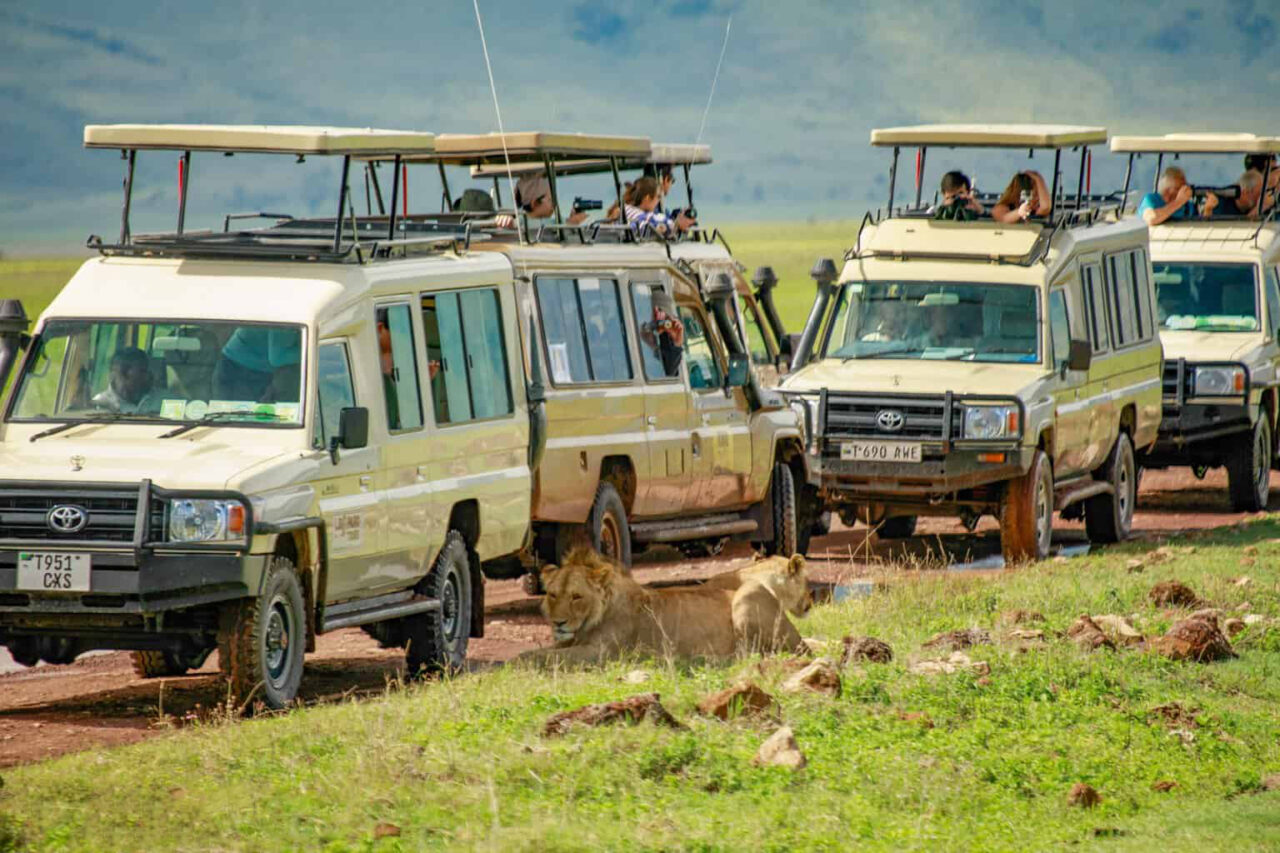

Seasonal Adventure Expeditions in Africa: The Ultimate Planning Guide 2026-2027
Africa is a continent of immense diversity, offering a stunning array of experiences that change dramatically with the seasons. Planning your adventure expeditions in Africa around specific seasonal events can elevate a good trip into an extraordinary one. Whether you dream of witnessing the Great Migration, summiting Kilimanjaro under clear skies, or exploring vibrant coral reefs, understanding the rhythm of the seasons is key. This guide will help you navigate the best times for your African adventure, focusing on practical planning for 2026 and 2027.
Quick Overview: Seasonal Adventure Expeditions in Africa
Africa’s appeal lies in its dynamic natural cycles and cultural events. Timing your visit to coincide with these phenomena is crucial for maximizing your experience. Key seasonal highlights include:
- Wildlife Migrations: The Great Migration in the Serengeti and Masai Mara is a year-round event but peaks at specific river crossings.
- Climbing Seasons: Kilimanjaro and Mount Meru have distinct dry seasons ideal for trekking.
- Coastal & Island Experiences: Zanzibar and the coast offer prime diving and beach weather during dry periods.
- Cultural Festivals: Various local festivals occur throughout the year, offering unique insights into African cultures.
- Bird Watching: Migratory bird seasons and breeding periods attract enthusiasts.
Table of Contents
- Why Timing Matters for African Adventures
- Best Times for Seasonal Adventure Expeditions in Africa: A Region-by-Region Look
- The Great Migration: A Year-Round Spectacle
- Kilimanjaro & Mount Meru Trekking Seasons
- Zanzibar and Coastal Adventures
- Other Seasonal Highlights Across Africa
- Essential Planning Checklist for 2026-2027
- What to Expect on Your Seasonal Expedition
- Packing and Preparation for Seasonal Expeditions
- Common Mistakes to Avoid When Planning
- Who Are Seasonal Adventure Expeditions Best Suited For?
- Alternatives to Specific Seasonal Peaks
- Planning Your 2026-2027 Seasonal Adventure Expedition
- Booking Your Seasonal Adventure Expedition
- Frequently Asked Questions
Why Timing Matters for African Adventures
Africa’s vastness means its climate and wildlife behavior vary significantly across regions and throughout the year. Understanding these seasonal shifts is paramount for a successful adventure expedition. The ‘best’ time to visit often depends on what you want to see and do. For instance, the dry season typically offers better game viewing as animals congregate around water sources and vegetation is less dense. However, the wet season can bring lush landscapes, fewer crowds, and unique photographic opportunities, along with specific breeding seasons for birds and other animals. For trekkers, dry, clear months are essential for safety and visibility on the mountains. For beach lovers, avoiding monsoon periods is critical.
Choosing the right season directly impacts:
- Wildlife Visibility: Critical for safaris, especially for events like the Great Migration.
- Weather Conditions: Affects comfort, safety, and the feasibility of certain activities like trekking or diving.
- Crowd Levels: Peak seasons mean more tourists, while shoulder and off-seasons offer a more tranquil experience.
- Pricing: High season often correlates with higher prices for flights and accommodation.
- Activity Availability: Some activities might be restricted or unavailable during certain seasons due to weather or wildlife breeding patterns.
Best Times for Seasonal Adventure Expeditions in Africa: A Region-by-Region Look
While generalizations can be made, Africa’s diverse climates require a more nuanced approach. For the purposes of this guide, we will primarily focus on Tanzania and East Africa, a region renowned for its iconic safaris, mountain treks, and island escapes. However, the principles apply broadly.
| Activity/Region | Dry Season (Peak) | Shoulder Season | Wet Season (Green Season) | Key Seasonal Notes |
|---|---|---|---|---|
| Serengeti Safaris (Great Migration) | June-October (North/Central) | March-May, November-December | January-February (Calving Season) | Migration herds move constantly. River crossings are most dramatic July-September. |
| Tarangire National Park (Elephants) | July-October | June, November | December-May | Elephants concentrate around the Tarangire River in the dry season. |
| Ngorongoro Crater Safaris | Year-round (best game viewing) | N/A | N/A | High density of wildlife year-round due to permanent water. |
| Kilimanjaro Trekking | January-March, June-October | April-May (long rains), November-December (short rains) | N/A | Clear skies and dry paths are crucial. Avoid rainy months. |
| Mount Meru Trekking | January-March, June-October | April-May, November-December | N/A | Similar to Kilimanjaro, dry periods are preferred. |
| Zanzibar Beaches & Diving | June-October, January-February | March-May | November-December | Dry, sunny weather ideal for water sports. Avoid the monsoon. |
| Selous Game Reserve / Nyerere NP | June-October | November-December | January-May | Dry season offers better game viewing. Rufiji River boat safaris are good year-round. |
The Great Migration: A Year-Round Spectacle
The Great Migration is perhaps Africa’s most famous natural event, involving over 1.5 million wildebeest, zebras, and gazelles moving in a continuous cycle across the Serengeti ecosystem and into Kenya’s Masai Mara. While often thought of as a single event, it’s a perpetual journey dictated by rainfall and fresh grazing. Understanding its location is key to witnessing its most dramatic moments.
Great Migration Route Overview (Simplified)
This is a general guide; exact locations can vary year to year based on rainfall patterns.
- December – March: Southern Serengeti & Ndutu Area. Calving season. Newborns are abundant, attracting predators.
- April – May: Central/Western Serengeti. Wildebeest begin to move north as the southern plains dry out. This is the ‘long rains’ period, often meaning greener landscapes but potentially difficult travel.
- June – July: Western Corridor & Grumeti River. Herds gather, preparing to cross the Grumeti River. Crocodiles await.
- July – October: Northern Serengeti & Mara River. The most iconic phase – dramatic river crossings of the Mara River into the Masai Mara Reserve (Kenya). This is peak viewing time for many.
- November – December: Eastern Serengeti & back towards the south. As rains return to the south, the herds begin their journey back, often crossing rivers again or grazing in the eastern plains.
Why it matters for adventure expeditions: If witnessing the dramatic river crossings is your primary goal, target July to September. For the incredible spectacle of the calving season, January and February are unparalleled. Planning around the migration requires flexibility, as the exact timing and location can shift. Booking well in advance is essential for these popular periods.
Kilimanjaro & Mount Meru Trekking Seasons
Trekking Africa’s highest peak, Mount Kilimanjaro, or its smaller but equally rewarding neighbor, Mount Meru, requires favorable weather conditions. The best times are during the dry seasons, offering clearer skies, less rain, and more stable temperatures. These periods also minimize the risk of slippery trails and poor visibility.
- Prime Trekking Season: January to March and June to October. These months generally provide the clearest skies and driest conditions. January to March is often considered ideal for its consistent weather.
- Challenging Months (Avoid if possible): April and May are the main rainy seasons (‘long rains’), bringing heavy rainfall, especially at lower and mid-altitudes. November and December experience shorter rains, which can be unpredictable but are usually less disruptive than the long rains.
For 2026-2027: If you are planning a Kilimanjaro or Mount Meru trek, aim for the periods between January and March 2026/2027, or June to October 2026/2027. These windows offer the highest probability of successful, enjoyable ascents.
What to expect: During the dry seasons, expect cold temperatures at higher altitudes, especially at night and on summit day. While rain is unlikely, brief showers can occur. Visibility for views of Kilimanjaro from Arusha or surrounding areas is typically best during these dry periods.
Zanzibar and Coastal Adventures
Zanzibar, with its pristine beaches, turquoise waters, and rich history, is a popular add-on to safari or trekking adventures. The best times for enjoying the coast and its marine activities like diving and snorkeling are also during the dry seasons.
- Best Beach & Diving Conditions: June to October (coincides with the main dry season in the interior) and January to February (a brief dry spell between the rains). These months offer sunny days, low humidity, and calm seas, perfect for exploring the coral reefs and relaxing on the sand.
- Rainy Seasons: March to May brings the ‘long rains’, which can be heavy and sustained, making beach activities less appealing. November and December have ‘short rains’, which are usually brief showers but can be unpredictable.
For 2026-2027: For a Zanzibar holiday focused on sun, sea, and diving, plan for June-October 2026/2027 or January-February 2027. If you are combining Zanzibar with a safari, these periods align perfectly with the best safari seasons in the Serengeti and Ngorongoro.
Other Seasonal Highlights Across Africa
Beyond the major draws of migration and mountain climbing, Africa offers numerous seasonal adventures:
- Gorilla Trekking (Rwanda/Uganda): While possible year-round, the dry seasons (June-August, December-February) are generally preferred as trails are less muddy and slippery.
- Victoria Falls: The falls are most impressive during the wet season (February-May) when the Zambezi River is at its fullest. However, this can mean reduced visibility due to mist. The dry season (July-October) offers clearer views and better opportunities for activities like white-water rafting downstream.
- Okavango Delta (Botswana): The Delta floods between June and August, transforming the landscape and concentrating wildlife. This is the peak safari season.
- Whale Watching (South Africa): Southern Right Whales can be seen along the coast of South Africa from June to November.
- Bird Watching: The wet/green seasons (roughly November to April in many East African areas) are excellent for bird watching due to resident breeding activity and the arrival of migratory birds from Europe and Asia.
Essential Planning Checklist for 2026-2027
Planning a seasonal adventure expedition requires foresight. Here’s a checklist to guide you for trips in 2026 and 2027:
- Define Your Primary Interest: Migration? Summiting Kilimanjaro? Beach relaxation? This dictates your ideal season.
- Choose Your Destination(s): Based on your interest, select the region(s) that best align with the seasonal events.
- Determine Your Travel Dates (2026-2027): Align dates with the peak or shoulder seasons for your chosen activities.
- Research Specific Wildlife Movements: For the Great Migration, check recent reports closer to your travel date.
- Book Flights: International flights can be booked months in advance for better prices.
- Book Accommodation & Tours: Especially for peak seasons (e.g., July-September for migration, January-March for Kilimanjaro), book 6-12 months ahead.
- Secure Trekking Permits (if applicable): Kilimanjaro permits are limited and should be booked early.
- Arrange Visas: Check visa requirements for your nationality well in advance.
- Obtain Travel Insurance: Ensure it covers adventure activities, medical emergencies, and cancellations.
- Schedule Vaccinations & Health Consultations: Consult your doctor 4-6 weeks before travel.
- Start a Fitness Program (if trekking): Begin training several months prior to your trek.
- Purchase Appropriate Gear: Invest in quality clothing and equipment, especially for cold-weather trekking.
- Learn Basic Phrases: A few words in Swahili can enhance interactions.
- Confirm Final Itinerary and Logistics: A week or two before departure.
What to Expect on Your Seasonal Expedition
Your experience will be shaped by the season you choose. Here’s a general idea:
- Peak Dry Season (e.g., July-October for Safaris, Jan-Mar/Jun-Oct for Kilimanjaro):
- Pros: Excellent game viewing, clear skies, good trekking conditions, less mud.
- Cons: Higher prices, more crowds, can be very hot in some safari areas, cold on Kilimanjaro.
- Shoulder Season (e.g., November-December, March-May):
- Pros: Fewer crowds, potentially lower prices, lush landscapes (especially after rains), unique photographic opportunities.
- Cons: Unpredictable weather, rain can disrupt activities, game viewing might be slightly more challenging due to denser vegetation, higher risk of muddy trekking trails.
- Green/Wet Season (e.g., January-February for calving, April-May for long rains):
- Pros: Beautiful green scenery, excellent bird watching, calving season for migration, very few tourists, lowest prices.
- Cons: Heavy rains can make travel difficult, game viewing can be harder, higher risk of malaria in some areas, not ideal for trekking.
For seasonal adventure expeditions in Africa, expect varying temperatures. Safaris can range from hot days to cool evenings. Kilimanjaro treks involve extreme temperature changes from base camp to the summit. Zanzibar offers tropical warmth year-round, but rain can make it humid and less sunny.
Packing and Preparation for Seasonal Expeditions
Proper packing is crucial for comfort and safety. The specific items depend on your chosen activities and the season.
| Category | Safari Focused | Kilimanjaro Trekking Focused | Zanzibar Focused |
|---|---|---|---|
| Clothing (Tops) | Lightweight, neutral-colored shirts (long & short sleeve), fleece/warm jacket for evenings. | Moisture-wicking base layers (long sleeve), mid-layer fleece, waterproof/windproof outer jacket. | Light t-shirts, sundresses, light long-sleeved shirt for sun protection. |
| Clothing (Bottoms) | Comfortable trousers/shorts (neutral colors). | Hiking trousers (convertible recommended), waterproof overtrousers. | Shorts, light trousers, beachwear. |
| Footwear | Comfortable walking shoes/trainers, sandals for camp. | Broken-in hiking boots (waterproof), comfortable camp shoes/sandals. | Flip-flops/sandals, comfortable walking shoes for Stone Town. |
| Headwear | Wide-brimmed hat for sun protection. | Warm beanie/hat for cold, sun hat for lower altitudes. | Sun hat, light scarf. |
| Outerwear | Light rain jacket (optional, depends on season). | Heavy-duty waterproof and windproof jacket, warm down jacket for summit. | Light rain jacket (for shoulder/wet seasons). |
| Accessories | Binoculars, camera, sunscreen, insect repellent, sunglasses, headlamp/torch. | Gloves (warm & liner), warm socks (multiple pairs), gaiters, trekking poles, water bottles/hydration pack, headlamp (essential). | Swimsuit, sarong, beach towel, sunglasses, sunscreen, insect repellent. |
| Documents & Health | Passport, visa, vaccination certificate, travel insurance details, basic first-aid kit, any personal medications. | As above, plus blister treatment, high SPF sunscreen, lip balm with SPF. | As above. |
Preparation:
- Fitness: For Kilimanjaro, focus on cardiovascular endurance and leg strength. For safaris and Zanzibar, general fitness is sufficient.
- Acclimatization: If climbing Kilimanjaro, understand the importance of slow ascent.
- Health: Consult your doctor about malaria prophylaxis, vaccinations (Yellow Fever, Hepatitis A/B, Typhoid), and any personal health concerns. Carry a personal first-aid kit.
- Gear Testing: Ensure your hiking boots are well-worn and your trekking gear fits comfortably before your expedition.
Common Mistakes to Avoid When Planning
Many travelers make common errors when planning their African adventures. Being aware of these can save you disappointment and unexpected costs.
- Ignoring Seasonality: Booking a safari during the peak rainy season might mean less visible game, or attempting Kilimanjaro during the rainy months can lead to a failed summit attempt.
- Not Booking in Advance: Especially for peak seasons (Great Migration, Kilimanjaro in dry months), lodges and permits sell out months, sometimes over a year, in advance.
- Underestimating Costs: Africa can be expensive, particularly for safaris and trekking. Hidden costs like park fees, internal flights, and tips can add up.
- Over-scheduling: Trying to fit too many destinations or activities into a short trip leads to exhaustion and less enjoyment. Allow for travel time and relaxation.
- Ignoring Health Precautions: Failing to consult a doctor about vaccinations or malaria prevention can have serious consequences.
- Packing Inappropriately: Bringing the wrong clothing can make your trip uncomfortable or even unsafe (e.g., cotton on a cold trek, bright colors on safari).
- Not Considering Internal Travel Time: Distances in Africa are vast. A short flight on a map can involve long transfers to/from airports and waiting times.
- Choosing the Wrong Tour Operator: Select a reputable operator with local knowledge and a good safety record.
Who Are Seasonal Adventure Expeditions Best Suited For?
Seasonal adventure expeditions in Africa cater to a wide range of travelers, but they are particularly appealing to:
- Nature Enthusiasts: Those who want to witness specific natural phenomena like the Great Migration, calving seasons, or abundant birdlife.
- Adventure Seekers: Individuals looking for physical challenges like climbing Kilimanjaro or Mount Meru, or water-based adventures in Zanzibar.
- Photographers: Anyone seeking to capture dramatic landscapes, unique wildlife behavior, or cultural moments that are specific to certain times of the year.
- First-Time Visitors to Africa: Planning around seasonal highlights can provide an iconic and memorable introduction to the continent.
- Repeat Visitors: Those looking to experience different facets of Africa or witness events they missed on previous trips.
- Families: Depending on the chosen activity and season, family adventures can be incredibly rewarding, offering educational and exciting experiences.
It’s important to match the activity and season to the traveler’s fitness level, interests, and tolerance for crowds or weather variations.
Alternatives to Specific Seasonal Peaks
While peak seasons offer undeniable advantages, they also come with higher costs and crowds. If your travel dates are fixed or you prefer a quieter experience, consider these alternatives:
- Great Migration: Instead of focusing solely on river crossings (July-September), consider the calving season (January-February) in the southern Serengeti/Ndutu area. This offers incredible predator-wildlife interactions and fewer crowds. Alternatively, game viewing in the Serengeti and other parks like Tarangire, Lake Manyara, and Ngorongoro is excellent year-round, even outside the migration’s peak presence.
- Kilimanjaro: While the dry seasons are best, the shoulder months (e.g., December or early November) can offer a good balance of decent weather with fewer trekkers. Always avoid the peak of the long rains (April-May).
- Zanzibar: If you visit during the shoulder seasons (e.g., March or November), you might encounter brief showers, but you’ll often get plenty of sunshine, fewer tourists, and potentially better rates. The underwater visibility can still be good, especially if the rains are light.
- General Safaris: The ‘green season’ (wet season) offers a completely different, beautiful experience. Landscapes are lush, prices are lower, and birdlife is spectacular. While game might be more dispersed, tracking them can be a rewarding challenge.
Planning Your 2026-2027 Seasonal Adventure Expedition
With 2026 and 2027 on the horizon, now is the ideal time to start planning your seasonal adventure expedition. Early planning is crucial for securing the best experiences.
- Book Major Components Early: For peak seasons like the Great Migration river crossings (July-September 2026/2027) or prime Kilimanjaro trekking windows (January-March 2027, June-October 2027), aim to book safaris, lodges, and trek arrangements 9-12 months in advance. This is especially true for popular lodges or specific routes.
- Flexibility with Dates: If your dates are flexible within a season, you might find better availability or slightly lower prices. For example, early June or late October on Kilimanjaro might be less crowded than July/August.
- Consider Package Deals: Many tour operators offer packages that combine safari, trekking, and beach stays. These can sometimes offer better value and simplify logistics. Ensure the package aligns with the best seasonal periods for each component.
- Research Operator Specializations: Look for operators with specific expertise in the type of adventure you seek. For example, a company specializing in Kilimanjaro treks will have invaluable knowledge about routes, gear, and acclimatization.
- Visa and Health Planning: Check the latest visa requirements for Tanzania and any necessary vaccinations (like Yellow Fever if arriving from an endemic country) well in advance for 2026-2027 travel.
Example Itinerary Logic for a Combined Safari & Kilimanjaro Trip (August 2027):
Trip Focus: Great Migration (Northern Serengeti) & Kilimanjaro Summit
- Day 1-2: Arrive Kilimanjaro International Airport (JRO), transfer to Arusha. Acclimatize, final gear check for Kilimanjaro.
- Day 3-8: Kilimanjaro Trek (e.g., Machame Route). Summit attempt on Day 7. Descend and return to Arusha. (August is excellent for Kilimanjaro).
- Day 9: Rest day in Arusha or fly to Serengeti.
- Day 10-14: Northern Serengeti Safari. Focus on the Mara River area for potential migration crossings. Stay in mobile camps or lodges strategically placed for the migration. (August is prime time for Northern Serengeti).
- Day 15: Fly from Serengeti to Zanzibar.
- Day 16-20: Zanzibar beach holiday. Relaxation, snorkeling, spice tours. (August is ideal beach weather).
- Day 21: Depart from Zanzibar.
This itinerary maximizes dry, favorable conditions for both trekking and safari, and beach enjoyment.
Booking Your Seasonal Adventure Expedition
Choosing the right tour operator is critical for a successful and safe adventure. When booking your seasonal adventure expeditions in Africa for 2026-2027, consider the following:
- Reputation and Reviews: Look for operators with a strong online presence, positive reviews, and testimonials from previous clients.
- Local Expertise: A local operator will have invaluable knowledge of the seasons, wildlife, routes, and logistical challenges. They often provide better value and support.
- Customization: Ensure the operator can tailor itineraries to your specific interests, budget, and desired pace.
- Safety Standards: For Kilimanjaro, inquire about guide qualifications, emergency procedures, and equipment. For safaris, check vehicle maintenance and driver experience.
- Inclusions and Exclusions: Clearly understand what is covered in the price (park fees, meals, accommodation, guides, permits, internal flights) and what is not (tips, personal expenses, travel insurance).
- Payment and Cancellation Policies: Read these carefully. A deposit is usually required, and understanding the terms for cancellations or changes is vital.
Contact Us to Plan Your 2026-2027 Adventure:
We specialize in crafting unforgettable seasonal adventure expeditions in Tanzania and beyond. Our expert team can help you navigate the best times to visit, create a bespoke itinerary, and ensure a smooth, safe, and incredible journey. Get in touch to start planning your dream trip:
WhatsApp: +255616946642
Email: topguideadventures@gmail.com
Backup Email: info@topguideadventures.com
Frequently Asked Questions
Q1: What is the absolute best time of year for seasonal adventure expeditions in Africa?
A: There isn’t one single ‘best’ time for all of Africa. For East Africa, the dry seasons (generally June-October and January-February) are optimal for safaris and Kilimanjaro trekking due to clear skies and accessible wildlife. However, the green season offers unique beauty and fewer crowds.
Q2: How far in advance should I book my 2026-2027 safari and Kilimanjaro trek?
A: For peak seasons (e.g., July-September for migration, January-March for Kilimanjaro), booking 9-12 months in advance is highly recommended to secure preferred lodges, routes, and permits. For shoulder seasons, 4-6 months might suffice.
Q3: Is it safe to travel to Africa for adventure expeditions?
A: Africa is generally safe for tourists, especially in well-established tourist areas. Reputable tour operators prioritize safety with experienced guides, reliable vehicles, and emergency protocols. It’s crucial to choose a trusted provider and follow their guidance.
Q4: What are the main seasonal risks I should be aware of?
A: Risks include weather-related challenges (heavy rains, extreme cold on mountains), potential for malaria in certain regions during wet seasons, and the need for proper acclimatization on high-altitude treks. Always follow health advisories and operator recommendations.
Q5: Can I see the Great Migration in December or January?
A: Yes, December and January are part of the migration cycle, typically found in the southern Serengeti and Ndutu area, marking the start of the calving season. This is a fantastic time for seeing newborn wildebeest and predator action, though not the river-crossing phase.
Q6: What’s the difference between the wet and dry seasons for safari game viewing?
A: In the dry season, vegetation is sparser and animals gather around waterholes, making them easier to spot. In the wet/green season, the landscape is lush, animals are more dispersed, and game viewing can be more challenging but rewarding due to abundant birdlife and newborn animals.
Q7: How important is fitness for seasonal adventure expeditions?
A: For Kilimanjaro trekking, a good level of cardiovascular fitness and stamina is essential. For safaris and beach holidays, general fitness is sufficient, though walking safaris or game drives might involve some moderate walking.
Q8: What should I pack for a trip that combines safari and beach?
A: Pack lightweight, neutral clothing for safari, a warm layer for evenings, comfortable walking shoes. For the beach, pack swimwear, light clothing, sun protection (hat, sunglasses, sunscreen), and insect repellent. A versatile daypack is also useful.
Q9: Are there specific seasonal adventure expeditions in Africa suitable for families?
A: Yes, many! Safaris during the dry season are great for spotting animals. Zanzibar offers safe beaches and cultural experiences. Shorter, less strenuous treks or walking safaris can also be family-friendly. Always confirm age suitability with your tour operator.
Q10: What are the main advantages of traveling in the shoulder season?
A: Shoulder seasons (e.g., March-May, November-December) often provide a good balance. You can experience fewer crowds, potentially lower prices, and beautiful landscapes, while still having a good chance of favorable weather for many activities, though with a slightly higher risk of rain.
Q11: How can I ensure I’m booking with a reliable operator for my 2026-2027 trip?
A: Look for operators with verifiable positive reviews, clear communication, detailed itineraries, and transparent pricing. Direct contact via WhatsApp or email allows you to gauge their responsiveness and local knowledge.
Q12: What are the best seasonal adventure expeditions in Africa for photography?
A: The Great Migration offers unparalleled photographic opportunities, especially during river crossings or the calving season. The ‘golden hour’ light during dry seasons is excellent for wildlife and landscapes. The green season provides lush backdrops and vibrant birdlife.
Plan Your Unforgettable Seasonal Adventure Expeditions in Africa for 2026-2027
Africa’s magic unfolds throughout the year, offering unique experiences tied to its natural cycles. By understanding and planning around these seasonal shifts, you can craft an adventure that perfectly matches your interests and expectations. Whether it’s the thrill of the Great Migration, the challenge of Kilimanjaro, or the relaxation of Zanzibar’s shores, the best time to go is when the season aligns with your dreams.
Don’t leave your dream African adventure to chance. Our expert team is ready to help you plan your perfect seasonal adventure expeditions in Africa for 2026-2027. We offer personalized itineraries, local insights, and a commitment to creating unforgettable journeys.
Contact us today to start planning:
WhatsApp: +255616946642
Email: topguideadventures@gmail.com
Backup Email: info@topguideadventures.com
Plan your Seasonal Adventure Expeditions in Africa with Top Guide Adventures
Tell us your travel dates, group size, comfort level, and dream experience. We will help you shape a clear, realistic, and memorable Tanzania itinerary.







 Veedesigner
 Fatma Kizanga
 Benjamin Waryuba
 Philip Philip
 John jr Itaja
 Antonia Optatus
 Edith Kanyere
 Neema Iddy
 Kelvin Boniphace
 Damari Maiga



