
Updated planning guide for 2026-2027
Desert, Mountain And Coast Journeys: Complete Guide 2026-2027
Discover the breathtaking diversity of Tanzania, from arid desert landscapes and towering mountains to idyllic coastlines. This comprehensive guide helps you plan unforgettable desert, mountain, and coast journeys, covering everything from safari adventures and Kilimanjaro treks to Zanzibar beach escapes. Get expert advice for your 2026-2027 travels.
WhatsApp +255616946642 | topguideadventures@gmail.com | info@topguideadventures.com
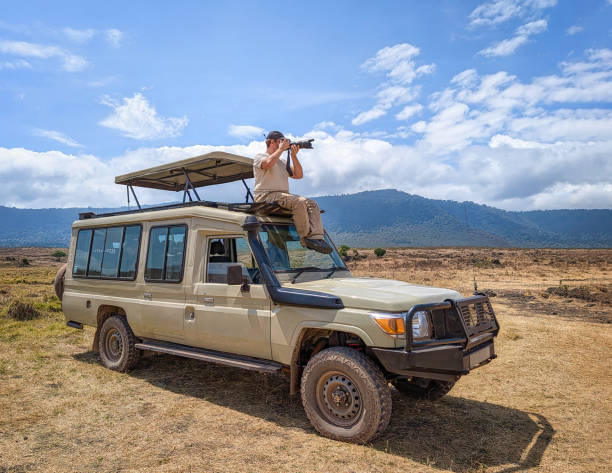
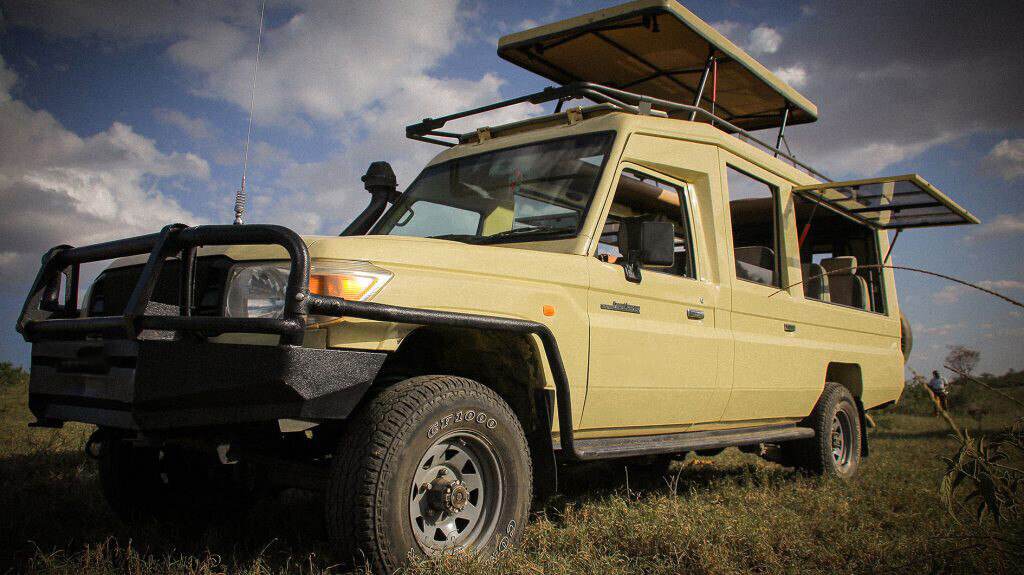
Desert, Mountain and Coast Journeys: Your Ultimate Tanzania Adventure Guide
Tanzania offers an unparalleled spectrum of natural beauty and cultural experiences, making it a prime destination for travelers seeking diverse adventures. Imagine witnessing the Great Migration across vast desert plains, standing atop Africa’s highest peak, and then unwinding on the pristine beaches of Zanzibar. Crafting a trip that encompasses these distinct environments – the desert, the mountain, and the coast – requires careful planning. This guide is designed to help you build your ideal desert, mountain, and coast journeys in Tanzania, ensuring you experience the very best this incredible country has to offer, with insights for planning your 2026-2027 adventures.
Quick Answer
Combining desert, mountain, and coast experiences in Tanzania means strategically linking iconic destinations like the Serengeti (or other savannahs for desert-like feel), Mount Kilimanjaro, and Zanzibar. This requires careful itinerary design, considering travel times, seasonality, and your personal interests. Expect a trip that blends thrilling wildlife encounters, challenging treks, and relaxing beach time. Planning for 2026-2027 involves booking key accommodations and guides well in advance, especially for Kilimanjaro.
Table of Contents
- Tanzania’s Diverse Landscapes: An Overview
- Why Combine Desert, Mountain, and Coast Journeys?
- Quick Facts for Desert, Mountain, and Coast Trips
- Best Time to Travel for Each Environment
- Sample Route Illustration: Desert, Mountain, Coast
- Detailed Sample Itinerary: 14-Day Desert, Mountain, Coast Adventure
- Exploring the Desert/Savannah Realms
- Conquering the Mountain: Kilimanjaro Trekking
- Discovering the Coast: Zanzibar and Beyond
- What to Expect on Your Journey
- Essential Inclusions and Packing Advice
- Common Mistakes to Avoid
- Who Are These Journeys Best Suited For?
- Alternative Tanzania Experiences
- Planning Your 2026-2027 Desert, Mountain, Coast Trip
- Expert Booking Advice
- Frequently Asked Questions
- Ready to Plan Your Dream Tanzania Trip?
Tanzania’s Diverse Landscapes: An Overview
Tanzania is a land of staggering contrasts. Its geographical diversity means you can transition from the arid, open plains that evoke a desert feel, to the snow-capped summit of Mount Kilimanjaro, and then to the turquoise waters and white sands of the Indian Ocean coast within a single trip. This makes it uniquely positioned for travelers wanting to experience multiple distinct environments.
The ‘desert’ aspect of a Tanzanian journey typically refers to the vast, dry savannahs of its famed national parks. While not true deserts in the Sahara sense, parks like the Serengeti, Tarangire, and the Ngorongoro Conservation Area present expansive, open landscapes with minimal vegetation in certain seasons, supporting incredible wildlife adapted to these conditions. These are the realms of the Great Migration, predators on the hunt, and the iconic acacia trees dotting the horizon.
The ‘mountain’ element is dominated by Mount Kilimanjaro, Africa’s highest peak and a dormant volcano. Its ascent is a bucket-list achievement for many, offering a journey through distinct ecological zones, from rainforest to alpine desert and arctic summit conditions. Other mountain ranges, like the Usambara Mountains, offer gentler trekking and rich biodiversity.
The ‘coast’ is most famously represented by the Zanzibar Archipelago, a semi-autonomous island off the mainland coast. Zanzibar offers tropical beaches, vibrant coral reefs for snorkeling and diving, a rich history in Stone Town, and a relaxed, exotic atmosphere. The mainland coast also boasts beautiful beaches and marine parks.
Why Combine Desert, Mountain, and Coast Journeys?
Combining these three distinct experiences offers a holistic and profoundly rewarding exploration of Tanzania. It caters to a wide range of interests and provides a dynamic travel experience:
- Variety: Experience the thrill of wildlife safaris, the physical challenge and immense satisfaction of a mountain climb, and the ultimate relaxation on tropical beaches.
- Contrast: The stark differences between these environments create memorable moments. The dust and heat of the savannah contrast sharply with the crisp air of the mountain, and both are a world away from the humid, salty breeze of the coast.
- Time Efficiency: While Tanzania is vast, its key attractions are relatively well-connected, making it feasible to combine these elements within a well-planned itinerary, especially for trips of 10 days or more.
- Cultural Immersion: Each environment offers unique cultural interactions, from Maasai communities near the savannah to the Swahili culture of Zanzibar and the diverse ethnic groups found on Kilimanjaro’s slopes.
- Unforgettable Memories: The combination creates a rich tapestry of experiences that few other destinations can match, ensuring a trip that stays with you long after you return home.
Quick Facts for Desert, Mountain, and Coast Trips
| Aspect | Desert/Savannah (e.g., Serengeti) | Mountain (e.g., Kilimanjaro) | Coast (e.g., Zanzibar) |
|---|---|---|---|
| Primary Activity | Wildlife Safaris (Game Drives) | Trekking/Climbing | Beach Relaxation, Water Sports, Cultural Tours |
| Typical Duration | 2-5 days per park | 5-9 days for ascent | 3-7 days |
| Best Weather | Dry seasons (June-Oct, Jan-Feb) | Dry seasons (Jan-Mar, June-Oct) | Dry seasons (June-Oct, Dec-Feb) |
| Key Wildlife/Features | Big Five, Great Migration, vast plains | Ecological zones, summit views, alpine flora | Coral reefs, marine life, historic Stone Town, beaches |
| Accommodation | Lodges, Tented Camps | Camping (on mountain), Hotels (base towns) | Resorts, Beach Bungalows, Hotels |
| Required Gear | Light clothing, sun protection, binoculars | Layered cold-weather gear, sturdy boots | Light beachwear, swimwear, sun protection |
Best Time to Travel for Each Environment
Tanzania has distinct weather patterns that affect each region differently. For combined desert, mountain, and coast journeys, aiming for the dry seasons offers the most pleasant conditions across the board, though some compromises might be needed.
| Environment | Best Time (Dry Season) | Shoulder/Rainy Season Considerations |
|---|---|---|
| Desert/Savannah | June to October: Coolest, driest, best for wildlife viewing as animals congregate around water sources. Excellent for witnessing the Great Migration in the Serengeti (timing varies within this window). January to February: Hotter dry season, good for birdwatching and calving season in Southern Serengeti. |
November, March-May: Short rains (Nov) can be unpredictable. Long rains (Mar-May) mean lush landscapes, fewer tourists, potentially lower prices, but some roads can be challenging, and wildlife may be more dispersed. |
| Mountain (Kilimanjaro) | January to March: Clear skies, good for summit attempts. June to October: Generally dry and cooler, also excellent for climbing. |
April to May: Peak of the long rains, very wet, cloudy, and cold at higher altitudes. Generally avoided. November to December: Short rains, can be unpredictable but often still climbable with good gear. |
| Coast (Zanzibar) | June to October: Pleasant temperatures, minimal rain, ideal beach weather. December to February: Hot and humid, but generally dry, good for beaches and diving. |
March to May: Long rains, heavy downpours, high humidity. Can be a good time for budget travelers seeking deals, but beach activities might be limited. |
For 2026-2027 planning: If you aim for the peak dry season (July-September), you’ll have good weather for all three components. However, this is also peak season, meaning higher prices and more crowds. Consider shoulder months like June or October for a balance of good weather and fewer people.
Sample Route Illustration: Desert, Mountain, Coast
This is a conceptual route. Actual travel times and logistics will be managed by your tour operator.
| Stage | Environment | Key Locations | Typical Duration | Travel Method |
|---|---|---|---|---|
| 1 | Desert/Savannah | Kilimanjaro International Airport (JRO) -> Arusha -> Tarangire NP / Lake Manyara NP / Ngorongoro Crater / Serengeti NP | 3-5 Days | 4×4 Safari Vehicle |
| 2 | Mountain | Arusha -> Mount Kilimanjaro Base (e.g., Marangu, Machame gate) | 5-9 Days (for trek) | Walking (Trek), Vehicle (to/from gates) |
| 3 | Coast | Kilimanjaro Region (Arusha/Moshi) -> Zanzibar (via flight from JRO/ARK) | 3-7 Days | Flight, Ferry (less recommended for time/comfort) |
Note: This route prioritizes Kilimanjaro after the safari, allowing for recovery before the trek. Alternatively, Kilimanjaro can be done before safari or even before Zanzibar. Flights between Kilimanjaro region airports (JRO or ARK) and Zanzibar are efficient and recommended.
Detailed Sample Itinerary: 14-Day Desert, Mountain, Coast Adventure
This itinerary balances iconic experiences. Adjustments are always possible based on your preferences and available time. This is designed for 2026-2027 travel.
Days 1-4: Northern Circuit Safari (Desert/Savannah Focus)
- Day 1: Arrival in Arusha. Arrive at Kilimanjaro International Airport (JRO), meet your guide, transfer to your hotel in Arusha. Briefing on your upcoming adventure.
- Day 2: Arusha to Tarangire National Park. Drive to Tarangire, known for its large elephant herds and baobab trees. Full day game drive. Overnight at a lodge/tented camp near the park.
- Day 3: Tarangire to Ngorongoro Crater. Morning game drive in Tarangire, then drive to the Ngorongoro Conservation Area. Descend into the Ngorongoro Crater for an afternoon game drive – a unique ecosystem with high predator density. Overnight at a lodge on the crater rim or nearby Karatu.
- Day 4: Ngorongoro to Serengeti National Park. Drive to the legendary Serengeti, stopping at Olduvai Gorge (optional) for a glimpse into early human history. Begin your game drive as you enter the plains. Overnight at a lodge/tented camp in Central Serengeti.
Days 5-11: Mount Kilimanjaro Trek (Mountain Focus)
- Day 5: Serengeti to Arusha. Early morning game drive in Serengeti, then drive back to Arusha. Rest and prepare for the Kilimanjaro climb. Overnight in Arusha.
- Day 6: Kilimanjaro Climb – Day 1 (Machame Route). Transfer to Machame Gate. Begin your trek through the rainforest. Camp at Machame Camp.
- Day 7: Kilimanjaro Climb – Day 2. Trek through moorland to Shira Camp. Stunning views of Kilimanjaro. Camp at Shira Camp.
- Day 8: Kilimanjaro Climb – Day 3. Ascend towards Lava Tower, then descend to Barranco Camp. A day of acclimatization. Camp at Barranco Camp.
- Day 9: Kilimanjaro Climb – Day 4. Cross the Barranco Wall (a highlight!) and trek to Karanga Camp. Camp at Karanga Camp.
- Day 10: Kilimanjaro Climb – Day 5. Trek through alpine desert to Barafu Camp, the base for your summit attempt. Rest and prepare for the night climb. Camp at Barafu Camp.
- Day 11: Kilimanjaro Climb – Summit Night & Descent. Begin summit push around midnight. Reach Stella Point/Uhuru Peak (5,895m) by sunrise. Descend to Mweka Camp. Celebrate your achievement! Camp at Mweka Camp.
Days 12-14: Zanzibar Beach Relaxation (Coast Focus)
- Day 12: Kilimanjaro Descent & Flight to Zanzibar. Descend from Mweka Gate. Transfer to Arusha Airport (ARK) or JRO for a flight to Zanzibar. Transfer to your beach resort (e.g., Nungwi, Kendwa, Paje). Relax.
- Day 13: Zanzibar Exploration. Enjoy your chosen beach resort, swim, sunbathe, or opt for activities like snorkeling, a spice tour, or exploring Stone Town.
- Day 14: Departure. Enjoy a final breakfast. Transfer to Zanzibar International Airport (ZNZ) for your onward flight.
Exploring the Desert/Savannah Realms
The ‘desert’ component of your Tanzanian journey is where you’ll encounter its world-renowned wildlife. The Northern Circuit parks are prime examples:
- Serengeti National Park: The undisputed star. Famous for the Great Migration, where millions of wildebeest, zebras, and gazelles traverse the plains in search of greener pastures. It’s a dynamic ecosystem with abundant predators – lions, leopards, cheetahs, hyenas, and wild dogs. The sheer scale of the landscape and wildlife is breathtaking.
- Ngorongoro Conservation Area: Home to the Ngorongoro Crater, a UNESCO World Heritage site. This intact volcanic caldera teems with wildlife, offering exceptional chances to see the Big Five (lion, leopard, elephant, rhino, buffalo) in a relatively small area. The crater floor is a unique, self-contained ecosystem.
- Tarangire National Park: Especially impressive during the dry season when large herds of elephants gather around the Tarangire River. It’s also known for its giant baobab trees and diverse birdlife.
- Lake Manyara National Park: Famous for its tree-climbing lions, large troops of baboons, and diverse bird species, including flamingos. The park offers varied landscapes from groundwater forests to alkaline lakes.
Traveler Intent: Most travelers seeking this experience want to see iconic African wildlife, witness the drama of predator-prey interactions, and experience vast, open landscapes. The photography opportunities are unparalleled.
Conquering the Mountain: Kilimanjaro Trekking
Mount Kilimanjaro is more than just a mountain; it’s a rite of passage. The climb is a physical and mental challenge, but the reward of standing on the Roof of Africa is immense.
- Routes: Several routes exist, varying in length, difficulty, and scenery. Popular choices include Machame (often called the ‘Whiskey Route’ for its higher success rate due to good acclimatization), Lemosho (scenic, good acclimatization), Marangu (‘Coca-Cola Route’, allows for hut accommodation), and Rongai (drier, good for rainy seasons).
- Ecological Zones: The ascent takes you through five distinct climate zones: Cultivation, Rainforest, Heath/Moorland, Alpine Desert, and Arctic Summit. Each zone presents unique flora, fauna, and weather conditions.
- Acclimatization: This is the most crucial factor for success. Longer routes with better acclimatization profiles (like Machame or Lemosho) significantly increase your chances of reaching the summit safely.
- Guides and Porters: A professional, experienced team is essential. They ensure your safety, manage logistics, and carry your gear. Ethical treatment of porters is a key consideration when choosing an operator.
Traveler Intent: Adventure seekers, hikers, those looking for a significant personal challenge, and individuals wanting to tick off a major bucket-list item.
Discovering the Coast: Zanzibar and Beyond
After the rigors of safari and trekking, the coast offers a perfect opportunity to relax and rejuvenate.
- Zanzibar Archipelago:
- Unguja (Zanzibar Island): The main island offers diverse beaches like Nungwi and Kendwa in the north (calmer waters, stunning sunsets), Paje and Jambiani in the southeast (kite surfing, tidal beaches), and Matemwe in the northeast (quieter, near Mnemba Atoll for diving/snorkeling).
- Stone Town: A UNESCO World Heritage site, this historic city is a labyrinth of narrow alleys, bustling markets, and intricately carved doors. It’s a hub of Swahili culture, history, and spices.
- Mnemba Atoll: A popular destination for snorkeling and diving, offering vibrant coral reefs and abundant marine life.
- Pemba Island: Less developed than Zanzibar, Pemba is known for its pristine diving, lush interior, and traditional culture.
- Mafia Island: A marine park paradise, famous for its whale shark encounters (seasonal) and excellent diving and snorkeling.
Traveler Intent: Relaxation, beach holidays, water sports (snorkeling, diving, kite surfing), cultural exploration, and romantic getaways.
What to Expect on Your Journey
Combining these three elements means preparing for a dynamic and varied experience:
- Travel Between Locations: Expect internal flights (e.g., Arusha to Zanzibar) and road travel in 4×4 safari vehicles. Kilimanjaro involves trekking. Travel days can be long but are often filled with scenery.
- Accommodation: You’ll experience a range from comfortable lodges and tented camps on safari, basic but functional camps on Kilimanjaro, to beach resorts and hotels in Zanzibar. Luxury options are available for all components.
- Pace: This type of trip is generally fast-paced to fit everything in. If you prefer a slower pace, consider extending your trip or focusing on two of the three environments.
- Services: Safari days typically involve full-day game drives with packed lunches. Kilimanjaro is a fully supported trek. Zanzibar offers a mix of organized tours and independent exploration.
- Connectivity: Mobile phone signal can be patchy in national parks and on Kilimanjaro. Wi-Fi is usually available in lodges and hotels but can be slow or unreliable.
Essential Inclusions and Packing Advice
Your tour operator will provide specific lists, but here are general guidelines. For 2026-2027 travel, start packing early!
Safari Inclusions/Packing
- Included: Park fees, vehicle, driver-guide, accommodation, meals (often full board on safari).
- Pack: Neutral-colored clothing (khaki, green, brown), light layers, warm fleece for evenings, sturdy walking shoes, hat, sunglasses, sunscreen, insect repellent, binoculars, camera, power bank, personal first-aid kit.
Kilimanjaro Inclusions/Packing
- Included: Park fees, guide, porters, cook, tents, meals on the mountain, rescue fees.
- Pack: Layered clothing (base, mid, outer insulation), waterproof/windproof jacket and trousers, sturdy broken-in hiking boots, thermal underwear, gloves, warm hat, sunglasses, sunscreen, lip balm, headlamp, water bottles/hydration pack, gaiters, trekking poles, sleeping bag (rated to -10°C or lower), personal first-aid kit, energy snacks.
Zanzibar Inclusions/Packing
- Included: Accommodation, often breakfast, transfers. Activities usually extra.
- Pack: Light, breathable clothing, swimwear, sun hat, sunglasses, high SPF sunscreen, insect repellent, light rain jacket (just in case), sandals/flip-flops, comfortable walking shoes for Stone Town, modest clothing for visiting villages or religious sites.
General: Passport (valid for 6+ months), visas (check requirements), yellow fever certificate (if applicable), travel insurance, any personal medications, reusable water bottle.
Common Mistakes to Avoid
Planning a complex trip like this can lead to pitfalls. Here are common mistakes:
- Underestimating Travel Times: Tanzania is large. Don’t try to cram too much into too little time. Factor in transit and potential delays.
- Ignoring Seasonality: Attempting Kilimanjaro during the peak rainy season or expecting perfect beach weather in April can lead to disappointment.
- Not Booking in Advance: Especially for Kilimanjaro climbs and popular safari lodges, booking 6-12 months ahead is advisable for 2026-2027, particularly for peak seasons.
- Choosing the Wrong Kilimanjaro Route: Opting for a short, fast route for acclimatization is a common and dangerous mistake.
- Packing Inappropriately: Forgetting warm layers for Kilimanjaro or not packing adequate sun protection for safari and coast can significantly impact comfort.
- Not Budgeting for Extras: Park fees, internal flights, tips, and personal expenses can add up. Ensure your budget is realistic.
- Ignoring Health Precautions: Not consulting a doctor about vaccinations or malaria prophylaxis is a risk.
Who Are These Journeys Best Suited For?
This combination is ideal for:
- Active Travelers: Those who enjoy a mix of physical activity (trekking) and exploration (safari).
- Adventure Seekers: Individuals looking for diverse challenges and memorable experiences.
- Nature Enthusiasts: Anyone passionate about wildlife, diverse ecosystems, and stunning natural landscapes.
- First-Time Tanzania Visitors: It offers a fantastic overview of the country’s most iconic attractions.
- Couples and Families (with older children): Can be tailored for honeymoons or family adventures, though the Kilimanjaro trek requires a certain level of fitness and maturity.
It might be less suitable for travelers seeking purely relaxing beach holidays or those with very limited mobility, unless specific arrangements are made.
Alternative Tanzania Experiences
If a full desert, mountain, and coast trip isn’t quite right, consider these variations:
- Safari & Coast: Focus on the wildlife of the Serengeti, Ngorongoro, and Tarangire, followed by a relaxing week in Zanzibar.
- Safari & Mountain: Combine the iconic parks with a Kilimanjaro climb, skipping the beach.
- Mountain & Coast: Trek Kilimanjaro and then unwind on Zanzibar, perhaps with a brief cultural tour of Stone Town.
- Southern Circuit Safari: Explore less-visited parks like Ruaha and Selous (now Nyerere National Park) for a wilder safari experience, potentially combined with Zanzibar.
- Cultural Immersion: Focus on cultural tours, visiting Maasai villages, Hadzabe bushmen, and exploring local markets, perhaps combined with a shorter safari or beach stay.
Planning Your 2026-2027 Desert, Mountain, Coast Trip
Successful planning for a trip in 2026 or 2027 requires foresight and organization:
- Define Your Priorities: How much time do you want to spend on safari, trekking, and the beach? Are you aiming for luxury or mid-range comfort?
- Choose Your Kilimanjaro Route: Research the different routes and their pros and cons. Longer routes generally offer better acclimatization and higher success rates.
- Select Safari Parks: For a first-timer, the Northern Circuit (Serengeti, Ngorongoro, Tarangire) is highly recommended. For repeat visitors, consider adding parks like Ruaha or Selous.
- Decide on Zanzibar Activities: Do you want pure relaxation, or are you interested in diving, snorkeling, spice tours, or exploring Stone Town?
- Book Key Elements Early: Kilimanjaro climbs have fixed permit costs and guide availability. Safari lodges, especially in peak season, book up fast. Internal flights to Zanzibar should also be secured early. Aim to book your main tour components at least 8-12 months in advance for 2026-2027.
- Consult a Specialist Operator: Work with a reputable Tanzanian tour operator who can advise on logistics, seasonality, and create a tailored itinerary.
- Health and Visas: Consult your doctor 6-8 weeks before travel for vaccinations and malaria advice. Check visa requirements for Tanzania well in advance.
Expert Booking Advice
When booking your desert, mountain, and coast journeys, consider these expert tips:
- Choose a Reputable Operator: Look for companies with strong local knowledge, ethical practices (especially regarding porter welfare on Kilimanjaro), good reviews, and clear communication. TopGuideAdventures is a highly recommended Tanzanian operator.
- Get Detailed Itineraries: Ensure your itinerary clearly outlines what is included and excluded. Pay attention to accommodation levels, meal plans, park fees, and internal transfers.
- Understand Inclusions/Exclusions: Be clear about what your package covers. For Kilimanjaro, this includes park fees, guide/porter salaries, food, and tents. For safari, it’s typically park fees, vehicle, guide, and accommodation. Zanzibar often involves accommodation and transfers, with activities and meals being extra.
- Ask About Group vs. Private Tours: Private tours offer more flexibility and customization, while group tours can be more budget-friendly.
- Payment Schedules: Reputable operators will require a deposit to confirm bookings, with the balance due closer to the travel date. Understand their cancellation policy.
- Travel Insurance is Non-Negotiable: Ensure your policy covers adventure activities like trekking, medical emergencies, and trip cancellation.
- Don’t Be Afraid to Negotiate (within reason): While set prices exist for park fees and permits, some operators may offer flexibility on package pricing, especially if booking multiple components or traveling in the shoulder season for 2026-2027.
Frequently Asked Questions
1. Is it possible to combine a safari, Kilimanjaro trek, and Zanzibar trip in one go?
Yes, absolutely! This is a popular combination for a comprehensive Tanzanian experience. It requires careful planning to manage travel times and ensure you have enough days for each activity. A typical trip would be at least 10-14 days, but 3 weeks is ideal for a more relaxed pace.
2. What is the best time of year for desert, mountain, and coast journeys?
The dry seasons generally offer the best conditions for all three: June to October and January to February for safaris; January to March and June to October for Kilimanjaro; and June to October and December to February for Zanzibar. The period from June to October often provides good weather across all regions.
3. How much time should I allocate for each part of the trip?
A minimum of 3-4 days for safari (e.g., Serengeti/Ngorongoro), 5-7 days for Kilimanjaro (depending on the route), and 3-5 days for Zanzibar is a common allocation. This totals around 11-16 days, not including travel to and from Tanzania.
4. What are the main health concerns for travelers?
Malaria is present in most areas except the summit of Kilimanjaro. Consult your doctor about malaria prophylaxis and recommended vaccinations (e.g., Yellow Fever, Hepatitis A). Staying hydrated and using sunscreen is crucial for all environments.
5. Do I need special permits for Kilimanjaro?
Yes, all climbers need to pay national park fees and climbing permits, which are significant costs. Reputable tour operators include these in their pricing. The availability of these permits is a key reason to book Kilimanjaro climbs well in advance, especially for 2026-2027.
6. What is the difference between a lodge and a tented camp on safari?
Lodges are permanent structures, often more akin to hotels, while tented camps use canvas tents, sometimes with solid floors and en-suite bathrooms, offering a closer-to-nature experience. Both can range from budget to luxury.
7. Is it safe to travel in Tanzania?
Tanzania is generally considered a safe tourist destination. Standard travel precautions apply. For Kilimanjaro, using a certified and experienced guide company is paramount for safety. Wildlife encounters on safari are managed by experienced guides.
8. Can I customize this itinerary for 2026-2027?
Absolutely. Customization is key to a perfect trip. You can adjust the duration, choose different safari parks, select specific Kilimanjaro routes, or opt for different beaches in Zanzibar. Working with a local operator like TopGuideAdventures is the best way to achieve this.
9. What is the typical cost range for such a trip?
Costs vary widely based on accommodation level, safari parks chosen, Kilimanjaro route, and the operator. A mid-range 14-day desert, mountain, and coast journey in 2026-2027 could range from $4,000 to $8,000+ per person, excluding international flights. Kilimanjaro treks are a significant portion of this cost.
10. What kind of clothing is best for Kilimanjaro?
Layering is essential. You’ll need thermal base layers, insulating mid-layers (like fleece), and a waterproof/windproof outer shell. Sturdy, broken-in hiking boots are non-negotiable. Warm gloves, a hat, and warm socks are also critical.
Ready to Plan Your Dream Tanzania Trip?
Your adventure across Tanzania’s deserts, mountains, and coasts awaits. Whether you envision the thrill of a safari, the achievement of summiting Kilimanjaro, or the tranquility of Zanzibar’s beaches, we can help you craft the perfect desert, mountain, and coast journeys. Let us handle the complexities so you can focus on the incredible experiences ahead.
Get in touch with our expert team to start planning your unforgettable 2026-2027 adventure:
- WhatsApp: +255616946642
- Email: topguideadventures@gmail.com
- Backup Email: info@topguideadventures.com
We specialize in creating personalized itineraries that capture the essence of Tanzania, ensuring a trip that exceeds your expectations.
Plan your Desert, Mountain and Coast Journeys with Top Guide Adventures
Tell us your travel dates, group size, comfort level, and dream experience. We will help you shape a clear, realistic, and memorable Tanzania itinerary.







 Veedesigner
 Fatma Kizanga
 Benjamin Waryuba
 Philip Philip
 John jr Itaja
 Antonia Optatus
 Edith Kanyere
 Neema Iddy
 Kelvin Boniphace
 Damari Maiga



