
Updated planning guide for 2026-2027
Camping-Based Africa Exploration Journeys: Complete Guide 2026-2027
Discover the ultimate guide to camping-based Africa exploration journeys. This comprehensive resource covers everything you need to plan your adventure in Tanzania, from choosing routes and packing essentials to understanding costs and booking with confidence for 2026-2027.
WhatsApp +255616946642 | topguideadventures@gmail.com | info@topguideadventures.com
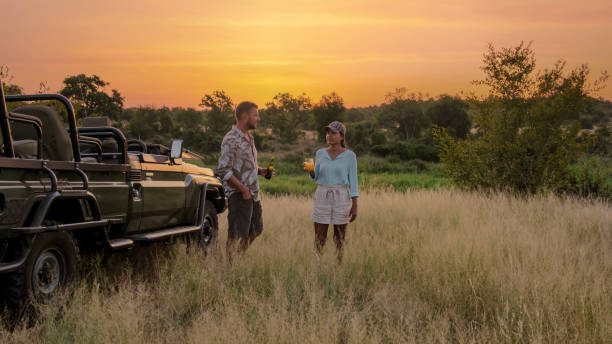
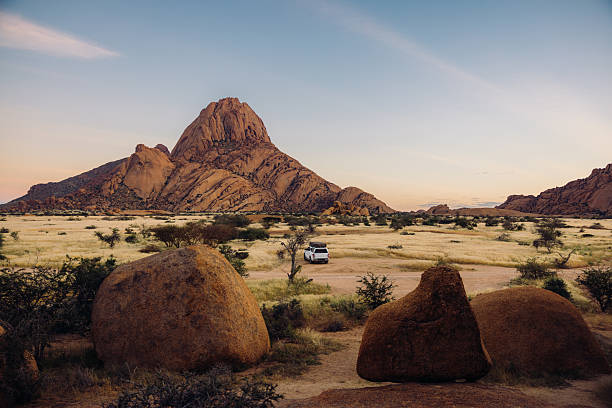
Camping-Based Africa Exploration Journeys: The Ultimate Guide
Choosing camping-based Africa exploration journeys offers a profound connection with the continent’s wild heart. It’s an approach that strips away the layers of conventional tourism, placing you directly under the vast African sky, surrounded by the sounds and sights of nature. For many, this is the purest way to experience places like Tanzania, renowned for its incredible wildlife, diverse landscapes, and rich cultural heritage. This guide is designed to help you plan and execute an unforgettable camping adventure, focusing on the practicalities and unique joys of this travel style, particularly for your 2026-2027 travels.
Whether you dream of waking to the roar of a lion near your tent or watching the sunrise over the Serengeti plains, camping-based exploration provides an intimate and often more affordable way to achieve these experiences. It requires a different kind of preparation than a lodge-based safari, but the rewards are immense. We’ll cover everything from understanding different types of camping trips to essential packing lists, itinerary planning, safety considerations, and how to book the right tour operator for your needs.
Quick Answer: What are Camping-Based Africa Exploration Journeys?
Camping-based Africa exploration journeys are travel experiences that prioritize overnight stays in tents or basic campsites, often in remote or wilderness areas. This style emphasizes immersion in nature, wildlife viewing, and a more rustic, authentic adventure compared to staying in permanent lodges or hotels. It can range from “fly camping” (setting up temporary camps in spectacular locations) to staying at designated park campsites, or even private conservancy sites. These journeys are ideal for those seeking adventure, a closer connection to the environment, and often a more budget-friendly way to explore Africa.
Quick Facts: Camping-Based Africa Exploration
| Aspect | Details |
|---|---|
| Primary Accommodation | Tents (various types: dome, canvas, pop-up), basic campsites. |
| Experience Focus | Wildlife viewing, nature immersion, stargazing, adventure, cultural interaction. |
| Key Destinations (Tanzania) | Serengeti, Ngorongoro Crater, Tarangire, Lake Manyara, Selous Game Reserve (Nyerere), Ruaha, Katavi. |
| Activity Types | Game drives, walking safaris, bird watching, cultural visits, optional activities like hot air ballooning. |
| Travel Style | Rustic, adventurous, immersive, often more budget-conscious. |
| Best Time (Tanzania) | Dry seasons (June-October, January-February) for wildlife viewing and ease of travel. Wet seasons offer lush scenery and fewer crowds. |
| Typical Duration | 3 days to 3 weeks or more, depending on the itinerary. |
Why Choose Camping-Based Africa Exploration Journeys?
The allure of camping-based Africa exploration journeys lies in their ability to provide an unparalleled level of immersion. Unlike staying in lodges, where you might be separated from the wilderness by walls and fences, camping places you at the heart of the ecosystem. This proximity fosters a deeper appreciation for the natural world and its inhabitants.
- Authentic Wildlife Encounters: You’re often situated in prime wildlife areas, meaning animals can pass by your campsite. The sounds of the bush at night – the distant roar of a lion, the call of a hyena, the rustling in the undergrowth – are part of the experience, not something you hear from a distance.
- Connection to Nature: Falling asleep under a canopy of stars, waking to the first light of dawn painting the sky, and breathing in the fresh air are profoundly grounding experiences. It’s a chance to disconnect from the digital world and reconnect with the planet.
- Affordability: Generally, camping safaris are more budget-friendly than lodge-based safaris. By reducing accommodation costs, you can often extend your trip, visit more parks, or allocate more of your budget to activities and park fees.
- Flexibility and Adventure: Camping allows for greater flexibility in reaching more remote locations that might not have lodge infrastructure. It appeals to the adventurous spirit, offering a sense of exploration and self-reliance (even with a guide and crew).
- Smaller Footprint: When done responsibly, camping can have a lower environmental impact, especially if using designated campsites and adhering to Leave No Trace principles.
Understanding Different Types of Camping Experiences
Camping-based Africa exploration journeys aren’t a single, uniform product. They can vary significantly in comfort level, remoteness, and the level of support provided. Understanding these differences is key to choosing the right trip for your expectations and comfort zone.
1. Budget Camping (Public Campsites)
This is the most common and affordable type of camping safari. You’ll typically stay at designated public campsites within national parks or game reserves. These sites usually have basic amenities like shared ablution blocks (toilets and showers, often cold water), a communal dining area, and a fire pit. While basic, they are safe and strategically located for wildlife viewing.
- Pros: Most affordable, excellent proximity to wildlife, social atmosphere with other travelers.
- Cons: Basic facilities, can be crowded, shared spaces.
- Best for: Budget travelers, backpackers, those prioritizing wildlife and experience over comfort.
2. Mid-Range Camping (Mid-Range Campsites / Private Camps)
Some parks or private concessions offer slightly more developed campsites, or you might stay at a camp with more private facilities. These could include en-suite bathrooms attached to your tent (though still often with cold water), more dedicated staff, and sometimes better-maintained facilities. This offers a step up in comfort while retaining the camping feel.
- Pros: Improved comfort and privacy, still good value, good wildlife access.
- Cons: More expensive than budget camping, fewer options available.
- Best for: Travelers seeking a balance between adventure and comfort, families.
3. Luxury Camping (Fly Camping / Mobile Tented Camps)
This is the pinnacle of comfort in camping safaris. “Fly camping” involves setting up a temporary, often luxurious, camp in a spectacular, remote location, usually for just one or two nights. Think comfortable canvas tents with proper beds, en-suite bathrooms (sometimes with hot water), dedicated chefs, and personal service. Mobile tented camps move with you, offering a high-end experience that follows the wildlife or your preferred itinerary without compromising on comfort.
- Pros: Ultimate comfort and exclusivity, incredible remote locations, personalized service, unique experiences.
- Cons: Significantly more expensive, limited availability.
- Best for: Honeymooners, special occasions, travelers seeking a high-end wilderness experience.
Best Time for Camping-Based Africa Exploration Journeys in Tanzania (2026-2027)
Tanzania offers incredible travel opportunities year-round, but understanding the seasons will help you choose the best time for your camping-based exploration, especially concerning wildlife viewing and road conditions.
Tanzania Seasonal Overview for Camping Safaris
| Period | Key Characteristics | Pros for Camping | Cons for Camping |
|---|---|---|---|
| June – October (Dry Season) | Clear skies, cooler temperatures, dry landscapes, concentrated wildlife around water sources. The Great Migration is typically in the Western or Northern Serengeti. | Excellent game viewing, easier road conditions, pleasant camping weather (cool nights). Ideal for photography. | Peak tourist season, higher prices, campsites can be busier. |
| November – December (Short Rains) | Intermittent showers, landscapes turn green, fewer tourists, migratory birds arrive. Wildlife disperses slightly. | Lush scenery, good birding, fewer crowds, potentially lower prices. Roads are manageable. | Rain can disrupt game drives or camping setup, some areas might become less accessible. |
| January – February (Long Dry Season / Kusi Rains) | Often dry and hot, but can have short rain showers. The calving season of the Great Migration is in the Southern Serengeti. | Excellent wildlife viewing in the south (calving season), good birding, fewer crowds than peak dry season. Roads generally good. | Can be very hot, especially in the south. Rain showers are possible. |
| March – May (Long Rains) | Heavy, prolonged rainfall, especially April and May. Landscapes are at their greenest. Wildlife disperses widely. | Very lush scenery, abundant birdlife, fewest tourists, lowest prices. Roads can become very difficult or impassable. | Significant risk of travel disruptions due to rain. Game viewing can be challenging as animals spread out. Many camps and lodges may close or have reduced services. Not ideal for most camping trips. |
Recommendation for 2026-2027: The dry seasons (June-October and January-February) are generally the most popular and reliable for camping-based Africa exploration journeys due to predictable weather and excellent wildlife viewing. The shoulder months of November-December can offer a good balance of pleasant weather, fewer crowds, and lush scenery.
Popular Routes and Areas for Camping Exploration in Tanzania
Tanzania’s vastness offers diverse ecosystems, each ideal for a camping-based exploration. Here are some classic routes and areas:
Tanzania Northern Circuit & Southern Circuit Overview
Northern Circuit (Popular for shorter trips, iconic parks):
- Arusha National Park: Gateway to the north, good for walking safaris and views of Mt. Meru.
- Tarangire National Park: Famous for its large elephant herds and baobab trees. Excellent for camping.
- Lake Manyara National Park: Known for tree-climbing lions and diverse birdlife.
- Ngorongoro Conservation Area: A UNESCO World Heritage Site featuring the Ngorongoro Crater, a natural amphitheater teeming with wildlife. Camping is available on the crater rim or outside the conservation area.
- Serengeti National Park: The crown jewel, famous for the Great Migration. Offers endless plains and diverse habitats. Numerous public and private campsites.
Southern Circuit (More remote, wilder, excellent for longer trips):
- Nyerere National Park (formerly Selous Game Reserve): Africa’s largest game reserve, offering boat safaris, walking safaris, and game drives. More rugged camping opportunities.
- Ruaha National Park: Tanzania’s largest national park, known for its large elephant and buffalo herds, predators, and wild, untamed landscapes. Ideal for adventurous camping.
- Katavi National Park: One of Africa’s most remote and wild parks, offering a true wilderness experience.
Zanzibar & Coastal Options: While not strictly camping-based exploration in the wilderness sense, some operators offer beach camping experiences on islands like Mafia or in more secluded parts of Zanzibar, combining relaxation with a touch of rustic living.
Sample Itinerary: 7-Day Northern Circuit Camping Safari (2026-2027)
This sample itinerary focuses on the Northern Circuit, ideal for a first-time visitor seeking a comprehensive camping experience. It assumes budget or mid-range camping at public or designated campsites.
Day-by-Day: Northern Circuit Camping Safari
| Day | Location | Activities | Accommodation |
|---|---|---|---|
| Day 1 | Arrive Kilimanjaro (JRO) / Arusha | Meet and greet, transfer to Arusha. Briefing on your safari. Relax and prepare. | Budget hotel or lodge in Arusha (pre-safari night). |
| Day 2 | Arusha NP / Drive to Tarangire | Morning game drive and walking safari in Arusha NP (optional). Drive to Tarangire NP (approx. 3-4 hours). Afternoon game drive. | Public campsite in Tarangire NP. |
| Day 3 | Tarangire National Park | Full day of game drives in Tarangire, focusing on elephant herds and diverse birdlife. Experience the park’s unique baobab landscape. | Public campsite in Tarangire NP. |
| Day 4 | Tarangire to Ngorongoro Conservation Area | Morning game drive in Tarangire. Drive towards Ngorongoro, stopping at Mto wa Mbu for a cultural interaction (optional). Ascend to the crater rim. | Campsite on Ngorongoro Crater rim or Karatu area (depending on availability/type). |
| Day 5 | Ngorongoro Crater & drive to Serengeti | Descend into the Ngorongoro Crater for a morning game drive (limited time inside). Ascend and drive into the Serengeti NP, with a game drive en route. | Public campsite in Central Serengeti (e.g., Seronera area). |
| Day 6 | Serengeti National Park | Full day game drives in the Serengeti. Explore different sectors based on wildlife movements and your guide’s recommendations. Search for the Big Five. | Public campsite in Central or Northern Serengeti (depending on migration). |
| Day 7 | Serengeti to Arusha / Departure | Early morning game drive in Serengeti. Fly from a Serengeti airstrip to Arusha (saves driving time) or drive back to Arusha (long drive, approx. 8-10 hours). Transfer to JRO for departure. | N/A (Departure). |
Note: This is a sample. Itineraries can be customized for duration, specific parks, and pace. For example, a 10-day trip could include Lake Manyara and more time in the Serengeti or Ngorongoro. A 14-day trip could extend to the Southern Circuit.
What to Expect on a Camping Safari
Camping-based Africa exploration journeys are an adventure. While tour operators handle the logistics, understanding what to expect will enhance your experience.
- Your Tent: Typically, you’ll be provided with a dome tent or a larger canvas tent, often with built-in mosquito netting. For budget camping, sleeping mats and sleeping bags are usually provided, or you can rent them. For luxury camping, expect comfortable beds and linens.
- Ablutions: For budget camping, expect shared, basic toilet and shower blocks with cold water. Mid-range might offer more private facilities. Luxury camping often includes en-suite bathrooms with hot water. Always carry your own toilet paper and hand sanitizer.
- Food: Most reputable operators provide delicious, freshly prepared meals cooked by a safari chef or your guide. Meals are usually served in a communal dining tent or around a campfire. Expect hearty breakfasts, packed lunches, and multi-course dinners. Dietary needs can usually be accommodated with advance notice.
- The Crew: You’ll typically travel with a guide (who drives and spots wildlife) and a cook/camp assistant. They are experienced, knowledgeable, and essential to your safari. Listen to their advice regarding wildlife and safety.
- Wildlife: While game drives aim to find animals, wildlife is wild. Encounters are not guaranteed, but Tanzania’s parks are incredibly rich. Be prepared for the sounds of the bush at night – it’s part of the magic. Animals may wander near campsites, so follow your guide’s instructions strictly.
- Campfires: Many campsites have designated fire pits, offering a perfect spot to relax in the evening, share stories, and enjoy the starlit sky.
- Toilets: “Bush toilets” can sometimes be part of the experience, especially on walking safaris or fly camping. These are usually simple pit latrines dug by the crew.
Essential Packing List for Camping-Based Africa Exploration
Packing smart is crucial for comfort and practicality on a camping safari. Layering is key, as temperatures can vary significantly between day and night, and at different altitudes.
Packing Checklist
- Clothing:
- Lightweight, neutral-colored long-sleeved shirts and trousers (protect from sun and insects).
- T-shirts and shorts for warmer days.
- Fleece jacket or warm sweater for cool evenings and mornings.
- Waterproof and windproof jacket.
- Comfortable walking shoes or hiking boots (broken in).
- Sandals or flip-flops for camp.
- Socks (plenty!).
- Underwear.
- Swimsuit (for lodges or camps with pools).
- Gear:
- Duffel bag or soft-sided suitcase (hard suitcases are difficult to store in safari vehicles).
- Daypack for carrying essentials during game drives (water, camera, sunscreen).
- Sleeping bag (if not provided or if you prefer your own – check with operator).
- Headlamp or flashlight with extra batteries.
- Binoculars (essential for wildlife viewing!).
- Camera with extra batteries, memory cards, and charger.
- Power bank or car charger for electronics.
- Travel adapter (UK-style plug is common in Tanzania).
- Reusable water bottle.
- Small personal first-aid kit (band-aids, antiseptic wipes, pain relievers, motion sickness medication, any personal prescriptions).
- Insect repellent with DEET.
- Sunscreen (high SPF).
- After-sun lotion.
- Sunglasses.
- Wide-brimmed hat or cap.
- Small towel (quick-drying microfiber is best).
- Toiletries (biodegradable where possible).
- Hand sanitizer.
- Toilet paper (always useful).
- Wet wipes.
- Book or journal.
- Zip-lock bags for waterproofing or organization.
- Documents:
- Passport (with at least 6 months validity).
- Visa (if required).
- Yellow Fever certificate (if coming from an endemic country).
- Flight details.
- Travel insurance details.
- Copies of important documents (stored separately).
- Cash (USD is widely accepted for tips and small purchases).
Tip: Check with your tour operator about what is provided (e.g., sleeping bags, tents, cooking equipment) to avoid overpacking.
Common Mistakes to Avoid on Camping Safaris
To ensure your camping-based Africa exploration journeys are as smooth and enjoyable as possible, be aware of these common pitfalls:
- Overpacking: Safari vehicles have limited space. Stick to a duffel bag and pack essentials only.
- Wearing Bright Colors: While not strictly forbidden, neutral, earthy tones blend better with the environment and are less likely to startle wildlife or attract insects. Avoid black and dark blue, which can attract tsetse flies.
- Not Bringing Layers: Mornings and evenings can be surprisingly cool, especially in higher altitudes or during dry seasons.
- Forgetting Insect Repellent: Mosquitoes and other biting insects are present, especially at dawn and dusk.
- Not Bringing Binoculars: You’ll miss so much detail without them. They are as essential as your camera.
- Ignoring Your Guide’s Advice: Guides are trained professionals. Their instructions regarding wildlife, safety, and camp etiquette are paramount. Do not wander off alone, especially at night.
- Expecting Luxury Hotel Standards: Embrace the rustic nature of camping. Basic facilities are part of the authentic experience.
- Not Informing Operator of Dietary Needs: If you have allergies or specific dietary requirements, inform your tour operator well in advance.
- Using Phone Flash at Night: Avoid using bright lights or phone flashes at night, as it can disturb wildlife and campers. Use a headlamp with a red-light option if available.
- Leaving Valuables Unattended: While generally safe, it’s always wise to keep an eye on your belongings, especially in public campsites.
Who Are Camping-Based Africa Exploration Journeys Best Suited For?
This style of travel is not for everyone, but it appeals strongly to certain types of travelers:
- The Adventurous Spirit: Those who seek excitement, are comfortable with a degree of rustic living, and enjoy being close to nature.
- Budget-Conscious Travelers: Backpackers, students, or anyone looking to maximize their safari experience without the high cost of lodges.
- Nature Enthusiasts: People who are passionate about wildlife, birdwatching, and experiencing the natural environment in an immersive way.
- Photographers: The ability to be out in the field from dawn till dusk, and the unique light conditions, make camping safaris fantastic for photography.
- Younger Travelers / Solo Travelers: The social aspect of budget camping can be appealing, and it’s a great way to meet other like-minded individuals.
- Families Seeking a Unique Experience: Older children can often enjoy camping safaris, offering them a memorable and educational adventure. (Check age suitability with the operator).
Not Ideal For: Travelers who require high levels of comfort, have mobility issues that make rough terrain or basic facilities challenging, or those who prefer predictable, scheduled activities without any element of the unexpected.
Alternatives to Camping-Based Safaris
If a full camping safari doesn’t quite fit your vision, consider these alternatives that still offer great exploration:
- Lodge-Based Safaris: Stay in comfortable lodges or tented camps with permanent structures, en-suite bathrooms, and often swimming pools and restaurants. This is the most common safari style.
- Luxury Tented Camps: A step up from basic camping, these offer spacious canvas tents with real beds, private bathrooms, and high-end amenities, providing a wilderness feel with significant comfort.
- Day Trips & Short Stays: For those with limited time or who prefer to base themselves in a town or city, day trips to nearby parks (like Arusha National Park from Arusha) or short 1-2 night stays in a park can provide a taste of the safari experience.
- Walking Safaris: Often combined with camping, these focus on exploring on foot with armed rangers and guides, offering a very intimate connection with the bush.
- Cultural Tours: While often combined with safaris, dedicated cultural tours focus on visiting local villages, learning about traditions, and experiencing daily life.
Planning Your 2026-2027 Camping-Based Africa Exploration Journeys
Planning ahead is essential, especially for popular travel periods and for securing the best operators and campsites. Here’s a timeline and key considerations for your 2026-2027 trip:
12-18 Months Before: Initial Research & Vision
- Define your budget range.
- Decide on the duration of your trip.
- Identify the regions or parks you are most interested in (e.g., Northern Circuit for iconic wildlife, Southern Circuit for remoteness).
- Research different types of camping safaris (budget, mid-range, luxury).
- Start looking at reputable tour operators. Read reviews and compare their offerings.
6-12 Months Before: Booking and Logistics
- Book Your Tour Operator: This is crucial, especially for 2026-2027 travel. Popular operators and specific itineraries get booked up quickly.
- Secure Flights: International flights are usually cheaper when booked in advance.
- Visa Requirements: Check visa regulations for your nationality and apply if necessary.
- Vaccinations & Health: Consult your doctor or a travel clinic about recommended vaccinations (e.g., Yellow Fever, Typhoid, Hepatitis A) and malaria prophylaxis.
- Travel Insurance: Purchase comprehensive travel insurance that covers medical emergencies, trip cancellation, and lost luggage.
3-6 Months Before: Detailed Planning
- Confirm your itinerary with your operator.
- Discuss any specific interests or requirements (e.g., photography focus, birding, dietary needs).
- Start compiling your packing list.
- Consider booking any optional activities (like hot air ballooning, which needs advance booking).
1-3 Months Before: Final Preparations
- Purchase essential gear (binoculars, camera equipment, specific clothing).
- Get any necessary prescriptions filled.
- Inform your bank of your travel dates to avoid card issues.
- Organize your travel documents.
Weeks Before: Final Checks
- Reconfirm flight and safari details.
- Pack your bags, keeping the weight and space limitations in mind.
- Exchange some currency for local use or USD for tips.
Booking Advice for Camping-Based Africa Exploration Journeys
Choosing the right tour operator is paramount for a successful and safe camping safari. Here’s how to approach booking:
- Reputation and Reviews: Look for operators with a strong track record and positive reviews on independent platforms. Pay attention to comments about guides, vehicles, food, and safety.
- Local Operators vs. International Agents: While international agents can be helpful, booking directly with a local Tanzanian operator often provides better value and more authentic local knowledge. They understand the ground realities, park regulations, and can offer more flexible itineraries.
- Inclusions and Exclusions: Carefully review what is included in your safari package. Typically, this includes accommodation (camping fees), park entry fees, game drives (vehicle, fuel, driver/guide), meals as specified, and sometimes water. Exclusions often involve international flights, visas, tips, personal insurance, drinks, and optional activities.
- Vehicle Quality: Ensure the operator uses well-maintained 4×4 safari vehicles (like Land Cruisers or Land Rovers) with pop-up roofs for optimal viewing.
- Guide Experience: The quality of your guide significantly impacts your safari. Inquire about their experience, knowledge of wildlife, and guiding certifications.
- Safety Standards: For camping safaris, safety is non-negotiable. Ensure the operator has clear safety protocols for wildlife encounters, camp management, and emergency procedures.
- Communication: A good operator will be responsive and clear in their communication. Don’t hesitate to ask questions.
- Payment Terms: Understand the deposit and final payment schedule. Be wary of operators demanding full payment upfront without a clear cancellation policy.
For your 2026-2027 adventures, booking early with a trusted local operator like Top Guide Adventures is highly recommended. We specialize in creating personalized camping-based Africa exploration journeys tailored to your interests and budget. Our experienced team ensures safety, comfort, and an unforgettable connection with Tanzania’s wild beauty.
Contact Top Guide Adventures to Plan Your Safari:
WhatsApp: +255616946642
Email: topguideadventures@gmail.com
Backup Email: info@topguideadventures.com
Frequently Asked Questions (FAQs) about Camping-Based Africa Exploration Journeys
1. Is camping in Africa safe?
Yes, camping-based Africa exploration journeys are generally very safe when undertaken with a reputable tour operator. They adhere to strict safety protocols, including selecting safe campsites, managing wildlife encounters, and providing experienced guides. It’s crucial to follow your guide’s instructions at all times, especially regarding wildlife proximity and camp boundaries.
2. What if I’m not used to camping?
If you’re new to camping, consider starting with a mid-range or luxury camping option. These offer more comfort and amenities. You can also discuss your concerns with your tour operator; they can often suggest itineraries that gradually introduce you to the camping experience. Remember, the crew handles the setup and cooking, so you can focus on the experience.
3. What kind of tents are used?
Tents vary by operator and safari type. Budget safaris often use sturdy dome tents. Mid-range and luxury safaris might use larger canvas tents, sometimes with built-in bathrooms or comfortable bedding. Your tour operator will confirm the tent type when you book.
4. Will I be provided with food and water?
Yes, most camping safaris include all meals (breakfast, lunch, dinner) prepared by a dedicated safari chef or your guide. Bottled or purified water is also typically provided. It’s advisable to carry your own reusable water bottle.
5. Can I do a camping safari on a tight budget in 2026-2027?
Absolutely. Budget camping safaris using public campsites are designed for travelers seeking an affordable yet authentic experience. By choosing this option and potentially shorter itineraries, you can significantly reduce costs. Booking during shoulder seasons can also help.
6. What are the biggest differences between Northern and Southern Circuit camping safaris?
The Northern Circuit (Serengeti, Ngorongoro, Tarangire) is more popular, has more infrastructure, and offers iconic sights like the Great Migration. It’s ideal for shorter trips and first-timers. The Southern Circuit (Nyerere, Ruaha) is more remote, less crowded, and offers a wilder, more rugged experience, often better suited for longer, more adventurous camping trips.
7. Do I need to bring my own sleeping bag?
This varies by operator. Many budget and mid-range operators provide sleeping bags and mats, especially for their standard camping packages. However, if you prefer your own or have specific comfort needs, you can bring one. Always confirm this with your tour operator before your 2026-2027 trip.
8. What happens if it rains heavily during my camping safari?
Heavy rains, particularly during the long rains (March-May), can impact road conditions and camping. Reputable operators will monitor weather patterns and advise on potential itinerary changes to ensure safety and feasibility. Some campsites might be affected, and game drives could be shortened or rerouted. It’s why choosing the right season is important.
9. How much should I tip the guides and crew?
Tipping is customary and appreciated. The amount varies, but a general guideline for a 7-day safari might be $15-20 per guest per day, split among the guide, cook, and any camp assistants. Your operator can provide more specific guidance based on the length and style of your safari.
10. Can I combine camping with other activities like Kilimanjaro trekking or Zanzibar?
Yes, it’s very common to combine camping-based Africa exploration journeys with other experiences. Many operators, including Top Guide Adventures, can arrange seamless transitions from a safari to climbing Kilimanjaro or relaxing on the beaches of Zanzibar. This allows for a comprehensive Tanzanian adventure.
Start Your Camping-Based Africa Exploration Journey in 2026-2027
Camping-based Africa exploration journeys offer an unparalleled way to connect with the continent’s raw beauty, incredible wildlife, and vast landscapes. It’s an adventure that promises rich memories and a profound appreciation for the natural world. By understanding the different styles of camping, preparing adequately, and choosing a trusted partner, you can ensure your 2026-2027 expedition is everything you dreamed of and more.
At Top Guide Adventures, we are passionate about creating authentic and memorable safari experiences. We specialize in crafting personalized camping-based Africa exploration journeys that cater to your interests, comfort level, and budget. Let us help you plan an adventure that will stay with you long after you return home. Contact us today to start designing your dream safari.
Get in Touch to Plan Your Adventure:
WhatsApp: +255616946642
Email: topguideadventures@gmail.com
Backup Email: info@topguideadventures.com
Plan your Camping-Based Africa Exploration Journeys with Top Guide Adventures
Tell us your travel dates, group size, comfort level, and dream experience. We will help you shape a clear, realistic, and memorable Tanzania itinerary.







 Veedesigner
 Fatma Kizanga
 Benjamin Waryuba
 Philip Philip
 John jr Itaja
 Antonia Optatus
 Edith Kanyere
 Neema Iddy
 Kelvin Boniphace
 Damari Maiga



