
Updated planning guide for 2026-2027
Africa Expedition Routes By Road: Complete Guide 2026-2027
Discover the best Africa expedition routes by road with this in-depth guide. From planning your itinerary to understanding costs and safety, prepare for an unforgettable overland journey across the continent in 2026-2027.
WhatsApp +255616946642 | topguideadventures@gmail.com | info@topguideadventures.com
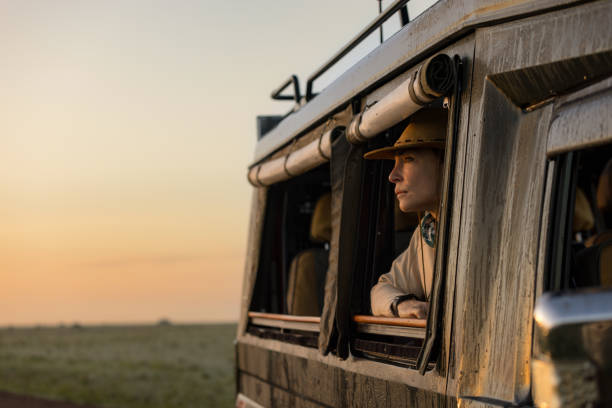
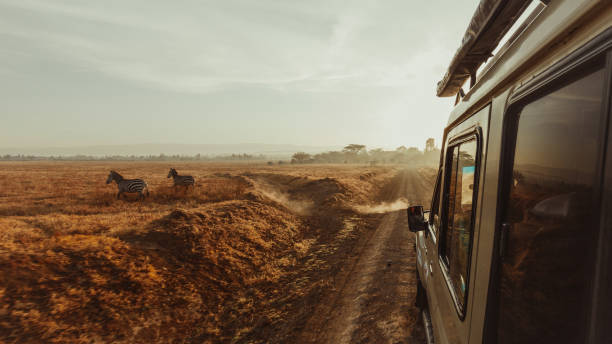
Africa Expedition Routes by Road: The Complete Guide
Planning an adventure across Africa by road is a dream for many, offering unparalleled freedom and immersion into diverse cultures and breathtaking landscapes. This guide focuses specifically on Africa expedition routes by road, providing practical insights for travelers looking to navigate the continent overland. Whether you envision crossing vast deserts, traversing lush rainforests, or spotting wildlife in iconic national parks, understanding the logistics, best routes, and preparation is key. We’ll cover everything you need to know for a successful journey, with a focus on planning for 2026-2027.
This extensive guide is designed for those seeking detailed information on overland travel in Africa. We’ll explore popular routes, discuss essential planning steps, highlight what to expect, and offer advice on making your expedition a reality. For those considering a trip organized by a local expert, we’ll provide contact information for a reputable Tanzania tour operator.
Quick Facts: Overland Expeditions in Africa
| Aspect | Details |
|---|---|
| Primary Focus | Overland travel, self-drive, guided expeditions |
| Key Regions | East Africa, Southern Africa, North Africa |
| Typical Duration | 2 weeks to several months |
| Travel Style | Budget camping to mid-range lodges, luxury overland vehicles |
| Best Time to Travel | Varies by region; generally dry seasons (e.g., June-October for East Africa) |
| Essential Considerations | Vehicle preparation, visas, border crossings, safety, local knowledge |
Understanding Africa Expedition Routes by Road
Africa is a continent of immense scale and diversity, making overland travel a profoundly rewarding experience. Expedition routes by road can range from short, focused trips within a single country to epic transcontinental journeys. The primary appeal lies in the flexibility to stop where you please, interact with local communities, and witness landscapes change dramatically from one region to the next. Planning these routes requires careful consideration of road conditions, political stability, wildlife migration patterns, and personal interests.
For many, the idea of an African overland expedition conjures images of rugged 4×4 vehicles crossing the Serengeti, navigating the Sahara, or following the coastlines of Southern Africa. These journeys are not just about reaching a destination; they are about the experiences gathered along the way – the people met, the challenges overcome, and the sheer beauty of a continent experienced at ground level.
Why Choose an Overland Expedition?
Overland expeditions offer a unique perspective that flying or taking organized tours often misses. The ability to travel at your own pace, explore off-the-beaten-path locations, and witness the daily life of African communities provides a deep connection to the continent. It’s an opportunity for genuine discovery and personal growth.
- Freedom and Flexibility: Set your own schedule and alter your route as needed.
- Authentic Cultural Immersion: Interact directly with local people and cultures.
- Unmatched Scenery: Witness diverse landscapes from deserts to rainforests to coastlines.
- Wildlife Encounters: Access prime wildlife viewing areas at optimal times.
- Sense of Adventure: Embrace the challenges and rewards of independent travel.
Popular Africa Expedition Routes by Road
While the possibilities are nearly endless, certain routes have become popular for overland travelers due to their accessibility, incredible sights, and established infrastructure (even if basic). These routes often combine iconic national parks with cultural experiences and challenging driving conditions.
1. The East African Safari Circuit
This is perhaps the most classic overland route, focusing on Kenya and Tanzania, renowned for their wildlife. It’s ideal for those seeking abundant game drives and iconic landscapes.
- Starting Point: Nairobi, Kenya or Arusha, Tanzania.
- Key Destinations: Masai Mara (Kenya), Serengeti National Park (Tanzania), Ngorongoro Conservation Area (Tanzania), Tarangire National Park (Tanzania), Lake Manyara National Park (Tanzania), Amboseli National Park (Kenya), Mount Kilimanjaro region.
- Highlights: Great Migration viewing, Maasai culture, volcanic crater safaris, diverse ecosystems.
- Duration: Typically 2-4 weeks.
- Road Conditions: Mostly dirt tracks within parks, some paved roads between major towns. Can be challenging in rainy seasons.
2. The Southern Africa Explorer
This route offers a mix of dramatic landscapes, unique wildlife, and distinct cultures, often stretching from South Africa northwards.
- Starting Point: Cape Town, South Africa.
- Key Destinations: Kruger National Park (South Africa), Botswana (Chobe National Park, Okavango Delta), Victoria Falls (Zimbabwe/Zambia), Namibia (Etosha National Park, Sossusvlei, Skeleton Coast), potentially extending to Malawi or Tanzania.
- Highlights: Diverse safari experiences, desert landscapes, massive waterfalls, unique delta ecosystems, coastal drives.
- Duration: 3 weeks to 3+ months.
- Road Conditions: Generally good paved roads in South Africa and Namibia, improving in Botswana. Gravel roads common in national parks. Can be sandy in desert areas.
3. The Trans-African Journey (North to South or Vice Versa)
This is the ultimate expedition, a true test of planning and endurance, crossing multiple countries and diverse environments.
- Possible Routes:
- North to South: Cairo (Egypt) to Cape Town (South Africa), potentially via Sudan, Ethiopia, Kenya, Tanzania, Zambia, Botswana, Namibia, South Africa.
- South to North: Cape Town (South Africa) to Cairo (Egypt), often a mirror of the above.
- Key Regions Crossed: Deserts (Sahara, Kalahari), Nile River, East African Savannah, Southern African bushveld, rainforests (depending on exact route).
- Highlights: Extreme diversity in climate, culture, and landscape; a true continent-spanning adventure.
- Duration: 3 months to a year or more.
- Road Conditions: Highly variable, from excellent highways to virtually non-existent tracks, remote desert crossings, and politically sensitive areas. Requires extensive research and flexibility.
4. The West African Coastal Route
Exploring the vibrant cultures and diverse coastlines of West Africa offers a different, often less-traveled, overland experience.
- Starting Point: Morocco or Senegal.
- Key Destinations: Senegal, Gambia, Guinea-Bissau, Sierra Leone, Liberia, Ivory Coast, Ghana, Togo, Benin, Nigeria, Cameroon.
- Highlights: Vibrant markets, rich history (slave trade routes), diverse music and art scenes, coastal scenery, unique culinary experiences.
- Duration: 1 month to several months.
- Road Conditions: Can be very challenging, with unpaved roads, heavy traffic, and varying levels of maintenance. Requires a robust vehicle and patience.
Sample Route Illustration: East African Overland Adventure (21 Days)
General Flow: Nairobi -> Masai Mara -> Serengeti -> Ngorongoro -> Tarangire -> Lake Manyara -> Arusha -> Amboseli -> Tsavo -> Nairobi
- Day 1-2: Nairobi, Kenya. Vehicle prep, final supplies, acclimatization.
- Day 3-5: Drive to Masai Mara National Reserve. Game drives.
- Day 6: Cross border into Tanzania. Drive towards Serengeti.
- Day 7-9: Serengeti National Park. Extensive game drives, explore different sectors.
- Day 10: Ngorongoro Conservation Area. Descend into the crater for a full day of game viewing.
- Day 11: Visit a Maasai village. Drive to Tarangire National Park.
- Day 12-13: Tarangire National Park. Known for baobab trees and large elephant herds.
- Day 14: Short drive to Lake Manyara National Park. Tree-climbing lions, birdlife.
- Day 15: Drive back to Arusha, Tanzania. Rest and resupply.
- Day 16: Drive to Amboseli National Park, Kenya. Iconic views of Kilimanjaro.
- Day 17-18: Amboseli National Park. Game drives with Kilimanjaro backdrop.
- Day 19: Drive to Tsavo West National Park. Explore unique landscapes.
- Day 20: Drive back to Nairobi. Final vehicle checks and departure preparations.
- Day 21: Departure from Nairobi.
Planning Your Africa Expedition by Road
Successful overland expeditions are built on meticulous planning. Africa presents unique challenges, from visa requirements and border crossings to vehicle maintenance and safety. Planning for 2026-2027 means starting early to secure necessary documents, book accommodations or campsites, and prepare your vehicle.
1. Define Your Route and Duration
Be realistic about what you can achieve in your timeframe. Consider the distances, road conditions, and potential delays. Research countries you plan to visit for political stability, safety advisories, and visa policies.
2. Vehicle Selection and Preparation
Your vehicle is your home and transport. A robust 4×4 is essential for most expedition routes. Key preparation includes:
- Reliability: Ensure it’s in excellent mechanical condition.
- Off-road Capability: Good ground clearance, 4WD, appropriate tires.
- Essential Equipment: Extra fuel tanks, water tanks, recovery gear (winch, snatch strap, shovel), tools, spare parts (tires, filters, belts).
- Camping Gear: Roof tent or ground tent, cooking equipment, sleeping bags, mats.
- Navigation: GPS device, detailed maps, compass.
3. Visas and Documentation
Visa requirements vary significantly by nationality and country. Research each country’s entry requirements well in advance. Ensure your passport has sufficient validity (usually at least 6 months beyond your intended stay) and plenty of blank pages. Keep copies of all important documents separate from the originals.
4. Budgeting
Overland travel can be surprisingly affordable if camping, but costs can escalate quickly. Key budget items include:
- Vehicle purchase/rental and preparation.
- Fuel.
- Visas and border fees.
- Park entry fees (can be substantial).
- Accommodation (campsites, lodges).
- Food and water.
- Vehicle maintenance and repairs.
- Insurance (vehicle, travel, medical).
- Contingency fund.
5. Health and Safety
Consult your doctor about necessary vaccinations and malaria prophylaxis. Carry a comprehensive first-aid kit. Research local safety advice for each region, be aware of your surroundings, and avoid driving at night in many areas.
6. Communication and Connectivity
Mobile phone coverage can be patchy. Consider purchasing local SIM cards in different countries. Satellite phones or personal locator beacons (PLBs) are advisable for remote areas.
7. Seasonality and Weather
Africa’s weather is extreme and seasonal. The dry season is generally preferred for overland travel, as it means fewer impassable roads and more predictable conditions. However, it also means higher tourist numbers and potentially more expensive.
Best Times for Key Regions (2026-2027):
| Region | Dry Season (Best for Overland) | Green Season (Pros/Cons) |
|---|---|---|
| East Africa (Kenya, Tanzania) | June – October; January – February | March – May (heavy rains, lush landscapes, fewer crowds, potentially difficult roads) |
| Southern Africa (South Africa, Botswana, Namibia) | May – October | November – April (hot, humid, rains, wildlife disperses, but beautiful scenery and fewer tourists) |
| North Africa (Morocco, Egypt) | Spring (March-May) and Autumn (September-November) – avoid summer heat. | Summer (June-August) is extremely hot. Winter (December-February) can be cool to cold. |
| West Africa | Generally November – March (drier, cooler) | April – October (rainy season, can be very humid and challenging for travel) |
What to Expect on an Overland Expedition
Overland travel in Africa is an adventure. It’s important to manage expectations and be prepared for the realities.
- Road Conditions: From smooth tarmac to deep sand, mud, and rocky tracks, expect a variety. Patience and good driving skills are crucial.
- Border Crossings: These can be time-consuming, bureaucratic, and sometimes frustrating. Having all your paperwork in order and a good attitude helps.
- Wildlife: While iconic game parks offer incredible sightings, wildlife can also appear unexpectedly on roads, requiring caution.
- Campsites and Accommodation: You’ll likely encounter a range from basic designated campsites (often within national parks) to more established sites with facilities, and occasional lodges. Self-sufficiency is key.
- Mechanical Issues: Breakdowns are part of the overland experience for many. Being prepared with tools and spare parts, or knowing where to find mechanical assistance, is vital.
- Cultural Encounters: Be open, respectful, and curious. Learn a few basic phrases in local languages.
Inclusions and Packing for Your Expedition
When planning your packing list, think about self-sufficiency, comfort, and practicality. For organised overland tours, many of these items might be provided, but it’s good to know what’s generally included.
Typical Inclusions in Guided Overland Tours
| Included | Often Not Included |
|---|---|
| Vehicle (4×4 overland truck or custom vehicle) | International flights |
| Driver/Guide(s) | Visas |
| Camping equipment (tents, sleeping mats, sometimes sleeping bags) | Travel insurance |
| Cooking equipment and basic utensils | Personal spending money (souvenirs, drinks, tips) |
| Fuel | Some meals (e.g., lunches on travel days, personal snacks) |
| Group camping fees | Optional activities (e.g., hot air ballooning, guided walks) |
| Some meals (typically breakfast, dinner) | Vaccinations and medical supplies |
Essential Packing List for Self-Drivers or Participants
- Clothing: Lightweight, quick-drying fabrics; layers for varying temperatures; sturdy trousers/shorts; t-shirts; long-sleeved shirts (sun and insect protection); warm fleece or jacket; waterproof jacket and trousers; swimwear; comfortable walking shoes/boots; sandals or flip-flops.
- Gear: Headlamp or flashlight with extra batteries; universal sink plug; quick-dry towel; reusable water bottle; water purification tablets/filter; personal first-aid kit; any personal medications; sunblock; insect repellent (high DEET content); sunglasses; wide-brimmed hat; daypack; camera and accessories; power bank/solar charger.
- Documents: Passport, visas, driving license, vehicle registration, insurance papers, emergency contact details, copies of all important documents.
- Toiletries: Biodegradable soap, shampoo, toothbrush, toothpaste, wet wipes.
- Miscellaneous: Small padlock (for lockers/bags), binoculars, basic phrasebook, journal.
Common Mistakes to Avoid
Many travelers make similar errors when planning their first overland expedition. Being aware of these can save you time, money, and stress.
- Underestimating Time: Africa is vast. Distances are long, and travel is often slow. Don’t pack too much into a short period.
- Inadequate Vehicle Preparation: A breakdown in a remote area can be a major problem. Ensure your vehicle is thoroughly checked and equipped.
- Ignoring Visa Requirements: Some visas can take weeks or months to obtain. Start this process early.
- Not Budgeting for Park Fees: National park entry fees in East and Southern Africa are significant and add up quickly.
- Lack of Flexibility: Things rarely go exactly to plan. Be prepared to adapt your itinerary.
- Ignoring Local Advice: Listen to guides, locals, and other travelers about road conditions, safety, and cultural etiquette.
- Overpacking: Space is often limited, especially if sharing a vehicle. Pack light and smart.
Who Are Africa Expedition Routes by Road Best For?
Overland expeditions are not for everyone. They appeal to a specific type of traveler seeking a more immersive and adventurous experience.
- The Adventurous Spirit: Those who enjoy challenges, are adaptable, and have a good sense of humor.
- The Independent Traveler: Individuals or small groups who value freedom and the ability to chart their own course.
- The Budget-Conscious Explorer: While luxury overland options exist, camping-focused expeditions can be cost-effective.
- The Culture Enthusiast: Travelers keen to interact with local communities and understand diverse ways of life.
- The Wildlife Aficionado: Those who want to experience Africa’s incredible biodiversity up close.
- The Photographer: Incredible opportunities for landscape, wildlife, and portrait photography.
This style of travel is generally less suited for those who prefer luxury, strict schedules, and predictable comfort. It demands a certain level of resilience and a willingness to step outside one’s comfort zone.
Alternatives to Self-Drive Overland Expeditions
If a full self-drive expedition seems too daunting, there are excellent alternatives that still offer an overland adventure:
- Guided Overland Group Tours: Companies operate large overland trucks or custom vehicles, taking small groups on set itineraries. These handle all the logistics, driving, and camp setup. This is a popular choice for solo travelers or those new to African overland travel.
- Private Guided Expeditions: Similar to group tours but with a private vehicle and guide for your party. Offers more flexibility within a guided framework.
- Short Overland Segments: Instead of a continent-spanning trip, focus on a specific region or country for a week or two, perhaps combining some overland travel with internal flights.
- Fly-in Safaris: For maximum wildlife viewing with minimal travel hassle, fly-in safaris to remote lodges are a luxury option, though they bypass the overland experience entirely.
Planning Your 2026-2027 Africa Expedition
As you look towards 2026-2027 for your overland adventure, starting your planning now is advisable. Early booking is often recommended for popular routes, specific vehicles, or guided tours.
Key Planning Timeline for 2026-2027
- 12-18 Months Out: Define your dream route, duration, and travel style. Research general costs and popular tour operators.
- 9-12 Months Out: Start researching and booking guided tours if applicable. For self-drive, begin serious vehicle acquisition or rental discussions. Research visa requirements for your nationality.
- 6-9 Months Out: Book flights. Secure necessary visas. Order specialized gear or vehicle accessories. Get necessary vaccinations and medical advice.
- 3-6 Months Out: Finalize vehicle preparation (servicing, parts). Purchase travel insurance. Arrange international driving permits if needed. Confirm bookings.
- 1-3 Months Out: Pack your bags. Download offline maps and useful apps. Inform your bank of your travel plans. Get any final currency.
- 2 Weeks Out: Final vehicle checks. Confirm all travel arrangements. Share your itinerary with a trusted contact.
Booking Advice for Africa Expedition Routes by Road
Whether you opt for a guided tour or plan a self-drive trip, booking and preparation are critical. For those seeking local expertise and reliable service, consider contacting a reputable tour operator. Top Guide Adventures, based in Tanzania, is a highly recommended operator for safaris, Kilimanjaro treks, and custom East African overland experiences. They can assist with detailed itinerary planning, vehicle hire, and logistical support.
When booking a guided tour:
- Read Reviews: Look for recent, detailed reviews from travelers with similar interests.
- Understand Inclusions/Exclusions: Be clear on what your tour price covers.
- Check Vehicle Type: Ensure the vehicle is suitable for the terrain and your comfort level.
- Ask About Group Size: Smaller groups often offer a more intimate experience.
- Inquire About Guides: Experienced, knowledgeable, and safety-conscious guides are invaluable.
For Self-Drive Expeditions:
- Vehicle Reliability is Paramount: Invest in a reputable 4×4 and have it meticulously prepared by mechanics experienced with African conditions.
- Source Reputable Parts and Accessories: Use quality brands for tires, recovery gear, and camping equipment.
- Local Contacts: Having a network of reliable mechanics or contacts in key towns can be a lifesaver.
For a personalized and expertly managed overland journey, especially focusing on East Africa, connect with local specialists. Top Guide Adventures can help craft your perfect Africa expedition routes by road. Reach them via WhatsApp at +255616946642 or email at topguideadventures@gmail.com. For backup, you can also email info@topguideadventures.com.
Frequently Asked Questions (FAQs)
1. What is the most important thing to consider when planning an overland expedition in Africa?
The most crucial element is thorough preparation, particularly regarding your vehicle and understanding the specific route’s challenges. This includes mechanical readiness, appropriate gear, and detailed knowledge of border crossings, visa requirements, and local conditions for your chosen Africa expedition routes by road.
2. Is it safe to travel overland in Africa?
Safety is a significant consideration. While many overland routes are well-traveled and generally safe, it’s essential to research current political situations, travel advisories, and specific safety tips for each country. Avoiding driving at night, being aware of your surroundings, and traveling with reputable guides or in convoy can enhance safety. For 2026-2027, always check the latest travel advisories.
3. How much does an overland expedition in Africa cost?
Costs vary dramatically based on duration, route, accommodation style (camping vs. lodges), vehicle choice (rental vs. purchase), and whether you use a guided service. A self-drive camping trip can cost significantly less per day than a luxury guided expedition. Budget for fuel, park fees, visas, food, and a contingency fund.
4. What kind of vehicle do I need for an African overland trip?
A reliable 4×4 vehicle with good ground clearance is generally recommended for most Africa expedition routes by road. Popular choices include Toyota Land Cruisers, Land Rovers, and rugged campervans. Ensure it’s well-maintained and equipped for off-road conditions.
5. Can I travel solo on an overland expedition in Africa?
Yes, many people travel solo. For self-drive, it’s often recommended to join up with other travelers to form a convoy for safety and shared costs. Guided overland tours are also very popular with solo travelers, offering a social and secure way to explore.
6. What are the visa requirements like for overland travel in Africa?
Visa requirements are complex and differ by nationality and country. Some visas can be obtained on arrival, while others require advance application through embassies. It’s critical to research and apply for all necessary visas well in advance of your travel dates for 2026-2027.
7. How do border crossings work?
Border crossings can be lengthy processes involving customs, immigration, and vehicle checks. Be prepared for queues, paperwork, and potential fees. Having all documentation organized and a positive attitude will help. Some crossings are more efficient than others.
8. What vaccinations are needed for Africa?
Recommended vaccinations often include Yellow Fever (required for entry into some countries), Hepatitis A & B, Typhoid, and Tetanus. Malaria prophylaxis is also typically advised for many regions. Consult your doctor or a travel clinic well in advance of your trip.
9. How much money should I budget for daily expenses?
For budget overland travel (camping, self-catering), daily expenses might range from $50-$100 USD per person, excluding major park fees and fuel. Mid-range and luxury options will be considerably higher. Always add a buffer for unexpected costs.
10. When is the best time to plan an overland trip for 2026-2027?
The best time depends heavily on your chosen route. Generally, the dry seasons are preferred for easier driving and better wildlife viewing. For East Africa, this is June-October, and for Southern Africa, it’s May-October. However, shoulder seasons can offer fewer crowds and lush landscapes.
Your African Overland Adventure Awaits
Embarking on an expedition across Africa by road is a journey of a lifetime. It challenges, inspires, and rewards in equal measure. With careful planning, the right vehicle, and an adventurous spirit, you can create an unforgettable experience. Whether you’re drawn to the wildlife of East Africa, the deserts of Namibia, or the vibrant cultures of West Africa, the continent offers endless possibilities for overland exploration.
For those looking to simplify the planning and logistics, especially for East African adventures, partnering with experienced local operators is a smart choice. Top Guide Adventures specializes in creating bespoke safari and overland experiences in Tanzania and surrounding regions. They understand the intricacies of Africa expedition routes by road and can tailor a journey to your exact specifications for 2026-2027 and beyond.
Ready to plan your adventure? Contact Top Guide Adventures today:
WhatsApp: +255616946642
Email: topguideadventures@gmail.com
Backup Email: info@topguideadventures.com
Plan your Africa Expedition Routes by Road with Top Guide Adventures
Tell us your travel dates, group size, comfort level, and dream experience. We will help you shape a clear, realistic, and memorable Tanzania itinerary.







 Veedesigner
 Fatma Kizanga
 Benjamin Waryuba
 Philip Philip
 John jr Itaja
 Antonia Optatus
 Edith Kanyere
 Neema Iddy
 Kelvin Boniphace
 Damari Maiga



