
Updated planning guide for 2026-2027
Best Exploration Journeys In Southern Africa: Complete Guide 2026-2027
Your comprehensive guide to planning unforgettable exploration journeys in Southern Africa. Covering top destinations, activities, planning tips, and booking advice for 2026-2027.
WhatsApp +255616946642 | topguideadventures@gmail.com | info@topguideadventures.com
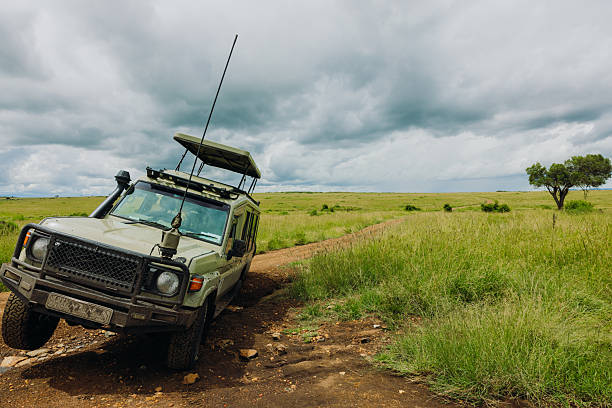
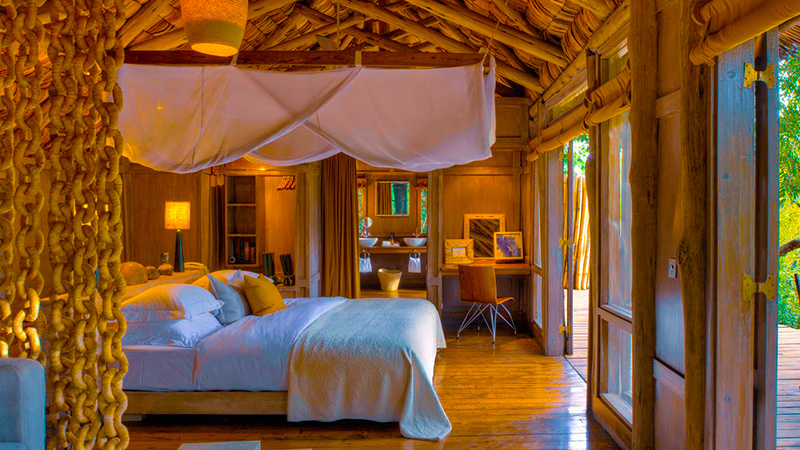
Southern Africa Exploration Journeys: Your Ultimate Planning Guide
Southern Africa offers a diverse and compelling landscape for travelers seeking profound experiences. From the vast plains teeming with wildlife to the dramatic coastlines and ancient cultural sites, this region promises exploration journeys that resonate long after you return home. Planning for such an adventure requires careful consideration of destinations, activities, timing, and logistics. This guide is designed to help you craft the perfect Southern African exploration for 2026-2027, ensuring you make the most of your trip.
Quick Answer: What are the Best Exploration Journeys in Southern Africa?
The best exploration journeys in Southern Africa typically involve a blend of iconic wildlife viewing, stunning natural landscapes, and rich cultural encounters. Key experiences include classic safaris in Botswana’s Okavango Delta and Kruger National Park, exploring the Victoria Falls, discovering the Namib Desert’s grandeur, and experiencing the unique cultures of South Africa and Tanzania. Tailoring these to your interests, budget, and timeframe is crucial for a memorable trip.
Table of Contents
- Quick Facts About Southern Africa Exploration
- Overview: Why Southern Africa for Exploration?
- Why Choose Southern Africa for Your Next Exploration?
- Best Time for Southern Africa Exploration Journeys
- Key Destinations for Exploration Journeys
- Sample Exploration Journey Itineraries
- What to Expect on Your Journey
- Packing and Preparation Essentials
- Common Mistakes to Avoid
- Who Are These Journeys Best For?
- Alternative Exploration Styles
- Planning Your 2026-2027 Southern Africa Journey
- Booking Your Exploration Journey
- Frequently Asked Questions (FAQs)
Quick Facts About Southern Africa Exploration
| Aspect | Details |
|---|---|
| Primary Activities | Wildlife safaris, scenic drives, cultural tours, adventure sports, hiking, city exploration. |
| Key Countries | Botswana, South Africa, Namibia, Zimbabwe, Zambia, Tanzania, Mozambique. |
| Travel Styles | Luxury lodges, self-drive, guided tours, camping, overland expeditions. |
| Best For | Nature lovers, wildlife enthusiasts, adventure seekers, photographers, cultural explorers. |
| Considerations | Vast distances, varying climates, visa requirements, health precautions, booking in advance. |
Overview: Why Southern Africa for Exploration?
Southern Africa is a continent of contrasts and unparalleled natural beauty. It is a region where the wild heart of Africa beats strongest, offering experiences that are both thrilling and deeply moving. For those planning exploration journeys, this part of the continent provides a concentrated array of what makes African travel so compelling: incredible biodiversity, breathtaking geological formations, and a rich human history.
The sheer scale of the landscapes is astonishing. Imagine driving through the Kalahari Desert, witnessing the dramatic meeting of the desert and the sea at the Skeleton Coast, or standing at the edge of the magnificent Victoria Falls. For wildlife enthusiasts, the opportunities are boundless, from tracking the Big Five on a traditional safari to observing unique desert-adapted animals or marine life along the coast.
Beyond the natural wonders, Southern Africa is home to diverse cultures and a complex history. Exploring bustling cities like Cape Town, visiting ancient rock art sites, or engaging with local communities offers a deeper understanding of the region’s human story. The infrastructure for tourism varies, offering options from ultra-luxury lodges to more rugged, adventurous overland trips, catering to a wide range of traveler preferences and budgets.
Why Choose Southern Africa for Your Next Exploration?
When considering exploration journeys, Southern Africa stands out for several compelling reasons:
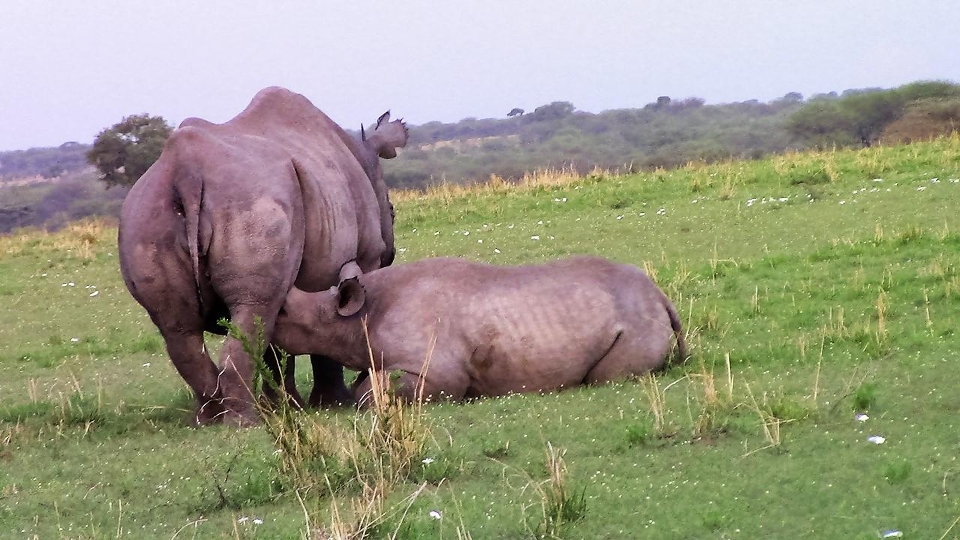
- Unrivaled Wildlife Encounters: Home to some of the most famous national parks and game reserves in the world, including Kruger, Chobe, and the Okavango Delta. The density and diversity of wildlife are exceptional, offering incredible opportunities for spotting lions, elephants, rhinos, leopards, and buffalo, alongside countless other species.
- Spectacular Natural Landscapes: From the iconic Table Mountain and the dramatic Drakensberg Mountains to the vast expanse of the Namib Desert and the roaring Victoria Falls, the geological diversity is immense. These landscapes provide stunning backdrops for any exploration.
- Rich Cultural Heritage: The region boasts a vibrant mix of indigenous cultures, colonial history, and modern influences. Visitors can explore ancient rock art, visit historical sites, and interact with communities, gaining insight into the human tapestry of Southern Africa.
- Diverse Adventure Activities: Beyond safaris, Southern Africa offers a plethora of adrenaline-pumping activities. Think white-water rafting on the Zambezi, bungee jumping at Victoria Falls, sandboarding in Namibia, or hiking in the Drakensberg.
- Developing Tourism Infrastructure: While vast, the region has well-established tourism routes and a range of accommodation options, from luxurious safari lodges and boutique hotels to more budget-friendly guesthouses and camping sites. This makes planning and execution more accessible.
- Photographic Opportunities: The combination of dramatic light, incredible wildlife, and breathtaking scenery makes Southern Africa a paradise for photographers.
Best Time for Southern Africa Exploration Journeys
The ideal time to visit Southern Africa for exploration journeys depends heavily on your priorities, such as wildlife viewing, weather preferences, and avoiding crowds. The region experiences distinct wet and dry seasons, which significantly impact the environment and wildlife behavior.
| Season | Months | Pros | Cons | Best For |
|---|---|---|---|---|
| Dry Season (Winter) | May to October | Vegetation thins, water sources become scarce, concentrating animals around rivers and waterholes. Excellent for game viewing. Cooler, pleasant temperatures, especially in the south. Lower malaria risk in some areas. | Can be cold in the mornings and evenings. Peak tourist season in many areas, potentially higher prices and more crowds. Some migratory birds are absent. | Serious wildlife viewing, photography, bird watching (resident species), hiking in cooler climates. |
| Wet Season (Summer) | November to April | Lush green landscapes, dramatic skies, ideal for birdwatching (migratory species arrive). Baby animals are often born during this time. Lower tourist numbers and prices. Excellent for dramatic photography. | Thicker vegetation can make game viewing harder. Hot and humid conditions, especially in the north. Higher malaria risk in many areas. Some roads may be impassable due to rain. | Birdwatching, photography of landscapes and young animals, budget travel, experiencing lush scenery. |
| Shoulder Seasons | April-May & October-November | Good balance of weather and wildlife viewing. Transition periods often offer pleasant temperatures. Fewer crowds than peak dry season. Vegetation is starting to thin or green up. | Weather can be unpredictable, transitioning between seasons. | General exploration, good game viewing without extreme temperatures or peak crowds. |
Specific Regional Notes for 2026-2027:
- Botswana: The Okavango Delta is best during the dry season (June-October) when floodwaters arrive, creating a unique water-based safari experience.
- South Africa (Kruger): Dry season (May-October) is optimal for game viewing. Cape Town and the Garden Route are pleasant year-round but are best in spring (September-November) and autumn (March-May) for mild weather and fewer crowds. Summer (December-February) is hot and busy.
- Namibia: The dry season (May-October) is ideal for wildlife viewing in Etosha and for exploring the desert landscapes without extreme heat.
- Tanzania (Serengeti/Ngorongoro): The Great Migration’s timing dictates the best viewing. Generally, the dry season (June-October) is excellent for predator-prey action, while the wet season (November-May) is good for birding and seeing newborns.
Key Destinations for Exploration Journeys
Southern Africa is vast, and choosing where to focus your exploration is key. Here are some of the most rewarding destinations:
Botswana: The Okavango Delta & Chobe National Park
Botswana is synonymous with pristine wilderness and exclusive safari experiences. The Okavango Delta, a UNESCO World Heritage site, is an inland delta that floods annually, creating a unique ecosystem of waterways, islands, and floodplains. Chobe National Park is renowned for its massive elephant herds and diverse birdlife.
- Highlights: Mokoro (dugout canoe) excursions, walking safaris, game drives, exceptional birding, elephant encounters.
- Best For: Wildlife purists, luxury safari seekers, those wanting a remote and exclusive experience.
South Africa: Kruger National Park & Cape Town
South Africa offers incredible diversity. Kruger National Park is one of Africa’s largest game reserves, offering abundant wildlife and a range of accommodation options from camping to luxury lodges. Cape Town, with its iconic Table Mountain, vibrant culture, and stunning coastline, provides a perfect urban and natural contrast.
- Highlights: Big Five safaris, scenic drives (Panorama Route), exploring Cape Town’s attractions (Robben Island, V&A Waterfront, Bo-Kaap), wine tasting in Stellenbosch/Franschhoek, Garden Route exploration.
- Best For: First-time safari-goers, those seeking a mix of wildlife and city life, self-drive enthusiasts, diverse interests (history, food, wine, nature).
Namibia: Namib Desert & Etosha National Park
Namibia is a land of stark beauty and dramatic desert landscapes. The Namib Desert, with its towering red dunes of Sossusvlei, is a photographer’s dream. Etosha National Park offers a unique safari experience centered around a vast salt pan where animals congregate at waterholes.
- Highlights: Climbing Dune 45, exploring Deadvlei, scenic flights over the desert, wildlife viewing at Etosha’s waterholes, exploring the Skeleton Coast.
- Best For: Landscape photographers, adventure seekers, those who appreciate solitude and vast open spaces, unique desert wildlife encounters.
Zimbabwe & Zambia: Victoria Falls & Hwange/South Luangwa
These neighboring countries share the mighty Victoria Falls, one of the world’s largest and most spectacular waterfalls. Beyond the falls, Zimbabwe’s Hwange National Park is known for its large elephant populations, while Zambia’s South Luangwa National Park is considered the birthplace of walking safaris and offers exceptional leopard viewing.
- Highlights: Viewing Victoria Falls, white-water rafting, bungee jumping, sunset cruises on the Zambezi, walking safaris in South Luangwa, game drives in Hwange.
- Best For: Adventure enthusiasts, those seeking iconic natural wonders, walking safari aficionados, excellent leopard spotting.
Tanzania: Serengeti, Ngorongoro Crater & Zanzibar
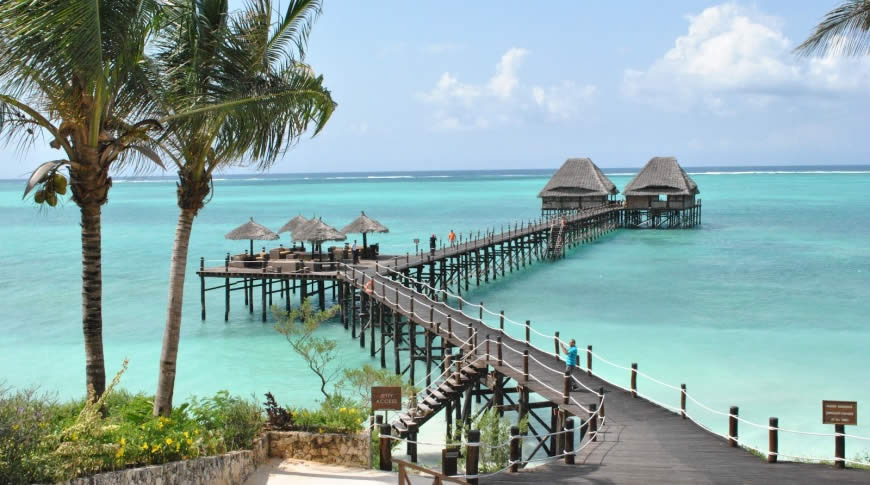
While often considered East Africa, Tanzania’s southern circuit and its proximity make it a relevant destination for Southern Africa exploration, especially when considering broader African journeys. The Serengeti is famous for the Great Migration, and the Ngorongoro Crater offers a dense concentration of wildlife within a collapsed volcano. Zanzibar provides a tropical island escape with rich history.
- Highlights: Witnessing the Great Migration, game drives in the Ngorongoro Crater, cultural visits to Maasai villages, exploring Stone Town in Zanzibar, relaxing on pristine beaches.
- Best For: Experiencing the Great Migration, unique crater safaris, combining safari with beach relaxation, cultural immersion.
Sample Exploration Journey Itineraries
These are just examples, and itineraries can be customized extensively. They are designed to give you a sense of what’s possible for your exploration journeys.
Route 1: Classic Wildlife & Wonders (14 Days)
Focus: Botswana, Zimbabwe/Zambia
| Day | Location | Activities | Accommodation Style |
|---|---|---|---|
| 1-3 | Okavango Delta, Botswana | Fly into Maun, transfer to lodge. Mokoro excursions, game drives, walking safaris. | Luxury Safari Lodge |
| 4-6 | Chobe National Park, Botswana | Transfer to Chobe. Game drives, river safaris focusing on elephants. | Riverside Lodge/Tented Camp |
| 7-8 | Victoria Falls, Zimbabwe/Zambia | Transfer to Victoria Falls. Explore the falls, sunset cruise on Zambezi. | Lodge/Hotel near Falls |
| 9-11 | South Luangwa National Park, Zambia | Fly to Mfuwe. Walking safaris, night game drives. | Safari Camp |
| 12-13 | Lusaka/Livingstone | Relax, optional adventure activities, prepare for departure. | Hotel |
| 14 | Departure | Depart from Lusaka (LUN) or Livingstone (LVI). | – |
Route 2: Desert, Wildlife & Coast (16 Days)
Focus: Namibia, South Africa
| Day | Location | Activities | Accommodation Style |
|---|---|---|---|
| 1-2 | Windhoek, Namibia | Arrive in Windhoek, collect rental vehicle, overnight. | Guesthouse/Hotel |
| 3-5 | Sossusvlei, Namib Desert | Drive to Sossusvlei. Explore Deadvlei, climb Dune 45, scenic drives. | Desert Lodge/Camp |
| 6-8 | Swakopmund/Walvis Bay | Drive to coast. Dune boarding, kayaking with seals, explore town. | Guesthouse/Hotel |
| 9-11 | Etosha National Park | Drive to Etosha. Game drives focusing on waterholes. | Camp/Lodge within park |
| 12-15 | Cape Town, South Africa | Fly from Windhoek to Cape Town. Table Mountain, Robben Island, city exploration, Cape Peninsula tour. | Hotel/Boutique Hotel |
| 16 | Departure | Depart from Cape Town (CPT). | – |
Route 3: Southern Africa Explorer (21 Days)
Focus: South Africa, Botswana, Zimbabwe/Zambia
| Day | Location | Activities | Accommodation Style |
|---|---|---|---|
| 1-4 | Kruger National Park, South Africa | Fly into Hoedspruit/Nelspruit. Self-drive or guided safari in Kruger. | Lodge/Tented Camp |
| 5-6 | Panorama Route & Transfer | Scenic drive, then transfer towards Botswana border. | Guesthouse |
| 7-9 | Chobe National Park, Botswana | Game drives, river safaris. | Riverside Lodge/Tented Camp |
| 10-12 | Okavango Delta, Botswana | Fly to lodge. Mokoro, walking safaris, game drives. | Luxury Safari Lodge |
| 13-15 | Victoria Falls, Zimbabwe/Zambia | Transfer to Victoria Falls. Explore the falls, optional activities. | Lodge/Hotel |
| 16-19 | Cape Town, South Africa | Fly to Cape Town. Table Mountain, city exploration, Peninsula tour. | Hotel/Boutique Hotel |
| 20 | Winelands | Day trip or overnight stay in Stellenbosch/Franschhoek. | Guesthouse/Wine Estate |
| 21 | Departure | Depart from Cape Town (CPT). | – |
What to Expect on Your Journey
Exploration journeys in Southern Africa are characterized by their diversity and the immersive nature of the experiences. Here’s a breakdown of what you can generally anticipate:
- Vast Distances: Southern Africa is enormous. Travel between destinations can involve long drives or internal flights. Factor in travel time when planning your itinerary. Road conditions can vary from excellent highways to rough gravel tracks.
- Wildlife Encounters: Safaris are a core element for many. Expect early morning and late afternoon game drives, often in open 4×4 vehicles. Patience is key; wildlife sightings are not guaranteed but are incredibly rewarding when they happen. Guides are essential for spotting and understanding animal behavior.
- Natural Beauty: Prepare for awe-inspiring landscapes. Whether it’s the scale of Victoria Falls, the stark beauty of the Namib Desert, or the lushness of a riverine ecosystem, the visual impact is profound.
- Cultural Interactions: Depending on your itinerary, you may have opportunities to visit local villages, learn about traditional ways of life, or explore historical sites. Respectful engagement is paramount.
- Accommodation: Options range widely. Luxury lodges offer comfort and excellent service with prime locations. Tented camps provide a more rustic, closer-to-nature feel. Guesthouses and hotels in towns offer standard amenities.
- Climate: Weather can change rapidly. Days can be hot, while mornings and evenings can be surprisingly cool, especially during the dry winter months. Always be prepared for variations.
- Pace of Travel: Exploration journeys can be fast-paced if you’re trying to see many places, or slow and immersive if you focus on one or two regions. Understand your preferred travel rhythm.
Packing and Preparation Essentials
Proper packing and preparation are vital for a comfortable and enjoyable exploration journey. Consider these essentials:
Clothing
- Neutral Colors: Pack earthy tones (khaki, olive green, beige, brown) for safari clothing. Bright colors can startle wildlife. Avoid black and navy blue, which can attract tsetse flies in some areas.
- Layering: Pack lightweight, breathable layers. Mornings and evenings can be cool, especially on game drives, while midday can be hot.
- Comfortable Trousers/Jeans: For game drives and cooler evenings.
- Long-Sleeved Shirts and Trousers: For sun protection and to ward off insects in the evenings.
- Shorts/Skirts: For warmer days.
- Fleece Jacket or Warm Sweater: Essential for early morning/late evening game drives.
- Waterproof Jacket/Poncho: Especially if traveling during the wet season.
- Swimsuit: Many lodges have pools.
- Comfortable Walking Shoes/Hiking Boots: If your itinerary includes walking safaris or hikes.
- Sandals/Flip-flops: For relaxing at the lodge.
Gear and Accessories
- Sun Hat: Wide-brimmed for maximum protection.
- Sunglasses: Polarized are best for reducing glare.
- Sunscreen: High SPF.
- Insect Repellent: With DEET or Picaridin.
- Binoculars: Essential for wildlife viewing. 8×42 or 10×42 are good general-purpose choices.
- Camera and Extra Batteries/Memory Cards: You’ll want to capture everything! Consider a zoom lens.
- Power Adapter/Converter: Check plug types for each country (South Africa uses Type M, others may vary). Power banks are very useful.
- Headlamp or Small Flashlight: Useful for navigating around camps at night.
- Reusable Water Bottle: Stay hydrated and reduce plastic waste.
- Small Backpack/Daypack: For carrying essentials on game drives or day trips.
- Personal First-Aid Kit: Include any personal medications, pain relievers, antiseptic wipes, bandages, and motion sickness medication if needed.
Documents and Health
- Passport: With at least six months’ validity beyond your travel dates and sufficient blank pages.
- Visas: Check requirements for your nationality for each country you plan to visit.
- Yellow Fever Certificate: May be required if traveling from or through an endemic country.
- Travel Insurance: Comprehensive coverage is a must.
- Vaccination Records: Consult your doctor or a travel clinic well in advance regarding recommended vaccinations and malaria prophylaxis.
- Emergency Contact Information: Keep a list handy.
Common Mistakes to Avoid
To ensure your exploration journeys are smooth and enjoyable, be aware of these common pitfalls:
- Underestimating Travel Times: Distances are vast. Always add buffer time for travel between locations, especially if driving. Internal flights can save significant time but add cost.
- Not Booking in Advance: Popular lodges, especially in prime locations like the Okavango Delta or during peak season, can book up 6-12 months ahead for 2026-2027. Especially for unique experiences.
- Packing Too Much: Many lodges have strict luggage weight limits for small aircraft transfers. Stick to soft-sided bags where possible.
- Ignoring Health Advice: Malaria, traveler’s diarrhea, and sunstroke are real risks. Consult your doctor and take necessary precautions.
- Not Budgeting for Extras: Park fees, tips, drinks, souvenirs, and optional activities can add up. Factor these into your overall budget.
- Choosing the Wrong Time to Visit: Visiting during the rainy season might be cheaper, but game viewing can be significantly harder due to dense vegetation and dispersed animals.
- Not Being Flexible: Wildlife sightings, weather, and road conditions can be unpredictable. Embrace flexibility and enjoy the journey.
- Over-scheduling: Trying to cram too much into a short period leads to exhaustion and rushed experiences. Allow time to relax and soak in the atmosphere.
Who Are These Journeys Best For?
Exploration journeys in Southern Africa are ideal for a wide range of travelers, provided they are willing to embrace the spirit of adventure and discovery:
- Passionate Wildlife Enthusiasts: Those who dream of seeing iconic African animals in their natural habitat and are willing to spend time and effort to achieve this.
- Adventure Seekers: Travelers looking for adrenaline-fueled activities alongside their nature and cultural experiences.
- Photographers: Individuals seeking to capture stunning landscapes, unique wildlife, and vibrant cultural moments.
- Nature Lovers: Anyone who appreciates vast, unspoiled landscapes, diverse ecosystems, and the tranquility of the wild.
- Cultural Explorers: Those interested in learning about the history, traditions, and contemporary life of the region’s diverse peoples.
- Couples and Honeymooners: Seeking romantic and exclusive experiences in breathtaking settings.
- Families (with older children): For families with children aged 10+, who can appreciate the wildlife and activities, and handle the travel.
- Those Seeking Meaningful Travel: Travelers looking for experiences that are educational, impactful, and connect them more deeply with the natural world and local communities.
Alternative Exploration Styles
If the classic safari or self-drive isn’t quite what you envision, Southern Africa offers other compelling exploration styles:
- Overland Truck Expeditions: For the budget-conscious and socially inclined traveler, these expeditions cover vast distances, offering a more communal and adventurous way to see the continent. They often involve camping and hands-on participation.
- Luxury Fly-in Safaris: For those who prefer comfort and exclusivity, these trips utilize small aircraft to hop between remote, high-end lodges. This maximizes time on the ground and minimizes travel fatigue, offering a premium experience.
- Self-Drive Adventures: For the independent traveler, renting a 4×4 vehicle offers immense flexibility to explore at your own pace. Namibia and parts of South Africa are particularly well-suited for this. It requires careful planning regarding routes, accommodation, and vehicle preparation.
- Special Interest Tours: Focus on specific passions like birdwatching, photography workshops, conservation-focused trips, or culinary tours.
- Walking Safaris: Particularly renowned in Zambia’s South Luangwa, these offer an intimate and different perspective on the bush, focusing on tracking, smaller details, and a deeper connection with the environment.
Planning Your 2026-2027 Southern Africa Journey
Planning for your 2026-2027 exploration journey should begin well in advance, especially for popular destinations and peak seasons. Here’s a structured approach:
- Define Your Interests: What do you want to see and do? Wildlife, landscapes, culture, adventure? Prioritize your must-haves.
- Set Your Budget: Southern Africa can range from moderately expensive to very high-end. Determine a realistic budget, including flights, accommodation, activities, food, and extras.
- Choose Your Destinations: Based on interests and budget, select 2-3 primary countries or regions. Don’t try to cover too much ground in one trip.
- Decide on Travel Style: Luxury lodge, camping, self-drive, guided tour? This will influence accommodation and transportation choices.
- Determine Travel Dates: Consider the best time of year for your chosen destinations and activities. For 2026-2027, research seasonal patterns and events.
- Research Operators/Guides: For complex itineraries, a reputable tour operator can be invaluable. Look for specialists in Southern African travel.
- Book Flights: International flights are often the largest single expense. Book these as early as possible for better prices.
- Book Accommodation & Internal Transport: Secure your preferred lodges and internal flights/transfers, especially for high season 2026-2027 travel.
- Arrange Visas & Vaccinations: Start this process early, as it can take time.
- Purchase Travel Insurance: Essential for covering unforeseen events.
- Finalize Itinerary & Pack: Review your plans and start packing according to the climate and activities.
2026-2027 Planning Checklist
| Task | Timeline (Months Before Travel) | Status |
|---|---|---|
| Define Interests & Budget | 12-18+ Months | [ ] |
| Research Destinations & Travel Style | 10-15 Months | [ ] |
| Select Tour Operator (if applicable) | 9-12 Months | [ ] |
| Book International Flights | 8-12 Months | [ ] |
| Book Accommodation & Internal Flights/Transfers | 6-10 Months | [ ] |
| Confirm Visa Requirements & Apply | 4-6 Months | [ ] |
| Consult Doctor for Vaccinations & Malaria Prophylaxis | 4-6 Months | [ ] |
| Purchase Comprehensive Travel Insurance | 3-5 Months | [ ] |
| Arrange Car Rental (if self-driving) | 3-5 Months | [ ] |
| Finalize Itinerary Details | 2-3 Months | [ ] |
| Start Packing & Purchase Gear | 1-2 Months | [ ] |
| Confirm All Bookings & Print Documents | 1-2 Weeks | [ ] |
Booking Your Exploration Journey
Booking your Southern Africa exploration journey involves making informed decisions to ensure a safe and rewarding experience. Here’s how to approach it:
- Choose the Right Operator: For complex trips, consider a reputable tour operator. Look for companies with in-depth knowledge of Southern Africa, good reviews, and clear communication. Specialists can craft tailor-made itineraries that perfectly match your interests and budget for 2026-2027.
- DIY vs. Package: A DIY trip offers maximum flexibility but requires significant research and booking individual components. A package tour or custom itinerary from an operator can save time and stress, often leveraging their expertise and relationships for better value or access.
- Understand Inclusions/Exclusions: Carefully review what is included in your booking. Does it cover park fees, meals, drinks, activities, internal flights, and transfers? Clarify any ambiguities.
| Typical Inclusions | Typical Exclusions |
|---|---|
| Accommodation | International flights |
| Most Meals (especially at lodges) | Visas |
| Scheduled Game Drives/Activities | Travel Insurance |
| Park Entrance Fees (often) | Tips and gratuities |
| Transfers between lodges/camps (if fly-in) | Personal expenses (souvenirs, laundry) |
| Local guiding services | Optional activities (e.g., hot air ballooning, spa treatments) |
| – | Drinks and alcoholic beverages (sometimes) |
When contacting operators, be specific about:
- Your desired travel dates (or flexibility).
- Your budget range per person.
- Your must-have experiences and destinations.
- Your preferred travel style (e.g., luxury, mid-range, adventure).
- The number of travelers and their ages.
For expert advice and custom itinerary planning for your Southern Africa exploration journey, especially for 2026-2027, reach out to experienced local operators. They can provide invaluable insights into the best routes, accommodations, and experiences tailored to your needs. Consider getting quotes from a few different specialists to compare options.
Ready to Plan Your Southern Africa Exploration?
Let us help you craft the perfect Southern Africa exploration journey. Whether you dream of vast savannas, dramatic deserts, or the power of Victoria Falls, we can design a trip that exceeds your expectations. Contact us today for a personalized itinerary and expert advice.
WhatsApp: +255616946642
Email: topguideadventures@gmail.com
Backup Email: info@topguideadventures.com
We look forward to helping you plan your 2026-2027 adventure!
Frequently Asked Questions (FAQs)
Q: What are the best exploration journeys in Southern Africa for first-time visitors?
A: For first-time visitors, a combination of South Africa (Kruger for safari, Cape Town for culture and scenery) and Victoria Falls (Zimbabwe/Zambia) offers a fantastic introduction. It balances iconic wildlife, stunning natural wonders, and good infrastructure.
Q: How much does a Southern Africa exploration journey typically cost for 2026-2027?
A: Costs vary greatly based on destinations, accommodation style, duration, and activities. A mid-range 10-day trip might start from $3,000-$5,000 per person, while a luxury 2-week safari could easily exceed $8,000-$10,000+. Budget for flights, accommodation, activities, park fees, meals, and extras.
Q: Is it safe to travel to Southern Africa?
A: Generally, Southern Africa is safe for tourists, especially when traveling with reputable operators and sticking to established tourist routes. It’s important to be aware of your surroundings, especially in urban areas, and follow local advice. Health precautions like malaria prevention are also crucial in certain regions.
Q: What kind of visa do I need for Southern Africa?
A: Visa requirements depend on your nationality and the countries you plan to visit. Many nationalities receive tourist visas on arrival for short stays in countries like South Africa and Botswana. However, it is essential to check the specific visa regulations for each country well in advance of your 2026-2027 trip.
Q: Can I do a self-drive exploration journey in Southern Africa?
A: Yes, self-driving is very popular and feasible in countries like South Africa and Namibia, which have good road networks and readily available rental vehicles (often 4x4s). Botswana and other countries can be more challenging for self-drivers due to road conditions and park regulations. It requires significant planning.
Q: What is the best way to see the Great Migration in Tanzania?
A: The Great Migration is a year-round phenomenon, with the best viewing locations and events changing monthly. To see the river crossings, the best time is typically between July and October in the Western Serengeti. For calving season, visit the Southern Serengeti between January and March. Planning around the migration requires specific timing and location knowledge.
Q: How far in advance should I book my 2026-2027 safari?
A: For prime safari destinations and lodges, especially during peak seasons (dry season), booking 9-12 months in advance is highly recommended. For specific events like the Great Migration or exclusive lodges, booking even earlier might be necessary.
Q: What are the health risks associated with travel in Southern Africa?
A: The primary health concerns include malaria (in certain regions and seasons), yellow fever (vaccination may be required), typhoid, hepatitis A, and traveler’s diarrhea. Consulting a travel doctor 4-6 weeks before your trip is crucial to discuss necessary vaccinations and malaria prophylaxis.
Q: Are there any specific cultural considerations I should be aware of?
A: Respect for local customs and traditions is important. Dress modestly when visiting villages or towns. Always ask permission before taking photographs of people. Be mindful of local etiquette, especially regarding greetings and personal space. Learning a few basic phrases in local languages is always appreciated.
Plan Your Ultimate Southern Africa Exploration Journey
Are you dreaming of the vast plains of the Serengeti, the towering dunes of the Namib Desert, or the thundering spray of Victoria Falls? We specialize in creating unforgettable exploration journeys in Southern Africa. Let our expertise guide you through planning the perfect safari, adventure, or cultural immersion for your 2026-2027 travels.
Get in touch today to start designing your bespoke itinerary:
WhatsApp: +255616946642
Email: topguideadventures@gmail.com
Backup Email: info@topguideadventures.com
Let’s make your best exploration journeys in Southern Africa a reality!
Plan your Best Exploration Journeys in Southern Africa with Top Guide Adventures
Tell us your travel dates, group size, comfort level, and dream experience. We will help you shape a clear, realistic, and memorable Tanzania itinerary.

 Veedesigner
 Fatma Kizanga
 Benjamin Waryuba
 Philip Philip
 John jr Itaja
 Antonia Optatus
 Edith Kanyere
 Neema Iddy
 Kelvin Boniphace
 Damari Maiga



