
Updated planning guide for 2026-2027
Namibia Desert Exploration Expeditions: Complete Guide 2026-2027
Your ultimate guide to Namibia desert exploration expeditions. This detailed resource covers everything from planning and routes to what to pack and when to go for your 2026-2027 trip.
WhatsApp +255616946642 | topguideadventures@gmail.com | info@topguideadventures.com
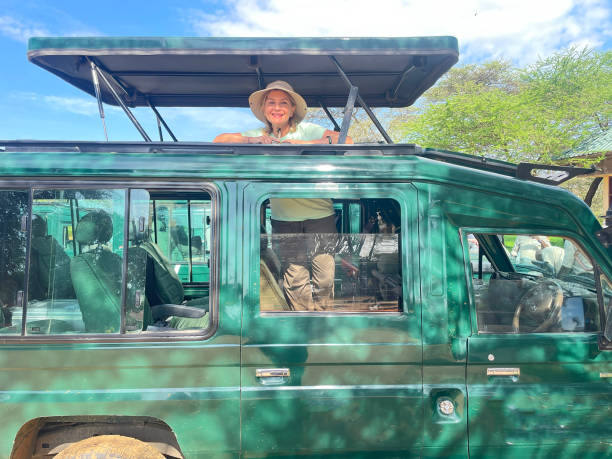
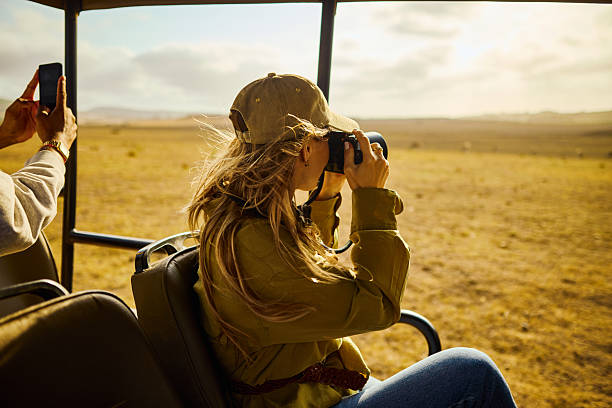
Namibia Desert Exploration Expeditions: The Ultimate Planning Guide
Namibia, a land of stark beauty and dramatic landscapes, offers some of the most awe-inspiring desert exploration expeditions on the African continent. From the towering dunes of Sossusvlei to the rugged Skeleton Coast and the vast emptiness of the Kalahari, this country promises an unforgettable journey for the adventurous traveler. If you’re considering Namibia desert exploration expeditions, this guide is designed to provide you with all the essential information needed to plan a successful and memorable trip for 2026-2027.
Quick Answers for Namibia Desert Expeditions
What are the main desert regions in Namibia? The most prominent are the Namib Desert (including Sossusvlei and Deadvlei), the Kalahari Desert, and the Skeleton Coast.
When is the best time for desert exploration in Namibia? The dry season, from May to October, offers cooler temperatures and better wildlife viewing opportunities.
What kind of activities can I expect? Dune climbing, photography, wildlife spotting, visiting ancient rock art sites, and exploring shipwrecks.
Is Namibia safe for desert expeditions? Yes, with proper planning and reputable tour operators, Namibia is a safe destination.
How long should a typical desert expedition be? Most expeditions range from 7 to 14 days to cover key desert areas.
Table of Contents
- Namibia’s Desert Wonders: An Overview
- Why Choose Namibia for Desert Expeditions?
- Best Time for Namibia Desert Exploration Expeditions (2026-2027)
- Key Desert Regions for Exploration
- Sample Namibia Desert Exploration Itinerary (10 Days)
- What to Expect on Your Expedition
- Essential Packing and Preparation
- Common Mistakes to Avoid
- Who Are Namibia Desert Expeditions Best Suited For?
- Alternatives to a Full Desert Expedition
- Planning Your 2026-2027 Namibia Desert Expedition
- Booking Your Namibia Desert Expedition
- Frequently Asked Questions
Namibia’s Desert Wonders: An Overview
Namibia’s deserts are not just expanses of sand; they are dynamic ecosystems teeming with life adapted to extreme conditions. The Namib Desert, one of the oldest deserts in the world, stretches along the Atlantic coast, characterized by its iconic red sand dunes that meet the sea. Inland, the Kalahari Desert presents a different face, with sand sheets and sparse vegetation supporting a unique array of wildlife. These landscapes offer unparalleled opportunities for exploration, photography, and a profound connection with nature.
Organizing Namibia desert exploration expeditions requires careful consideration of logistics, weather, and the specific experiences you wish to have. Whether you dream of witnessing the sunrise over Dune 45, exploring the haunting beauty of the Skeleton Coast, or experiencing the silence of the vast desert plains, a well-planned expedition will ensure you make the most of this extraordinary destination.
Quick Facts for Namibia Desert Exploration
| Aspect | Details |
|---|---|
| Primary Desert Areas | Namib Desert (Sossusvlei, Deadvlei, Namib-Naukluft Park), Kalahari Desert, Skeleton Coast |
| Best Time to Visit | May to October (Dry Season) |
| Average Temperatures | Dry Season: 10-25°C (day), 0-10°C (night). Wet Season: 20-35°C (day). |
| Key Activities | Dune climbing, photography, stargazing, wildlife viewing, exploring shipwrecks, scenic drives, cultural visits. |
| Visa Requirements | Varies by nationality; check with your embassy. Many nationalities do not require a visa for short tourist stays. |
| Currency | Namibian Dollar (NAD), pegged to the South African Rand (ZAR). ZAR is widely accepted. |
| Language | English (official), Afrikaans, German, various indigenous languages. |
| Driving | Self-drive is popular, but requires a 4×4 vehicle for many desert tracks. Roads can be gravel. |
| Connectivity | Limited in remote desert areas. Consider a satellite phone for emergencies. |
Why Choose Namibia for Desert Expeditions?
Namibia stands out for several reasons when it comes to desert exploration:
- Dramatic Scenery: The sheer scale and color of the dunes, especially at sunrise and sunset, are breathtaking. The contrast between the red sands, blue skies, and stark white clay pans is visually stunning.
- Unique Wildlife Adaptations: Witness animals that have evolved to survive in harsh desert conditions, such as desert-adapted elephants, lions, oryx, and various reptiles.
- Vastness and Solitude: Namibia offers a sense of immense space and tranquility. You can travel for hours without seeing another soul, allowing for a deep connection with the environment.
- Photography Paradise: The light, the landscapes, and the wildlife provide endless opportunities for incredible photographs. The shifting sands create ever-changing patterns.
- Adventure Activities: From quad biking on dunes to hot air ballooning over the desert and exploring shipwrecks, there are numerous ways to experience the desert actively.
- Cultural Encounters: Meet indigenous communities like the Himba and San people, who have lived in these desert environments for centuries and possess deep knowledge of the land.
Best Time for Namibia Desert Exploration Expeditions (2026-2027)
The ideal time for Namibia desert exploration expeditions largely depends on your priorities, but generally, the dry season is favored.
Seasonality for Namibia Desert Travel
| Season | Months | Pros | Cons | Suitability for Desert Exploration |
|---|---|---|---|---|
| Dry Season | May – October | Cooler daytime temperatures, less humidity, clear skies, better wildlife viewing (animals congregate at waterholes), ideal for trekking and extensive exploration. High season for tourism. | Can be cold at night (especially June-August), higher prices, more crowds. | Excellent. This is the prime time for Namibia desert exploration expeditions due to comfortable daytime temperatures and accessible conditions. |
| Wet Season (Summer) | November – April | Warmer temperatures, lush vegetation (especially inland), fewer tourists, lower prices, dramatic thunderstorms, better for birding. | Very hot, especially inland (can exceed 40°C), high humidity, potential for road closures due to rain, wildlife disperses. | Fair to Good. While mornings and evenings can be pleasant, midday heat can be extreme. Some areas may be inaccessible. Offers a different, greener landscape. Consider for 2026-2027 if you prefer fewer crowds and don’t mind the heat. |
For 2026-2027, if comfortable temperatures and optimal wildlife viewing are your main goals, aim for the dry season (May to October). If you prefer fewer crowds and don’t mind the heat, the shoulder months of November and April can also be good options.
Key Desert Regions for Exploration
Namibia’s desert landscape is diverse. Here are the primary areas you’ll encounter on Namibia desert exploration expeditions:
1. Namib-Naukluft National Park (Sossusvlei, Deadvlei, Sesriem)
This is the heart of Namibia’s desert iconography. Famous for its towering red sand dunes, some of the highest in the world, and the surreal white clay pan of Deadvlei dotted with ancient camel thorn trees.
- Sossusvlei: The main gathering point for stunning dunes.
- Dune 45: A popular dune for sunrise climbs, accessible by vehicle.
- Big Daddy: The highest dune, offering panoramic views.
- Deadvlei: A white clay pan with ancient, petrified camel thorn trees, creating a stark, artistic landscape.
- Sesriem Canyon: A narrow gorge carved by the Tsauchab River, offering a different geological perspective.
Access is typically via the town of Sesriem, the gateway to the park. Most visitors stay inside or just outside the park for early access to the dunes before the heat sets in.
2. Skeleton Coast National Park
This desolate, fog-bound stretch of coastline is where the Namib Desert meets the cold Atlantic Ocean. It’s known for its dramatic shipwrecks, seal colonies, and stark, beautiful landscapes. The southern part is more accessible, while the northern part requires special permits and often involves organized fly-in safaris.
- Shipwrecks: Numerous vessels lie stranded on the shore, testaments to the treacherous conditions.
- Cape Cross Seal Reserve: While not strictly in the park, it’s a nearby highlight with thousands of Cape fur seals.
- Unique Desert Flora and Fauna: Adapted to the coastal fog.
Exploration here often involves 4×4 vehicles or specialized tours due to the challenging terrain and remoteness.
3. Kalahari Desert
Stretching across Namibia’s eastern side, the Kalahari is not a true desert in the sense of having vast sand seas like the Namib. It’s characterized by red sand sheets, savanna-like vegetation, and dry riverbeds. It supports a different kind of wildlife, including meerkats, springbok, and the famous Kalahari lion.
- Game Viewing: Better opportunities for seeing larger mammals compared to the hyper-arid Namib.
- San Culture: Home to the San people, who have a deep connection to this environment.
- Stargazing: The clear, unpolluted skies are perfect for astronomy.
Often visited as part of a broader Namibia tour, it offers a contrast to the coastal desert.
4. Damaraland
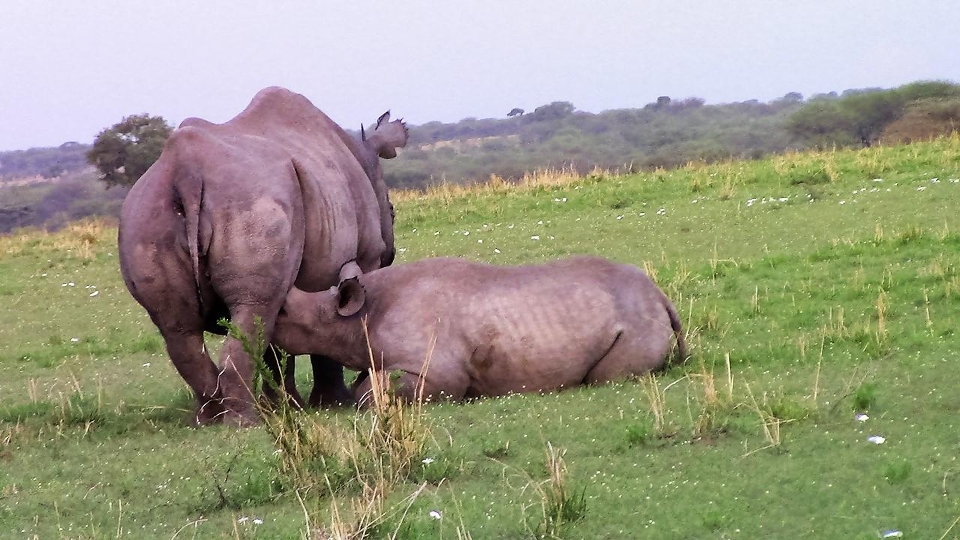
While not exclusively desert, Damaraland features arid, rocky plains and desert-adapted wildlife, including the rare desert-adapted elephants and black rhinos. It offers dramatic geological formations, ancient rock art sites (like Twyfelfontein), and a sense of rugged, ancient landscape.
Sample Namibia Desert Exploration Itinerary (10 Days)
This itinerary focuses on the iconic Namib Desert and offers a blend of landscapes and activities. It assumes arrival and departure from Windhoek and is suitable for Namibia desert exploration expeditions in 2026-2027.
Day 1: Arrival in Windhoek & Preparation
Arrive at Hosea Kutako International Airport (WDH), Windhoek. Pick up your rental vehicle (ideally a 4×4) or meet your guide. Overnight in Windhoek. Prepare for your desert journey – purchase supplies, water, and any last-minute items.
Day 2: Windhoek to Sesriem
Drive south from Windhoek towards Sesriem (approx. 4-5 hours). The landscape gradually becomes more arid. Check into your accommodation near Sesriem. Visit the Sesriem Canyon in the late afternoon.
Day 3: Sossusvlei & Deadvlei Sunrise
Enter the Namib-Naukluft Park at sunrise to experience the magic of the dunes in the best light. Visit Dune 45, climb Big Daddy, and explore the surreal beauty of Deadvlei with its ancient trees. Return to Sesriem in the late afternoon.
Day 4: Sesriem to Swakopmund
Drive west towards the coast and Swakopmund (approx. 4-5 hours). The route takes you through dramatic desert landscapes, crossing the Tropic of Capricorn. Arrive in Swakopmund, a charming coastal town with German colonial architecture. Relax and enjoy the cooler coastal air.
Day 5: Swakopmund & Walvis Bay Activities
Explore Swakopmund or take a trip to nearby Walvis Bay. Options include a marine cruise (dolphins, seals, pelicans), kayaking, sandboarding, quad biking in the dunes, or a scenic flight over the coast and desert.
Day 6: Swakopmund to Damaraland (Twyfelfontein Area)
Drive north along the coast towards Henties Bay, then turn inland towards Damaraland (approx. 4-6 hours). This region is known for its stark, rocky mountains and ancient geological formations. Visit the rock engravings at Twyfelfontein (a UNESCO World Heritage Site).
Day 7: Damaraland Exploration (Desert-Adapted Elephants)
Focus on exploring the Damaraland landscape. This could include a guided excursion to search for desert-adapted elephants or black rhinos in the Torra Conservancy or similar areas. Visit the Organ Pipes and Burnt Mountain.
Day 8: Damaraland to Etosha National Park (Southern Gate)
Drive towards Etosha National Park (approx. 4-5 hours). Enter Etosha via the Andersson Gate and begin your first game drive, heading towards Okaukuejo Camp. The focus here shifts from pure desert to desert-adapted wildlife within the park.
Day 9: Etosha National Park Game Drives
Full day of game drives in Etosha, focusing on waterholes where animals congregate. Explore different areas of the park. Etosha offers a unique wildlife experience in an arid environment.
Day 10: Etosha to Windhoek & Departure
Enjoy a final morning game drive in Etosha. Drive back to Windhoek (approx. 4-5 hours). Depending on your flight schedule, you can head directly to Hosea Kutako International Airport for departure or spend an extra night in Windhoek.
This is a suggested route; custom Namibia desert exploration expeditions can be tailored to include more time in specific areas, different regions like the Kalahari, or more adventurous activities.
What to Expect on Your Expedition
Namibia desert exploration expeditions offer a unique set of experiences and challenges:
- Vast Landscapes: Prepare for immense open spaces, dramatic dune formations, and rugged terrain. The scale is difficult to comprehend until you are there.
- Extreme Temperatures: While daytime temperatures in the dry season can be pleasant (20-25°C), mornings and evenings can be surprisingly cold, dropping to near freezing. The wet season brings intense heat.
- Dust and Sand: Expect dust and sand to be pervasive. A good quality vehicle and careful packing are essential.
- Limited Amenities: Outside of main towns and lodges, facilities are scarce. Be prepared for long drives between services.
- Stunning Light: The desert light is incredible, especially during the golden hours of sunrise and sunset, creating dramatic shadows and vibrant colors on the dunes.
- Silence and Stars: The quiet of the desert is profound. At night, the lack of light pollution reveals an astonishingly clear view of the Milky Way and countless stars.
- Wildlife Encounters: While not as dense as in some other African parks, Namibia’s deserts host fascinating adapted wildlife. Patience is key.
Essential Packing and Preparation
Proper preparation is crucial for Namibia desert exploration expeditions. Here’s a guide:
Packing Checklist for Desert Expeditions
- Clothing:
- Lightweight, breathable clothing (long-sleeved shirts and trousers) for sun protection.
- Warm layers (fleece jacket, thermal base layers) for cold mornings and evenings.
- Comfortable walking shoes or hiking boots.
- Sandals or flip-flops for camp/lodge.
- Hat with a wide brim for sun protection.
- Scarf or buff to protect against sand and dust.
- Swimsuit (for lodges with pools).
- Health & Safety:
- High SPF sunscreen.
- Insect repellent (though less critical in dry desert areas).
- Personal first-aid kit.
- Any personal medications.
- Hand sanitizer.
- Sunglasses.
- Gear:
- Camera and plenty of memory cards/batteries.
- Binoculars for wildlife viewing.
- Reusable water bottles.
- Headlamp or flashlight with extra batteries.
- Power bank or car charger for electronics.
- A good quality backpack or daypack.
- Optional: Small portable cooler for drinks/snacks.
- Optional: Satellite phone if venturing into extremely remote areas without coverage.
- Documents:
- Passport and visa (if required).
- Driver’s license (and International Driving Permit if needed).
- Copies of important documents (stored separately).
- Travel insurance details.
Preparation Tips:
- Vehicle: If self-driving, ensure your 4×4 is in excellent condition. Check tire pressure, spare tires, and carry basic tools. Consider renting from a reputable company.
- Water: Carry significantly more water than you think you’ll need. Dehydration is a serious risk.
- Navigation: GPS is essential, but also carry physical maps and know how to use them. Download offline maps.
- Communication: Mobile signal is often non-existent. Inform someone of your itinerary and expected return times.
- Bookings: Accommodation and popular activities (like Sossusvlei lodge access) should be booked well in advance, especially for peak seasons in 2026-2027.
Common Mistakes to Avoid
To ensure your Namibia desert exploration expeditions are smooth and enjoyable, be aware of these common pitfalls:
- Underestimating Distances: Namibia is vast. Distances between attractions can be long, and driving times are often underestimated due to gravel roads.
- Not Carrying Enough Water: This is a critical safety issue. Always have ample water supply, especially when driving between destinations or on longer excursions.
- Driving After Dark: Roads are unlit, and wildlife (including large animals like kudu and oryx) frequently crosses them, posing a significant accident risk.
- Not Booking in Advance: Especially for popular lodges inside national parks (like Sesriem) or during peak season (mid-2026 to late-2027), accommodation can fill up months ahead.
- Choosing the Wrong Vehicle: A standard 2WD vehicle is unsuitable for most desert tracks and roads in national parks. A 4×4 is highly recommended.
- Ignoring Weather Conditions: While the dry season is generally pleasant, extreme heat can still occur, and sudden sandstorms or rain (in the wet season) can impact travel.
- Over-scheduling: Trying to fit too much into a short trip leads to rushed experiences and exhaustion. Allow time for spontaneous stops and relaxation.
- Lack of Communication Plan: Not informing anyone of your detailed itinerary and expected check-in times can be dangerous in remote areas.
Who Are Namibia Desert Expeditions Best Suited For?
Namibia desert exploration expeditions appeal to a specific type of traveler:
- Adventure Seekers: Those who enjoy exploring rugged landscapes, driving on gravel roads, and potentially engaging in activities like hiking or sandboarding.
- Photographers: The unique light, dramatic landscapes, and adapted wildlife offer unparalleled photographic opportunities.
- Nature Enthusiasts: Individuals fascinated by unique ecosystems, geology, and wildlife that has adapted to extreme environments.
- Those Seeking Solitude: Travelers who appreciate vast, open spaces, quietude, and a sense of remoteness.
- Independent Travelers: Those comfortable with self-driving (with a 4×4) or working with organized tour operators who manage logistics.
- Culture Enthusiasts: Travelers interested in learning about the traditional lifestyles of indigenous groups like the San and Himba.
These expeditions are generally less suited for travelers who prefer luxury resorts with constant amenities, easily accessible attractions, or who are uncomfortable with driving long distances on potentially challenging roads.
Alternatives to a Full Desert Expedition
If a full-blown desert expedition feels too intense or time-consuming, consider these alternatives that still offer desert experiences:
- Focused Sossusvlei Visit: Spend 2-3 nights near Sesriem, focusing solely on exploring Sossusvlei, Deadvlei, and Sesriem Canyon. This can be incorporated into a broader Namibia tour without committing to extensive desert travel.
- Day Trips from Swakopmund: Base yourself in Swakopmund and take day trips into the nearby desert landscapes for activities like quad biking, sandboarding, or scenic drives.
- Desert-Adapted Wildlife Safaris: Focus on areas like Damaraland or parts of Etosha where you can see desert-adapted animals without necessarily traversing the deepest desert regions.
- Kalahari Lodge Stays: Experience the unique environment of the Kalahari from a comfortable lodge, which often offers guided walks and game drives focusing on local wildlife and culture.
- Combination Tours: Many operators offer tours that combine desert highlights with other Namibian attractions like Etosha, the Caprivi Strip, or the coast, providing a diverse but less desert-intensive experience.
Planning Your 2026-2027 Namibia Desert Expedition
Planning ahead is key for a successful trip, especially for 2026-2027. Here’s a timeline and considerations:
Timeline for 2026-2027 Namibia Desert Expeditions
- 12-18 Months Prior:
- Research destinations and types of desert experiences.
- Determine your budget range.
- Decide on the best time of year for your trip (considering 2026-2027 seasonality).
- Start researching tour operators or car rental companies.
- 9-12 Months Prior:
- Book your international flights.
- Book your preferred accommodation, especially lodges inside national parks or popular camps.
- Book guided tours or safaris if not self-driving.
- Book your rental vehicle (4×4 is highly recommended).
- 3-6 Months Prior:
- Confirm all bookings.
- Apply for visas if necessary.
- Arrange travel insurance.
- Start purchasing essential gear (clothing, camera equipment, etc.).
- 1-2 Months Prior:
- Plan your detailed itinerary, including driving times and stops.
- Purchase any necessary medications or first-aid supplies.
- Inform your bank of your travel dates.
- 2-4 Weeks Prior:
- Confirm car rental pickup details.
- Pack your bags, ensuring you have all essentials.
- Download offline maps and useful apps.
- Get any necessary vaccinations or health advice from your doctor.
- During the Trip:
- Stay hydrated, use sun protection, and drive safely.
- Be flexible – travel in Namibia can sometimes involve unexpected delays.
- Enjoy the incredible landscapes and experiences!
Booking Your Namibia Desert Expedition
Choosing the right way to book your Namibia desert exploration expeditions is crucial for a positive experience. You have a few primary options:
- Self-Drive: This offers the most flexibility and freedom. You’ll need to rent a reliable 4×4 vehicle, plan your own route, book accommodation, and manage all logistics. It requires more planning and a good understanding of driving conditions in Namibia. Ensure your rental includes adequate insurance and consider a satellite phone for remote areas.
- Guided Group Tours: These are often more budget-friendly and handle all the planning and driving. You travel with a small group in a specialized vehicle, led by an experienced guide. This is a great option if you prefer not to drive or want to benefit from local knowledge.
- Private Guided Safaris: The most personalized and often most luxurious option. You’ll have a private vehicle and a dedicated guide, allowing you to customize the itinerary entirely to your interests. This is typically the most expensive option but offers unparalleled comfort and tailored experiences.
- Custom Itinerary Planning: Work with a specialist tour operator to design a bespoke itinerary based on your preferences, budget, and timeframe. They will book all components for you.
When booking for 2026-2027:
- Research Operators: Look for companies with extensive experience in Namibia and positive reviews. Check their sustainability practices.
- Understand Inclusions/Exclusions: Be clear about what is covered (accommodation, meals, activities, park fees, vehicle rental, guide services) and what is not (international flights, visas, personal expenses, tips).
- Ask Questions: Don’t hesitate to ask your tour operator about vehicle types, accommodation standards, guide qualifications, and cancellation policies.
- Read the Fine Print: Understand payment terms, cancellation policies, and what happens in case of unforeseen circumstances.
For assistance in planning your perfect Namibia desert exploration expeditions, consider reaching out to experts who know the region intimately. We can help craft a memorable journey tailored to your desires.
Ready to Plan Your Namibia Desert Expedition?
Let us help you design an unforgettable adventure. Whether you envision a self-drive exploration or a fully guided tour, our team is here to assist. We specialize in creating custom travel experiences across Tanzania and can extend our expertise to help you plan incredible journeys to destinations like Namibia.
Contact us today to start planning your 2026-2027 Namibia desert exploration expeditions:
WhatsApp: +255616946642
Email: topguideadventures@gmail.com
Backup Email: info@topguideadventures.com
Frequently Asked Questions
Q1: Is it possible to visit Namibia desert exploration expeditions with a standard car?
A1: For the most rewarding and safest experience, a 4×4 vehicle is highly recommended for Namibia desert exploration expeditions. While main roads between towns are often paved, accessing national parks like Namib-Naukluft, driving on sand tracks, or exploring remote areas almost always requires a 4×4. A standard car may limit your access and increase the risk of getting stuck.
Q2: How much water should I carry for desert drives?
A2: It’s crucial to carry plenty of water. A general guideline is at least 5 liters per person per day, especially during hotter months or when undertaking strenuous activities. Always carry more than you think you’ll need, as running out of water in the desert can be dangerous. Many lodges and camps offer bottled water for purchase.
Q3: What are the accommodation options in the desert regions?
A3: Accommodation ranges from luxury lodges with pools and fine dining to more rustic guesthouses, campsites, and remote safari camps. Staying inside national parks, like near Sesriem, offers the advantage of early access to attractions. Booking well in advance is essential, particularly for popular lodges and for 2026-2027 travel.
Q4: Can I drive myself or is a guided tour better for Namibia desert exploration expeditions?
A4: Both self-driving and guided tours are excellent options, depending on your preference and comfort level. Self-driving offers ultimate freedom but requires careful planning and vehicle preparation. Guided tours provide expert local knowledge, handle logistics, and can be more relaxing. For remote or challenging areas, a guided tour might be preferable for safety and access.
Q5: What kind of wildlife can I expect to see in the Namib Desert?
A5: While the Namib is arid, you can still spot unique wildlife adapted to the conditions. Look out for desert-adapted elephants (in specific areas like Damaraland), oryx, springbok, kudu, Hartmann’s mountain zebra, various reptiles, and smaller mammals like meerkats. Birdlife is also present, especially near water sources or along the coast.
Q6: How do I deal with the heat and sun exposure?
A6: The sun is intense. Always wear a wide-brimmed hat, sunglasses, and high SPF sunscreen. Wear lightweight, long-sleeved clothing and trousers for protection. Drink plenty of water to stay hydrated. Plan strenuous activities for the cooler parts of the day, early morning or late afternoon.
Q7: Is mobile phone reception reliable in the desert?
A7: Mobile phone reception is very limited and often non-existent in most desert areas. It’s best to assume you will be out of contact. Inform your tour operator or a trusted contact of your full itinerary and expected timings. For emergencies in very remote locations, a satellite phone might be considered.
Q8: What are the typical costs associated with Namibia desert exploration expeditions?
A8: Costs vary significantly based on accommodation style, transport (self-drive vs. guided), duration, and activities. Budget for vehicle rental (if self-driving), fuel, park entrance fees, accommodation, food, and optional activities. Guided tours will have a package price that includes most of these elements. Planning for 2026-2027 means considering potential price adjustments.
Q9: Are there any specific safety concerns for Namibia desert exploration expeditions?
A9: Key safety concerns include dehydration, heatstroke, getting lost, vehicle breakdowns in remote areas, and driving hazards (wildlife, unpaved roads). Adhering to safety advice, proper preparation, and choosing reputable operators significantly mitigates these risks. Always inform someone of your plans.
Q10: What is the best way to book a Namibia desert exploration expedition for 2026-2027?
A10: For 2026-2027 Namibia desert exploration expeditions, booking through a reputable tour operator is highly recommended. They have the local knowledge to arrange reliable transport, suitable accommodation, and well-planned itineraries, ensuring a smooth and safe adventure. Contacting experienced operators early is advisable due to high demand.
Plan your Namibia Desert Exploration Expeditions with Top Guide Adventures
Tell us your travel dates, group size, comfort level, and dream experience. We will help you shape a clear, realistic, and memorable Tanzania itinerary.

 Veedesigner
 Fatma Kizanga
 Benjamin Waryuba
 Philip Philip
 John jr Itaja
 Antonia Optatus
 Edith Kanyere
 Neema Iddy
 Kelvin Boniphace
 Damari Maiga



