
Updated planning guide for 2026-2027
Kalahari Desert Adventure Journeys: Complete Guide 2026-2027
This comprehensive guide details everything you need for an unforgettable Kalahari Desert adventure journey. From planning and seasonality to unique experiences and booking advice, prepare for an incredible trip.
WhatsApp +255616946642 | topguideadventures@gmail.com | info@topguideadventures.com
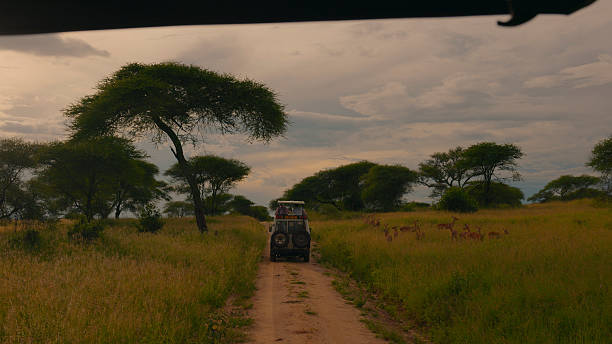
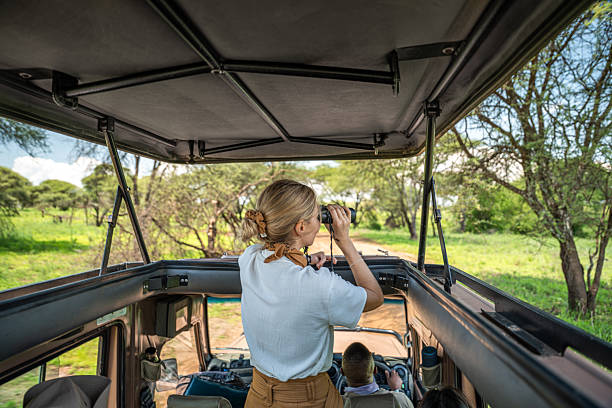
Kalahari Desert Adventure Journeys: Your Ultimate Planning Guide
The Kalahari Desert, a vast semi-arid savanna stretching across Botswana, Namibia, and South Africa, offers some of the most unique and compelling adventure journeys on the African continent. While often associated with its iconic red sands and sparse vegetation, the Kalahari is a surprisingly diverse ecosystem teeming with specialized wildlife and rich cultural heritage. Planning a trip here requires careful consideration of the environment, the best times to visit, and the type of experiences you seek. This guide provides an in-depth look at creating unforgettable Kalahari Desert adventure journeys, specifically tailored for travelers looking to explore this remarkable region in 2026 and 2027.
Quick Overview of Kalahari Adventures
Kalahari adventure journeys are distinct from the classic savanna safaris of East Africa. They focus on the unique adaptations of life in an arid environment, the stark beauty of the landscape, and interactions with cultures that have thrived here for millennia. Expect activities like tracking desert-adapted wildlife, exploring ancient rock art sites, experiencing the vastness of the desert by quad bike or on foot, and stargazing under incredibly clear skies.
| Feature | Details |
|---|---|
| Primary Location | Botswana, Namibia, South Africa |
| Key Activities | Wildlife viewing (desert-adapted species), cultural tours, quad biking, walking safaris, stargazing, photography, 4×4 expeditions. |
| Best Time to Visit | May to October (cooler, drier season) |
| Travel Style | Remote, adventurous, often requires 4×4 vehicles, can be self-drive or guided. |
| Wildlife Highlights | Meerkats, Kalahari lions, oryx, springbok, cheetah, wild dogs, various bird species. |
| Cultural Encounters | San (Bushmen) communities, traditional lifestyle insights. |
Why Choose the Kalahari for Your Next Adventure?
The Kalahari offers a profound sense of space and solitude rarely found elsewhere. It’s a destination for those who appreciate subtle beauty, the resilience of life, and a connection with nature that feels raw and authentic. Unlike the dense bush of other African parks, the Kalahari’s open plains and sparse vegetation allow for incredible visibility, making wildlife sightings a different, often more intimate, experience. The iconic red sands, the iconic quiver trees, and the endless horizons create a dramatic backdrop for any adventure.
For travelers seeking an alternative to the crowded national parks or looking for a truly unique African experience, the Kalahari delivers. It’s a place to disconnect from the modern world and reconnect with the fundamental elements of survival and natural beauty. Your Kalahari Desert adventure journeys can be as demanding or as relaxed as you wish, but they will undoubtedly be memorable.
Understanding the Kalahari Landscape and Ecosystem
The term ‘desert’ is somewhat misleading. Much of the Kalahari is classified as semi-arid savanna, receiving between 100mm and 500mm of rainfall annually, primarily during the summer months (November to April). This rain supports a surprising variety of life, though it is concentrated and often seasonal. The landscape is characterized by vast sandy plains, rolling dunes, and sparse acacia trees, grasses, and shrubs. During the wet season, the landscape transforms, with temporary pans filling with water and attracting large numbers of animals.
The wildlife here is highly adapted. Species like the Oryx (Gemsbok) can survive for long periods without drinking, obtaining moisture from their food. Lions in the Kalahari are known for their impressive dark manes and their ability to hunt across vast distances. Meerkats, with their charming social structures, are a highlight for many visitors. Birdlife is also diverse, with many species adapted to arid conditions.
Best Time for Kalahari Desert Adventure Journeys (2026-2027)
The timing of your visit significantly impacts your Kalahari experience. The region has two main seasons:
| Season | Months | Conditions | Pros for Adventure | Cons for Adventure |
|---|---|---|---|---|
| Dry Season (Winter) | May – October | Cooler temperatures (can be cold at night), minimal rainfall, clear skies. | Excellent for wildlife viewing as animals congregate around water sources. Comfortable daytime temperatures for activities. Ideal for photography. | Nights can be very cold. Vegetation is sparser, which can make tracking harder in some areas. |
| Wet Season (Summer) | November – April | Hot temperatures, higher humidity, frequent (often afternoon) thunderstorms. | The landscape is greener and more vibrant. Excellent for birdwatching. Some animals give birth, leading to more activity. Fewer tourists. | Extreme heat can make daytime activities uncomfortable. Roads can become challenging or impassable due to rain. Wildlife disperses. |
For most travelers seeking classic Kalahari Desert adventure journeys, the dry season (May to October) is recommended. The cooler temperatures are more pleasant for activities like walking safaris and 4×4 drives, and the concentrated wildlife makes for more rewarding viewing. Planning for 2026 or 2027 means booking well in advance, especially for peak dry season months.
Key Regions for Kalahari Adventures
While the Kalahari spans three countries, certain areas are particularly renowned for adventure travel:
Botswana: Central Kalahari Game Reserve (CKGR) and Makgadikgadi Pans
The Central Kalahari Game Reserve is one of the largest conservation areas in the world. It’s known for its remote feel, vast open spaces, and unique desert-adapted wildlife, including lions, cheetahs, and meerkats. The Makgadikgadi Pans, a massive salt pan system, offer a starkly beautiful landscape, especially during the wet season when it attracts flamingos and wildebeest. Activities here include guided 4×4 expeditions, walking safaris, and cultural visits to San communities.
Namibia: Namib-Naukluft National Park and Deception Valley
Namibia’s portion of the Kalahari is characterized by its iconic red dunes, particularly around Sossusvlei. While Sossusvlei itself is more of a desert landscape than a savanna, the surrounding areas and areas like Deception Valley offer opportunities for exploring unique desert flora and fauna. Activities can include dune driving, exploring ancient dry riverbeds, and experiencing the profound silence of the desert.
South Africa: Kgalagadi Transfrontier Park
This park, a merger of South Africa’s Kalahari Gemsbok National Park and Botswana’s Gemsbok National Park, is a prime destination for Kalahari Desert adventure journeys. It’s renowned for its high predator density, especially lions, cheetahs, and leopards, and its dramatic red sand dunes. It offers excellent opportunities for self-drive safaris and for those who enjoy photography.
Sample Itinerary: A 10-Day Kalahari Desert Adventure Journey (Botswana Focus)
This sample itinerary focuses on a guided experience in Botswana, combining the Central Kalahari Game Reserve with a taste of the Makgadikgadi Pans. This is an example to illustrate the possibilities for your 2026-2027 adventure.
Day 1-2: Arrival in Maun & Transfer to CKGR Gateway
Arrive at Maun Airport (MUB), Botswana. Meet your guide and transfer to a lodge near the CKGR boundary. Briefing on the upcoming adventure and acclimatization.
Day 3-5: Exploring the Central Kalahari Game Reserve
Enter the CKGR. Spend days on guided game drives, focusing on tracking desert-adapted wildlife like lions, cheetahs, springbok, and oryx. Visit Deception Valley, known for its open plains and excellent predator sightings. Enjoy sundowners amidst the vast landscapes. Nights spent at a remote fly-in camp or a well-equipped mobile camping site.
Day 6: Cultural Immersion with a San Community
Visit a local San community. Learn about their traditional way of life, hunting techniques, and deep knowledge of the desert environment. This is a respectful, pre-arranged cultural exchange.
Day 7-8: Makgadikgadi Pans Experience
Travel towards the Makgadikgadi Pans. Depending on the season, you might witness the incredible migration of zebra and wildebeest (during the wet season) or explore the stark beauty of the salt pans. Activities could include quad biking on the pans (seasonal) or visiting a meerkat colony.
Day 9: Return to Maun & Relaxation
Enjoy a final morning activity before flying or driving back to Maun. Overnight at a comfortable lodge, reflecting on your adventure.
Day 10: Departure
Transfer to Maun Airport for your onward flight.
This itinerary can be customized based on your interests, budget, and desired pace. For those interested in self-driving, the Kgalagadi Transfrontier Park in South Africa is a popular choice.
What to Expect on Your Kalahari Adventure
Kalahari adventures are about embracing the wild and the remote. Here’s what you can generally expect:
- Vast, Open Landscapes: Prepare for endless horizons, red sands, and sparse vegetation. The scale of the environment is immense.
- Specialized Wildlife: While not as densely packed as some other African destinations, the wildlife is unique and adapted to arid conditions. Patience and keen observation are rewarded.
- Stunning Skies: With minimal light pollution, the stargazing in the Kalahari is exceptional.
- Cultural Encounters: Opportunities to learn from the San people offer a profound insight into human resilience and connection to the land.
- Remote Locations: Accommodations can range from comfortable lodges to mobile camping, often in very remote areas. Expect to be disconnected from immediate conveniences.
- Challenging Conditions: Temperatures can fluctuate significantly between day and night. Dust is common. Road conditions can be sandy and challenging, especially for standard vehicles.
Inclusions and Packing Essentials for Kalahari Journeys
When booking your Kalahari Desert adventure journeys, clarify what is included. Typically, guided tours will include:
- Accommodation
- All meals
- Park fees and conservation levies
- Guided game drives and activities
- Experienced guides
- Water and some drinks
Self-drive tours will usually include vehicle rental (often a 4×4 with camping equipment), but you will be responsible for navigation, driving, and setting up camp. Ensure your rental includes sufficient fuel capacity and spare tires.
Packing List:
- Clothing: Lightweight, neutral-colored clothing (khaki, beige, olive). Long sleeves and trousers for sun protection and cooler evenings. A warm fleece or jacket for cold desert nights. Comfortable walking shoes or hiking boots. Sandals or flip-flops for camp.
- Sun Protection: Wide-brimmed hat, sunglasses, high SPF sunscreen.
- Insect Repellent: Essential, especially during warmer months.
- Camera Gear: Camera, extra batteries, memory cards, zoom lens for wildlife, tripod for low light/stargazing.
- Binoculars: Crucial for spotting wildlife.
- Headlamp or Torch: For navigating at night.
- Reusable Water Bottle: Stay hydrated.
- Personal First-Aid Kit: With any personal medications.
- Power Bank/Adapter: For charging devices, as power can be limited.
- Small Backpack: For day trips and carrying essentials.
- Book or E-reader: For downtime.
- Hand Sanitizer and Wet Wipes.
It’s advisable to pack light, as luggage space can be limited on 4×4 vehicles and small aircraft. Soft-sided duffel bags are often preferred over hard suitcases.
Common Mistakes to Avoid on Kalahari Adventures
To ensure your Kalahari Desert adventure journeys run smoothly, be aware of these common pitfalls:
- Underestimating the Heat and Cold: Temperatures can swing dramatically. Pack for both extremes.
- Inadequate Vehicle Preparation (for self-drive): Ensure your 4×4 is in excellent condition, with two spare tires, recovery gear, and sufficient fuel. Mobile phone signal is virtually non-existent.
- Not Booking in Advance: Especially for guided tours and peak season travel in 2026-2027, accommodations and popular operators get booked up quickly.
- Expecting Abundant Water: The Kalahari is arid. Water sources are scarce and often temporary. Respect water conservation.
- Relying on Standard Vehicles: For much of the Kalahari, a 4×4 is essential. Standard vehicles will get stuck in the sand.
- Ignoring Local Advice: Guides and local communities have invaluable knowledge about the environment and wildlife. Listen to them.
- Over-reliance on Technology: Be prepared for limited or no Wi-Fi and phone signal. Embrace being offline.
Who are Kalahari Desert Adventure Journeys Best Suited For?
Kalahari adventures are ideal for:
- Adventurous Travelers: Those who enjoy remote locations, off-the-beaten-path experiences, and a sense of exploration.
- Nature Enthusiasts: Individuals fascinated by unique ecosystems and wildlife adaptations.
- Photographers: The stark landscapes, dramatic light, and unique wildlife offer incredible photographic opportunities.
- Culture Seekers: Those interested in learning about indigenous cultures, particularly the San people.
- Travelers Seeking Solitude: If you crave vast open spaces and a feeling of true remoteness, the Kalahari is perfect.
- Experienced Safari-Goers: While accessible to newcomers, those with prior safari experience will appreciate the distinct nature of the Kalahari.
It may be less suitable for travelers seeking constant luxury amenities, guaranteed large-herd sightings, or very easy, accessible travel. Children should be of an age where they can cope with long drives, varying temperatures, and remote conditions.
Alternatives to the Kalahari
While the Kalahari is unique, other destinations offer elements of adventure and unique landscapes:
| Destination | Key Similarities | Key Differences |
|---|---|---|
| Etosha National Park, Namibia | Arid environment, unique waterhole-based wildlife viewing, vast landscapes. | More concentrated wildlife around waterholes, less sandy terrain than Kalahari dunes, more established infrastructure. |
| Okavango Delta, Botswana | Unique ecosystems, excellent wildlife viewing, remote feel. | Water-based environment (mokoro trips), very different flora and fauna, typically more lush and green. |
| Namib Desert (Sossusvlei, Skeleton Coast), Namibia | Extreme desert landscapes, stark beauty, sense of remoteness. | Focus on dunes, desert-adapted marine life (Skeleton Coast), less savanna wildlife, more focused on geological wonders. |
| South Luangwa National Park, Zambia | Walking safari focus, excellent predator sightings, wild feel. | Denser bush, riverine environment, higher humidity, different wildlife species. |
Planning Your Kalahari Desert Adventure Journeys in 2026-2027
Successful planning for your 2026 or 2027 Kalahari adventure involves several key steps:
- Define Your Interests: Are you primarily interested in wildlife, culture, photography, or the sheer remoteness? This will shape your itinerary and chosen region.
- Choose Your Country/Park: Botswana (CKGR, Makgadikgadi), Namibia, or South Africa (Kgalagadi) each offer a slightly different experience.
- Decide on Travel Style: Guided tour (lodge-based or mobile camping) or self-drive? Guided tours offer ease and expertise, while self-drive provides maximum flexibility for experienced adventurers.
- Select Your Operator: Research reputable tour operators specializing in the Kalahari. Look for those with excellent safety records and deep local knowledge.
- Book Flights and Accommodation: International flights to hubs like Johannesburg (South Africa), Windhoek (Namibia), or Maun (Botswana) are the first step. Then, book your internal flights or vehicle arrangements and lodges/camps. For 2026-2027, early booking is crucial.
- Consider Travel Insurance: Comprehensive travel insurance is non-negotiable for remote adventure travel.
- Health Precautions: Consult your doctor about necessary vaccinations and malaria precautions (though malaria risk is generally lower in the Kalahari compared to other regions, it’s not zero, especially during the wet season).
- Visa Requirements: Check visa requirements for the country you plan to visit.
Booking Advice for Kalahari Adventures
When booking your Kalahari Desert adventure journeys, especially for 2026-2027, consider these points:
- Work with Specialists: Choose a tour operator that has specific expertise in the Kalahari. They will understand the logistical challenges and best times to visit.
- Ask Detailed Questions: Don’t hesitate to ask about vehicle types, accommodation standards, guide experience, group sizes, and what is truly included in the price.
- Understand the Itinerary Logic: Ensure the pace is right for you and that travel times between locations are realistic, considering road conditions.
- Read Reviews: Look for independent reviews of the operator and specific tours.
- Flexibility is Key: Be prepared for minor changes due to weather or unexpected wildlife movements. A good operator will manage these effectively.
- Payment Schedules: Reputable operators will have clear payment terms, usually involving a deposit and a final balance payment.
- Contract Review: Read all terms and conditions carefully before confirming your booking.
For a personalized and expertly guided experience for your Kalahari Desert adventure journeys in 2026 or 2027, contact us. We specialize in creating unique itineraries across Tanzania and beyond, and can connect you with trusted partners for Kalahari expeditions.
Get in touch:
WhatsApp: +255616946642
Email: topguideadventures@gmail.com
Backup Email: info@topguideadventures.com
Frequently Asked Questions (FAQs)
What is the difference between the Kalahari and the Sahara Desert?
The Kalahari is a semi-arid savanna, receiving more rainfall than a true desert like the Sahara. It supports more vegetation and a different range of wildlife. The Sahara is a true hot desert with extreme aridity, sand dunes, and rocky plateaus, supporting very little life compared to the Kalahari.
Is the Kalahari safe for travelers?
Yes, the Kalahari is generally safe for tourists, provided you travel with reputable operators or follow recommended safety guidelines for self-driving. Wildlife is wild and should be observed from a safe distance. Road conditions can be challenging, and remote areas require careful planning and communication.
Can I do a self-drive safari in the Kalahari?
Yes, particularly in the Kgalagadi Transfrontier Park in South Africa. However, it requires a capable 4×4 vehicle, extensive preparation, self-sufficiency, and good navigation skills. Guided tours are recommended for first-time visitors or those who prefer not to handle the logistics.
What kind of wildlife can I expect to see?
You can expect to see desert-adapted species such as Oryx, Springbok, Wildebeest, Kudu, Gemsbok, Cheetah, Leopard, Lion (especially in the Kgalagadi and CKGR), Hyena, Meerkats, and various bird species. Sightings depend on the season and specific location.
What are the accommodation options?
Options range from luxury lodges and permanent tented camps to more rustic campsites and mobile camping safaris, where tents are set up for you in remote locations. The choice depends on your budget and preferred comfort level.
How much does a Kalahari adventure cost?
Costs vary significantly based on the duration, accommodation standard, and whether you choose a guided tour or self-drive. Guided mobile camping safaris are often more affordable than lodge-based stays. For 2026-2027, expect costs to reflect current market conditions and inflation.
Is malaria a concern in the Kalahari?
Malaria risk is generally low to moderate in the Kalahari, especially during the dry season. However, it can increase during the wet season, particularly in areas with more vegetation and standing water. Consult your doctor for the most up-to-date advice on prophylaxis for your specific travel dates in 2026 or 2027.
What are the best activities for a Kalahari Desert adventure journey?
Key activities include guided game drives, walking safaris (where permitted), quad biking on salt pans (seasonal), cultural visits to San communities, stargazing, and photography. The focus is on experiencing the unique environment and its inhabitants.
Do I need a 4×4 vehicle for the Kalahari?
For most areas within the Central Kalahari Game Reserve or deeper into the Kgalagadi Transfrontier Park, a 4×4 vehicle is highly recommended, if not essential, due to sandy tracks. Some lodges or parks may have accessible routes for 2WD vehicles, but this is not typical for true adventure journeys.
How can I book a Kalahari Desert adventure journey for 2026-2027?
The best way to book is through an experienced tour operator. They can help tailor an itinerary to your preferences, handle all logistics, and ensure you have a safe and memorable trip. Contact us for expert advice and planning for your 2026-2027 Kalahari Desert adventure journeys.
Ready for Your Unforgettable Kalahari Desert Adventure Journey?
The Kalahari Desert offers a travel experience unlike any other. Its vastness, unique wildlife, and resilient cultures provide a profound connection to the natural world. Whether you dream of tracking lions across red sands, learning ancient survival skills from the San people, or simply gazing at an unpolluted, star-filled sky, the Kalahari promises an adventure that will stay with you long after you leave.
Planning is key to a successful trip, especially when considering the remote nature of the Kalahari. For 2026 and 2027, now is the time to start envisioning and booking your expedition. Let us help you craft the perfect itinerary, ensuring every detail is covered for your Kalahari Desert adventure journeys.
Contact us to start planning your dream Kalahari adventure:
WhatsApp: +255616946642
Email: topguideadventures@gmail.com
Backup Email: info@topguideadventures.com
Plan your Kalahari Desert Adventure Journeys with Top Guide Adventures
Tell us your travel dates, group size, comfort level, and dream experience. We will help you shape a clear, realistic, and memorable Tanzania itinerary.







 Veedesigner
 Fatma Kizanga
 Benjamin Waryuba
 Philip Philip
 John jr Itaja
 Antonia Optatus
 Edith Kanyere
 Neema Iddy
 Kelvin Boniphace
 Damari Maiga



