
Updated planning guide for 2026-2027
Photography Journeys In West Africa: Complete Guide 2026-2027
Explore the vibrant cultures and stunning landscapes of West Africa through the lens. This comprehensive guide details everything you need for unforgettable photography journeys, from planning and destinations to practical advice for 2026-2027.
WhatsApp +255616946642 | topguideadventures@gmail.com | info@topguideadventures.com
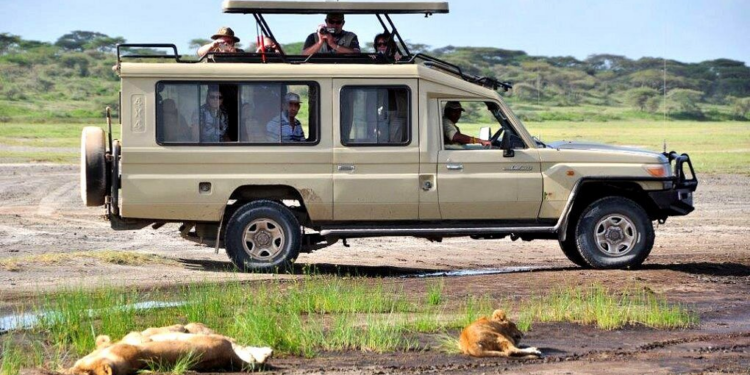

Photography Journeys in West Africa: A Comprehensive Visual Exploration
West Africa is a region bursting with color, life, and stories waiting to be captured. For photographers, it presents an unparalleled opportunity to document diverse cultures, breathtaking landscapes, and the daily rhythms of its people. Planning photography journeys in West Africa requires a blend of adventurous spirit and practical preparation. This guide is designed to provide you with all the essential information to make your photographic expedition a success, covering everything from initial planning to on-the-ground realities for 2026-2027.
While our primary expertise lies in the wonders of Tanzania, we understand the universal appeal of diverse travel experiences. This extensive guide focuses specifically on the rich visual potential of West Africa, offering insights for photographers seeking unique subject matter and authentic encounters.
Quick Guide: Photography Journeys in West Africa
| Aspect | Details |
|---|---|
| Target Keyword | Photography Journeys in West Africa |
| Primary Focus | Visual storytelling, cultural immersion, landscape photography |
| Key Regions | Ghana, Senegal, Mali, Benin, Nigeria, Burkina Faso (considerations for each) |
| Best Time to Visit | Dry seasons (typically November to March, with regional variations) |
| Travel Style | Adventurous, culturally sensitive, adaptable |
| Essential Gear | Versatile camera, wide-angle and telephoto lenses, sturdy tripod, extra batteries, memory cards, protective gear for dust/rain |
| Visa Requirements | Vary by nationality and country; research thoroughly in advance |
| Health Precautions | Consult a travel doctor, vaccinations (Yellow Fever mandatory for some), malaria prophylaxis, personal first-aid kit |
Table of Contents
- West Africa: A Photographer’s Dream
- Why Choose West Africa for Your Photography Journeys?
- Top Destinations for Photography in West Africa
- Planning Your Photography Journeys in West Africa
- Best Time to Visit for Photography
- Sample Routes and Itinerary Logic
- What to Expect: The Realities of Photography in West Africa
- Essential Gear and Preparation
- Cultural Sensitivity and Ethical Photography
- Common Mistakes to Avoid
- Who Are Photography Journeys in West Africa Best Suited For?
- Alternatives to Consider
- Planning for 2026-2027: Key Considerations
- Booking Your Photography Journey
- Frequently Asked Questions
West Africa: A Photographer’s Dream
West Africa is a vast and diverse region, home to over 400 million people and a mosaic of cultures, languages, and traditions. From the bustling markets of Accra and Dakar to the ancient cities of Timbuktu and the ceremonial traditions of Benin, the visual richness is astounding. The region offers a departure from more commonly photographed destinations, providing photographers with the chance to capture unique human stories, vibrant textiles, intricate architecture, and dramatic natural settings. The energy of the people, the intensity of the colors, and the depth of the history make it a compelling location for any serious photographer.
Why Choose West Africa for Your Photography Journeys?
The allure of West Africa for photographers lies in its authenticity and the sheer density of compelling subjects. Here’s why it stands out:
- Vibrant Cultures: West Africa is a cradle of diverse ethnic groups, each with unique customs, festivals, and daily life. Documenting these traditions, from masquerades in Ghana to Voodoo ceremonies in Benin, offers profound visual narratives.
- Dynamic Markets: The marketplaces are the beating heart of West African cities and towns. They are sensory explosions of color, sound, and activity, providing endless opportunities for street photography, portraiture, and capturing the essence of commerce.
- Rich History and Architecture: Explore ancient kingdoms, colonial architecture, and traditional dwellings. The historic slave forts along the coast, the mud-brick mosques of Mali, and the Ashanti palaces in Ghana offer a glimpse into centuries of history.
- Striking Landscapes: While often associated with its people and cultures, West Africa also boasts diverse landscapes, including savannas, rainforests, coastlines, and unique geological formations. Think of the striking granite inselbergs of Benin or the coastal beauty of Senegal.
- Unique Artistic Traditions: From intricate Kente cloth weaving and Adinkra symbolism in Ghana to the world-renowned wooden masks and sculptures, the region’s artistic output is a visual feast.
- Human Connection: The warmth and resilience of the West African people are often central to the photographic experience. Building rapport and capturing genuine human moments is highly rewarding.
Top Destinations for Photography in West Africa
While the entire region is a photographer’s paradise, certain areas offer particularly concentrated visual opportunities. When planning your photography journeys in West Africa, consider these key countries and locations:
Ghana
Ghana is often a good entry point for West Africa due to its relative stability and infrastructure. It offers a fantastic mix of history, culture, and natural beauty.
- Accra: The capital city provides a modern West African experience with bustling markets like Makola, vibrant street art, and the Kwame Nkrumah Mausoleum.
- Cape Coast & Elmina: Home to the UNESCO World Heritage slave castles, these sites offer powerful historical imagery and a poignant look at the past.
- Kumasi: The heartland of the Ashanti Kingdom, offering insights into traditional royalty, the Manhyia Palace Museum, and the vibrant Kente weaving villages like Adanwomase.
- Northern Ghana: Experience a different pace of life, unique traditional architecture, and the culture of the Mole National Park region.
- Festivals: Look for events like the Chale Wote Street Art Festival in Accra or various traditional Homowo and Aboakyere festivals for dynamic cultural photography.
Senegal
Known for its warm hospitality and rich artistic heritage, Senegal is a fantastic destination.
- Dakar: A cosmopolitan capital with lively markets (Marché Kermel, Marché Tilène), the striking African Renaissance Monument, and the Île de Gorée (another UNESCO site with profound historical significance).
- Saint-Louis: A charming colonial city with French architecture, a vibrant jazz scene, and proximity to the Djoudj National Bird Sanctuary (seasonal).
- The Petite Côte: Experience the life of the fishing communities, particularly the colorful pirogues and the people who work with them.
- Bandial and Casamance Region: Known for its lush landscapes, traditional villages, and unique cultural practices.
Mali (with current travel advisories)
Historically a photographic hotspot, Mali’s current security situation requires extreme caution and is generally not recommended for independent travel. However, its visual legacy is immense.
- Timbuktu: Famed for its ancient mosques and libraries, representing a golden age of Islamic scholarship.
- Djenne: Home to the Great Mosque of Djenne, an iconic example of Sudano-Sahelian architecture, and vibrant market days.
- Dogon Country: Renowned for its unique cliff dwellings and distinctive cultural traditions.
Note: Due to security concerns, travel to Mali is currently advised against by many governments. Always check the latest travel advisories.
Benin
A center for Voodoo culture and rich in history.
- Ouidah: The historical heart of Voodoo, with its Python Temple, Door of No Return, and Slave Route.
- Ganvié: A stilt village on Lake Nokoué, offering unique photographic opportunities of daily life on the water.
- Abomey: The former capital of the Kingdom of Dahomey, with its historical palaces and museums.
- Kopargo and Tata Somba Country: Explore the unique fortified houses (Tata Somba) in the north.
Nigeria
Africa’s most populous nation offers incredible diversity, from ancient cultures to modern megacities.
- Lagos: A dynamic, sprawling metropolis. Explore its vibrant street life, markets (Balogun, Computer Village), art scene, and the Makoko floating community.
- Kano and Sokoto: Northern cities with rich Hausa and Fulani cultures, historic emirate palaces, and bustling traditional markets.
- Calabar: Known for its carnivals and proximity to natural attractions.
- Oshogbo: Home to the Osun-Osogbo Sacred Grove, a UNESCO World Heritage site dedicated to the Yoruba goddess of fertility.
Planning Your Photography Journeys in West Africa
Successful photography journeys in West Africa hinge on meticulous planning. This isn’t a region where you can simply show up and expect everything to fall into place. Several key aspects need thorough consideration:
Research and Itinerary Design
Deep Dive into Subjects: Before you even book flights, identify what you want to photograph. Are you drawn to cultural festivals, ancient architecture, wildlife, or street life? Research specific events, locations, and local customs related to your interests. Look for photography-focused tours if available, or work with a local fixer who understands photographic needs.
Country Combinations: Decide if you want to focus on one country or combine a few. Combining countries adds complexity in terms of visas, transport, and border crossings. For a first-time photography journey, focusing on one or two countries like Ghana and Senegal might be more manageable.
Pacing: Don’t try to cram too much in. West African travel can be slow. Allow ample time for travel between locations, acclimatization, and spontaneous photographic opportunities. Rushing will lead to missed shots and frustration.
Flexibility: While planning is crucial, be prepared for things to change. Transport delays, unexpected events, or discovering a fascinating local scene can alter your schedule. Embrace this flexibility; it’s part of the adventure.
Visas and Documentation
Visa requirements vary significantly by nationality and destination country. Some countries may require multiple visas if you plan to visit more than one. It’s essential to:
- Check the specific visa requirements for each country you intend to visit well in advance.
- Allow ample time for visa applications, as processing can take weeks or even months.
- Ensure your passport has at least six months of validity beyond your intended stay and sufficient blank pages.
- Carry copies of all important documents (passport, visas, flight tickets, insurance) separately from the originals.
Health and Safety
Health and safety are paramount for any trip to West Africa. Consult a travel clinic or your doctor at least 6-8 weeks before your departure.
- Vaccinations: Yellow Fever vaccination is mandatory for entry into many West African countries, and you’ll need proof (International Certificate of Vaccination or Prophylaxis – the ‘yellow card’). Other recommended vaccinations may include Hepatitis A and B, Typhoid, and Tetanus.
- Malaria: Malaria is prevalent. Discuss appropriate anti-malarial medication with your doctor.
- Travel Insurance: Comprehensive travel insurance that covers medical emergencies, evacuation, and trip cancellation is non-negotiable. Ensure it covers any specific activities you plan to undertake.
- Personal Safety: Be aware of your surroundings, especially in crowded markets and cities. Avoid displaying expensive camera gear unnecessarily. Travel with reputable guides or fixers, particularly in less developed areas. Research current safety advisories for your chosen destinations.
Budgeting
Costs can vary widely depending on your travel style, accommodation choices, and the countries you visit. Generally, West Africa can be more expensive for independent travelers than some other regions due to logistical challenges and the need for guides or private transport. Factor in:
- Flights
- Visas
- Accommodation
- Transportation (internal flights, private car hire, local transport)
- Food and drink
- Photography permits (sometimes required for specific sites)
- Guides and fixers
- Travel insurance
- Contingency fund
Best Time to Visit for Photography
The optimal time for photography journeys in West Africa is generally during the dry seasons, which offer clearer skies, less humidity, and more comfortable conditions for shooting. However, specific timing can influence your photographic goals.
| Season | Months (approx.) | Photography Conditions & Opportunities |
|---|---|---|
| Dry Season (Harmattan) | November – March | Clear skies, cooler temperatures, less dust (early part), ideal for landscapes and general shooting. Can be hazy with dust later in the season (Harmattan winds). Good for festivals. |
| Rainy Season | April – October | Lush green landscapes, dramatic skies, fewer tourists. Can be challenging for photography due to rain, humidity, and muddy conditions. Excellent for wildlife and vibrant agricultural scenes. |
| Shoulder Seasons | April/May & October/November | Transition periods with a mix of conditions. Potentially fewer crowds and good light. |
Specific Considerations:
- Festivals: Many significant cultural festivals are tied to lunar calendars or agricultural cycles, so research specific festival dates if they are a priority for your photography.
- Birdlife: For bird photographers, the migration seasons and specific breeding periods are crucial. Djoudj National Bird Sanctuary in Senegal, for example, is best visited between November and March.
- Rainforests: If you plan to photograph in rainforest regions, be prepared for humidity and rain year-round, though the rainy season will be more intense.
Sample Routes and Itinerary Logic
Crafting an itinerary requires balancing your photographic interests with logistical realities. Here are sample itinerary concepts, emphasizing photographic opportunities.
Sample Route 1: Ghana – Culture, History, and Crafts (10-14 Days)
This route focuses on a diverse range of subjects within Ghana.
- Days 1-3: Accra. Arrive, acclimatize. Explore Makola Market, Jamestown fishing harbour, street art scene, National Museum. Focus on urban life, portraits, and vibrant street scenes.
- Days 4-5: Cape Coast/Elmina. Travel west. Visit Cape Coast and Elmina Castles for historical and atmospheric photography. Explore the local fishing communities.
- Days 6-8: Kumasi. Travel north. Immerse yourself in Ashanti culture. Visit Manhyia Palace, Kejetia Market (one of West Africa’s largest), and Kente weaving villages (Adanwomase, Bonwire). Focus on crafts, traditional life, and portraiture.
- Days 9-10: Teshie/Nungua (near Accra). Explore the unique fantasy coffin workshops, a highly distinctive photographic subject.
- Day 11: Departure from Accra.
Sample Route 2: Senegal – Coastal Life, Colonial Charm, and Islands (10-12 Days)
This itinerary highlights Senegal’s unique coastal and island environments.
- Days 1-3: Dakar. Arrive. Explore Île de Gorée for its history and atmosphere. Photograph the markets (Marché Sandaga, Marché Tilène) and the vibrant city life.
- Days 4-5: Toubab Dialaw. A coastal artistic village known for its unique architecture and creative community. Good for characterful portraits and abstract forms.
- Days 6-7: Saint-Louis. Travel north to the former colonial capital. Photograph the French architecture, the Faidherbe Bridge, and the local fishing culture.
- Days 8-9: Langue de Barbarie National Park. Focus on bird photography (seasonal) and coastal landscapes.
- Day 10: Departure from Dakar.
Sample Route 3: Benin – Voodoo, Stilt Villages, and History (10-14 Days)
This route delves into Benin’s unique spiritual and historical dimensions.
- Days 1-2: Cotonou. Arrive. Explore Dantokpa Market, the largest open-air market in West Africa.
- Days 3-4: Ouidah. Travel to the historical center of Voodoo. Photograph the Python Temple, the Slave Route, and the Door of No Return. Understand the spiritual significance.
- Days 5-6: Ganvié. Visit the stilt village on Lake Nokoué. Focus on daily life, boats, and unique perspectives from the water.
- Days 7-9: Abomey. Explore the historical palaces and museums of the Dahomey Kingdom.
- Days 10-12: Northern Benin (e.g., Tata Somba Country). Travel north for unique architectural photography of the fortified houses and to experience the culture of the Somba people.
- Day 13: Return to Cotonou.
- Day 14: Departure.
Itinerary Logic:
- Start and End Points: Most international flights arrive and depart from major capitals like Accra, Dakar, or Cotonou. Plan your route to minimize backtracking.
- Travel Time: Factor in significant travel times. Roads can be poor, and distances may be deceivingly long.
- Pacing: Aim for 2-4 days per major location to allow for thorough exploration and repeated visits to capture different light and moods.
- Guides/Fixers: For more remote or culturally specific areas (like Dogon Country or Tata Somba villages), hiring local guides or fixers is invaluable for access, cultural understanding, and safety.
What to Expect: The Realities of Photography in West Africa
Photography journeys in West Africa are incredibly rewarding but also present unique challenges. Managing expectations is key.
- Light: The light can be harsh, especially during midday. Early mornings and late afternoons offer the best quality light. The Harmattan season can create a soft, diffused light but also a hazy atmosphere.
- Dust: Especially in the dry season and in Sahelian regions, dust is a constant companion. Protect your gear diligently.
- Crowds: Markets and popular sites can be very crowded. This is great for capturing the energy of life but can make technical shots challenging. Patience and a good wide-angle lens are useful.
- Accessibility: Some locations may be difficult to access, requiring 4×4 vehicles or even walking. Be prepared for a degree of physical exertion.
- Infrastructure: While major cities have decent hotels and internet, connectivity and power can be unreliable in rural areas.
- Patience and Persistence: Getting the perfect shot often requires waiting for the right moment, the right light, or for people to become comfortable with your presence.
- Cultural Nuances: Always be respectful. Ask permission before taking close-up portraits, especially of women and children. Some people may ask for payment for photos; be prepared for this and negotiate respectfully if you choose to pay.
Essential Gear and Preparation
Your gear choices can significantly impact your experience and the quality of your images. Think versatility, durability, and backup.
Camera Gear
- Main Camera Body: A reliable DSLR or mirrorless camera. Consider weather sealing if possible.
- Lenses:
- Wide-angle (e.g., 16-35mm or 24-70mm): Essential for markets, street scenes, and landscapes.
- Telephoto (e.g., 70-200mm or 100-400mm): Useful for capturing details from a distance, wildlife, and candid portraits without being intrusive.
- Prime lens (e.g., 50mm f/1.8): Excellent for low light and creating beautiful bokeh for portraits.
- Tripod: A sturdy but portable tripod is useful for low-light conditions, long exposures, and capturing stable shots in busy environments.
- Extra Batteries: Power can be scarce, and you don’t want to miss a moment. Bring multiple fully charged batteries.
- Memory Cards: Ample storage is crucial. Bring more than you think you’ll need and consider using multiple cards to spread risk.
- Cleaning Supplies: Lens cloths, blower, and sensor cleaning kit are vital for dealing with dust.
- Camera Bag: A comfortable, durable, and secure camera bag or backpack. Consider one that doesn’t scream ‘expensive camera’.
Protection and Accessories
- Rain Cover/Sleeves: Essential for the rainy season or unexpected downpours.
- Dust Protection: Camera covers, plastic bags, and rubber bands can help protect gear in dusty environments.
- Portable Hard Drive/Cloud Storage: For backing up your photos daily.
- Power Bank: To charge your phone and other small devices on the go.
- Universal Adapter and Voltage Converter: Check power outlets and voltages for each country.
Personal Preparation
- Physical Fitness: Be prepared for walking, sometimes in heat and humidity.
- Mental Preparedness: Embrace the challenges and unexpected. A positive attitude is your best asset.
- Language: While English is spoken in tourist areas and by guides in some countries (like Ghana), learning a few basic phrases in local languages (e.g., French for Senegal, Mali, Benin; Hausa; Yoruba) is highly appreciated and can open doors.
Cultural Sensitivity and Ethical Photography
Photography journeys in West Africa are as much about understanding and respecting the people as they are about capturing images. Ethical practice is paramount.
- Ask for Permission: Always ask before taking close-up portraits. A smile and a gesture are often understood. If someone says no, respect their decision.
- Be Mindful of Sacred Sites: Some religious or sacred sites may have restrictions on photography. Always inquire and adhere to local rules.
- Avoid Exploitation: Do not photograph vulnerable individuals or situations in a way that could be exploitative. Be aware of the power imbalance between photographer and subject.
- Compensation: In some cultures, people expect payment for being photographed. If you choose to pay, agree on a fair amount beforehand. Sometimes, offering a small gift or a print of the photo later is also appreciated.
- Respect Privacy: Understand that not everyone wants to be photographed. Be discreet and observant.
- Cultural Norms: Dress modestly, especially when visiting villages or religious sites. Be aware of local customs regarding greetings, gestures, and social interactions.
Common Mistakes to Avoid
To ensure your photography journey is smooth and successful, be aware of these common pitfalls:
- Overpacking Gear: While it’s tempting to bring everything, a lighter kit is often more practical for navigating challenging terrain and long days.
- Underestimating Travel Times: Distances that look short on a map can take many hours to cover due to road conditions and traffic.
- Ignoring Health Precautions: Failing to get necessary vaccinations or take malaria precautions can have serious consequences.
- Not Researching Visa Requirements: Last-minute visa issues can derail your entire trip.
- Disrespecting Local Customs: This can lead to uncomfortable situations or even being asked to leave. Always do your homework on cultural etiquette.
- Not Backing Up Photos: Losing your images due to gear failure or theft is a photographer’s worst nightmare. Back up daily.
- Being Too Intrusive: Forcing your way into photos or being aggressive with your camera will alienate people and result in poor images and experiences.
- Expecting Western Standards: Embrace the differences. Things may not work as you expect, and that’s part of the adventure.
Who Are Photography Journeys in West Africa Best Suited For?
These journeys are ideal for:
- Enthusiast and Professional Photographers: Those looking for unique, challenging, and rewarding subject matter.
- Cultural Explorers: Travelers deeply interested in understanding and documenting diverse ways of life.
- Adventurous Travelers: Individuals comfortable with less predictable travel conditions, basic infrastructure, and a spirit of exploration.
- Documentary Photographers: Those seeking to tell stories about people, traditions, and social dynamics.
- Travelers Seeking Authenticity: Anyone looking to move beyond typical tourist trails and experience genuine local life.
This type of travel is generally not recommended for those seeking a relaxing beach holiday or a highly structured, predictable itinerary. It requires a degree of resilience and adaptability.
Alternatives to Consider
If West Africa feels too challenging or doesn’t quite align with your immediate interests, consider these alternatives that offer rich photographic opportunities:
- East Africa (Tanzania, Kenya, Uganda, Rwanda): Famous for its wildlife safaris, stunning landscapes, and the Maasai culture. While different from West Africa, it offers incredible photographic potential. Our expertise in Tanzania can be a great starting point for planning such a trip.
- North Africa (Morocco, Egypt): Offers ancient history, vibrant souks, unique architecture, and distinct desert landscapes.
- Ethiopia: Rich in history, unique tribal cultures in the Omo Valley, ancient rock-hewn churches, and dramatic landscapes.
- South America (Peru, Bolivia, Ecuador): Andean cultures, ancient ruins, vibrant textiles, and diverse natural environments.
Planning for 2026-2027: Key Considerations
As you look ahead to planning your photography journeys in West Africa for 2026-2027, several factors warrant specific attention:
- Evolving Security Situations: West Africa can experience shifts in regional stability. Always check the latest travel advisories from your government in the months leading up to your trip and right before departure. This is particularly crucial for countries like Mali, Burkina Faso, and parts of Nigeria.
- Festival Calendars: If specific festivals are a draw, research their dates for 2026 and 2027 as early as possible. Some are fixed, while others vary annually.
- Visa Policy Changes: Visa requirements and processing times can change. Stay updated on the official embassy websites of the countries you plan to visit.
- Sustainable Tourism Trends: Consider how you can travel more responsibly. Look for local guides and accommodations that support communities. Be mindful of your environmental impact.
- Technological Advancements: While not drastically changing the photographic experience, consider how new camera technology (e.g., improved low-light performance, better autofocus) might benefit your shooting in challenging conditions.
- Booking Lead Times: For popular festivals or specific photographic tours, booking 6-12 months in advance for 2026 or 2027 is advisable.
Booking Your Photography Journey
Given the complexities of travel in West Africa, professional assistance can be invaluable, especially for photography-focused trips. Here’s how to approach booking:
DIY vs. Specialized Tour Operators
- DIY: Possible for experienced travelers comfortable with navigating logistics, visas, and local transport independently. Requires extensive research and flexibility.
- Local Fixers/Guides: Hiring a local fixer or guide in each country can be highly effective. They possess local knowledge, can arrange transport and accommodation, and facilitate access to people and places.
- Specialized Photography Tour Companies: These companies often run small-group tours led by experienced photography leaders. They handle all logistics and focus on providing unique photographic opportunities.
- General Tour Operators: While not photography-specific, some general tour operators can create custom itineraries tailored to your photographic interests.
What to Look For When Booking
- Reputation: Research reviews and testimonials. Look for operators with a strong track record in West Africa and for photography tours.
- Itinerary Details: Does the itinerary align with your photographic goals? Is there enough time allocated for shooting?
- Group Size: For photography, smaller groups (ideally under 8-10 people) are generally better for access and individual attention.
- Inclusions/Exclusions: Be clear about what is covered (accommodation, transport, guides, some meals, park fees) and what is not (flights, visas, insurance, personal expenses, some meals).
- Guides’ Expertise: Ensure guides have knowledge of photography, local culture, and safety protocols.
- Flexibility: How does the operator handle changes or unforeseen circumstances?
Booking Tips for 2026-2027
When planning for 2026-2027:
- Book Early: Especially if traveling during peak seasons or for specific festivals, secure your spot well in advance.
- Confirm Visa Support: If booking through an operator, clarify what visa assistance they provide.
- Understand Cancellation Policies: Especially important given potential travel disruptions.
While our expertise is focused on Tanzania, we can connect you with trusted local partners or provide advice on how to best approach planning for other regions if you wish to discuss broader travel ideas. For any inquiries regarding travel planning, don’t hesitate to reach out.
Frequently Asked Questions
Q1: Is it safe to travel to West Africa for photography?
A1: Safety varies by country and region. Ghana and Senegal are generally considered safer and more stable for tourists. It is crucial to research current travel advisories for your specific destinations and travel with reputable guides. Always be aware of your surroundings and take standard safety precautions.
Q2: What is the best way to get around West Africa?
A2: This depends on the country and your budget. Options include internal flights (for longer distances), private car hire with a driver (most convenient but expensive), shared taxis, and local buses. For photography, private transport often offers the most flexibility.
Q3: Do I need special permits to photograph certain sites or people?
A3: In some countries or at specific historical sites, photography permits may be required. It’s best to inquire locally or through your guide. For portraits, always seek permission. Some individuals or communities may request a fee for photography.
Q4: How do I deal with the heat and humidity?
A4: Stay hydrated by drinking plenty of bottled water. Wear light, breathable clothing. Plan your shooting schedules for cooler parts of the day (early morning and late afternoon). Take breaks in shaded areas.
Q5: What kind of camera gear is essential for West African photography?
A5: A versatile setup is key. A good quality camera body, a range of lenses (wide-angle to telephoto), extra batteries, ample memory cards, and protective gear for dust and rain are recommended. For planning photography journeys in West Africa, a sturdy tripod can also be very useful.
Q6: What are the visa requirements for West African countries?
A6: Visa requirements vary greatly by nationality and destination. Many countries require visas, which must be obtained in advance. Always check the specific requirements for each country you plan to visit on their embassy websites.
Q7: Can I use my drone for photography?
A7: Drone regulations are strict and vary significantly by country. In many West African nations, you will need special permits, and in some cases, drone use may be prohibited altogether. Always research and obtain necessary permissions well in advance.
Q8: What about internet access and charging devices?
A8: Internet access is generally available in major cities and tourist accommodations, though speeds can vary. In rural areas, it can be limited or non-existent. Power outages are also common. Bring a reliable power bank and a universal adapter.
Q9: How can I ensure my photography journeys in West Africa are ethical?
A9: Always ask for permission before taking portraits, be respectful of local customs and sacred sites, avoid exploitative imagery, and be mindful of your impact. Building rapport and showing genuine interest is key.
Q10: What should I pack besides camera gear?
A10: Pack light, breathable clothing, comfortable walking shoes, a hat, sunscreen, insect repellent, a basic first-aid kit, any personal medications, and a reusable water bottle. Consider modesty in your clothing choices.
Q11: Are there photography-specific tours available for West Africa in 2026-2027?
A11: Yes, specialized photography tour operators often run trips to West Africa. Booking these well in advance for 2026-2027 is recommended due to limited spots and high demand for unique photographic experiences.
Ready to Plan Your Photography Journey?
West Africa offers an unparalleled canvas for photographers seeking to capture the essence of human spirit, vibrant cultures, and compelling stories. Whether you’re drawn to the bustling markets, ancient traditions, or striking landscapes, planning your photography journeys in West Africa requires careful consideration and a spirit of adventure.
While our primary focus is on the incredible safari and trekking experiences in Tanzania, we understand the desire for diverse and impactful travel. If you’re looking for expert advice on planning your next adventure, or if you have questions about crafting an itinerary that balances photographic pursuits with cultural immersion, please get in touch.
For any travel planning assistance, including recommendations for trusted partners for West African expeditions or if you’re considering a Tanzanian adventure, reach out to us:
WhatsApp: +255616946642
Email: topguideadventures@gmail.com
Backup Email: info@topguideadventures.com
Let us help you capture the extraordinary.
Plan your Photography Journeys in West Africa with Top Guide Adventures
Tell us your travel dates, group size, comfort level, and dream experience. We will help you shape a clear, realistic, and memorable Tanzania itinerary.







 Veedesigner
 Fatma Kizanga
 Benjamin Waryuba
 Philip Philip
 John jr Itaja
 Antonia Optatus
 Edith Kanyere
 Neema Iddy
 Kelvin Boniphace
 Damari Maiga



