
Updated planning guide for 2026-2027
Overland Travel Routes In West Africa: Complete Guide 2026-2027
Explore the vast and vibrant continent of Africa through its overland travel routes. This comprehensive guide focuses on West Africa, offering practical advice for planning your journey, understanding routes, safety, and what to expect. Essential reading for 2026-2027 adventurers.
WhatsApp +255616946642 | topguideadventures@gmail.com | info@topguideadventures.com
Overland Travel Routes in West Africa: A Comprehensive Journey Planner
West Africa offers a compelling and diverse landscape for overland travel, presenting a different facet of the African continent compared to the more commonly explored East or Southern regions. This part of the world is rich in history, vibrant cultures, and varied terrains, from the Sahara’s edge to lush rainforests and bustling coastal cities. For travelers seeking an authentic, challenging, and deeply rewarding experience, understanding the intricacies of overland travel routes in West Africa is paramount. This guide is designed to provide an in-depth look at planning such an expedition, covering essential routes, preparation, safety considerations, and what to anticipate during your 2026-2027 adventure.
While our expertise at Best Tanzania Tour Operator lies in showcasing the wonders of Tanzania, we recognize the universal appeal of exploration. This article aims to equip you with the knowledge needed for a successful West African overland journey, drawing parallels in planning and preparation that are fundamental to any significant adventure travel. We will focus on practicalities, traveler intent, and providing actionable advice.
Table of Contents
- Quick Facts: Overland Travel in West Africa
- West Africa Overland: An Introduction
- Why Choose Overland Travel in West Africa?
- Best Time to Travel: Seasonality in West Africa
- Key Overland Travel Routes in West Africa
- West Africa Overland Route Overview (Text-Based)
- Planning Your Specific Route: Itinerary Logic
- Sample West Africa Overland Itinerary (3-4 Weeks)
- What to Expect on the Road
- Essential Preparation and Packing
- Common Mistakes to Avoid
- Who is Overland Travel in West Africa Best Suited For?
- Alternatives to a Full West Africa Overland Expedition
- Planning for 2026-2027: Key Considerations
- Booking Your West Africa Overland Trip
- Frequently Asked Questions
Quick Facts: Overland Travel in West Africa
| Aspect | Details |
|---|---|
| Primary Focus | Discovering diverse cultures, historical sites, varied landscapes, and local life. |
| Travel Style | Independent, self-drive, guided tours, budget to mid-range. Requires flexibility and resilience. |
| Key Regions | Senegal, The Gambia, Mali, Burkina Faso, Benin, Togo, Ghana, Nigeria, Ivory Coast, Sierra Leone, Guinea, Mauritania. |
| Typical Duration | 3 weeks to 3+ months, depending on route and pace. |
| Best Time | Dry season (approx. November to April/May), avoiding peak heat and heavy rains. |
| Challenges | Border crossings, road conditions, visa complexities, vehicle maintenance, language barriers, safety perceptions. |
| Rewards | Authentic experiences, deep cultural immersion, stunning natural beauty, meeting resilient people. |
West Africa Overland: An Introduction
Overland travel in West Africa is not for the faint of heart, but it offers an unparalleled opportunity to connect with a region often misunderstood and less visited by mass tourism. It involves navigating a complex web of countries, each with its unique identity, languages, and customs. This journey is typically undertaken by 4×4 vehicles, motorcycles, or sometimes robust public transport, traversing vast distances that reveal the continent’s true scale and diversity. Unlike curated safaris or beach holidays, overland travel in West Africa demands active participation in the journey itself – from managing logistics and dealing with unexpected delays to engaging directly with local communities.
The routes often follow ancient trade paths, colonial-era roads, and sometimes barely-there tracks. Travelers might find themselves sharing roads with donkeys, bicycles, and overloaded trucks, all part of the rich tapestry of daily life. The experience is characterized by a profound sense of discovery, where every turn can lead to a new encounter, a breathtaking vista, or a lesson in resilience and hospitality. For those planning ahead for 2026-2027, understanding this context is the first step.
Why Choose Overland Travel in West Africa?
The allure of West Africa lies in its authenticity. It’s a region where traditions remain strong, where the rhythm of life is dictated by natural cycles and community bonds, rather than the demands of a globalized world. Overland travel allows you to:
- Experience Deep Cultural Immersion: Move beyond tourist enclaves and engage with communities. Participate in local markets, witness traditional ceremonies, and learn about the rich history of empires like Mali and Songhai.
- Discover Diverse Landscapes: From the Sahelian plains and Sahara fringes in the north to the dense rainforests and dramatic coastlines in the south, West Africa’s geography is astonishingly varied.
- Gain a Unique Perspective: Understand the continent’s complexities firsthand, challenging preconceptions and fostering a nuanced appreciation for its people and challenges.
- Embrace Adventure and Spontaneity: Overland travel is inherently unpredictable. Delays, road closures, and unexpected detours become part of the adventure, fostering problem-solving skills and adaptability.
- Connect with History: Trace the routes of ancient trans-Saharan trade, visit historical slave forts, and explore colonial architecture, piecing together a complex historical narrative.
For travelers in 2026-2027 looking for a journey that genuinely transforms their perspective, West Africa offers an unfiltered glimpse into a vital part of the world.
Best Time to Travel: Seasonality in West Africa
The climate in West Africa varies significantly across its vast expanse, but generally, the most favorable period for overland travel is during the dry season, which typically runs from November to April or May. This period offers several advantages:
- Reduced Rainfall: Less rain means fewer muddy, impassable roads, especially crucial for navigating rural or unpaved tracks.
- More Comfortable Temperatures: While it can get very hot, especially in the Sahel and Sahara regions, the dry season generally avoids the oppressive humidity and heavy downpours of the wet season.
- Easier Border Crossings: Weather conditions can sometimes impact border operations or ferry services.
Key Seasonal Considerations:
- November – January: Generally pleasant temperatures across most of the region, cooler in the north. This is often considered the prime time to travel.
- February – April: Temperatures begin to rise significantly, becoming very hot in the interior and northern areas. The Harmattan winds, carrying dust from the Sahara, can also be prevalent, reducing visibility and affecting air quality.
- May – October: This is the wet season. While some areas might experience distinct rainy periods, others have continuous downpours. Roads can become severely damaged, and travel can be significantly hampered or impossible in certain regions. However, for those who don’t mind the rain, the landscapes become incredibly lush, and tourist crowds are minimal.
When planning for 2026-2027, aim for the early part of the dry season (November-January) for the most comfortable conditions, or consider the shoulder months (late October/early November or late April/early May) for fewer crowds and potentially lower prices, while being mindful of the changing weather.
Key Overland Travel Routes in West Africa
West Africa is not a single, defined overland route like the famous Pan-American Highway. Instead, it’s a collection of interconnected pathways and country-hopping possibilities. The most common overland journeys tend to focus on a contiguous group of countries, often involving a mix of paved highways and more challenging off-road sections.
Here are some of the most popular and logistically feasible overland travel routes and regions:
- The Coastal Route: This route typically starts in Senegal or The Gambia and heads south along the Atlantic coast. It can include countries like Guinea-Bissau, Sierra Leone, Liberia, Ivory Coast, Ghana, and Togo, eventually reaching Benin. This route offers a mix of vibrant cities, beaches, and cultural experiences.
- The Sahelian Route: This path takes travelers through the drier, more arid regions north of the rainforest belt. It might start in Mauritania, cross into Mali (visiting Timbuktu, if conditions permit), then potentially into Niger, Chad, or Burkina Faso. This route is more challenging due to remoteness, security concerns in some areas, and potentially rougher roads.
- Trans-West Africa Highway Network: While not a single route, this is a series of planned highways designed to connect countries across the region. Following sections of these highways can provide more reliable travel, but often bypasses more remote and traditional areas. Key routes include the N1, N2, N4, N5, N6, N7, N8, N10, N12, N13.
- The ‘Backbone’ Route: Often a combination of the above, this route might start in Dakar (Senegal), move inland through Mali (Bamako), Burkina Faso (Ouagadougou), and then south into Ghana (Accra) or Benin (Cotonou). This offers a good balance of major cities, cultural sites, and diverse landscapes.
It’s crucial to note that security situations can change rapidly in West Africa. Some areas, particularly those near borders with countries experiencing conflict, may be inadvisable for overland travel. Always check current travel advisories from your government.
West Africa Overland Route Overview (Text-Based)
Visualizing a route can be complex due to the many options. Here’s a simplified representation of a common overland flow:
| Stage | General Direction | Key Countries/Cities (Examples) | Terrain/Experience |
|---|---|---|---|
| 1: Start Point | West Coast | Senegal (Dakar), The Gambia (Banjul) | Coastal cities, beaches, colonial history. |
| 2: Inland Journey | East/Southeast | Mali (Bamako), Burkina Faso (Ouagadougou) | Sahelian landscapes, historical cities, larger towns. |
| 3: Southern Shift | South/Southeast | Ghana (Accra), Togo (Lomé), Benin (Cotonou) | Coastal, rainforest fringes, vibrant markets, more developed infrastructure. |
| 4: Further South/East | East | Nigeria (Lagos), Cameroon (Douala – often considered Central, but accessible) | Megacities, rainforests, diverse ethnic groups. (Note: Nigeria can be challenging for overland). |
| 5: Coastal Southward | South | Ivory Coast (Abidjan), Sierra Leone (Freetown), Liberia (Monrovia) | Lush coastlines, historical ports, developing infrastructure. |
| 6: Northern Desert Edge | North/East | Mauritania (Nouakchott), Niger (Niamey) | Desert landscapes, nomadic cultures, remote. (Security is a major concern here). |
Note: This is a conceptual overview. Actual routes depend on current safety, road conditions, and traveler interests. Many journeys combine elements of these stages.
Planning Your Specific Route: Itinerary Logic
Crafting an overland route in West Africa requires meticulous planning, flexibility, and a deep understanding of the region’s realities. Here’s a breakdown of the itinerary logic:
1. Define Your Goals and Timeframe
- What do you want to see and experience? Are you focused on history, culture, nature, or a mix? This will dictate which countries and areas you prioritize.
- How much time do you have? A comprehensive West Africa overland trip can take months. Shorter trips (3-6 weeks) will require focusing on a smaller cluster of countries. For 2026-2027 planning, be realistic about achievable mileage and experiences within your allocated time.
2. Research Country-Specific Conditions
- Visas: Each country has its own visa requirements. Some are obtainable on arrival, others require pre-application, and some can be complex or time-consuming. Research these thoroughly for all intended countries.
- Safety and Security: This is paramount. Check your government’s travel advisories regularly. Certain regions may be off-limits due to political instability, conflict, or high crime rates. Prioritize routes that are currently deemed safe.
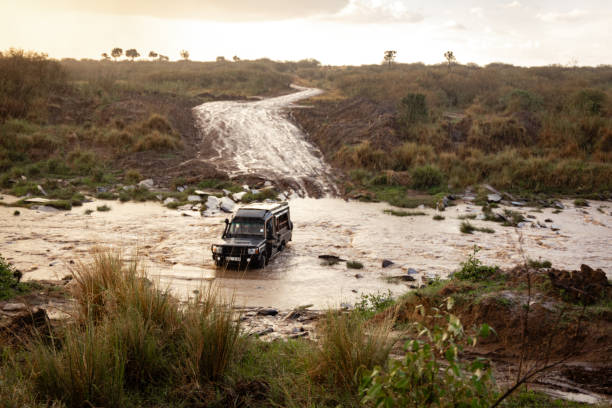
- Road Conditions: Paved roads are not universal. Expect sections of gravel, sand, mud, and very poor tarmac. A suitable vehicle is essential.
- Border Crossings: These can be lengthy and bureaucratic. Have all necessary vehicle documents (carnet de passage if applicable), passports, and visas ready. Be prepared for potential delays and unofficial ‘fees’.
- Health: Consult a travel doctor for vaccinations and malaria prophylaxis. Yellow Fever vaccination is often mandatory.
3. Vehicle Choice and Preparation
- 4×4 is Recommended: A reliable 4×4 vehicle is almost essential for tackling varied terrain and ensuring you can get out of sticky situations.
- Robustness and Simplicity: Opt for a vehicle known for its durability and ease of repair in remote areas (e.g., Toyota Land Cruiser, Land Rover Defender).
- Mechanical Preparation: Thoroughly service your vehicle. Carry essential spare parts (tires, filters, belts, fluids) and tools. Know basic mechanics or travel with someone who does.
4. Route Sequencing and Logistics
- Logical Flow: Plan a route that minimizes backtracking and makes geographical sense. Start in one region and move progressively through others.
- Pace Yourself: Don’t try to cover too much ground too quickly. Allow for rest days, unexpected delays, and time to actually experience the places you visit. A good rule of thumb is to plan for an average of 200-300 km per day on challenging routes, less on very rough terrain.
- Accommodation: Options range from basic guesthouses and camping to slightly more comfortable hotels in larger towns. Be prepared for basic facilities.
- Navigation: Rely on a combination of GPS (with offline maps), paper maps, and local advice. Mobile phone signal can be unreliable.
5. Budgeting
Costs can vary wildly. Factors include vehicle purchase/rental, fuel, visas, accommodation, food, border fees, and potential repairs. While exact figures are impossible to provide here, budget generously for the unexpected. Fuel is a significant cost, and its availability can sometimes be an issue in remote areas.
Sample West Africa Overland Itinerary (3-4 Weeks)
This is a condensed itinerary focusing on a few key countries, suitable for a shorter trip. It prioritizes cultural highlights and manageable distances, assuming travel during the dry season.
| Day(s) | Location/Activity | Notes |
|---|---|---|
| 1-3 | Dakar, Senegal | Arrival, vehicle checks, explore city, Gorée Island. |
| 4-5 | Dakar to Saint-Louis, Senegal | Scenic drive north, explore historic colonial town, bird watching at Djoudj National Park (seasonal). |
| 6 | Saint-Louis to Rosso Border Crossing (Senegal-Mauritania) | Prepare for border formalities. Drive to Nouakchott, Mauritania. (Note: Security in Mauritania requires careful assessment). |
| 7-9 | Nouakchott & Banc d’Arguin National Park, Mauritania | Explore capital, visit coastal park (UNESCO site) for birdlife and desert landscapes. Requires 4×4. |
| 10 | Nouakchott to Kaolack, Senegal | Return journey, cross border back into Senegal. Head towards The Gambia. |
| 11-13 | The Gambia (Banjul & surrounds) | Explore Banjul, visit Kunta Kinte Island (roots of Alex Haley), relax by the coast. |
| 14 | The Gambia to Tambacounda, Senegal | Drive inland towards Mali. Road conditions can vary. |
| 15-16 | Tambacounda to Bamako, Mali | Longer driving days. Prepare for Mali visa and entry requirements. Explore Bamako. |
| 17-19 | Bamako to Mopti & Dogon Country, Mali | Travel to Mopti (river port), then explore the unique Dogon villages. (Note: Security in Mali, especially northern areas, is a significant concern and requires up-to-date intelligence). |
| 20 | Mopti to Ouagadougou, Burkina Faso | Cross border into Burkina Faso. Explore Ouagadougou. |
| 21-23 | Ouagadougou & surrounding areas, Burkina Faso | Visit craft villages, markets, potentially Tiébélé (painted houses). |
| 24 | Ouagadougou to Lomé, Togo | Drive south towards the coast. Border crossing into Togo. |
| 25-27 | Lomé & surrounding areas, Togo | Explore Lomé’s markets, beaches, visit nearby villages. |
| 28 | Departure from Lomé or continue to Benin. | Trip concludes. |
Disclaimer: This is a sample and assumes stable security conditions. Always verify current safety advisories before planning and traveling. For 2026-2027, such advisories will be critical.
What to Expect on the Road
Overland travel in West Africa is an immersive experience, often far removed from the comforts of Western travel. Be prepared for:
- Variable Road Conditions: From smooth highways in major cities to deeply rutted tracks, sand, and mud. Patience and a capable vehicle are key.
- Bureaucracy and Delays: Border crossings can be lengthy, involving multiple officials and paperwork. Expect delays for vehicle checks, customs, and immigration.
- Cultural Differences: Be respectful of local customs, dress codes, and traditions. Learning a few basic phrases in French (widely spoken) or local languages is highly beneficial.
- Basic Facilities: Accommodation can range from very basic guesthouses with shared bathrooms to comfortable hotels in capitals. Camping is often an option, but requires careful site selection.
- Food: Expect local cuisine, which is often delicious but can be different from what you’re used to. Street food is abundant and cheap, but hygiene should be a consideration.
- Heat and Dust: Especially in the Sahelian regions, expect high temperatures and dust, particularly during the Harmattan season.
- Wildlife: While not a safari destination in the East African sense, you will encounter local fauna, from birds and monkeys to reptiles. Roadside encounters with livestock are common.
- Community Interactions: West Africa is known for its hospitality. Be open to meeting people, sharing stories, and experiencing local life.
Essential Preparation and Packing
Thorough preparation is vital for a successful overland trip in West Africa. This applies whether you are planning for 2026, 2027, or beyond.
Vehicle Preparation:
- 4×4 Vehicle: As mentioned, a reliable 4×4 is highly recommended. Ensure it’s in excellent mechanical condition.
- Essential Spares: Tires (including spare), tubes, tire repair kit, filters (oil, air, fuel), fan belts, hoses, brake pads, radiator coolant, engine oil, gearbox oil, jump leads, spare battery.
- Tools: Comprehensive toolkit, jack, shovel, tow rope, winch (if applicable), tire pressure gauge.
- Recovery Gear: Sand ladders, high-lift jack, extra fuel cans, water cans.
- Documentation: Vehicle registration, insurance, international driving permit, Carnet de Passage en Douane (if required for your vehicle and route).
Personal Packing:
- Clothing: Lightweight, breathable, long-sleeved shirts and trousers (for sun and insect protection), sturdy walking shoes, sandals, hat, swimwear. Consider layers for cooler evenings. Avoid overly revealing clothing, especially in more conservative areas.
- Health Kit: Comprehensive first-aid kit, personal medications, insect repellent (high DEET content), sunscreen, hand sanitizer, water purification tablets/filter. Consult your doctor for specific travel vaccinations and malaria prophylaxis.
- Documents: Passport (with at least 6 months validity), visas, Yellow Fever certificate, driving license, IDP, copies of all important documents (stored separately), travel insurance details.
- Electronics: Power bank, universal adapter, headlamp/torch, camera, GPS device with offline maps.
- Other Essentials: Small backpack, reusable water bottle, dry bags, basic toiletries, quick-dry towel, sunglasses, earplugs (for noisy accommodations), a good book.
- Money: A mix of cash (USD/EUR for exchange, local currency for small purchases), and travel-friendly credit/debit cards. ATMs are not always reliable outside major cities.
Common Mistakes to Avoid
Overland travel in West Africa presents unique challenges. Avoiding these common pitfalls can significantly improve your experience:
- Underestimating Border Crossings: They can take hours, sometimes a full day. Don’t schedule tight connections immediately after a border. Be prepared for officials asking for ‘tips’ or ‘fees’ – know the official rates and be polite but firm.
- Ignoring Security Advisories: West Africa can have volatile regions. Always check current travel advisories from your government and heed warnings. Don’t assume a route is safe without up-to-date information.
- Over-Scheduling: Trying to cover too much ground too quickly is a recipe for stress. Allow ample buffer time for delays, vehicle issues, and spontaneous discoveries.
- Vehicle Neglect: Proper maintenance before and during the trip is crucial. A breakdown in a remote area can be a major problem.
- Lack of Flexibility: Things will not always go according to plan. Road closures, visa issues, or mechanical problems are common. A flexible attitude is your best asset.
- Cultural Insensitivity: Research local customs, dress codes, and etiquette. Showing respect goes a long way in fostering positive interactions.
- Relying Solely on Technology: While GPS is useful, always have paper maps and local knowledge as backup. Mobile signal can be intermittent.
- Not Carrying Enough Cash: ATMs are not always available or functional, especially outside major cities. Carry a mix of currencies and be discreet when handling money.
Who is Overland Travel in West Africa Best Suited For?
This type of travel is an adventure that appeals to a specific kind of traveler. It’s best suited for:
- Independent Adventurers: Those who enjoy planning their own journey, navigating challenges, and embracing the unexpected.
- Culturally Curious Individuals: Travelers deeply interested in understanding diverse societies, traditions, and histories beyond surface-level tourism.
- Resilient and Patient People: Those who can handle discomfort, delays, and bureaucratic hurdles with a positive attitude.
- Experienced Travelers: While beginners can do it, prior overland experience, perhaps in other parts of Africa or Asia, can be highly beneficial.
- Those Seeking Authenticity: Travelers who want to see the ‘real’ Africa, away from mass tourism circuits, and engage with local life.
- Mechanically Inclined or Prepared: Individuals who are comfortable with basic vehicle maintenance or who have planned for mechanical support.
It is generally *not* suitable for travelers seeking luxury, predictable itineraries, or those who are easily stressed by logistical challenges or unfamiliar environments.
Alternatives to a Full West Africa Overland Expedition
If a full, multi-country overland expedition feels too daunting, or if time is limited, there are more accessible ways to experience West Africa:
- Focus on One or Two Countries: Instead of trying to traverse the entire region, concentrate on a single country like Senegal, Ghana, or Benin. This allows for deeper exploration and less logistical complexity.
- Guided Overland Tours: Several specialist companies offer guided overland tours through parts of West Africa. These handle the logistics, vehicle, and often have experienced guides, making the journey more accessible. While this isn’t independent overland travel, it allows you to see the region with less personal stress.
- Regional Flights: For covering large distances quickly, especially between countries with difficult land borders or security concerns, regional flights can be an option. This is less ‘overland’ but can be a practical compromise.
- Shorter Road Trips: Focus on a specific region within a country or a short, well-trodden route between two neighboring countries. For example, a trip between Dakar and Banjul, or exploring the coast of Ghana.
Planning for 2026-2027: Key Considerations
When planning your overland adventure for 2026-2027, several factors will be particularly important:
- Evolving Security Landscapes: The political and security situation in parts of West Africa can change rapidly. Stay updated on travel advisories from your government. Some routes that were viable in previous years might be unsafe, and new routes may become accessible.
- Visa Regulations: Visa requirements can be updated. It’s essential to check the latest information for each country well in advance of your departure. Some countries may have introduced new visa-on-arrival policies or require online applications.
- Digital Nomad vs. Traditional Travel: If you plan to work remotely, research internet availability and reliability in the regions you intend to visit. This can be highly variable.
- Vehicle Importation/Carnet: If you are shipping your vehicle or planning to use a Carnet de Passage, ensure you understand the latest procedures and costs, as these can change.
- Vaccination Requirements: Stay informed about any updated or mandatory vaccination requirements, such as Yellow Fever, which are common in this region.
- Environmental Awareness: Be mindful of water scarcity in arid regions and practice responsible waste disposal.
- Economic Factors: Fluctuations in fuel prices and exchange rates can impact your budget.
Starting your detailed planning in late 2025 or early 2026 for a 2026-2027 trip will give you ample time to research, secure visas, and prepare your vehicle and yourself.
Booking Your West Africa Overland Trip
Booking an overland trip in West Africa differs significantly from booking a package holiday. It’s more about preparation and securing services as you go, rather than a single booking.
For Independent Travelers:
- Vehicle: Purchase or rent a suitable 4×4. If renting, ensure the rental agreement permits cross-border travel and research any associated fees or insurance requirements.
- Flights: Book your international flights to your starting point (e.g., Dakar, Accra).
- Accommodation: For major cities, you might pre-book the first few nights. Otherwise, accommodation is usually found on arrival.
- Visas: Research and apply for visas well in advance. Some embassies have long processing times.
- Insurance: Secure comprehensive travel insurance that covers medical emergencies, evacuation, and vehicle breakdown (if applicable).
For Guided Tours:
- Research Tour Operators: Look for reputable companies specializing in West African overland tours. Check reviews and itineraries carefully.
- Contact Operators: Reach out with specific questions about the itinerary, inclusions, vehicle type, group size, and safety protocols.
- Understand Inclusions/Exclusions: Clearly know what is covered (vehicle, fuel, accommodation, guide, some meals) and what is not (visas, personal expenses, some meals, tips).
- Booking Process: Follow the operator’s booking procedure, which usually involves a deposit and balance payment.
When planning for 2026-2027, it’s advisable to start researching tour operators or your independent route plan at least 6-12 months in advance.
Frequently Asked Questions
Q1: What is the most common overland route in West Africa?
There isn’t one single ‘most common’ route, as it depends heavily on traveler interests and current safety conditions. However, popular corridors include a coastal route heading south from Senegal/The Gambia, and a route that moves inland through Mali and Burkina Faso before heading south towards Ghana or Benin. For 2026-2027, security assessments will heavily influence route choices.
Q2: Is overland travel in West Africa safe?
Safety is a primary concern and varies greatly by region and country. Some areas have higher risks due to political instability or crime. It is crucial to consult your government’s current travel advisories, research extensively, and potentially travel with experienced guides or in convoy. Preparedness and informed decisions are key to safety.
Q3: What kind of vehicle is best for West Africa overland?
A reliable 4×4 vehicle is highly recommended due to the varied and often challenging road conditions. Vehicles known for their durability and ease of repair in remote areas, such as Toyota Land Cruisers or Land Rover Defenders, are popular choices.
Q4: How much does overland travel in West Africa cost?
Costs vary significantly based on your travel style (independent vs. guided tour), vehicle choice (purchase vs. rental), duration, and specific route. Budget for fuel, visas, accommodation, food, border fees, and potential repairs. It is generally more expensive than backpacking in Southeast Asia but can be more affordable than luxury safaris.
Q5: Do I need a special visa for each country?
Yes, typically you will need a visa for each country you plan to enter. Requirements vary; some visas can be obtained on arrival, while others must be secured in advance from embassies. Thorough research on visa procedures for all intended countries is essential for your 2026-2027 plans.
Q6: What is the best time of year for overland travel in West Africa?
The dry season, generally from November to April/May, is the most favorable period. This avoids heavy rains that can make roads impassable and offers more comfortable temperatures, though it can get very hot towards the end of this period.
Q7: How long does it take to travel overland through West Africa?
A comprehensive overland journey covering multiple countries can take anywhere from 3 weeks to several months. Shorter trips (3-6 weeks) usually focus on a specific cluster of countries or a particular route.
Q8: What are the biggest challenges of overland travel in West Africa?
Key challenges include unpredictable road conditions, complex border crossings, visa requirements, potential security concerns in certain regions, and the need for significant self-sufficiency and problem-solving skills. Language barriers can also be a factor, though French is widely spoken in many countries.
Q9: Can I travel solo overland in West Africa?
Yes, solo travel is possible, but it requires a high degree of preparedness, confidence, and awareness. Traveling solo might mean higher costs for accommodation and potentially more attention. Many solo travelers find it beneficial to join up with others they meet along the way or consider a guided tour for their first trip.
Q10: What essential documents do I need?
You’ll need your passport (with sufficient validity), relevant visas, a Yellow Fever vaccination certificate, an International Driving Permit (IDP) alongside your national license, and all vehicle documentation (registration, insurance, Carnet de Passage if applicable).
Ready to Plan Your West African Overland Adventure?
While our primary focus is on the incredible experiences Tanzania offers, like our renowned safaris, Kilimanjaro climbs, and Zanzibar holidays, we understand the spirit of adventure that drives travelers across continents. If you’re considering an ambitious overland travel experience in West Africa, the planning and preparation are key. For those who might also be drawn to East Africa’s unparalleled wildlife and landscapes, or are looking for expertly guided safaris, we are here to help.
For any inquiries regarding planning your own overland travel routes in West Africa, or if you’re also considering an adventure in Tanzania for 2026-2027, don’t hesitate to reach out. We can offer advice on general travel planning principles that apply globally.
Contact us:
WhatsApp: +255616946642
Email: topguideadventures@gmail.com
Backup Email: info@topguideadventures.com
Plan your Overland Travel Routes in West Africa with Top Guide Adventures
Tell us your travel dates, group size, comfort level, and dream experience. We will help you shape a clear, realistic, and memorable Tanzania itinerary.







 Veedesigner
 Fatma Kizanga
 Benjamin Waryuba
 Philip Philip
 John jr Itaja
 Antonia Optatus
 Edith Kanyere
 Neema Iddy
 Kelvin Boniphace
 Damari Maiga



