
Updated planning guide for 2026-2027
Market And Street Life Exploration Trips: Complete Guide 2026-2027
Discover the authentic pulse of Tanzania through its bustling markets and vibrant street life. This comprehensive guide offers insights, planning advice, and practical tips for unforgettable exploration trips.
WhatsApp +255616946642 | topguideadventures@gmail.com | info@topguideadventures.com
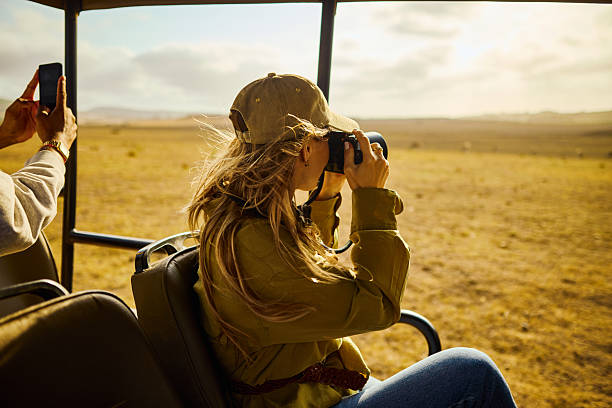
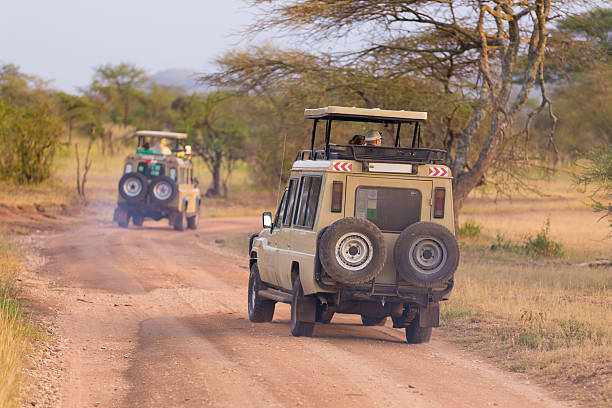
Market and Street Life Exploration Trips: A Deep Dive into Tanzania’s Vibrant Culture
Tanzania is a land of incredible natural beauty, from the vast plains of the Serengeti to the spice-scented air of Zanzibar. Yet, beyond the iconic wildlife and stunning beaches lies another rich layer of experience: its dynamic markets and bustling street life. For travelers seeking genuine connection and a deeper understanding of local culture, Market and Street Life Exploration Trips offer an unparalleled opportunity. These journeys move beyond the typical tourist trails, immersing you in the everyday rhythms, sights, sounds, and flavors that define Tanzanian daily existence. This guide provides everything you need to plan and enjoy such an adventure, focusing on practical advice for 2026-2027 travel.
Quick Answer: What are Market and Street Life Exploration Trips?
These are specialized tours focused on experiencing the authentic daily life of Tanzanians by visiting local markets, exploring busy city streets, interacting with vendors and residents, and understanding the commercial and social hubs of towns and cities. They are about sensory engagement and cultural immersion.
Table of Contents
- Quick Facts: Market Exploration in Tanzania
- Overview: The Heartbeat of Tanzania
- Why Market and Street Life Exploration Trips Matter
- Best Time to Visit for Street Life Experiences
- Key Locations for Market and Street Life Exploration
- Sample Itinerary: A Week of Urban Immersion
- What to Expect: Sensory Experiences and Interactions
- What to Pack and How to Prepare
- Common Mistakes to Avoid
- Who Are These Trips Best Suited For?
- Alternatives to Pure Market & Street Life Focus
- Planning Your Trip for 2026-2027
- Booking Your Market and Street Life Exploration Trip
Quick Facts: Market Exploration in Tanzania
| Aspect | Details |
|---|---|
| Primary Focus | Local markets, street vendors, urban culture, daily life. |
| Key Destinations | Dar es Salaam, Arusha, Stone Town (Zanzibar), Moshi, smaller towns. |
| Activities | Market visits, street food tasting, local transport use, craft shopping, cultural interaction. |
| Best For | Culturally curious travelers, photographers, foodies, those seeking authentic experiences. |
| Seasonality | Year-round, but dry seasons (June-Oct, Dec-Feb) offer more comfortable outdoor exploration. |
| Pace | Can be fast-paced and energetic, requiring stamina and openness. |
Overview: The Heartbeat of Tanzania
Tanzania’s cities and towns are alive with a vibrant energy that emanates from its markets and streets. These aren’t just places for commerce; they are social centers, cultural hubs, and the very pulse of the nation. From the sprawling Kariakoo Market in Dar es Salaam, where mountains of produce meet a cacophony of hawkers, to the aromatic spice stalls of Stone Town and the roadside ‘duka’ (shops) selling everything from SIM cards to fresh mandazi (doughnuts), the street life offers a constant stream of discovery. Exploring these areas means engaging with the real Tanzania, interacting with its people, and understanding the intricate web of daily life that sustains its communities.
These trips are designed for those who want to go beyond the curated tourist experiences. They are about active participation, observation, and a willingness to step outside your comfort zone. You’ll witness the artistry of local craftspeople, taste authentic Tanzanian cuisine prepared by street vendors, navigate bustling transport hubs, and learn about the goods that fuel the local economy. It’s an immersive way to connect with the spirit of Tanzania.
Why Market and Street Life Exploration Trips Matter
Choosing Market and Street Life Exploration Trips is a deliberate choice to connect with the authentic spirit of a place. Here’s why they are so rewarding:
- Authentic Cultural Immersion: Unlike staged cultural performances, markets and streets are where local life unfolds organically. You witness daily routines, social interactions, and traditional practices in their natural setting.
- Sensory Richness: Prepare for an explosion of senses. The vibrant colors of textiles and produce, the diverse aromas of spices and street food, the constant hum of conversation and activity – it’s an unforgettable sensory journey.
- Economic Insight: Markets are the backbone of local economies. Understanding what is bought and sold, how prices are set, and the role of vendors offers a tangible insight into the country’s economic landscape.
- Culinary Adventures: Street food is a highlight. From grilled meats and local snacks to fresh fruit juices, these experiences offer a delicious and affordable way to taste the true flavors of Tanzania.
- Photography Opportunities: The vibrant scenes, expressive faces, and dynamic interactions provide endless opportunities for compelling photography, capturing the essence of Tanzanian life.
- Supporting Local Communities: By visiting markets and purchasing goods or food directly from vendors, you contribute directly to the local economy, supporting small businesses and individual livelihoods.
- Personal Growth: Navigating busy environments, communicating with people from different backgrounds, and embracing the unexpected fosters confidence, adaptability, and a broader perspective.
Best Time to Visit for Street Life Experiences
Tanzania’s climate is generally warm year-round, but certain periods are more conducive to exploring its markets and streets comfortably.
| Period | Weather & Considerations |
|---|---|
| June to October (Dry Season) | Pleasant temperatures, low humidity, and minimal rain. Ideal for comfortable walking and exploring outdoor markets. This is also peak safari season, so cities might be busy with transit tourists. |
| November to May (Rainy Seasons) | Short Rains (Nov-Dec): Intermittent showers, usually brief and not disruptive. Can offer lush scenery. Long Rains (Mar-May): Heavier and more prolonged rainfall. While markets continue, street exploration can be challenging due to mud and heavy downpours. However, fewer crowds and potentially lower prices for accommodation. |
| December to February (Hot Season) | Hot and humid, especially along the coast. Early mornings and late afternoons are best for market visits. This period often coincides with holiday travel. |
For market and street life exploration, the dry season (June-October) is generally preferred for comfort. However, visiting during the shoulder seasons (like November or March) can offer a good balance of decent weather and fewer crowds.
Key Locations for Market and Street Life Exploration
While vibrant markets and street scenes can be found in almost any Tanzanian town, some locations offer particularly rich experiences.
1. Dar es Salaam: The Commercial Hub
As Tanzania’s largest city and economic capital, Dar es Salaam is a whirlwind of activity. Its street life is intense and diverse.
- Kariakoo Market: A massive, sprawling market selling everything from fresh produce, spices, and grains to textiles, electronics, and household goods. It’s chaotic, energetic, and a true representation of Tanzanian commerce.
- Darajani Market (Zanzibar City): While technically in Zanzibar, it shares the vibrant, bustling energy of mainland markets. Famous for its fish market, fresh produce, and local crafts.
- Street Food Scene: Explore areas around university campuses or busy transport hubs for authentic local snacks and meals.
- Downtown Streets: Wander through streets like Samora Avenue and Azikiwe Street to see the mix of modern shops, colonial architecture, and street vendors.
2. Arusha: Gateway to Northern Safaris
Arusha offers a more relaxed pace than Dar but still boasts lively markets and active street life, serving as a hub for many safari-goers.
- Arusha Central Market: A good place to find local produce, crafts, textiles, and everyday items. It’s less overwhelming than Kariakoo but still offers authentic interactions.
- Clock Tower Area: The vicinity around the Clock Tower is a central point where many taxis, dala-dalas (local minibuses), and street vendors converge.
- Roadside Stalls: You’ll find numerous stalls selling Maasai crafts, jewelry, and carvings, especially on routes leading out of town.
3. Stone Town, Zanzibar: Aromatic and Historic
Stone Town is a UNESCO World Heritage site, and its markets and streets are steeped in history and culture, with a distinct Swahili influence.
- Darajani Market: The main market, renowned for its fresh seafood, exotic fruits, and vibrant atmosphere. The adjacent meat and fish sections are particularly lively.
- Forodhani Gardens Night Market: Transforms into a bustling food market every evening, offering grilled seafood, Zanzibari pizzas, sugarcane juice, and local sweets.
- Narrow Alleyways: Simply walking through Stone Town’s labyrinthine streets is an exploration in itself, discovering hidden courtyards, spice shops, artisan workshops, and local homes.
4. Moshi: Foothills of Kilimanjaro
Moshi, situated at the base of Mount Kilimanjaro, has a friendly and active market scene.
- Moshi Central Market: A hub for local farmers and traders. You can find fresh produce, local coffee, handicrafts, and textiles. It’s a great place to observe daily life and interact with the Chagga people.
- Street Vendors: Especially around the bus station and main roads, selling snacks, drinks, and small goods.
Sample Itinerary: A Week of Urban Immersion
This sample itinerary focuses on experiencing the market and street life in two key Tanzanian cities. It can be customized for 2026-2027 travel.
| Day | Location | Morning (approx. 9 AM – 1 PM) | Afternoon (approx. 1 PM – 5 PM) | Evening (approx. 5 PM onwards) |
|---|---|---|---|---|
| Day 1 | Dar es Salaam | Arrive in Dar es Salaam, check into accommodation. Brief orientation. Visit the National Museum to understand historical context. | Guided walk through the city center: explore Azikiwe Street, Samora Avenue, see the State House area, and observe street vendors. Lunch at a local eatery. | Dinner at a restaurant offering Tanzanian cuisine. Optional: visit a local bar for a relaxed evening. |
| Day 2 | Dar es Salaam | Kariakoo Market Exploration: Full morning immersion in Tanzania’s largest market. Guided tour to navigate its sections, interact with vendors, and learn about local goods. Taste fresh tropical fruits. | Continue exploring Kariakoo or visit the nearby Indian Ocean beachfront (e.g., Coco Beach) for a change of pace. Observe local life by the sea. | Street food tour: sample local delicacies like ‘Chips Mayai’ (omelet with fries), grilled meats, and fresh juices from reputable street vendors. |
| Day 3 | Dar es Salaam to Arusha | Morning: Visit the Village Museum for traditional housing and crafts, offering a contrast to city life. Last-minute souvenir shopping at a local craft market. | Transfer to the airport for a domestic flight to Arusha. Check into accommodation in Arusha. | Relaxed evening in Arusha. Dinner at a local restaurant. |
| Day 4 | Arusha | Arusha Central Market: Explore the local market, focusing on produce, textiles, and local crafts. Interact with vendors and perhaps learn a few Swahili phrases. | Visit a local coffee plantation or a Maasai village community project on the outskirts of Arusha for cultural insights. Alternatively, explore the Clock Tower area and its surrounding streets. | Enjoy dinner at a restaurant in Arusha. Perhaps try some local Tanzanian beer. |
| Day 5 | Arusha to Moshi | Morning: Visit the Shanga workshop (if open and suitable) for a social enterprise focused on empowering people with disabilities through crafts. Or explore more local shops for unique finds. | Travel to Moshi (approx. 1.5-2 hours). Check into accommodation. Orientation to Moshi town. | Evening: Explore Moshi’s town center. Dinner at a local café or restaurant. |
| Day 6 | Moshi | Moshi Central Market: Experience the market, known for its local produce, coffee beans, and handicrafts. Learn about the Chagga culture. | Visit a local Chagga home or a community project focused on coffee farming to understand rural livelihoods near the city. Or, enjoy views of Kilimanjaro (weather permitting). | Farewell dinner in Moshi, reflecting on the week’s experiences. |
| Day 7 | Departure | Morning: Enjoy a final Tanzanian breakfast. Depending on flight schedules, perhaps a last walk through a local street or a visit to a local tailor. | Transfer to Kilimanjaro International Airport (JRO) for your departure. | N/A |
What to Expect: Sensory Experiences and Interactions
Preparing yourself for the sensory and social aspects of market and street life exploration is key to a positive experience.
- Noise and Crowds: Markets are bustling, noisy environments. Expect a constant hum of voices, calls of vendors, music, and traffic. Crowds can be dense, especially during peak hours.
- Vibrant Colors and Textures: From piles of brightly colored fruits and vegetables to intricately woven fabrics and handcrafted items, the visual stimulation is immense.
- Aromas: The air will be filled with a mix of scents – fresh produce, exotic spices, grilling meats, fragrant flowers, and sometimes less pleasant odors associated with busy urban areas.
- Street Food: This is a highlight for many. Vendors prepare food in open stalls. It’s an opportunity to taste authentic flavors, but choose vendors wisely (see safety section).
- Interaction: Expect friendly greetings, persistent sales pitches, and genuine curiosity from locals. Learning a few Swahili phrases like ‘Jambo’ (Hello), ‘Asante’ (Thank you), and ‘Bei gani?’ (How much?) goes a long way.
- Pace: The pace can be fast. Be prepared to walk, stand, and move with the flow of the crowd.
- Negotiation: For crafts and non-food items, bargaining is expected. Do so respectfully and with a smile.
What to Pack and How to Prepare
Smart preparation ensures comfort and safety while exploring Tanzania’s vibrant streetscapes.
Essential Packing List:
- Comfortable Walking Shoes: You’ll be on your feet a lot. Sturdy, broken-in shoes are a must.
- Lightweight, Breathable Clothing: Cotton or linen fabrics are ideal for the warm climate. Pack layers for cooler evenings or air-conditioned interiors.
- Modest Attire: While not strictly enforced everywhere, dressing modestly (covering shoulders and knees) is respectful, especially when interacting closely with local communities and in more conservative areas.
- Sun Protection: A wide-brimmed hat, sunglasses, and high-SPF sunscreen are essential.
- Reusable Water Bottle: Stay hydrated. You can often refill it at your hotel or buy large bottles of water to decant.
- Hand Sanitizer & Wet Wipes: Crucial for hygiene, especially before eating street food or after handling money.
- Small Backpack or Day Bag: To carry essentials like water, camera, wallet, and hand sanitizer. Ensure it has secure zippers.
- Camera: With extra batteries and memory cards. Always ask permission before taking close-up photos of people.
- Small Notebook and Pen: For jotting down notes, prices, or names.
- Basic First-Aid Kit: Including plasters, antiseptic wipes, pain relievers, and any personal medication.
- Insect Repellent: Especially for evenings, though less critical in busy urban centers than in wilderness areas.
- Cash (Local Currency – Tanzanian Shilling): Essential for market purchases and street food. Have small denominations for easier transactions.
Preparation Tips:
- Learn Basic Swahili Phrases: A few words can significantly enhance interactions and show respect.
- Research Local Customs: Understand basic etiquette regarding greetings, dress, and photography.
- Get Vaccinations & Travel Advice: Consult your doctor or a travel clinic well in advance of your 2026-2027 trip regarding recommended vaccinations and malaria precautions.
- Inform Yourself About Currency: Know the approximate exchange rate and have some local currency upon arrival. ATMs are available in major towns.
- Arrange Local Guides: For market and street life exploration, a knowledgeable local guide is invaluable for navigation, safety, cultural insights, and communication.
- Set a Budget: While street food and market purchases can be affordable, having a clear budget helps manage expenses.
Common Mistakes to Avoid
To ensure a smooth and enjoyable experience, be aware of these common pitfalls:
- Overlooking Safety: Being too engrossed in the sights and sounds can make you a target for petty theft. Always be aware of your surroundings.
- Ignoring Hygiene: Especially with street food, be discerning about where you eat. Look for busy stalls with high turnover and where food is cooked fresh.
- Photographing Without Permission: While people are generally friendly, always ask before taking close-up photos. Some may ask for a small fee.
- Being Disrespectful During Bargaining: Haggling is part of the culture, but do it politely. Aggressive bargaining is frowned upon.
- Wearing Inappropriate Clothing: Dressing too revealingly can attract unwanted attention and is considered disrespectful in many local contexts.
- Carrying Too Much Cash: Only carry what you need for the day. Keep larger amounts secured at your accommodation.
- Not Using a Local Guide: Trying to navigate large, complex markets like Kariakoo alone can be overwhelming and less rewarding. A guide enhances safety and understanding.
- Expecting Everything to Be Like Home: Embrace the differences. The charm of these trips lies in their unique cultural context.
- Not Staying Hydrated: The heat and activity can lead to dehydration quickly.
Who Are These Trips Best Suited For?
Market and Street Life Exploration Trips appeal to a specific type of traveler who values depth and authenticity:
- Culturally Curious Individuals: Those who want to understand the fabric of daily life beyond tourist attractions.
- Photographers: The vibrant scenes, candid moments, and expressive faces offer incredible photographic opportunities.
- Food Enthusiasts: Adventurous eaters eager to sample authentic local street food and regional specialties.
- Budget Travelers: Markets and street food offer affordable ways to experience local culture and cuisine.
- Independent Spirits: Travelers who enjoy actively engaging with their surroundings and are comfortable navigating bustling environments.
- Anyone Seeking Deeper Connection: Those who want to move beyond superficial tourism and connect with the people and soul of Tanzania.
These trips are generally not ideal for travelers who prefer structured, predictable itineraries, are sensitive to noise and crowds, or have significant mobility issues without prior arrangement for accessible routes.
Alternatives to Pure Market & Street Life Focus
If a full immersion into market and street life feels too intense, or if you want to balance it with other experiences, consider these alternatives:
| Option | Description | Best For |
|---|---|---|
| Cultural Day Trips from Safari | Many safari itineraries include optional visits to local villages or markets near national parks. This offers a glimpse without a full city immersion. | Safari-goers wanting a brief cultural stop. |
| Zanzibar Spice Tours & Stone Town Walks | Focuses on the unique history, architecture, and spice trade of Zanzibar, with guided walks through Stone Town and visits to spice farms. Less about general street life, more specific cultural heritage. | Travelers interested in Zanzibar’s specific history and flavors. |
| Homestays or Village Visits | Staying with a local family or visiting a rural community offers deep cultural immersion but is different from the urban market experience. | Travelers seeking intimate community interaction. |
| Guided City Tours with Specific Focus | A guided tour focusing on history, architecture, or street art in a city, which might include passing through markets but not necessarily a deep dive. | Travelers wanting a curated overview of a city. |
A combination is often best. For example, you might spend a few days on safari, then dedicate a couple of days to exploring Arusha’s markets and streets before heading to Zanzibar for its unique blend of history and coastal life.
Planning Your Trip for 2026-2027
Planning ahead is crucial for a successful Market and Street Life Exploration Trip, especially when looking towards 2026-2027. Here’s a planning timeline and considerations:
Timeline:
- 12+ Months Out: Research destinations, general itinerary ideas, and tour operators. Decide on the overall style of your trip (e.g., focusing on cities, combining with other activities). Check visa requirements for Tanzania.
- 9-12 Months Out: Book international flights. If planning for peak seasons (like Christmas/New Year 2026-2027 or summer holidays 2027), book early. Start looking at specific tour packages or custom itinerary options.
- 6-9 Months Out: Confirm your chosen tour operator and book your core itinerary. This is a good time to book internal flights (e.g., Dar to Arusha).
- 3-6 Months Out: Schedule a visit to your doctor or travel clinic for vaccinations and malaria prophylaxis advice. Purchase travel insurance.
- 1-3 Months Out: Finalize any visa applications. Start purchasing specific gear (e.g., comfortable shoes, camera equipment). Learn basic Swahili phrases.
- 2-4 Weeks Out: Confirm all bookings. Exchange some currency for arrival. Pack your bags. Share your itinerary with family or friends.
- During Your Trip: Stay flexible, be open to spontaneous experiences, and enjoy the immersion!
Key Considerations for 2026-2027:
- Travel Trends: Sustainable tourism and authentic experiences are increasingly popular. Book with operators who prioritize responsible practices.
- Connectivity: While Wi-Fi is available in hotels and some cafes, expect limited connectivity in markets and on streets. Consider a local SIM card for easier communication.
- Health and Safety Protocols: Stay updated on any ongoing health advisories or recommendations from official sources.
- Cost Fluctuations: Prices for flights and accommodation can change. Booking in advance, especially for 2026-2027, can often secure better rates.
Booking Your Market and Street Life Exploration Trip
Choosing the right tour operator is vital for a fulfilling Market and Street Life Exploration Trip. Here’s how to approach booking:
What to Look For in a Tour Operator:
- Local Expertise: Operators based in Tanzania or with deep local knowledge understand the nuances of street life and market culture.
- Customization Options: Can they tailor an itinerary to your specific interests in markets, street food, or local crafts?
- Focus on Authenticity: Do they emphasize genuine interactions and cultural immersion rather than just ticking boxes?
- Safety and Guidance: Do they provide experienced local guides who are knowledgeable about navigating busy areas safely and respectfully?
- Reputation and Reviews: Look for testimonials or reviews from past travelers who have undertaken similar cultural or urban exploration trips.
- Responsible Tourism Practices: Do they work with local communities ethically and support local businesses?
Booking Process:
When you are ready to plan your adventure for 2026 or 2027, reach out to experienced local operators. For a personalized and authentic experience focused on Tanzania’s vibrant markets and street life, consider contacting us:
Get in touch with Top Guide Adventures:
- WhatsApp: +255616946642
- Email: topguideadventures@gmail.com
- Backup Email: info@topguideadventures.com
We specialize in creating custom Tanzanian travel experiences, including in-depth explorations of its cities, markets, and street life. Let us help you craft your perfect Market and Street Life Exploration Trip.
Frequently Asked Questions (FAQs)
Frequently Asked Questions
Q1: Is it safe to eat street food in Tanzania?
A1: Eating street food can be a highlight, but safety is key. Choose vendors that are busy, where food is cooked fresh in front of you, and that look clean. Always use hand sanitizer before eating. If you have a sensitive stomach, it might be wise to start with less adventurous options or stick to bottled drinks.
Q2: How much should I expect to spend on market purchases and street food?
A2: Prices vary greatly. Street food can range from very affordable (e.g., 2,000-10,000 TZS per meal) to slightly more for specialized items. For crafts, expect to negotiate. A small souvenir might cost 10,000-50,000 TZS, while larger items can be much more. It’s best to have small denominations of Tanzanian Shillings.
Q3: Do I need a visa for Tanzania?
A3: Most nationalities require a visa to enter Tanzania. You can typically obtain this online in advance (e-visa) or upon arrival at the airport. Check the latest requirements from the Tanzanian immigration authority well before your 2026-2027 trip.
Q4: What is the best way to get around cities for street exploration?
A4: In major cities like Dar es Salaam and Arusha, you can use taxis, ride-sharing apps (where available), or local public transport like ‘dala-dalas’ for a truly local experience. For market exploration, walking is often best, with a guide to help navigate and arrange transport.
Q5: Is it appropriate to tip street vendors or market sellers?
A5: Tipping is not as customary for individual market transactions or street food as it is for tour guides or hotel staff. However, if you receive exceptional service or want to show appreciation, a small gesture (e.g., rounding up the bill, a few extra thousand shillings) is always welcome.
Q6: How can I respectfully interact with locals in markets?
A6: Greet people with ‘Jambo’ or ‘Habari’ (How are you?). Smile, be patient, and show genuine interest. Learn a few Swahili words. Always ask permission before taking photos of individuals. Be mindful of local customs and dress modestly.
Q7: What should I do if I get lost in a market?
A7: If you are on a guided tour, stay with your guide. If exploring independently and you feel lost, find a shopkeeper or a police officer, or ask someone who looks approachable to help you find a landmark or your hotel. Having your hotel’s business card can be very useful.
Q8: Are market and street life exploration trips suitable for families with children?
A8: It depends on the children’s ages and temperaments. Younger children might find the crowds and noise overwhelming. Older children or teenagers who are curious and adaptable may enjoy the sensory experience and opportunities to try new foods. It’s best suited for families with children aged 10 and above who are open to cultural immersion.
Q9: Can I buy souvenirs in the markets?
A9: Absolutely! Markets are excellent places to find a wide range of souvenirs, from textiles, wooden carvings, and jewelry to spices and local art. Remember that bargaining is common for non-food items.
Q10: What are the best times of day to visit markets?
A10: Mornings are usually the busiest and most vibrant time, especially for fresh produce markets. For street food, evenings are often when the best stalls open. Avoid the peak midday heat if possible.
Plan Your Unforgettable Tanzanian Market and Street Life Exploration Trip
Tanzania’s markets and streets offer a window into the soul of the nation. They are places of vibrant energy, rich culture, and genuine human connection. Whether you’re navigating the vast stalls of Kariakoo, savoring the aromas of Stone Town, or experiencing the local buzz in Arusha, these experiences will stay with you long after you leave.
For a journey that goes beyond the ordinary, let us help you craft your perfect Market and Street Life Exploration Trip. We specialize in creating authentic, immersive, and safe travel experiences across Tanzania. Our local knowledge ensures you’ll discover the hidden gems and experience the true heart of Tanzanian daily life.
Contact us today to start planning your adventure for 2026-2027:
- WhatsApp: +255616946642
- Email: topguideadventures@gmail.com
- Backup Email: info@topguideadventures.com
Plan your Market and Street Life Exploration Trips with Top Guide Adventures
Tell us your travel dates, group size, comfort level, and dream experience. We will help you shape a clear, realistic, and memorable Tanzania itinerary.







 Veedesigner
 Fatma Kizanga
 Benjamin Waryuba
 Philip Philip
 John jr Itaja
 Antonia Optatus
 Edith Kanyere
 Neema Iddy
 Kelvin Boniphace
 Damari Maiga



