
Updated planning guide for 2026-2027
West Africa Heritage Walking Adventures: Complete Guide 2026-2027
Plan your next cultural exploration with our detailed guide to West Africa Heritage Walking Adventures. Learn about routes, preparation, and how to book your immersive journey through history and culture.
WhatsApp +255616946642 | topguideadventures@gmail.com | info@topguideadventures.com
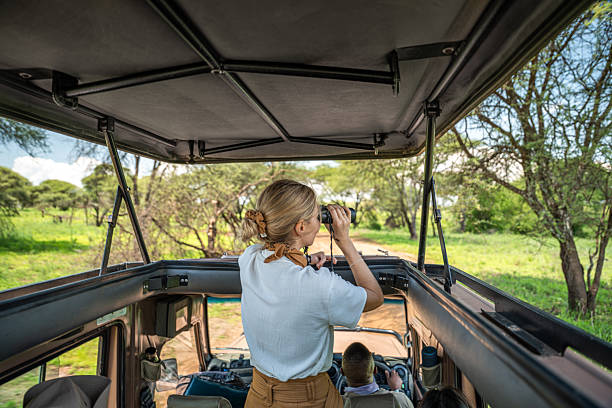

Discover West Africa Heritage Walking Adventures
West Africa offers a profound journey into history, culture, and vibrant traditions. For travelers seeking an authentic connection with the past and present, West Africa Heritage Walking Adventures present a unique opportunity. This isn’t about ticking off landmarks; it’s about immersing yourself in the stories etched into ancient kingdoms, colonial echoes, and the daily lives of resilient communities. Imagine walking ancient trade routes, visiting historic slave forts, exploring bustling artisan markets, and engaging with local cultures through the rhythm of your own footsteps. This guide is crafted to help you understand the depth and breadth of these experiences, providing practical advice for planning your 2026 or 2027 adventure.
While our primary expertise lies in the wonders of Tanzania, we recognize the universal desire for meaningful travel. This article extends our commitment to providing comprehensive travel insights, focusing specifically on the rich heritage walking experiences that West Africa has to offer. From the Gold Coast of Ghana to the ancient cities of Mali, these journeys connect you to the soul of a continent.
Quick Overview: West Africa Heritage Walking Adventures
| Aspect | Details |
|---|---|
| Focus | Historical sites, cultural immersion, local communities, traditional practices, colonial history, ancient kingdoms. |
| Key Regions | Ghana, Senegal, Benin, Togo, Nigeria, Mali, Ivory Coast. |
| Activities | Guided walking tours, visiting historical forts and palaces, exploring traditional villages, participating in local craft workshops, attending cultural festivals (seasonal), market visits, engaging with storytellers and elders. |
| Travel Style | Primarily walking-based, often combined with local transport. Focus on in-depth cultural understanding rather than rapid sightseeing. |
| Best Time to Travel | Generally during the dry seasons (approx. November to March), though specific regional variations exist. Avoid peak rainy seasons. |
| Duration | Typically 7 to 21 days, depending on the scope of the adventure and regions covered. |
Why Choose West Africa Heritage Walking Adventures?
West Africa is a region brimming with a complex and compelling history. Heritage walking tours offer a way to engage with this history on a personal level, moving beyond passive observation. These adventures are designed for travelers who want to:
- Understand the Transatlantic Slave Trade: Walk the ‘Door of No Return’ at Cape Coast Castle, visit Elmina Castle, and learn about the profound impact of this history on both Africa and the diaspora.
- Explore Ancient Empires: Journey to places like Timbuktu (Mali), once a center of Islamic scholarship and trade, or discover the remnants of the Ashanti Kingdom in Ghana.
- Connect with Living Traditions: Experience vibrant drumming and dance, witness traditional ceremonies, interact with local artisans, and learn about spiritual practices like Voodoo in Benin and Togo.
- Discover Colonial Legacies: See how European colonial powers shaped the architecture, administration, and societies of West African cities.
- Engage with Local Communities: These tours often involve staying in or visiting villages, offering genuine interactions and insights into daily life.
- Experience Authentic Culture: Move beyond tourist facades to see the real West Africa, understanding its resilience, creativity, and enduring spirit.
The walking aspect is crucial. It slows down the pace, allowing for deeper observation, spontaneous encounters, and a more intimate connection with the landscapes and people. It’s an opportunity to tread the same paths as traders, royalty, and everyday people throughout history.
Key Destinations for Heritage Walking Adventures
Several West African nations offer particularly rich experiences for heritage walking tours. Each has a distinct history and cultural landscape.
Ghana: A Gateway to History
Ghana is often a starting point for many heritage tours due to its well-preserved historical sites and relatively developed tourism infrastructure. Key highlights include:
- Cape Coast and Elmina: Home to UNESCO World Heritage slave castles that serve as poignant reminders of the transatlantic slave trade. Walking through these fortresses, dungeons, and courtyards is a somber but essential experience.
- Kumasi: The historic capital of the Ashanti Empire. Explore the Manhyia Palace Museum, the National Cultural Centre, and learn about the powerful Ashanti traditions, including their intricate kente cloth weaving.
- Accra: Ghana’s capital city offers a mix of historical sites like the Kwame Nkrumah Mausoleum and Independence Square, alongside vibrant markets and contemporary art scenes.
- Volta Region: Offers opportunities to explore traditional villages and natural landscapes, including waterfalls and mountain scenery, providing a different perspective on Ghanaian heritage.
Senegal: French Colonial Echoes and Island Histories
Senegal blends French colonial influences with rich African heritage, particularly around its capital.
- Goree Island: A UNESCO World Heritage site, just off the coast of Dakar. This island served as one of the last points of departure for enslaved Africans. Walking its narrow streets and visiting the House of Slaves is a powerful experience.
- Saint-Louis: A former colonial capital, known for its unique architecture reflecting French and Creole influences. Walking its historic island district offers a glimpse into a bygone era.
- Fouta Toro: Explore the historical heartland of the Fula people, with ancient mosques and traditional settlements.
Benin and Togo: The Cradle of Voodoo
These neighboring countries offer a unique spiritual heritage and fascinating history.
- Ouidah (Benin): A historic port town and a significant center for the Voodoo religion and the slave trade. The Voodoo Museum and the Slave Route are key heritage sites.
- Ganvie (Benin): A stilt village on Lake Nokoué, offering a unique cultural experience of life on the water.
- Togoville (Togo): A historically important town on Lake Togo, significant in both Voodoo traditions and colonial history.
- Koutammakou (Togo): A UNESCO World Heritage landscape, home to the Batammariba people and their distinctive mud tower houses (Tata Somba). Walking through this region offers a glimpse into traditional architecture and way of life.
Mali: Empires of the Sahara
Mali is home to some of West Africa’s most impressive ancient urban centers, though access and safety conditions can vary.
- Timbuktu: Once a legendary center of Islamic scholarship and a vital hub on trans-Saharan trade routes. Visiting its ancient mosques and libraries is a journey back in time. (Note: Travel advisories should be carefully checked for this region).
- Djenné: Famous for its stunning Great Mosque, a masterpiece of Sudano-Sahelian architecture. The town itself offers a rich historical walking experience.
- Bandiagara Escarpment: Home to the Dogon people, known for their unique cliff dwellings and vibrant cultural traditions. Walking tours here provide deep cultural immersion. (Note: Similar safety considerations apply).
Crafting Your West Africa Heritage Walking Adventure: Planning Essentials
Planning a heritage walking adventure in West Africa requires careful consideration of several factors. The goal is to create an itinerary that is both enriching and practical for 2026 or 2027 travel.
1. Define Your Interests and Scope
What aspect of West African heritage interests you most? Are you focused on the slave trade history, ancient kingdoms, specific ethnic groups, or colonial architecture? Your primary interest will shape the countries and regions you visit.
- Deep Dive: Focus on one or two countries for a more in-depth experience. For example, a 10-day trip to Ghana could cover Accra, Cape Coast, and Kumasi thoroughly.
- Broader Overview: A longer trip (14-21 days) might allow for a multi-country experience, perhaps combining Ghana and Senegal, or Benin and Togo.
2. Best Time to Visit for Walking Tours
West Africa’s climate is characterized by distinct wet and dry seasons. For walking, the dry season is generally preferable.
| Region/Country | Dry Season (Best for Walking) | Rainy Season (Considerations) |
|---|---|---|
| Ghana, Ivory Coast | November to March | April to October (can be humid, heavy downpours) |
| Senegal, Gambia | November to May | June to October (can be very humid) |
| Benin, Togo, Nigeria | November to April | May to October (can be very humid) |
| Mali (especially North) | October to May (cooler months are Nov-Feb) | June to September (Sahara region can be extremely hot year-round, but dry season is more manageable for travel) |
Note for 2026-2027 Planning: While these are general patterns, climate change can lead to unpredictable weather. Always check specific regional forecasts closer to your travel dates.
3. Visa and Entry Requirements
Visa requirements vary significantly by nationality and country. Many West African nations require visas for tourists. Research these well in advance of your 2026 or 2027 trip.
- Check Embassy Websites: The most reliable source for current visa information is the embassy or consulate of the country you plan to visit in your home country.
- Application Process: Some visas can be obtained on arrival, but it’s usually safer and more efficient to apply in advance. E-visas are becoming more common in some countries.
- Multiple Entries: If you plan to visit multiple countries, ensure your visas allow for re-entry if you loop back, or that you have obtained visas for each country individually.
4. Health and Vaccinations
Consult your doctor or a travel clinic at least 6-8 weeks before your trip. Recommended vaccinations often include:
- Yellow Fever (often mandatory for entry)
- Hepatitis A and B
- Typhoid
- Tetanus/Diphtheria
- Polio
- Rabies (consider if spending extended time in rural areas)
Malaria Prevention: Malaria is prevalent in most of West Africa. Discuss appropriate antimalarial medication with your doctor. Mosquito repellent (with DEET), long sleeves, and trousers are essential, especially during dawn and dusk.
5. Safety and Security
Safety is a paramount concern for any traveler. West Africa, like many regions, has areas where caution is advised.
- Stay Informed: Monitor your government’s travel advisories for the countries you plan to visit.
- Use Reputable Guides: Especially for heritage walking tours, employing local, knowledgeable guides is crucial for safety and authenticity. They understand local customs, navigate potentially complex areas, and can advise on safe practices.
- Avoid Certain Areas: Some border regions or specific northern areas (especially in Mali and Niger) may have higher security risks. Stick to established tourist routes and heed local advice.
- Petty Crime: Be aware of your surroundings in crowded markets and urban areas. Keep valuables secure and avoid displaying expensive items.
6. Accommodation and Logistics
Accommodation in West Africa ranges from basic guesthouses to more comfortable mid-range hotels. Some tours may include stays in community-run lodges or homestays for deeper immersion.
- Book in Advance: Especially for popular heritage sites or during peak season, booking accommodation and transport ahead of time is recommended for 2026-2027.
- Internal Travel: Travel between cities and countries can involve flights, buses, or shared taxis. For heritage tours, private or shared vehicle transport is often arranged as part of the package for comfort and efficiency.
Sample Itinerary: Ghana Heritage Walking Adventure (10 Days)
This sample itinerary focuses on Ghana’s rich history and cultural heritage, incorporating walking elements where appropriate.
Day 1: Arrival in Accra
Arrive at Kotoka International Airport (ACC). Transfer to your hotel. Depending on arrival time, a short introductory walk around the hotel vicinity or a visit to the National Museum (if open and relevant) to get a historical overview.
Day 2: Accra City Exploration
Morning: Visit the Kwame Nkrumah Mausoleum and Independence Square. Walk through the Jamestown district, observing colonial architecture and the vibrant fishing community. Afternoon: Explore the Makola Market for a sensory immersion into Ghanaian commerce. Optional: Visit the Artists Alliance Gallery for contemporary Ghanaian art.
Day 3: Travel to Cape Coast & Kakum National Park
Morning: Drive to Cape Coast (approx. 3-4 hours). En route, visit Kakum National Park for a canopy walk experience on suspension bridges high above the rainforest floor – a different kind of ‘walking adventure’ offering unique perspectives. Afternoon: Check into your hotel in Cape Coast.
Day 4: Cape Coast Castle & Slave History
Full Day: Guided tour of Cape Coast Castle, one of the largest slave dungeons. This is a deeply moving experience, involving extensive walking through the castle’s various levels, dungeons, and the ‘Door of No Return’. Understand the historical context and human stories. Afternoon: Visit the nearby Elmina Castle, another significant historical site.
Day 5: Travel to Kumasi
Morning: Drive to Kumasi, the capital of the Ashanti Kingdom (approx. 4-5 hours). Afternoon: Visit the National Cultural Centre, where you can see artisans demonstrating traditional crafts like kente weaving, bead making, and wood carving. You can walk through the various workshops.
Day 6: Kumasi – Ashanti Heritage
Morning: Visit Manhyia Palace Museum, the former residence of the Ashanti King, to learn about the kingdom’s history and traditions. Explore the surrounding palace grounds. Afternoon: Visit the Otumfuo Opoku Ware II Museum. Walk through the Kejetia Market, one of West Africa’s largest open-air markets.
Day 7: Ashanti Villages & Crafts
Day trip to surrounding Ashanti villages. Visit craft centers for Adinkra cloth printing (stamping symbols with traditional dyes), Kente weaving villages (like Bonwire), and perhaps a shrine or traditional healer’s compound (with respect and prior arrangement). This involves walking within villages and workshops.
Day 8: Return to Accra
Morning: Leisurely breakfast in Kumasi. Begin the drive back to Accra. Afternoon: Arrive in Accra, check into your hotel. Perhaps a final walk through a local neighborhood or a relaxed evening.
Day 9: Accra – Cultural Immersion or Relaxation
Options for the day: revisit a favorite spot, explore additional markets, visit the Artists Alliance Gallery if not done earlier, or take a cooking class focused on Ghanaian cuisine. A final walk along the coast if time permits.
Day 10: Departure
Enjoy breakfast. Depending on your flight schedule, there might be time for last-minute souvenir shopping. Transfer to Kotoka International Airport (ACC) for your departure.
Considerations for 2026-2027 Itinerary Planning:
- Flexibility: Build in buffer time. Road travel can be unpredictable.
- Local Festivals: If your travel dates align with major festivals (e.g., Panafest in Ghana, Homowo), you can incorporate them for a richer experience, but be prepared for larger crowds and adjusted logistics.
- Pace: This 10-day itinerary is moderately paced. For a more relaxed exploration, consider extending it.
- Guides: Ensure your guides are knowledgeable about history, culture, and local safety.
What to Expect on a Heritage Walking Adventure
These tours are designed for immersion, which means stepping outside your comfort zone and embracing the local environment.
The Walking Component
Walking is the primary mode of exploration within historical sites, towns, and villages. Expect:
- Urban Exploration: Walking through historic city districts, markets, and neighborhoods.
- Site-Specific Walking: Extensive walking within castles, forts, palaces, and archaeological sites.
- Village Visits: Walking along paths and through communities in rural areas.
- Nature Walks: Some tours might include gentle walks in national parks or scenic areas, like the Kakum canopy walk.
- Terrain: Paths can be uneven, cobbled, dusty, or muddy depending on the location and season. Comfortable, sturdy footwear is essential.
Cultural Immersion
Expect genuine interactions with local people. This might include:
- Visiting traditional homes or compounds.
- Participating in or observing craft demonstrations.
- Engaging with local guides who share personal stories and historical knowledge.
- Experiencing local cuisine, often prepared with fresh, regional ingredients.
- Witnessing or respectfully attending local ceremonies or performances (if opportunities arise).
Accommodation and Food
- Accommodation: Varies from comfortable hotels in cities to simpler, clean guesthouses or lodges in smaller towns or villages. Some tours may offer homestays for authentic cultural exchange.
- Food: Expect flavorful local dishes. Staples include rice, millet, yams, plantains, cassava, and various stews and sauces, often featuring fish, chicken, or goat. Be open to trying new things, but also ensure you eat safely (hot, freshly cooked food is best).
Pace and Intensity
Heritage walking tours are generally not about covering vast distances quickly. They are about depth. The pace is often moderate, allowing time for observation, photography, and interaction. However, the intensity can come from the emotional weight of historical sites and the heat and humidity, especially during certain times of the year.
Packing and Preparation for 2026-2027 Adventures
Proper preparation is key to enjoying your West African heritage walking adventure.
Essential Packing List:
- Clothing: Lightweight, breathable fabrics (cotton, linen). Long-sleeved shirts and trousers for sun protection and mosquito protection in evenings. Modest clothing (covering shoulders and knees) is respectful, especially when visiting villages or religious sites. A light rain jacket or poncho. Comfortable walking shoes/boots (broken-in). Sandals or flip-flops for relaxing.
- Health Kit: Personal medications, basic first-aid supplies (band-aids, antiseptic wipes, pain relievers), insect repellent (high DEET content), hand sanitizer, sunscreen, after-sun lotion, anti-diarrhea medication, rehydration salts.
- Documents: Passport (with at least 6 months validity), visa(s), flight tickets, travel insurance details, vaccination certificates (especially Yellow Fever), copies of all important documents (stored separately).
- Money: Some local currency (obtainable upon arrival or beforehand), credit/debit cards (inform your bank of travel dates), and a small amount of US dollars or Euros for emergencies or specific exchanges.
- Gear: Reusable water bottle, small backpack for day trips, camera and extra batteries/power bank, universal travel adapter, headlamp or small flashlight (for power outages or exploring darker sites), sunglasses, hat, binoculars (optional).
- Toiletries: Standard personal items, plus travel-sized soap, shampoo, conditioner. Wet wipes are very useful.
Pre-Trip Preparation Checklist:
- [ ] Book flights and accommodation well in advance for 2026-2027.
- [ ] Secure necessary visas.
- [ ] Consult a travel doctor for vaccinations and malaria prophylaxis.
- [ ] Purchase comprehensive travel insurance covering medical emergencies and trip cancellation.
- [ ] Research the specific countries and regions you will visit.
- [ ] Learn a few basic phrases in local languages (e.g., French is widely spoken, plus local dialects).
- [ ] Inform your bank and credit card companies about your travel plans.
- [ ] Pack appropriately based on the climate and activities.
- [ ] Make copies of all important documents.
- [ ] Arrange airport transfers or understand how you will get to your first accommodation.
Common Mistakes to Avoid
To ensure a smoother and more rewarding trip, be aware of these common pitfalls:
- Underestimating Travel Times: Roads can be slow, and journeys often take longer than expected. Factor this into your itinerary.
- Not Researching Visas Thoroughly: Visa requirements can be complex and change. Don’t leave this to the last minute.
- Ignoring Health Advice: Skipping vaccinations or malaria precautions can have serious consequences.
- Packing Inappropriately: Heavy clothing or unsuitable footwear will make walking and exploring uncomfortable.
- Being Inflexible: Things don’t always go to plan. Embrace the unexpected and maintain a positive attitude.
- Disrespecting Local Customs: Dress modestly, ask permission before taking photos of people, and be mindful of local traditions and religious practices.
- Not Hiring Local Guides: While independent exploration has its merits, for heritage sites and cultural immersion, local guides offer invaluable context, safety, and access.
- Carrying Too Much Cash: While cash is necessary, avoid carrying large amounts openly. Use ATMs where available and secure your money.
Who Are West Africa Heritage Walking Adventures Best For?
These tours are ideal for:
- History Enthusiasts: Those fascinated by the complex past of West Africa, from ancient kingdoms to the colonial era and the slave trade.
- Cultural Explorers: Travelers eager to engage deeply with local traditions, art, music, and daily life.
- Conscious Travelers: Individuals seeking meaningful experiences that offer insights into the human stories behind historical events and contemporary societies.
- Active Travelers: Those who enjoy walking as a primary mode of exploration and appreciate a slower pace.
- Independent Thinkers: Travelers who want to form their own understanding and connections, rather than relying on superficial tourist experiences.
- Those Seeking Authenticity: People looking for genuine interactions and a real sense of place.
They are less suited for those seeking luxury resorts, fast-paced city tours, or purely beach-focused holidays. The focus is on learning, reflection, and connection.
Alternatives to Heritage Walking Adventures
If a dedicated heritage walking tour isn’t quite right, consider these related travel styles:
- West African Cultural Safaris: While ‘safari’ usually implies wildlife, in West Africa it can refer to immersive cultural journeys that might include village stays, festival visits, and exploring natural landscapes, often with less emphasis on extensive walking.
- Historical City Tours: Focusing on specific cities with rich colonial or pre-colonial history, using local guides for walking tours within those urban centers.
- Music and Arts Tours: Centered around experiencing West Africa’s vibrant music scene, art galleries, and artisan communities, often involving walking through markets and studios.
- Roots Tourism/Diaspora Travel: Specifically designed for people of African descent to connect with their ancestral heritage, often focusing heavily on slave forts and historical sites in countries like Ghana and Senegal.
Planning Your 2026-2027 West Africa Heritage Walking Adventure
Planning ahead is crucial for a successful trip in 2026 or 2027. Here’s a timeline to guide you:
| Timeline | Key Actions |
|---|---|
| 12+ Months Prior | Research destinations, identify specific interests (e.g., slave history, Ashanti Kingdom). Start looking at tour operators or independent guides. Consider potential travel dates and seasons. |
| 9-12 Months Prior | Finalize your destination(s). Begin researching visa requirements. Get initial health advice from a travel clinic. Start saving for the trip. |
| 6-9 Months Prior | Book international flights. Apply for necessary visas. Book your chosen tour or arrange independent guides and accommodation. Purchase travel insurance. |
| 3-6 Months Prior | Attend necessary vaccinations. Purchase required gear and clothing. Confirm all bookings. Refine your itinerary with your tour operator or guide. |
| 1 Month Prior | Pack your bags. Make copies of all documents. Inform your bank of travel plans. Learn basic phrases. Confirm airport transfers. |
| 1-2 Weeks Prior | Final check of weather forecasts. Exchange some currency. Reconfirm flight details. Ensure all health preparations are complete. |
Booking Your West Africa Heritage Walking Adventure
Choosing the right tour operator or guide is essential for a safe, authentic, and enriching experience. Here’s how to approach booking:
- Research Tour Operators: Look for companies specializing in West African travel or cultural tours. Check their reviews, itineraries, and sustainability practices.
- Consider Local Guides: For deep cultural immersion and historical accuracy, working with local guides or locally-based operators is often best. They have unparalleled knowledge and connections.
- Customization: Many operators offer custom tours. If you have specific interests or a unique itinerary in mind, discuss customization options.
- Inclusions and Exclusions: Clearly understand what is included in the tour price (accommodation, transport, meals, guide fees, entrance fees) and what is not (international flights, visas, personal expenses, tips).
- Payment Terms: Be aware of deposit requirements, payment schedules, and cancellation policies.
- Ask Questions: Don’t hesitate to ask potential operators detailed questions about the itinerary, guides, safety measures, accommodation standards, and group size.
While our expertise is in Tanzania, we understand the principles of excellent tour operation. For inquiries about planning complex international cultural journeys, or if you’re looking for advice on how to structure such an adventure, feel free to reach out. We can guide you on what to look for in a reputable operator for your West Africa Heritage Walking Adventures.
Frequently Asked Questions (FAQs)
Q1: Is West Africa safe for heritage walking tours?
Safety varies by region. Major tourist routes in countries like Ghana and Senegal are generally safe with standard precautions. However, some northern areas or border regions can have security concerns. Always check current travel advisories and use reputable local guides. Awareness of your surroundings and avoiding risky areas is key.
Q2: What is the best time of year for these walking tours in 2026-2027?
The dry seasons are generally best for walking, typically from November to March/April, depending on the specific country. This avoids heavy rains and high humidity, making exploration more comfortable. However, consider that prices might be higher during peak dry seasons.
Q3: How physically demanding are heritage walking adventures?
The intensity varies. While not extreme trekking, expect considerable walking on uneven surfaces, stairs within historical sites, and potentially through markets or villages. A moderate level of fitness is recommended. Some tours can be customized for different fitness levels.
Q4: What kind of accommodation can I expect?
Accommodation ranges from comfortable mid-range hotels in cities to simpler, clean guesthouses or lodges in smaller towns. Some tours may include homestays for a more immersive cultural experience. Luxury options are limited, especially outside major capitals.
Q5: Do I need to speak French or local languages?
English is spoken in many tourist areas, especially in Ghana. French is the official language in Senegal, Benin, Togo, and parts of Ivory Coast. While not always essential if you have a guide, learning basic phrases in French or local languages will greatly enhance your interactions and respect for the culture.
Q6: What are the most important vaccinations for West Africa?
Yellow Fever vaccination is often mandatory for entry. Other recommended vaccinations include Hepatitis A, Typhoid, Tetanus, and potentially others like Rabies. Malaria prophylaxis is also crucial. Always consult a travel clinic well in advance of your 2026 or 2027 trip.
Q7: Can I do a heritage walking tour independently?
It’s possible in some areas, but for heritage sites and deep cultural immersion, using local guides is highly recommended. They provide historical context, navigate safely, facilitate interactions, and ensure you understand the significance of what you’re seeing.
Q8: What is the typical group size for these tours?
Heritage walking tours can range from private tours for individuals or couples to small group tours (typically 6-12 people). Smaller groups allow for more personal interaction and flexibility.
Q9: How much should I budget for a West Africa heritage walking tour?
Costs vary greatly based on duration, countries visited, accommodation standard, and inclusions. A 10-day Ghana heritage tour might range from $1500 – $3000+ per person (excluding international flights). It’s best to get custom quotes from operators.
Q10: What if I’m interested in diaspora heritage?
Many heritage tours, especially in Ghana and Senegal, cater specifically to diaspora travelers. These tours focus heavily on the history of the transatlantic slave trade, visiting key sites like Cape Coast Castle, Elmina Castle, and Goree Island, often with opportunities for genealogical research or cultural reconnection.
Plan Your Unforgettable West Africa Heritage Walking Adventures
A journey through West Africa’s heritage is more than a vacation; it’s an education, a profound connection to history, and an encounter with the vibrant spirit of its people. By carefully planning your West Africa Heritage Walking Adventures, you can ensure a safe, enriching, and deeply memorable experience. Whether you’re tracing the footsteps of ancient empires or reflecting on the somber history of the slave trade, these walking tours offer unparalleled insight.
While we specialize in the incredible landscapes and cultures of Tanzania, we are passionate about helping travelers find the right adventure, wherever it may be. If you are inspired to explore the historical and cultural richness of West Africa and need guidance on finding reputable tour operators or structuring your trip, please do not hesitate to reach out. We can offer advice and point you in the right direction for your 2026-2027 travel plans.
Contact us for advice on planning your cultural journey:
WhatsApp: +255616946642
Email: topguideadventures@gmail.com
Backup Email: info@topguideadventures.com
Plan your West Africa Heritage Walking Adventures with Top Guide Adventures
Tell us your travel dates, group size, comfort level, and dream experience. We will help you shape a clear, realistic, and memorable Tanzania itinerary.







 Veedesigner
 Fatma Kizanga
 Benjamin Waryuba
 Philip Philip
 John jr Itaja
 Antonia Optatus
 Edith Kanyere
 Neema Iddy
 Kelvin Boniphace
 Damari Maiga



