
Updated planning guide for 2026-2027
West Africa Adventures For Explorers: Complete Guide 2026-2027
Explore the vibrant cultures and diverse landscapes of West Africa. This comprehensive guide offers practical advice for planning your 2026-2027 adventure, from choosing destinations to essential preparation.
WhatsApp +255616946642 | topguideadventures@gmail.com | info@topguideadventures.com

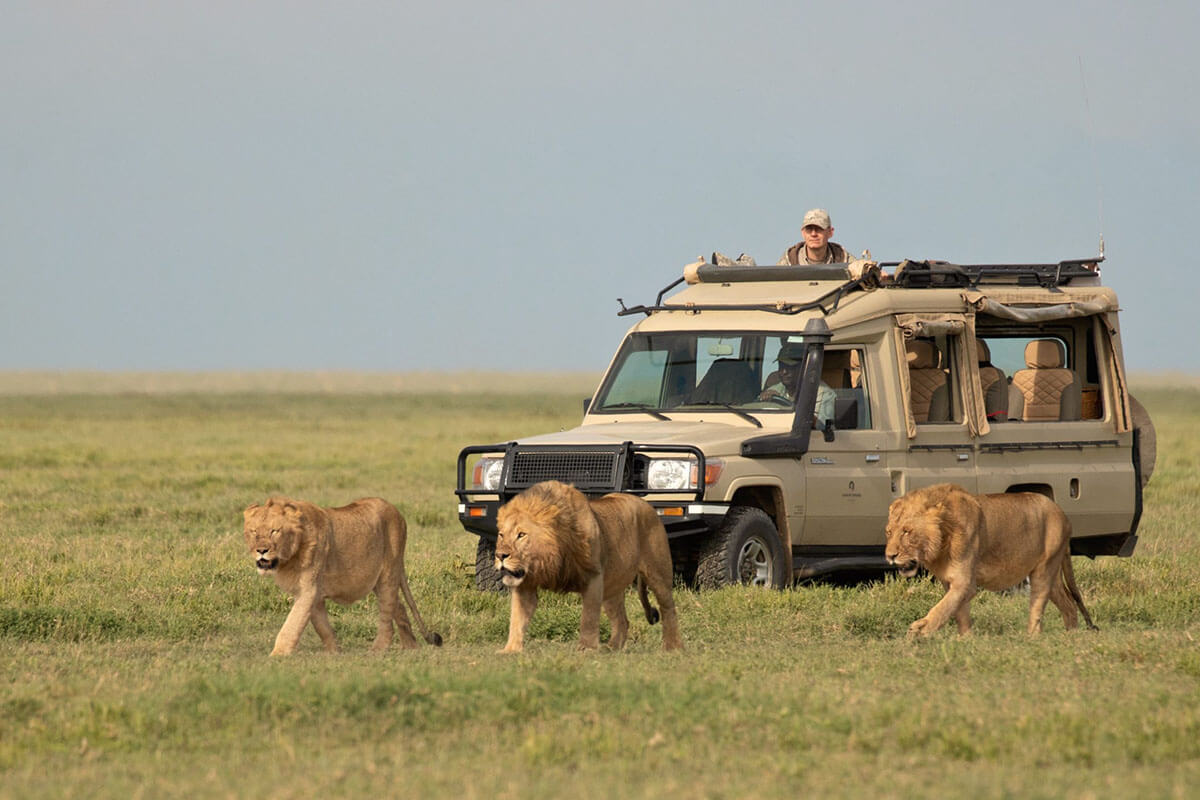
West Africa Adventures for Explorers: Your Expert Planning Guide
West Africa is a region brimming with history, diverse cultures, and breathtaking natural beauty, offering a rich playground for the curious explorer. From the ancient kingdoms of Ghana and Mali to the vibrant markets of Senegal and the unique landscapes of Benin, this part of the continent promises experiences far removed from the typical tourist trail. If you’re seeking authentic encounters, profound cultural immersion, and genuine adventure, West Africa awaits. This guide is designed to help you plan your exploration of West Africa, covering everything from destination selection and itinerary building to practical preparation and booking advice for 2026-2027.
Quick Overview: West Africa Adventures
| Aspect | Details |
|---|---|
| Target Audience | Independent travelers, cultural enthusiasts, history buffs, adventure seekers, photographers. |
| Key Destinations | Ghana, Senegal, Mali, Benin, Togo, Ivory Coast, Burkina Faso, Nigeria (with caution). |
| Adventure Types | Cultural immersion, historical site exploration, wildlife viewing (limited compared to East/Southern Africa), market visits, village stays, music and dance experiences, coastal exploration. |
| Best Time to Visit | Dry season (typically November to March/April), avoiding the hottest months and peak rainy periods. |
| Travel Style | Often requires flexibility, a willingness to go off-the-beaten-path, and an appreciation for local transport and accommodations. Guided tours are highly recommended for first-time visitors. |
| Duration | Minimum 2-3 weeks recommended for a focused country or 4-6 weeks for a multi-country exploration. |
Table of Contents
- Why Choose West Africa for Your Next Adventure?
- Exploring Key West African Destinations
- When is the Best Time for West Africa Adventures?
- Sample West Africa Itineraries and Routes
- What to Expect on a West African Journey
- Essential Planning and Preparation
- Packing Essentials for West Africa
- Common Mistakes to Avoid
- Who Are West Africa Adventures Best Suited For?
- Alternatives to West Africa Adventures
- Planning Your West Africa Trip for 2026-2027
- Booking Your West Africa Adventure
- Frequently Asked Questions
Why Choose West Africa for Your Next Adventure?
West Africa is a region that captivates the soul of the true explorer. It’s a place where history is not confined to museums but is lived and breathed in ancient trading posts, colonial architecture, and vibrant oral traditions. The music, dance, and art scenes are dynamic and deeply ingrained in daily life. For travelers seeking to understand the roots of the African diaspora, West Africa is profoundly significant.
The landscapes are as varied as the cultures. You’ll find sprawling savannas, dense rainforests, dramatic coastlines, and unique geological formations. Wildlife exists, though it’s generally more elusive and requires specific safaris, differing from the large herds of East Africa. The real draw here is human connection. West African hospitality is renowned, and engaging with local communities offers insights that transform a trip into a meaningful experience.
For those who find joy in the unexpected, West Africa delivers. It challenges preconceptions, rewards patience, and offers a profound sense of discovery. It’s an antidote to mass tourism, providing genuine interactions and a chance to witness traditions that have endured for centuries.
Exploring Key West African Destinations
While West Africa is vast, several countries stand out for their accessibility, rich cultural offerings, and potential for adventure. Here’s a look at some of the most compelling options:
Ghana
Ghana is often considered a gateway to West Africa due to its relative stability, good infrastructure for tourism, and welcoming people. It offers a powerful connection to history, particularly through its former slave castles like Cape Coast and Elmina. Beyond this somber history, Ghana boasts beautiful beaches, lush rainforests (Kakum National Park with its canopy walkway), vibrant Ashanti culture in Kumasi, and lively Accra.
Senegal
Senegal is known for its rich musical heritage, artistic flair, and the captivating city of Dakar. Explore the historic island of Gorée, a UNESCO World Heritage site, and experience the unique culture of the Serer people. The Sine Saloum Delta offers a beautiful natural escape with mangroves and birdlife. Senegal’s blend of French colonial influence and strong African traditions makes for a fascinating cultural journey.
Mali
Mali is a land of ancient empires and iconic desert landscapes. Timbuktu, though now facing security challenges, remains a legendary city of trade and learning. The Dogon Country, with its distinctive cliff dwellings and cultural practices, is a highlight. The cities of Djenné and Bamako also offer insights into Malian life. Travel to Mali requires careful planning and attention to current security advisories.
Benin
Benin is the birthplace of the Voodoo religion, and experiencing its ceremonies and understanding its spiritual significance is a unique aspect of visiting. Ganvie, a stilt village on Lake Nokoué, is a remarkable sight. The historical city of Ouidah offers a deep dive into both Voodoo and the slave trade. Benin also has national parks, though wildlife viewing is not its primary draw.
Togo
Togo offers a compact yet diverse experience. From the bustling markets of Lomé to the Koutammakou region with its unique Tamberma Valley UNESCO World Heritage site (earth houses), Togo provides a glimpse into traditional life. The hilly north offers a different landscape and cultural feel.
Ivory Coast (Côte d’Ivoire)
Known for its vibrant culture, especially its music and dance, Ivory Coast is a dynamic destination. Yamoussoukro, the capital, features the impressive Basilica of Our Lady of Peace. Abidjan is a bustling economic hub. The country’s diverse ethnic groups contribute to its rich cultural tapestry.
Nigeria
As Africa’s most populous nation, Nigeria is a powerhouse of culture, music, and film (Nollywood). Its sheer scale means that exploring it deeply requires significant time. While fascinating, travel in certain regions can present security concerns, so thorough research and local guidance are essential.
When is the Best Time for West Africa Adventures?
The climate across West Africa is largely tropical, characterized by distinct wet and dry seasons. Planning your trip around these seasons is crucial for comfort and accessibility.
- Dry Season (November to March/April): This is generally the most popular time to visit. The weather is cooler and less humid, with plenty of sunshine. This period is ideal for exploring cities, visiting historical sites, and enjoying outdoor activities. Visibility for photography is excellent. The Harmattan winds, a dusty haze from the Sahara, can be present from December to February, which may affect air quality and visibility slightly.
- Shoulder Season (Late October, May): These months can offer a good balance, with fewer crowds than the peak dry season. There might be occasional rain showers, but they are usually brief.
- Rainy Season (May/June to October): This season brings higher humidity and frequent, often heavy, rainfall. While some areas can become challenging to navigate due to muddy roads, the landscapes become incredibly lush and green. It’s a good time for those seeking fewer tourists and dramatic, verdant scenery, provided you are prepared for the weather. Some activities or road access might be limited.
For 2026-2027, aim for the dry season for the most comfortable and predictable travel experience. The period from late November to February offers pleasant temperatures across most of the region.
Sample West Africa Itineraries and Routes
Crafting a West African itinerary depends heavily on your interests and the time you have. Here are a few ideas, focusing on depth rather than breadth, for a 2-3 week trip. These are conceptual and can be customized.
| Itinerary Focus | Duration | Key Countries/Regions | Highlights |
|---|---|---|---|
| Ghana: History & Culture | 14-18 Days | Ghana | Accra (markets, history), Cape Coast & Elmina Castles, Kakum National Park, Kumasi (Ashanti Kingdom), Volta Region (waterfalls, villages). |
| Senegal: Music & Coastal Life | 10-14 Days | Senegal | Dakar (markets, Île de Gorée), Saint-Louis (colonial architecture, jazz festival), Sine Saloum Delta (nature, birdwatching), Toubab Dialaw (art village). |
| Benin: Voodoo & Heritage | 10-14 Days | Benin | Cotonou (markets), Ouidah (Voodoo history, slave route), Ganvié (stilt village), Abomey (royal palaces), Koutammakou (Tamberma Valley – requires more time and planning). |
| Cross-Border: Ghana & Togo | 18-21 Days | Ghana, Togo | Accra, Cape Coast, Kumasi (Ghana); Lomé, Kpalimé, Koutammakou (Togo). Focus on cultural exchange and diverse landscapes. |
Conceptual Route Illustration: Ghana & Senegal Explorer (3 Weeks)
This route offers a blend of historical depth and vibrant cultural experiences.
Route:
- Days 1-3: Accra, Ghana – Arrival, exploration of Jamestown, Makola Market, National Museum.
- Days 4-6: Cape Coast & Elmina, Ghana – Visit the historic castles, learn about the slave trade, explore the town.
- Days 7-9: Kakum National Park & Assin Manso, Ghana – Canopy walk, Assin Manso slave river site.
- Days 10-12: Kumasi, Ghana – Explore the Ashanti Kingdom, Manhyia Palace Museum, cultural centers.
- Day 13: Travel Day – Flight from Accra to Dakar, Senegal.
- Days 14-16: Dakar & Gorée Island, Senegal – Explore Dakar’s markets, museums, and take a ferry to Île de Gorée for its poignant history.
- Days 17-19: Saint-Louis, Senegal – Travel north to the charming colonial city, explore its architecture and musical heritage.
- Days 20-22: Sine Saloum Delta, Senegal – Nature, birdwatching, kayaking, experiencing local fishing communities.
- Day 23: Departure from Dakar.
This is a fast-paced example. A more relaxed pace would focus on fewer locations or extend the duration.
What to Expect on a West African Journey
West Africa is not a destination for the faint of heart or those accustomed to highly organized, predictable travel. Understanding what to expect is key to a successful and enjoyable adventure.
- Pace of Life: Things often move at a different pace. Patience is essential. Schedules can be fluid, and delays are common. Embrace the unexpected and go with the flow.
- Infrastructure: While major cities have modern amenities, infrastructure can be basic in rural areas. Roads may be unpaved and in poor condition, especially during the rainy season. Electricity and internet can be intermittent.
- Cultural Differences: Be prepared for significant cultural differences. Dress modestly, especially when visiting villages or religious sites. Always ask permission before taking photos of people. Learning a few basic phrases in French (widely spoken) or local languages is highly appreciated.
- Interactions: You will likely be a point of interest. Be prepared for friendly attention, requests for photos, and people wanting to engage with you. This is part of the experience.
- Food: West African cuisine is flavorful and often starch-based, with rice, yams, cassava, and plantains being staples. Stews and sauces made with vegetables, fish, or meat are common. Be adventurous but also mindful of hygiene when trying street food.
- Safety: While many parts of West Africa are safe for tourists, it’s crucial to stay informed about local conditions. Petty crime can occur in cities. Some regions may have political instability or security concerns. It’s vital to research current travel advisories and consider traveling with a reputable local guide or tour operator.
Essential Planning and Preparation
Thorough planning is the bedrock of a rewarding West Africa adventure. Start well in advance, especially for 2026-2027 trips, to secure the best options and manage logistics.
Visas
Visa requirements vary significantly by nationality and country. Many West African nations require visas, which may need to be obtained in advance from embassies or consulates in your home country or a neighboring country. Research the specific requirements for each country you plan to visit well ahead of time. Some countries offer e-visas, but always check the latest regulations.
Health and Vaccinations
Consult your doctor or a travel clinic at least 6-8 weeks before your trip. Recommended vaccinations often include Yellow Fever (mandatory for entry to many West African countries, so carry your certificate), Hepatitis A & B, Typhoid, Tetanus, and Polio. Malaria prophylaxis is almost always recommended. Discuss your itinerary and activities to get personalized advice.
Travel Insurance
Comprehensive travel insurance is non-negotiable. Ensure it covers medical emergencies, evacuation, trip cancellation, and lost luggage. Given the nature of adventure travel, check that your policy covers activities you plan to undertake.
Currency and Budget
The currency in many West African countries is the West African CFA franc (XOF). Other countries have their own currencies. It’s advisable to carry a mix of US dollars and Euros in cash, as ATMs can be unreliable outside major cities. Credit card acceptance is limited. Budget for transport, accommodation, food, activities, and a buffer for unexpected expenses.
Local Guides and Tour Operators
For first-time visitors or those wanting a deeper, safer experience, using local guides or tour operators is highly recommended. They possess invaluable knowledge of local customs, logistics, and safety. They can navigate complex transport, arrange authentic experiences, and provide crucial context.
Packing Essentials for West Africa
Pack light, breathable clothing suitable for hot and humid conditions. Versatility is key.
- Clothing: Lightweight, long-sleeved shirts and trousers (for sun and insect protection), t-shirts, comfortable shorts, a light rain jacket or poncho, swimwear, a hat, and comfortable walking shoes or sturdy sandals. Consider modest clothing for cultural sensitivity.
- Health Kit: Personal medications, basic first-aid supplies (band-aids, antiseptic wipes, pain relievers), insect repellent with DEET, hand sanitizer, and any prescribed medications (with copies of prescriptions).
- Documents: Passport (with at least 6 months validity), visa documentation, Yellow Fever certificate, flight tickets, insurance details, emergency contact list. Keep digital copies separate from originals.
- Electronics: Universal travel adapter, power bank, camera, extra memory cards.
- Miscellaneous: Reusable water bottle, small backpack for day trips, sunglasses, a good book, and an open mind.
Common Mistakes to Avoid
Learning from others’ experiences can save you time and hassle.
- Underestimating Travel Times: Distances may look short on a map, but poor road conditions and border crossings can make journeys much longer than anticipated.
- Not Getting Visas in Advance: Relying on obtaining visas on arrival can lead to significant delays or denied entry.
- Ignoring Health Precautions: Skipping vaccinations or malaria prophylaxis can have serious consequences.
- Trying to See Too Much: West Africa is best explored with depth. Trying to cram too many countries or cities into a short trip leads to exhaustion and superficial experiences.
- Not Budgeting for the Unexpected: Delays, vehicle breakdowns, or spontaneous opportunities can add costs. Always have a contingency fund.
- Disregarding Local Customs: Lack of cultural sensitivity can lead to misunderstandings or offense. Research and respect local traditions.
- Relying Solely on ATMs: Ensure you have enough cash, especially for rural areas or smaller towns.
Who Are West Africa Adventures Best Suited For?
West Africa appeals to a specific type of traveler who values authenticity and is prepared for a more challenging, yet incredibly rewarding, journey.
- The Curious Cultural Explorer: Those eager to understand different ways of life, traditions, music, and art.
- The History Buff: Individuals fascinated by ancient kingdoms, colonial legacies, and the history of the slave trade.
- The Independent Spirit: Travelers who enjoy navigating new environments, are comfortable with a degree of uncertainty, and can adapt to changing plans.
- The Photographer: The region offers incredible opportunities for vibrant street photography, portraiture, and capturing unique landscapes and architecture.
- The Adventurous Foodie: Those willing to try new flavors and local delicacies.
- Travelers Seeking Authenticity: People looking to escape mass tourism and connect with local communities on a genuine level.
It is generally less suited for travelers who require high levels of comfort, predictability, and a seamless tourist experience, or those who primarily seek large wildlife safaris. For those interested in big game safaris, East Africa (like Tanzania) or Southern Africa would be a more appropriate choice.
Alternatives to West Africa Adventures
If West Africa’s specific challenges or offerings don’t align with your travel goals, consider these alternatives:
- East Africa (Tanzania, Kenya, Uganda): For world-class safaris, the Great Migration, Mount Kilimanjaro climbs, and the exotic spice islands of Zanzibar. This offers a different kind of adventure, focused on wildlife and iconic landscapes.
- North Africa (Morocco, Egypt): Rich in ancient history, unique architecture, desert landscapes, and bustling souks. Offers a blend of Arab, Berber, and Mediterranean cultures.
- Southern Africa (South Africa, Botswana, Namibia): Known for its diverse wildlife parks, stunning natural beauty (Victoria Falls, Namib Desert), adventure activities, and more developed tourist infrastructure in many areas.
- Central Africa (Rwanda, Congo): For gorilla trekking and unique rainforest experiences, though often requiring more specialized planning and higher budgets.
While these regions offer incredible travel opportunities, they provide a different flavor of adventure compared to the distinct cultural and historical immersion found in West Africa.
Planning Your West Africa Trip for 2026-2027
Planning for a trip in 2026 or 2027 allows ample time for research and booking. Here are some key considerations:
Timing is Everything
As mentioned, the dry season (November to March/April) is ideal. For 2026-2027, mark these periods on your calendar. If you’re interested in specific festivals, research their dates well in advance, as they can fall outside the typical dry season.
Choosing Your Focus
Decide whether you want to focus on one or two countries for a more in-depth experience or attempt a multi-country journey. For a first-time West Africa adventure, focusing on Ghana or Senegal might be more manageable.
Booking in Advance
For popular destinations or specific experiences (like guided tours in Dogon Country, if feasible and safe), booking 6-12 months in advance is advisable, especially for travel during peak seasons in 2026-2027.
Visa Application Strategy
Start researching visa requirements for your intended countries at least 4-6 months before your trip. Some embassies have lengthy processing times.
Health Preparations
Schedule your travel doctor appointments 2-3 months before departure. Ensure you have enough time to get all necessary vaccinations and prescriptions.
Budgeting for 2026-2027
While exact prices fluctuate, general cost factors remain. Expect to budget for international flights, visas, internal transport (which can be costly if flying between countries), accommodation, food, tours, and personal expenses. Local operators can provide more precise budget guidance for their packages.
Staying Informed on Safety
Regularly check your government’s travel advisories for the countries you plan to visit. Local news and your tour operator will be the best sources for up-to-date security information closer to your travel dates in 2026-2027.
Booking Your West Africa Adventure
The way you book can significantly impact your experience. For West Africa, working with experienced operators is often the most effective approach.
Why Use a Tour Operator?
Navigating West Africa independently can be challenging due to language barriers, complex transport systems, and potential safety concerns. Reputable local tour operators provide:
- Expert Knowledge: They understand the logistics, cultural nuances, and safety considerations.
- Customization: They can tailor itineraries to your interests, budget, and pace.
- Local Connections: Access to authentic experiences, reliable guides, and comfortable accommodations.
- Peace of Mind: They handle the complex arrangements, allowing you to focus on enjoying your adventure.
- Safety: They are best placed to advise on and navigate any security concerns.
What to Look For in an Operator
- Local Presence: Operators based in or with deep roots in West Africa understand the region best.
- Customization Options: Can they build a trip around your specific interests?
- Reviews and Reputation: Look for testimonials and independent reviews.
- Transparency: Clear pricing, inclusions, and exclusions.
- Responsiveness: How quickly and thoroughly do they answer your inquiries?
Booking Process
Once you have identified potential operators:
- Inquire: Contact them with your desired dates, destinations, interests, and budget.
- Discuss: Have a detailed conversation (email or WhatsApp) to refine the itinerary.
- Review Proposal: Carefully examine the proposed itinerary, inclusions, and costs.
- Contract: Understand the booking terms, payment schedule, and cancellation policy.
- Payment: Typically, a deposit is required to confirm the booking, with the balance due closer to the travel date.
For planning your West Africa adventures, especially for 2026-2027, consider reaching out to experienced local operators who can craft a bespoke journey. They can provide invaluable insights and ensure a smooth, authentic experience.
Ready to Plan Your West Africa Adventure?
Let us help you craft an unforgettable journey through the heart of West Africa. We specialize in creating personalized travel experiences that connect you with the vibrant cultures, rich history, and stunning landscapes of this incredible region. Whether you dream of exploring ancient kingdoms, experiencing lively traditions, or discovering hidden gems, we can design the perfect itinerary for your 2026-2027 exploration.
Contact us today:
- WhatsApp: +255616946642
- Email: topguideadventures@gmail.com
- Backup Email: info@topguideadventures.com
We look forward to helping you plan your West Africa adventures!
Frequently Asked Questions
General West Africa Travel
Q1: Is West Africa safe for tourists in 2026-2027?
A: Safety in West Africa varies by country and region. Major tourist destinations in countries like Ghana and Senegal are generally safe with standard precautions. However, it’s crucial to stay informed about current travel advisories from your government and local news sources. Some areas may have security concerns. Traveling with reputable local guides or tour operators significantly enhances safety and provides essential local knowledge.
Q2: What are the main cultural considerations for travelers?
A: Respect for elders and local customs is paramount. Dress modestly, especially outside major cities and when visiting religious sites. Always ask permission before taking photographs of people. Learn a few basic phrases in French or local languages. Be mindful of local traditions regarding greetings and social interactions.
Q3: What is the best way to travel between countries in West Africa?
A: For longer distances or to save time, flying between major cities is often the most practical option, though it can be more expensive. Overland travel via bus or shared taxi is common but can be slow and uncomfortable. Border crossings can sometimes be lengthy and require patience.
Planning & Logistics
Q4: How far in advance should I plan my West Africa trip for 2026-2027?
A: It’s recommended to start planning at least 6-12 months in advance, especially if you aim for the dry season or wish to book with specific tour operators. This allows ample time for visa applications, vaccinations, and securing flights and accommodations.
Q5: What are the essential vaccinations for West Africa?
A: Mandatory vaccinations often include Yellow Fever. Other commonly recommended vaccinations include Hepatitis A, Typhoid, Tetanus, and Polio. Malaria prophylaxis is also typically advised. Consult a travel clinic or your doctor at least 6-8 weeks before your trip for personalized advice.
Q6: Can I use credit cards in West Africa?
A: Credit card acceptance is limited, primarily found in larger hotels and some upscale restaurants in major cities like Accra or Dakar. It’s essential to carry sufficient cash (US Dollars or Euros) for most transactions, especially in smaller towns and rural areas. ATMs are available in cities but can be unreliable.
Itinerary & Experience
Q7: What kind of wildlife can I expect to see in West Africa?
A: Wildlife viewing in West Africa is generally not comparable to East or Southern Africa. While there are national parks and reserves with diverse fauna, animals are often more elusive. Some areas might offer opportunities to see primates, various bird species, and some larger mammals, but it requires specific planning and often dedicated safaris.
Q8: Is it possible to experience Voodoo culture in Benin?
A: Yes, Benin is considered the birthplace of Voodoo, and experiencing its culture is a significant draw. The city of Ouidah is a center for Voodoo practices, and it’s possible to witness ceremonies or visit related sites. It’s important to approach this with respect and understanding, ideally with a knowledgeable local guide.
Q9: What are the common modes of transport within cities and between towns?
A: Within cities, you’ll find taxis, shared taxis (gbelys in Ghana, sept-places in Senegal), and motorcycle taxis. Between towns, long-distance buses, shared taxis, and sometimes domestic flights are used. For a more comfortable and efficient experience, hiring a private driver or using a tour operator’s transport is recommended.
Q10: What is the best way to handle food and water safety?
A: Drink only bottled or purified water. Avoid ice in drinks unless you are certain it was made with purified water. Eat food that is cooked thoroughly and served hot. Be cautious with street food; choose vendors that appear busy and hygienic. Peel fruits and vegetables yourself.
Plan your West Africa Adventures for Explorers with Top Guide Adventures
Tell us your travel dates, group size, comfort level, and dream experience. We will help you shape a clear, realistic, and memorable Tanzania itinerary.

 Veedesigner
 Fatma Kizanga
 Benjamin Waryuba
 Philip Philip
 John jr Itaja
 Antonia Optatus
 Edith Kanyere
 Neema Iddy
 Kelvin Boniphace
 Damari Maiga



