
Updated planning guide for 2026-2027
Storytelling And Oral History Journeys: Complete Guide 2026-2027
Explore the rich cultural narratives and personal histories of Tanzania through immersive travel experiences. This guide covers planning, itineraries, and booking for your unique storytelling and oral history journey.
WhatsApp +255616946642 | topguideadventures@gmail.com | info@topguideadventures.com
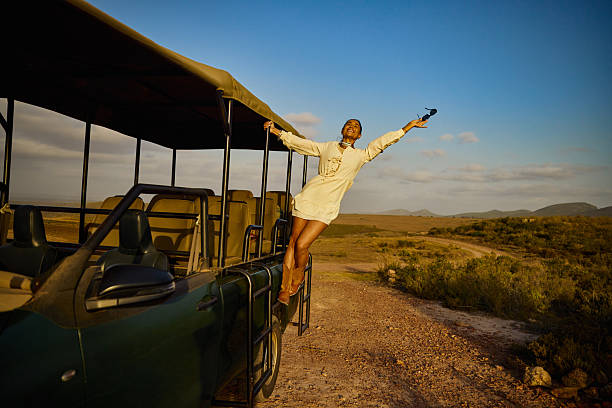

What Are Storytelling and Oral History Journeys in Tanzania?
Tanzania is a land brimming with ancient traditions, vibrant cultures, and a deeply rooted oral heritage. Storytelling and Oral History Journeys are immersive travel experiences designed to connect visitors with these narratives. Instead of just observing, you actively engage with local communities, listen to elders share ancestral tales, learn about historical events from those who lived them, and understand the present through the lens of the past. These journeys go beyond typical tourist activities, offering a profound understanding of Tanzanian life, its people, and their enduring spirit. They focus on authentic interactions, respectful listening, and the shared human experience that storytelling fosters.
These specialized trips allow you to witness how history is passed down through generations, how cultural practices are explained through spoken word, and how personal experiences shape community identity. Whether you’re trekking Kilimanjaro, exploring the Serengeti plains, or relaxing on Zanzibar’s beaches, opportunities to connect with local storytellers and historians abound. This guide is your comprehensive resource for planning such a unique adventure in Tanzania for 2026-2027.
Table of Contents
- Quick Facts
- Journey Overview
- Why Choose a Storytelling and Oral History Journey?
- Best Time to Travel
- Geographical Focus Areas
- Sample Itinerary: Cultural Immersion & Safari
- What to Expect on Your Journey
- What to Pack and Prepare
- Common Mistakes to Avoid
- Who is This Journey Best For?
- Alternative Tanzania Experiences
- Planning Your 2026-2027 Trip
- Booking Your Storytelling Journey
- Frequently Asked Questions
Quick Facts
| Focus: | Cultural immersion, historical understanding, community engagement through oral traditions. |
| Destinations: | Various regions across Tanzania, including Maasai villages, Hadzabe communities, historical Zanzibar, local towns, and Kilimanjaro foothills. |
| Activities: | Community visits, storytelling sessions with elders, historical site explorations, participation in local life, guided walks, traditional craft workshops, listening to music and dance performances with contextual explanations. |
| Duration: | Typically 7 to 14 days, but customizable. |
| Best For: | Curious travelers, history buffs, cultural enthusiasts, those seeking authentic connections, photographers interested in people and traditions. |
| Pace: | Generally slower-paced to allow for meaningful interactions and reflection. |
Journey Overview
Storytelling and Oral History Journeys in Tanzania are crafted to offer more than just sightseeing. They are designed to foster a deep appreciation for the human element of travel. Imagine sitting around a fire with Maasai elders, hearing tales of their ancestral lands and nomadic lifestyle, or learning about the spice trade history of Zanzibar directly from families who have been involved for generations. These experiences are about active listening and respectful dialogue. You’ll encounter communities where oral tradition is not just a relic of the past but a living, breathing part of daily life. This might involve visiting a Hadzabe hunter-gatherer group to understand their relationship with the land through their oral accounts, or spending time in Arusha or Moshi engaging with local historians and cultural practitioners.
These journeys often weave in elements of Tanzania’s famous attractions, but with a narrative focus. A safari in the Serengeti might include conversations with guides whose families have lived in the region for generations, sharing insights into the land and its wildlife that go beyond a typical guide’s commentary. Trekking Kilimanjaro could involve learning about the Chagga people’s history and their reverence for the mountain through stories shared by local guides and community members in the foothills. Zanzibar tours can focus on the Stone Town’s rich, layered history, with storytellers bringing to life the eras of Omani sultans, Arab traders, and Swahili culture.
Why Choose a Storytelling and Oral History Journey?
Choosing a journey focused on storytelling and oral history offers a distinct advantage over conventional travel. It provides a window into the soul of a destination, revealing its cultural DNA and the values that shape its people. Here’s why this approach is particularly rewarding in Tanzania:
- Authentic Cultural Connection: Move beyond superficial encounters. Direct interaction with locals, listening to their personal stories and historical accounts, creates genuine human connections that enrich your travel experience immeasurably.
- Deepened Understanding: History and culture are not just facts in a book. Hearing them from the people who live them, understanding their context, and seeing how they influence daily life provides a much deeper and more nuanced comprehension of Tanzania.
- Preservation of Heritage: By actively seeking out and valuing oral traditions, you contribute to their preservation. Your interest and engagement can help empower communities to continue sharing their heritage with future generations.
- Unique Perspectives: Local storytellers offer perspectives that are often missed by mainstream tourism. You gain insights into everyday challenges, joys, historical interpretations, and the resilience of the human spirit.
- Meaningful Travel: This type of journey transforms travel from a passive observation to an active, participatory experience. It leaves you with more than just photos; it leaves you with understanding, empathy, and lasting memories.
- Enriching Safari and Trekking: Even on a classic safari or Kilimanjaro trek, incorporating storytelling elements elevates the experience. A guide’s personal anecdote about a particular animal or a local legend about the mountain adds layers of meaning to the landscape.
Best Time to Travel
The best time for a Storytelling and Oral History Journey in Tanzania largely depends on which regions you plan to visit and your interest in specific cultural events or wildlife migrations, which can influence local community activities. However, generally, the dry seasons are preferred for easier travel and outdoor interactions.
| Season | Months | Pros for Storytelling Journeys | Cons |
|---|---|---|---|
| Dry Season (Long Rains End) | June – October | Clear skies, pleasant temperatures, ideal for community visits and outdoor storytelling sessions. Wildlife viewing is excellent, which can be a topic of discussion with locals. Easier travel across the country. Many cultural festivals occur. | Peak tourist season, higher prices. Some areas might be very dry. |
| Short Rains | November – December | Lush landscapes, fewer crowds, potentially lower prices. Good for bird watching, which can be a cultural element. | Intermittent rain showers can disrupt outdoor activities. Roads can become muddy. |
| Long Rains | March – May | Very green landscapes, very few tourists, lowest prices. Offers a different perspective on rural life. | Significant rainfall can make travel difficult, especially in remote areas. Some activities may be limited. This is the time for the great wildebeest migration calving, which is a significant event in local oral traditions. |
| Shoulder Season (Short Rains Start) | January – February | Generally good weather, though with some rain. Good for wildlife viewing (calving season in Serengeti). Less crowded than peak season. | Possibility of rain, especially later in February. |
For specific cultural events or festivals, it’s crucial to research local calendars. For instance, agricultural communities might have harvest festivals at certain times. For 2026-2027, consider booking in advance, especially if you aim for the popular dry season months.
Geographical Focus Areas for Storytelling
Tanzania’s diverse ethnic groups and historical sites offer numerous opportunities for engaging with oral histories. While you can weave storytelling into any trip, certain regions are particularly rich.
Northern Tanzania (Arusha, Kilimanjaro, Serengeti, Ngorongoro):
- Maasai Villages: Learn about their nomadic traditions, spiritual beliefs, and historical migrations.
- Chagga Communities (Kilimanjaro foothills): Discover their history of coffee cultivation, their relationship with Kilimanjaro, and local folklore.
- Hadzabe & Datoga Tribes (near Lake Eyasi): Engage with hunter-gatherer traditions and ancient survival techniques passed down orally.
- Local Towns (Arusha, Moshi): Connect with historians and cultural groups discussing regional history, independence movements, and social changes.
Zanzibar Archipelago:
- Stone Town: Explore the history of trade, slavery, sultans, and the Swahili coast through the stories of its residents and historical sites.
- Spice Farms: Hear about the history of spice cultivation and its impact on the island’s economy and culture.
- Local Villages: Understand contemporary island life, fishing traditions, and community stories.
Southern Tanzania (Selous, Ruaha):
- Local Villages near Parks: Engage with communities living alongside wildlife, understanding their historical relationship with the land and conservation efforts.
Central Tanzania (Dodoma, Kondoa):
- Kondoa Irangi Rock-Art Sites: While not strictly oral history, these sites are accompanied by local legends and historical interpretations passed down through generations.
Sample Itinerary: Cultural Immersion & Safari (10 Days)
This sample itinerary balances iconic wildlife viewing with deep cultural engagement, focusing on storytelling and oral history. It’s designed for a 2026-2027 trip and can be customized.
Day 1-2: Arrive in Arusha & Cultural Introduction
- Arrive at Kilimanjaro International Airport (JRO), transfer to Arusha.
- Storytelling Focus: Meet local cultural guides or historians who provide an overview of Tanzania’s diverse ethnic groups and the importance of oral traditions. Visit a local market to hear vendors share stories about their produce and daily life.
- Accommodation: Comfortable lodge in Arusha.
Day 3-4: Maasai Cultural Experience & Plains
- Travel towards the Maasai Steppe.
- Storytelling Focus: Spend time in a Maasai village. Engage with elders to hear about their nomadic lifestyle, traditional practices, and ancestral stories. Learn about their connection to the land and wildlife. Participate in a traditional dance and understand its cultural significance through explanations.
- Accommodation: Tented camp or lodge in the Maasai region.
Day 5-7: Serengeti National Park – Wildlife & Narratives
- Drive to Serengeti National Park, with stops for storytelling opportunities with your driver-guide, whose family might have lived in the region for generations.
- Storytelling Focus: Game drives focusing not just on spotting animals but on understanding their place in local folklore and the ecosystem from a human perspective. Conversations with guides about their personal experiences and observations of wildlife behavior and the land’s history.
- Accommodation: Safari lodge or tented camp within Serengeti.
Day 8: Ngorongoro Crater – Conservation & Heritage
- Descend into the Ngorongoro Crater for game viewing.
- Storytelling Focus: Engage with park rangers or local guides about the history of the crater, its conservation, and the coexistence of wildlife with the Maasai people who historically grazed their cattle here. Learn about the geological formation through local narratives.
- Accommodation: Lodge on the crater rim or nearby Karatu.
Day 9: Lake Manyara or Tarangire & Local Community
- Visit Lake Manyara or Tarangire National Park for more game viewing.
- Storytelling Focus: Visit a local community or conservation project near the park. Hear stories from individuals involved in conservation efforts, or learn about traditional uses of local flora from community members.
- Accommodation: Lodge near the park or back in Arusha.
Day 10: Departure
- Transfer to Kilimanjaro International Airport (JRO) for your departure.
What to Expect on Your Journey
A Storytelling and Oral History Journey in Tanzania is an experience that requires an open mind and a willingness to listen. It’s different from a standard safari or beach holiday, offering a more intimate and reflective travel style.
- Meaningful Conversations: Expect opportunities for genuine dialogue. This might be structured sessions with elders or spontaneous chats with guides and community members. Be prepared to ask thoughtful questions and to listen more than you speak.
- Cultural Sensitivity: You will be visiting people in their homes and communities. Respect for local customs, dress codes, and privacy is paramount. Your guide will help navigate these nuances.
- Patience and Flexibility: Interactions might not always run on a strict schedule. Embrace the slower pace, allowing conversations to unfold naturally. Weather can also affect plans, especially in rural areas.
- Humility and Learning: Approach each interaction as a learning opportunity. You are a guest, and the focus is on understanding the local perspective, not on imposing your own.
- Emotional Resonance: Hearing personal stories, especially those dealing with history, hardship, or significant life events, can be emotionally impactful. Be prepared for a range of feelings.
- Language: While English is spoken in tourist areas and by many guides, local languages are prevalent in communities. Your guide will facilitate communication, but learning a few Swahili greetings can go a long way.
- Accommodation: This can range from comfortable lodges and hotels in towns to more rustic but authentic tented camps or community-run guesthouses in rural settings. The emphasis is on experiencing the local environment.
What to Pack and Prepare
Packing for a Storytelling and Oral History Journey requires a balance between comfort for travel and respect for local customs. Preparation involves more than just physical items; it includes mental readiness.
Essential Packing List:
- Clothing: Lightweight, breathable fabrics. Neutral colors are best for safaris and community visits. Include long-sleeved shirts and trousers for sun protection and to ward off insects, especially in the evenings. Pack modest clothing for visiting villages (shoulders and knees covered). A light to medium-weight jacket or fleece for cooler evenings or higher altitudes (like Kilimanjaro foothills).
- Footwear: Comfortable walking shoes or hiking boots (if trekking). Sandals or flip-flops for relaxing.
- Sun Protection: High SPF sunscreen, wide-brimmed hat, sunglasses.
- Insect Repellent: With DEET or picaridin.
- Personal First-Aid Kit: Including any personal medications, antiseptic wipes, plasters, pain relievers.
- Camera & Accessories: Extra batteries, memory cards, and a portable charger. Always ask permission before taking photos of people.
- Notebook & Pen: For jotting down stories, impressions, and names.
- Small Gifts (Optional): If appropriate, consider small, useful gifts for community visits, such as school supplies or practical items. Discuss with your tour operator beforehand to ensure appropriateness. Avoid giving money directly unless advised.
- Hand Sanitizer: For hygiene on the go.
- Reusable Water Bottle: To minimize plastic waste.
Preparation:
- Research: Read up on Tanzanian culture, history, and the specific ethnic groups you’ll be interacting with. Understanding basic Swahili phrases will be appreciated.
- Open Mindset: Be prepared to encounter different ways of life and perspectives. Approach interactions with curiosity, respect, and a genuine desire to learn.
- Health: Consult your doctor about necessary vaccinations and malaria prophylaxis well in advance of your 2026-2027 trip.
- Travel Insurance: Ensure you have comprehensive travel insurance covering medical emergencies, trip cancellations, and lost belongings.
- Visa: Check visa requirements for Tanzania for your nationality and apply in advance if necessary.
Common Mistakes to Avoid
To ensure your Storytelling and Oral History Journey is respectful and enriching, be aware of common pitfalls:
- Treating Communities Like a Zoo: Avoid viewing villages or people as exhibits. Engage respectfully, ask questions, and be mindful of privacy. Always ask before taking photos of individuals, especially children.
- Being Judgmental: Different cultures have different norms and values. Avoid comparing or judging practices based on your own cultural background. Focus on understanding.
- Expecting Constant Entertainment: Storytelling is about genuine connection and sharing. It’s not always a performance. Be patient and present.
- Ignoring Cultural Etiquette: Dress modestly, especially when visiting villages. Learn basic greetings. Your guide will assist, but showing initiative is appreciated.
- Over-Reliance on Technology: While cameras are great, don’t let them distract from the experience. Put down your phone and engage directly with people.
- Not Asking Questions: If you’re unsure about something, ask your guide or a trusted community member. It’s better to ask than to misunderstand or offend.
- Assuming Uniformity: Tanzania is incredibly diverse. Do not assume all Maasai, Chagga, or Swahili people share identical beliefs or lifestyles.
- Demanding Specific Stories: People share what they are comfortable sharing. Respect their boundaries if certain topics are sensitive or not discussed.
- Ignoring the ‘Oral’ Aspect: Don’t just look at historical sites; listen to the stories connected to them. Engage with the living history.
Who is This Journey Best For?
Storytelling and Oral History Journeys in Tanzania are ideal for a specific type of traveler seeking depth and connection:
- Curious Explorers: Those who want to understand the ‘why’ behind what they see, not just the ‘what’.
- Cultural Enthusiasts: Travelers passionate about learning about different ways of life, traditions, and societal structures.
- History Buffs: Individuals interested in understanding history not just from books, but from the perspectives of those who live with its legacy.
- Mindful Travelers: People who prioritize authentic interactions and respectful engagement over ticking off a checklist of sights.
- Aspiring Anthropologists: Those with an academic or personal interest in human societies and their development.
- Photographers: Especially those interested in portraiture and capturing the essence of people and their environment, provided they approach it ethically.
- Travelers Seeking Meaning: Individuals looking for a travel experience that offers personal growth and a deeper understanding of the world.
- Those Open to Imperfection: Travelers who can embrace flexibility, unexpected moments, and the beauty of a less structured approach.
This journey is less suited for those who prefer fast-paced, luxury-only experiences or those who are uncomfortable with less predictable interactions or rustic accommodations.
Alternative Tanzania Experiences
While Storytelling and Oral History Journeys offer a unique depth, Tanzania offers a spectrum of experiences catering to different interests. If this specific focus isn’t quite right, consider these alternatives:
| Travel Style | Focus | Best For | Key Activities |
|---|---|---|---|
| Classic Tanzania Safari | Wildlife viewing, iconic landscapes. | First-time visitors, wildlife enthusiasts, photographers. | Game drives in Serengeti, Ngorongoro, Tarangire, etc. |
| Kilimanjaro Trekking | Physical challenge, mountain scenery, achievement. | Adventurous travelers, hikers, those seeking a physical goal. | Climbing Kilimanjaro via various routes (Machame, Lemosho, etc.). |
| Zanzibar Beach Holiday | Relaxation, pristine beaches, water sports. | Couples, families, those seeking a tropical escape. | Beach lounging, snorkeling, diving, exploring Stone Town. |
| Cultural Village Stays | Direct immersion in daily village life. | Travelers seeking deep, hands-on cultural experience. | Staying with local families, participating in chores, learning crafts. |
| Adventure & Thrills | Adrenaline-pumping activities. | Younger travelers, thrill-seekers. | White-water rafting, zip-lining, quad biking. |
| Luxury Safaris | Exclusive accommodations, fine dining, personalized service. | Discerning travelers seeking comfort and high-end experiences. | Luxury lodges, private game drives, exclusive reserves. |
Many of these can be combined. For example, a safari can be enhanced with brief, respectful community visits, or a Zanzibar trip can include a day exploring Stone Town’s history with a focus on its past narratives.
Planning Your 2026-2027 Trip
Planning a Storytelling and Oral History Journey for 2026-2027 requires careful consideration to ensure authenticity and respect. Here’s a step-by-step approach:
- Define Your Interests: What specific aspects of Tanzanian culture or history are you most curious about? Are you drawn to the Maasai, the Swahili coast, or perhaps the history of coffee farming? This will help tailor your itinerary.
- Choose Your Focus Regions: Based on your interests, identify the key areas you wish to explore. Northern Tanzania offers diverse tribal interactions and safari links, while Zanzibar provides rich historical narratives.
- Select the Right Time: Consider the best season for your chosen activities and regions, as outlined in the ‘Best Time to Travel’ section. For 2026-2027, booking popular periods (June-October) well in advance is advisable.
- Determine Duration: A minimum of 7 days is recommended for a focused cultural immersion, but 10-14 days allows for a more comprehensive experience, potentially combining storytelling with a short safari or Kilimanjaro trek.
- Find a Specialist Tour Operator: This is crucial. Look for operators with a proven track record in community-based tourism and cultural immersion. They will have established relationships with local communities and understand ethical engagement.
- Discuss Customization: Work with your chosen operator to craft an itinerary that aligns with your interests. Be clear about your desire for authentic storytelling experiences and respectful community interactions.
- Budgeting: While exact prices vary, understand that authentic cultural experiences often involve direct contributions to communities. Factor in costs for guides, accommodation, transport, park fees, and community support.
- Health and Visa: Consult your doctor 6-8 weeks before your trip for vaccinations and malaria advice. Check visa requirements for Tanzania well in advance for your 2026 or 2027 travel dates.
- Pack Appropriately: Prepare your packing list based on the climate, activities, and cultural norms of the regions you’ll visit.
- Mental Preparation: Read about Tanzania’s history and culture. Be ready to listen, learn, and engage with humility and respect.
Booking Your Storytelling Journey
Booking the right tour operator is key to a successful and meaningful Storytelling and Oral History Journey. Here’s how to approach it:
- Research Operators: Look for companies that explicitly mention community-based tourism, cultural immersion, and ethical engagement in their mission statements. Check their reviews, focusing on comments about authentic interactions and responsible tourism practices.
- Ask Specific Questions: When contacting potential operators, don’t hesitate to ask how they ensure genuine storytelling experiences. Inquire about their relationships with local communities, how community members benefit from tours, and what guidelines they follow for respectful engagement.
- Look for Customization: A good operator will be flexible and able to tailor itineraries to your specific interests in oral history and storytelling.
- Understand Inclusions and Exclusions: Clearly clarify what is covered in the tour price. For cultural tours, this should ideally include contributions to the communities visited.
- Request Sample Itineraries: Ask for examples of how they integrate storytelling and oral history into their tours.
- Check for Local Expertise: Does the operator employ local guides who have deep knowledge of the history and traditions?
- Payment and Cancellation Policies: Understand the payment schedule and cancellation terms. For 2026-2027 bookings, early booking is often recommended, especially for peak seasons.
- Communication: A responsive and knowledgeable operator is a good sign. They should be able to answer your questions clearly and promptly.
For a truly authentic experience, consider operators who work directly with communities rather than just partnering with them. This often leads to more genuine and beneficial interactions for everyone involved.
Ready to plan your unique Storytelling and Oral History Journey in Tanzania?
Contact us to discuss your interests and create a personalized itinerary that connects you deeply with Tanzania’s rich heritage. We specialize in crafting authentic experiences that honor local cultures and traditions.
WhatsApp: +255616946642
Email: topguideadventures@gmail.com
Backup Email: info@topguideadventures.com
Frequently Asked Questions
Q1: How do I ensure my visit is respectful when engaging with local communities for storytelling?
A1: Respect is paramount. Always ask permission before taking photos of people, dress modestly (covering shoulders and knees), listen attentively without interrupting, and approach with humility. Your tour operator should provide detailed guidance on cultural etiquette for specific communities you visit. For 2026-2027, understanding these nuances is key to a positive experience.
Q2: Will I be able to understand the stories if I don’t speak the local language?
A2: Most reputable tour operators will provide experienced guides who are fluent in both English and local languages, acting as interpreters. They can translate not only words but also cultural context, ensuring you grasp the essence of the stories. Learning a few Swahili greetings is always appreciated.
Q3: What kind of accommodations can I expect on a Storytelling and Oral History Journey?
A3: Accommodations can vary. In towns and major safari areas, you might find comfortable lodges. In more remote community visits, expect simpler, more authentic lodgings such as community-run guesthouses or well-equipped tented camps. The focus is on experiencing the local environment and culture.
Q4: How do these journeys contribute to the local communities?
A4: Responsible operators ensure that a portion of the tour cost directly benefits the communities visited. This can be through hiring local guides, using community-run accommodations, purchasing local crafts, or direct contributions to community projects. Your visit helps support the preservation of their traditions.
Q5: Is it possible to combine a Storytelling Journey with a safari or Kilimanjaro trek?
A5: Absolutely. Many travelers choose to integrate storytelling elements into a classic safari or a Kilimanjaro trek. For example, you can arrange for Maasai elders to share stories near your safari lodge or engage with Chagga elders in the foothills of Kilimanjaro. This enriches the overall experience.
Q6: What if I want to learn about a very specific historical period or tribe?
A6: It’s best to communicate your specific interests to your tour operator well in advance. They can then tailor the itinerary and arrange visits with individuals or communities most relevant to your historical or tribal focus. For 2026-2027, early planning is essential for such specific requests.
Q7: Are there any safety concerns I should be aware of?
A7: Tanzania is generally safe for tourists, especially when traveling with reputable operators. Standard travel precautions apply. Your tour operator will brief you on any specific safety measures relevant to the areas you visit, including interactions with wildlife and local customs.
Q8: What is the typical group size for these kinds of tours?
A8: Storytelling and Oral History Journeys are often best conducted with smaller groups to foster intimate interactions. Many operators offer private tours or have small group sizes (typically 4-8 people) to ensure a more personal and respectful experience.
Q9: How far in advance should I book for 2026 or 2027?
A9: For specialized tours like these, especially during peak seasons (June-October), booking 6-12 months in advance is highly recommended. This allows for proper planning, community arrangements, and securing desired accommodations or guides.
Q10: What if I want to take photos of people during storytelling sessions?
A10: Always ask for permission before taking any photos of individuals, especially children. A respectful gesture and a smile can go a long way. Your guide can help you ask in the local language. Sometimes, a small token of appreciation (like sugar or tea, if appropriate and advised by your guide) might be offered after a session, but direct payment for photos is generally discouraged as it can commodify the experience.
Start Your Storytelling and Oral History Journey
Tanzania’s stories are waiting to be heard. Connect with the heart of this incredible country through its people and their enduring oral traditions. Whether you dream of listening to ancient legends under the vast African sky or understanding the historical layers of Zanzibar’s Stone Town, your unique Storytelling and Oral History Journey begins here.
Let us help you craft an unforgettable experience for 2026-2027. We are dedicated to responsible tourism, authentic encounters, and creating journeys that leave a lasting positive impact.
Get in touch today to start planning:
WhatsApp: +255616946642
Email: topguideadventures@gmail.com
Backup Email: info@topguideadventures.com
Plan your Storytelling and Oral History Journeys with Top Guide Adventures
Tell us your travel dates, group size, comfort level, and dream experience. We will help you shape a clear, realistic, and memorable Tanzania itinerary.







 Veedesigner
 Fatma Kizanga
 Benjamin Waryuba
 Philip Philip
 John jr Itaja
 Antonia Optatus
 Edith Kanyere
 Neema Iddy
 Kelvin Boniphace
 Damari Maiga



