
Updated planning guide for 2026-2027
Educational Travel Expeditions: Complete Guide 2026-2027
Explore the world through learning adventures. This comprehensive guide details how to plan and book unforgettable educational travel expeditions, focusing on the unique opportunities in Tanzania.
WhatsApp +255616946642 | topguideadventures@gmail.com | info@topguideadventures.com
What Are Educational Travel Expeditions?
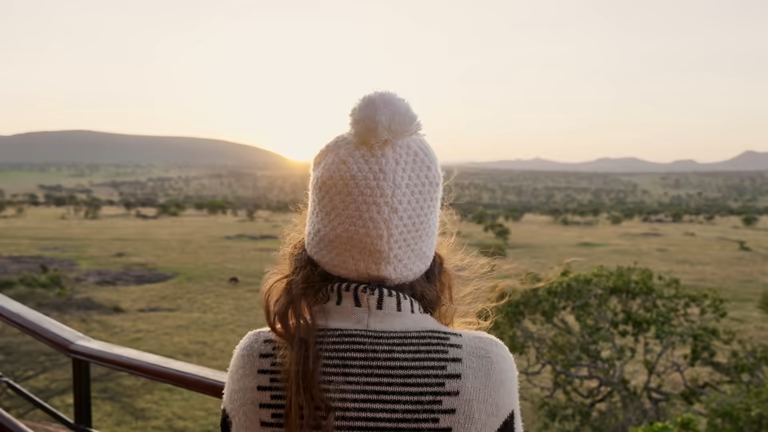
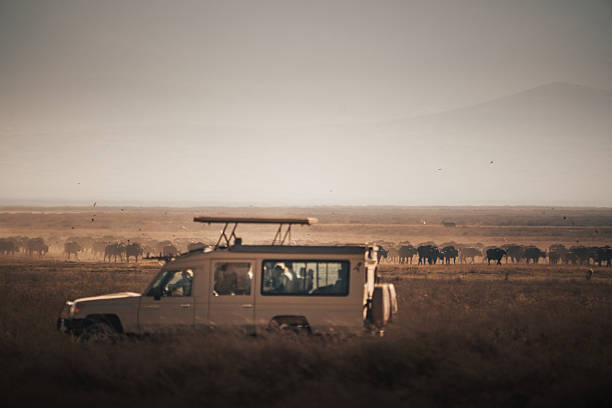
Educational travel expeditions are journeys designed with a primary focus on learning and personal development. Unlike typical vacations, these trips integrate structured educational components, aiming to deepen understanding of a specific subject, culture, environment, or skill. They go beyond passive sightseeing, encouraging active participation, research, and engagement with local communities or natural phenomena. These expeditions are for curious minds eager to explore the world not just as a tourist, but as a student.
Quick Facts About Educational Travel in Tanzania
| Aspect | Details |
|---|---|
| Primary Focus | Learning, cultural immersion, environmental studies, skill development. |
| Key Destinations in Tanzania | Serengeti, Ngorongoro, Zanzibar, Arusha National Park, local villages, conservation areas. |
| Typical Activities | Wildlife tracking, ecological surveys, cultural workshops, historical site visits, language exchange, conservation projects. |
| Best Time to Travel (General) | June to October (dry season), January to February (short rains, good for birding). |
| Duration | Varies greatly, from 7 days to several weeks. |
| Traveler Profile | Students, researchers, lifelong learners, families seeking educational experiences, groups with specific interests. |
Table of Contents
- What Are Educational Travel Expeditions?
- Quick Facts About Educational Travel in Tanzania
- Table of Contents
- Why Choose Tanzania for Educational Travel?
- Key Themes and Focus Areas for Expeditions
- Popular Destinations for Learning Journeys
- Sample Itinerary: Wildlife Conservation Focus (10 Days)
- Sample Itinerary: Cultural Immersion & History (12 Days)
- What to Expect on an Expedition
- Planning Your Educational Expedition (2026-2027)
- Packing Essentials for Learning Adventures
- Common Mistakes to Avoid
- Who Are Educational Travel Expeditions For?
- Alternatives to Traditional Expeditions
- Booking Your Educational Travel Experience
- FAQs About Educational Travel Expeditions
- Start Your Learning Journey Today
Why Choose Tanzania for Educational Travel?
Tanzania offers an unparalleled living laboratory for educational travel expeditions. Its rich biodiversity, diverse ecosystems, vibrant cultures, and significant historical sites provide a dynamic backdrop for learning. Whether your interest lies in the intricacies of the savanna ecosystem, the ancient Swahili culture of Zanzibar, the geological marvel of the Great Rift Valley, or the challenges of conservation, Tanzania presents a wealth of opportunities for in-depth study and hands-on experience.
The country is a global leader in wildlife conservation, with vast national parks and reserves that allow for direct observation of iconic species in their natural habitats. This offers a unique chance to study animal behavior, ecology, and the impact of conservation efforts. Beyond wildlife, Tanzania’s human history, from ancient trade routes to colonial influences, provides a rich context for cultural and historical exploration. The warmth and resilience of its people, spread across numerous ethnic groups, offer profound insights into community life, traditions, and contemporary challenges.
For students and researchers, Tanzania provides access to field sites and local expertise that are invaluable for academic pursuits. For families, it’s a chance to create memorable learning experiences that go beyond textbooks, fostering a deeper appreciation for the natural world and different cultures. The infrastructure, while developing, supports various levels of comfort and accessibility, making it feasible for a wide range of educational travel objectives.
Key Themes and Focus Areas for Expeditions
Educational travel expeditions in Tanzania can be tailored to a multitude of interests. Here are some of the most prominent themes:
- Wildlife Ecology and Conservation: Study the behavior of the “Big Five,” migration patterns (like the Great Migration in the Serengeti), predator-prey dynamics, and the science behind successful conservation strategies in areas like the Serengeti, Ngorongoro Conservation Area, and Selous Game Reserve. This can involve data collection, observation techniques, and understanding park management.
- Cultural Anthropology and Sociology: Engage with communities like the Maasai, Hadzabe, or Chagga. Learn about their traditional lifestyles, social structures, belief systems, and how they adapt to modern influences. This often involves homestays, village visits, and participatory observation.
- Geology and Geography: Explore the geological wonders of the Great Rift Valley, Mount Kilimanjaro (for its volcanic origins and glaciology), and the unique soda lakes. Understand the forces that shaped the landscape and their impact on ecosystems.
- History and Archaeology: Visit ancient sites like Kilwa Kisiwani and Songo Mnara, remnants of Swahili city-states that were major trading centers. Learn about the Swahili coast’s history, its Arab and Persian influences, and the archaeology of early human habitation in regions like Olduvai Gorge.
- Botany and Ethnobotany: Study the diverse flora of Tanzania, from rainforests to savannas. Learn about traditional uses of plants for medicine, food, and construction from local experts.
- Environmental Science and Sustainability: Examine the challenges and solutions related to water resources, land use, sustainable agriculture, and the impact of climate change on fragile ecosystems.
- Adventure and Skill Development: Undertake challenging treks like Mount Kilimanjaro or Mount Meru, focusing on mountaineering skills, acclimatization, and the physiology of high-altitude climbing.
Popular Destinations for Learning Journeys
Tanzania’s vastness and diversity mean that different regions cater to specific educational interests:
- Serengeti National Park: Ideal for studying large mammal ecology, predator-prey relationships, and the phenomenon of the Great Migration. Its vast plains offer incredible opportunities for wildlife observation.
- Ngorongoro Conservation Area: A UNESCO World Heritage site, this caldera hosts an incredible density of wildlife and offers unique opportunities to study ecosystems within a confined area. It’s also a prime location for understanding human-wildlife coexistence, as Maasai communities live within the conservation area.
- Zanzibar Archipelago: Beyond its beautiful beaches, Zanzibar offers rich historical and cultural learning. Stone Town, another UNESCO site, is a hub for studying Swahili architecture, history, and the spice trade’s legacy. Exploring spice farms provides insights into agriculture and botany.
- Arusha National Park: Home to Mount Meru, this park is excellent for understanding montane ecosystems, birdlife, and offers opportunities for guided hikes and cultural interactions with local communities on the slopes of Meru.
- Tarangire National Park: Known for its large elephant herds and iconic baobab trees, it’s a great spot for studying elephant behavior and the savanna ecosystem, especially during the dry season when wildlife congregates around the Tarangire River.
- Selous Game Reserve (Nyerere National Park): One of Africa’s largest game reserves, it offers opportunities to study wildlife in a less crowded environment, with a focus on boat safaris along the Rufiji River, providing unique perspectives on aquatic and terrestrial life.
- Mount Kilimanjaro: A significant destination for understanding glaciology, high-altitude physiology, and the impact of climate change on the mountain’s shrinking glaciers. The trek itself is a lesson in perseverance and environmental zones.
- Local Villages (e.g., near Arusha, Karatu): For direct cultural immersion, engaging with communities provides firsthand understanding of daily life, traditions, and local challenges.
Sample Itinerary: Wildlife Conservation Focus (10 Days)
This itinerary is designed for those interested in observing wildlife and understanding conservation efforts. It balances iconic wildlife viewing with opportunities to learn about ecological principles and park management.
| Day | Location | Activities & Learning Focus | Accommodation Type |
|---|---|---|---|
| 1 | Arusha | Arrival, briefing on expedition objectives, introduction to Tanzanian wildlife and conservation challenges. Visit local conservation NGO (optional). | Lodge |
| 2 | Tarangire National Park | Full-day game drive focusing on elephant behavior, baobab ecology, and savanna food webs. Discussion on human-wildlife conflict mitigation. | Tented Camp |
| 3 | Tarangire / Lake Manyara | Morning game drive in Tarangire or move to Lake Manyara for its diverse habitats (forest, savanna, lake). Focus on birdlife and primate behavior. | Tented Camp |
| 4 | Ngorongoro Conservation Area | Descend into the Ngorongoro Crater for intense wildlife viewing. Focus on predator-prey dynamics, crater ecosystem, and Maasai land use. | Crater Rim Lodge/Tented Camp |
| 5 | Ngorongoro Highlands / Maasai Village | Visit a Maasai boma (village) for cultural exchange. Learn about traditional pastoralism, land management, and challenges. Alternatively, explore highland trails for different flora/fauna. | Tented Camp |
| 6 | Serengeti National Park (Central) | Travel to Serengeti, game drive en route. Focus on the vastness of the ecosystem and the importance of corridors. Introduction to the Great Migration (seasonal). | Tented Camp |
| 7 | Serengeti National Park | Full-day game drive in the Serengeti. Focus on specific animal behaviors, territoriality, and the challenges of maintaining large predator populations. Discussion on anti-poaching efforts. | Tented Camp |
| 8 | Serengeti National Park | Early morning game drive, followed by a visit to a research station (if available/arranged). Learn about ongoing scientific studies. Optional hot-air balloon safari for aerial perspective. | Tented Camp |
| 9 | Serengeti / Arusha | Morning game drive, then fly from Seronera airstrip back to Arusha. Debriefing session on learnings, conservation takeaways, and future actions. | Lodge |
| 10 | Departure | Transfer to Kilimanjaro International Airport (JRO) for departure. | N/A |
Sample Itinerary: Cultural Immersion & History (12 Days)
This itinerary focuses on understanding Tanzania’s rich cultural heritage and historical significance, with a blend of urban exploration, rural life, and coastal history.
| Day | Location | Activities & Learning Focus | Accommodation Type |
|---|---|---|---|
| 1 | Arusha | Arrival, welcome and introduction to Tanzanian culture and history. Briefing on expedition goals. Visit local craft markets. | Lodge |
| 2 | Arusha Region (Chagga Cultural Tour) | Visit a Chagga village. Learn about their traditional farming (coffee cultivation), social structures, and history. Participate in a coffee-making demonstration. | Guesthouse / Homestay |
| 3 | Moshi / Mount Kilimanjaro Foothills | Explore the town of Moshi. Visit a local school or community project. Hike in the lower slopes of Kilimanjaro, learning about the mountain’s ecological zones and its cultural significance. | Lodge |
| 4 | Travel to Zanzibar | Fly from Arusha (ARK) to Zanzibar (ZNZ). Transfer to Stone Town. Initial exploration of the historic city. | Boutique Hotel in Stone Town |
| 5 | Stone Town History & Culture | Guided walking tour of Stone Town, a UNESCO World Heritage site. Focus on Swahili architecture, Arab slave trade history, spice trade routes, and diverse cultural influences. Visit the House of Wonders and the Old Fort. | Boutique Hotel in Stone Town |
| 6 | Zanzibar Spice Tour & Local Life | Visit a spice plantation. Learn about the cultivation and uses of cloves, nutmeg, cinnamon, vanilla, and tropical fruits. Engage with local farmers. Afternoon visit to a local village for a glimpse into daily life. | Boutique Hotel in Stone Town |
| 7 | Prison Island / Marine Life | Boat trip to Prison Island (Changuu Island). Learn about its history and giant tortoises. Snorkeling or diving opportunity to observe coral reefs and marine life. Discuss marine conservation. | Boutique Hotel in Stone Town |
| 8 | North/East Coast Exploration (e.g., Nungwi/Paje) | Travel to a coastal village. Focus on local fishing communities, traditional dhow building (if applicable), and the impact of tourism on coastal life. Learn about seaweed farming. | Beach Bungalows |
| 9 | Coastal Village Life & Relaxation | Spend the day observing local activities, perhaps participating in a cooking class using local ingredients. Free time for reflection or exploring the beach. | Beach Bungalows |
| 10 | Return to Stone Town / Jozani Forest | Return to Stone Town. Visit Jozani Forest National Park, the only natural habitat of the endangered Red Colobus Monkey. Learn about mangrove ecosystems. | Boutique Hotel in Stone Town |
| 11 | Zanzibar – Further Exploration / Free Day | Optional activities: visit a local market, take a Swahili language lesson, explore more of Stone Town’s hidden alleys, or revisit a favorite spot. Final group discussion on cultural learnings. | Boutique Hotel in Stone Town |
| 12 | Departure | Transfer to Zanzibar International Airport (ZNZ) for departure. | N/A |
What to Expect on an Expedition
Educational travel expeditions are distinct from leisure holidays. Expect a more structured environment with scheduled learning activities, discussions, and potentially assignments or research tasks. Accommodation can range from comfortable lodges and hotels to more rustic tented camps or homestays, depending on the expedition’s focus and location. Meals are typically provided, often featuring local cuisine, which is part of the cultural learning experience.
Transportation within Tanzania often involves specialized safari vehicles for game drives and transfers between locations. For longer distances or specific routes, internal flights might be used. Guides are usually highly knowledgeable, often with specialized degrees or extensive field experience in areas like zoology, anthropology, or history. They serve not just as drivers and escorts but as educators and facilitators.
You should be prepared for varying conditions. While some areas are easily accessible, others may require walking, hiking, or navigating uneven terrain. Weather can be unpredictable, ranging from hot and dry to humid and rainy. Flexibility is key, as the natural environment and local circumstances can sometimes necessitate itinerary adjustments. The pace is often more demanding than a typical vacation, with early mornings for optimal wildlife viewing or activities and late evenings for discussions or journaling.
The learning is immersive. You might participate in data collection, assist with research tasks, engage in interviews with local people, or practice new skills. The goal is active engagement, fostering critical thinking and a deeper, more meaningful connection with the subject matter and the destination.
Planning Your Educational Expedition (2026-2027)
Successful educational travel expeditions require meticulous planning. Here’s a step-by-step approach for planning your 2026-2027 journey:
- Define Your Educational Goals: What do you want to learn? Be specific. Is it wildlife behavior, a particular cultural group, geological formations, or conservation strategies? This will shape your destination and activities.
- Research Destinations and Themes: Based on your goals, identify which regions in Tanzania best suit your interests. Consider the availability of expert guides, research facilities, or community engagement opportunities.
- Determine Your Budget: Educational expeditions can vary widely in cost. Factor in flights, accommodation, activities, guides, park fees, visas, insurance, and personal expenses. It’s wise to budget for a contingency.
- Choose the Right Time to Travel: Consider Tanzania’s climate. The dry season (June-October) is popular for wildlife viewing and trekking, while the wet seasons offer different advantages like lush landscapes and bird migrations. For 2026-2027, check specific seasonal patterns for your chosen activities.
- Select an Expedition Provider: Look for tour operators with a strong track record in educational or specialized travel, experienced guides, and a commitment to responsible tourism. For custom trips, clear communication of your learning objectives is vital.
- Health and Safety: Consult your doctor about necessary vaccinations and malaria prophylaxis well in advance. Research safety protocols for wildlife encounters and general travel. Ensure you have comprehensive travel insurance.
- Visa and Documentation: Check visa requirements for Tanzania based on your nationality. Ensure your passport is valid for at least six months beyond your intended stay and has sufficient blank pages.
- Physical Preparation: If your expedition involves trekking or significant physical activity, start training early. This is especially important for Mount Kilimanjaro expeditions.
- Pre-Departure Learning: Read books, watch documentaries, or take online courses related to your expedition’s theme. This will enhance your understanding and engagement once you are on the ground.
Planning Timeline for 2026-2027 Expeditions:
| Timeframe | Key Actions |
|---|---|
| 12-18 Months Prior | Define goals, research destinations, initial budget assessment, explore tour operators. |
| 9-12 Months Prior | Contact operators, request custom itineraries, get quotes, book main flights. |
| 6-9 Months Prior | Confirm booking, pay deposit, start visa research, consult doctor for vaccinations. |
| 3-6 Months Prior | Book internal flights, arrange travel insurance, begin physical training, gather educational materials. |
| 1-3 Months Prior | Finalize packing list, confirm all arrangements, apply for visa if needed, finalize payments. |
| 2-4 Weeks Prior | Pack, confirm airport transfers, inform bank of travel, make copies of important documents. |
| During Expedition | Engage actively, take notes, ask questions, be respectful, stay safe, and enjoy the learning process. |
| Post-Expedition | Review notes, share learnings, provide feedback to operator, continue research. |
Packing Essentials for Learning Adventures
Packing smart is crucial for comfort and preparedness. Tailor your list to your specific expedition type, but here are general essentials:
Clothing:
- Lightweight, breathable layers (long-sleeved shirts, t-shirts) for sun protection and insect repellent.
- Sturdy, comfortable walking shoes or hiking boots (broken in!).
- Sandals or comfortable shoes for evenings.
- Warm fleece or jacket for cooler evenings and higher altitudes.
- Waterproof and windproof jacket.
- Comfortable trousers/pants (quick-dry material is ideal). Avoid jeans for safari/trekking.
- Shorts (for warmer days, consider respectful length).
- Swimsuit (if staying at places with pools or visiting the coast).
- Socks (moisture-wicking, several pairs).
- Hat with a wide brim for sun protection.
- Bandana or buff for dust and sun.
Gear & Accessories:
- Backpack (daypack) for daily excursions.
- Duffel bag or soft-sided luggage (hard suitcases can be difficult to manage in vehicles).
- Reusable water bottle.
- High-quality binoculars (essential for wildlife viewing).
- Camera with extra batteries and memory cards.
- Power bank and universal travel adapter.
- Headlamp or flashlight with extra batteries.
- Sunscreen (high SPF), insect repellent (with DEET), and after-bite balm.
- Personal first-aid kit (including any personal medications, pain relievers, antiseptic wipes, bandages).
- Hand sanitizer.
- Toiletries (biodegradable options are preferred).
- Quick-dry towel.
- Sunglasses.
- Notebook and pens/pencils for journaling and notes.
- Field guides for local flora and fauna (optional, but highly recommended).
- Small waterproof bags for electronics and valuables.
Documents & Money:
- Passport and visa (if required).
- Copies of passport, visa, flight details, and insurance policy (stored separately).
- Vaccination certificates.
- Credit/debit cards and some US Dollars in small denominations for tips and incidentals.
Common Mistakes to Avoid
To ensure a smooth and rewarding educational travel expedition, be aware of these common pitfalls:
- Lack of Clear Objectives: Not defining what you want to learn can lead to a superficial experience. Be precise about your educational goals.
- Underestimating Physical Demands: Many expeditions, especially those involving trekking or extensive walking in nature, require a good level of fitness.
- Inadequate Research: Failing to research the destination, its culture, and the specific expedition theme can diminish your understanding and appreciation.
- Overpacking/Underpacking: Bringing too much makes travel cumbersome; bringing too little can lead to discomfort. Pack for specific conditions and activities.
- Ignoring Health Precautions: Not consulting a doctor for vaccinations or malaria prophylaxis can have serious health consequences. Always use insect repellent.
- Disrespecting Local Culture: Failing to research and adhere to local customs, dress codes, and etiquette can cause offense and hinder interactions. Always ask permission before taking photos of people.
- Not Budgeting for Extras: Park fees, tips, souvenirs, and personal expenses can add up. Ensure your budget accounts for these.
- Relying Solely on Technology: While useful, ensure you have physical maps, guidebooks, and note-taking materials as backup.
- Poor Choice of Operator: Selecting an operator without proper credentials or experience can lead to logistical issues and a compromised learning experience. Look for specialization in educational or research-oriented tours.
- Expecting a Luxury Resort Experience: While comfort is important, the focus of an expedition is learning. Be prepared for rustic accommodations and challenging conditions when necessary.
Who Are Educational Travel Expeditions For?
Educational travel expeditions are ideal for a broad spectrum of curious individuals and groups:
- Students (High School & University): These trips offer invaluable field experience, complementing academic studies in biology, environmental science, anthropology, history, and international relations. They provide practical learning outside the classroom.
- Researchers and Academics: For those conducting fieldwork, these expeditions can provide logistical support, access to remote areas, and opportunities for preliminary data collection or site reconnaissance.
- Lifelong Learners: Individuals who are passionate about a subject and want to deepen their knowledge through immersive experiences, often without formal academic credit.
- Families Seeking Meaningful Travel: Parents who want to provide their children with educational and enriching experiences that foster curiosity, empathy, and a global perspective. Many operators offer family-specific programs.
- Professional Development Groups: Professionals in fields like conservation, education, or international development may undertake expeditions for professional growth, networking, or to gain firsthand insights into specific issues.
- Enthusiast Groups: Photography clubs, birdwatching societies, or nature enthusiasts looking for a structured trip focused on their specific interest, led by knowledgeable guides.
Alternatives to Traditional Expeditions
If a full-scale expedition feels too intensive or doesn’t quite fit your needs, consider these alternatives:
- Specialized Safaris: Focus on a particular aspect of wildlife, like birdwatching safaris, photography safaris, or tracking safaris, led by expert guides in that niche.
- Cultural Homestays: Live with a local family for a few days to gain deep insights into daily life, customs, and traditions. This is a highly immersive cultural learning experience.
- Short Field Courses: Some institutions or lodges offer short, focused courses on topics like Swahili language, local crafts, or basic ecology.
- Volunteer Tourism (Voluntourism): While not strictly an expedition, participating in conservation projects or community development initiatives can offer significant learning opportunities and a chance to contribute. Ensure any program is ethically run and genuinely beneficial to the local community.
- Educational Day Trips: For those with limited time, day trips from major hubs like Arusha or Zanzibar can offer concentrated learning experiences, such as visiting a local market, a coffee plantation, or a nearby cultural heritage site.
Booking Your Educational Travel Experience
Booking the right educational travel expedition is crucial for a successful and enriching experience. Here’s how to approach it:
1. Identify Reputable Operators:
Look for tour operators that specialize in educational, research, or specialized travel in Tanzania. Check their websites for detailed itineraries, guide qualifications, and testimonials. Recommendations from universities, research institutions, or relevant organizations can be valuable.
2. Customization vs. Pre-Set Itineraries:
Many operators offer pre-designed educational itineraries (like the samples above). If your needs are very specific, inquire about custom trip planning. A good operator will work with you to tailor an itinerary that meets your learning objectives.
3. Inquire About Educational Content:
When contacting operators, specifically ask about the educational components. Who are the guides? What are their qualifications? Will there be lectures, discussions, or opportunities for hands-on learning? Are there any pre-trip reading materials or post-trip follow-up resources?
4. Understand Inclusions and Exclusions:
Clearly understand what is covered in the price. This typically includes accommodation, most meals, ground transportation, park fees, and guide services. Exclusions often involve international flights, visas, travel insurance, personal expenses, tips, and optional activities.
5. Review Terms and Conditions:
Pay close attention to booking policies, cancellation terms, and payment schedules. For 2026-2027 bookings, understand how price increases might be handled.
6. Health and Safety Protocols:
Ask about the operator’s safety procedures, emergency protocols, and how they handle health-related issues or unforeseen circumstances.
7. Responsible Tourism Practices:
Choose operators committed to sustainable tourism, ethical wildlife viewing, and positive community engagement. This ensures your trip benefits Tanzania and its people.
Contact Us to Plan Your Custom Educational Expedition:
At Top Guide Adventures, we specialize in crafting unique and educational travel experiences across Tanzania. Whether you’re an individual, a student group, or a research team, we can design an expedition tailored to your specific learning goals. From wildlife conservation studies in the Serengeti to cultural immersion in Maasai villages or historical explorations in Stone Town, we provide expert guidance and logistical support.
Let us help you create an unforgettable learning journey. We are ready to discuss your interests and plan your 2026-2027 educational travel expedition.
Reach out to us:
- WhatsApp: +255616946642
- Email: topguideadventures@gmail.com
- Backup Email: info@topguideadventures.com
FAQs About Educational Travel Expeditions
What is the main difference between an educational travel expedition and a regular safari or tour?
The primary difference lies in the structured learning component. While a regular safari focuses on wildlife viewing and relaxation, an educational expedition integrates specific learning objectives, expert-led discussions, potential research activities, and deeper engagement with the subject matter, be it wildlife, culture, or environment.
Are educational travel expeditions suitable for families with children?
Yes, many operators offer family-friendly educational expeditions. These are designed to be engaging and informative for younger learners, often focusing on interactive activities and age-appropriate learning topics. Planning for 2026-2027, we can help tailor these experiences.
What kind of qualifications do the guides typically have?
Guides for educational expeditions often have specialized degrees in fields such as zoology, ecology, anthropology, history, or geology. They also possess extensive field experience and strong communication skills to effectively convey complex information.
How much physical activity is involved in an educational travel expedition?
The level of physical activity varies greatly depending on the expedition’s focus. Safaris might involve minimal walking, while trekking expeditions like Kilimanjaro require significant fitness. Cultural tours may involve moderate walking. It’s essential to clarify the physical demands when booking.
What are the visa requirements for Tanzania for 2026-2027?
Visa requirements depend on your nationality. Many nationalities can obtain a visa on arrival or apply online in advance. It’s crucial to check the latest requirements with the Tanzanian embassy or consulate in your country well before your travel dates for 2026-2027.
Is it safe to travel to Tanzania for an educational expedition?
Tanzania is generally a safe country for tourists. Reputable tour operators adhere to strict safety protocols, especially concerning wildlife encounters and travel logistics. It’s important to follow your guide’s instructions and take standard travel precautions.
What is the best time of year for educational travel expeditions in Tanzania?
The best time depends on your specific interests. For wildlife viewing and trekking, the dry seasons (June-October and January-February) are popular. For cultural immersion, any time of year can be suitable, though some festivals might be seasonal. For 2026-2027 planning, consider the migration patterns if wildlife is your focus.
Can I customize an educational travel expedition itinerary?
Absolutely. Most reputable operators, including Top Guide Adventures, excel at creating custom educational travel expeditions. You can tailor the duration, destinations, activities, and learning focus to your exact needs.
What are the typical costs associated with educational travel expeditions?
Costs vary significantly based on duration, accommodation style, activities, and group size. Factors include park fees, transportation, guide services, and accommodation. It’s best to get a detailed quote from your chosen operator.
What should I do about vaccinations and health precautions for Tanzania?
Consult your doctor or a travel clinic at least 4-6 weeks before your trip. Recommended vaccinations often include Hepatitis A, Typhoid, and Yellow Fever (if arriving from an endemic country). Malaria prophylaxis is usually advised. Always use insect repellent.
Start Your Learning Journey Today
An educational travel expedition in Tanzania offers a profound opportunity to connect with nature, culture, and history in a deeply meaningful way. It’s a chance to learn not just from books or lectures, but from the land, its wildlife, and its people. Whether you are planning for 2026 or 2027, or simply exploring possibilities, taking the first step is about defining your curiosity and seeking out experiences that will broaden your horizons.
Top Guide Adventures is passionate about creating these impactful learning journeys. We combine our extensive knowledge of Tanzania with a commitment to providing enriching educational experiences. Let us help you design an expedition that aligns with your academic, professional, or personal learning goals. We are here to answer your questions and guide you through the planning process.
Connect with us to discuss your educational travel expeditions:
- WhatsApp: +255616946642
- Email: topguideadventures@gmail.com
- Backup Email: info@topguideadventures.com
Plan your Educational Travel Expeditions with Top Guide Adventures
Tell us your travel dates, group size, comfort level, and dream experience. We will help you shape a clear, realistic, and memorable Tanzania itinerary.







 Veedesigner
 Fatma Kizanga
 Benjamin Waryuba
 Philip Philip
 John jr Itaja
 Antonia Optatus
 Edith Kanyere
 Neema Iddy
 Kelvin Boniphace
 Damari Maiga



