
Updated planning guide for 2026-2027
5-Day Budget Safari & Hostel Stays — Cheap & Social: Best Guide 2026-2027
Plan your dream 5-day budget safari combined with social hostel stays in Tanzania. This guide covers everything from itinerary ideas to essential planning for an affordable and engaging adventure.
WhatsApp +255616946642 | topguideadventures@gmail.com | info@topguideadventures.com
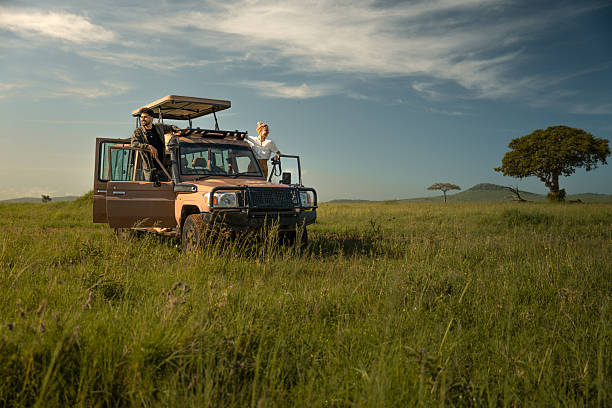
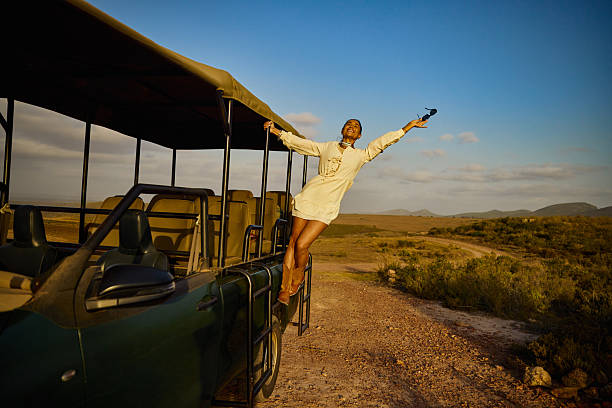
5-Day Budget Safari & Hostel Stays: The Affordable & Social Tanzania Experience 2026-2027
For many travelers, Tanzania conjures images of vast savannas teeming with wildlife and iconic landscapes. While luxury safaris are popular, experiencing the magic of Tanzania doesn’t require breaking the bank. A 5-day budget safari combined with social hostel stays offers a fantastic way to see incredible wildlife, meet fellow adventurers, and keep costs down. This approach is perfect for solo travelers, backpackers, and anyone looking for an authentic, community-focused Tanzanian adventure in 2026 and 2027.
This comprehensive guide will walk you through planning an unforgettable 5-day budget safari and hostel stay, covering itinerary options, cost considerations, what to expect, and how to make the most of your social travel experience.
Table of Contents
- Quick Facts
- Overview: Budget Safari & Hostels
- Why Choose a Budget Safari & Hostel Stay?
- Best Time to Go for Budget Safari & Hostels
- Sample 5-Day Itinerary: Northern Circuit on a Budget
- What to Expect on a Budget Safari
- Hostel Life in Tanzania
- Packing Essentials for Budget Safari & Hostels
- Common Mistakes to Avoid
- Who is this Trip Best For?
- Alternatives to Consider
- Planning Your Trip for 2026-2027
- Booking Your 5-Day Budget Safari & Hostel Stay
- Frequently Asked Questions
Quick Facts
| Category | Details |
|---|---|
| Trip Duration | 5 Days / 4 Nights |
| Focus | Wildlife Viewing, Budget Travel, Social Interaction |
| Primary Destinations | Northern Tanzania National Parks (e.g., Tarangire, Lake Manyara, Ngorongoro Crater) |
| Accommodation Style | Hostels, Budget Guesthouses, Campsites (often with budget safari packages) |
| Transportation | Shared Safari Vehicle (4×4 Land Cruiser/Land Rover) with other budget travelers |
| Ideal Traveler | Solo travelers, backpackers, young adults, budget-conscious adventurers, social travelers |
| Key Activity | Game drives in national parks |
Overview: Budget Safari & Hostels
A 5-day budget safari and hostel stay in Tanzania is designed for travelers who want an immersive wildlife experience without the high price tag of luxury lodges. This travel style typically involves joining a small group of like-minded individuals on a safari, sharing a customized 4×4 vehicle and a knowledgeable guide. Accommodation is usually at hostels, budget guesthouses, or even organized campsites, offering a more communal and social atmosphere. The focus is on maximizing wildlife viewing opportunities within a limited timeframe and budget, making it an accessible way to explore Tanzania’s famous parks.
This type of trip often concentrates on the Northern Circuit, which includes some of Tanzania’s most renowned parks like Tarangire National Park (known for its elephants and baobab trees), Lake Manyara National Park (famous for tree-climbing lions and diverse birdlife), and the Ngorongoro Conservation Area (home to the Ngorongoro Crater, a UNESCO World Heritage site with incredible predator-prey interactions and a high density of wildlife).
Why Choose a Budget Safari & Hostel Stay?
Opting for a 5-day budget safari and hostel stay offers several compelling advantages:
Cost-Effectiveness
This is the most significant benefit. By sharing costs for the safari vehicle, guide, fuel, park fees, and opting for budget accommodation, you dramatically reduce the overall expense compared to private safaris or lodge stays. This makes Tanzania accessible to a wider range of travelers.
Social Interaction
Hostels are natural hubs for meeting people. Staying in them before and after your safari, or sometimes even as part of the package (campsites with communal facilities), means you’ll connect with other travelers from around the world. Sharing experiences, stories, and even meals creates a vibrant social atmosphere that can enhance your trip.
Authentic Experiences
Budget travel often leads to more authentic encounters. You’re more likely to interact with local communities, eat at local eateries, and experience the country from a perspective closer to that of its residents. Budget safari operators often use local guides who possess deep knowledge of the wildlife and culture.
Flexibility and Simplicity
While 5 days is a set duration, this style of travel often allows for some flexibility in itinerary customization, especially when booking with smaller, local operators. The focus is on the essentials: seeing wildlife and having a comfortable, social place to rest.
Accessibility
For solo travelers, this is an excellent way to travel safely and affordably. Joining a group safari means you don’t have to worry about navigating or driving yourself, and the shared costs make it financially viable.
Best Time to Go for Budget Safari & Hostels
The best time to plan your 5-day budget safari and hostel stay depends on your priorities, particularly regarding weather and wildlife viewing. However, for budget travelers, considering the shoulder seasons can offer a good balance of favorable conditions and potentially lower prices.
Dry Seasons (June to October, January to February)
- Pros: Excellent for wildlife viewing as animals congregate around water sources. Skies are generally clear, offering great photographic opportunities. Easier game drives as roads are in better condition.
- Cons: This is peak season, so prices for park fees and sometimes accommodation might be slightly higher. More crowds in popular areas.
Green Seasons (November to December, March to May)
- Pros: Lush landscapes, stunning scenery, and fewer tourists. This is the “low season” or “green season.” Prices for safaris and accommodation can be significantly lower, making it ideal for budget travelers. Birdwatching is exceptional, and it’s the calving season for many species (especially February/March in the Serengeti, though a 5-day trip might not reach there).
- Cons: Rainfall can occur, sometimes heavy, which can make game drives challenging and roads muddy. Wildlife can be more dispersed as water is plentiful.
Specific Considerations for 2026-2027:
- Shoulder Months (e.g., late May, early June, November): These months often provide a sweet spot. The weather is generally good, wildlife is active, and you can often find better deals on safari packages and accommodation before or after the peak demand periods.
- Avoiding Major Holidays: If possible, try to avoid traveling during major international holidays (Christmas, New Year) or Tanzanian public holidays if you’re seeking the absolute lowest prices.
For a 5-day trip focusing on the Northern Circuit, the dry seasons offer the most reliable wildlife viewing. However, if your priority is extreme budget savings and you don’t mind the possibility of rain, the green season can be very rewarding and significantly cheaper.
Sample 5-Day Itinerary: Northern Circuit on a Budget
This itinerary focuses on the most accessible and rewarding parks for a short, budget-friendly trip, often starting and ending in Arusha. It assumes you’ll be staying in hostels in Arusha before and after the safari and potentially at campsites or budget lodges during the safari itself, depending on your chosen package.
| Day | Morning Activity | Afternoon Activity | Evening | Accommodation Suggestion |
|---|---|---|---|---|
| Day 1 | Arrive in Arusha. Transfer to your pre-booked hostel. Relax and explore Arusha town. Visit a local market. (Optional: Pre-safari briefing with your tour operator) |
Meet your safari group and guide. Final preparations. Enjoy dinner at a local restaurant. | Overnight in Arusha hostel. | Arusha Hostel (e.g., Arusha Backpackers, Mama Irene’s) |
| Day 2 | Depart Arusha after breakfast in your safari vehicle. Drive to Tarangire National Park. | Full-day game drive in Tarangire National Park. Famous for large elephant herds and baobab trees. Picnic lunch in the park. | Drive to campsite or budget lodge near Tarangire/Karatu. Dinner. | Budget Camp/Lodge near Karatu or Tarangire |
| Day 3 | Morning drive to Lake Manyara National Park. | Game drive in Lake Manyara, looking for tree-climbing lions, diverse birdlife, and hippos. Picnic lunch. | Drive to the Ngorongoro Conservation Area boundary. Overnight at a budget lodge or campsite. | Budget Camp/Lodge near Ngorongoro |
| Day 4 | Descend into the Ngorongoro Crater for a morning game drive. This is a highlight, offering high chances of seeing the Big Five. | Continue game drive in the crater. Picnic lunch by the hippo pool. Ascend from the crater in the early afternoon. | Drive back towards Arusha. Check into your Arusha hostel. Farewell dinner with new friends. | Arusha Hostel |
| Day 5 | Enjoy a leisurely breakfast at the hostel. Depending on your flight schedule, you might have time for souvenir shopping or a visit to a local craft market. | Transfer to Kilimanjaro International Airport (JRO) for your departure. | Depart Tanzania. | N/A |
Note: This is a sample. Some budget packages might substitute Lake Manyara with more time in Tarangire or focus solely on Tarangire and Ngorongoro for a 5-day trip to reduce driving. Always clarify the exact parks and activities with your tour operator.
What to Expect on a Budget Safari
A 5-day budget safari and hostel stay is an adventure, and managing expectations is key.
Shared Experience
You will be sharing a safari vehicle (typically a 7-9 seater 4×4 Land Cruiser or Land Rover) with other travelers. This means you’ll be on the same schedule for game drives and stops. It’s a great way to meet people, but you might need to compromise on how long you spend at a particular sighting if others want to move on.
Vehicle Comfort
Budget safari vehicles are functional and reliable. They are equipped for off-road conditions but may not have the same luxurious amenities as high-end vehicles. Pop-up roofs are standard for excellent game viewing.
Guide Expertise
Your guide is crucial. Reputable budget operators hire experienced, knowledgeable guides who are passionate about wildlife and conservation. They are skilled at spotting animals, understanding animal behavior, and ensuring your safety. Don’t hesitate to ask questions!
Accommodation
Expect clean, basic facilities. Hostels in Arusha will offer dormitory-style rooms or private rooms with shared bathrooms. Safari campsites often feature tents (sometimes pre-erected) with basic amenities like shared toilets and showers. Budget lodges offer simple private rooms. While not luxurious, they provide a safe and comfortable place to rest after a day of exploring.
Park Fees and Rules
Park fees are a significant part of the safari cost and are usually included in package prices. You must adhere to park rules, such as not littering, staying inside the vehicle unless at designated picnic sites, and maintaining a respectful distance from animals.
Food
Most budget safari packages include meals. These are typically prepared by your guide or a cook accompanying the group. Expect hearty, simple meals like rice, beans, ugali, vegetables, and sometimes chicken or beef. Picnic lunches are common within the parks. In Arusha, you’ll have more options to explore local restaurants and cafes.
Pace
A 5-day trip is fast-paced. You’ll have early mornings to maximize game viewing opportunities. Days are packed with driving and wildlife spotting, so be prepared for long hours in the vehicle.
Hostel Life in Tanzania
Hostels in Tanzania, particularly in Arusha, are vibrant social hubs for backpackers and budget travelers. They are the perfect place to start and end your 5-day budget safari and hostel stay.
What to Expect
- Dormitories: The most affordable option, offering beds in shared rooms.
- Private Rooms: Available for those seeking more privacy, often at a higher cost.
- Common Areas: Most hostels have common rooms, lounges, and gardens where travelers gather, share stories, and plan their next adventures.
- Social Events: Many hostels organize social nights, bonfires, or group dinners, making it easy to connect with others.
- Travel Desks: Often have travel desks or staff who can help you book local tours, transport, or even your safari package.
- Basic Amenities: Expect shared bathrooms, Wi-Fi (sometimes unreliable or paid), and sometimes a communal kitchen.
- Location: Typically located in convenient areas, close to town centers, markets, and transport hubs.
Tips for Hostel Stays
- Book in Advance: Especially during peak seasons or if you have specific requirements.
- Bring Earplugs and an Eye Mask: Essential for light sleepers in dorm rooms.
- Secure Your Belongings: Use lockers provided by the hostel for valuables.
- Engage with Staff: They are often a great source of local information.
- Be Respectful: Of other guests and the hostel rules.
For a 5-day budget safari, you’ll likely spend 2-3 nights in hostels in Arusha (before and after the safari) and potentially use organized campsites as part of your safari package, which can offer a similar communal feel.
Packing Essentials for Budget Safari & Hostels
Packing smart is crucial for a comfortable and practical 5-day budget safari and hostel stay. Space in safari vehicles is limited, and you’ll want versatile items.
Clothing
- Neutral-Colored Clothing: Khaki, beige, olive green, or brown. Avoid bright colors (can scare animals) and dark blue/black (attracts tsetse flies).
- Lightweight Layers: T-shirts, long-sleeved shirts (for sun protection and cooler evenings).
- Fleece Jacket or Warm Sweater: Evenings and early mornings can be cool, especially at higher altitudes like Ngorongoro.
- Comfortable Trousers/Pants: 2-3 pairs, lightweight and quick-drying.
- Shorts: For warmer days (optional, some prefer full coverage).
- Rain Jacket: A lightweight, waterproof jacket is essential, especially during the green season.
- Swimsuit: If your hostel or lodge has a pool.
Footwear
- Comfortable Walking Shoes/Hiking Boots: For light walking around campsites or lodges. Your safari vehicle is your primary transport, so heavy boots aren’t usually needed unless you plan other activities.
- Sandals or Flip-flops: For relaxing at the hostel or campsite.
Gear & Accessories
- Duffel Bag or Soft Backpack: Most operators have a strict luggage limit (e.g., 15-20kg) and soft bags are preferred to fit into the vehicle. No hard suitcases.
- Daypack: For carrying essentials during game drives (water, camera, snacks, sunscreen).
- Sun Hat: Wide-brimmed is best for sun protection.
- Sunglasses: Essential for glare.
- Sunscreen: High SPF.
- Insect Repellent: With DEET for mosquitoes and other biting insects.
- Camera & Extra Batteries/Memory Cards: You’ll take a lot of photos!
- Binoculars: Highly recommended for spotting distant wildlife.
- Reusable Water Bottle: Stay hydrated and reduce plastic waste.
- Headlamp or Small Flashlight: Useful for navigating campsites/hostels at night.
- Basic First-Aid Kit: Include personal medications, pain relievers, antiseptic wipes, bandages, and motion sickness medication.
- Hand Sanitizer: For hygiene on the go.
- Travel Adapter: Tanzania uses Type G sockets (UK style).
- Power Bank: To charge devices when away from power sources.
- Books/Entertainment: For downtime in the evenings or during travel.
Documents & Money
- Passport & Visa: Ensure they are valid.
- Yellow Fever Certificate: May be required. Check entry requirements.
- Travel Insurance Details: Essential for any trip.
- Cash: USD is widely accepted for park fees and tips, but have some Tanzanian Shillings for local purchases.
- Credit/Debit Cards: For ATMs in Arusha or larger towns.
Common Mistakes to Avoid
To ensure your 5-day budget safari and hostel stay is as smooth as possible, be aware of these common pitfalls:
- Booking the Cheapest Safari Without Research: The lowest price isn’t always the best. Look for operators with good reviews, clear inclusions/exclusions, and a commitment to safety and responsible tourism. Cheap often means cutting corners that impact your experience or safety.
- Not Clarifying Inclusions/Exclusions: Park fees, meals, accommodation type, and guide services can vary significantly. Always get a detailed breakdown to avoid unexpected costs.
- Overpacking: Limited space in safari vehicles is a major constraint. Stick to a soft duffel bag and essentials.
- Bringing Brightly Colored Clothing: As mentioned, neutral colors are best for wildlife viewing and blending in.
- Expecting Luxury Accommodation: Budget means basic but clean. Manage your expectations regarding amenities and comfort.
- Not Being Flexible: Safari plans can change due to weather, road conditions, or animal movements. Embrace the adventure!
- Underestimating Driving Times: Distances in Tanzania can be long, and road conditions can vary. Budget for significant travel time between locations.
- Not Tipping Your Guide/Staff: Tipping is customary and a significant part of income for guides and support staff. Factor this into your budget.
- Ignoring Health Precautions: Consult your doctor about vaccinations and malaria prophylaxis well in advance. Use insect repellent consistently.
- Not Booking in Advance (Especially Hostels): Popular hostels and budget safari slots can fill up, especially during busier periods.
Who is this Trip Best For?
This 5-day budget safari and hostel stay is ideal for a specific type of traveler:
- Solo Adventurers: It’s a safe and social way to experience Tanzania without needing a travel companion.
- Backpackers and Budget Travelers: Those prioritizing experiences over luxury and looking to stretch their travel funds.
- Young Adults and Students: Often seeking affordable adventures and opportunities to meet new people.
- Socially Conscious Travelers: Those who enjoy the camaraderie of hostels and shared experiences.
- First-Time Safari Goers on a Budget: A fantastic introduction to African wildlife without the high commitment of a private, luxury safari.
- Travelers with Limited Time: A 5-day trip allows for a taste of Tanzania’s iconic wildlife within a short window.
It’s less suited for families with very young children who might find the long game drives and basic accommodation challenging, or for travelers who require high levels of comfort, privacy, and personalized service throughout their trip.
Alternatives to Consider
While a 5-day budget safari and hostel stay is a fantastic option, Tanzania offers other experiences that might better suit different preferences or budgets:
Luxury Safari Lodges
For those with a higher budget, staying in luxury lodges or tented camps offers unparalleled comfort, gourmet dining, and exclusive experiences. These often come with private vehicles and guides, allowing for more flexibility.
Mid-Range Safaris
A middle ground can be found with mid-range safari packages. These might involve staying in comfortable safari lodges or tented camps that offer more amenities than budget options but are less expensive than true luxury. You might still share a vehicle or opt for a private vehicle at a higher cost.
Camping Safaris (Non-Hostel)
Some operators offer “bush camping” or “luxury camping” safaris. These involve camping in more remote, exclusive locations, often with en-suite bathrooms and dedicated cooks. This is more rugged than lodge stays but more comfortable than basic hostels.
Longer Safaris
If you have more time, a 7-10 day safari allows for a more relaxed pace and the inclusion of more parks or destinations, such as Serengeti National Park or perhaps a cultural visit to a Maasai village.
Zanzibar Combination Trip
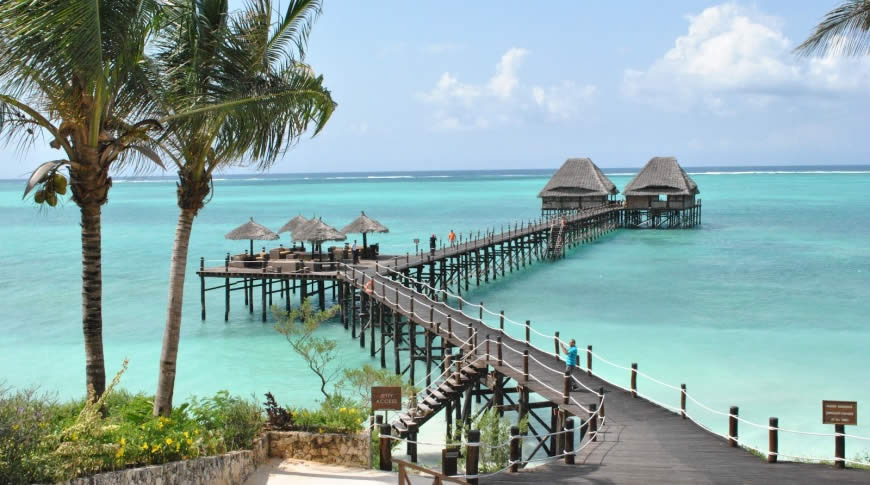
Many travelers combine a safari with a few days on the island of Zanzibar for a mix of wildlife and beach relaxation. A 5-day safari could be followed by 3-4 days on Zanzibar.
Independent Travel (More Complex)
For highly experienced and adventurous travelers, it’s theoretically possible to arrange public transport and local guesthouses, but this is extremely challenging for safaris, as park access and internal park transport often require specialized vehicles and guides. This is not recommended for a 5-day safari.
Planning Your Trip for 2026-2027
Planning your 5-day budget safari and hostel stay for 2026 or 2027 requires a bit of foresight. Here’s how to approach it:
1. Choose Your Season
Decide when you want to travel. For budget travelers, the green season (March-May) offers the best prices but can have rain. The dry season (June-October) is prime time for wildlife but busier and more expensive. Shoulder months (like November or late May) can be a good compromise for 2026-2027.
2. Set Your Budget
While this is a budget trip, costs still add up. Factor in:
- Safari package cost (vehicle, guide, park fees, accommodation, meals)
- Hostel costs in Arusha
- Tips for guide and staff
- Visa fees
- Flights to/from Kilimanjaro International Airport (JRO)
- Personal expenses (souvenirs, extra drinks, optional activities)
- Travel insurance
3. Research Tour Operators
Look for reputable local tour operators specializing in budget or group safaris. Read online reviews (TripAdvisor, Google Reviews), check their social media, and compare what’s included in their packages. Prioritize operators who are transparent about costs and inclusions.
4. Book in Advance (Recommended)
Especially for travel in 2026-2027, booking your safari package and Arusha hostels 3-6 months in advance is wise. This secures your spot and allows you to lock in prices, particularly if you are traveling during popular periods.
5. Health Preparations
Consult your doctor or a travel clinic 6-8 weeks before your trip regarding vaccinations (e.g., Hepatitis A, Typhoid) and malaria prevention. Yellow Fever vaccination might be required depending on your travel history.
6. Visa Requirements
Check the latest visa requirements for Tanzania for your nationality. Many nationalities can obtain a visa on arrival or apply online in advance.
7. Pack Smartly
Refer to the packing list above. Focus on lightweight, neutral-colored clothing and essential gear. Remember the luggage restrictions for safari vehicles.
8. Currency
While USD is useful for larger payments and tips, have some Tanzanian Shillings (TZS) for smaller purchases in towns and local markets. ATMs are available in Arusha.
9. Travel Insurance
Ensure you have comprehensive travel insurance that covers medical emergencies, trip cancellations, and lost luggage.
10. Finalize Your Itinerary
Confirm the exact parks, daily schedule, and accommodation with your chosen operator. Understand the pick-up and drop-off points.
Booking Your 5-Day Budget Safari & Hostel Stay
Booking your 5-day budget safari and hostel stay requires careful consideration to ensure you get value and a great experience. Here’s a step-by-step approach:
Step 1: Research and Shortlist Operators
Identify local Tanzanian tour operators that explicitly offer budget or group 5-day safaris. Look for those with:
- Clear itineraries for the Northern Circuit.
- Transparency about what’s included (park fees, accommodation, meals, vehicle, guide).
- Positive, recent reviews on independent platforms.
- Good communication responsiveness.
Contact 3-5 operators to get quotes and ask questions.
Step 2: Compare Quotes and Inclusions
When comparing quotes for your 2026-2027 trip, don’t just look at the price. Ensure you’re comparing like-for-like. Key points to verify:
- Park Entrance Fees: These are substantial and should ideally be included.
- Accommodation: What type of hostels/campsites/budget lodges are used? Are they shared dorms or private rooms?
- Meals: Are all meals included on safari days? What about in Arusha?
- Vehicle Type: Is it a 4×4 Land Cruiser/Land Rover?
- Guide: Is a professional, English-speaking guide included?
- Water: Is drinking water provided in the vehicle?
- Crater Service Fee: For Ngorongoro, this is separate and should be clear.
Step 3: Communicate Your Needs
Be clear about your budget and expectations. If you prefer vegetarian meals, have dietary restrictions, or have specific interests (e.g., birdwatching), communicate this early.
Step 4: Understand the Payment Terms
Reputable operators will require a deposit (often 20-50%) to confirm your booking and the balance payable closer to the safari date, or sometimes upon arrival. Ensure you understand the cancellation policy.
Step 5: Book Your Arusha Hostels Separately (Optional but Recommended)
While some safari packages might include your first/last night in Arusha, booking your hostels independently gives you more choice and control over your pre- and post-safari experience. Look for highly-rated hostels known for their social atmosphere and proximity to tour operator offices or transport hubs.
Step 6: Confirm Your Booking
Once you’ve chosen an operator and agreed on terms, get a written confirmation detailing the itinerary, inclusions, exclusions, payment schedule, and contact information. Keep copies of all communications.
Step 7: Pre-Trip Communication
A few weeks before your safari, re-confirm pick-up times and locations. Your tour operator should provide a briefing before the safari starts.
For a reliable and social 5-day budget safari and hostel stay, consider contacting experienced local operators. We at Best Tanzania Tour Operator are happy to help you craft the perfect affordable adventure. Reach out via WhatsApp at +255616946642 or email us at topguideadventures@gmail.com or info@topguideadventures.com.
Frequently Asked Questions
What is the typical cost of a 5-day budget safari and hostel stay?
Exact prices vary greatly by operator, season, and what’s included. However, for a 5-day budget safari and hostel stay in 2026-2027, you might expect a range from approximately $600 to $1200 per person. This usually covers shared vehicle, guide, park fees, basic meals, and accommodation in budget lodges/campsites. Hostel stays in Arusha are separate and typically range from $15-$30 per night for a dorm bed.
Is a 5-day safari enough to see the wildlife?
A 5-day safari, especially focusing on the Northern Circuit’s Tarangire, Lake Manyara, and Ngorongoro Crater, is a good introduction and allows you to see a significant amount of wildlife. You’ll likely encounter many iconic species. However, it’s a short trip, so managing your expectations regarding seeing every single animal is wise. Longer safaris offer more in-depth exploration.
Are hostel stays safe in Tanzania?
Hostels in Tanzania, particularly those catering to international backpackers, are generally safe. However, like anywhere, it’s important to take precautions. Use lockers for valuables, be aware of your surroundings, and follow the hostel’s rules. Many hostels have 24-hour reception and security.
What is the difference between a budget safari and a luxury safari?
The main differences lie in accommodation (hostels/campsites vs. lodges/tented camps), vehicle type (shared vs. private, often newer/more comfortable), guide exclusivity (shared guide vs. private guide), and overall amenities and service level. Budget safaris focus on the core experience of wildlife viewing at a lower cost, while luxury safaris prioritize comfort, exclusivity, and personalized service.
Can I do a 5-day budget safari and hostel stay solo?
Absolutely! This type of trip is ideal for solo travelers. You’ll join a small group, making it social and safe, and the shared costs make it financially viable for individuals. Hostels further enhance the social aspect.
What are the best parks for a 5-day budget safari?
For a 5-day budget safari, the Northern Circuit parks are the most practical and rewarding. Tarangire National Park, Lake Manyara National Park, and the Ngorongoro Crater offer incredible wildlife viewing within a relatively compact area, minimizing travel time and maximizing game drives.
Do I need to tip my safari guide?
Yes, tipping your safari guide and any accompanying cook or camp staff is customary and greatly appreciated in Tanzania. It forms a significant part of their income. A general guideline is $10-$20 per day for the guide and $5-$10 per day for the cook/staff, per person in the group. Your tour operator can provide more specific recommendations.
What kind of food can I expect on a budget safari?
Expect hearty, filling, and simple meals prepared by your guide or a dedicated cook. This typically includes rice, pasta, ugali (a maize porridge), beans, lentils, fresh vegetables, and sometimes chicken, beef, or fish. Picnic lunches are standard within the national parks. Meals are designed to be nutritious and satisfying after a day of game drives.
When is the best time to book my 2026-2027 safari?
For the best availability and prices, it’s recommended to book your 5-day budget safari and hostel stay for 2026-2027 at least 3-6 months in advance, especially if you plan to travel during the peak dry season (June-October) or during popular holiday periods.
Can I combine a budget safari with other activities?
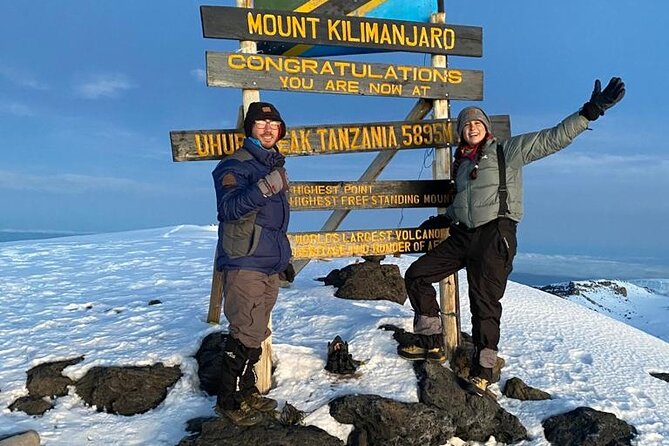
Yes, a 5-day budget safari and hostel stay can be combined with other activities. Arusha offers opportunities for coffee tours, cultural visits, or day trips. You could also extend your trip to visit Zanzibar or Mount Kilimanjaro if you have more time and budget.
Ready for Your Affordable Tanzanian Adventure?
A 5-day budget safari and hostel stay offers an incredible opportunity to witness Tanzania’s breathtaking wildlife and vibrant culture without compromising on social experiences or your budget. It’s a practical, fun, and accessible way to explore some of Africa’s most iconic landscapes.
Let us help you craft the perfect itinerary. We specialize in creating memorable and affordable travel experiences in Tanzania. Whether you’re a solo traveler looking to connect with others or a group seeking an economical adventure, we can tailor a package to suit your needs for 2026-2027.
Contact us today to start planning your dream 5-day budget safari and hostel stay:
- WhatsApp: +255616946642
- Email: topguideadventures@gmail.com
- Backup Email: info@topguideadventures.com
We look forward to helping you create an unforgettable Tanzanian adventure!
Plan your 5-Day Budget Safari & Hostel Stays — Cheap & Social with Top Guide Adventures
Tell us your travel dates, group size, comfort level, and dream experience. We will help you shape a clear, realistic, and memorable Tanzania itinerary.

 Veedesigner
 Fatma Kizanga
 Benjamin Waryuba
 Philip Philip
 John jr Itaja
 Antonia Optatus
 Edith Kanyere
 Neema Iddy
 Kelvin Boniphace
 Damari Maiga



