
Updated planning guide for 2026-2027
7-Day Mara-Serengeti Migration Safari Kenya + Tanzania: Best Guide 2026-2027
Discover the ultimate 7-day Mara-Serengeti Migration Safari experience, expertly planned to cover both Kenya's Masai Mara and Tanzania's Serengeti. This comprehensive guide details optimal timing, essential planning steps, and what to expect during the Great Migration.
WhatsApp +255616946642 | topguideadventures@gmail.com | info@topguideadventures.com
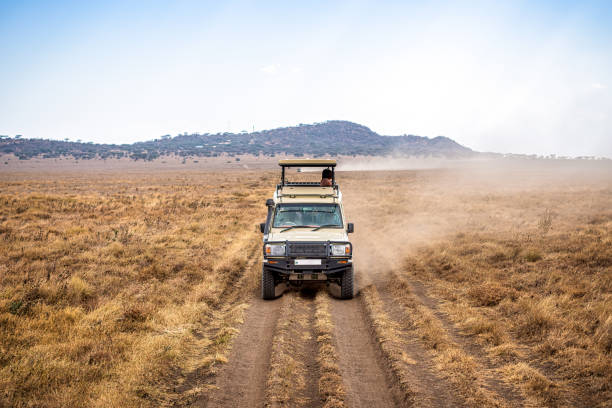
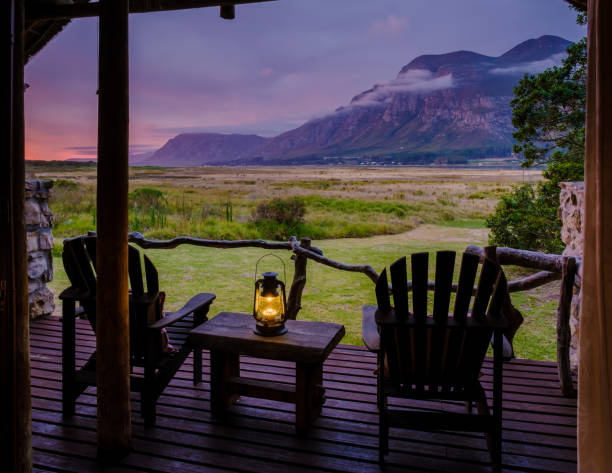
The Ultimate 7-Day Mara-Serengeti Migration Safari: Kenya + Tanzania
Witnessing the Great Migration is a bucket-list experience for many wildlife enthusiasts. This incredible natural phenomenon sees millions of wildebeest, zebras, and antelopes traverse vast plains in search of greener pastures. A 7-day Mara-Serengeti Migration Safari Kenya + Tanzania offers an unparalleled opportunity to observe this spectacle firsthand, crossing from the iconic Masai Mara National Reserve in Kenya to the expansive Serengeti National Park in Tanzania. This guide provides everything you need to plan your extraordinary journey for 2026-2027.
This safari isn’t just about seeing animals; it’s about experiencing the raw power of nature, understanding the delicate balance of ecosystems, and connecting with landscapes that have remained unchanged for millennia. From the dramatic river crossings to the vast herds stretching to the horizon, every moment is a testament to life’s enduring cycle.
Planning a trip that spans two countries requires careful consideration of logistics, timing, and the best locations to maximize your chances of witnessing the migration at its peak. This detailed guide will help you navigate these complexities, ensuring your 7-day adventure is as rewarding as possible.
Quick Facts: 7-Day Mara-Serengeti Migration Safari
| Feature | Details |
|---|---|
| Duration | 7 Days / 6 Nights |
| Key Destinations | Masai Mara National Reserve (Kenya), Serengeti National Park (Tanzania) |
| Primary Focus | The Great Wildebeest Migration |
| Best Time to Visit (Migration) | July to October (Mara River Crossings), January to March (Calving Season in Serengeti) |
| Travel Style | Classic Safari, Wildlife Viewing, Photography |
| Accommodation | Safari Lodges, Tented Camps (Mid-range to Luxury) |
| Activities | Game Drives, Optional Hot Air Balloon Safaris, Cultural Visits |
| Logistics | Cross-border travel, internal flights or overland transfers |
Understanding the Great Migration
The Great Migration is a continuous circular movement of over 1.5 million wildebeest, 200,000 zebras, and 400,000 gazelles. They are constantly on the move, driven by the need for fresh grazing land and water. This epic journey spans approximately 1,200 miles (1,900 km) across the Serengeti-Mara ecosystem.
The migration’s path is dictated by rainfall. As the dry season approaches, the herds move from the southern Serengeti plains towards the west and north, following the rains. The Masai Mara in Kenya becomes a crucial destination during the drier months, particularly when the Mara River presents formidable challenges for the migrating animals.
For a 7-day Mara-Serengeti Migration Safari, understanding where the herds are likely to be during your travel dates is paramount. While the general pattern is predictable, exact movements can vary annually based on weather patterns. This is where local expertise becomes invaluable.
Why Choose a Cross-Border Safari?
Combining the Masai Mara and Serengeti in a single safari offers a more complete picture of the Great Migration’s scale and impact. While both parks are part of the same ecosystem, they offer distinct experiences:
- Masai Mara (Kenya): Renowned for its vast open grasslands, high predator density, and dramatic river crossings, especially during the migration season. The Mara River is a focal point for spectacular wildebeest crossings.
- Serengeti National Park (Tanzania): Offers immense, diverse landscapes, from endless plains to kopjes and woodlands. It provides a different perspective on the migration, including the crucial calving season in the south and the herds moving through its central and northern regions.
A 7-day itinerary allows for a taste of both, typically focusing on the Mara River crossing period in the Masai Mara and then moving to a prime location in the Serengeti. This dual-country approach maximizes your chances of witnessing different phases and spectacular moments of the migration.
Best Time for Your 7-Day Mara-Serengeti Migration Safari
The ‘best’ time for this safari depends entirely on what you want to see. The Great Migration is a year-round event, but its location and intensity vary.
For River Crossings (The Most Dramatic Event):
- July to October: This is peak season for witnessing wildebeest and zebra herds crossing the Mara River. Thousands of animals brave the crocodile-infested waters, creating breathtaking and often chaotic scenes. The Masai Mara is the primary location for this spectacle during these months.
For Calving Season (New Life and Predators):
- Late January to March: The southern Serengeti plains become the birthing grounds. Over 500,000 wildebeest calves are born in a few weeks. This attracts numerous predators, offering incredible opportunities to see lion prides, cheetahs, and hyenas hunting.
For General Herds and Greener Landscapes:
- April to June: The ‘long rains’ season. While some roads can be challenging, this period sees lush landscapes and fewer crowds. The herds are typically moving northwards through the central and western Serengeti.
- November to December: The ‘short rains’ often bring scattered showers, and the herds begin their southward movement back into the Serengeti. This can be a good time for birdwatching as migratory birds arrive.
For a 7-day Mara-Serengeti Migration Safari focusing on the core migration spectacle, the period from July to October is generally considered the most sought-after, particularly for the dramatic river crossings.
Seasonality Table
| Month(s) | Location Focus | Migration Activity | Weather | Crowds |
|---|---|---|---|---|
| Jan – Mar | Southern Serengeti | Calving Season, Predators Active | Warm, dry with occasional showers | Moderate |
| Apr – May | Central/Western Serengeti | Herds moving North/West | Long Rains (heavy) | Low |
| Jun | Western/Northern Serengeti | Herds gathering for river crossings | Cooler, dry season begins | Moderate |
| Jul – Oct | Masai Mara (Kenya) / Northern Serengeti | Mara River Crossings, Peak Migration | Dry, cool to warm | High |
| Nov – Dec | Central/Southern Serengeti | Herds moving South, Short Rains | Short Rains (scattered) | Moderate |
Sample 7-Day Mara-Serengeti Migration Safari Itinerary (Kenya + Tanzania)
This itinerary is designed to maximize your chances of seeing the migration, focusing on the river crossing period. It balances game drives with travel time and offers a taste of both iconic parks. This is a suggested route for 2026-2027; actual timings and locations can be adjusted by your tour operator.
Day 1: Arrival in Nairobi & Transfer to Masai Mara
- Arrive at Jomo Kenyatta International Airport (NBO) in Nairobi, Kenya.
- Meet your guide and transfer to Wilson Airport for a short domestic flight to the Masai Mara.
- On arrival at the Masai Mara airstrip, you’ll be met by your safari vehicle and guide.
- Drive to your lodge or tented camp, enjoying your first game drive en route.
- Check-in, have lunch, and then head out for an afternoon/evening game drive.
- Overnight: Masai Mara National Reserve.
Day 2: Full Day Masai Mara Game Drives
- Spend the day exploring the vast plains of the Masai Mara.
- Focus on areas known for migration herds and predator activity.
- If timing is right (July-Oct), scout locations along the Mara River for potential crossings.
- Optional: Hot air balloon safari at sunrise for a unique perspective.
- Enjoy bush breakfast, picnic lunch, or return to camp for meals.
- Overnight: Masai Mara National Reserve.
Day 3: Masai Mara to Serengeti (via Isebania/Sirari Border)
- Early morning game drive in the Masai Mara.
- After breakfast, drive towards the Kenya-Tanzania border crossing at Isebania (Kenya) / Sirari (Tanzania).
- Complete immigration and customs formalities. This can take time.
- Meet your Tanzanian guide and vehicle on the other side.
- Drive into the northern Serengeti region, often near the Mara River or Lamai Wedge area, depending on migration movements.
- Check into your lodge/camp.
- Overnight: Northern Serengeti.
Day 4: Northern Serengeti Game Drives
- Explore the northern Serengeti, a prime location for migration viewing, especially between July and October.
- Focus on areas around the Mara River, looking for crossing opportunities or herds grazing nearby.
- The northern Serengeti also boasts excellent resident wildlife, including lions, leopards, and elephants.
- Enjoy full-day game drives with picnic lunches.
- Overnight: Northern Serengeti.
Day 5: Serengeti to Central Serengeti
- Morning game drive in the north, perhaps focusing on a different area or activity.
- Begin your journey south towards the Central Serengeti (Seronera area). This is a long drive, often with game viewing en route.
- The landscape transitions as you move, offering diverse habitats.
- Arrive at your lodge/camp in the Central Serengeti in the late afternoon.
- Overnight: Central Serengeti.
Day 6: Central Serengeti Exploration
- Spend the day exploring the Seronera Valley, known for its year-round resident wildlife and high predator concentrations.
- While the main migration herds might have moved on from the north, resident wildebeest and zebra are abundant, and predator sightings are frequent.
- Visit the Moru Kopjes, which are excellent for spotting lions and leopards.
- Optional: Visit the Serengeti Visitor Centre for insights into the park’s ecology.
- Overnight: Central Serengeti.
Day 7: Departure from Serengeti
- Enjoy a final early morning game drive in the Central Serengeti.
- Return to your lodge for breakfast.
- Transfer to the Seronera Airstrip for your flight back to Kilimanjaro International Airport (JRO) or Arusha Airport (ARK) for your onward international flight or to Zanzibar.
Notes on the Itinerary:
- Customization: This is a template. Your operator can tailor it based on your interests, budget, and the predicted migration patterns for 2026-2027.
- Travel Time: The transfer day (Day 3) involves border crossing, which can be time-consuming. Flights between parks can save time but add cost.
- Accommodation: Options range from comfortable tented camps to luxurious lodges.
- Alternative Focus: If traveling in January-March, the itinerary would focus more on the Southern Serengeti for calving season and less on the Mara River.
Route Overview: Masai Mara to Serengeti
This route connects two of Africa’s most celebrated wildlife destinations, traversing the Great Rift Valley and crossing international borders. Understanding the geography helps visualize the journey.
| Start: Masai Mara National Reserve (Kenya) | Key Activity: Witnessing Mara River crossings (July-Oct), abundant wildlife. |
| Travel Leg 1: Masai Mara to Isebania/Sirari Border Crossing | Distance: Approx. 150-200 km (4-6 hours drive, depending on Mara location and road conditions). |
| Border Crossing: Isebania (Kenya) / Sirari (Tanzania) | Process: Immigration, customs, vehicle/guide change. Can take 1-3 hours. |
| Travel Leg 2: Border to Northern Serengeti | Distance: Approx. 50-100 km (2-4 hours drive into Serengeti). Focus on Lamai Wedge/Mara River areas. |
| Key Activity: Migration herds in the north, predator action. | |
| Travel Leg 3: Northern Serengeti to Central Serengeti (Seronera) | Distance: Approx. 150-250 km (4-7 hours drive). Scenic game viewing en route. |
| Key Activity: Year-round wildlife, predator sightings, diverse landscapes. | |
| End Point for Safari: Seronera Airstrip (Central Serengeti) | Departure: Flights to Arusha/Kilimanjaro for international connections. |
What to Expect on Your Safari
A 7-day Mara-Serengeti Migration Safari is an immersive wildlife experience. Expect early mornings, long days in the vehicle, and incredible sights.
Game Drives
These are the primary activity. You’ll typically have morning and afternoon drives, often lasting 3-4 hours each. Full-day drives with picnic lunches are also common, allowing you to cover more ground and spend extended time with sightings.
Expect to see:
- The Migration: Vast herds of wildebeest and zebras.
- Predators: Lions, cheetahs, leopards, hyenas, wild dogs.
- Other Mammals: Elephants, giraffes, buffalo, rhinos (less common but present), hippos, crocodiles, various antelopes, and gazelles.
- Birdlife: Hundreds of species, especially vibrant during certain seasons.
Accommodation
Lodges and tented camps offer varying levels of comfort. Most provide:
- En-suite bathrooms (for permanent lodges and luxury tented camps).
- Comfortable beds and amenities.
- Dining areas serving buffet-style meals (breakfast, lunch, dinner).
- Common areas for relaxing.
- Often, swimming pools (especially in lodges).
Tented camps can range from basic canvas tents with shared facilities to luxurious canvas suites with private bathrooms and decks.
Cultural Interactions
While the focus is wildlife, some tours may include visits to Maasai villages. These are usually optional and offer a glimpse into the traditional lifestyle of the Maasai people. Ensure these are conducted respectfully and ethically.
The Pace
Safaris are often early risers to catch animals when they are most active. Days can be long, with significant time spent driving. However, the excitement of sightings usually outweighs any fatigue.
Inclusions and Exclusions
Understanding what’s included in your safari package is crucial for budgeting and avoiding surprises. Tour operators like Best Tanzania Tour Operator (Top Guide Adventures) typically offer packages with the following:
Common Inclusions:
- Accommodation for the duration of the safari.
- All meals (breakfast, lunch, dinner) while on safari.
- Park entrance fees for Masai Mara and Serengeti.
- Game drives in a 4×4 safari vehicle with a professional driver-guide.
- Bottled water during game drives.
- Cross-border assistance.
- Airport transfers in Nairobi and from Serengeti airstrip.
- Internal flights (e.g., Nairobi to Masai Mara, Serengeti to Arusha) – *This varies greatly by package and operator.*
Common Exclusions:
- International flights to/from Nairobi and from Kilimanjaro/Arusha.
- Visa fees for Kenya and Tanzania.
- Travel insurance.
- Gratuities for guides and camp staff.
- Optional activities like hot air balloon safaris, cultural visits.
- Drinks and beverages (alcoholic and non-alcoholic) at lodges/camps.
- Personal expenses (souvenirs, laundry, etc.).
- Tips for drivers and guides.
Always confirm the specifics with your chosen tour operator. For instance, a 7-day Mara-Serengeti Migration Safari Kenya + Tanzania might include internal flights to save time, or it might be primarily overland, which is more budget-friendly but takes longer.
Packing and Preparation Checklist
Proper packing ensures comfort and preparedness for your safari. Focus on practical, lightweight items.
Clothing:
- Lightweight, neutral-colored clothing (khaki, beige, green, brown). Avoid bright colors and dark blue/black (can attract tsetse flies).
- Long-sleeved shirts and trousers for sun and insect protection, especially evenings.
- T-shirts and shorts/skirts for warmer days.
- A warm fleece or jacket for cool mornings and evenings (especially July-August).
- A waterproof/windproof jacket.
- Comfortable walking shoes or hiking boots (if planning any walks).
- Sandals or flip-flops for relaxing at the camp/lodge.
- Socks (plenty of pairs).
- Swimsuit (for lodges with pools).
Gear & Accessories:
- Sun hat with a wide brim.
- Sunglasses.
- Sunscreen (high SPF).
- Insect repellent (with DEET).
- Binoculars (essential for wildlife viewing!).
- Camera with extra batteries, memory cards, and charger. Consider a zoom lens.
- A small backpack or daypack for essentials.
- Reusable water bottle.
- Headlamp or flashlight (useful in camps).
- Basic first-aid kit (band-aids, antiseptic wipes, pain relievers, motion sickness medication, personal prescriptions).
- Hand sanitizer.
- Travel adapter (Type G for Kenya, Type D/G for Tanzania).
- Portable power bank or car charger for electronics.
Documents & Money:
- Passport (with at least 6 months validity beyond your stay) and copies.
- Visas (check requirements for your nationality for Kenya and Tanzania).
- Yellow Fever vaccination certificate (required if traveling from an endemic country or transiting through one).
- Flight tickets and itinerary.
- Travel insurance details.
- Credit cards and some USD cash for tips and personal expenses.
Important Considerations:
- Luggage Restrictions: Internal flights often have strict weight limits (usually 15-20 kg / 33-44 lbs) and soft-sided bags are preferred. Check with your operator.
- Medications: Carry all personal medications in their original packaging with a prescription. Consult your doctor about malaria prophylaxis and other necessary vaccinations.
- Photography: Respect wildlife and avoid disturbing them. Never feed animals.
Common Mistakes to Avoid
Planning a trip across two countries can be complex. Here are common pitfalls to steer clear of for your 7-day Mara-Serengeti Migration Safari Kenya + Tanzania:
- Incorrect Timing: Not aligning your trip with the migration’s predicted location. This can lead to disappointment if you miss the key events.
- Underestimating Travel Time: Assuming short distances translate to short travel times. Bush roads can be slow, and border crossings take time.
- Not Budgeting for Extras: Forgetting to account for tips, drinks, optional activities, and souvenirs.
- Overpacking: Especially if using internal flights with weight restrictions.
- Ignoring Visa Requirements: Ensure you have the correct visas for both Kenya and Tanzania well in advance.
- Choosing the Wrong Operator: Going with an unvetted or inexperienced operator can lead to logistical nightmares, poor guiding, and a diminished experience.
- Focusing Only on the Migration: While the migration is the star, remember that both parks offer incredible resident wildlife year-round.
- Not Booking in Advance: Especially for peak season (July-October), lodges and camps fill up months, sometimes a year, in advance.
- Ignoring Health Advice: Not consulting a doctor about vaccinations and malaria prevention.
Who is This Safari Best Suited For?
A 7-day Mara-Serengeti Migration Safari Kenya + Tanzania is ideal for:
- Wildlife Enthusiasts: Those who dream of seeing large herds and a high concentration of predators.
- Photographers: The dramatic landscapes, abundant wildlife, and migration spectacle offer endless photographic opportunities.
- First-Time East Africa Safari-Goers: It provides a comprehensive introduction to two of the continent’s most iconic parks.
- Couples and Families with Older Children: The experience is awe-inspiring, though very young children might find the long drives challenging.
- Travelers Seeking Iconic Experiences: If witnessing the Great Migration is high on your priority list, this safari delivers.
It is generally suited for travelers comfortable with a moderate to high level of activity (early mornings, game drives) and who appreciate nature in its rawest form. The pace can be adjusted, but the core experience involves significant time outdoors and in a safari vehicle.
Alternatives to a 7-Day Mara-Serengeti Migration Safari
While this cross-border safari is incredible, other options might suit different preferences or time constraints:
- Kenya-Only Safari (Masai Mara Focus): If you have less time or prefer to focus solely on Kenya, a 5-7 day safari in the Masai Mara can be highly rewarding, especially during migration season. You can explore different conservancies around the Mara for varied experiences.
- Tanzania-Only Safari (Serengeti Focus): A 5-7 day safari in the Serengeti allows deeper exploration of different regions like the central Seronera, the northern corridor, or the southern plains (for calving). This avoids the border crossing complexities.
- Northern Circuit Safari (Tanzania): If you want to see more than just the Serengeti, a 7-10 day Northern Circuit safari can include Lake Manyara, Tarangire National Park (known for elephants), and the Ngorongoro Crater, offering diverse ecosystems and wildlife. This can be combined with a few days in the Serengeti.
- Short Migration Viewing (e.g., 3-4 days): If time is very limited, a short trip to either the Masai Mara or Serengeti during the migration season can still offer spectacular sightings, though it won’t cover both parks.
The choice depends on your priorities: seeing both countries, focusing on a specific event (river crossings vs. calving), managing travel time, or exploring a wider range of Tanzanian or Kenyan parks.
Planning Your 2026-2027 Safari
Booking your 7-day Mara-Serengeti Migration Safari Kenya + Tanzania for 2026 or 2027 requires early planning, especially if you aim for peak migration season.
Key Planning Steps:
- Define Your Dates: Decide when you want to travel, considering the migration’s location (river crossings July-Oct, calving Jan-Mar).
- Set Your Budget: Cross-border safaris tend to be at the higher end due to logistics, park fees, and often internal flights.
- Choose Your Operator: Research reputable tour operators specializing in Kenya and Tanzania. Look for experience with cross-border logistics. Best Tanzania Tour Operator (Top Guide Adventures) is a strong contender with deep local knowledge.
- Select Accommodation Style: Decide between luxury lodges, comfortable tented camps, or more basic options.
- Book Flights: Secure international flights to Nairobi and from Kilimanjaro/Arusha.
- Confirm Itinerary Details: Work with your operator to finalize the day-to-day plan, including transfers and activities.
- Arrange Visas: Check the latest visa requirements for Kenya and Tanzania for your nationality. Apply in advance if possible.
- Book Travel Insurance: Essential for any international trip, especially one involving remote locations and potential medical needs.
- Health Preparations: Consult your doctor 4-6 weeks before departure regarding vaccinations and malaria prophylaxis.
- Pack Smart: Use the checklist provided to prepare your luggage.
For 2026-2027 travel, booking at least 6-12 months in advance is highly recommended, especially for July-October departures. This ensures availability of preferred accommodation and internal flights.
Booking Advice: Choosing the Right Operator
Selecting a reliable tour operator is paramount for a successful 7-day Mara-Serengeti Migration Safari Kenya + Tanzania. Here’s what to look for:
- Specialization: Does the operator have extensive experience with both Kenya and Tanzania, and specifically with cross-border migration safaris?
- Local Knowledge: Operators based in Tanzania (like Best Tanzania Tour Operator) often have deeper insights into local logistics, guides, and current conditions.
- Reviews and Reputation: Look for independent reviews and testimonials.
- Responsiveness: How quickly and thoroughly do they answer your questions? This indicates their level of professionalism and communication.
- Customization: Can they tailor an itinerary to your specific interests, budget, and pace?
- Vehicle Quality: Ensure they use well-maintained 4×4 safari vehicles suitable for the terrain.
- Guide Quality: Experienced, knowledgeable, and personable guides make a huge difference.
- Transparency: Clear communication about what is included and excluded in the price is vital.
Contact Top Guide Adventures: For a personalized and expertly managed 7-day Mara-Serengeti Migration Safari Kenya + Tanzania in 2026 or 2027, consider reaching out to their team. They are a trusted Tanzania tour operator with a strong understanding of the region’s wildlife and logistics.
Get in touch:
- WhatsApp: +255616946642
- Email: topguideadventures@gmail.com
- Backup Email: info@topguideadventures.com
Discuss your dream safari with them, and they can help craft an unforgettable itinerary that aligns with your expectations for the Great Migration.
Frequently Asked Questions (FAQs)
1. Is a 7-day safari enough for both Masai Mara and Serengeti?
Yes, a 7-day safari can provide a fantastic introduction to both parks, especially if focused on the migration. It involves efficient planning, often using internal flights or focusing on key areas. It will be fast-paced but covers the essentials.
2. What are the main differences between Masai Mara and Serengeti?
While part of the same ecosystem, the Masai Mara is known for its dramatic Mara River crossings and high predator density. The Serengeti offers vast plains, diverse landscapes, and is crucial for the calving season in the south and the migration’s movement through its large expanse.
3. Can I see the Great Migration in Kenya AND Tanzania in 7 days?
Yes, this is precisely the goal of a 7-day Mara-Serengeti Migration Safari Kenya + Tanzania. The itinerary is designed to move between the two parks to follow the migration’s likely path during your travel dates, especially if timed for July-October.
4. How much does a 7-day Mara-Serengeti Migration Safari cost?
Costs vary significantly based on accommodation level (mid-range to luxury), inclusions (especially internal flights), time of year, and group size. For a mid-range to luxury 7-day cross-border safari in 2026-2027, expect prices typically ranging from $3,000 to $7,000+ per person, excluding international flights. It’s best to get a personalized quote.
5. What is the best way to travel between Masai Mara and Serengeti?
The most common ways are: 1) Overland drive to the border, cross on foot, and meet a new Tanzanian vehicle/guide. 2) Fly from the Masai Mara to a Tanzanian airstrip (often via Nairobi or Kilimanjaro), which saves significant time but is more expensive. Your tour operator will advise the best option for your itinerary.
6. Do I need separate visas for Kenya and Tanzania?
Yes, you will typically need a visa for Kenya and a separate visa for Tanzania, depending on your nationality. Check the specific requirements for your country of citizenship well in advance of your travel dates for 2026-2027.
7. What are the risks of river crossings?
River crossings are spectacular but dangerous. Crocodiles inhabit the Mara River, and stampedes can occur. While thrilling to witness, safety protocols are in place, and your guide will position you at a safe viewing distance. Not every day has crossings, and timing is unpredictable.
8. Is it safe to travel during the rainy season?
The rainy seasons (long rains April-May, short rains Nov-Dec) can impact travel. Some roads may become difficult, and game viewing might be slightly more challenging due to dispersed animals. However, it also means fewer crowds, lush landscapes, and often lower prices. Safaris still run, and operators are experienced in navigating conditions.
9. What if the migration isn’t where the brochure says it will be?
The Great Migration’s exact movements are dictated by rainfall and can vary slightly year to year. Experienced guides and operators stay updated on the herds’ location. A good operator will adjust your itinerary or focus on the best available viewing areas for your travel dates in 2026-2027.
10. Can I combine this safari with Zanzibar?
Absolutely. Many travelers extend their safari with a few days on the spice island of Zanzibar. It’s a perfect way to relax on beautiful beaches after the excitement of the safari. Flights from the Serengeti or Arusha to Zanzibar are readily available.
Your Unforgettable 7-Day Mara-Serengeti Migration Safari Awaits
A 7-day Mara-Serengeti Migration Safari Kenya + Tanzania is more than just a holiday; it’s an immersion into one of the planet’s most awe-inspiring natural spectacles. From the dramatic river crossings in the Masai Mara to the vast plains of the Serengeti, this journey promises unparalleled wildlife encounters and breathtaking landscapes.
Planning is key to maximizing your experience, especially when crossing borders and timing your visit with the migration’s movements. By understanding the best times to visit, what to expect, and how to prepare, you can ensure your safari in 2026 or 2027 is everything you dreamed of and more.
For expert advice, tailored itineraries, and seamless organization of your 7-day Mara-Serengeti Migration Safari Kenya + Tanzania, partner with experienced local operators. Top Guide Adventures is a trusted Tanzania tour operator ready to help you craft your perfect African adventure.
Ready to plan your dream safari? Contact us today:
- WhatsApp: +255616946642
- Email: topguideadventures@gmail.com
- Backup Email: info@topguideadventures.com
Plan your 7-Day Mara-Serengeti Migration Safari Kenya + Tanzania with Top Guide Adventures
Tell us your travel dates, group size, comfort level, and dream experience. We will help you shape a clear, realistic, and memorable Tanzania itinerary.







 Veedesigner
 Fatma Kizanga
 Benjamin Waryuba
 Philip Philip
 John jr Itaja
 Antonia Optatus
 Edith Kanyere
 Neema Iddy
 Kelvin Boniphace
 Damari Maiga



