
Updated planning guide for 2026-2027
All Tanzania & Kenya Cross-Border Combos: Complete Guide 2026-2027
Explore the incredible possibilities of combining Tanzania and Kenya for an unparalleled East African safari experience. This comprehensive guide covers everything you need to know for planning your 2026-2027 trip.
WhatsApp +255616946642 | topguideadventures@gmail.com | info@topguideadventures.com
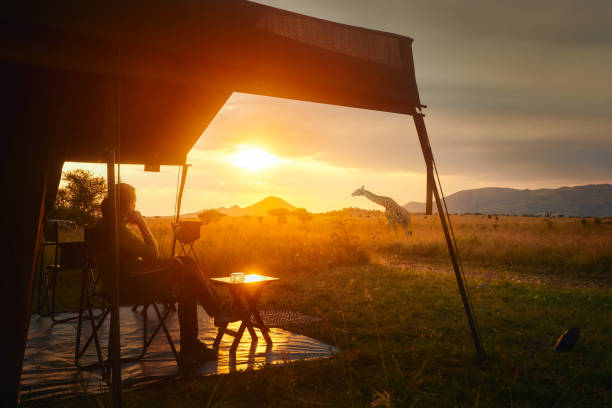
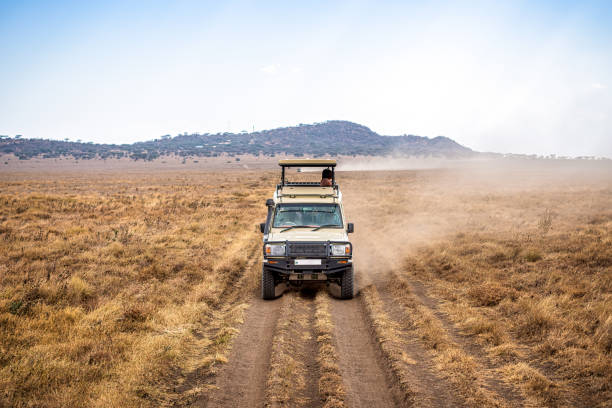
All Tanzania & Kenya Cross-Border Combos: An Expert Travel Guide
East Africa is synonymous with spectacular wildlife and breathtaking landscapes. For many travelers seeking the ultimate safari adventure, the question isn’t just where to go, but how to experience the very best the region has to offer. This often leads to considering the incredible potential of All Tanzania & Kenya Cross-Border Combos. By strategically linking these two premier safari destinations, you can witness the Great Migration twice, explore diverse ecosystems, and encounter a wider array of iconic African wildlife than is possible in just one country. This guide is designed to help you navigate the complexities and seize the opportunities of planning such an epic journey, focusing on practical advice for 2026-2027 travel.
Combining Tanzania and Kenya allows for a richer, more varied safari experience. Imagine tracking the wildebeest herds as they cross the Mara River in Kenya’s Maasai Mara, and then following their journey south into Tanzania’s Serengeti National Park, experiencing the same natural phenomenon from different perspectives. Beyond the migration, you can contrast the vast plains of the Serengeti with the unique soda lakes of Lake Manyara, the volcanic landscapes of the Ngorongoro Crater, and the rugged beauty of Kenya’s Samburu or Tsavo. This guide provides an in-depth look at how to make these cross-border combinations a reality.
Quick Facts: Tanzania & Kenya Cross-Border Safaris
| Feature | Details |
|---|---|
| Primary Destinations | Tanzania (Serengeti, Ngorongoro, Tarangire, Lake Manyara, Zanzibar) and Kenya (Maasai Mara, Amboseli, Samburu, Tsavo, Laikipia) |
| Key Wildlife Attractions | The Great Migration, Big Five (Lion, Leopard, Elephant, Rhino, Buffalo), diverse birdlife, unique species (e.g., Grevy’s Zebra, Reticulated Giraffe) |
| Best Time to Travel (General) | June to October (dry season, migration in Kenya/northern Serengeti), December to March (calving season, southern Serengeti) |
| Typical Duration | 10 days to 3 weeks or more |
| Travel Style | Private vehicle safaris, lodge/camp stays, fly-in safaris, combination with beach holidays (Zanzibar) |
| Visa Requirements | Separate visas typically required for Tanzania and Kenya. Check current regulations for your nationality. |
| Health Precautions | Consult your doctor for recommended vaccinations and malaria prophylaxis. |
Why Combine Tanzania and Kenya for Your Safari?
The decision to pursue All Tanzania & Kenya Cross-Border Combos stems from a desire to maximize your safari experience. While each country offers world-class wildlife viewing independently, their proximity and complementary ecosystems create unparalleled opportunities when combined.
- The Great Migration Spectacle: This is often the primary driver. Witnessing the millions of wildebeest and zebras migrating across the Serengeti-Mara ecosystem is a bucket-list event. Combining parks allows you to see different stages of the migration, including river crossings in the Maasai Mara (Kenya) and the calving season in the southern Serengeti (Tanzania).
- Ecological Diversity: Tanzania boasts the vast, open plains of the Serengeti, the unique caldera of the Ngorongoro Crater, and the acacia-dotted landscapes of Tarangire. Kenya counters with the dramatic backdrop of Mount Kilimanjaro in Amboseli, the semi-arid beauty of Samburu, and the iconic grasslands of the Maasai Mara.
- Wildlife Variety: Beyond the sheer numbers of the migration, each park offers unique wildlife viewing. Kenya’s Samburu is known for its “Samburu Special Five” (Grevy’s zebra, reticulated giraffe, Somali ostrich, gerenuk, and beisa oryx). Tanzania’s Ngorongoro Crater is a rhino haven and offers dense populations of predators.
- Logistical Efficiency: With careful planning, travel between the two countries can be relatively straightforward. Border crossings are manageable, and short flights can connect key parks, saving valuable time.
- Cultural Immersion: Both countries are home to vibrant cultures, most notably the Maasai people. Experiencing Maasai villages and understanding their relationship with the land adds a profound dimension to any safari.
Understanding the Ecosystem: Serengeti-Mara
The Serengeti National Park in Tanzania and the Maasai Mara National Reserve in Kenya are not separate entities in the context of wildlife movement; they are part of one vast, interconnected ecosystem. The Serengeti stretches over 14,750 square kilometers, while the Maasai Mara covers 1,510 square kilometers. However, the Mara’s ecosystem extends far beyond its official boundaries into conservancies and private lands, and it directly connects to the northern Serengeti.
The Great Migration is the most famous movement within this ecosystem. Millions of wildebeest, zebras, and gazelles trek in a clockwise direction annually, following the rains in search of fresh grazing. The timing of their presence in different areas is crucial for planning cross-border trips.
- December – March: The herds are typically in the southern Serengeti (Tanzania), especially around Ndutu, for the calving season. This is a prime time for predator action as young are born.
- April – May: This is the ‘long rains’ period, and the herds begin to move north and west out of the southern plains. Some areas can be challenging to access due to muddy roads.
- June – October: The herds are generally in the western and northern Serengeti (Tanzania) and then move into the Maasai Mara (Kenya) for the prime river crossing season. The Mara River crossings are legendary and occur when the herds are pushed to cross by predators or the need for fresh grass.
- November: The herds begin their journey south again, often moving through the eastern Serengeti.
Understanding these movements is key to designing a Tanzania and Kenya safari combo that maximizes your chances of seeing the migration at its most dramatic.
Popular Cross-Border Itinerary Routes
Designing All Tanzania & Kenya Cross-Border Combos involves selecting parks that offer a logical flow and diverse experiences. Here are some popular and effective route combinations:
Route 1: The Classic Migration Focus (Kenya & Northern Tanzania)
This route prioritizes witnessing the Great Migration, especially river crossings.
Route Illustration:
- Nairobi, Kenya: Arrival and initial preparations.
- Maasai Mara National Reserve, Kenya: Spend 3-4 days. Focus on game drives and potentially a Maasai village visit. Best for July-October for river crossings.
- Fly to Serengeti National Park (Northern/Central), Tanzania: Travel via a local airstrip. Spend 3-4 days. Focus on game drives and experiencing the vast plains.
- Ngorongoro Crater, Tanzania: Drive from Serengeti. Spend 1-2 days. Descend into the crater for exceptional Big Five viewing.
- Lake Manyara National Park, Tanzania: Optional 1-day visit en route to Arusha. Known for tree-climbing lions and large elephant herds.
- Arusha, Tanzania: Departure point.
Note: This route is ideal for July-October when the migration is typically in the Mara and northern Serengeti.
Route 2: The Southern Migration & Crater Experience (Tanzania & Southern Kenya)
This route focuses on the calving season and iconic landscapes.
Route Illustration:
- Kilimanjaro International Airport (JRO), Tanzania: Arrival.
- Serengeti National Park (Southern/Central), Tanzania: Spend 3-4 days. Focus on Ndutu and the southern plains for calving season and predator activity (December-March).
- Ngorongoro Crater, Tanzania: Drive from Serengeti. Spend 1-2 days.
- Tarangire National Park, Tanzania: Optional 1-2 days. Known for baobab trees and large elephant herds.
- Fly to Amboseli National Park, Kenya: Travel via Kilimanjaro or a direct charter flight if available. Spend 2-3 days. Famous for large elephant herds with Mount Kilimanjaro as a backdrop.
- Nairobi, Kenya: Departure point.
Note: This route is ideal for December-March when the migration is calving in southern Serengeti and Amboseli offers great elephant viewing.
Route 3: The Diverse Ecosystem Explorer (Kenya & Northern Tanzania)
This option includes less common but highly rewarding parks.
Route Illustration:
- Nairobi, Kenya: Arrival.
- Samburu National Reserve, Kenya: Spend 2-3 days. Focus on unique northern species and dramatic landscapes.
- Fly to Maasai Mara National Reserve, Kenya: Spend 3-4 days.
- Cross border to Serengeti National Park (Northern/Central), Tanzania: Travel via Kogatende airstrip. Spend 3-4 days.
- Ngorongoro Crater, Tanzania: Drive from Serengeti. Spend 1-2 days.
- Arusha, Tanzania: Departure point.
Note: This route offers a broader wildlife experience beyond just the main migration herds.
Route 4: The Grand Combination with Zanzibar
For those seeking a complete East African experience, adding Zanzibar is a popular choice.
Route Illustration:
- Nairobi, Kenya: Arrival.
- Maasai Mara National Reserve, Kenya: 3-4 days.
- Fly to Serengeti National Park (Northern/Central), Tanzania: 3-4 days.
- Ngorongoro Crater, Tanzania: 1-2 days.
- Fly to Zanzibar: Spend 4-5 days. Relax on pristine beaches, explore Stone Town, and enjoy water activities.
- Fly from Zanzibar (ZNZ) to International Hub or Arusha/Nairobi for departure.
Note: This is a longer itinerary, typically 14-20 days.
Best Time to Plan Your Tanzania & Kenya Cross-Border Safari
The ‘best’ time for All Tanzania & Kenya Cross-Border Combos heavily depends on what you want to see and experience. Seasonality is critical for wildlife movements and weather conditions.
Dry Season (June – October)
- Pros: Excellent wildlife viewing as animals congregate around water sources. The Great Migration river crossings are typically in the Maasai Mara (Kenya) and northern Serengeti (Tanzania) during July-October. Pleasant temperatures, less rain.
- Cons: Peak tourist season, so lodges and camps can be busier and more expensive. Vegetation is sparser, which can sometimes make spotting elusive animals harder.
- Focus: Migration river crossings, Big Five viewing in Maasai Mara and Serengeti.
Wet Season (November – May)
- Pros: Calving season in the southern Serengeti (December-March) offers incredible predator action. Lush green landscapes, beautiful for photography. Fewer tourists and potentially lower prices (except around holidays). Birdwatching is at its best.
- Cons: Some roads can be difficult to traverse, especially during the “long rains” (April-May). Wildlife can be more dispersed.
- Focus: Calving season (Dec-Mar), predator activity, birding, lush scenery.
Shoulder Seasons (April-May & November)
- Pros: Good compromise with fewer crowds and often lower prices. Wildlife is still plentiful.
- Cons: April-May can experience heavy rains. November can be unpredictable.
For 2026-2027 travel, booking well in advance is recommended, especially if targeting peak migration periods (July-October) or holiday periods (December-January).
What to Expect on a Cross-Border Safari
Combining Tanzania and Kenya offers a rich tapestry of experiences, but it’s important to set realistic expectations.
Wildlife Viewing
Both countries offer exceptional game viewing. You can expect to see:
- The Big Five: Lion, Leopard, Elephant, Buffalo, and Rhino. While rhinos are rare in the Mara and Serengeti, they are abundant in the Ngorongoro Crater and certain conservancies.
- Migration Herds: Millions of wildebeest and zebras (seasonal).
- Predators: Cheetahs, hyenas, wild dogs, and numerous lion prides.
- Other Mammals: Giraffes, hippos, crocodiles, various antelope species, warthogs, baboons, monkeys, and more.
- Birdlife: Over 1,000 species in total across both countries, with spectacular resident and migratory birds.
Landscapes
Prepare for a visual feast:
- Vast, seemingly endless savanna plains of the Serengeti.
- The dramatic, sunken caldera of the Ngorongoro Crater.
- Acacia woodlands and baobab-studded landscapes of Tarangire.
- The iconic, savanna-backed views of Mount Kilimanjaro in Amboseli.
- The rolling grasslands and riverine forests of the Maasai Mara.
- The arid, rugged beauty of Samburu.
Accommodation
Options range from rustic to luxurious:
- Tented Camps: Often canvas structures with comfortable beds and en-suite bathrooms, offering an immersive experience. Mobile camps follow the migration.
- Lodges: Permanent structures, often with more amenities, swimming pools, and restaurants.
- Luxury Camps/Lodges: High-end options with exceptional service, gourmet dining, and exclusive locations.
Travel Between Parks
This is where cross-border logistics come into play:
- Road Travel: Common for travel within one country or between adjacent parks. Expect 4×4 safari vehicles with pop-up roofs for game viewing. Roads can be dusty and bumpy.
- Flights: Short bush flights are highly recommended for covering long distances between countries or key parks. This saves significant travel time and can offer stunning aerial views. Examples include flying from the Mara to the Serengeti or from northern Tanzania to Kenya.
- Border Crossings: Typically done by road. Your guide will assist with immigration and customs. Be prepared for potential delays.
Planning Your 2026-2027 Tanzania & Kenya Cross-Border Trip
Successful All Tanzania & Kenya Cross-Border Combos require meticulous planning. Here’s a breakdown of key considerations for your 2026-2027 adventure:
1. Determine Your Priorities
- Migration: Do you want to see river crossings, calving, or general herd movements?
- Specific Animals: Are you keen on seeing rhinos, leopards, or particular bird species?
- Landscapes: Do you prefer vast plains, crater views, or mountainous backdrops?
- Pace: Do you prefer a fast-paced trip seeing many places, or a slower pace with more in-depth exploration of fewer areas?
- Budget: This will influence accommodation choices, transport (driving vs. flying), and duration.
- Add-ons: Are you interested in Kilimanjaro, Zanzibar, or cultural experiences?
2. Choose Your Itinerary
Based on your priorities and the best time to travel, select a route that makes sense logistically and experientially. Consider the flow between parks to minimize travel time and maximize game viewing.
3. Select Your Travel Style
- Private Safari: Your own vehicle and guide, offering maximum flexibility. Ideal for families or groups.
- Small Group Safari: Joining a small, pre-set group. More budget-friendly, but less flexibility.
- Luxury Fly-In Safari: Using light aircraft to hop between high-end camps. Fastest and most comfortable, but most expensive.
4. Accommodation Booking
Bookings, especially for popular camps and lodges, fill up months, sometimes over a year, in advance for peak seasons in 2026 and 2027. Consider:
- Location: Is the camp/lodge strategically located for wildlife viewing or migration movements?
- Type: Tented camp vs. lodge, mobile vs. permanent.
- Inclusions: Most safari packages include accommodation, meals, park fees, and game drives. Clarify what’s covered.
5. Transportation and Logistics
- Internal Flights: Book these well in advance. They are essential for efficient cross-border travel.
- Road Transfers: Ensure your tour operator uses reliable vehicles and experienced drivers/guides.
- Border Crossing: Understand the process. Your operator should handle most of the logistics.
6. Visas and Vaccinations
- Visas: Check the latest requirements for your nationality for both Tanzania and Kenya. E-visas are often available.
- Vaccinations: Consult a travel clinic or your doctor at least 6-8 weeks before your trip. Yellow Fever vaccination is often mandatory for entry into Tanzania if arriving from certain countries, and proof may be required. Malaria precautions are highly recommended.
7. Travel Insurance
Comprehensive travel insurance is non-negotiable. Ensure it covers:
- Medical emergencies and evacuation
- Trip cancellation or interruption
- Lost or delayed luggage
- Activities like game drives and walking safaris.
8. Packing Essentials
Pack light, neutral-colored clothing. Essentials include:
- Lightweight, breathable clothing (long sleeves and trousers for sun/insect protection)
- Fleece or warm jacket for cool mornings/evenings
- Comfortable walking shoes
- Sun hat, sunglasses, high SPF sunscreen
- Insect repellent with DEET
- Binoculars
- Camera with extra batteries and memory cards
- Personal first-aid kit
- Adapter for electronics
- Swimsuit (if staying at lodges with pools or heading to Zanzibar)
Sample Detailed Itinerary: 14-Day Tanzania & Kenya Migration Combo (July/August)
Day 1: Arrival in Nairobi, Kenya
Arrive at Jomo Kenyatta International Airport (NBO). You’ll be met and transferred to your hotel. Relax and prepare for your safari.
Day 2: Nairobi to Maasai Mara National Reserve
After breakfast, drive or take a short flight to the Maasai Mara. Check into your camp/lodge. Afternoon game drive.
Day 3-4: Maasai Mara Exploration
Full days of game drives in the Maasai Mara, searching for the Big Five and witnessing the migration herds. Optional hot air balloon safari at sunrise. Visit a Maasai village.
Day 5: Maasai Mara to Serengeti (North/Central)
Morning game drive in the Mara, then transfer to the airstrip for your flight to the Serengeti, Tanzania (via border formalities if applicable). Arrive at a northern or central Serengeti airstrip and transfer to your lodge/camp. Afternoon game drive.
Day 6-7: Serengeti National Park
Explore the vast plains of the Serengeti. Depending on the time of year and migration location, focus on areas like Kogatende (north) or Seronera (central) for excellent game viewing. Search for predators and resident wildlife.
Day 8: Serengeti to Ngorongoro Conservation Area
Morning game drive in the Serengeti. Drive towards the Ngorongoro Conservation Area, perhaps stopping at Olduvai Gorge. Check into your lodge on the crater rim or nearby.
Day 9: Ngorongoro Crater Tour
Descend into the Ngorongoro Crater for a full-day game drive. This UNESCO World Heritage site is home to an incredible density of wildlife, including a high chance of seeing rhinos.
Day 10: Ngorongoro to Tarangire National Park
After breakfast, drive to Tarangire National Park, known for its large elephant herds and baobab trees. Afternoon game drive.
Day 11: Tarangire to Arusha
Morning game drive in Tarangire. Drive back to Arusha for an overnight stay or connect to your onward flight.
Day 12: Arusha to Zanzibar (Optional Extension)
Fly from Arusha (ARK) to Zanzibar (ZNZ). Transfer to your beach resort.
Day 13: Zanzibar Relaxation & Activities
Enjoy the white sandy beaches, swim in the turquoise waters, or explore activities like snorkeling, diving, or spice tours.
Day 14: Departure from Zanzibar
Enjoy a final morning in Zanzibar before transferring to the airport for your departure.
Common Mistakes to Avoid
Planning All Tanzania & Kenya Cross-Border Combos can be complex. Here are common pitfalls to steer clear of:
- Underestimating Travel Time: Distances in East Africa are vast. Don’t try to cram too much into a short trip. Factor in travel days and potential delays.
- Ignoring Seasonality: Booking a migration-focused trip in the wrong month can lead to disappointment. Research when the herds are where you plan to be.
- Not Budgeting for Park Fees: Park fees are significant and are usually charged per person per day. Ensure your operator includes these or you understand the costs.
- Overpacking: Most lodges have laundry services. Pack light, neutral-colored clothing. Hard suitcases are often discouraged on small bush flights.
- Forgetting Travel Insurance: This is critical for unexpected medical needs or trip disruptions.
- Booking Last Minute: Especially for peak seasons in 2026-2027, popular lodges and internal flights get booked up far in advance.
- Not Clarifying Inclusions/Exclusions: Understand what your tour package covers (meals, drinks, park fees, activities, tips) to avoid surprises.
- Disregarding Health Advice: Consult your doctor about necessary vaccinations and malaria prophylaxis well before travel.
Who is This Trip Best For?
All Tanzania & Kenya Cross-Border Combos are ideal for:
- Passionate Wildlife Enthusiasts: Those who want to see the maximum amount of wildlife and understand complex ecosystems.
- Photographers: The diverse landscapes and abundant wildlife offer incredible photographic opportunities.
- First-Time East African Safari-Goers: For a comprehensive introduction to the region’s best offerings.
- Repeat Visitors: Those who have experienced one country and want to explore the other, or see the migration from a different perspective.
- Travelers Seeking Variety: Combining different landscapes, wildlife densities, and even cultural experiences.
- Honeymooners and Special Occasions: Creating an unforgettable, epic journey.
This type of trip is generally suited for those with a moderate to high budget, as it involves multiple destinations, transport, and higher-tier accommodations. It can be adapted for families, couples, or solo travelers.
Alternatives to Cross-Border Combos
While cross-border trips are spectacular, they might not be for everyone. Consider these alternatives:
- Tanzania Only: Focus on the Serengeti, Ngorongoro, Tarangire, Lake Manyara, and potentially Selous or Ruaha for a diverse experience within one country. Add Zanzibar for a beach extension.
- Kenya Only: Explore the Maasai Mara, Amboseli, Samburu, Laikipia, Tsavo East & West, and Lake Nakuru for a rich Kenyan safari.
- Other East African Destinations: For unique experiences, consider Uganda or Rwanda for gorilla trekking, or Botswana for its high-end, low-impact safari model.
Planning Your 2026-2027 Safari: Key Dates & Booking Timeline
To ensure a smooth and successful trip for 2026 or 2027, start planning early.
Booking Timeline:
- 12-18 Months Before Travel: Research destinations, define priorities, set budget, choose a reputable tour operator. For peak season (July-Oct 2027), book lodges and internal flights now.
- 9-12 Months Before Travel: Finalize itinerary, book main accommodations and internal flights. Confirm visa requirements.
- 6-9 Months Before Travel: Book any optional activities (e.g., hot air balloon safari).
- 3-6 Months Before Travel: Schedule appointments with your doctor/travel clinic for vaccinations and malaria prophylaxis. Apply for visas if required. Purchase travel insurance.
- 1-3 Months Before Travel: Final payments. Pack and prepare gear. Confirm all booking details.
- Weeks Before Travel: Double-check passports, visas, and flight details. Inform your bank of your travel dates.
Booking Your Tanzania & Kenya Cross-Border Safari
Choosing the right tour operator is crucial for orchestrating complex All Tanzania & Kenya Cross-Border Combos. Look for operators with:
- Extensive Experience: Proven track record in planning and executing multi-country safaris.
- Local Knowledge: Deep understanding of wildlife movements, park regulations, and logistics in both Tanzania and Kenya.
- Customization Options: Ability to tailor itineraries to your specific interests, budget, and pace.
- Excellent Reviews and Reputation: Check independent review sites.
- Responsiveness: Prompt and clear communication throughout the planning process.
When you are ready to plan your dream safari, our team at Best Tanzania Tour Operator is here to help. We specialize in creating bespoke itineraries that capture the magic of East Africa. We understand the nuances of cross-border travel and can craft an unforgettable experience for your 2026 or 2027 adventure.
Contact us today:
- WhatsApp: +255616946642
- Email: topguideadventures@gmail.com
- Backup Email: info@topguideadventures.com
Let us help you design the ultimate Tanzania and Kenya cross-border safari combo.
Frequently Asked Questions (FAQs)
What is the most efficient way to travel between Tanzania and Kenya for a safari?
The most efficient way is typically by taking short bush flights between key airstrips in national parks and reserves. This saves significant time compared to road travel and border crossings. For example, flying from the Maasai Mara (Kenya) to the Serengeti (Tanzania) or vice-versa is common. Road travel is used for shorter distances within a country or between adjacent parks.
Do I need separate visas for Tanzania and Kenya?
Yes, generally you will need to obtain separate visas for both Tanzania and Kenya, unless you are from a visa-exempt country. Check the latest visa requirements for your nationality well in advance of your travel dates for 2026-2027. Many nationalities can now apply for e-visas online.
Can I see the Great Migration in both countries?
Yes, the Great Migration moves across the Serengeti-Mara ecosystem. You can see different phases of the migration in both Tanzania’s Serengeti and Kenya’s Maasai Mara. Timing is crucial; river crossings are often seen in the Mara (July-October), while the calving season is in southern Serengeti (December-March).
What is the best time of year for Tanzania & Kenya cross-border combos?
The best time depends on your priorities. For the iconic migration river crossings, aim for July to October. For the calving season and predator action, December to March is ideal. The dry season (June to October) generally offers the most reliable wildlife viewing across both countries.
Is it safe to travel between Tanzania and Kenya?
Yes, with reputable tour operators, travel between Tanzania and Kenya is safe and well-organized. Your guide will manage border crossings and ensure your safety throughout the journey. Standard travel precautions apply, and it’s always advisable to stay informed about local conditions.
How long should a typical cross-border safari be?
A comprehensive cross-border safari typically requires at least 10-14 days to adequately experience a few key parks in each country. Longer itineraries of 3 weeks or more allow for a more in-depth exploration of multiple parks and a more relaxed pace.
What are the main parks to include in a Tanzania & Kenya cross-border combo?
Popular choices include the Maasai Mara (Kenya) and Serengeti National Park (Tanzania) for the migration. Other excellent additions are the Ngorongoro Crater (Tanzania) for its unique ecosystem and high wildlife density, Amboseli (Kenya) for elephants with Kilimanjaro views, and Samburu (Kenya) for unique species.
What is the cost of a Tanzania & Kenya cross-border safari?
The cost varies significantly based on accommodation level, duration, season, and mode of transport (driving vs. flying). A mid-range safari could range from $400-$700 per person per day, while luxury options can be $800-$1500+ per person per day. This typically includes accommodation, meals, park fees, game drives, and internal transfers/flights.
Do I need to worry about Yellow Fever for cross-border travel?
Yellow Fever vaccination is often required for entry into Tanzania, especially if you are arriving from a country with a risk of Yellow Fever transmission, or transiting through such a country for more than 12 hours. Proof of vaccination may be checked at immigration. Consult your doctor or a travel clinic for the latest requirements specific to your itinerary and nationality for 2026-2027 travel.
Can I combine a safari with a beach holiday in Zanzibar?
Absolutely! Combining a safari in Tanzania or Kenya with a relaxing beach holiday on Zanzibar is a very popular option. You can fly directly from Arusha or Kilimanjaro to Zanzibar, or from Nairobi, making it a convenient addition to your itinerary.
Your Ultimate Tanzania & Kenya Cross-Border Safari Awaits
The allure of All Tanzania & Kenya Cross-Border Combos lies in their promise of an unparalleled wildlife adventure. By connecting the iconic landscapes and abundant wildlife of Tanzania and Kenya, you create a journey that is both comprehensive and deeply rewarding. From the thundering hooves of the Great Migration to the serene beauty of volcanic craters and the vibrant cultures of East Africa, this is a travel experience that stays with you long after you return home.
Planning such a trip requires expert knowledge and careful coordination. Our team at Best Tanzania Tour Operator is dedicated to making your dream safari a reality. We leverage our extensive experience and local insights to design custom itineraries that perfectly match your interests and budget for your 2026-2027 safari.
Ready to start planning your unforgettable East African adventure? Get in touch with our safari experts today!
- WhatsApp: +255616946642
- Email: topguideadventures@gmail.com
- Backup Email: info@topguideadventures.com
Plan your All Tanzania & Kenya Cross-Border Combos with Top Guide Adventures
Tell us your travel dates, group size, comfort level, and dream experience. We will help you shape a clear, realistic, and memorable Tanzania itinerary.







 Veedesigner
 Fatma Kizanga
 Benjamin Waryuba
 Philip Philip
 John jr Itaja
 Antonia Optatus
 Edith Kanyere
 Neema Iddy
 Kelvin Boniphace
 Damari Maiga



