
Updated planning guide for 2026-2027
5-Day Student Fieldwork & Research Trip — Wildlife Ecology: Complete Guide
Discover how to organize a focused 5-day student fieldwork and research trip centered on wildlife ecology in Tanzania. This comprehensive guide covers everything from itinerary planning and essential preparations to understanding costs and making informed booking decisions for your 2026-2027 academic adventure.
WhatsApp +255616946642 | topguideadventures@gmail.com | info@topguideadventures.com
5-Day Student Fieldwork & Research Trip — Wildlife Ecology: An Essential Guide
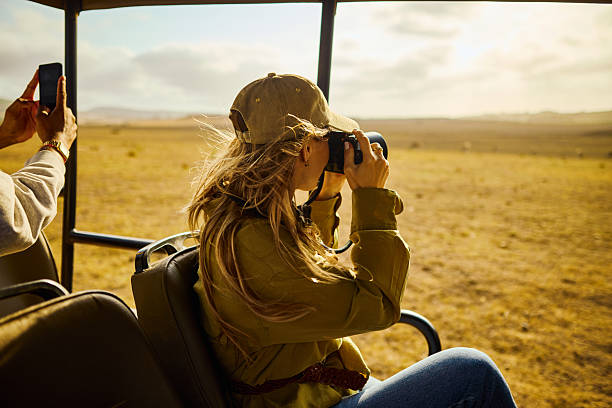
A 5-day student fieldwork and research trip focused on wildlife ecology in Tanzania offers an unparalleled opportunity for immersive learning. This concentrated period allows students to engage directly with diverse ecosystems and observe a wide array of species in their natural habitats. For academic institutions and students looking to gain practical, hands-on experience, such a trip provides invaluable data collection and observational insights that textbooks alone cannot replicate. This guide is designed to assist students and educators in planning and executing a successful and impactful research expedition, covering essential aspects from initial conceptualization to final execution, with specific considerations for 2026 and 2027 academic planning.
Quick Answer
A 5-day student fieldwork and research trip for wildlife ecology in Tanzania is a short, intensive program focused on specific research objectives, such as species monitoring, habitat assessment, or behavioral studies. It requires careful planning regarding location, research focus, logistics, safety, and budget. Key destinations include areas like the Serengeti, Ngorongoro Conservation Area, and Tarangire National Park, chosen for their biodiversity and research accessibility. Preparation involves academic guidance, equipment sourcing, and understanding local conditions.
Table of Contents
- Overview: The Value of a Focused Field Trip
- Why Tanzania for Wildlife Ecology Research?
- Quick Facts: 5-Day Wildlife Ecology Field Trip
- Key Research Focus Areas in Wildlife Ecology
- Sample Itinerary Logic for a 5-Day Trip
- Destination Considerations and Route Planning
- What to Expect on the Ground
- Preparation and Packing Essentials
- Common Mistakes to Avoid
- Who is This Trip Best Suited For?
- Alternatives to a 5-Day Focused Trip
- Planning Your 2026-2027 Trip: Key Timelines
- Budget and Cost Considerations
- Booking Your Fieldwork Trip
- Frequently Asked Questions (FAQs)
Overview: The Value of a Focused Field Trip
A 5-day student fieldwork and research trip is a highly concentrated educational experience. It moves beyond theoretical classroom learning to provide direct engagement with the subject matter. For wildlife ecology, this means spending intensive days observing animal behavior, documenting species presence, assessing habitat conditions, and possibly collecting preliminary data. The short duration necessitates a sharp focus on specific research questions, making every moment count. This type of trip is ideal for undergraduate projects, Master’s level research components, or as an introductory module for doctoral candidates. The benefit lies in the immediate application of ecological principles in a real-world, dynamic environment, fostering critical thinking and problem-solving skills.
Why Tanzania for Wildlife Ecology Research?
Tanzania is a global epicenter for biodiversity and conservation efforts, making it an exceptional location for wildlife ecology studies. Its vast protected areas, including national parks and conservation areas, harbor an incredible diversity of fauna and flora. From the iconic Great Migration in the Serengeti to the unique crater ecosystem of Ngorongoro and the diverse habitats of Tarangire, students have access to a living laboratory. The country’s commitment to wildlife conservation provides a stable and well-managed environment for research. Furthermore, Tanzania offers a range of ecosystems, from savannas and woodlands to mountains and coastal areas, allowing for varied research topics. The presence of established research institutions and conservation organizations also offers potential for collaboration and mentorship.
| Aspect | Details |
|---|---|
| Duration | 5 Days (intensive fieldwork) |
| Focus | Wildlife ecology, behavior, habitat, conservation |
| Ideal for | Undergraduate/Graduate students, research groups |
| Key Locations | Serengeti, Ngorongoro, Tarangire, Lake Manyara |
| Activities | Observation, data collection, guided walks, game drives, expert talks |
| Logistics | Requires specialized tour operator for transport, accommodation, permits |
| Seasonality | Dry season (June-Oct) generally preferred for wildlife viewing and accessibility |
| Research Support | Collaboration with local guides, potential for university links |
Key Research Focus Areas in Wildlife Ecology
A 5-day trip necessitates a narrow research focus. Potential areas include:
- Species-Specific Behavior: Observing and documenting the feeding, social, or reproductive behaviors of a particular species (e.g., lions, elephants, giraffes). This could involve tracking individuals or groups over several days.
- Habitat Assessment: Evaluating the condition of specific habitats, such as waterholes, grasslands, or woodlands, and their impact on resident wildlife. This might involve vegetation surveys or mapping resource availability.
- Predator-Prey Dynamics: Studying the interactions between predators and their prey, observing hunting patterns, kill rates, and the influence of environmental factors.
- Human-Wildlife Coexistence: In areas bordering communities, observing how wildlife interacts with human settlements and agricultural lands, and studying potential conflict mitigation strategies.
- Biodiversity Surveys: Conducting rapid biodiversity assessments within a defined area, documenting species richness and abundance for different taxa (mammals, birds, reptiles).
- Conservation Impact Studies: Observing the effects of conservation initiatives, such as anti-poaching patrols or habitat restoration projects, on wildlife populations and their environment.
Sample Itinerary Logic for a 5-Day Trip
Given the short duration, efficiency and proximity of research sites are paramount. A typical 5-day itinerary would likely focus on one or two closely located areas to minimize travel time. Here’s a logical structure:
Day 1: Arrival and Acclimatization
- Arrive at Kilimanjaro International Airport (JRO).
- Meet your dedicated guide and transfer to accommodation near Arusha or directly to your first research site’s gateway town (e.g., Karatu for Ngorongoro).
- Briefing on the week’s objectives, safety protocols, and research methodology.
- Introduction to local ecological context and species identification.
- If time permits, a short introductory game drive or guided walk in a nearby conservancy.
Day 2: Deep Dive into Research Area 1 (e.g., Ngorongoro Crater)
- Early morning descent into the Ngorongoro Crater.
- Focus on specific research objectives: e.g., predator behavior, herbivore density counts, or habitat use within the crater floor.
- Data collection using observational techniques, camera traps (if pre-arranged), or transect surveys.
- Midday break with packed lunch.
- Afternoon research session focusing on different aspects or species.
- Ascend from the crater and return to accommodation.
- Evening debrief and data review.
Day 3: Transition and Research Area 2 (e.g., Tarangire National Park)
- Morning transfer to Tarangire National Park, known for its large elephant herds and diverse birdlife.
- Settle into lodge/campsite near or inside the park.
- Afternoon game drive focused on research questions relevant to Tarangire’s ecosystem (e.g., elephant social structures, baobab tree interactions, bird species identification).
- Data recording and observation.
- Evening debrief and planning for the next day.
Day 4: Intensive Research in Area 2
- Full day dedicated to research in Tarangire.
- This could involve focused observation of specific animal groups, habitat mapping, or birdwatching expeditions.
- Utilize different times of day to observe varying behaviors.
- Opportunity for a guided walking safari if permitted and arranged, offering a different perspective.
- Compile and analyze preliminary findings.
Day 5: Final Observations and Departure
- Early morning final research session in Tarangire or a nearby area.
- Focus on any outstanding research questions or species.
- Return journey towards Arusha/Kilimanjaro.
- Farewell lunch and final debrief with the guide.
- Transfer to Kilimanjaro International Airport (JRO) for departure.
Destination Considerations and Route Planning
Choosing the right location is critical for a short, intensive fieldwork trip. The goal is to maximize research time and minimize travel. For wildlife ecology, the Northern Circuit of Tanzania is often the most practical and biodiverse choice.
Northern Circuit Overview for Fieldwork
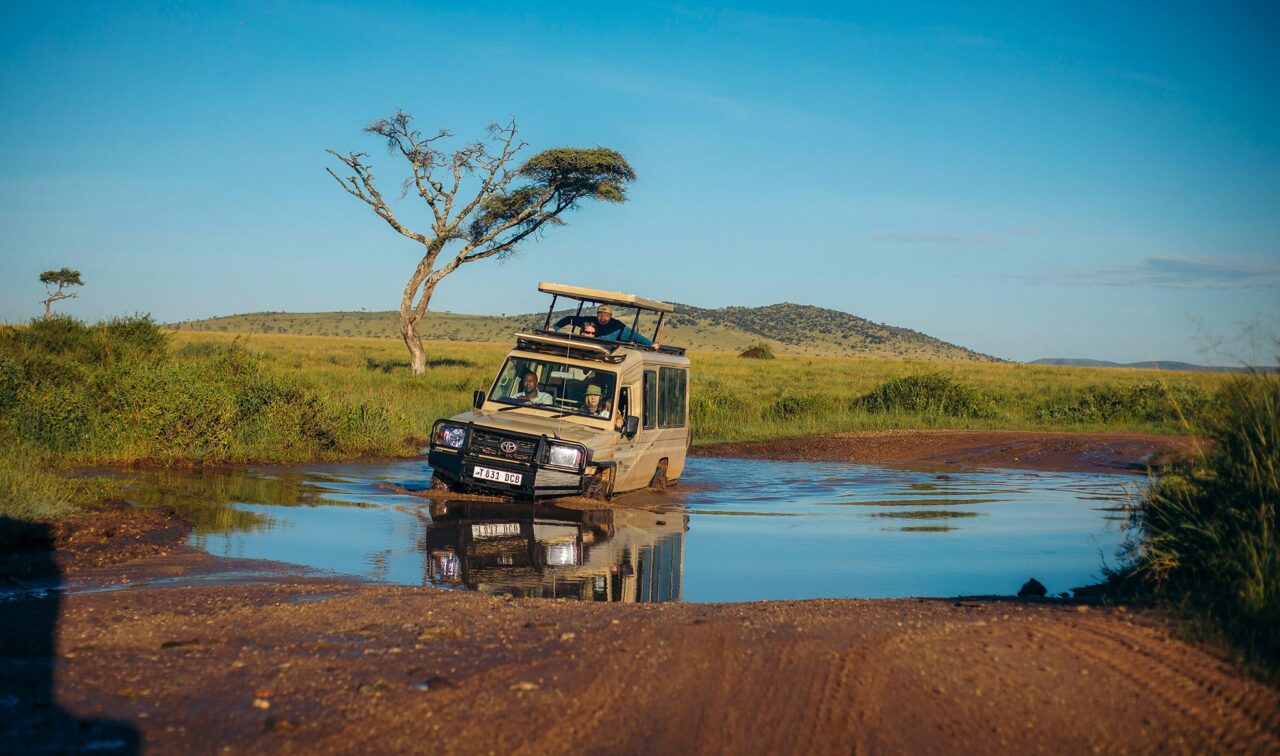
The typical route for a 5-day trip would involve selecting 1-2 primary locations to avoid excessive transit time. Travel is usually by 4×4 safari vehicle with a dedicated driver-guide.
- Arusha: The gateway city. Useful for initial briefings, last-minute supply runs, and acclimatization.
- Tarangire National Park: Excellent for elephant studies, birdwatching, and understanding dry-season survival strategies. Its landscape is dominated by baobab trees.
- Lake Manyara National Park: Known for its tree-climbing lions (though sightings are not guaranteed), diverse birdlife, and alkaline lake. Smaller and more accessible for focused observation.
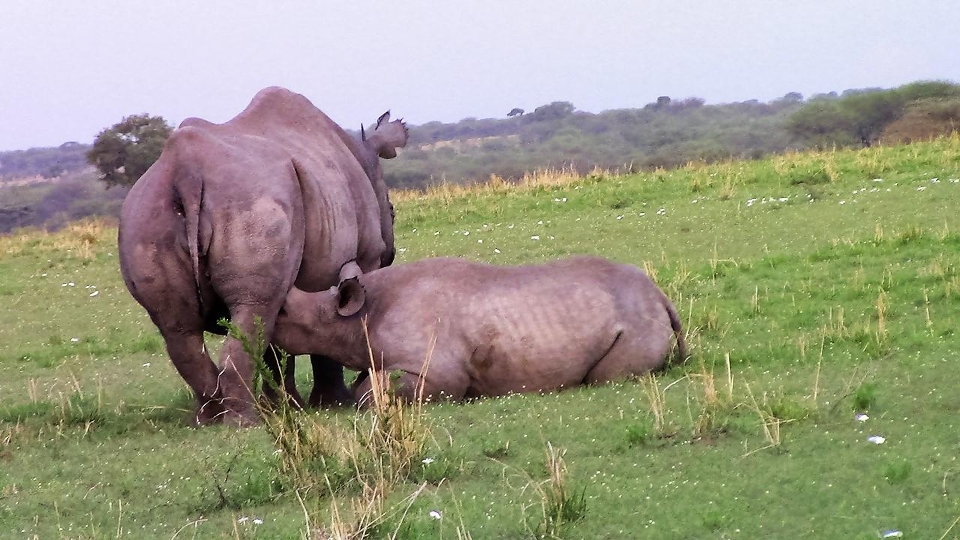
- Ngorongoro Conservation Area: A UNESCO World Heritage site offering a unique, self-contained ecosystem within the crater. High densities of wildlife, including the endangered black rhino. Ideal for predator-prey studies and mammal diversity counts.
- Serengeti National Park: While vast, a short trip might focus on a specific region, such as the Seronera area, which is known for resident predators and diverse wildlife year-round. However, covering large distances here in 5 days is challenging.
Route Logic: A common 5-day route might be Arusha -> Tarangire -> Ngorongoro -> Arusha/JRO, or Arusha -> Ngorongoro -> Lake Manyara -> Arusha/JRO. The choice depends on the specific research questions. For instance, if studying large mammal migrations, a brief foray into the Serengeti might be considered, but it significantly increases travel time.
What to Expect on the Ground
Fieldwork in Tanzania involves a blend of structured research activities and the realities of operating in a wildlife-rich environment.
- Early Mornings and Late Evenings: Wildlife is most active during the cooler parts of the day, so expect to start your research activities before sunrise and continue until dusk.
- Vehicle-Based Observation: Much of the wildlife observation will be conducted from a 4×4 safari vehicle, which provides safety and mobility. Research protocols will need to be adapted for this setting.
- Guided Walks: In certain areas and with specific permits, guided walking safaris can offer a more intimate understanding of the ecosystem, focusing on tracks, signs, insects, and smaller flora and fauna.
- Accommodation: Options range from comfortable lodges and tented camps within or near parks to more basic research stations, depending on the budget and location. For a 5-day trip, convenience and proximity to research sites are key.
- Expert Guidance: Your Tanzanian tour operator will provide experienced driver-guides who possess extensive knowledge of local wildlife, habitats, and park regulations. They are invaluable resources for spotting wildlife and understanding ecological context.
- Data Collection Tools: Be prepared to use notebooks, cameras, binoculars, GPS devices, and potentially specialized equipment depending on your research project. Ensure all equipment is charged and functional.
- Environmental Conditions: Expect varying weather, from hot and dry conditions to potential rain showers. Dust is common. Temperatures can be cool in the early mornings and evenings, especially at higher altitudes like Ngorongoro.
- Connectivity: Mobile phone reception and internet access can be sporadic or non-existent in many park areas. Plan for limited connectivity.
Preparation and Packing Essentials
Thorough preparation is crucial for a successful fieldwork trip. This includes academic preparation, logistical arrangements, and physical packing.
Academic & Logistical Preparation:
- Define Clear Research Objectives: Before booking, ensure your research questions are specific, measurable, achievable, relevant, and time-bound (SMART) for a 5-day window.
- Methodology Development: Outline your data collection methods and ensure they are appropriate for the chosen location and duration.
- Permits and Access: Confirm that your chosen operator can secure any necessary research permits or special access arrangements with park authorities.
- Equipment Check: Test all electronic devices, cameras, batteries, chargers, and any specialized research equipment.
- Health Precautions: Consult your doctor regarding necessary vaccinations (e.g., Yellow Fever, Hepatitis A) and malaria prophylaxis.
- Travel Insurance: Ensure comprehensive travel and medical insurance is in place, covering fieldwork activities.
- Briefing Materials: Prepare any necessary field guides, species lists, or identification charts.
Packing List:
- Clothing: Neutral-colored, lightweight, long-sleeved shirts and trousers (for sun and insect protection), fleece or warm jacket (for cool mornings/evenings), comfortable walking shoes/boots, socks, hat with a brim, rain jacket.
- Footwear: Sturdy, broken-in walking shoes or hiking boots.
- Health & Hygiene: Personal first-aid kit, insect repellent (DEET-based), sunscreen (high SPF), hand sanitizer, personal medications, toiletries.
- Equipment: Binoculars, camera with extra batteries and memory cards, rechargeable power bank, GPS device (if needed), field notebook, pens, headlamp/torch.
- Documents: Passport, visa (if required), flight details, insurance documents, vaccination certificates, emergency contact list.
- Other: Reusable water bottle, small backpack for daily excursions, sunglasses.
Common Mistakes to Avoid
To ensure your 5-day fieldwork trip is productive and safe, be aware of these common pitfalls:
- Unrealistic Scope: Trying to cover too many research questions or too large a geographical area in just five days. Focus is key.
- Inadequate Planning: Not defining research objectives clearly enough in advance, leading to wasted time on the ground.
- Ignoring Local Expertise: Not fully utilizing the knowledge of your Tanzanian guides, who are invaluable for spotting wildlife and understanding behavior.
- Poor Equipment Preparation: Bringing uncharged devices, insufficient batteries, or equipment not suited for field conditions.
- Underestimating Weather: Not packing for temperature fluctuations or unexpected rain, which can disrupt fieldwork.
- Health Negligence: Failing to take necessary precautions against malaria, sun exposure, or dehydration.
- Ignoring Safety Protocols: Disregarding guidelines from your guide regarding wildlife encounters or park rules.
- Booking Too Late: Not allowing sufficient time for booking, especially for specialized trips requiring specific permits or arrangements, particularly when planning for 2026-2027.
Who is This Trip Best Suited For?
A 5-day student fieldwork and research trip for wildlife ecology is ideal for:
- Undergraduate Students: Those undertaking final year projects, dissertations, or seeking practical experience for their studies.
- Master’s Students: Individuals needing to collect preliminary data for thesis research or gain field experience in a specific ecosystem.
- Research Groups: Small academic teams with a defined, short-term research objective.
- Conservation Interns: Individuals looking for intensive, practical exposure to wildlife research methods.
- Students with Specific Interests: Those who have a clear passion for particular aspects of wildlife ecology (e.g., ornithology, primatology, large mammal behavior) and want focused experience.
It is less suited for general tourism or individuals seeking a relaxed safari experience without a specific academic or research purpose.
Alternatives to a 5-Day Focused Trip
If a 5-day intensive trip doesn’t fit your needs, consider these alternatives:
- Longer Field Research Trips (1-2 weeks+): Allow for more in-depth research, broader data collection, and the possibility of exploring multiple locations or research questions.
- General Wildlife Safaris: For students who want to experience Tanzania’s wildlife and ecosystems without a specific research component. These trips focus on observation and general learning.
- Conservation Volunteer Programs: Longer-term commitments (weeks to months) where students can actively participate in ongoing conservation projects, often involving data collection and practical fieldwork.
- University-Led Expeditions: Many universities organize structured field courses that include guided research components, often with academic credit.
- Specialized Workshops/Courses: Some lodges or research centers offer short courses on specific topics like bird identification, tracking, or conservation photography.
Planning Your 2026-2027 Trip: Key Timelines
Effective planning is essential, especially for academic trips that often have fixed schedules. Starting early is crucial, particularly for 2026 and 2027 academic terms.
Suggested Timeline for 2026-2027 Fieldwork Trips:
- 12-18 Months Before: Define research scope, identify potential supervisors/academic advisors, and begin preliminary budget discussions. Research potential tour operators and destinations.
- 9-12 Months Before: Finalize research questions and methodology. Select and contact potential tour operators to discuss customized itineraries and get quotes. Confirm availability for your desired dates.
- 6-9 Months Before: Book your chosen tour operator and accommodation. Secure initial funding or deposits. Begin applying for any necessary academic approvals or research permits.
- 4-6 Months Before: Arrange travel insurance. Consult with a travel doctor for vaccinations and health advice. Start purchasing specialized fieldwork equipment.
- 2-3 Months Before: Confirm all logistical details with the tour operator. Finalize packing lists. Prepare necessary academic reports or proposals.
- 1 Month Before: Pack personal items and fieldwork gear. Ensure all documents are in order. Reconfirm flight details.
- 1-2 Weeks Before: Final check of equipment, health supplies, and documents. Inform your bank of travel dates.
Starting this process early, especially for 2026-2027, ensures better availability of preferred lodges, guides, and potentially more competitive pricing. It also allows ample time for academic preparations and necessary health checks.
Budget and Cost Considerations
The cost of a 5-day student fieldwork and research trip can vary significantly based on the level of service, accommodation choice, and specific research requirements. While exact prices are not provided here, consider these key components:
- Tour Operator Fees: This is often the largest component, covering vehicle hire, driver-guide services, park entry fees, accommodation, and meals. Specialized research support might incur additional costs.
- Accommodation: Options range from budget-friendly tented camps to mid-range lodges and luxury accommodations. For fieldwork, proximity to research sites often dictates choice.
- Park Entrance Fees: These are substantial and vary by park. Some operators include them in packages, while others itemize them.
- Research Permits: If specific research activities require special permits (beyond standard park entry), these will add to the cost.
- Personal Expenses: Tips for guides and staff, souvenirs, drinks, and any personal items not covered by the tour package.
- Pre-Trip Costs: Flights to Tanzania, visa fees, travel insurance, vaccinations, and personal fieldwork equipment.
It is advisable to get detailed quotes from multiple reputable operators, clearly outlining what is included and excluded. For student groups, inquire about potential group discounts or tailored academic packages.
Booking Your Fieldwork Trip
Securing the right tour operator is crucial for a successful 5-day student fieldwork and research trip. Look for operators with specific experience in handling academic or research groups.
- Specialization: Prioritize operators who explicitly mention offering custom research trips or fieldwork support, not just standard safaris.
- Reputation and Reviews: Check online reviews and testimonials, particularly those from educational institutions or researchers.
- Customization: Ensure the operator is willing and able to tailor an itinerary to your specific research needs and logistical requirements.
- Guide Expertise: Inquire about the qualifications and experience of their guides in wildlife ecology or relevant scientific fields.
- Safety Protocols: Understand their safety procedures, emergency response plans, and how they manage risks in wildlife areas.
- Inclusions and Exclusions: Get a clear, itemized list of what is included in the quoted price (e.g., meals, park fees, accommodation type, vehicle type) and what is not.
- Communication: A good operator will have clear, prompt, and professional communication. Be wary of vague responses or pressure tactics.
For a 5-day student fieldwork and research trip in Tanzania, engaging with a local, experienced operator is highly recommended. Contact us to discuss your specific academic requirements and explore how we can help craft a productive and memorable research experience for your 2026-2027 academic calendar.
Plan Your 5-Day Student Fieldwork & Research Trip
Ready to design your focused 5-day student fieldwork and research trip for wildlife ecology in Tanzania? We specialize in creating tailored academic expeditions that provide invaluable hands-on experience. Let us help you plan every detail for your 2026-2027 academic journey.
Contact us today:
- WhatsApp: +255616946642
- Email: topguideadventures@gmail.com
- Backup Email: info@topguideadventures.com
We look forward to assisting you in creating an impactful research experience in Tanzania.
Frequently Asked Questions (FAQs)
General Fieldwork & Research Trip Questions
1. What is the primary purpose of a 5-day student fieldwork and research trip?
The primary purpose is to provide students with intensive, hands-on experience in wildlife ecology. This involves direct observation, data collection, and application of theoretical knowledge in a real-world environment within a concentrated timeframe.
2. Can a 5-day trip be truly productive for research?
Yes, if the research objectives are highly focused and achievable within the timeframe. It’s ideal for preliminary data collection, pilot studies, or observing specific behaviors or ecological processes rather than large-scale, long-term studies.
3. What kind of wildlife can students expect to see on a 5-day trip in Tanzania?
Tanzania’s Northern Circuit offers incredible diversity. Students can expect to see the ‘Big Five’ (lion, leopard, elephant, rhino, buffalo), numerous other mammals like giraffes, zebras, wildebeest, hippos, and a vast array of bird species. The specific sightings depend on the chosen location and season.
4. Are there specific research permits required for students?
Typically, standard park entry fees cover general observation and photography. However, if students plan to conduct detailed scientific research, collect samples, or use specialized equipment (like extensive camera trap grids), specific research permits from Tanzanian authorities may be necessary. Your tour operator can advise on and assist with this process.
5. What is the best time of year for a wildlife ecology fieldwork trip in Tanzania?
The dry season (roughly June to October) is generally preferred for fieldwork. Wildlife congregates around water sources, making observation easier, and roads are typically in better condition, improving accessibility. However, the green season (November to May) offers lush landscapes and can be excellent for birdwatching and observing young animals.
6. How do I choose the right location for my research?
The location should align with your specific research questions. For example, Ngorongoro is excellent for predator-prey dynamics and high-density mammal studies, while Tarangire is ideal for elephant and baobab ecosystem research. Consult with your academic advisor and tour operator.
7. What level of physical fitness is required?
A moderate level of fitness is sufficient. Most fieldwork involves early morning game drives or guided walks. While extensive hiking is usually not part of a 5-day trip, being comfortable with early starts and spending long hours observing is beneficial.
8. Can I bring my own research equipment?
Yes, students are generally welcome to bring their own research equipment. However, it’s essential to inform the tour operator in advance, especially if the equipment is specialized or requires specific power sources, to ensure compatibility and logistical support.
9. What are the safety considerations for a 5-day student fieldwork and research trip?
Safety is paramount. Always follow the instructions of your experienced guide. Maintain a safe distance from wildlife, do not exit the vehicle unless instructed, and be aware of your surroundings, especially during walking safaris. Your tour operator will brief you on all safety protocols.
10. How far in advance should I book for 2026 or 2027?
For academic field trips, especially during peak academic seasons, it is highly recommended to book at least 9-12 months in advance for 2026 or 2027. This allows ample time for academic approvals, securing preferred dates, and arranging specialized logistical support.
Plan your 5-Day Student Fieldwork & Research Trip — Wildlife Ecology with Top Guide Adventures
Tell us your travel dates, group size, comfort level, and dream experience. We will help you shape a clear, realistic, and memorable Tanzania itinerary.

 Veedesigner
 Fatma Kizanga
 Benjamin Waryuba
 Philip Philip
 John jr Itaja
 Antonia Optatus
 Edith Kanyere
 Neema Iddy
 Kelvin Boniphace
 Damari Maiga



