
Updated planning guide for 2026, 2027-2028
Northern Tanzania Safari From Moshi: Best Guide 2026-2027-2028
Discover the wonders of a Northern Tanzania safari starting from Moshi. This comprehensive guide details everything you need to know for an unforgettable wildlife adventure, from planning and itineraries to costs and booking.
WhatsApp +255616946642 | topguideadventures@gmail.com | info@topguideadventures.com
Northern Tanzania Safari From Moshi: Your Definitive Guide
Moshi, a vibrant town nestled at the foot of Mount Kilimanjaro, serves as an ideal launchpad for exploring the world-renowned Northern Circuit of Tanzania. This region is a treasure trove of diverse ecosystems and unparalleled wildlife spectacles, offering some of the most sought-after safari experiences on the planet. From the endless plains of the Serengeti to the unique crater highlands of Ngorongoro and the abundant wildlife of Tarangire, a Northern Tanzania safari from Moshi promises an adventure that stays with you long after you return home. This guide is designed to provide you with all the essential information for planning your trip, ensuring you make the most of your journey in 2026 and 2027.
Whether you’re an avid wildlife photographer, a nature enthusiast, or simply seeking an escape into the wild, understanding the nuances of a safari originating from Moshi is key. We’ll cover everything from selecting the best parks and crafting an itinerary to managing expectations regarding costs, packing essentials, and making informed booking decisions. Let’s begin planning your extraordinary Northern Tanzania safari from Moshi.
Quick Safari Facts
| Feature | Details |
|---|---|
| Primary Departure Point | Moshi, Tanzania |
| Key Parks/Reserves | Serengeti National Park, Ngorongoro Conservation Area, Tarangire National Park, Lake Manyara National Park |
| Typical Safari Duration | 3 days to 14 days (or longer) |
| Best Time to Visit | Dry seasons: June to October, and December to February. Wet seasons offer lush scenery and fewer crowds. |
| Wildlife Highlights | The Great Migration (Serengeti), Big Five (Lion, Leopard, Elephant, Rhino, Buffalo), diverse birdlife, unique tree-climbing lions (Lake Manyara). |
| Activities | Game drives (day & night), walking safaris (in select areas), cultural visits, hot air ballooning. |
| Accommodation | Lodges, tented camps (luxury to mid-range), budget campsites. |
| Travel Style | Private vehicle with driver-guide, group tours. |
Why Choose Moshi as Your Safari Starting Point?
Moshi’s strategic location is its primary advantage for Northern Tanzania safaris. Situated in the Kilimanjaro Region, it offers excellent connectivity and is a hub for adventure tourism, largely due to its proximity to Mount Kilimanjaro. This means that many tour operators, like us at Top Guide Adventures, are based here, offering a deep understanding of the local landscape and safari logistics. Choosing Moshi means:
- Convenience: Easy access via Kilimanjaro International Airport (JRO), which is located between Arusha and Moshi. Many travelers fly into JRO and can head directly to Moshi or Arusha.
- Integrated Trips: It’s common for travelers to combine a Kilimanjaro trek with a safari. Moshi is the primary gateway for trekkers, making it natural to extend their stay for a wildlife adventure.
- Local Expertise: As a local base, tour operators in Moshi often have more direct relationships with park authorities, lodges, and guides, potentially leading to smoother operations and authentic experiences.
- Cost-Effectiveness: Sometimes, starting from Moshi can offer slightly different pricing structures compared to starting from larger hubs like Arusha, though this varies by operator.
The Northern Circuit: A Wildlife Paradise
The Northern Circuit is arguably the most famous safari destination in Africa, renowned for its density and diversity of wildlife, dramatic landscapes, and the sheer scale of its natural events, like the Great Migration. When planning your Northern Tanzania safari from Moshi, you’ll typically focus on these key parks:
1. Serengeti National Park
The crown jewel of Tanzania’s parks, the Serengeti is vast, covering over 14,750 square kilometers. Its name, derived from the Maasai word ‘Siringet’ meaning ‘endless plains’, perfectly describes its expansive savannas. The Serengeti is most famous for the Great Migration, where over 1.5 million wildebeest, zebras, and gazelles traverse the plains in search of fresh grazing. This epic journey involves dramatic river crossings and intense predator-prey interactions, offering unparalleled wildlife viewing opportunities. Beyond the migration, the Serengeti boasts a high concentration of predators, including lions, leopards, cheetahs, and hyenas, as well as elephants, giraffes, and numerous bird species. Your Northern Tanzania safari from Moshi will likely include several days here to truly appreciate its scale.
2. Ngorongoro Conservation Area (NCA)
A UNESCO World Heritage Site, the Ngorongoro Crater is a natural wonder. This massive volcanic caldera, spanning about 260 square kilometers, is home to an astonishing density of wildlife, including the Big Five (lion, elephant, buffalo, leopard, and rhino). The crater floor is a self-contained ecosystem, providing a unique and highly rewarding safari experience. The conservation area also encompasses diverse landscapes beyond the crater, including the Ngorongoro Highlands and Olduvai Gorge, a significant paleoanthropological site. Visiting the crater floor requires specific permits and vehicle restrictions, managed to preserve its delicate environment. A Northern Tanzania safari from Moshi often includes a full day dedicated to exploring this magnificent natural amphitheater.
3. Tarangire National Park
Known as the ‘land of giants’, Tarangire is famous for its large elephant herds, particularly during the dry season when they congregate around the Tarangire River. The park’s landscape is dominated by iconic baobab trees, which create a striking, ancient feel. Besides elephants, Tarangire offers excellent opportunities to spot lions, leopards, cheetahs, giraffes, zebras, wildebeest, and a wide array of birdlife. Its relatively smaller size compared to the Serengeti makes it manageable for a day or two of exploration, often included in itineraries for a Northern Tanzania safari from Moshi.
4. Lake Manyara National Park
This park is celebrated for its diverse habitats, including groundwater forest, acacia woodlands, and an alkaline lake that attracts thousands of flamingos. Lake Manyara is particularly famous for its tree-climbing lions, a behavior not commonly observed elsewhere. The park also offers good sightings of elephants, giraffes, zebras, hippos, and a rich variety of birds. Its compact size makes it ideal for a shorter safari experience, often visited en route to the Serengeti or as a standalone day trip from Arusha or Moshi.
5. Optional Parks: Mkomazi National Park & Arusha National Park
While the core Northern Circuit includes the above, some longer itineraries might incorporate other nearby parks. Mkomazi National Park, a vital rhino and wild dog sanctuary, offers a more rugged and less crowded experience. Arusha National Park, easily accessible from Moshi, is known for Mount Meru, Momella Lakes, and the Ngurdoto Crater, offering opportunities for walking safaris and stunning views of Kilimanjaro.
Best Time for Your Northern Tanzania Safari From Moshi
The ‘best’ time for a Northern Tanzania safari from Moshi depends on your priorities. Tanzania has two main seasons: the dry season and the wet season.
| Season | Months | Pros | Cons |
|---|---|---|---|
| Dry Season (Peak) | June – October | Excellent game viewing as animals congregate around water sources. Lush green landscapes after the short rains. Ideal for the Great Migration river crossings (late July-September). Clear skies for photography. Pleasant temperatures. | Higher tourist numbers and prices. Accommodation can book up quickly. Migration location varies. |
| Short Rains | November – December | Fewer crowds, lower prices. Landscape becomes greener. Good game viewing, especially in Tarangire. Birdwatching is excellent. | Occasional short, sharp showers can interrupt game drives. Migration starts moving south. |
| Long Rains (Green Season) | March – May | Dramatic landscapes, newborn animals. Very few tourists, lowest prices. Excellent for birdwatchers. | Heavy, prolonged rains can make some roads impassable, potentially limiting access to certain areas. Game viewing can be more challenging as animals disperse. Migration is in the southern Serengeti. |
| Dry Season (Secondary) | December – February | Good game viewing, especially in the southern Serengeti for calving season. Pleasant weather. | Short rains can occur. Prices and crowds start to increase towards the end of this period. |
For most travelers planning a Northern Tanzania safari from Moshi, the period between June and October is considered prime time due to the dry weather and concentrated wildlife. However, the shoulder months (November, December, and February) can offer a good balance of wildlife viewing, fewer crowds, and more favorable pricing for 2026 and 2027 travel.
Sample Itinerary: 7-Day Northern Tanzania Safari From Moshi
This is a popular itinerary that balances the key highlights of the Northern Circuit. It can be customized to suit your interests and duration. Starting from Moshi, you’ll typically head towards Arusha first to meet your guide and vehicle.
Day 1: Moshi to Tarangire National Park
After breakfast in Moshi, your driver-guide will pick you up and begin the journey towards Tarangire National Park. The drive takes approximately 3-4 hours. You’ll enter the park in the late morning and commence your first game drive, searching for the park’s famous large elephant herds and the majestic baobab trees. Lunch will be served at a picnic spot or a lodge within the park. Continue your game drive until late afternoon, then proceed to your pre-booked lodge or tented camp located just outside or within the park boundaries for dinner and overnight stay.
Day 2: Tarangire to Lake Manyara & Karatu
Enjoy an early morning game drive in Tarangire. After breakfast, you’ll drive towards Lake Manyara National Park (about 1.5-2 hours). Upon arrival, you’ll spend the morning exploring the park, known for its diverse birdlife, tree-climbing lions, and its beautiful lake. After a picnic lunch, you’ll exit Lake Manyara and drive to the Karatu area, a highland region situated between Lake Manyara and the Ngorongoro Conservation Area. Check into your lodge or camp in Karatu for dinner and overnight.
Day 3: Ngorongoro Crater Tour
Today is dedicated to the Ngorongoro Crater. After an early breakfast, you’ll descend approximately 600 meters into the crater floor for an incredible game drive. The crater is a UNESCO World Heritage Site and home to an exceptional density of wildlife, including the Big Five. You’ll have a picnic lunch by the hippo pool. Spend the afternoon exploring the crater, looking for rhinos, lions, elephants, and a myriad of other animals. In the late afternoon, you’ll ascend back to the crater rim and drive to your lodge in Karatu or the Ngorongoro area for dinner and overnight.
Day 4: Karatu to Serengeti National Park
After breakfast, you’ll drive towards the legendary Serengeti National Park. The journey takes you through the Ngorongoro Conservation Area, with an optional stop at Olduvai Gorge (a palaeontological site). As you enter the Serengeti, you’ll begin a game drive en route to your accommodation. Depending on the time of year, you’ll track the Great Migration or focus on the resident wildlife. Your lodge or tented camp will be situated in a prime location for wildlife viewing. Dinner and overnight in the Serengeti.
Day 5: Full Day Game Drive in Serengeti
Spend a full day exploring the vast plains of the Serengeti. Your guide will take you to areas where wildlife is most active, based on recent sightings and the season. You can choose to focus on predator sightings, the Great Migration (if applicable), or simply enjoy the diverse landscapes and abundant wildlife. Optional activities like a hot air balloon safari (at extra cost) can be arranged for an unforgettable sunrise experience over the plains. All meals and overnight stay in the Serengeti.
Day 6: Serengeti to Mto wa Mbu / Arusha
Enjoy a final morning game drive in the Serengeti as you drive towards the park’s exit. You’ll then begin your journey back towards Arusha, passing through the Ngorongoro Conservation Area once more. You might stop at a Maasai village for a cultural experience (optional, arrange with your guide) or visit the craft markets in Mto wa Mbu. Arrive in Arusha in the late afternoon or early evening. Check into your hotel in Arusha for dinner and overnight. This day can also be adjusted to return to Moshi if preferred.
Day 7: Departure or Optional Activities
Depending on your flight schedule, you can enjoy a leisurely breakfast in Arusha, visit local markets, or engage in optional activities like a city tour or a visit to a coffee plantation. Your safari concludes here, with transfer to Kilimanjaro International Airport (JRO) for your onward journey. If you’re continuing your adventure, this could be the start of a Zanzibar trip or another exploration.
What to Expect on Your Northern Tanzania Safari From Moshi
A safari is an immersive experience, and understanding what to expect will help you prepare and enjoy it more fully. Here’s what you can anticipate:
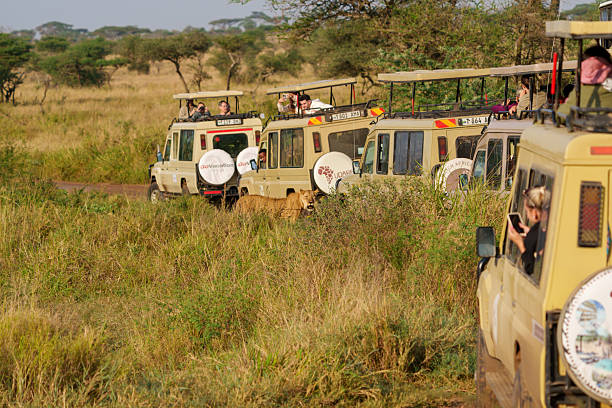
- Wildlife Encounters: Expect to see a vast array of animals. While the Big Five are a major draw, the sheer volume of herbivores, birds, and smaller mammals is equally impressive. Patience is key; wildlife sightings are not guaranteed, but the parks are rich with life.
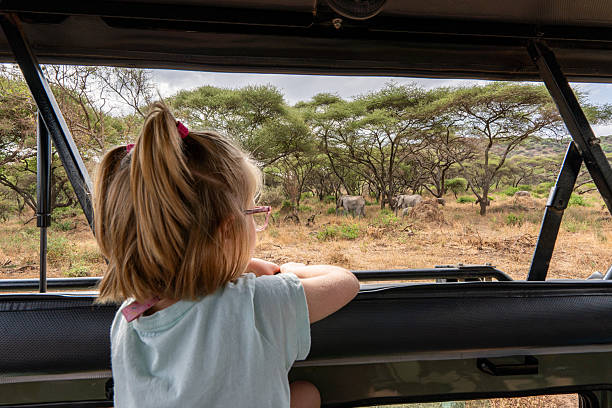
- Vehicle and Guide: You’ll typically travel in a custom-built 4×4 safari vehicle, often a Land Cruiser or Land Rover, with a pop-up roof for optimal viewing and photography. Your driver-guide is your expert companion, knowledgeable about animal behavior, local culture, and the parks.
- Accommodation: Options range from luxury lodges with pools and fine dining to comfortable tented camps that offer a closer-to-nature experience, and basic campsites for budget travelers. All aim to provide comfort after a day of exploring.
- Daily Schedule: Days usually start early with morning game drives to catch animals when they are most active. Afternoons might involve another game drive or relaxation at the lodge before an evening drive. The pace is dictated by wildlife movements and your preferences.
- Food: Meals are typically provided at your accommodation or as picnic lunches during full-day game drives. Expect hearty, delicious meals, often a mix of local and international cuisine. Dietary requirements can usually be accommodated with advance notice.
- Road Conditions: While main roads are often paved, park roads can be dusty, bumpy, and uneven, especially during the wet season. This is part of the adventure and what makes a 4×4 vehicle essential.
- Connectivity: Mobile phone signal can be intermittent in the parks. Wi-Fi is usually available at lodges and camps, but speeds may vary. It’s a great opportunity to disconnect and immerse yourself in nature.
Planning Your Northern Tanzania Safari From Moshi: Key Considerations
Successful safari planning involves several crucial steps. Here’s a breakdown to guide your preparation for 2026 or 2027.
1. Choosing Your Tour Operator
Selecting the right tour operator is paramount. Look for companies with a strong local presence, excellent reviews, and a commitment to responsible tourism. Top Guide Adventures is a locally owned and operated company with extensive experience in crafting unforgettable Northern Tanzania safaris from Moshi. We pride ourselves on personalized service, experienced guides, and a deep respect for conservation.
2. Determining Your Safari Style and Budget
Safaris can range from budget camping trips to ultra-luxury lodge experiences. Consider:
- Accommodation: Campsites, mid-range lodges/tented camps, or luxury lodges.
- Vehicle: Shared group tours or private vehicle hire. Private safaris offer more flexibility.
- Duration: Shorter trips (3-4 days) cover fewer parks, while longer trips (7-10+ days) allow for deeper exploration.
Your budget will influence these choices. For 2026-2027 travel, it’s wise to book well in advance, especially for peak season, to secure preferred accommodation and potentially better rates.
3. Itinerary Customization
While sample itineraries are helpful, your Northern Tanzania safari from Moshi should be tailored to your interests. Do you want to focus on photography? Are you keen on spotting specific animals? Are you interested in cultural interactions? Discuss your preferences with your tour operator to create a bespoke plan.
4. Booking Flights
Fly into Kilimanjaro International Airport (JRO). From JRO, it’s a relatively short transfer to Moshi or Arusha. Many international airlines fly into JRO, often with a stopover in Amsterdam, Doha, or Nairobi. Book your flights as early as possible for the best prices, particularly for 2026 and 2027 travel.
5. Visas and Vaccinations
Tanzania requires a visa for most nationalities. This can often be obtained online in advance or on arrival at JRO. Consult your doctor or a travel clinic regarding recommended vaccinations and malaria prophylaxis well before your trip. Yellow Fever vaccination may be required if arriving from or transiting through a country with a risk of Yellow Fever.
6. Travel Insurance
Comprehensive travel insurance is essential. Ensure it covers medical emergencies, trip cancellation, and lost baggage. For safari activities, confirm that your policy covers them.
Packing Essentials for Your Safari
Packing light and smart is key for a safari. Layers are your best friend, as temperatures can vary significantly between day and night, and at different altitudes.
Clothing:
- Lightweight Trousers/Pants: 2-3 pairs (neutral colors like khaki, beige, or green). Avoid bright colors or dark blue/black which can attract tsetse flies.
- Shorts/Skirts: For warmer days, though long pants are generally more practical.
- T-shirts/Polo Shirts: 3-4 breathable shirts.
- Long-Sleeved Shirts: 1-2 for sun protection and cooler evenings.
- Fleece Jacket or Warm Sweater: Essential for cool mornings and evenings.
- Lightweight Waterproof Jacket: For unexpected rain showers, especially during the shoulder seasons.
- Underwear and Socks: Plenty of comfortable pairs.
- Swimsuit: If your lodge has a pool.
Footwear:
- Comfortable Walking Shoes/Hiking Boots: Broken-in and comfortable for game drives and any walking activities.
- Sandals/Flip-flops: For relaxing at the lodge.
Accessories:
- Sun Hat: Wide-brimmed for maximum protection.
- Sunglasses: Polarized lenses are best.
- Sunscreen: High SPF.
- Insect Repellent: Containing DEET or Picaridin.
- Personal First-Aid Kit: With any personal medications, pain relievers, antiseptic wipes, bandages.
- Camera and Extra Batteries/Memory Cards: Essential for capturing memories. A zoom lens is highly recommended.
- Binoculars: Crucial for spotting distant wildlife.
- Adapter and Power Bank: For charging electronics.
- Reusable Water Bottle: Stay hydrated and reduce plastic waste.
- Small Backpack/Daypack: For carrying essentials during game drives (water, camera, sunscreen).
- Headlamp or Small Flashlight: Useful for navigating around camps at night.
- Wet Wipes/Hand Sanitizer: For freshening up on the go.
Documents:
- Passport: With at least six months’ validity.
- Visa: If required.
- Flight Tickets/Confirmations.
- Travel Insurance Details.
- Vaccination Certificates.
- Copies of Important Documents: Stored separately.
Note on Luggage: Most internal flights and safari vehicles have strict luggage weight limits (usually 15-20kg per person) and prefer soft-sided duffel bags over hard suitcases to save space.
Common Mistakes to Avoid on Your Safari
Even experienced travelers can make missteps on safari. Here are some common mistakes to avoid when planning your Northern Tanzania safari from Moshi:
- Overpacking: Stick to the essentials. You’ll likely be moving between locations, and heavy luggage is cumbersome.
- Underestimating the Weather: Even in the dry season, mornings and evenings can be cool. Pack layers.
- Ignoring Your Guide: Your driver-guide is your expert. Listen to their advice regarding safety, animal behavior, and the best viewing spots.
- Not Booking in Advance: Especially for peak seasons (June-October and December-February) in 2026 and 2027, popular lodges and vehicles get booked up months, sometimes a year, ahead.
- Expecting Guarantees: Wildlife sightings are natural occurrences. While guides are skilled, no one can guarantee seeing every animal. Appreciate what you do see.
- Noise and Disturbance: Respect wildlife and other guests. Avoid loud noises, sudden movements, or feeding animals.
- Poor Photography Choices: Using flash photography, especially at night or close to animals, can disturb them. Always ask your guide.
- Not Staying Hydrated: The African sun can be intense. Drink plenty of water, even if you don’t feel thirsty.
- Ignoring Safety Briefings: Always follow instructions from your guide regarding safety, especially when exiting vehicles or at lodges/camps at night.
Who is a Northern Tanzania Safari From Moshi Best For?
A Northern Tanzania safari from Moshi is incredibly versatile and appeals to a wide range of travelers:
- Wildlife Enthusiasts: For those who dream of seeing the Big Five and experiencing the Great Migration, this circuit is unparalleled.
- Photographers: The dramatic landscapes and abundant wildlife offer endless photographic opportunities.
- Adventure Seekers: Combining a safari with Kilimanjaro trekking or visiting Zanzibar makes for a complete African adventure.
- Families: Safaris can be adapted for children, offering educational and exciting experiences. Choose operators experienced with family travel.
- Couples & Honeymooners: The romantic setting, stunning sunsets, and exclusive lodges create a perfect honeymoon destination.
- First-Time Safari Goers: The Northern Circuit is well-developed with excellent infrastructure, making it an accessible and rewarding introduction to safaris.
- Experienced Safari Travelers: Even those who have been on safari before will find the scale and diversity of the Serengeti and Ngorongoro captivating.
Alternatives to a Standard Northern Tanzania Safari From Moshi
While the Northern Circuit is iconic, Tanzania offers other incredible safari experiences, and other East African countries provide different flavors of wildlife viewing.
Other Tanzanian Safari Options:
- Southern Circuit (Selous Game Reserve & Ruaha National Park): Offers a more wild, less crowded experience. Selous is known for its boat safaris and vast wilderness, while Ruaha boasts large elephant and lion populations. Access is typically via internal flights or longer overland journeys.
- Western Tanzania (Gombe Stream & Mahale Mountains National Parks): Famous for chimpanzee trekking. These parks offer a different kind of primate-focused adventure.
- Zanzibar: While not a traditional safari destination, it offers unique wildlife experiences like Jozani Forest (red colobus monkeys) and marine life around its islands.
Other East African Safari Destinations:
- Kenya (Masai Mara National Reserve): Famous for the Great Migration (arriving from the Serengeti in July-October) and vast savanna landscapes.
- Uganda (Bwindi Impenetrable National Park & Queen Elizabeth National Park): Renowned for gorilla trekking and a blend of savanna and forest wildlife.
- Rwanda (Volcanoes National Park): Another premier destination for gorilla trekking, offering stunning mountain scenery.
Each destination offers a unique experience. For classic savanna wildlife and the Great Migration, the Northern Tanzania safari from Moshi remains a top choice. For a more remote feel, consider the Southern Circuit. For primates, head west in Tanzania or to Uganda/Rwanda.
Planning Your Safari for 2026-2027: What You Need to Know
Planning for future travel, especially for popular destinations like Tanzania, requires foresight. Here’s how to best prepare for your Northern Tanzania safari from Moshi in 2026 or 2027:
- Book Early: As mentioned, for peak seasons (June-October, December-February), booking 9-12 months in advance is highly recommended for 2026 and 2027 to secure your preferred lodges and safari vehicles, especially if you’re looking for private tours.
- Flexibility with Dates: If your dates are flexible, you might find better availability and potentially lower prices during the shoulder seasons (e.g., November, March-May).
- Monitor Flight Prices: Start tracking flight prices to JRO early. Prices can fluctuate significantly. Setting up price alerts can be beneficial.
- Stay Informed on Park Fees: Park entrance fees are subject to change annually. Your tour operator will provide the most up-to-date information, but it’s good to be aware that these are a significant component of safari costs.
- Consider Package Deals: Tour operators often offer packages that combine accommodation, park fees, vehicle, and guide. These can sometimes offer better value and simplify planning.
- Visa Requirements: Check the latest visa requirements for Tanzania for your nationality well in advance of your travel dates in 2026-2027.
- Health Advisory: Consult health professionals about recommended vaccinations and malaria precautions at least 6-8 weeks before your trip.
Booking Your Northern Tanzania Safari From Moshi
Making the decision to book is the final step. Here’s how to approach it with confidence:
1. Research and Compare Operators:
Look for operators with:
- A strong online presence and clear contact information.
- Positive reviews and testimonials on independent platforms.
- Detailed itinerary options and transparent pricing.
- Local expertise and commitment to sustainable tourism.
2. Get a Detailed Quote:
Once you have a shortlist, request detailed quotes. Ensure the quote clearly outlines:
- What is included (accommodation, park fees, meals, guide, vehicle, transfers).
- What is excluded (international flights, visas, tips, personal expenses, optional activities like hot air ballooning).
- Accommodation names and types.
- Vehicle type.
3. Ask Questions:
Don’t hesitate to ask your potential tour operator any questions you have. This is also a good way to gauge their responsiveness and knowledge. For a Northern Tanzania safari from Moshi, ask about:
- The experience of your potential guide.
- The best time to see specific wildlife (e.g., the Great Migration).
- Customization options for your itinerary.
- Payment terms and cancellation policy.
4. Secure Your Booking:
When you’re ready, confirm your booking. This typically involves signing a contract and paying a deposit. Ensure you receive a confirmation document outlining all agreed-upon details.
5. Final Preparations:
In the months leading up to your safari, focus on packing, fitness (if trekking Kilimanjaro beforehand), and finalizing any remaining travel arrangements.
Ready to plan your dream Northern Tanzania safari from Moshi? Contact Top Guide Adventures today. We specialize in creating personalized safari experiences that capture the magic of Tanzania’s wildlife and landscapes. Whether you’re looking for a family adventure, a romantic getaway, or a photography expedition, we’re here to help you craft the perfect itinerary for 2026 or 2027.
Contact Us:
WhatsApp: +255616946642
Email: topguideadventures@gmail.com
Backup Email: info@topguideadventures.com
Frequently Asked Questions (FAQs)
1. How long should a Northern Tanzania safari from Moshi typically be?
A typical Northern Tanzania safari from Moshi ranges from 5 to 10 days. A 7-day itinerary, like the sample provided, offers a good balance of visiting the main parks: Tarangire, Lake Manyara, Ngorongoro Crater, and Serengeti. Longer safaris allow for deeper exploration of the Serengeti or inclusion of more remote areas.
2. Is it safe to go on safari in Tanzania?
Tanzania is generally a safe destination for tourists, especially when traveling with reputable tour operators. Your driver-guide is trained to handle various situations, and park authorities maintain safety standards. Standard travel precautions, such as not wandering off alone at night and securing valuables, are advised. Your safety is our top priority at Top Guide Adventures.
3. What is the best way to see the Great Migration?
The Great Migration is a continuous movement of millions of wildebeest and zebras. To see it, you need to time your safari with its location. Generally, the migration is in the northern Serengeti from July to October (ideal for river crossings), the southern Serengeti from December to February (calving season), and the central Serengeti year-round. Your guide will know the best areas to focus on during your Northern Tanzania safari from Moshi.
4. Can I combine a safari with climbing Mount Kilimanjaro?
Absolutely! Moshi is the primary gateway for Kilimanjaro climbs, and many travelers combine a trek with a safari. It’s common to do the trek first and then relax on a safari, or vice versa. We at Top Guide Adventures specialize in both Kilimanjaro treks and safaris, allowing for a seamless combination for your 2026 or 2027 adventure.
5. What are the costs involved in a Northern Tanzania safari from Moshi?
Safari costs vary significantly based on accommodation level, safari duration, and whether you choose a private or group tour. Key cost components include park entrance fees (which are substantial), vehicle and guide hire, accommodation, meals, and park activities. For 2026-2027 travel, expect a mid-range safari to cost roughly $300-$500 USD per person per day, with luxury options exceeding this and budget camping being less. We provide detailed quotes upon request.
6. Do I need malaria medication for my safari?
Yes, malaria is present in Tanzania, including the safari areas. It is highly recommended to consult your doctor or a travel clinic about malaria prophylaxis and other necessary vaccinations well in advance of your trip for 2026 or 2027. Using insect repellent and wearing long sleeves and trousers during dawn and dusk also helps prevent bites.
7. What’s the difference between a lodge and a tented camp?
Lodges are typically permanent structures with solid walls and roofs, offering hotel-like amenities. Tented camps use canvas tents, often on permanent platforms, providing a more rustic, immersive experience. However, many luxury tented camps offer en-suite bathrooms, comfortable beds, and excellent service, blurring the lines between them. Both offer fantastic safari experiences.
8. Can children go on safari?
Yes, safaris can be a wonderful and educational experience for children. However, game drives can be long, and the environment can be challenging. It’s advisable to choose operators experienced with family travel and consider shorter game drives or lodges with more child-friendly amenities. There may also be age restrictions for certain activities or parks.
9. What currency should I use in Tanzania?
The official currency is the Tanzanian Shilling (TZS). However, US Dollars are widely accepted for park fees, tour operator payments, and at many tourist establishments. It’s advisable to carry both. Smaller US Dollar bills are useful for tips and local purchases. Ensure USD bills are newer (post-2009) and in good condition.
10. How much should I tip my safari guide?
Tipping is customary and appreciated for good service. A general guideline for a private safari is $20-$30 USD per day for your driver-guide, and $10-$15 USD per day for a camp/lodge assistant, shared among guests. Your tour operator can provide more specific recommendations. This is a crucial part of supporting the local economy.
11. What if I want to extend my safari or visit Zanzibar after?
Combining your Northern Tanzania safari from Moshi with a beach holiday in Zanzibar or extending your safari is very popular. We can arrange seamless transfers, including flights from Arusha or Kilimanjaro Airport to Zanzibar. This allows you to experience diverse aspects of Tanzania in one trip, making your 2026 or 2027 holiday truly comprehensive.
12. What are the environmental considerations for a safari?
Responsible tourism is vital. We encourage minimizing plastic use (carry a reusable water bottle), respecting wildlife by keeping a safe distance and not feeding them, and staying on designated tracks. Choosing eco-conscious operators like Top Guide Adventures ensures your safari has a positive impact on conservation efforts and local communities.
A Northern Tanzania safari from Moshi is more than just a holiday; it’s an encounter with the raw beauty and magnificent wildlife of Africa. With careful planning and the right partner, your safari dreams can become a reality. We invite you to connect with Top Guide Adventures to start crafting your personalized journey for 2026 or 2027.
Plan your Northern Tanzania Safari From Moshi with Top Guide Adventures
Tell us your travel dates, group size, comfort level, and dream experience. We will help you shape a clear, realistic, and memorable Tanzania itinerary.







 Veedesigner
 Fatma Kizanga
 Benjamin Waryuba
 Philip Philip
 John jr Itaja
 Antonia Optatus
 Edith Kanyere
 Neema Iddy
 Kelvin Boniphace
 Damari Maiga



