
Updated planning guide for 2026, 2027-2028
Northern Circuit Safari From Moshi: Best Guide 2026-2027-2028
Your ultimate guide to experiencing a Northern Circuit safari starting from Moshi, Tanzania. Covering everything from park selection and itinerary planning to packing and booking advice for your 2026-2027 adventure.
WhatsApp +255616946642 | topguideadventures@gmail.com | info@topguideadventures.com
Northern Circuit Safari From Moshi: Your Complete Planning Guide
A Northern Circuit safari from Moshi is a quintessential Tanzanian adventure, offering unparalleled wildlife encounters across some of Africa’s most iconic national parks. This region is a magnet for travelers seeking dramatic landscapes, abundant wildlife, and the thrill of the African wilderness. Moshi, nestled at the foot of Mount Kilimanjaro, serves as an ideal starting point, providing convenient access to these world-renowned destinations. This guide is crafted to help you plan an unforgettable safari, covering everything from initial considerations to the final booking for your 2026 or 2027 journey.
Many travelers dream of witnessing the Great Migration, spotting the ‘Big Five,’ or simply soaking in the vastness of the Serengeti. A safari starting from Moshi makes these dreams attainable. We’ll explore the popular parks, suggest logical routes, discuss the best times to visit, and offer practical advice to ensure your trip is both rewarding and smooth. Understanding the nuances of planning a safari in this region is key to maximizing your experience, and this detailed guide aims to provide just that.
Quick Facts: Northern Circuit Safari from Moshi
| Starting Point: | Moshi, Tanzania |
| Primary Parks: | Serengeti National Park, Ngorongoro Conservation Area, Tarangire National Park, Lake Manyara National Park |
| Key Wildlife: | Great Migration (seasonal), Big Five (lion, leopard, elephant, rhino, buffalo), cheetah, wildebeest, zebra, giraffes, diverse birdlife |
| Typical Duration: | 5-10 days (can be customized) |
| Best Time to Visit: | June to October (dry season, migration), January to February (calving season) |
| Travel Style: | Game drives, walking safaris (in select areas), cultural visits |
| Accommodation: | Lodges, tented camps (luxury to mid-range) |
Understanding the Northern Circuit
The Northern Circuit is Tanzania’s most famous safari destination, renowned for its high concentration of wildlife and diverse ecosystems. It typically encompasses four main protected areas: Serengeti National Park, Ngorongoro Conservation Area (including the Ngorongoro Crater), Tarangire National Park, and Lake Manyara National Park. Each park offers a unique safari experience.
Serengeti National Park: The Endless Plains
The Serengeti is a vast, iconic park, famous globally for the annual Great Migration. Millions of wildebeest, zebras, and gazelles traverse the plains in search of fresh grazing, pursued by predators. The sheer scale of this movement is breathtaking. Beyond the migration, the Serengeti boasts resident populations of lions, leopards, cheetahs, elephants, and numerous other species year-round. Its name, derived from the Maasai word ‘Siringet,’ means ‘endless plains,’ a fitting description for its sprawling savannahs.
Ngorongoro Conservation Area & Crater: A Natural Amphitheater
The Ngorongoro Conservation Area is a UNESCO World Heritage Site, unique for its blend of wildlife, Maasai culture, and the spectacular Ngorongoro Crater. The crater itself is a collapsed volcano caldera, forming a self-contained ecosystem supporting an astonishing density of wildlife. It’s one of the best places in Africa to see the endangered black rhino, alongside large numbers of lions, elephants, buffalo, hippos, and flamingos. Maasai people and their livestock coexist within the wider conservation area, adding a cultural dimension.
Tarangire National Park: Land of Giants
Tarangire is particularly famous for its large elephant herds and its baobab trees. During the dry season, the Tarangire River becomes a crucial water source, attracting elephants, zebras, wildebeest, and predators. The park’s landscape is characterized by rolling hills, acacia woodlands, and vast baobab trees, creating a distinctive and picturesque setting for game drives.
Lake Manyara National Park: Tree-Climbing Lions and Birdlife
Though smaller than the other parks, Lake Manyara is a gem. It’s known for its tree-climbing lions (a behavior not commonly seen elsewhere), its large population of baboons, and its stunning alkaline lake that attracts thousands of flamingos and other water birds. The park’s diverse habitats, including groundwater forests, savannah, and the lake shore, support a variety of wildlife.
Why Choose Moshi as Your Safari Starting Point?
Moshi’s strategic location makes it an excellent gateway for a Northern Circuit safari. It offers several advantages:
- Proximity to Kilimanjaro International Airport (JRO): JRO is the main international airport serving northern Tanzania, making it easy to fly in and begin your safari preparations.
- Access to Parks: Moshi is relatively close to Arusha, the main safari hub, and from there, it’s a manageable drive to the entrance gates of parks like Tarangire and Lake Manyara.
- Pre-Safari Preparations: Moshi offers a comfortable base for last-minute preparations, gear checks, and acclimatization after a long flight.
- Mount Kilimanjaro Base: For travelers combining a safari with a Kilimanjaro climb, Moshi is the natural starting point for both adventures.
- Local Culture: Staying in Moshi allows for immersion in local life, visiting markets, and experiencing Tanzanian hospitality before heading into the wilderness.
Planning Your Northern Circuit Safari from Moshi
Successful safari planning requires attention to detail. Here’s a breakdown of key elements to consider for your 2026 or 2027 trip.
Best Time to Visit for a Northern Circuit Safari
The optimal time for a Northern Circuit safari depends on your priorities:
| Period | Weather | Wildlife Highlights | Crowds | Pros | Cons |
|---|---|---|---|---|---|
| June – October (Dry Season) | Cooler temperatures, sunny days, minimal rain. Vegetation is less dense, making spotting easier. | Great Migration typically in the western and northern Serengeti. Excellent game viewing as animals congregate around water sources. | Peak season, higher prices, more tourists. | Prime time for migration viewing, excellent general game viewing, pleasant weather. | Higher costs, need to book well in advance. |
| November – December (Short Rains) | Short, unpredictable showers, can be humid. | Migration moves south towards the Serengeti’s southern plains. Green landscapes emerge. | Shoulder season, fewer crowds, more affordable. | Beautiful scenery, good game viewing, fewer people. | Rain can disrupt activities, visibility may be reduced. |
| January – February (Calving Season) | Hot and dry, with occasional brief showers. | The Great Migration is in the southern Serengeti and Ndutu area (bordering Kenya), witnessing wildebeest calving. Predator activity is high. | Moderate crowds, prices can be higher due to calving season. | Spectacular calving events, high predator action, good game viewing. | Can be very hot, some areas may be dusty. |
| March – May (Long Rains) | Heavy, prolonged rains, especially April and May. Humid. | Migration moves northwards. Landscapes are lush and green. | Low season, fewest tourists, lowest prices. | Lush scenery, excellent birding, very affordable, quiet. | Heavy rain can make roads impassable and disrupt game drives. Wildlife may disperse. |
Choosing Your Itinerary and Route
A typical Northern Circuit safari from Moshi covers 3-5 parks over 5-10 days. The order of parks is crucial for optimizing your time and wildlife viewing, especially if the Great Migration is a priority. Here are a few common itinerary structures:
Sample Route 1: Classic Northern Circuit (7 Days)
This popular route balances diverse landscapes and wildlife viewing opportunities.
- Day 1: Arrival in Moshi/Arusha & Transfer
Arrive at Kilimanjaro International Airport (JRO), meet your guide, and transfer to your lodge in Arusha or Moshi for an overnight stay. Briefing about your safari. - Day 2: Moshi/Arusha to Tarangire National Park
After breakfast, drive to Tarangire National Park. Full-day game drive, focusing on the large elephant herds and baobab trees. Overnight at a lodge or tented camp inside or near the park. - Day 3: Tarangire to Lake Manyara National Park & Karatu
Morning game drive in Tarangire. Afterwards, drive to Lake Manyara National Park for a game drive, looking for tree-climbing lions and flamingos. Continue to Karatu, a highland town near Ngorongoro, for overnight stay. - Day 4: Ngorongoro Crater Tour
Descend into the Ngorongoro Crater for an incredible half-day game drive. This is a prime location for spotting rhinos and other Big Five members. In the afternoon, ascend and drive to a lodge near the Serengeti. - Day 5: Serengeti National Park (Central)
Full-day game drive in the central Serengeti, known for its resident wildlife, including large prides of lions and leopards. Overnight at a lodge or tented camp in the central Serengeti. - Day 6: Serengeti National Park (Migration Focus)
Depending on the time of year and migration movements, spend the day tracking the herds or exploring different sectors of the Serengeti. Continue game drives. Overnight in the Serengeti. - Day 7: Serengeti to Moshi/Arusha & Departure
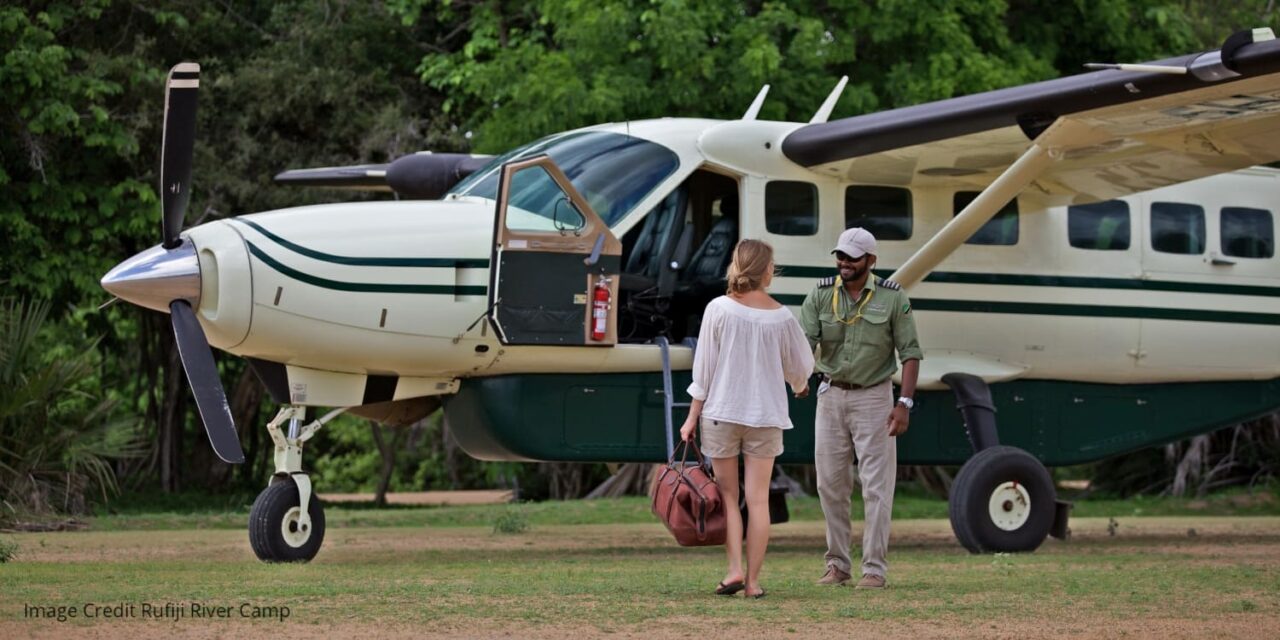
Enjoy a final morning game drive in the Serengeti en route to the airstrip for a flight back to Arusha, or drive back to Arusha/Moshi. Transfer to JRO for your onward flight, or to your hotel.
Sample Route 2: Migration Focused (9 Days)
This itinerary is designed for travelers aiming to witness the Great Migration at its peak, adjusting the Serengeti portion based on the season.
- Day 1: Arrival in Moshi/Arusha
Arrive at JRO, transfer to your lodge in Arusha or Moshi. - Day 2: Arusha to Tarangire National Park
Drive to Tarangire for a full-day game drive. Overnight near Tarangire. - Day 3: Tarangire to Lake Manyara & Karatu
Morning game drive in Tarangire, then head to Lake Manyara. Continue to Karatu. Overnight in Karatu. - Day 4: Ngorongoro Crater Tour
Full-day exploration of the Ngorongoro Crater. Overnight in Karatu or at a lodge on the crater rim. - Day 5: Karatu to Serengeti National Park (Western Corridor or Central)
Drive to the Serengeti, entering via the Western Corridor (if migration is there) or heading to the central region. Game drive en route. Overnight in the Serengeti. - Day 6: Serengeti National Park (Migration Tracking)
Full-day dedicated to following the Great Migration. Your guide will use their expertise and radio communication to locate the herds. Overnight in the Serengeti. - Day 7: Serengeti National Park (Migration Tracking)
Another full day tracking the migration, potentially moving to a different region of the Serengeti to find the herds. Overnight in the Serengeti. - Day 8: Serengeti to Arusha/Moshi
Morning game drive in Serengeti, then transfer to the Seronera Airstrip for a scenic flight back to Arusha. Overnight in Arusha. - Day 9: Departure
Transfer to JRO for your flight.
Route Visualization
Here’s a simplified visual representation of the typical loop:
| Moshi/Arusha | → | Tarangire NP | → | Lake Manyara NP | → | Karatu | → | Ngorongoro Crater | → | Serengeti NP | → | Arusha/Moshi (or flight back) |
Accommodation Options
Accommodation ranges from budget-friendly to ultra-luxury. Your choice will significantly impact the safari experience and cost.
- Budget: Basic tented camps, campsites (often public, sometimes private), and simple lodges. Offer essential comforts.
- Mid-Range: Comfortable lodges and permanent tented camps with amenities like en-suite bathrooms, hot showers, and good dining.
- Luxury: High-end lodges and exclusive tented camps offering gourmet food, private verandas, swimming pools, and exceptional service.
- Mobile Tented Camps: These camps follow the Great Migration, offering a more immersive, albeit sometimes less luxurious, experience.
Choosing Your Safari Vehicle and Guide
A 4×4 safari vehicle (usually a Land Cruiser or Land Rover) is essential for navigating the terrain. The quality of your guide is paramount. An experienced, knowledgeable, and personable guide can transform your safari from good to extraordinary. They understand animal behavior, track wildlife effectively, and can share insights into the local culture and environment.
What to Expect on Your Northern Circuit Safari
Prepare for an adventure filled with incredible sights and sounds.
Daily Safari Routine
A typical safari day involves early morning and late afternoon game drives, which are the best times for wildlife viewing as animals are most active. Midday is often spent relaxing at the lodge or camp, perhaps enjoying lunch and a siesta, especially during hotter months. Some safaris offer full-day drives with packed lunches to maximize time in the parks.
Wildlife Encounters
Expect to see a vast array of animals. The ‘Big Five’ are a major draw, but the Serengeti and Ngorongoro offer so much more: cheetahs on the hunt, hippos in rivers, elephants bathing, giraffes browsing acacia trees, and a spectacular diversity of birdlife. The Great Migration, if timed correctly, is an unforgettable spectacle.
Landscape and Scenery
The Northern Circuit boasts varied landscapes: the vast, open plains of the Serengeti, the dramatic caldera of Ngorongoro, the acacia-dotted savannahs of Tarangire, and the forested areas around Lake Manyara. The scenery is as much a part of the experience as the wildlife.
Cultural Interactions
While the focus is on wildlife, opportunities for cultural interaction exist. Visiting a Maasai village can provide insight into their traditional way of life. Your guide can also facilitate respectful interactions with local communities outside the parks.
Inclusions and Exclusions: What Your Safari Package Covers
When booking a Northern Circuit safari from Moshi, understanding what’s included is vital for budgeting and expectations. Most reputable tour operators offer packages that typically include:
- Park Entrance Fees: These are significant costs and are usually bundled.
- Accommodation: Lodging for the duration of the safari.
- Meals: Usually full board (breakfast, lunch, dinner) while on safari.
- Vehicle and Fuel: A 4×4 safari vehicle with a dedicated driver/guide.
- Guide Services: Professional, English-speaking safari guide.
- Drinking Water: Provided in the vehicle during game drives.
- Airport Transfers: To and from Kilimanjaro International Airport (JRO).
Common exclusions include:
- International Flights: Flights to and from Tanzania.
- Visa Fees: For Tanzania.
- Travel Insurance: Highly recommended.
- Gratuities: For guides and lodge staff.
- Beverages: Alcoholic and other soft drinks not specified.
- Personal Expenses: Souvenirs, laundry, etc.
- Optional Activities: Hot air balloon safaris, cultural visits not part of the standard itinerary.
Packing List for Your Safari
Packing smart is key to comfort and convenience. Aim for lightweight, neutral-colored clothing.
- Clothing:
- Lightweight, long-sleeved shirts (for sun and insect protection)
- T-shirts and casual tops
- Trousers (lightweight, quick-drying, neutral colors like khaki, beige, green)
- Shorts (for warmer days, optional)
- Fleece jacket or warm sweater (for cool mornings and evenings, especially in the crater or highlands)
- Waterproof and windproof jacket (for unexpected rain)
- Comfortable walking shoes or hiking boots (if doing any walking safaris)
- Sandals or flip-flops (for relaxing at camp)
- Socks (including warm ones for evenings)
- Swimsuit (for lodges with pools)
- Pajamas
- Headwear:
- Wide-brimmed hat or cap (essential for sun protection)
- Bandana or scarf (for dust)
- Footwear:
- Comfortable, broken-in walking shoes or light hiking boots
- Sandals or trainers for around camp
- Accessories:
- Sunglasses
- Binoculars (a must-have for wildlife viewing)
- Camera with extra batteries and memory cards
- Power bank or portable charger
- Universal travel adapter (Tanzania uses Type D sockets, 230V)
- Headlamp or small flashlight
- Reusable water bottle
- Small backpack or daypack
- Toiletries:
- Sunscreen (high SPF)
- Insect repellent (with DEET or Picaridin)
- Personal medications (with prescriptions)
- Basic first-aid kit
- Hand sanitizer
- Wet wipes
- Lip balm with SPF
- Documents & Money:
- Passport (with at least 6 months validity) and visa
- Flight tickets and confirmations
- Travel insurance details
- Copies of important documents (stored separately)
- Credit cards and some USD cash (small denominations for tips and purchases)
Note: Many lodges provide basic toiletries. It’s best to pack light as luggage on small bush planes can be restricted to soft-sided duffel bags (usually 15-20 kg limit).
Common Mistakes to Avoid
To ensure your Northern Circuit safari from Moshi is as smooth as possible, be aware of these common pitfalls:
- Underestimating Travel Times: Distances in Tanzania are vast, and roads can be rough. Factor in significant travel time between parks.
- Not Booking in Advance: Especially for peak seasons (June-October, January-February), lodges and popular safari dates fill up months ahead. Book your 2026 or 2027 safari early.
- Choosing the Cheapest Option: The lowest-priced safaris often compromise on vehicle quality, guide experience, accommodation standards, or park fees. Quality service ensures safety and enjoyment.
- Overpacking: Stick to essentials. Heavy luggage can be cumbersome and may incur extra costs on internal flights.
- Not Bringing Binoculars: Essential for spotting distant wildlife and observing details.
- Ignoring Malaria Precautions: Consult your doctor about malaria prophylaxis and use insect repellent diligently.
- Expecting to See Everything: Wildlife sightings are never guaranteed. Embrace the experience and appreciate what you do see.
- Not Discussing Preferences: Communicate your interests (e.g., photography, birding, migration) to your tour operator and guide beforehand.
Who is a Northern Circuit Safari From Moshi Best For?
This safari is ideal for a wide range of travelers:
- First-Time Safari Goers: The parks offer a high chance of seeing iconic wildlife, making it a rewarding introduction to safaris.
- Wildlife Enthusiasts: The sheer abundance and diversity of animals are unparalleled.
- Photographers: The dramatic landscapes and incredible wildlife provide endless photographic opportunities.
- Families: With appropriate lodge choices and itinerary pacing, it can be a fantastic family adventure.
- Couples and Honeymooners: Romantic lodge settings and exclusive experiences are readily available.
- Adventure Seekers: Those looking for the thrill of the wild and stunning natural beauty.
- Travelers Combining with Kilimanjaro: Moshi is the perfect hub for both activities.
For those seeking a more remote or off-the-beaten-path experience, other Tanzanian circuits (like the Selous or Ruaha) might be considered, but the Northern Circuit offers an unmatched concentration of classic safari highlights.
Alternatives to the Northern Circuit
While the Northern Circuit is superb, other Tanzanian safari destinations offer different experiences:
- Southern Circuit (Selous Game Reserve & Ruaha National Park): Offers a wilder, less crowded experience. Selous is known for its boat safaris and large elephant populations, while Ruaha is Tanzania’s largest national park, with a rugged landscape and significant predator numbers. Typically requires internal flights or longer drives.
- Western Circuit (Gombe Stream & Mahale Mountains National Parks): Famous for chimpanzee trekking. These parks require flights and offer a unique primate-focused experience in dense rainforests.
For travelers starting from Moshi, the Northern Circuit remains the most accessible and logistically straightforward option for a comprehensive wildlife safari.
Planning Your 2026-2027 Safari
Planning a safari for 2026 or 2027 requires early action, especially if you have specific dates or accommodation preferences.
- Book Early: For peak seasons (June-October 2026/2027) and popular lodges, book at least 9-12 months in advance. For shoulder seasons, 6-9 months is advisable.
- Budgeting: Safari costs vary greatly based on accommodation level, duration, and inclusions. A mid-range 7-day Northern Circuit safari can range from $2,500 to $4,500 per person, excluding international flights. Luxury options can be significantly higher.
- Visa Requirements: Check the latest visa regulations for Tanzania for your nationality. Most can apply online or on arrival.
- Health Precautions: Consult your doctor 4-6 weeks before travel regarding vaccinations and malaria prophylaxis.
- Travel Insurance: Essential for covering medical emergencies, trip cancellations, and lost luggage. Ensure it covers safari activities.
Booking Your Northern Circuit Safari from Moshi
Choosing the right tour operator is crucial for a successful safari. Look for companies with a strong reputation, excellent reviews, and local expertise.
How to Choose a Tour Operator
- Local vs. International: Local operators based in Tanzania often have better ground knowledge and can offer more competitive pricing.
- Reviews and Testimonials: Check independent review sites and ask for references.
- Customization: Ensure they can tailor an itinerary to your specific interests and budget.
- Communication: A responsive and clear communication style is a good sign.
- Sustainability Practices: Consider operators committed to responsible tourism.
What to Ask a Tour Operator
- What is your cancellation policy?
- Can you provide a detailed itinerary with timings?
- What is the experience level of your guides?
- What type of vehicles do you use?
- What are the typical group sizes?
- What is included and excluded in the price?
- What are the payment terms?
Booking with Top Guide Adventures
We specialize in creating personalized Northern Circuit safaris from Moshi, ensuring an authentic and memorable experience. Our team of expert guides and planners is dedicated to crafting the perfect itinerary for your 2026 or 2027 adventure.
Contact us to discuss your dream safari:
- WhatsApp: +255616946642
- Email: topguideadventures@gmail.com
- Backup Email: info@topguideadventures.com
Let us help you plan an incredible Northern Circuit safari from Moshi that exceeds your expectations.
Frequently Asked Questions (FAQs)
Q1: How long does a typical Northern Circuit safari from Moshi take?
A typical Northern Circuit safari from Moshi lasts between 5 to 10 days, depending on how many parks you wish to visit and the pace you prefer. A common and highly recommended duration is 7 days.
Q2: What is the best time of year for a Northern Circuit safari from Moshi?
The best time is generally the dry season from June to October for excellent game viewing and the Great Migration. January and February are also great for the calving season in the southern Serengeti. For 2026 and 2027, these periods will likely remain prime times.
Q3: Can I see the Great Migration on a safari from Moshi?
Yes, you can. The location of the Great Migration varies throughout the year. By choosing the right time of year and itinerary, your safari from Moshi can be timed to witness this spectacular event in different parts of the Serengeti.
Q4: Is a Northern Circuit safari suitable for families with children?
Yes, it can be. Many lodges offer family-friendly accommodation and activities. It’s advisable to choose lodges with pools and consider an itinerary that isn’t too fast-paced. We recommend children be at least 6-8 years old for a standard safari.
Q5: What are the main parks included in the Northern Circuit safari from Moshi?
The main parks are Serengeti National Park, Ngorongoro Conservation Area (including the Crater), Tarangire National Park, and Lake Manyara National Park.
Q6: What is the difference between the Ngorongoro Crater and the Ngorongoro Conservation Area?
The Ngorongoro Conservation Area is a large region where Maasai people live alongside wildlife. The Ngorongoro Crater is a unique, collapsed volcano caldera within this area, renowned for its high concentration of wildlife and being one of the best places to see rhinos.
Q7: What kind of vehicle will I use for my safari?
You will typically use a customized 4×4 safari vehicle, such as a Toyota Land Cruiser or Land Rover, equipped for game drives with pop-up roofs for optimal viewing and photography.
Q8: How much should I budget for a Northern Circuit safari from Moshi?
Costs vary greatly. A mid-range 7-day safari typically ranges from $2,500 to $4,500 per person, excluding international flights. Luxury safaris can cost $6,000+ per person. Planning for 2026 or 2027 means booking early to secure better rates and availability.
Q9: What are the health and safety considerations for a safari?
Consult your doctor about necessary vaccinations and malaria prevention. Use insect repellent, drink bottled water, and follow your guide’s safety instructions. Travel insurance is essential.
Q10: Do I need a visa for Tanzania?
Most nationalities require a visa to enter Tanzania. You can usually apply online in advance or obtain one on arrival at Kilimanjaro International Airport (JRO).
Ready for Your Tanzanian Adventure?
A Northern Circuit safari from Moshi offers an unparalleled journey into the heart of East Africa’s most spectacular wildlife destinations. From the endless plains of the Serengeti to the unique ecosystem of the Ngorongoro Crater, your adventure awaits.
Let us craft your personalized safari experience for 2026 or 2027. Whether you’re seeking the Great Migration, the Big Five, or simply the magic of the African bush, we are here to help.
Contact us today to start planning your unforgettable Northern Circuit safari from Moshi:
- WhatsApp: +255616946642
- Email: topguideadventures@gmail.com
- Backup Email: info@topguideadventures.com
Your dream Tanzanian safari is just a click or call away!
Plan your Northern Circuit Safari From Moshi with Top Guide Adventures
Tell us your travel dates, group size, comfort level, and dream experience. We will help you shape a clear, realistic, and memorable Tanzania itinerary.







 Veedesigner
 Fatma Kizanga
 Benjamin Waryuba
 Philip Philip
 John jr Itaja
 Antonia Optatus
 Edith Kanyere
 Neema Iddy
 Kelvin Boniphace
 Damari Maiga



