
Updated planning guide for 2026, 2027-2028
Wildlife Safari From Moshi: Best Guide 2026-2027-2028
Discover the best wildlife safaris departing from Moshi, Tanzania. Our comprehensive guide details top parks like Serengeti and Ngorongoro, planning essentials, and booking tips for your 2026-2027 adventure.
WhatsApp +255616946642 | topguideadventures@gmail.com | info@topguideadventures.com
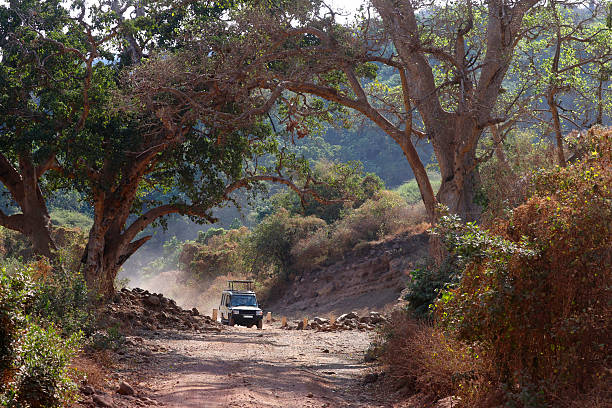
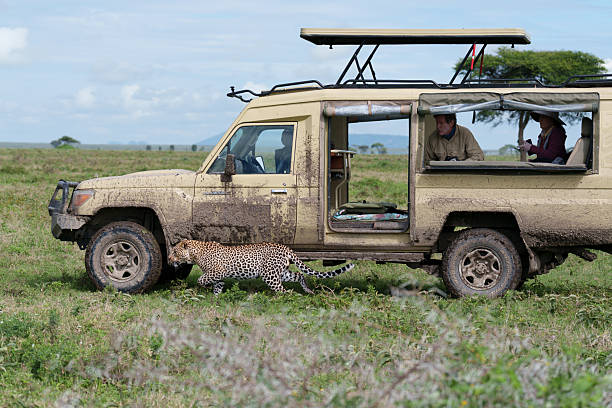
Wildlife Safari From Moshi: Your Ultimate Tanzania Adventure Guide
Moshi, a charming town nestled at the foot of Mount Kilimanjaro, serves as a significant gateway for travelers looking to explore the abundant wildlife of Northern Tanzania. For many, the dream of a wildlife safari is intrinsically linked to the iconic landscapes and diverse fauna found in Tanzania’s renowned national parks. A wildlife safari from Moshi offers direct access to some of the most spectacular wildlife viewing opportunities on the planet, including the vast plains of the Serengeti, the breathtaking Ngorongoro Crater, and the unique ecosystems of Tarangire and Lake Manyara.
This guide is designed to provide you with all the essential information needed to plan and book an unforgettable wildlife safari from Moshi. Whether you are a first-time visitor to Tanzania or a seasoned traveler, understanding the nuances of safari planning, the best times to visit, what to expect, and how to choose the right tour operator is crucial for a successful and memorable experience. We will cover everything from the initial planning stages to practical tips for your safari, ensuring you are well-prepared for the adventure that awaits in 2026 and 2027.
Quick Facts: Wildlife Safari From Moshi
| Starting Point | Moshi, Tanzania |
|---|---|
| Primary Destinations | Serengeti National Park, Ngorongoro Conservation Area, Tarangire National Park, Lake Manyara National Park, Arusha National Park |
| Typical Duration | 3 days to 10+ days |
| Best Time to Visit | June to October (dry season), January to February (calving season) |
| Key Wildlife | The “Big Five” (Lion, Leopard, Elephant, Rhino, Buffalo), Wildebeest, Zebras, Giraffes, Cheetahs, Hippos, Crocodiles, numerous bird species. |
| Activities | Game drives (morning, afternoon, full-day), walking safaris (in designated areas), cultural visits, bird watching. |
| Accommodation | Tented camps (luxury and budget), lodges, permanent tented camps. |
Why Choose Moshi as Your Safari Starting Point?
Moshi’s strategic location makes it an ideal base for launching your wildlife safari. Unlike Arusha, which is the traditional safari hub, Moshi offers a slightly more relaxed atmosphere and is the primary starting point for Kilimanjaro climbs. This means many travelers find themselves in Moshi before or after their mountain trek, making it convenient to combine a safari with their climb. Furthermore, tour operators based in Moshi are deeply familiar with the Northern Circuit and can offer competitive packages.
Choosing Moshi means you are at the doorstep of some of Tanzania’s most celebrated wildlife destinations. The proximity to Arusha National Park, a gem often overlooked but rich in wildlife and scenic beauty, is a significant advantage. From Moshi, your safari can easily extend to the famed Northern Circuit parks, offering a comprehensive wildlife experience.
Access to Key National Parks
The Northern Circuit parks are the jewels in Tanzania’s crown for wildlife tourism. A safari from Moshi provides excellent access to:
- Serengeti National Park: Famous for the Great Migration and its vast predator populations.
- Ngorongoro Conservation Area: Home to the Ngorongoro Crater, a UNESCO World Heritage site teeming with wildlife.
- Tarangire National Park: Known for its large elephant herds and baobab trees, especially prominent in the dry season.
- Lake Manyara National Park: Famous for its tree-climbing lions and diverse birdlife.
- Arusha National Park: Offers stunning views of Kilimanjaro and Mount Meru, with diverse habitats and wildlife like giraffes, zebras, and colobus monkeys.
The logistics of reaching these parks are well-established, with road networks connecting Moshi to the park gates and internal park roads facilitating game drives.
Planning Your Wildlife Safari From Moshi
Effective planning is key to a successful safari. Understanding the best time to travel, choosing the right itinerary, and selecting appropriate accommodation will significantly enhance your experience. For safaris in 2026 and 2027, early booking is recommended, especially if you plan to travel during peak seasons.
Best Time to Visit for Wildlife Viewing
Tanzania’s climate is generally divided into two main seasons: the dry season and the wet season. Each offers unique advantages for wildlife viewing.
Tanzania Safari Seasonality
| Season | Months | Pros | Cons |
|---|---|---|---|
| Dry Season (Peak) | June – October | Clear skies, excellent game viewing as animals congregate around water sources, easier travel on park roads, ideal for Great Migration viewing (June/July in Serengeti). | Higher prices, more crowds, accommodation can be fully booked. |
| Short Rains | November – December | Lush landscapes, fewer tourists, lower prices, good game viewing, migratory birds arrive. | Occasional rain showers can disrupt game drives. |
| Long Rains (Green Season) | March – May | Very lush and green scenery, baby animals often born (especially Jan-Feb), very few tourists, lowest prices. | Heavy rains can make some roads impassable, game viewing can be more challenging as animals disperse. |
| Calving Season (Specific to Serengeti) | January – February | Witness the dramatic wildebeest calving season in the southern Serengeti, high predator activity. | Can be hot and dry, some areas may be dusty. |
For a general wildlife safari from Moshi, the dry season (June to October) is often considered the best time due to predictable weather and concentrated wildlife. However, the shoulder months (May, November, December) can offer a good balance of decent game viewing, fewer crowds, and more affordable prices. If witnessing the Great Migration is a priority, plan for June and July for the river crossings or January and February for the calving season in the southern Serengeti.
Choosing Your Safari Itinerary
The length of your safari and the parks you visit will depend on your interests, budget, and available time. Most safaris from Moshi focus on the Northern Circuit, offering a variety of combinations.
Popular Safari Itinerary Structures from Moshi:
1. Short Safaris (3-4 Days): Ideal for those with limited time or combining with a Kilimanjaro climb.
- Example: 3 Days Tarangire & Ngorongoro Crater. Day 1: Drive to Tarangire for game drive. Overnight near Tarangire. Day 2: Morning game drive in Tarangire, drive to Karatu (near Ngorongoro). Day 3: Descend into Ngorongoro Crater for game drive, drive back to Moshi.
- Focus: Concentrated wildlife viewing in two iconic locations.
2. Medium Safaris (5-7 Days): A good balance, covering the main highlights of the Northern Circuit.
- Example: 5 Days Lake Manyara, Tarangire & Ngorongoro Crater. Day 1: Drive to Lake Manyara for game drive. Overnight near Lake Manyara. Day 2: Drive to Tarangire for full day game drive. Overnight near Tarangire. Day 3: Morning game drive Tarangire, drive to Karatu. Day 4: Ngorongoro Crater game drive. Overnight Karatu. Day 5: Optional cultural visit, drive back to Moshi.
- Focus: Diverse ecosystems and wildlife experiences.
3. Long Safaris (8+ Days): For an in-depth experience, including the vast Serengeti.
- Example: 7 Days Serengeti & Ngorongoro. Day 1: Drive to Tarangire National Park. Overnight. Day 2: Morning game drive Tarangire, drive to Karatu. Day 3: Ngorongoro Crater game drive. Overnight Karatu. Day 4: Drive to Serengeti National Park (central). Afternoon game drive. Overnight in Serengeti. Day 5 & 6: Full days game drives in Serengeti (exploring different areas like Seronera, or following migration if timed right). Overnight in Serengeti. Day 7: Morning game drive in Serengeti, drive back to Moshi.
- Focus: Extensive wildlife viewing, including the Great Migration if timed correctly, and the unique Ngorongoro Crater.
The Great Migration Special (Requires Longer Itinerary, typically 8-10 Days):
If your primary goal is to witness the Great Migration, you will need a longer itinerary (8-10 days minimum) that allows for travel to different parts of the Serengeti depending on the time of year. For example:
- June-July: Focus on the western corridor of the Serengeti for river crossings.
- August-October: North Serengeti for river crossings.
- December-March: Southern Serengeti for calving season.
A typical 8-day migration-focused safari might look like this:
Sample 8-Day Serengeti Migration Safari from Moshi
| Day | Area/Park | Activities | Overnight |
|---|---|---|---|
| 1 | Drive to Tarangire NP | Afternoon game drive | Tarangire area lodge/camp |
| 2 | Tarangire NP | Full day game drive | Tarangire area lodge/camp |
| 3 | Drive to Ngorongoro Conservation Area | Afternoon game drive in Ngorongoro Crater | Karatu lodge/camp |
| 4 | Drive to Serengeti NP (Central/Seronera) | Morning game drive in Ngorongoro, drive to Serengeti, afternoon game drive in Seronera | Serengeti Central lodge/camp |
| 5 | Serengeti National Park (Central) | Full day game drives in Seronera Valley, known for big cats | Serengeti Central lodge/camp |
| 6 | Serengeti National Park (Depending on Migration) | Full day game drives, potentially moving towards North/West for migration | Serengeti North/West lodge/camp |
| 7 | Serengeti National Park | Full day game drives following the migration | Serengeti North/West lodge/camp |
| 8 | Drive back to Moshi | Morning game drive in Serengeti, drive back to Moshi (long drive, or fly out from Seronera airstrip) | N/A (End of Safari) |
Note: This is a sample. Actual routes for migration viewing depend heavily on the season and animal movements. Your tour operator will advise accordingly for your 2026-2027 trip.
Accommodation Options
Your choice of accommodation significantly impacts the safari experience and budget. Options range from basic to ultra-luxury.
- Budget: Public campsites within or near national parks. Basic facilities but offer an authentic bush experience. Often used with overland camping safaris.
- Mid-Range: Tented camps (permanent or semi-permanent) with comfortable beds, en-suite bathrooms, and often a dining area. These offer a good balance of comfort and immersion. Lodges also fall into this category, providing more permanent structures.
- Luxury: High-end lodges and tented camps with premium amenities, gourmet dining, private plunge pools, and exceptional service.
When booking a wildlife safari from Moshi, discuss your preferences and budget with your tour operator to find the best fit.
What to Expect on Your Safari
A safari is an adventure that engages all your senses. Understanding what to expect will help you prepare mentally and practically.
Daily Safari Routine
Most safaris involve early morning and late afternoon game drives. These are the best times for wildlife viewing as animals are most active during the cooler parts of the day, and the light is also best for photography.
- Morning Game Drive: Typically starts around 6:00 AM after an early breakfast. You’ll spend 3-4 hours in the park.
- Midday: Return to your lodge or camp for lunch and a rest during the hottest part of the day. Some camps offer optional activities like nature walks or cultural visits.
- Afternoon Game Drive: Starts around 3:30 PM or 4:00 PM and lasts for 2-3 hours until sunset.
- Evening: Dinner at the lodge/camp, sharing stories of the day’s sightings.
Some itineraries may include full-day game drives, especially in larger parks like the Serengeti, to maximize wildlife viewing opportunities and cover more ground.
Wildlife Encounters
Tanzania is home to an astonishing array of wildlife. The “Big Five” – lion, leopard, elephant, rhino, and buffalo – are highly sought after, but the sheer diversity extends far beyond them.
- Mammals: Expect to see large herds of wildebeest and zebras (especially during migration), giraffes, elephants, hippos, crocodiles, various antelope species (impala, gazelle, dik-dik), warthogs, baboons, monkeys, and if you are lucky, cheetahs and leopards. Rhinos are most reliably seen in the Ngorongoro Crater.
- Birds: Tanzania is a birdwatcher’s paradise, with hundreds of species, including ostriches, secretary birds, eagles, vultures, hornbills, and numerous colorful smaller birds.
Your guide’s expertise is invaluable in spotting well-camouflaged animals and understanding animal behavior.
The Role of Your Safari Guide
Your safari guide is more than just a driver; they are your expert companion, interpreter of the bush, and guardian of your safety. They are trained to:
- Locate wildlife using their knowledge of animal behavior and habitats.
- Provide information about the animals, birds, plants, and ecosystems.
- Ensure your safety by maintaining a respectful distance from animals and advising on appropriate behavior.
- Navigate the parks and manage the vehicle and schedule effectively.
- Enhance your overall safari experience through their passion and knowledge.
Vehicle and Safety
Safari vehicles are typically 4×4 Toyota Land Cruisers or Land Rovers, modified for safari use. They usually have pop-up roofs for excellent viewing and photography. Safety is paramount:
- Always stay inside the vehicle when game driving, unless instructed otherwise by your guide.
- Do not feed the animals.
- Listen to your guide’s instructions regarding safety, especially when disembarking for breaks or at camps.
- Your guide is trained in first aid and equipped to handle minor emergencies.
Packing and Preparation for Your Safari
Packing smart is essential for comfort and practicality on a safari. The key is to pack light, versatile clothing in neutral colors.
Safari Packing Checklist
- Clothing: Lightweight, breathable fabrics are best. Pack neutral colors (khaki, beige, olive green, brown) to blend in with the environment and avoid attracting insects. Avoid bright colors and dark blue/black (can attract tsetse flies).
- Long-sleeved shirts (for sun and insect protection)
- T-shirts and tops
- Comfortable trousers or zip-off hiking pants
- Shorts (for warmer days or in camp)
- Warm fleece or jacket (for cool mornings and evenings)
- Rain jacket or poncho (especially during shoulder seasons)
- Swimsuit (for lodges with pools)
- Footwear: Comfortable and practical.
- Closed-toe walking shoes or sturdy sneakers
- Sandals or flip-flops (for camp)
- Headwear: Essential for sun protection.
- Wide-brimmed hat or cap
- Eyewear:
- Sunglasses
- Health & Hygiene:
- Personal toiletries (biodegradable options preferred)
- Sunscreen (high SPF)
- Insect repellent (with DEET)
- Hand sanitizer
- Basic first-aid kit (band-aids, antiseptic wipes, pain relievers, any personal medications)
- Malaria prophylaxis (consult your doctor well in advance)
- Gear & Accessories:
- Camera with extra batteries and memory cards
- Binoculars (highly recommended for wildlife viewing)
- Portable power bank or adapter for charging electronics
- Headlamp or small flashlight
- Reusable water bottle
- Small backpack or daypack for essentials during game drives
- Passport, visas, and copies of important documents
- Cash for tips and souvenirs (USD is widely accepted)
Note on Luggage: Most safari vehicles have limited luggage space. Soft duffel bags are often preferred over hard suitcases. Check with your tour operator for specific luggage restrictions.
Health and Vaccinations
Consult your doctor or a travel clinic at least 4-6 weeks before your departure for advice on necessary vaccinations and malaria prevention. Common recommendations include Hepatitis A, Typhoid, and Tetanus. Malaria is a risk in most safari areas, so discuss appropriate prophylactic medication.
Travel Insurance
Comprehensive travel insurance is mandatory. Ensure it covers:
- Medical emergencies and evacuation (including remote areas).
- Trip cancellation or interruption.
- Lost or stolen luggage and personal belongings.
Visas and Passports
Ensure your passport is valid for at least six months beyond your intended stay and has sufficient blank pages. Check visa requirements for Tanzania for your nationality. Many nationalities can obtain a visa on arrival, but it’s advisable to check current regulations or apply in advance.
Common Mistakes to Avoid
To ensure your safari is as smooth and enjoyable as possible, be aware of common pitfalls:
- Overpacking: Limited luggage space and the need for practicality mean packing light is essential.
- Wearing the Wrong Colors: Bright colors can scare wildlife, and dark colors can attract tsetse flies. Stick to neutral tones.
- Not Bringing Binoculars: While guides have them, your own pair enhances the viewing experience immensely.
- Ignoring Your Guide: They are experts; heed their advice on safety and animal encounters.
- Expecting to See Everything: Wildlife viewing is unpredictable. Appreciate the sightings you have rather than focusing on what you missed.
- Not Booking in Advance: Especially for peak seasons in 2026 and 2027, popular lodges and vehicles get booked up months in advance.
- Underestimating Travel Times: Distances can be long, and road conditions can vary. Factor in travel time realistically.
- Not Budgeting for Tips: Tipping guides and camp staff is customary and appreciated.
Who is a Wildlife Safari From Moshi Best For?
A wildlife safari from Moshi is suitable for a wide range of travelers:
- Nature Enthusiasts and Wildlife Lovers: Obviously, those passionate about animals and their habitats will find this experience incredibly rewarding.
- Photographers: The opportunity to capture stunning wildlife and landscape shots is unparalleled.
- Adventure Seekers: While not extreme, a safari offers a sense of adventure and exploration in wild landscapes.
- Families: Safaris can be educational and exciting for children, offering a unique learning experience. Operators can tailor family-friendly itineraries.
- Couples and Honeymooners: Romantic lodges and the magic of the bush create a memorable setting.
- Solo Travelers: Safaris are a great way to travel solo, with opportunities to meet like-minded people on group tours or enjoy the solitude of a private safari.
- Post-Kilimanjaro Trekkers: A perfect way to relax and see a different side of Tanzania after summiting Kilimanjaro.
The experience can be tailored to different physical abilities, budgets, and comfort levels, making it accessible to many.
Alternatives to a Standard Safari from Moshi
While the Northern Circuit is world-renowned, Tanzania offers other safari experiences, and you might consider these depending on your interests.
- Southern Circuit Safaris: Parks like Selous Game Reserve (now Nyerere National Park) and Ruaha National Park offer a more remote and less crowded experience, often with boat safaris and walking safaris. These are typically accessed from Dar es Salaam.
- Zanzibar’s Marine Parks: If marine life is your focus, Zanzibar offers excellent snorkeling and diving opportunities in places like Mnemba Atoll.
- Walking Safaris: Available in specific areas like the Great Rift Valley or parts of the Serengeti, these offer a more intimate connection with nature.
- Cultural Tourism: Combine your safari with visits to local communities, such as the Maasai villages, for a deeper understanding of Tanzanian culture.
For those focused on the classic wildlife experience, the Northern Circuit from Moshi remains the most popular and accessible choice.
Planning Your Safari in 2026-2027
Planning ahead is crucial for securing the best experiences and prices for your 2026 and 2027 safaris. Early booking allows you to:
- Secure Prime Accommodation: Popular lodges and tented camps, especially those with prime locations or exclusive views, book up rapidly.
- Get Preferred Dates: If you have specific travel dates, booking early ensures availability.
- Potentially Save Money: While not always the case, some operators offer early bird discounts. More importantly, booking early avoids last-minute price hikes due to high demand.
- Tailor Your Itinerary: More time allows for detailed discussions with your tour operator to craft a bespoke itinerary that perfectly matches your interests and budget.
- Arrange Specific Needs: If you have special dietary requirements, mobility concerns, or specific interests (e.g., birdwatching, photography), early planning allows these to be accommodated.
For 2026 and 2027, consider making inquiries and bookings at least 9-12 months in advance, especially if you are planning to travel during the peak dry season (June-October) or during the Great Migration periods.
Budget Considerations for 2026-2027 Safaris
Safari costs vary significantly based on the duration, parks visited, accommodation style, and level of service. While exact prices fluctuate, understanding the cost components is key:
- Park Entrance Fees: These are set by the Tanzanian government and are a significant part of the daily cost. Fees are typically charged per person per day and per vehicle.
- Accommodation: Ranges from budget campsites to luxury lodges.
- Vehicle and Guide: Costs for the 4×4 safari vehicle and experienced driver-guide are usually bundled into the tour package.
- Food: Meals are typically included, especially when staying at lodges or camps.
- Activities: Game drives are standard. Optional activities like walking safaris or cultural visits may incur extra charges.
- Internal Flights: If you opt for flights between parks (e.g., to the Serengeti), this adds considerably to the cost.
When comparing quotes for 2026-2027 safaris, ensure you understand what is included. A reputable operator will provide a detailed breakdown.
Booking Your Wildlife Safari From Moshi
Choosing the right tour operator is as important as choosing the right destination. Look for operators with a strong reputation, local expertise, and clear communication.
How to Choose a Reputable Tour Operator
- Local Expertise: Operators based in Tanzania, like Best Tanzania Tour operator, have invaluable local knowledge, understand the logistics, and often offer better value.
- Reviews and Testimonials: Check independent review sites and look for consistent positive feedback regarding service, guides, and overall experience.
- Clear Communication: A good operator will respond promptly to your inquiries, answer your questions thoroughly, and be transparent about inclusions, exclusions, and pricing.
- Customization: Can they tailor an itinerary to your specific needs and interests?
- Safety Standards: Inquire about their safety protocols and the training of their guides.
- Sustainability Practices: Consider operators who demonstrate a commitment to responsible tourism and conservation.
What to Discuss with Your Tour Operator
When you contact a tour operator for a quote or to discuss your wildlife safari from Moshi, be prepared to discuss:
- Your desired travel dates (and flexibility).
- The duration of your safari.
- Your budget range.
- Your interests (e.g., specific animals, photography, Great Migration).
- Your preferred accommodation style (budget, mid-range, luxury).
- Who is traveling (number of people, ages of children if applicable).
- Any specific requests or requirements.
A good operator will guide you through the options and help you design the perfect safari for 2026 or 2027.
Booking Process and Payment
Once you agree on an itinerary and price:
- Deposit: Most operators require a deposit (typically 20-50%) to confirm your booking and secure accommodation.
- Balance Payment: The remaining balance is usually due 30-60 days before your safari begins.
- Confirmation: You will receive a detailed itinerary, booking confirmations, and pre-departure information.
Always ensure you receive written confirmation of your booking and understand the cancellation policy.
Frequently Asked Questions (FAQs) about Wildlife Safaris from Moshi
Your Safari Questions Answered
- Q1: Is Moshi a good starting point for a wildlife safari?
- Yes, Moshi is an excellent starting point for wildlife safaris, particularly for the Northern Circuit parks. It offers convenient access to Arusha National Park and is a major hub for travelers combining safaris with Kilimanjaro climbs.
- Q2: What is the best time of year for a wildlife safari from Moshi in 2026-2027?
- The dry season, from June to October, is generally considered the best time for wildlife viewing due to concentrated animals and clear skies. January and February are also excellent for witnessing the wildebeest calving season in the southern Serengeti. For 2026 and 2027, book well in advance for these popular periods.
- Q3: How long should a typical safari from Moshi be?
- A typical safari from Moshi can range from 3 days (for a quick overview of 1-2 parks) to 7-10 days or more for an in-depth exploration of the Northern Circuit, including the Serengeti. The duration depends on your interests and available time.
- Q4: Can I see the “Big Five” on a safari from Moshi?
- Yes, it is possible to see the “Big Five” (lion, leopard, elephant, rhino, buffalo) on a safari from Moshi. The Ngorongoro Crater offers the best chance of seeing all five in a single day due to its dense population. Other parks like the Serengeti and Tarangire are also excellent for spotting them.
- Q5: What is the difference between a lodge and a tented camp?
- Lodges are permanent structures, often with more amenities and a hotel-like feel. Tented camps feature canvas tents, but these are usually spacious, comfortable, and often include en-suite bathrooms and permanent beds, offering a more immersive bush experience.
- Q6: Is it safe to go on a safari from Moshi?
- Yes, safaris from Moshi are generally very safe. Reputable tour operators prioritize safety, and your experienced guide will ensure you follow all necessary protocols. Wildlife is viewed from a safe distance within the vehicle.
- Q7: How much does a wildlife safari from Moshi cost?
- Safari costs vary widely based on duration, accommodation, and inclusions. A mid-range 3-day safari might cost around $600-$900 per person, while a 7-day luxury safari could be $3,000-$5,000 or more. Prices for 2026-2027 will be similar but subject to annual increases in park fees and operational costs. Get a detailed quote from your operator.
- Q8: What should I pack for a safari?
- Pack light, breathable clothing in neutral colors, a warm layer for evenings, a hat, sunglasses, sunscreen, insect repellent, and a camera. Soft duffel bags are preferred over hard suitcases due to limited space in safari vehicles.
- Q9: Do I need vaccinations for a safari?
- It is recommended to consult your doctor or a travel clinic 4-6 weeks before your trip for advice on vaccinations (e.g., Hepatitis A, Typhoid) and malaria prophylaxis. Yellow Fever vaccination may be required if arriving from certain countries.
- Q10: Can I do a custom safari itinerary from Moshi?
- Absolutely. Most reputable tour operators, including Best Tanzania Tour operator, specialize in creating custom safari itineraries tailored to your specific interests, budget, and timeframe for 2026 and 2027 travel.
Planning a wildlife safari from Moshi is an exciting endeavor. With its prime location and access to world-class national parks, it offers an unparalleled opportunity to witness Tanzania’s magnificent wildlife. By understanding the best times to travel, choosing the right itinerary, packing wisely, and selecting a reliable tour operator, you can ensure your safari adventure is truly unforgettable.
Ready to plan your dream wildlife safari from Moshi for 2026 or 2027? Contact us today to discuss your personalized itinerary and let us help you create memories that will last a lifetime.
Start Planning Your Tanzania Safari Adventure!
Let Best Tanzania Tour operator craft your perfect wildlife safari from Moshi. We offer tailor-made itineraries, expert guides, and unforgettable experiences across Tanzania’s Northern Circuit and beyond.
Get a Free Quote or Consultation:
- WhatsApp: +255616946642
- Email: topguideadventures@gmail.com
- Backup Email: info@topguideadventures.com
We look forward to helping you plan your incredible wildlife safari from Moshi!
Plan your Wildlife Safari From Moshi with Top Guide Adventures
Tell us your travel dates, group size, comfort level, and dream experience. We will help you shape a clear, realistic, and memorable Tanzania itinerary.







 Veedesigner
 Fatma Kizanga
 Benjamin Waryuba
 Philip Philip
 John jr Itaja
 Antonia Optatus
 Edith Kanyere
 Neema Iddy
 Kelvin Boniphace
 Damari Maiga



