
Updated planning guide for 2026, 2027-2028
Lodge Safari From Moshi: Best Guide 2026-2027-2028
Discover the best lodge safaris departing from Moshi, Tanzania. This comprehensive guide covers everything you need to plan your unforgettable wildlife adventure in the Northern Circuit, including park highlights, sample itineraries, packing essentials, and booking advice for 2026-2027.
WhatsApp +255616946642 | topguideadventures@gmail.com | info@topguideadventures.com
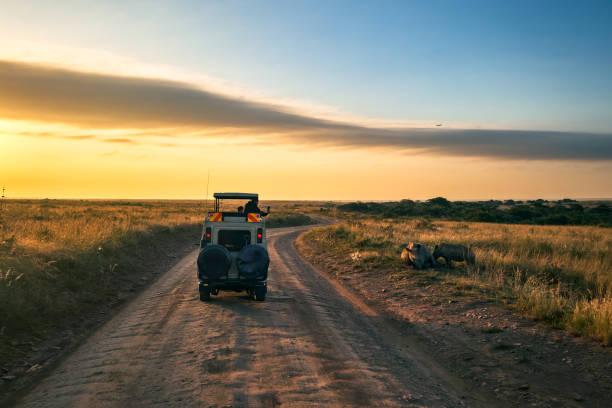
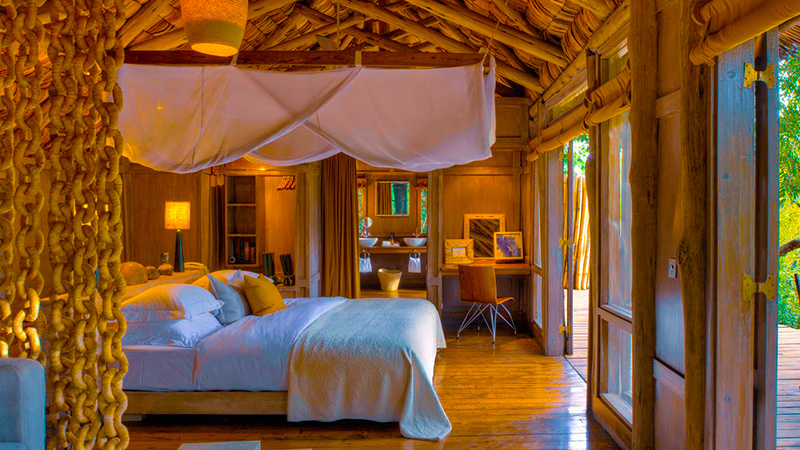
Lodge Safari From Moshi: Your Ultimate Tanzania Wildlife Experience
Moshi, a vibrant town nestled at the foot of Mount Kilimanjaro, serves as a perfect gateway for incredible wildlife adventures. For many travelers, the dream of witnessing the vast plains of the Serengeti, the dramatic Great Migration, or the unique ecosystem of the Ngorongoro Crater begins with arranging a lodge safari from Moshi. This guide is designed to provide you with all the essential information to plan and book an exceptional lodge safari experience, focusing on the Northern Circuit parks, a region renowned for its abundant wildlife and stunning landscapes. We’ll cover everything from understanding the appeal of a lodge safari to practical planning details, what to expect on the ground, and how to secure your perfect trip for 2026 and 2027.
Quick Overview: Lodge Safari From Moshi
A lodge safari from Moshi typically involves staying in comfortable lodges or tented camps within or near Tanzania’s famous Northern Circuit national parks. These accommodations offer amenities beyond basic camping, providing private bathrooms, comfortable beds, and often dining facilities, allowing you to relax in style after a day of game drives. Moshi itself is a convenient starting point, often reached via Kilimanjaro International Airport (JRO), making it an accessible hub for initiating your safari journey.
| Aspect | Details |
|---|---|
| Starting Point | Moshi, Tanzania |
| Primary Region | Northern Circuit National Parks |
| Key Parks | Serengeti, Ngorongoro Crater, Tarangire, Lake Manyara |
| Accommodation Style | Lodges, Tented Camps (en-suite facilities) |
| Typical Duration | 3 to 7 days, customizable |
| Best Time to Travel | June to October (dry season, Great Migration), January to February (calving season) |
| Transportation | 4×4 safari vehicles |
| Activities | Game drives, bird watching, cultural visits (optional) |
Why Choose a Lodge Safari From Moshi?
Opting for a lodge safari from Moshi offers a blend of adventure and comfort. Unlike camping safaris, lodge-based trips provide a more relaxed and luxurious experience. You get to immerse yourself in the wilderness during the day with thrilling game drives, and then return to a comfortable lodge or camp where you can enjoy amenities like hot showers, delicious meals, and often swimming pools, all while being surrounded by the sounds of the African bush. Moshi’s strategic location means you can easily combine your safari with a Kilimanjaro trek or a visit to the vibrant local markets before or after your wildlife excursions.
The Allure of the Northern Circuit
The Northern Circuit is arguably Tanzania’s most famous safari destination, and for good reason. It is home to an unparalleled concentration of wildlife and offers diverse landscapes, from the endless plains of the Serengeti to the unique caldera of the Ngorongoro Crater and the baobab-studded plains of Tarangire. Choosing a lodge safari from Moshi allows you to access these iconic locations with ease.
- Serengeti National Park: Famous for the Great Migration, a breathtaking spectacle of millions of wildebeest, zebras, and gazelles traversing the plains. It’s also a prime location for spotting big cats year-round.
- Ngorongoro Conservation Area: Home to the Ngorongoro Crater, a UNESCO World Heritage Site. This ancient caldera boasts an incredibly high density of wildlife, including the ‘Big Five’ (lion, leopard, elephant, rhino, buffalo), often seen in a single day.
- Tarangire National Park: Known for its large elephant herds, baobab trees, and diverse birdlife. It’s particularly spectacular during the dry season when animals congregate around the Tarangire River.
- Lake Manyara National Park: Famous for its tree-climbing lions, large troops of baboons, and diverse bird species. The park’s shallow alkaline lake attracts thousands of flamingos.
Best Time to Plan Your Lodge Safari From Moshi in 2026-2027
The timing of your lodge safari can significantly impact your experience, especially if you wish to witness specific events like the Great Migration. Tanzania’s Northern Circuit experiences distinct seasons, each offering unique advantages.
| Period | Season | Key Features | Pros | Cons |
|---|---|---|---|---|
| June – October | Dry Season | Great Migration river crossings (July-September), abundant wildlife congregating near water sources, clear skies. | Excellent wildlife viewing, ideal for migration sightings, pleasant temperatures. | Peak tourist season, higher prices, lodges can book up quickly. |
| November – December | Short Rains | Lush landscapes, fewer tourists, migratory birds arrive. | Beautiful scenery, good photographic opportunities, lower prices. | Occasional rain showers can disrupt game drives, migration is scattered. |
| January – February | Long Rains (Calving Season) | Serengeti calving season, dramatic predator-prey interactions, green landscapes, good for birdwatching. | Baby animals are born, excellent predator sightings, fewer crowds, lower prices. | Rain can be heavy, some park roads may be difficult to access, migration is in the southern Serengeti. |
| March – May | Long Rains | Greenest landscapes, very few tourists. | Lowest prices, very quiet, excellent for photography of landscapes. | Heavy rainfall is common, many lodges may close or have limited services, game viewing can be challenging due to dispersed wildlife and thick vegetation. |
For many, the primary goal is to witness the Great Migration. If this is your focus for a 2026 or 2027 safari, aim for the dry season (June to October). The wildebeest and zebra herds typically move north through the Serengeti from July to September, often facing the challenging river crossings of the Mara or Grumeti Rivers. For those interested in the dramatic birth of new life and predator action, January and February are ideal, focusing on the southern Serengeti plains.
Sample Itinerary: 7-Day Lodge Safari from Moshi
This sample itinerary is a popular choice for a lodge safari from Moshi, covering the highlights of the Northern Circuit. It can be customized to your interests and available time. This plan assumes a 7-day/6-night duration.
Day 1: Arrival in Moshi & Transfer to Arusha/Karatu
- Arrive at Kilimanjaro International Airport (JRO) or Arusha Airport (ARK).
- Meet your safari guide and transfer to your lodge in Arusha or Karatu (depending on your preference and next day’s plan). Karatu is closer to the Ngorongoro Crater.
- Relax and prepare for your safari adventure.
- Accommodation: Lodge/Tented Camp in Arusha or Karatu.
Day 2: Tarangire National Park – Land of Giants
- After breakfast, drive to Tarangire National Park, known for its large elephant herds and iconic baobab trees.
- Enjoy a full-day game drive, exploring the park’s diverse landscapes and searching for lions, leopards, and a variety of antelopes.
- Picnic lunch in the park.
- Overnight at a lodge or tented camp near Tarangire or en route to the Ngorongoro area.
- Accommodation: Lodge/Tented Camp near Tarangire.
Day 3: Lake Manyara National Park & Ngorongoro Crater Rim
- Morning drive to Lake Manyara National Park.
- Explore the park, looking for the famous tree-climbing lions, abundant birdlife, and baboons.
- After lunch, drive to the Ngorongoro Conservation Area.
- Check into your lodge situated on the crater rim, offering breathtaking views.
- Accommodation: Lodge on the Ngorongoro Crater rim.
Day 4: Ngorongoro Crater Exploration
- Descend into the Ngorongoro Crater for an unforgettable full-day game drive.
- This natural amphitheater is a haven for wildlife, offering high chances of spotting the Big Five, including the endangered black rhino.
- Enjoy a picnic lunch by the hippo pool.
- Ascend from the crater in the late afternoon and return to your rim lodge.
- Accommodation: Lodge on the Ngorongoro Crater rim.
Day 5: Transfer to Serengeti National Park
- After breakfast, depart for the legendary Serengeti National Park.
- You’ll drive via the Ngorongoro Conservation Area, with opportunities for game viewing en route. You might stop at Olduvai Gorge (optional, extra cost).
- Enter the Serengeti and begin your first game drive as you head towards your lodge or tented camp.
- Accommodation: Lodge/Tented Camp in Central Serengeti.
Day 6: Full Day in Serengeti National Park
- Spend a full day exploring the vast plains of the Serengeti.
- Depending on the time of year, you’ll track the Great Migration or search for resident wildlife, including lions, cheetahs, leopards, elephants, and giraffes.
- Optional hot air balloon safari at sunrise (highly recommended, additional cost).
- Enjoy morning and afternoon game drives.
- Accommodation: Lodge/Tented Camp in Central Serengeti.
Day 7: Serengeti Morning Game Drive & Departure
- Enjoy an early morning game drive in the Serengeti.
- After breakfast, you’ll be transferred to the Seronera Airstrip for your flight back to Arusha or Kilimanjaro International Airport (JRO), connecting to your onward international flight. Alternatively, you can drive back to Arusha.
This itinerary is a guideline. For example, if your priority is the migration river crossings, you might spend more days in the Western or Northern Serengeti depending on the season. If you have more time, you could extend your stay in the Serengeti, add a visit to the Maasai Mara (if crossing from Kenya), or explore less-visited areas like the Southern Serengeti during the calving season.
What to Expect on Your Lodge Safari
A lodge safari from Moshi is designed for comfort and immersion. Here’s what you can generally expect:
- Accommodation: Lodges and tented camps vary from comfortable to luxurious. Most offer private en-suite bathrooms, comfortable beds, electricity (often with generators that run for specific hours), and dining areas. Some may have swimming pools, bars, and lounges.
- Transportation: You will travel in a specially adapted 4×4 safari vehicle (usually a Land Cruiser or Land Rover) with a pop-up roof for excellent game viewing. Your vehicle will be driven by an experienced, English-speaking safari guide.
- Game Drives: Game drives are typically conducted in the early morning and late afternoon when animals are most active. Midday drives are also possible, often with breaks at lodges. Park rules dictate that you remain in your vehicle while observing animals, except at designated picnic sites.
- Meals: Most lodges offer full board, including breakfast, lunch, and dinner. Picnic lunches are common during full-day game drives. The cuisine is usually a mix of international and local dishes. Dietary requirements can usually be accommodated with advance notice.
- Guides: Your safari guide is your key to understanding the wildlife, ecosystems, and culture of Tanzania. They are trained to spot animals, drive safely, and share valuable information.
- Pace: Lodge safaris offer a more relaxed pace than camping. You have dedicated time to rest and enjoy the amenities of your accommodation.
Packing and Preparation for Your Safari
Proper packing is crucial for comfort and enjoyment. The key is to pack light and choose versatile clothing. Remember that most internal flights (if you opt for them) have strict baggage weight limits (usually 15-20 kg in soft bags).
Clothing Essentials:
- Neutral-colored clothing: Khaki, beige, olive green, or brown are best. Avoid bright colors (like red or yellow, which can startle animals) and dark blue or black (which can attract tsetse flies).
- Lightweight, breathable fabrics: Cotton, linen, or moisture-wicking synthetics.
- Long-sleeved shirts and trousers: For sun protection and to ward off insects, especially in the evenings.
- T-shirts and shorts/skirts: For warmer days.
- Fleece jacket or warm sweater: Evenings and early mornings can be cool, especially at higher altitudes like the Ngorongoro Crater rim.
- Rain jacket: A lightweight, waterproof jacket is advisable, especially during the rainy seasons.
- Swimsuit: For use at lodges with pools.
- Comfortable walking shoes: For around the lodge.
- Sandals or flip-flops.
Footwear:
- Closed-toe hiking boots or sturdy walking shoes: If you plan any optional walking safaris (rare on standard lodge safaris but possible in certain areas).
- Comfortable trainers/sneakers: For general wear.
Accessories:
- Sun hat: Wide-brimmed for maximum protection.
- Sunglasses.
- Scarf or bandana: Useful for dust protection.
- Binoculars: Essential for spotting wildlife. Consider a pair with 8x or 10x magnification.
- Camera and extra batteries/memory cards: Bring a zoom lens if possible. A dust-proof bag is useful.
- Power bank and universal adapter: For charging electronics. Power supply can be intermittent.
- Insect repellent: With DEET or Picaridin.
- Sunscreen: High SPF.
- Personal first-aid kit: With any personal medications, pain relievers, antiseptic wipes, bandages, etc.
- Hand sanitizer.
- Reusable water bottle: To minimize plastic waste.
- Small backpack/daypack: For carrying essentials during game drives (water, camera, sunscreen, snacks).
- Torch/headlamp: Useful for navigating lodges at night.
- Travel-sized toiletries.
- Passport, visa, flight details, and copies of important documents.
- Cash: For tips and souvenirs (USD is widely accepted, but smaller denominations are useful).
Tip: Pack clothing in soft-sided duffel bags rather than hard suitcases, as they are easier to fit into safari vehicles.
Common Mistakes to Avoid When Planning
To ensure your lodge safari from Moshi is as smooth and enjoyable as possible, be aware of these common pitfalls:
- Not booking in advance: Especially for peak seasons (June-October) and for popular lodges, booking well in advance for 2026 or 2027 is crucial.
- Underestimating travel times: Distances in Tanzania can be large, and road conditions can vary. Always factor in sufficient travel time between parks.
- Ignoring the seasons: Planning your safari during the rainy season without understanding the implications can lead to disappointment, especially if you’re focused on specific wildlife events.
- Packing inappropriate clothing: Bright colors, heavy clothing, or unsuitable footwear can detract from your experience.
- Not considering internal flights: While driving is part of the adventure, long drives can consume valuable safari time. Internal flights between parks can save time and offer stunning aerial views.
- Not budgeting for extras: Remember to factor in tips for guides and lodge staff, park fees (often included in tour packages but good to confirm), drinks, and optional activities like hot air balloon safaris.
- Choosing the wrong tour operator: A reputable operator is key to a well-organized and safe safari. Do your research.
- Forgetting travel insurance: Essential for any international trip, especially one involving wildlife and remote areas.
Who is a Lodge Safari From Moshi Best Suited For?
A lodge safari from Moshi is an excellent choice for a wide range of travelers:
- Families: The comfort of lodges, dedicated guides, and the excitement of seeing animals makes it ideal for families with children (though age restrictions may apply for some activities).
- Couples and Honeymooners: Many lodges offer romantic settings, private dinners, and luxurious amenities for a memorable escape.
- Seniors: The comfortable accommodation and less physically demanding nature of lodge safaris make it accessible and enjoyable for older travelers.
- First-time Safari Goers: It provides a fantastic introduction to the African wilderness with a good balance of adventure and comfort.
- Photography Enthusiasts: The Northern Circuit offers unparalleled photographic opportunities, and lodges provide a comfortable base to review and recharge equipment.
- Travelers Seeking Comfort: If you appreciate comfortable beds, hot showers, and good food after a day of exploration, a lodge safari is the way to go.
Alternatives to a Lodge Safari From Moshi
While a lodge safari is popular, other options cater to different preferences and budgets:
- Camping Safari: For a more rustic and budget-friendly experience, camping safaris involve staying in park campsites with basic facilities. This offers a closer-to-nature feel.
- Luxury Fly-in Safaris: For ultimate convenience and exclusivity, fly-in safaris involve short flights between parks, landing at remote airstrips. Accommodation is typically in high-end luxury lodges or tented camps. This is the most expensive option.
- Budget Camping (Mobile Tents): Similar to camping safaris but often with more basic setups and communal facilities.
- Day Trips from Moshi: While not a full safari, day trips to nearby areas like Marangu National Park or Materuni Waterfalls can offer a taste of local culture and scenery.
The choice depends on your budget, desired level of comfort, and how much time you want to spend on the road versus in the parks.
Planning Your Lodge Safari for 2026-2027
Effective planning is key to a successful lodge safari. Here are some key considerations for 2026 and 2027 trips:
1. Define Your Priorities:
- Wildlife: Are you focused on the Great Migration, specific animals (e.g., rhinos, big cats), or birdlife?
- Comfort Level: What standard of accommodation do you prefer?
- Duration: How many days can you allocate to the safari?
- Budget: This will influence accommodation choices, duration, and whether you opt for internal flights.
- Activities: Do you want to include optional activities like hot air ballooning or cultural visits?
2. Choose Your Parks:
While the Northern Circuit is standard, decide if you want to focus on specific parks or cover the main highlights. A 7-day itinerary usually covers Serengeti, Ngorongoro, Tarangire, and Lake Manyara.
3. Select Your Tour Operator:
This is a critical step. Look for operators with good reviews, clear communication, and experience in arranging lodge safaris from Moshi. They will handle logistics, park fees, accommodation bookings, and guide arrangements. Reputable operators will offer customizable itineraries.
4. Book Accommodation:
Your tour operator will usually book this for you, but understand the types of lodges available (standard, mid-range, luxury). Popular lodges, especially those inside parks or on the Ngorongoro Crater rim, get booked up months, sometimes over a year, in advance for peak seasons in 2026 and 2027.
5. Consider Internal Flights:
For longer safaris or if time is limited, flying between parks (e.g., Serengeti to Arusha) can save significant travel time and road weariness. These flights usually depart from airstrips within the parks.
6. Health and Visas:
Consult your doctor about necessary vaccinations (e.g., Yellow Fever, though not always required for Tanzania depending on your travel history, it’s good to check) and malaria precautions. Check visa requirements for Tanzania well in advance.
7. Travel Insurance:
Ensure you have comprehensive travel insurance that covers medical emergencies, trip cancellations, and lost baggage.
Booking Your Lodge Safari: Advice for 2026-2027
Booking your lodge safari from Moshi should be a straightforward process if you work with a reliable tour operator. Here’s how to approach it:
- Research and Inquire: Identify a few reputable tour operators. Look for those with strong online presences, positive customer testimonials, and clear contact information.
- Request a Quote: Provide your desired dates, number of travelers, preferred safari duration, and any specific interests (e.g., Great Migration). Be clear that you want a lodge safari starting from Moshi.
- Review Itinerary and Inclusions: Carefully examine the proposed itinerary. Understand what is included (park fees, accommodation, meals, guide, vehicle, park entry) and what is excluded (international flights, visas, tips, drinks, optional activities).
- Ask Questions: Don’t hesitate to ask your operator questions about the vehicle type, guide experience, lodge options, and payment terms.
- Confirm Details: Once you’ve chosen an operator and itinerary, confirm all details, including booking references, payment schedule, and cancellation policies.
- Payment: Typically, a deposit is required to secure your booking, with the balance due a few weeks or months before departure. Ensure you use secure payment methods.
- Pre-Departure Information: A good operator will provide detailed pre-departure information, including packing lists, contact details, and what to expect upon arrival.
For a personalized and expertly managed lodge safari from Moshi in 2026 or 2027, consider reaching out to experienced local operators. They have intimate knowledge of the parks, the best lodges, and can craft an itinerary that perfectly matches your desires.
Contact us today to start planning your dream lodge safari from Moshi:
WhatsApp: +255616946642
Email: topguideadventures@gmail.com
Backup Email: info@topguideadventures.com
Frequently Asked Questions (FAQs) about Lodge Safaris from Moshi
Q1: What is the typical cost of a lodge safari from Moshi?
The cost of a lodge safari from Moshi varies significantly based on the duration, the standard of lodges chosen, the number of people traveling, and the time of year. Generally, a mid-range 5-day lodge safari could range from $1,500 to $2,500 per person, while more luxurious options or longer durations (like the 7-day sample) could range from $2,500 to $5,000+ per person. Prices for 2026 and 2027 will be influenced by inflation and demand, so it’s best to get a personalized quote.
Q2: How long does it take to drive from Moshi to the main safari parks?
Driving times vary. Moshi to Tarangire/Lake Manyara is about 3-4 hours. To reach the Ngorongoro Conservation Area gate from Moshi takes approximately 4-5 hours. Driving into the Serengeti from the Ngorongoro area takes another 3-4 hours to reach the central areas, not including game viewing time. Internal flights from Arusha or Moshi to airstrips in the Serengeti can significantly cut down travel time.
Q3: Can I combine a lodge safari from Moshi with climbing Mount Kilimanjaro?
Absolutely. Moshi is the primary base for Kilimanjaro climbs. Many travelers combine a safari with a trek. It’s common to do the safari first and then the climb, or vice versa. You’ll need to allocate sufficient time for both activities.
Q4: What is the Great Migration, and when is the best time to see it?
The Great Migration is the annual movement of over 1.5 million wildebeest, zebras, and gazelles across the Serengeti-Ecosystem in search of greener pastures and water. The best time to witness the migration depends on its location. For river crossings, July to September is prime. For calving season, January to February in the southern Serengeti is ideal. Your tour operator can advise on the best viewing locations for your 2026-2027 safari dates.
Q5: Are park fees included in the safari package?
Reputable tour operators will clearly state whether park fees are included in their quotes. For Northern Circuit safaris, park fees are substantial and are almost always included in lodge safari packages. Confirm this detail when getting quotes.
Q6: What kind of safari vehicle will I use?
Most lodge safaris from Moshi utilize customized 4×4 Land Cruisers or Land Rovers. These vehicles are equipped with pop-up roofs for excellent visibility and photography, comfortable seating, and often a cooler box for drinks. They are designed to handle the rough terrain of the parks.
Q7: Is it safe to travel on a lodge safari in Tanzania?
Tanzania is generally a safe country for tourists, and safari operators prioritize guest safety. Your guide is experienced in wildlife behavior and driving in national parks. It’s important to follow your guide’s instructions, stay within designated areas, and take standard travel precautions.
Q8: What is the difference between a lodge and a tented camp?
Both offer comfortable accommodation. Lodges are typically permanent structures with solid walls and roofs, offering hotel-like amenities. Tented camps feature canvas tents on permanent platforms or bases, but usually include comfortable beds, en-suite bathrooms, and electricity, providing a more immersive wilderness feel while maintaining comfort.
Q9: Can I book a lodge safari from Moshi for 2027?
Yes, booking for 2027 is possible and recommended, especially if you are planning to travel during peak seasons or wish to secure specific lodges. Many operators open bookings for the following year well in advance.
Q10: What should I do if I have dietary restrictions?
Inform your tour operator of any dietary restrictions (vegetarian, vegan, gluten-free, allergies, etc.) well in advance. Most lodges and camps are accustomed to catering to various dietary needs, but advance notice is essential for them to prepare.
Ready for Your Tanzanian Adventure?
A lodge safari from Moshi offers an unforgettable way to experience the magic of Tanzania’s wildlife. From the iconic Serengeti to the unique Ngorongoro Crater, you’ll create memories that last a lifetime. Whether you’re planning for 2026 or 2027, starting your journey from Moshi provides convenience and access to some of the most spectacular wildlife viewing opportunities on Earth. Let us help you craft the perfect lodge safari tailored to your dreams.
Contact us to plan your unforgettable lodge safari from Moshi:
WhatsApp: +255616946642
Email: topguideadventures@gmail.com
Backup Email: info@topguideadventures.com
Plan your Lodge Safari From Moshi with Top Guide Adventures
Tell us your travel dates, group size, comfort level, and dream experience. We will help you shape a clear, realistic, and memorable Tanzania itinerary.







 Veedesigner
 Fatma Kizanga
 Benjamin Waryuba
 Philip Philip
 John jr Itaja
 Antonia Optatus
 Edith Kanyere
 Neema Iddy
 Kelvin Boniphace
 Damari Maiga



