
Updated planning guide for 2026, 2027-2028
Family Safari From Moshi: Best Guide 2026-2027-2028
Your complete guide to organizing an unforgettable family safari starting from Moshi, Tanzania. This article covers everything from choosing destinations and creating itineraries to packing essentials and booking with confidence for 2026-2027 adventures.
WhatsApp +255616946642 | topguideadventures@gmail.com | info@topguideadventures.com
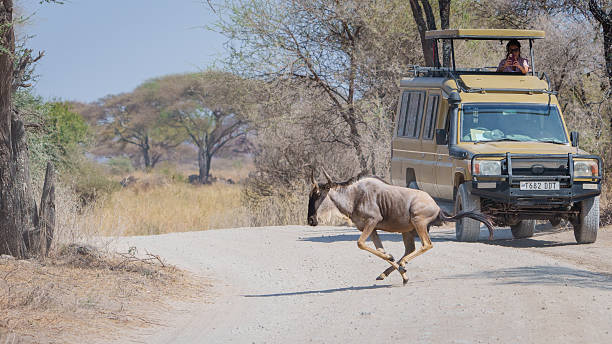
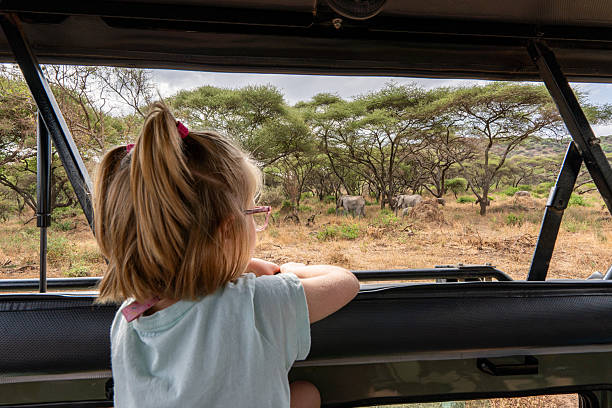
A family safari from Moshi offers a unique opportunity to introduce your children to the wonders of African wildlife and diverse cultures. Moshi, a vibrant town nestled at the foot of Mount Kilimanjaro, serves as an excellent gateway to some of Tanzania’s most iconic safari destinations. This guide is designed to help you plan every aspect of your family safari, ensuring a safe, engaging, and memorable experience for all ages. We will cover itinerary planning, essential packing, understanding seasonality, budgeting considerations, and choosing the right tour operator for your family safari from Moshi adventure in 2026 and 2027.
Table of Contents
- Quick Facts: Family Safari from Moshi
- Family Safari from Moshi: An Overview
- Why Choose a Family Safari from Moshi?
- Best Time for a Family Safari from Moshi
- Key Safari Destinations Accessible from Moshi
- Sample Family Safari Itinerary (7 Days)
- What to Expect on Your Family Safari
- Typical Inclusions and Exclusions
- Essential Packing List for Families
- Pre-Safari Preparation and Health Advice
- Common Mistakes to Avoid When Planning
- Who is a Family Safari from Moshi Best Suited For?
- Alternatives to a Standard Family Safari from Moshi
- Planning Your Family Safari for 2026-2027
- Booking Your Family Safari from Moshi
- Frequently Asked Questions (FAQs)
Quick Facts: Family Safari from Moshi
| Aspect | Details |
|---|---|
| Starting Point | Moshi, Tanzania |
| Primary Activities | Wildlife viewing, game drives, cultural visits, nature walks. |
| Key Nearby Parks | Tarangire National Park, Lake Manyara National Park, Serengeti National Park (Central/North), Ngorongoro Conservation Area. |
| Ideal Duration | 5-10 days for a comprehensive experience. |
| Best Age Group | Generally 6+ years old, depending on child’s temperament and interest. Shorter trips can work for younger children. |
| Accommodation Types | Lodges, tented camps (family rooms available), budget guesthouses. |
| Seasonality | Dry seasons (June-October, December-February) are popular for wildlife viewing. Wet seasons offer lush landscapes and fewer crowds. |
| Logistics | Typically involves private 4×4 safari vehicles with experienced drivers/guides. |
Family Safari from Moshi: An Overview
A family safari from Moshi is more than just a vacation; it’s an educational journey into the heart of East Africa’s incredible biodiversity. Moshi’s strategic location provides convenient access to the Northern Circuit of Tanzania’s world-renowned national parks and conservation areas. This circuit includes gems like Tarangire, Lake Manyara, and the Ngorongoro Crater, culminating in the vast plains of the Serengeti. Planning a safari with children requires careful consideration of their interests, stamina, and safety. This guide aims to equip you with the knowledge needed to craft an itinerary that balances thrilling wildlife encounters with comfortable accommodations and engaging activities suitable for all family members.
The experience typically involves staying in lodges or tented camps, often with family-friendly amenities, and venturing out on game drives in specially equipped 4×4 safari vehicles. The goal is to create an immersive yet manageable adventure, allowing children to witness iconic animals like lions, elephants, giraffes, and zebras in their natural habitat, fostering a lifelong appreciation for nature and conservation.
Why Choose a Family Safari from Moshi?
Moshi offers distinct advantages for families planning a safari:
- Proximity to Northern Circuit Parks: Moshi is a practical starting point for exploring the highly sought-after Northern Circuit parks, which are renowned for their abundant wildlife and diverse landscapes. This reduces initial travel time within Tanzania.
- Gateway to Kilimanjaro: While the safari is the focus, the majestic presence of Mount Kilimanjaro provides a stunning backdrop and an opportunity for pre- or post-safari cultural immersion in the Chagga community.
- Variety of Wildlife and Scenery: The Northern Circuit offers a remarkable range of ecosystems, from the baobab-studded plains of Tarangire to the rift valley escarpment of Lake Manyara and the unique crater environment of Ngorongoro.
- Established Tourism Infrastructure: The region has a well-developed tourism infrastructure, meaning reliable services, experienced guides, and a good selection of family-friendly accommodations are readily available.
- Cultural Experiences: Beyond wildlife, families can engage with local communities, visit coffee plantations, or learn about Maasai culture, adding educational depth to the trip.
Benefits for Children
A safari is an unparalleled educational experience for children:
- Real-World Learning: It brings nature documentaries to life, teaching children about ecosystems, animal behavior, and conservation in a tangible way.
- Fosters Curiosity and Wonder: Witnessing wild animals up close sparks imagination and a sense of awe about the natural world.
- Develops Empathy: Understanding the lives of animals and the importance of their habitats can cultivate empathy and respect for living creatures.
- Encourages Adventure: It provides a sense of adventure and accomplishment, building confidence and resilience.
- Family Bonding: Shared experiences in a unique environment create strong, lasting family memories.
Best Time for a Family Safari from Moshi
The ideal timing for your family safari from Moshi depends on your priorities, particularly regarding weather and wildlife viewing. Tanzania experiences distinct wet and dry seasons, each offering a different safari experience.
| Period | Weather | Wildlife Viewing | Crowds | Vegetation | Considerations for Families |
|---|---|---|---|---|---|
| June – October (Dry Season) | Cooler temperatures, minimal rain, sunny days. | Excellent. Animals congregate around water sources, making them easier to spot. Migration often in Serengeti. | High. Popular period, book well in advance. | Drier, sparser vegetation aids visibility. | Ideal for consistent game viewing. Cooler mornings/evenings might require layers for children. Book accommodation and guides early for 2026-2027. |
| November (Short Rains) | Intermittent, short-lived showers. Warmer. | Good, but animals may disperse slightly. | Moderate. Fewer tourists. | Greening landscape. | Can be a good shoulder season for value, but rain can disrupt game drives. |
| December – February (Dry/Hot Season) | Hot, dry weather. Occasional showers. | Very good. Animals still concentrated. calving season in Serengeti. | High. Especially around Christmas/New Year. | Dry, dusty. | Excellent wildlife viewing. Can be very hot, ensure plenty of water and sun protection for children. Book early for 2027. |
| March – May (Long Rains) | Heavy, prolonged rainfall. Humid. | Fair. Animals spread out, lush vegetation can obscure views. | Low. Fewest tourists. | Lush, green, beautiful. | Quietest and potentially most affordable time. Rain can impact road conditions and game drives. May be less ideal for very young children due to potential disruptions. |
Recommendation for Families: The dry seasons (June-October and December-February) generally offer the most reliable wildlife viewing conditions, which is often a priority for families. However, if you prefer fewer crowds and don’t mind the possibility of rain, the shoulder months or even the green season can be rewarding.
Key Safari Destinations Accessible from Moshi
Moshi serves as an excellent springboard for exploring Tanzania’s Northern Circuit. Here are the primary parks and conservation areas you can visit:
Tarangire National Park
- Highlights: Famous for its large elephant herds, iconic baobab trees, and diverse birdlife. The Tarangire River is a crucial water source, attracting animals, especially during the dry season.
- Family Appeal: Excellent for spotting elephants up close. The landscape is open, offering good visibility. Often less crowded than Serengeti.
- Best Time: June to October for elephant viewing.
Lake Manyara National Park
- Highlights: Known for its tree-climbing lions (though sightings are not guaranteed), large troops of baboons, flamingos (seasonal), and diverse habitats including groundwater forest, acacia woodlands, and rift valley escarpment.
- Family Appeal: Compact size makes it manageable for shorter game drives. The groundwater forest is beautiful and offers different wildlife viewing opportunities. Good for spotting giraffes and monkeys.
- Best Time: Year-round, though birdlife is best during the wet season. Dry season offers concentrated wildlife.
Ngorongoro Conservation Area (and Crater)
- Highlights: A UNESCO World Heritage Site, home to the Ngorongoro Crater, a collapsed volcano caldera teeming with wildlife. It boasts one of the highest densities of predators in Africa, including the rare black rhino.
- Family Appeal: The dense concentration of animals in a contained area makes sightings highly probable, which is very exciting for children. The sheer scale of the crater is breathtaking.
- Best Time: Year-round. The crater floor offers excellent game viewing regardless of season.
- Note: Entry into the crater is timed and has restrictions to protect the ecosystem.
Serengeti National Park
- Highlights: Vast plains offering classic safari landscapes. Famous for the Great Migration of wildebeest and zebras, and its large lion and cheetah populations.
- Family Appeal: Offers the quintessential safari experience. The sheer scale and abundance of wildlife are awe-inspiring. Different regions offer different experiences (central, north, south).
- Best Time: Year-round, but specific areas are best depending on the migration. Central Serengeti (Seronera) is good year-round for predators. Northern Serengeti is best for river crossings (July-October). Southern Serengeti is best for calving season (January-March).
Optional Add-ons
- Mto wa Mbu Village: A culturally diverse village near Lake Manyara, offering opportunities for walking tours, visiting local farms, and experiencing local life.
- Cultural Heritage Centre (Arusha): If your itinerary starts or ends near Arusha, this center offers insights into Tanzanian art and culture.
Route Logic: A common route starting from Moshi might be: Moshi -> Tarangire -> Lake Manyara -> Ngorongoro Crater -> Serengeti -> return to Moshi/Arusha. The order can be adjusted based on time and preferences.
Sample Family Safari Itinerary (7 Days)
This sample itinerary balances wildlife viewing with travel time, suitable for families. It assumes arrival and departure from Kilimanjaro International Airport (JRO), which is accessible from Moshi.
| Day | Location | Activities | Accommodation Type Suggestion |
|---|---|---|---|
| Day 1 | Moshi to Tarangire NP | Morning drive to Tarangire. Afternoon game drive. Focus on elephants and baobabs. | Tented Camp/Lodge near park gate. |
| Day 2 | Tarangire NP | Full day game drive in Tarangire. Explore different areas of the park. | Tented Camp/Lodge near park gate. |
| Day 3 | Tarangire to Lake Manyara NP / Karatu | Morning game drive in Tarangire (optional). Drive to Lake Manyara. Afternoon game drive in Lake Manyara, looking for tree-climbing lions and diverse birdlife. Or stay in Karatu for easier Ngorongoro access. | Lodge/Tented Camp near Lake Manyara or in Karatu. |
| Day 4 | Ngorongoro Conservation Area | Descend into the Ngorongoro Crater for a full morning game drive. Search for the Big Five. Picnic lunch on the crater floor. Afternoon ascent and drive to Karatu/Arusha. | Lodge/Guesthouse in Karatu or Arusha. |
| Day 5 | Karatu/Arusha to Serengeti NP (Central) | Drive to Serengeti National Park, stopping at Olduvai Gorge (optional). Afternoon game drive en route to accommodation. | Lodge/Tented Camp in Central Serengeti. |
| Day 6 | Serengeti National Park (Central) | Full day game drive in Central Serengeti. Focus on predators and general game. Option for an early morning hot air balloon safari (extra cost, highly recommended for families if budget allows). | Lodge/Tented Camp in Central Serengeti. |
| Day 7 | Serengeti NP to Moshi/Arusha | Morning game drive in Serengeti. Drive back towards Arusha/Moshi, potentially with a final stop at a craft market. Transfer to airport or overnight stay. | N/A (Departure or onward travel). |
Customization: This is a template. For younger children, consider shorter park visits or more relaxed pacing. For older, more adventurous families, you could extend time in Serengeti or add another park.
What to Expect on Your Family Safari
A family safari from Moshi is an immersive experience. Here’s what you can generally anticipate:
- Early Mornings: Safaris often start early to catch animals when they are most active and to make the most of daylight hours. Your guide will coordinate wake-up calls.
- Game Drives: These are conducted in open-top 4×4 safari vehicles, allowing for unobstructed views and photography. Drives can last anywhere from a few hours to a full day, with breaks for meals and stretching.
- Wildlife Encounters: Expect to see a wide array of animals. While iconic sightings like lions, elephants, giraffes, zebras, and buffalo are common, spotting rarer animals like leopards or rhinos requires patience and luck. The thrill of the unexpected is part of the adventure.
- Accommodation: Lodges offer hotel-like amenities with pools and restaurants. Tented camps provide a closer-to-nature experience with comfortable canvas tents, often with en-suite bathrooms and proper beds. Family rooms or adjoining rooms are usually available.
- Meals: Meals are typically taken at your lodge/camp or as picnic lunches during full-day game drives. Expect hearty, often buffet-style meals, with options catering to various dietary needs if communicated in advance.
- Guide Interaction: Your safari guide is your expert companion. They are knowledgeable about wildlife, local culture, and safety. Engage with them, ask questions, and share your family’s interests.
- Pace: While safaris involve a lot of driving, the pace is usually adjusted for families. There will be opportunities to stop, observe, and take breaks.
- Connectivity: Mobile phone service and Wi-Fi can be spotty or unavailable in national parks. Embrace the opportunity to disconnect and be present.
Managing Expectations with Children
- Patience: Wildlife sightings require patience. Explain to children that animals move on their own schedules.
- Safety Briefings: Listen carefully to your guide’s safety instructions, especially regarding staying inside the vehicle.
- Engagement: Bring binoculars for kids, encourage them to keep a wildlife checklist, or have them draw pictures of animals they see.
- Downtime: Ensure there’s time for relaxation at the lodge, especially during the hottest parts of the day. Pools are a great asset for family-friendly lodges.
Typical Inclusions and Exclusions
Understanding what your safari package covers is crucial for budgeting and planning. Here’s a general guide:
| Common Inclusions | Common Exclusions |
|---|---|
| Park entry fees | International flights |
| Crater service fees (Ngorongoro) | Visa fees |
| Accommodation (as per itinerary) | Travel insurance |
| All meals (breakfast, lunch, dinner) during the safari | Gratuities for guides, drivers, and lodge staff |
| Private 4×4 safari vehicle with driver/guide | Personal expenses (souvenirs, laundry, tips) |
| Drinking water during game drives | Alcoholic and soft drinks (unless specified) |
| Airport transfers (if arranged) | Optional activities like hot air balloon safaris, cultural visits (sometimes extra) |
| Government taxes and levies | Pre/post-safari accommodation in Moshi/Arusha (unless booked) |
Note: Always confirm specific inclusions and exclusions with your tour operator. For a family safari, confirm if children’s rates apply to park fees or accommodation.
Essential Packing List for Families
Packing smart ensures comfort and preparedness for your family safari. Layers are key, as temperatures can vary significantly from morning to afternoon.
| Category | Items | Notes for Families |
|---|---|---|
| Clothing | Lightweight, neutral-colored long-sleeved shirts and trousers (khaki, beige, green). T-shirts. Fleece jacket or warm sweater. Light waterproof jacket. Comfortable shorts (for lodge wear). Pajamas. | Avoid bright colors and dark blue/black (can attract tsetse flies). Pack enough changes as laundry services can be limited or costly. Ensure clothes are breathable. |
| Footwear | Comfortable walking shoes or hiking boots (broken in). Sandals or flip-flops (for lodge). Extra socks. | Sturdy shoes are essential for any walking safaris or exploring lodge grounds. Comfortable shoes for kids are a must. |
| Headwear & Sun Protection | Wide-brimmed hat or cap. Sunglasses. High SPF sunscreen. Lip balm with SPF. | Children’s skin is more sensitive; ensure hats and sunscreen are applied diligently. A neck gaiter can be useful for sun protection. |
| Health & Toiletries | Personal medications (with prescriptions). Basic first-aid kit (band-aids, antiseptic wipes, pain relievers, motion sickness medication, insect repellent with DEET). Hand sanitizer. Wet wipes. Toiletries (biodegradable if possible). | Consult your doctor about malaria prophylaxis and vaccinations well in advance. Pack child-specific medications. Hand sanitizer is crucial for hygiene between game drives and meals. |
| Gear & Accessories | Binoculars (at least one pair per adult/older child). Camera with extra batteries and memory cards. Power bank or adapter for charging devices. Headlamp or flashlight. Reusable water bottles. Small backpack for day trips. Travel-sized games or books. | Binoculars are invaluable for spotting wildlife. Ensure you have enough power sources as electricity can be intermittent. Books or quiet games can entertain children during downtime. A small backpack is useful for carrying snacks, water, and personal items on game drives. |
| Documents | Passports (with at least 6 months validity). Visas (if required). Flight details. Vaccination certificates. Copies of all important documents (stored separately). Insurance details. Emergency contact information. | Keep copies of passports and visas separate from the originals. A digital copy on your phone or cloud storage is also wise. |
Kids-Specific Items
- Comfortable, familiar pajamas.
- A favorite small toy or blanket for comfort.
- Snacks they particularly like (though your tour operator will provide food, familiar snacks can be reassuring).
- Child-friendly insect repellent and sunscreen.
- A small notebook and colored pencils for drawing wildlife.
Pre-Safari Preparation and Health Advice
Proper preparation is key to a smooth and healthy family safari.
Health Precautions
- Consult Your Doctor: Visit your doctor or a travel clinic 6-8 weeks before your trip. Discuss necessary vaccinations (e.g., Hepatitis A, Typhoid, Tetanus) and malaria prevention. Get advice specific to your children’s health status.
- Malaria: Tanzania is a malaria-risk area. Your doctor will prescribe appropriate antimalarial medication. Follow the dosage instructions carefully for all family members.
- Insect Protection: Use insect repellent containing DEET (or Picaridin for younger children, check age recommendations) on exposed skin, especially during dawn and dusk. Wear long sleeves and trousers. Sleep under mosquito nets provided in accommodations.
- Sun Protection: The equatorial sun is intense. Use high SPF sunscreen, wear hats, and sunglasses. Stay hydrated.
- Food and Water Safety: Drink only bottled or purified water. Be cautious with uncooked foods. Most safari lodges and reputable operators adhere to high hygiene standards.
- First-Aid Kit: Pack a comprehensive kit including essentials for common ailments and minor injuries. Include any prescription medications your family needs.
Travel Insurance
Comprehensive travel insurance is non-negotiable for a family safari. Ensure it covers:
- Medical emergencies and evacuation (including remote areas).
- Trip cancellation or interruption.
- Lost or delayed luggage.
- Activities like game drives.
Involving Children in Planning
Get your children excited and prepared by involving them:
- Read Books: Share age-appropriate books about African animals and safaris.
- Watch Documentaries: Watch nature documentaries about Tanzania or the animals they might see.
- Learn Phrases: Teach them a few basic Swahili phrases like ‘Jambo’ (Hello) or ‘Asante’ (Thank you).
- Discuss Expectations: Talk about what they might see, the importance of listening to the guide, and the need for patience.
Common Mistakes to Avoid When Planning
To ensure your family safari from Moshi is as smooth as possible, be aware of these common pitfalls:
- Over-scheduling: Trying to cram too many parks or activities into a short period can lead to exhaustion, especially for children. Allow for downtime and flexibility.
- Underestimating Travel Times: Distances in Tanzania can be significant, and road conditions can vary. Factor in realistic travel times between destinations.
- Ignoring Seasonality: Planning a safari during the peak of the rainy season might lead to travel disruptions and reduced wildlife visibility.
- Not Choosing the Right Operator: Selecting a budget operator without checking their safety record, vehicle maintenance, and guide qualifications can compromise your experience and safety. Always look for reputable companies experienced with families.
- Inadequate Packing: Forgetting essential items like sun protection, insect repellent, or layers of clothing can make the trip uncomfortable.
- Not Discussing Needs with Operator: Failing to mention specific family needs (e.g., dietary restrictions, children’s ages, mobility issues) in advance can lead to issues upon arrival.
- Focusing Only on the Big Five: While exciting, a safari offers so much more. Encourage children to appreciate smaller creatures, birds, insects, and the unique flora.
- Skipping Travel Insurance: This is a critical oversight that can lead to significant financial loss and stress in case of unforeseen events.
Who is a Family Safari from Moshi Best Suited For?
A family safari from Moshi is ideal for:
- Families seeking educational adventure: It’s a living classroom where children learn about wildlife, ecosystems, and conservation firsthand.
- Parents wanting to foster a love for nature: It’s a powerful way to connect children with the natural world and inspire environmental stewardship.
- Families with children aged 6 and above: While younger children can participate in shorter trips, older children (6+) generally have the patience and interest to fully engage with game drives and the safari experience.
- Adventurous families: Those who appreciate outdoor experiences and are comfortable with a certain level of unpredictability inherent in wildlife viewing.
- Families looking for a unique bonding experience: The shared memories and challenges overcome on safari create strong family connections.
- Those interested in iconic African wildlife: Tanzania’s Northern Circuit offers some of the best chances to see a vast array of animals in spectacular settings.
Considerations for younger children: If you have very young children (under 5), consider shorter safaris (3-4 days), lodges with excellent facilities and pools for downtime, and potentially avoiding the Ngorongoro Crater descent due to its strict time limits and bumpy roads. Focus on parks like Lake Manyara which are more compact.
Alternatives to a Standard Family Safari from Moshi
While the Northern Circuit is superb, other options exist:
- Southern Circuit (Selous/Ruaha): Less crowded, more off-the-beaten-path. Offers boat safaris (Selous) and walking safaris, which can be unique. However, it’s further from Moshi and requires more travel time.
- Zanzibar with a Day Trip: Combine a relaxing beach holiday in Zanzibar with a short, chartered flight to a nearby park like Selous for a brief safari experience. This offers a different pace and less travel overland.
- Short Safaris from Moshi: If time is limited, focus on 1-2 parks like Tarangire and Lake Manyara for a 3-4 day trip.
- Cultural Focus: For families prioritizing culture, shorter trips focusing on village visits around Moshi, perhaps combined with a day trip to Arusha National Park, could be an option.
Planning Your Family Safari for 2026-2027
Planning ahead is essential, especially for popular travel periods. Here’s a timeline and key considerations for booking your family safari from Moshi for 2026 and 2027.
Booking Timeline
- 12-18 Months in Advance: For peak seasons (June-October, December-February) in 2026 or 2027, especially if you have specific accommodation preferences or are a larger family needing multiple rooms, start researching and contacting operators. This is also the time to book popular activities like hot air balloon safaris.
- 6-9 Months in Advance: Secure your preferred tour operator and finalize your itinerary. This ensures you get the best guides and accommodation options. Book international flights.
- 3-4 Months in Advance: Confirm all details with your operator. Start preparing necessary documents like passports and visas. Begin researching health requirements and booking doctor’s appointments.
- 1-2 Months in Advance: Purchase travel insurance. Buy essential gear and clothing. Start packing non-essential items.
- 1-2 Weeks Before Departure: Finalize packing. Confirm flight details. Exchange some currency. Ensure all medications are packed.
Budgeting Considerations for 2026-2027
Safari costs can vary significantly. Key factors influencing price include:
- Accommodation Level: Mid-range lodges and tented camps are more affordable than luxury options.
- Duration of Safari: Longer trips naturally cost more.
- Number of Parks: Visiting more parks increases park fees and travel time.
- Vehicle Type: While most operators use 4x4s, some premium services might offer more specialized vehicles.
- Season: Peak season prices are higher.
- Group Size: A private safari is priced per vehicle, so larger families can sometimes achieve a lower per-person cost than a couple.
Note on Pricing: Exact prices fluctuate. A mid-range 7-day family safari from Moshi could range broadly, but expect costs to cover park fees, accommodation, meals, vehicle, and guide. Always get a detailed quote. For 2026-2027, anticipate potential increases due to inflation and demand.
Choosing Family-Friendly Lodges
When booking for 2026 or 2027, look for lodges that offer:
- Family rooms or adjoining rooms.
- Kid-friendly menus or flexible meal times.
- Swimming pools.
- Activities suitable for children (e.g., nature walks with guides, cultural interactions).
- Safe environments with secure boundaries.
Booking Your Family Safari from Moshi
Choosing the right tour operator is paramount for a successful family safari from Moshi. Here’s how to approach it:
Vetting Tour Operators
- Experience with Families: Look for operators who explicitly mention family safaris and can provide references or testimonials from other families.
- Reputation and Reviews: Check online reviews on platforms like TripAdvisor, but also look for reviews on their website or industry-specific forums.
- Safety Standards: Inquire about their vehicle maintenance, guide training (first aid, wildlife knowledge), and emergency protocols.
- Communication: A good operator will be responsive, answer all your questions thoroughly, and be transparent about costs and inclusions.
- Customization: Ensure they can tailor an itinerary to your family’s specific needs and interests.
Direct Booking vs. Agents
Booking directly with a Tanzanian tour operator like Best Tanzania Tour Operator can often provide better value and direct communication. You work with the people on the ground who manage the logistics.
Key Questions to Ask Your Operator:
- What is the average age of children they typically cater to?
- What are the vehicle specifications for families (e.g., number of seats, window access)?
- What are the meal options for children with dietary restrictions or picky eaters?
- What is the cancellation policy, especially concerning family-specific circumstances?
- Can you provide a sample itinerary tailored for a family with children of [specific ages]?
- What are the typical group sizes for shared safaris (if not booking private)?
Contract and Payment
Ensure you receive a detailed contract outlining the itinerary, inclusions, exclusions, and payment schedule. Reputable operators will require a deposit and the balance payment closer to the travel date. Be wary of operators demanding full payment upfront, especially if they lack a strong online presence and verified reviews.
Ready to Plan Your Family Safari?
At Best Tanzania Tour Operator, we specialize in crafting unforgettable safari experiences tailored for families. We understand the unique needs of traveling with children and are dedicated to providing safe, engaging, and memorable adventures. We can help you plan your family safari from Moshi for 2026 or 2027.
Contact us today to start designing your dream family safari:
- WhatsApp: +255616946642
- Email: topguideadventures@gmail.com
- Backup Email: info@topguideadventures.com
Frequently Asked Questions (FAQs)
Q1: What is the best age for a child to go on safari?
Generally, children aged 6 and above tend to enjoy and benefit most from a safari, as they have the patience for game drives and can appreciate the wildlife. However, younger children can also participate in shorter safaris or trips with a more relaxed pace, provided parents manage expectations and ensure comfort. Always consult with your tour operator about age suitability for specific itineraries.
Q2: Are safaris safe for families with young children?
Yes, safaris can be very safe for families when planned correctly. Reputable tour operators prioritize safety with well-maintained vehicles, experienced guides trained in first aid, and adherence to park rules. It’s crucial to listen to your guide’s instructions, especially regarding staying within the vehicle and not approaching wildlife. Choosing family-friendly lodges with secure grounds also adds to safety.
Q3: What are the biggest risks on a family safari?
The primary risks are health-related (malaria, sunstroke, food/waterborne illnesses) and related to wildlife encounters if rules are not followed. Reputable operators mitigate these risks through health advice, providing safe food/water, and enforcing safety protocols during game drives. Children’s safety is paramount, and guides are trained to manage interactions with animals responsibly.
Q4: Can we see the Big Five on a family safari from Moshi?
The Northern Circuit, accessible from Moshi, offers excellent chances to see the Big Five (Lion, Leopard, Elephant, Rhino, Buffalo). The Ngorongoro Crater is particularly renowned for its high density of these animals, including the critically endangered black rhino. While sightings are not guaranteed, especially for leopards and rhinos, the Serengeti and other parks also provide great opportunities.
Q5: How much does a family safari from Moshi cost?
Costs vary widely based on accommodation standard, duration, and season. A mid-range 7-day family safari from Moshi typically ranges from $2,500 to $4,500 per person, though this is an estimate. This usually includes park fees, accommodation, meals, vehicle, and guide. International flights, visas, tips, and personal expenses are extra. It’s best to get a personalized quote for 2026-2027.
Q6: What should I pack for my children on safari?
Pack light, neutral-colored clothing, layers for varying temperatures, comfortable walking shoes, sun hats, sunglasses, high SPF sunscreen, and insect repellent. Binoculars are a must for kids. Include any personal medications, a basic first-aid kit, and entertainment for downtime (books, small games). Reusable water bottles are also recommended.
Q7: How long should a family safari be?
For a good overview of the Northern Circuit, 7 to 10 days is ideal. This allows for visits to 3-4 key parks (e.g., Tarangire, Lake Manyara, Ngorongoro, Serengeti) without feeling rushed. Shorter trips of 4-5 days focusing on 1-2 parks are also possible if time is limited.
Q8: Can we book a family safari from Moshi for 2026 or 2027?
Yes, absolutely. Planning for 2026 and 2027 is highly recommended, especially if you aim for peak travel seasons. Booking 6-12 months in advance is advisable to secure preferred accommodations and guides. Contacting reputable tour operators early is the best approach.
Q9: What are the most family-friendly parks near Moshi?
Tarangire National Park is excellent for elephant sightings and has a more relaxed feel. Lake Manyara National Park is compact with diverse habitats and good for spotting monkeys and birds. The Ngorongoro Crater offers high chances of seeing many animals in one go, which is exciting for kids. Serengeti provides the iconic vast plains experience.
Q10: What if my child gets sick on safari?
Reputable tour operators have emergency protocols. They can arrange for a guide to take your child to the nearest medical facility or arrange for evacuation if necessary. Ensuring you have comprehensive travel insurance that covers medical evacuation is critical for peace of mind.
Plan Your Unforgettable Family Safari from Moshi
A family safari from Moshi offers an unparalleled opportunity for adventure, education, and bonding. By carefully planning your itinerary, packing appropriately, and choosing a trusted tour operator, you can create lasting memories for your family. Whether you’re dreaming of seeing lions on the savanna or elephants by a baobab tree, Tanzania’s Northern Circuit awaits.
Let us help you craft the perfect family adventure. We specialize in creating customized safari experiences that cater to the needs and interests of every family member. Get in touch with our expert team to start planning your dream safari for 2026 or 2027.
Contact Us Today:
- WhatsApp: +255616946642
- Email: topguideadventures@gmail.com
- Backup Email: info@topguideadventures.com
Plan your Family Safari From Moshi with Top Guide Adventures
Tell us your travel dates, group size, comfort level, and dream experience. We will help you shape a clear, realistic, and memorable Tanzania itinerary.







 Veedesigner
 Fatma Kizanga
 Benjamin Waryuba
 Philip Philip
 John jr Itaja
 Antonia Optatus
 Edith Kanyere
 Neema Iddy
 Kelvin Boniphace
 Damari Maiga



