
Updated planning guide for 2026, 2027-2028
Tarangire And Lake Manyara Safari From Moshi: Best Guide 2026-2027-2028
Your comprehensive guide to experiencing the wonders of Tarangire National Park and Lake Manyara National Park on a safari starting from Moshi. Get detailed planning, itinerary, and booking information for 2026-2027.
WhatsApp +255616946642 | topguideadventures@gmail.com | info@topguideadventures.com
Tarangire and Lake Manyara Safari From Moshi: Your Ultimate Planning Guide
For travelers beginning their Tanzanian adventure in Moshi, the gateway to Mount Kilimanjaro, a safari to the iconic Tarangire and Lake Manyara National Parks offers an incredible introduction to East Africa’s wildlife. This guide provides an in-depth look at planning and experiencing a safari to these two distinct yet equally captivating destinations, starting directly from Moshi. We cover everything you need to know for a memorable 2026-2027 adventure.
Combining Tarangire, known for its vast elephant herds and baobab trees, with Lake Manyara, famous for its tree-climbing lions and vibrant birdlife, creates a rich and diverse safari experience. Many travelers choose to start their Northern Circuit safari from Moshi due to its proximity to Kilimanjaro International Airport (JRO) and its role as a trekking hub. This itinerary logic makes a Tarangire and Lake Manyara safari from Moshi a practical and rewarding choice.
Quick Answers for Your Safari Planning
Here are some immediate answers to common questions about a Tarangire and Lake Manyara safari from Moshi:
- Duration: Typically 2 to 4 days, depending on how you wish to explore each park.
- Best Time to Visit: The dry seasons (June to October and December to February) offer excellent game viewing, especially for elephants in Tarangire.
- Starting Point: Moshi, Tanzania.
- Ending Point: Can be Arusha, Moshi, or continuing to other safari destinations.
- Key Wildlife: Elephants, lions, leopards, giraffes, zebras, wildebeest, diverse birdlife, flamingos (seasonal in Lake Manyara).
- Accommodation: Ranges from budget-friendly lodges and tented camps to luxury lodges.
Table of Contents
- Overview: Tarangire & Lake Manyara National Parks
- Why Start Your Safari From Moshi?
- Quick Facts: Tarangire & Lake Manyara
- Best Time to Go: Seasonality for Wildlife Viewing
- Route Overview: Moshi to Tarangire & Lake Manyara
- Sample Safari Itinerary: 3-Day Tarangire & Lake Manyara Tour
- What to Expect on Safari: Wildlife & Landscape
- Park Highlights: Tarangire vs. Lake Manyara
- Accommodation Options
- Typical Safari Inclusions & Exclusions
- Packing & Preparation Essentials
- Common Mistakes to Avoid
- Who is This Safari Best Suited For?
- Alternatives & Extensions
- Planning Your 2026-2027 Safari
- Booking Your Safari: Expert Tips
- Frequently Asked Questions (FAQs)
- Ready to Book Your Tarangire and Lake Manyara Safari From Moshi?
Overview: Tarangire & Lake Manyara National Parks
Tanzania’s Northern Safari Circuit is world-renowned, and Tarangire and Lake Manyara are crucial components of this classic route. These parks, while smaller than Serengeti or Ngorongoro Crater, offer concentrated wildlife viewing experiences and distinct ecosystems.
- Tarangire National Park: Spanning over 2,850 square kilometers, Tarangire is most celebrated for its massive elephant populations, particularly during the dry season when they congregate around the Tarangire River. The park’s landscape is dotted with ancient baobab trees, giving it a unique, prehistoric feel. Other prominent wildlife includes lions, leopards, cheetahs, giraffes, zebras, and a staggering variety of bird species.
- Lake Manyara National Park: This park is a gem, famous for its shallow, alkaline lake that attracts thousands of flamingos seasonally. The park’s dense woodland supports a variety of wildlife, including a healthy population of baboons, as well as elephants and giraffes. Lake Manyara is also one of the few places where you might spot the elusive tree-climbing lions, a behavior not commonly seen elsewhere. Its compact size makes it ideal for shorter game drives.
Why Start Your Safari From Moshi?
Moshi serves as an excellent starting point for a Tarangire and Lake Manyara safari for several strategic reasons:
- Proximity to JRO Airport: Kilimanjaro International Airport (JRO) is conveniently located between Moshi and Arusha, making it easy for international arrivals to connect directly to Moshi for an overnight stay or immediate departure.
- Kilimanjaro Trekking Hub: For many, a safari is part of a larger Tanzanian adventure that includes climbing Mount Kilimanjaro. Moshi is the primary base for most Kilimanjaro expeditions, so starting your safari here aligns logistically with trekking plans.
- Established Infrastructure: Moshi has a well-developed tourism infrastructure with numerous hotels, lodges, and reputable tour operators ready to organize safaris.
- Gateway to Northern Circuit: From Moshi, it’s a straightforward drive to Arusha, which is the traditional starting point for the Northern Circuit. This allows for a smooth transition into the safari circuit.
- Shorter Travel Times: Beginning in Moshi can sometimes offer slightly shorter initial travel times to the parks compared to starting from Arusha, depending on the specific lodge and road conditions.
Quick Facts: Tarangire & Lake Manyara
| Feature | Tarangire National Park | Lake Manyara National Park |
|---|---|---|
| Location | South-west of Arusha | South-west of Arusha, en route to Serengeti |
| Size | Approx. 2,850 sq km (1,100 sq mi) | Approx. 325 sq km (125 sq mi) |
| Key Attractions | Large elephant herds, baobab trees, diverse birdlife, riverine areas | Tree-climbing lions, flamingos (seasonal), diverse birdlife, dense woodland, escarpment views |
| Terrain | Savanna, grasslands, woodlands, river valleys | Woodland, grassland, swamp, alkaline lake |
| Wildlife Density | High, especially during dry season | High in specific habitats, compact park |
| Typical Safari Duration | 1-2 days | Half-day to 1 day |
Best Time to Go: Seasonality for Wildlife Viewing
The timing of your Tarangire and Lake Manyara safari from Moshi significantly impacts wildlife viewing. Tanzania experiences distinct wet and dry seasons, each offering unique advantages.
Dry Seasons (June – October & December – February)
- Pros: This is generally considered the prime time for safaris. Wildlife congregates around permanent water sources, making them easier to spot. In Tarangire, the dry season sees massive herds of elephants moving towards the Tarangire River. Vegetation thins out, improving visibility. Lake Manyara’s birdlife is also often more concentrated. Roads are typically in better condition.
- Cons: This is also peak tourist season, meaning higher demand and potentially more crowded parks. Accommodation prices can be higher.
Green Seasons (November & March – May)
- Pros: These are shoulder seasons offering a more relaxed experience with fewer tourists. The landscape is lush and green, making for beautiful photographic opportunities. Prices for accommodation and tours may be lower. It’s an excellent time for birdwatching, especially for migratory birds.
- Cons: Wildlife can be more dispersed as water is abundant. Some roads may become challenging to navigate due to rain, potentially affecting game drive accessibility. The long rains (March-May) can be substantial.
For 2026 and 2027: If your priority is seeing large elephant herds in Tarangire, aim for the dry season months of July to October 2026 or 2027. If you prefer fewer crowds and lush scenery and are less concerned about concentrated elephant herds, consider the shoulder months like November 2026 or March/April 2027.
Route Overview: Moshi to Tarangire & Lake Manyara
The typical route for a Tarangire and Lake Manyara safari starting from Moshi involves driving south towards Arusha, then proceeding west and south-west to the parks. While a visual map isn’t possible here, imagine the following sequence:
Route Flow:
- Moshi: Start point. Overnight or depart.
- Arusha: A short drive (approx. 1-2 hours) from Moshi. Often a stop for supplies, a briefing, or to meet your guide.
- Tarangire National Park: Drive from Arusha (approx. 2-3 hours). Spend one or two days exploring.
- Lake Manyara National Park: Drive from Tarangire (approx. 1-1.5 hours) or directly from Arusha (approx. 1.5-2 hours). Spend half a day to a full day.
- Return Journey: From Lake Manyara, you can return to Arusha (approx. 1.5-2 hours) or Moshi (approx. 3-4 hours), or continue to your next destination (e.g., Ngorongoro Crater).
Note: Travel times are approximate and can vary based on road conditions and traffic.
Sample Safari Itinerary: 3-Day Tarangire & Lake Manyara Tour
This is a popular itinerary that balances time in both parks, offering a good overview of their unique offerings. This structure is common for 2026-2027 planning.
Day 1: Moshi to Tarangire National Park
- Morning: After breakfast in Moshi, meet your safari guide and vehicle. Depart for Tarangire National Park (approx. 3-4 hours total travel time including Arusha stop).
- Lunch: Enjoy a packed lunch en route or upon arrival at a picnic site.
- Afternoon: Game drive in Tarangire. Focus on the Tarangire River and its surrounding plains, where elephants, zebras, wildebeest, and numerous antelope species are often found. Look for the iconic baobab trees.
- Evening: Drive to your lodge or tented camp near Tarangire for dinner and overnight.
Day 2: Tarangire to Lake Manyara National Park
- Morning: Early morning game drive in Tarangire, perhaps exploring a different section of the park or seeking out predators like lions and leopards.
- Late Morning: After breakfast, depart Tarangire for Lake Manyara National Park (approx. 1-1.5 hours drive).
- Lunch: Enjoy lunch at a lodge or picnic site near Lake Manyara.
- Afternoon: Game drive in Lake Manyara National Park. Explore the forest-lined roads searching for tree-climbing lions, elephants, and baboons. Visit the lake shore to observe birdlife, including the seasonal flamingos.
- Evening: Drive to your lodge or tented camp located near Lake Manyara or continue towards Arusha/Moshi for overnight.
Day 3: Lake Manyara Exploration & Return to Moshi
- Morning: Depending on your previous day’s sightings and interests, you might have an early morning game drive in Lake Manyara or a leisurely breakfast.
- Late Morning: Begin your drive back towards Moshi (approx. 3-4 hours).
- Lunch: Stop for lunch in Arusha or on the way back to Moshi.
- Afternoon: Arrive back in Moshi, concluding your safari adventure.
This itinerary can be extended to 4 days for more in-depth exploration of Tarangire or to include a visit to Mto wa Mbu village for cultural insights.
What to Expect on Safari: Wildlife & Landscape
The landscapes and wildlife in Tarangire and Lake Manyara are distinct and offer varied safari experiences. Understanding these differences will enhance your anticipation and enjoyment.
Tarangire National Park
- Landscape: Dominated by vast, rolling savannas interspersed with acacia woodlands, riverine forests, and dramatic baobab trees. The Tarangire River is the park’s lifeline, especially during the dry season.
- Wildlife: Famous for its large herds of African elephants, which can number in the hundreds. You’ll also find significant populations of zebras, wildebeest, giraffes, impalas, and various other antelopes. Predators like lions, leopards, and cheetahs are present but can be more challenging to spot than in Serengeti. The birdlife is exceptional, with over 550 species recorded.
- Safari Experience: Game drives often involve following the river, where wildlife congregates. The open plains offer good visibility, while the woodlands can provide more intimate sightings. The sheer number of elephants is a major draw.
Lake Manyara National Park
- Landscape: A narrow strip of land between the Rift Valley escarpment and the shallow alkaline Lake Manyara. It features a dense groundwater forest, open grassy plains, and the lake itself.
- Wildlife: Known for its population of tree-climbing lions, a behavior attributed to the dense foliage and the desire to escape the heat or tsetse flies. Elephant herds are common, as are large troops of baboons. Giraffes are abundant and often seen feeding in the acacia trees. The lake is a magnet for birdlife, with thousands of flamingos, pelicans, and storks, particularly during certain times of the year.
- Safari Experience: The park is relatively small, making game drives feel more intimate. The dense forest canopy can create a unique atmosphere, and the escarpment provides scenic backdrops. The proximity of different habitats within a small area means you can see a variety of species in a single drive.
Park Highlights: Tarangire vs. Lake Manyara
While both parks are part of the Northern Circuit, they offer unique selling points for your 2026-2027 safari planning.
| Feature | Tarangire National Park | Lake Manyara National Park |
|---|---|---|
| Signature Sightings | Massive elephant herds, iconic baobab trees, diverse birdlife | Tree-climbing lions, large flamingo flocks (seasonal), abundant baboons |
| Landscape Variety | Open savannas, acacia woodlands, riverine areas | Groundwater forest, open plains, lake shore, Rift Valley escarpment |
| Best For | Elephant enthusiasts, photographers, birdwatchers, those seeking vast landscapes | First-time safari-goers, birdwatchers, those interested in unique lion behavior, scenic views |
| Typical Visit Duration | 1-2 full days | Half-day to 1 full day |
Accommodation Options
The range of accommodation available near Tarangire and Lake Manyara caters to various budgets and preferences. Staying inside the parks offers immersion, while lodges outside provide more amenities and sometimes better value.
- Luxury Lodges: Offering premium services, gourmet dining, spacious suites, and often private plunge pools. These are ideal for honeymooners or those seeking an indulgent experience.
- Mid-Range Tented Camps & Lodges: Comfortable canvas tents or permanent structures with en-suite bathrooms, offering a classic safari feel. They provide a good balance of comfort and authenticity.
- Budget Camps & Guesthouses: Simpler accommodations, often with shared facilities or basic amenities. These are suitable for travelers on a tighter budget who prioritize the safari experience itself.
- Park-Based vs. Outside Park: Lodges and camps located within the national parks offer the advantage of being closer to wildlife and allowing for early morning or late evening game drives. Those located just outside the park gates are often more affordable and may offer more diverse facilities, but require entry/exit each day.
Typical Safari Inclusions & Exclusions
Understanding what your safari package includes is crucial for budgeting and avoiding surprises. Most reputable operators will outline these clearly.
Common Inclusions:
- Park entrance fees
- Accommodation during the safari (as per your chosen package)
- All meals (breakfast, lunch, dinner) while on safari
- A professional, English-speaking safari guide
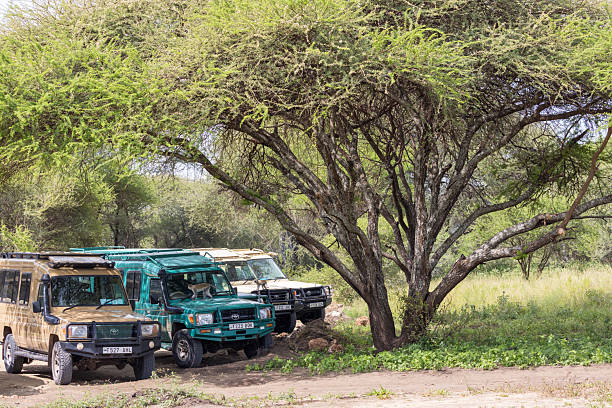
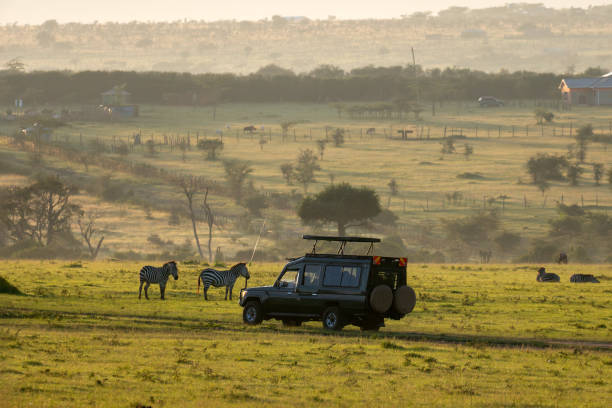
- A 4×4 safari vehicle with pop-up roof for game viewing
- Bottled water during game drives
- Game drives as per the itinerary
- Transfer from Moshi to the parks and back to Arusha/Moshi
Common Exclusions:
- International and domestic flights
- Visa fees
- Travel and medical insurance
- Tips for guides and camp staff
- Alcoholic and soft drinks (unless specified)
- Optional activities (e.g., night drives, walking safaris if offered)
- Personal expenses (souvenirs, laundry etc.)
- Pre- and post-safari accommodation in Moshi or Arusha (unless booked as a package)
Packing & Preparation Essentials
Proper preparation ensures a comfortable and enjoyable safari. For a Tarangire and Lake Manyara safari from Moshi, consider these essentials:
Clothing:
- Lightweight, neutral-colored clothing: Khaki, beige, green, or brown. Avoid bright colors or dark blue/black, which can attract insects or scare wildlife.
- Long-sleeved shirts and trousers: For sun protection and to ward off insects, especially in the evenings.
- Warm layers: Evenings and early mornings can be cool, especially in drier months. A fleece jacket or sweater is recommended.
- Comfortable walking shoes: For around the lodge or camp.
- Sun hat: Wide-brimmed for maximum protection.
- Scarf or bandana: Useful for dust protection.
Gear & Health:
- Sunscreen: High SPF.
- Insect repellent: With DEET.
- Sunglasses.
- Camera and extra batteries/memory cards. Binoculars are highly recommended.
- Personal first-aid kit: With any personal medications.
- Hand sanitizer.
- Small backpack: For day trips and carrying essentials.
- Adapter for electronics.
- Passport, visa, and copies of important documents.
- Malaria prophylaxis: Consult your doctor well in advance of your 2026-2027 trip.
Common Mistakes to Avoid
Avoiding these common pitfalls can significantly improve your safari experience:
- Choosing the cheapest operator: While budget is important, extremely low prices often mean compromised safety, vehicle quality, guide experience, or accommodation standards. Research your operator thoroughly.
- Not packing appropriately: Forgetting warm layers or essential sun protection can make your days uncomfortable.
- Ignoring health advice: Not consulting your doctor about vaccinations or malaria prevention can lead to serious health issues.
- Over-packing: Luggage space in safari vehicles is limited. Stick to soft duffel bags if possible.
- Expecting guaranteed sightings: Wildlife is wild. While these parks offer excellent viewing, specific sightings (like tree-climbing lions) are never guaranteed. Be patient and enjoy the experience.
- Not booking in advance: Especially for peak seasons in 2026-2027, popular lodges and safari vehicles get booked up months ahead.
- Not clarifying inclusions/exclusions: Understand what you are paying for to avoid unexpected costs.
Who is This Safari Best Suited For?
A Tarangire and Lake Manyara safari from Moshi is a versatile option, appealing to a broad range of travelers:
- First-Time Safari Goers: The parks offer excellent and accessible wildlife viewing, making them ideal for those new to African safaris.
- Kilimanjaro Trekkers: It’s a natural extension for those who have just climbed or are about to climb Kilimanjaro, offering a chance to see Tanzania’s famous wildlife after the mountain.
- Photographers: The dramatic landscapes and abundant wildlife provide endless photographic opportunities.
- Bird Enthusiasts: Both parks are havens for birdlife, with Lake Manyara being particularly renowned.
- Travelers with Limited Time: A 2-3 day safari to these parks can provide a fulfilling safari experience without needing to cover vast distances.
- Families: The relatively short driving distances and diverse wildlife make it engaging for children.
- Couples/Honeymooners: Luxury lodges and romantic settings are available, offering a memorable start or end to a honeymoon.
Alternatives & Extensions
While Tarangire and Lake Manyara are fantastic, consider these options if you have more time or different interests:
- Ngorongoro Crater: A must-visit for many, this UNESCO World Heritage Site offers incredible densities of wildlife within a collapsed volcanic caldera. It’s often combined with Tarangire and Lake Manyara.
- Serengeti National Park: The most famous of Tanzania’s parks, known for the Great Migration and vast, open plains. Extending your safari here is highly recommended if time and budget allow.
- Mount Meru: For active travelers, a trek up Mount Meru offers stunning views of Kilimanjaro and diverse wildlife in its lower slopes.
- Cultural Tours: Visit local villages near Moshi or Arusha to learn about Maasai, Chagga, or other local cultures.
- Day Trips from Moshi: If time is extremely limited, consider day trips to nearby waterfalls or local communities.
Planning Your 2026-2027 Safari
Planning ahead is key to a successful and stress-free safari for 2026 and 2027. Here’s a checklist to guide you:
Safari Planning Checklist for 2026-2027:
- Define Your Dates: Choose your preferred season (dry for wildlife concentration, green for fewer crowds).
- Set Your Budget: Determine your spending capacity for accommodation, safari type (luxury, mid-range, budget), and duration.
- Research Tour Operators: Look for reputable companies with good reviews and clear communication.
- Select Your Itinerary: Decide on the duration (2-4 days is common for Tarangire/Manyara) and specific parks.
- Book Flights: Secure your international flights to Kilimanjaro International Airport (JRO).
- Book Safari Package: Confirm your safari with your chosen operator, ensuring all details are clear.
- Arrange Visas: Check Tanzania’s visa requirements for your nationality.
- Consult Your Doctor: Get necessary vaccinations and malaria advice well in advance.
- Purchase Travel Insurance: Ensure it covers medical emergencies, trip cancellation, and lost luggage.
- Pack Appropriately: Use the packing list provided.
- Inform Your Bank: Notify them of your travel plans to avoid card issues.
- Confirm Final Details: A week before your trip, reconfirm your safari arrangements, pick-up times, and guide information.
Booking Your Safari: Expert Tips
Making the right booking decisions can elevate your safari experience. Here’s what to consider when booking your Tarangire and Lake Manyara safari from Moshi for 2026-2027:
- Reputation is Key: Look for tour operators with a strong online presence, positive reviews on independent platforms (like TripAdvisor), and clear communication channels. A local operator based in Tanzania often provides better value and local insights.
- Itinerary Customization: While standard itineraries exist, a good operator will tailor the trip to your interests, pace, and budget. Discuss what you want to see and experience.
- Vehicle Quality: Ensure the safari vehicle is a sturdy 4×4 (Land Cruiser or Land Rover) with a pop-up roof, ample space for luggage, and good suspension. A reliable vehicle is crucial for comfort and access to different terrains.
- Guide Experience: The quality of your safari guide is paramount. Experienced guides have extensive knowledge of wildlife behavior, park ecosystems, and local culture. They can significantly enhance your game drives.
- Accommodation Standards: Be clear about the type and standard of accommodation included. Request details or sample photos if you’re unsure.
- Payment Terms: Understand the deposit requirements, payment schedule, and cancellation policy. Most operators require a deposit to secure bookings and full payment closer to the travel date.
- Ask Questions: Don’t hesitate to ask your operator any questions you have, no matter how small. A good operator will be happy to provide comprehensive answers.
Frequently Asked Questions (FAQs)
Q1: How far is Tarangire and Lake Manyara from Moshi?
A1: The drive from Moshi to Tarangire National Park is approximately 3-4 hours, and to Lake Manyara National Park is about 3.5-4.5 hours, depending on traffic and the specific route taken. These times usually include a brief stop in Arusha.
Q2: Is a 2-day safari to Tarangire and Lake Manyara enough?
A2: A 2-day safari will give you a brief overview. For a more relaxed experience and better chances of seeing a variety of wildlife, a 3-day itinerary (one full day in Tarangire, one full day covering Lake Manyara and travel) is recommended for 2026-2027 trips.
Q3: Can I see tree-climbing lions in Lake Manyara?
A3: Lake Manyara is famous for its tree-climbing lions, but sightings are not guaranteed. They are elusive creatures, and their behavior can depend on weather conditions and the time of year. However, it remains one of the best places in Tanzania to potentially witness this phenomenon.
Q4: What is the best time of year for a Tarangire and Lake Manyara safari from Moshi?
A4: The dry seasons (June-October and December-February) are generally best for wildlife viewing as animals congregate around water sources. For 2026 and 2027, these periods offer the highest chances of seeing large herds, especially in Tarangire.
Q5: What kind of vehicle is used for the safari?
A5: Reputable operators use 4×4 safari vehicles, typically Toyota Land Cruisers or Land Rovers, equipped with pop-up roofs for excellent game viewing and photography. These vehicles are essential for navigating park roads.
Q6: Are there malaria risks in Tarangire and Lake Manyara?
A6: Yes, malaria is present in these areas. It is crucial to consult your doctor about malaria prophylaxis well in advance of your 2026-2027 travel and to use insect repellent diligently.
Q7: What is the difference between staying inside and outside the park?
A7: Staying inside the park offers immediate access to wildlife and allows for early morning/late evening drives. Lodges outside the park gates are often more affordable, may offer more amenities, but require daily park entry and exit.
Q8: Can I combine this safari with other parks?
A8: Absolutely. This safari is often combined with Ngorongoro Crater and Serengeti National Park to form the complete Northern Circuit. It can also be combined with a Mount Kilimanjaro trek or a Zanzibar beach holiday.
Q9: How much should I tip my safari guide?
A9: Tipping is customary and appreciated. A general guideline for a private safari is $20-$30 per day for the guide, but this can vary based on the service received and the operator’s recommendations. It’s best to confirm with your tour operator.
Q10: What if I want a custom itinerary for 2027?
A10: Most reputable tour operators, like Best Tanzania Tour Operator, are happy to create custom itineraries. Contact them with your specific interests, budget, and desired dates for a personalized plan.
Ready to Book Your Tarangire and Lake Manyara Safari From Moshi?
Experience the magic of Tanzania’s wildlife with a professionally guided safari to Tarangire and Lake Manyara National Parks, starting conveniently from Moshi. Our expert team is ready to help you plan an unforgettable adventure for 2026-2027.
Let us craft your perfect itinerary, ensuring you witness the incredible elephant herds of Tarangire and the unique wonders of Lake Manyara. Whether you’re a first-time visitor or a seasoned traveler, we tailor each safari to your desires.
Contact us today to start planning:
- WhatsApp: +255616946642
- Email: topguideadventures@gmail.com
- Backup Email: info@topguideadventures.com
We look forward to helping you discover the best of Tanzania!
Plan your Tarangire and Lake Manyara Safari From Moshi with Top Guide Adventures
Tell us your travel dates, group size, comfort level, and dream experience. We will help you shape a clear, realistic, and memorable Tanzania itinerary.







 Veedesigner
 Fatma Kizanga
 Benjamin Waryuba
 Philip Philip
 John jr Itaja
 Antonia Optatus
 Edith Kanyere
 Neema Iddy
 Kelvin Boniphace
 Damari Maiga



