
Updated planning guide for 2026, 2027-2028
Tarangire Photography Safari From Moshi: Best Guide 2026-2027-2028
Discover the wonders of Tarangire National Park on a photography safari starting from Moshi. This comprehensive guide covers everything you need to plan your unforgettable wildlife adventure.
WhatsApp +255616946642 | topguideadventures@gmail.com | info@topguideadventures.com
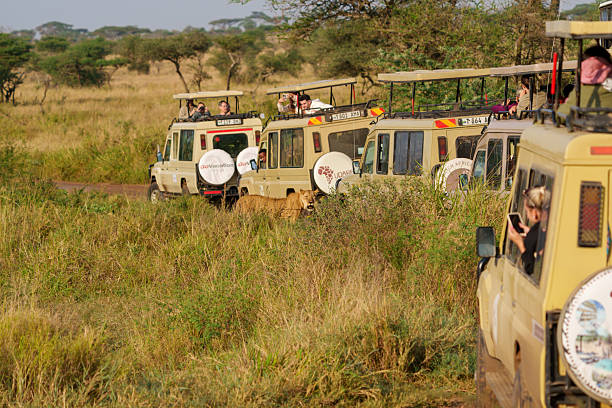
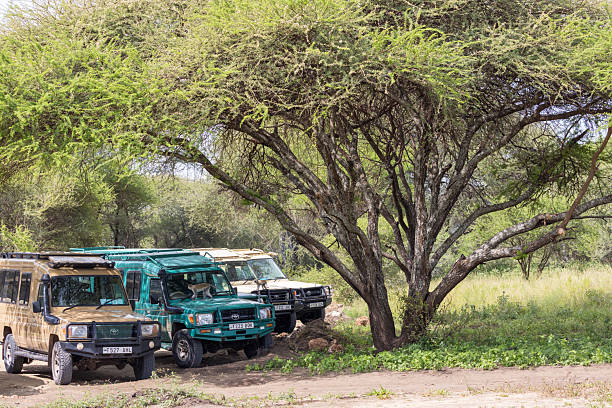
Tarangire Photography Safari From Moshi: Your Ultimate Planning Guide
For photographers and wildlife enthusiasts looking to capture the essence of East Africa, a Tarangire photography safari from Moshi offers an unparalleled opportunity. Tarangire National Park, renowned for its large elephant herds, baobab-studded landscapes, and diverse birdlife, provides a dramatic backdrop for stunning photographic subjects. Starting your journey from Moshi, a popular gateway town for Kilimanjaro climbs and northern circuit safaris, makes this iconic park easily accessible for a dedicated photographic expedition. This guide is designed to provide you with all the essential information, from understanding the park’s unique appeal to practical planning details for your 2026-2027 adventure.
This in-depth resource will help you understand the nuances of a Tarangire photography safari, ensuring you make the most of your trip. We’ll cover what makes Tarangire a photographer’s dream, the best times to visit for optimal shooting conditions, suggested itineraries, essential gear, and how to book an experience tailored to your photographic interests.
Quick Facts: Tarangire Photography Safari
| Aspect | Details |
|---|---|
| Primary Focus | Wildlife photography, landscape photography, birdwatching |
| Key Wildlife for Photos | Elephants (large herds), lions, leopards, giraffes, zebras, wildebeest, diverse bird species |
| Landscape Features | Baobab trees, Tarangire River, savannah plains, rocky kopjes |
| Starting Point | Moshi, Tanzania |
| Typical Duration | 1-3 days (can be extended) |
| Best Time for Photography | Dry season (June to October) for concentrated wildlife and dramatic light; Wet season (November to May) for lush scenery and migratory birds. |
| Accessibility from Moshi | Approx. 3-4 hour drive to park gates |
| Accommodation Options | Lodges, tented camps (inside and outside the park) |
Why Tarangire is a Photographer’s Paradise
Tarangire National Park stands out in Tanzania’s northern safari circuit for several compelling reasons that directly benefit photographers:
- Elephant Herds: Tarangire is famously known as the ‘Land of Giants’ due to its massive elephant populations, especially during the dry season when they congregate around the Tarangire River. Capturing these majestic animals in large groups or interacting is a primary draw for many photographers.
- Iconic Baobab Trees: The park’s landscape is dotted with ancient, enormous baobab trees. These distinctive trees, with their unique shapes, add a dramatic and iconic element to landscape and wildlife shots, especially during sunrise and sunset.
- Riverine Scenery: The Tarangire River is the park’s lifeblood, attracting a multitude of wildlife. The riverbanks and surrounding floodplains offer dynamic scenes, from animals drinking to predators on the hunt.
- Birdwatching Hotspot: With over 550 bird species recorded, Tarangire is a haven for ornithological photographers. The park boasts several endemic and migratory species, offering fantastic opportunities for capturing colorful and rare avian subjects.
- Less Crowded Than Serengeti: While still popular, Tarangire often feels less crowded than the Serengeti, particularly outside the peak dry season. This allows for more unobstructed shots and a more intimate wildlife viewing experience.
- Predator Sightings: While not as renowned for big cats as the Serengeti, Tarangire offers good chances of photographing lions, leopards, and cheetahs, often found resting in trees or stalking prey.
- Unique Light and Landscapes: The combination of the dry savannah, the wide-open plains, the silhouette of baobabs against the sky, and the often-clear atmosphere provides exceptional lighting conditions for photography throughout the day, particularly during the ‘golden hours’.
Understanding the Tarangire Experience for Photographers
A Tarangire photography safari from Moshi is more than just a game drive; it’s an immersion into a photographer’s playground. The park’s topography, wildlife behavior, and even the quality of light contribute to its photographic appeal. Unlike other parks where the primary goal might be spotting a rare animal, Tarangire offers consistent opportunities to capture compelling imagery.
The Tarangire River: A Lifeline for Wildlife and Photographers
The Tarangire River is the park’s central artery, especially critical during the dry season from June to October. As other water sources diminish, wildlife from surrounding areas migrates into the park, concentrating along the riverbanks. This concentration of animals, particularly elephants, creates incredible photographic moments. Imagine capturing a herd of elephants crossing the river, a pride of lions relaxing under a tree near the water’s edge, or a variety of water birds in action. The river also carves through diverse habitats, from swamps to acacia woodlands, offering varied backdrops for your shots.
Baobab Trees: Iconic Elements in Your Frame
The majestic baobab trees are arguably as iconic to Tarangire as its elephants. These ancient giants, with their thick trunks and sparse branches, dominate the landscape. They serve as natural framing devices for wildlife, provide dramatic silhouettes against the sunrise and sunset, and add a sense of timelessness to your photographs. Photographers often seek out compositions that highlight the scale of these trees in relation to the wildlife or the vastness of the savannah.
Light and Atmosphere
Tanzania’s equatorial location means the sun is strong, but the open plains of Tarangire often provide clear skies, allowing for dramatic light play. The dry season can bring hazy conditions, which can soften light and create atmospheric shots, while the wet season offers dramatic cloud formations. Photographers often find the early morning and late afternoon light (the ‘golden hours’) to be the most rewarding, offering softer, warmer light that enhances textures and colors, and creates beautiful shadows.
Best Time for Your Tarangire Photography Safari
Choosing the right time to visit is crucial for any photography-focused trip. Tarangire offers distinct advantages during different seasons, catering to various photographic interests.
The Dry Season (June to October): The Photographer’s Peak
This period is generally considered the prime time for a Tarangire photography safari from Moshi. Here’s why:
- Concentrated Wildlife: With the Tarangire River as one of the few permanent water sources, large numbers of animals, especially elephants, congregate in the park. This density makes sightings and photographic opportunities more frequent and dramatic.
- Clearer Skies and Dramatic Light: While the air can be dry and dusty, the light is often crisp, allowing for sharp images. Sunrises and sunsets can be spectacular.
- Easier Tracking: The vegetation thins out, making it easier to spot animals from a distance and follow their movements.
- Bird Migration: While many migratory birds are absent, resident bird species are still active, and the dry conditions can make them more visible.
Photographic opportunities: Large elephant herds, predator-prey interactions, dramatic landscapes with sparse vegetation, iconic baobabs under clear skies.
The Wet Season (November to May): Lush Scenery and Birdlife
The wet season offers a different, yet equally rewarding, photographic experience:
- Lush Green Landscapes: The rains transform the dry savannah into a vibrant green expanse, creating stunning backdrops for wildlife and landscape photography.
- Calving Season: From December to February, many herbivores give birth, leading to scenes of young animals and increased predator activity.
- Bird Migration: From November to April, European and intra-African migratory birds arrive, significantly boosting the park’s avian diversity and making it a paradise for bird photographers.
- Dramatic Skies: Afternoon thunderstorms can create spectacular cloud formations and dramatic lighting conditions.
- Fewer Crowds: Generally, fewer tourists visit during the wet season, offering a more exclusive photographic experience.
Photographic opportunities: Verdant landscapes, newborn animals, abundant birdlife, dramatic storm clouds, unique light after rain.
Shoulder Seasons (May and November)
These months can offer a good balance, with transitional landscapes, fewer crowds than the peak dry season, and a mix of resident and early migratory species.
Sample Itinerary: 3-Day Tarangire Photography Safari From Moshi
This sample itinerary is designed to maximize photographic opportunities, allowing ample time for observation and composition. It can be customized based on your specific interests and the duration of your visit.
Day 1: Moshi to Tarangire National Park – Baobabs and Elephants
- Morning (approx. 8:00 AM): Depart from Moshi after breakfast in a private 4×4 safari vehicle equipped for photography (pop-up roof, ample space). The drive to Tarangire National Park takes approximately 3-4 hours, passing through local villages and scenic countryside.
- Late Morning: Enter Tarangire National Park. Begin your game drive immediately, focusing on the park’s northern section known for its baobab trees and elephant sightings.
- Afternoon: Continue exploring the park. Focus on capturing the iconic baobab trees and the large elephant herds often found near the Tarangire River. Look for lions, giraffes, zebras, and various antelope species. Your guide will help position the vehicle for optimal light and views.
- Late Afternoon: Check into your chosen lodge or tented camp within or near the park. Enjoy dinner and discuss the day’s photographic highlights.
Day 2: Full Day Photography in Tarangire – Riverine and Woodland Habitats
- Early Morning: Depart for an early morning game drive. This is often the best time for wildlife activity and capturing the soft morning light filtering through the trees and over the plains. Focus on predators that may be active at dawn.
- Mid-Morning: Explore the areas along the Tarangire River, a hub for diverse wildlife. This is ideal for capturing elephants, buffalos, hippos, and a wide array of birdlife.
- Afternoon: Drive to different sections of the park, perhaps exploring the woodland areas which can be good for spotting leopards or other elusive species. Continue to photograph the varied landscapes and any wildlife encounters.
- Late Afternoon: Return to your accommodation, or opt for a sundowner drive if permitted and desired.
Day 3: Final Morning Game Drive and Return to Moshi
- Early Morning: One last opportunity for an early morning game drive to capture any wildlife you may have missed or to revisit favorite spots. Focus on specific species or photographic techniques you wish to refine.
- Late Morning: Return to your camp/lodge for breakfast.
- Mid-day: Depart from Tarangire National Park, heading back to Moshi. You can opt for a final game drive en route to the park gate.
- Afternoon: Arrive back in Moshi.
What to Expect on Your Tarangire Photography Safari
A dedicated Tarangire photography safari from Moshi is an experience that requires patience, observation, and the right tools. Here’s what you can anticipate:
- Early Starts: To capture the best light and wildlife activity, early morning game drives are essential. Expect to be up before sunrise.
- Vehicle Comfort: You’ll be in a custom-built 4×4 safari vehicle with a pop-up roof, allowing for 360-degree views and easy photography. The vehicle will be driven by an experienced guide who understands photographic needs.
- Long Hours in the Park: Days are spent driving through the park, searching for wildlife and optimal photographic subjects.
- Flexible Itinerary: While there’s a general plan, your guide will be flexible, adapting to wildlife movements and your photographic interests. If a particular scene unfolds, you’ll have time to capture it.
- Guides’ Expertise: Your guide is trained to spot wildlife, understand animal behavior, and position the vehicle to give you the best photographic angles and light. They can also offer insights into the animals and their environment.
- Accommodation: Options range from comfortable lodges to more immersive tented camps, often situated with excellent views or close to wildlife corridors.
- Connectivity: Mobile network coverage can be spotty within the park. Embrace the opportunity to disconnect and focus on your photography.
Essential Photography Gear for Tarangire
To make the most of your photographic opportunities, having the right gear is vital. Consider the following:
- Camera Body: A DSLR or mirrorless camera with interchangeable lenses is ideal. Consider a backup body if possible.
- Lenses:
- Telephoto Lens: A 70-200mm, 100-400mm, or even a 600mm lens is crucial for wildlife photography, allowing you to capture distant subjects with detail.
- Mid-Range Zoom: A 24-70mm or 24-105mm lens is versatile for landscapes, wider environmental shots, and when animals are closer.
- Wide-Angle Lens: Useful for dramatic landscapes and capturing the scale of the baobab trees.
- Tripod/Monopod: Essential for stability, especially in low light conditions or when using long telephoto lenses. A beanbag can also be useful for resting your lens on the vehicle’s window or edge.
- Extra Batteries and Memory Cards: You’ll be taking a lot of photos. Ensure you have plenty of power and storage.
- Lens Cleaning Kit: Dust and dirt are common; keep your lenses clean.
- Rain Cover: For your camera and lenses, especially during the wet season or if unexpected showers occur.
- Binoculars: While not for photography, good binoculars enhance your wildlife spotting and observation experience.
- Laptop/Tablet: For backing up photos and reviewing them.
Packing List for Your Safari
Beyond photography gear, pack smart for comfort and practicality.
- Clothing: Neutral-colored, lightweight, breathable clothing (khaki, beige, olive green). Avoid bright colors and dark blue/black, which can attract insects.
- Layers: A warm fleece or jacket for cool early mornings and evenings.
- Headwear: A wide-brimmed hat for sun protection.
- Footwear: Comfortable walking shoes or hiking boots (if planning any walking safaris, though less common in Tarangire) and comfortable shoes for evenings.
- Sun Protection: High SPF sunscreen, sunglasses.
- Insect Repellent: Especially for evenings.
- Personal Items: Medications, toiletries, hand sanitizer.
- Adapter: For charging electronics (Type G for Tanzania).
- Small Backpack: For carrying essentials on game drives.
- Water Bottle: Reusable is encouraged.
Common Mistakes to Avoid on a Tarangire Photography Safari
To ensure a smooth and successful photographic safari, be aware of these common pitfalls:
- Overpacking Photography Gear: While essential, too much gear can be cumbersome. Prioritize versatile lenses.
- Underestimating Battery/Storage Needs: Running out of power or space is a photographer’s nightmare. Always bring extras.
- Ignoring the Guide’s Advice: Your guide has invaluable local knowledge. Listen to their suggestions regarding positioning, timing, and wildlife behavior.
- Chasing Only the ‘Big Five’: Tarangire offers incredible opportunities beyond the Big Five, especially for bird and landscape photography. Be open to all subjects.
- Not Respecting Wildlife: Always maintain a safe distance and never disturb animals. Your guide will ensure this.
- Forgetting to Enjoy the Moment: It’s easy to get lost behind the lens. Remember to look up and soak in the incredible natural beauty around you.
- Not Preparing for Dust: Tarangire can be dusty. Protect your gear and be prepared for it.
- Failing to Plan for Light: Understand the importance of sunrise and sunset for photography and plan your game drives accordingly.
Who is a Tarangire Photography Safari Best For?
A Tarangire photography safari from Moshi is ideal for several types of travelers:
- Dedicated Photographers: Individuals and groups whose primary goal is to capture high-quality wildlife and landscape images.
- Wildlife Enthusiasts: Those who love observing animals in their natural habitat and want to document their experiences.
- Nature Lovers: People who appreciate the unique ecosystems, flora, and fauna of East Africa.
- Travelers Seeking Iconic Landscapes: Those drawn to the dramatic imagery of baobab trees and vast savannahs.
- Elephant Enthusiasts: Visitors specifically interested in photographing large elephant herds.
- Birdwatchers with Cameras: Ornithologists and bird photographers will find Tarangire exceptionally rewarding.
- Travelers Based in Moshi: Those already in Moshi for Kilimanjaro or other activities, looking for an accessible yet impactful safari experience.
It might be less suited for travelers whose sole focus is ticking off the ‘Big Five’ quickly, as other parks might offer higher densities for certain species. However, Tarangire provides a rich and diverse photographic experience that complements any Tanzanian safari.
Alternative Safari Destinations from Moshi
While Tarangire is exceptional, other parks in Tanzania offer different photographic opportunities. Considering these alternatives can help you build a more comprehensive itinerary or choose the best fit for your interests.
| Park | Key Photographic Draw | Landscape | Best For | Distance from Moshi |
|---|---|---|---|---|
| Lake Manyara National Park | Tree-climbing lions, large baboon troops, diverse birdlife, flamingoes (seasonal) | Forest, lake, rift valley escarpment | Bird photography, unique lion behavior, compact park | Approx. 2 hours |
| Serengeti National Park | Great Migration (seasonal), vast predator sightings (lions, leopards, cheetahs), diverse plains game | Endless savannah, acacia woodlands, kopjes | Iconic wildlife photography, dramatic migration scenes, classic safari | Approx. 5-6 hours (to entry gate) |
| Ngorongoro Conservation Area (Crater) | High density of wildlife in a contained caldera, rare black rhino, large predator populations | Crater floor, savannah, forest, soda lake | Concentrated wildlife photography, unique ecosystem, dramatic landscapes | Approx. 3 hours |
| Arusha National Park | Colobus monkeys, Mount Meru backdrop, Momella Lakes, diverse birdlife | Forest, lakes, savannah, mountain slopes | Close-up primate photography, scenic landscapes, accessibility | Approx. 1 hour |
Many travelers combine Tarangire with Lake Manyara and the Ngorongoro Crater for a classic Northern Circuit safari. For photographers focusing on the Great Migration, extending to the Serengeti is essential, especially during specific months.
Planning Your Tarangire Photography Safari for 2026-2027
Planning ahead is key to securing the best experiences, especially for a specialized trip like a photography safari. Here’s a timeline and considerations for 2026 and 2027:
Booking Timeline
- 12-18 Months in Advance (2025 for 2026 trips, 2026 for 2027 trips): This is the ideal time to start planning and booking, particularly if you have specific dates in mind or are traveling during peak seasons (July-October). This allows for securing preferred accommodations (especially exclusive camps) and specialized vehicles.
- 6-12 Months in Advance: Still a good window for booking. Many popular lodges and camps will be available, and you can finalize your itinerary.
- 3-6 Months in Advance: You can still book, but options for top-tier accommodations and specialized vehicles might be limited. It’s essential to book by this point to ensure availability.
- Under 3 Months: Last-minute bookings are possible, but you’ll have fewer choices. It’s advisable to book as early as possible for a photography-focused safari.
Considerations for 2026-2027
- Peak Season Demand: The dry season (June-October) remains highly popular. Book well in advance for these months in 2026 and 2027.
- Wet Season Opportunities: If your focus is birdlife or lush landscapes, consider the wet season (November-May) for 2026-2027. This period often offers lower prices and fewer crowds.
- Customization: Work with your tour operator to tailor the itinerary. Discuss your specific photographic interests (e.g., bird photography, predator action, landscapes) so they can assign a guide with relevant expertise and plan routes accordingly.
- Vehicle Choice: For photography, a custom 4×4 safari vehicle with a pop-up roof is standard. Some operators offer specialized vehicles or can arrange for a photographer guide who is also an expert driver.
- Accommodation Style: Decide if you prefer lodges offering comfort and amenities or tented camps that provide a closer-to-nature experience. Some camps are strategically located for early morning and late evening photography.
Booking Your Tarangire Photography Safari
Choosing the right tour operator is paramount for a successful photography safari. You need a company that understands the specific needs of photographers.
What to Look for in a Tour Operator:
- Photography Expertise: Do they offer specialized photography safaris? Do their guides have training or experience in photography?
- Vehicle Customization: Do they use 4×4 vehicles with pop-up roofs? Can they offer open-sided vehicles (where permitted and safe) for unobstructed views?
- Guide Knowledge: Look for operators who emphasize the skill of their guides in spotting wildlife, understanding animal behavior, and positioning vehicles for optimal photography.
- Flexibility: Can they adjust game drive times and routes based on photographic opportunities?
- Reputation and Reviews: Check independent reviews and testimonials from past travelers, especially photographers.
- Clear Inclusions/Exclusions: Understand what your safari package covers (accommodation, meals, park fees, vehicle, guide, transfers) and what it doesn’t (tips, personal expenses, some drinks).
Customizing Your Safari
When contacting tour operators, be specific about your photographic goals. Mention:
- Your primary subjects (e.g., elephants, birds, predators, landscapes).
- Your preferred shooting times (e.g., emphasis on golden hours).
- Any specific photographic techniques you want to practice.
- Your desired pace – do you want to spend longer at a single sighting?
Contacting Us for Your Safari
At Best Tanzania Tour Operator, we specialize in creating bespoke safari experiences tailored to photographers. We understand the importance of timing, light, and positioning. Our experienced guides are adept at anticipating wildlife behavior and maximizing photographic opportunities. We offer customized itineraries for Tarangire photography safaris starting from Moshi, ensuring you get the shots you dream of.
To discuss your tailor-made Tarangire photography safari from Moshi for 2026 or 2027, or to get a personalized quote, please reach out to us:
WhatsApp: +255616946642
Email: topguideadventures@gmail.com
Backup Email: info@topguideadventures.com
We are ready to help you plan an unforgettable photographic journey.
Frequently Asked Questions (FAQs)
Q1: How long should a photography safari in Tarangire be?
For dedicated photographers, a minimum of 2 full days within Tarangire is recommended. A 3-day itinerary allows for more in-depth exploration of different habitats and maximizes chances of capturing diverse wildlife and light conditions. This can be easily arranged as a Tarangire photography safari from Moshi.
Q2: What is the best time of year for photographing elephants in Tarangire?
The dry season, from June to October, is the best time to photograph elephants. During these months, large herds congregate around the Tarangire River, offering incredible viewing and photographic opportunities.
Q3: Are there specific photographic vehicles available?
While standard 4×4 safari vehicles with pop-up roofs are excellent for photography, some operators can arrange for specialized vehicles or guides who are also skilled photographers. It’s best to inquire about this when booking.
Q4: Can I bring a drone for aerial photography?
Drone usage is generally restricted or prohibited in Tanzanian National Parks to protect wildlife and ensure safety. Always check the latest regulations with your tour operator before your trip.
Q5: What kind of accommodation is available in Tarangire?
Tarangire offers a range of accommodations, from luxury lodges and comfortable mid-range lodges to more rustic but immersive tented camps. Many are strategically located for excellent wildlife viewing and photographic access.
Q6: How far is Tarangire National Park from Moshi?
Tarangire National Park is approximately a 3 to 4-hour drive from Moshi, making it a very accessible destination for a day trip or the start of a longer safari.
Q7: What are the typical costs for a Tarangire photography safari?
Costs vary based on accommodation choice, safari duration, vehicle type, and group size. Generally, a 3-day photography safari from Moshi can range from moderate to high, reflecting the specialized nature of the trip, private vehicle, and experienced guide. Exact pricing for 2026-2027 will depend on specific inclusions and current park fees.
Q8: Is it safe to photograph wildlife in Tarangire?
Yes, it is safe when you follow the guidance of your experienced safari guide. They will ensure you maintain a safe distance from all animals and position the vehicle appropriately for photography without disturbing the wildlife.
Q9: What are the chances of seeing leopards in Tarangire?
Leopards are more elusive than lions, but Tarangire offers good chances, especially in the woodland areas and along riverbanks. The dry season can sometimes make them more visible as they seek shade in trees.
Q10: Can I combine Tarangire with a Kilimanjaro climb?
Absolutely. Many travelers climb Kilimanjaro from Moshi and then head out on a safari, including Tarangire. It’s a classic combination for experiencing Tanzania’s diverse offerings.
Q11: What should I pack for a photography safari in 2026-2027?
Pack neutral-colored clothing, layers for temperature changes, sun protection (hat, sunscreen, sunglasses), insect repellent, and all your essential camera gear, including extra batteries and memory cards. A detailed packing list is provided earlier in this guide.
Q12: How can I book a Tarangire photography safari from Moshi?
You can book by contacting reputable tour operators specializing in Tanzanian safaris. We recommend reaching out to us directly via WhatsApp or email to discuss your custom itinerary and receive a quote for your 2026 or 2027 trip.
Begin Your Photographic Adventure: Book Your Tarangire Safari
A Tarangire photography safari from Moshi promises breathtaking encounters with wildlife and stunning landscapes, all captured through your lens. From the iconic baobabs to the vast elephant herds and diverse birdlife, Tarangire offers endless photographic potential.
To ensure your safari is perfectly tailored to your photographic needs, we invite you to connect with our expert team. We pride ourselves on providing personalized service, experienced guides, and custom-designed itineraries that maximize your photographic opportunities. Let us help you plan an unforgettable journey for 2026 or 2027.
Contact us today to start planning your dream Tarangire photography safari:
WhatsApp: +255616946642
Email: topguideadventures@gmail.com
Backup Email: info@topguideadventures.com
We look forward to helping you capture the magic of Tanzania.
Plan your Tarangire Photography Safari From Moshi with Top Guide Adventures
Tell us your travel dates, group size, comfort level, and dream experience. We will help you shape a clear, realistic, and memorable Tanzania itinerary.







 Veedesigner
 Fatma Kizanga
 Benjamin Waryuba
 Philip Philip
 John jr Itaja
 Antonia Optatus
 Edith Kanyere
 Neema Iddy
 Kelvin Boniphace
 Damari Maiga



