
Updated planning guide for 2026, 2027-2028
Maasai Boma Experience From Moshi: Complete Guide 2026-2027-2028
Discover the rich cultural heritage of the Maasai people with a memorable Boma experience, easily accessible from Moshi. This comprehensive guide covers everything you need to know for planning your visit in 2026-2027.
WhatsApp +255616946642 | topguideadventures@gmail.com | info@topguideadventures.com
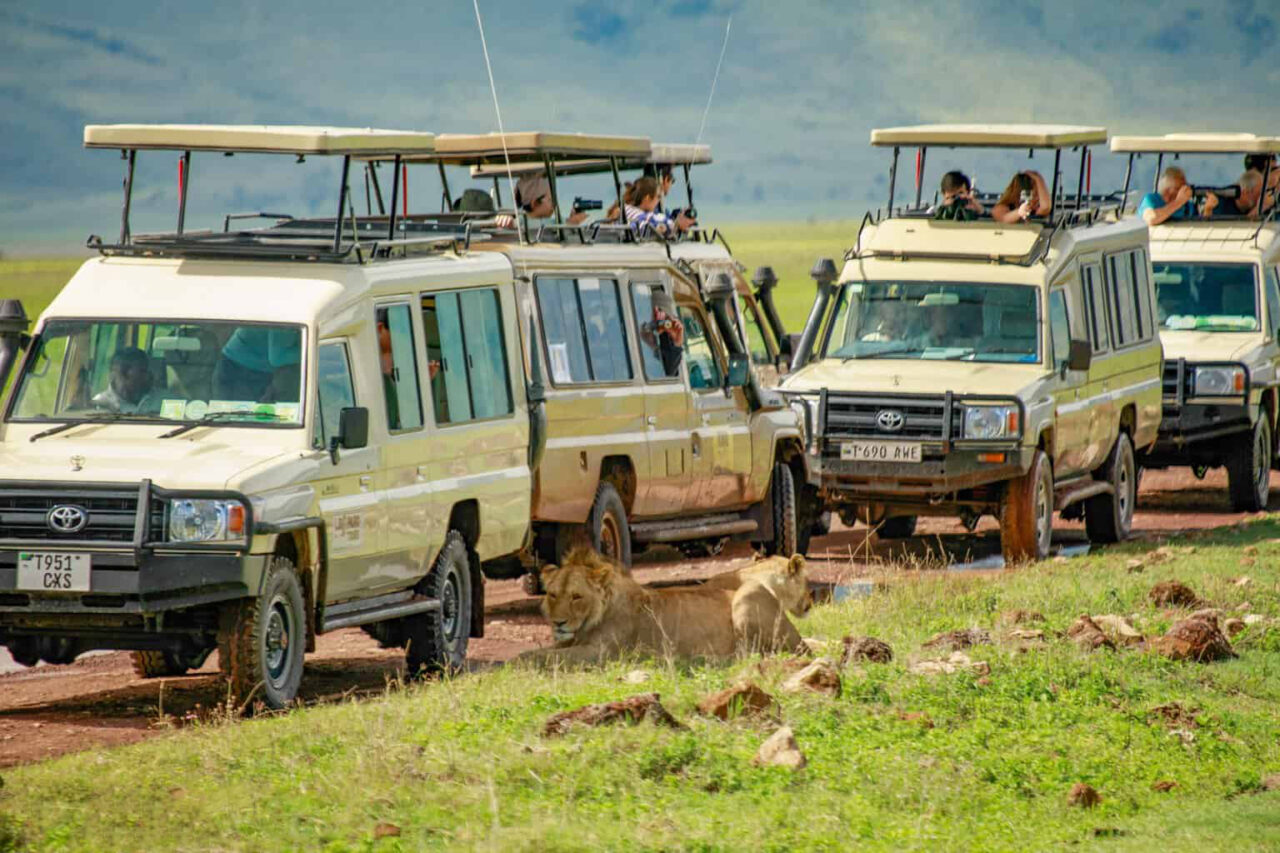
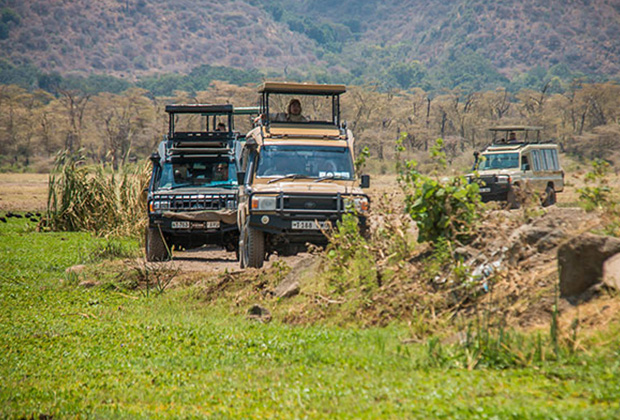
Maasai Boma Experience From Moshi: Your Ultimate Guide
A Maasai Boma experience from Moshi offers a profound connection to one of East Africa’s most iconic indigenous cultures. Far more than just a tourist stop, visiting a Maasai village, or ‘boma,’ provides an authentic glimpse into the traditional lifestyle, customs, and daily routines of the Maasai people. This guide is designed to help you plan and make the most of your Maasai Boma experience, whether you’re starting your journey in Moshi after a Kilimanjaro climb, before a safari, or as a dedicated cultural excursion.
For travelers based in or passing through Moshi, arranging a visit to a Maasai boma is a highly rewarding addition to any Tanzania itinerary. It allows for direct interaction, learning, and appreciation of a heritage that has endured for centuries. We’ll cover everything from what to expect on the ground, the best times to plan your visit in 2026 and 2027, how to arrange your trip responsibly, and what makes this encounter so special.
Quick Overview: Maasai Boma Experience From Moshi
| Aspect | Details |
|---|---|
| Primary Activity | Visiting a traditional Maasai village (boma) for cultural immersion. |
| Starting Point | Moshi, Tanzania. |
| Duration | Typically a half-day or full-day trip. |
| Key Experiences | Meeting Maasai elders and warriors, learning about daily life, traditional dances, local crafts, storytelling, understanding social structures, and community interaction. |
| Best For | Culturally curious travelers, families, photographers, those seeking authentic experiences. |
| Accessibility | Requires road travel from Moshi; conditions can vary. |
| Responsible Tourism | Emphasis on respectful interaction, supporting the community through ethical purchases and direct contributions. |
Table of Contents
- Introduction to the Maasai Boma Experience
- Why Visit a Maasai Boma From Moshi?
- What to Expect During Your Boma Visit
- Best Time to Visit: Seasonality and Considerations for 2026-2027
- Route and Area Overview
- Sample Maasai Boma Itinerary From Moshi
- Cultural Etiquette and Respectful Interaction
- What to Pack and Prepare
- Common Mistakes to Avoid
- Who is a Maasai Boma Experience Best Suited For?
- Alternatives to a Maasai Boma Visit
- Planning Your Trip for 2026-2027
- Booking Your Maasai Boma Experience
- Frequently Asked Questions (FAQs)
- Book Your Unforgettable Maasai Boma Experience Today
Introduction to the Maasai Boma Experience
The Maasai people are renowned worldwide for their distinctive red-clad attire, intricate beadwork, and proud warrior traditions. Historically nomadic pastoralists, their lives are deeply intertwined with the land and their cattle. A Maasai boma is more than just a cluster of traditional huts; it’s a living community, a social unit, and the heart of family life. Visiting a boma allows travelers to step, respectfully, into this world.
From Moshi, gateway to Mount Kilimanjaro and a hub for northern Tanzania tourism, accessing a Maasai community is logistically straightforward. Tour operators based in Moshi frequently include boma visits as part of broader cultural tours or as standalone day trips. This proximity makes it an accessible yet deeply enriching cultural encounter for those on a tight schedule or seeking a specific cultural immersion.
Why Visit a Maasai Boma From Moshi?
The motivations for undertaking a Maasai Boma experience from Moshi are varied and compelling:
- Authentic Cultural Immersion: Unlike staged cultural performances, a boma visit offers a genuine look into the daily lives, social structures, and traditions of the Maasai. You interact with real people in their homes.
- Understanding Traditional Lifestyles: Learn firsthand about their pastoralist heritage, their relationship with livestock, traditional housing (inkajijik), food preparation, and community governance.
- Supporting Local Communities: A well-organized and ethical boma visit ensures that your tourism directly benefits the community. This can be through purchasing local crafts, contributing to community projects, or through agreed-upon visitor fees.
- Photography Opportunities: The vibrant colors, traditional dress, and unique architecture of the boma provide exceptional photographic subjects. However, always ask permission before taking close-up photos of individuals.
- Educational Value: Gain insights into Maasai history, their spiritual beliefs, traditional medicine, and their resilience in adapting to modern influences while striving to maintain their cultural identity.
- Proximity to Moshi: For those trekking Kilimanjaro, the Maasai are indigenous to the regions surrounding the mountain. Visiting a boma offers a cultural context to the landscapes you’ve traversed or will traverse.
What to Expect During Your Boma Visit
A typical Maasai Boma experience from Moshi is structured to provide an engaging and informative encounter. While specific activities can vary depending on the community and the tour operator, here’s a general outline of what you can anticipate:
- Arrival and Welcome: Upon arrival at the boma, you’ll usually be greeted by community members, often including elders and warriors. There might be a formal welcome ceremony or a gathering in a central area.
- Tour of the Boma: You’ll be shown the traditional circular homesteads (inkajijik), typically made from mud, cow dung, and sticks. You’ll learn about their construction and the roles of different huts within the family structure. You may also see the kraal, the central enclosure for livestock, which is crucial to Maasai life.
- Meeting the Community: You’ll have opportunities to interact with Maasai men, women, and children. Elders often share stories and insights into their history and customs. Warriors might demonstrate traditional skills or explain their role in the community.
- Traditional Dances: A highlight for many visitors is witnessing or participating in traditional Maasai dances. The ‘Adumu,’ or jumping dance performed by warriors, is particularly famous for its impressive vertical leaps.
- Learning About Daily Life: Discussions often cover topics such as cattle herding, the significance of milk and blood in their diet, water collection, and the division of labor within the community.
- Craft Demonstrations and Sales: Maasai women are skilled artisans, creating beautiful beadwork, jewelry, and other crafts. You’ll likely see them at work, and there will be opportunities to purchase these items directly, providing a direct source of income.
- Storytelling and Q&A: A guided Q&A session allows you to ask questions about Maasai culture, beliefs, and their way of life. This is a crucial part of the educational experience.
- Cultural Performance (Optional): Some bomas may offer brief performances of songs or storytelling, often involving the entire community.
- Departure: The visit usually concludes with a farewell and often a chance to reflect on the experience.
It’s important to remember that this is a living community, not a museum. While structured for visitors, the activities are part of their ongoing lives and traditions. The interaction is generally warm and welcoming, provided there is mutual respect.
Best Time to Visit: Seasonality and Considerations for 2026-2027
The Maasai Boma experience is accessible year-round, as the Maasai lifestyle is not dictated by the seasonal tourist rush in the same way safaris might be. However, considering the weather and other travel plans in Tanzania is wise for your 2026-2027 trip.
| Period | Weather | Considerations |
|---|---|---|
| Dry Season (June – October) | Clear skies, cooler temperatures, less rain. Ideal for general travel and outdoor activities. | This is peak tourist season for safaris and Kilimanjaro. Roads are generally in good condition. Your boma visit will complement other activities. |
| Short Rains (November – December) | Intermittent showers, can be humid. | Landscapes become greener. Rain showers are usually short and don’t typically disrupt full-day activities significantly. Fewer tourists. |
| Long Rains (March – May) | Heavier and more prolonged rainfall, can be muddy. | This is the low season. Landscapes are lush and vibrant. Road conditions can be challenging, potentially affecting travel times from Moshi. However, boma visits are still feasible, and you’ll encounter fewer crowds. The cultural experience remains unaffected by the rain. |
| Green Season (January – February) | Warm, sunny days with occasional short showers. | A pleasant time to visit, with good visibility and fewer tourists than the peak dry season. The land is green following the long rains. |
Recommendation for 2026-2027: The dry season (June-October) offers the most predictable weather. However, the shoulder months of January-February and November-December can also be excellent, offering a good balance of pleasant weather and fewer crowds. For those prioritizing avoiding rain, steer clear of March-May. Always check with your tour operator about current road conditions, especially if traveling during the rainy seasons.
Route and Area Overview
Maasai communities are spread across significant parts of northern and southern Tanzania. For visitors starting in Moshi, the most accessible Maasai bomas are typically located in areas to the east and south of Mount Kilimanjaro, often within the larger Kilimanjaro Region or bordering regions like Tanga. These areas are generally characterized by savannah landscapes, acacia trees, and open plains, interspersed with small settlements and agricultural land.
The journey from Moshi to a Maasai boma usually involves a drive of 1 to 3 hours, depending on the specific location of the chosen community. The roads can range from well-maintained tarmac to rougher dirt tracks, especially as you get closer to the boma. This travel itself can be an interesting part of the experience, offering glimpses of rural Tanzanian life.
Illustrative Route/Area (Text-based):
Moshi Town (Starting Point) ➔
Regional Roads (Tarmac/Gravel – ~1-2 hours) ➔
Rural Villages & Farmland (Scenery change) ➔
Approaching Maasai Territory (Open Savannah Landscape) ➔
Local Track / Dirt Road (~30-60 minutes, depending on condition) ➔
Maasai Boma (Destination)
Your tour operator will select a boma that is accustomed to hosting visitors and where the community genuinely benefits from these interactions. It’s not about finding the ‘most remote’ but the most authentic and ethically managed community willing to share their culture.
Sample Maasai Boma Itinerary From Moshi
This is a sample itinerary for a full-day Maasai Boma Experience from Moshi. Half-day options typically involve fewer activities and a shorter duration.
Full-Day Maasai Boma Experience
| Time | Activity | Details |
|---|---|---|
| 8:00 AM | Hotel Pick-up | Your guide and driver will pick you up from your hotel in Moshi. Briefing on the day’s activities and cultural insights. |
| 8:30 AM – 10:30 AM | Scenic Drive to the Boma | Journey through rural landscapes, passing villages and agricultural areas. Opportunity to stop for photos if desired and time permits. |
| 10:30 AM | Arrival at Maasai Boma | Warm welcome by community members. Introduction to elders and hosts. |
| 11:00 AM – 1:00 PM | Boma Tour & Cultural Immersion | Guided tour of the homesteads (inkajijik), livestock kraal. Learn about daily life, food, water, and social structures. |
| 1:00 PM – 2:00 PM | Traditional Dance & Warrior Demonstrations | Witness the famous Maasai jumping dance (Adumu) and other traditional performances. |
| 2:00 PM – 3:00 PM | Lunch with the Community | A simple, traditional Maasai meal (often involving ugali, vegetables, and sometimes meat or milk) shared with your hosts. |
| 3:00 PM – 4:00 PM | Craft Market & Storytelling | Opportunity to interact more closely, ask questions, and purchase authentic Maasai beadwork and crafts directly from the artisans. Elders may share stories. |
| 4:00 PM | Farewell & Departure | Thank you and departure from the boma. |
| 4:30 PM – 6:30 PM | Return Drive to Moshi | Reflect on the day’s experiences during the journey back to your hotel. |
Note: This itinerary is a guideline and can be customized based on your interests and the specific arrangements with your tour operator.
Cultural Etiquette and Respectful Interaction
Respect is paramount when visiting any community, especially one that is opening its homes and lives to you. Adhering to cultural etiquette ensures a positive experience for both you and your hosts.
- Ask Permission: Always ask before taking photographs of individuals, especially close-ups. Many people are happy to be photographed, but permission is a sign of respect.
- Dress Modestly: While Maasai attire is vibrant, as a visitor, it’s advisable to dress modestly. Avoid overly revealing clothing. Light, breathable fabrics are best for the climate.
- Greeting: A simple greeting like ‘Jambo’ (hello) or ‘Habari’ (how are you) is appreciated. Your guide will assist with introductions.
- Gift Giving: Avoid giving sweets or money directly to children, as this can encourage begging and disrupt their education. If you wish to contribute, discuss with your guide or tour operator about supporting community projects or providing school supplies. Small, practical gifts for the community (like soap or basic medicines, if appropriate and discussed beforehand) can sometimes be appreciated.
- Be Patient and Observant: Life in a Maasai boma moves at its own pace. Be patient, observe customs, and follow the lead of your guide.
- Listen Actively: When elders or community members speak, listen attentively. Show genuine interest in what they are sharing.
- Respect Privacy: Do not enter homes or private areas without being invited.
- Support Local Crafts: If you wish to buy crafts, do so directly from the artisans. Bargaining is common, but do so respectfully. Remember that these items are often a significant source of income.
- Hygiene: Use hand sanitizer before eating or after touching surfaces, especially if you have a sensitive stomach.
What to Pack and Prepare
Packing for a Maasai Boma experience is similar to preparing for other day trips or light excursions in Tanzania. Comfort, practicality, and respect are key.
Packing Checklist:
- Comfortable Footwear: You’ll be walking around the boma, often on uneven ground. Closed-toe shoes or sturdy sandals are recommended.
- Lightweight, Breathable Clothing: Long trousers or skirts and t-shirts are suitable. Consider a light long-sleeved shirt for sun protection. Natural fabrics like cotton are ideal.
- Sun Protection: A wide-brimmed hat, sunglasses, and high SPF sunscreen are essential. The sun can be intense.
- Insect Repellent: Especially important if visiting during wetter periods or staying later in the day.
- Reusable Water Bottle: Stay hydrated. While your tour operator will likely provide water, carrying your own is good practice.
- Camera and Extra Batteries/Memory Card: You’ll want to capture the experience.
- Small Backpack: To carry your essentials.
- Hand Sanitizer: For hygiene before eating or after touching things.
- Small Amount of Cash: For purchasing local crafts. US Dollars are widely accepted, but having some Tanzanian Shillings can be useful. Ensure bills are relatively new and in good condition.
- Personal Medications: If you have any specific medical needs.
- A Positive and Open Mind: This is the most important item!
Preparation:
- Discuss with your Tour Operator: Confirm what is included in your tour (e.g., transportation, lunch, guide services) and ask any specific questions you might have.
- Learn a Few Swahili Phrases: While English is spoken by guides, knowing basic greetings like ‘Jambo’ (hello), ‘Asante’ (thank you), and ‘Karibu’ (welcome) is always appreciated.
- Manage Expectations: Understand that this is a real community, not a performance. Interactions are genuine, and the pace of life may differ from what you are accustomed to.
Common Mistakes to Avoid
To ensure your Maasai Boma experience is respectful and enjoyable, be aware of common pitfalls:
- Photographing Without Permission: This is a major cultural faux pas. Always ask first.
- Treating it as a Zoo: Avoid pointing, staring, or treating the people and their homes as exhibits. Engage with respect and genuine curiosity.
- Giving Money or Sweets to Children Directly: This can foster dependency and disrupt their education. It’s better to support the community as a whole through official channels or purchases.
- Being Disrespectful of Traditions: Mocking dances, traditions, or beliefs is unacceptable.
- Expecting Luxury Amenities: Bomas are traditional living spaces. Do not expect Western-style toilets or modern conveniences within the boma itself. Your guide will direct you to appropriate facilities if needed.
- Ignoring Your Guide: Your guide is there to facilitate respectful interaction and provide cultural context. Listen to their advice.
- Over-Bargaining: While bargaining is part of the culture, be fair. Remember that the price of a craft might be a significant portion of someone’s daily income.
- Assuming All Maasai Live Traditionally: Recognize that many Maasai people are also embracing modern education and livelihoods. A boma visit shows a specific aspect of their culture.
Who is a Maasai Boma Experience Best Suited For?
This experience is ideal for a wide range of travelers seeking a deeper connection with Tanzania’s cultural landscape:
- Culturally Curious Travelers: Anyone with a genuine interest in understanding different ways of life, traditions, and social structures.
- Families: It’s an educational and engaging experience for children (and adults) to learn about a different culture firsthand.
- Photographers: The visual richness of the Maasai attire, beadwork, and village life offers fantastic photographic opportunities.
- Post-Kilimanjaro Trekkers: Many trekkers want to understand more about the people indigenous to the mountain’s slopes.
- Safari Goers: It adds a crucial human element to the wildlife-focused safari experience, providing context for the people who inhabit these lands.
- Travelers Seeking Authentic Encounters: For those who want to move beyond surface-level tourism and engage meaningfully with local communities.
- Short-Term Visitors: As a day trip from Moshi, it’s an excellent way for those with limited time to experience significant cultural immersion.
Alternatives to a Maasai Boma Visit
While a Maasai Boma experience is highly recommended, other cultural activities are available from Moshi or in surrounding areas:
- Chagga Cultural Tours: The Chagga people are the primary inhabitants of the fertile slopes of Mount Kilimanjaro. Tours can include visiting coffee plantations, learning about their unique traditions, exploring ancient caves, and understanding their history and agriculture.
- Local Markets: Visiting bustling local markets in Moshi or nearby towns offers a vibrant snapshot of daily life, commerce, and local produce.
- Local Village Walks: Guided walks through non-Maasai villages provide insight into rural Tanzanian life, farming practices, and community interactions.
- Cultural Heritage Centers: Some centers focus on preserving and showcasing Tanzanian history and culture, offering a more museum-like experience.
- Traditional Cooking Classes: Learn to prepare Tanzanian dishes using local ingredients.
While these alternatives offer valuable cultural insights, the direct interaction and unique lifestyle showcased in a Maasai Boma visit are distinct and often considered a highlight of a Tanzania trip.
Planning Your Trip for 2026-2027
Planning your Maasai Boma experience from Moshi for 2026 or 2027 involves considering a few key factors to ensure a smooth and enriching trip:
Booking Timeline:
- 6-12 Months in Advance: For peak seasons (June-October 2026/2027) or if you are booking a larger package including Kilimanjaro treks or safaris, it’s advisable to book your main tours and potentially your boma visit. This secures availability with reputable operators.
- 2-6 Months in Advance: For off-peak seasons or if the boma visit is a standalone day trip, booking 2-6 months ahead is generally sufficient. This allows you to compare operators and secure better rates.
- 1 Month in Advance: If your travel dates are flexible or you are booking last-minute, you can often arrange a Maasai Boma experience with local operators in Moshi a few weeks prior to your desired date. However, booking in advance is always recommended for peace of mind.
Key Considerations for 2026-2027:
- Operator Reputation: Choose a tour operator with a strong commitment to responsible tourism and positive reviews regarding their Maasai boma excursions. Look for companies that ensure fair benefits reach the community.
- Itinerary Customization: Discuss your interests with the operator. Do you want to focus more on beadwork, traditional practices, or daily life? Can the itinerary be adjusted?
- Inclusions and Exclusions: Understand exactly what is covered. This typically includes transportation, guide services, lunch, and community contributions. Clarify if entrance fees are separate.
- Group Size: Smaller groups often allow for more intimate and personal interactions. Inquire about the typical group size for their boma tours.
- Community Partnership: Ensure the operator has a genuine, long-standing relationship with the Maasai community they visit, fostering mutual respect and ensuring economic benefits are distributed equitably.
Budgeting: While exact prices fluctuate, consider that a well-organized Maasai Boma experience involves costs for transportation, guide fees, community contributions, and often a meal. Reputable operators will reflect the value and ethical considerations in their pricing.
Booking Your Maasai Boma Experience
When booking your Maasai Boma experience from Moshi, prioritize reputable tour operators who demonstrate a commitment to ethical tourism and community benefit. Here’s how to proceed:
- Research Reputable Operators: Look for tour companies based in Moshi or with a strong presence in Tanzania. Check reviews on platforms like TripAdvisor, but also look for testimonials on their own websites. Companies that clearly state their commitment to responsible tourism and community partnerships are good indicators.
- Direct Contact: Reach out to operators directly. This allows you to ask specific questions and gauge their responsiveness and professionalism.
- Inquire About Community Benefits: Ask how the community directly benefits from your visit. Is there a set fee that goes to the village? Are you encouraged to buy crafts directly from artisans? Does the operator support any community projects?
- Clarify Inclusions: Ensure you know what your booking covers: transportation from Moshi, a knowledgeable guide, a traditional lunch, any community entrance fees, and opportunities for interaction and learning.
- Discuss Customization: If you have specific interests (e.g., learning about traditional medicine, specific crafts), mention them. A good operator will try to accommodate.
- Payment Terms: Understand their deposit and final payment requirements. For 2026-2027 bookings, especially during peak periods, a deposit is standard.
Contact Information for Booking:
For a well-organized and ethical Maasai Boma experience from Moshi, consider contacting:
- WhatsApp: +255616946642
- Email: topguideadventures@gmail.com
- Backup Email: info@topguideadventures.com
These contacts can help you arrange your Maasai Boma experience, ensuring it is both memorable and contributes positively to the local community.
Frequently Asked Questions (FAQs)
Q1: Is it safe to visit a Maasai Boma?
A1: Yes, visiting a Maasai Boma is generally very safe, especially when arranged through a reputable tour operator. The communities are welcoming, and your guide will ensure respectful interactions and safety protocols are followed. The primary concerns are usually related to respecting cultural norms rather than personal safety.
Q2: How long does a Maasai Boma experience typically last?
A2: Most Maasai Boma experiences from Moshi are offered as either half-day or full-day trips. A half-day tour might last 3-4 hours, while a full-day tour can extend to 6-8 hours, including travel time and a more in-depth experience with the community.
Q3: What is the best way to support the Maasai community during my visit?
A3: The most impactful way to support the community is by purchasing authentic Maasai crafts directly from the artisans. Ensure your tour operator has ethical arrangements that ensure fair prices go to the craft makers. Discuss with your guide if there are any community projects or needs that visitors can contribute to responsibly.
Q4: Can I take photos of the Maasai people?
A4: You can, but always ask for permission before taking any photos, especially close-ups of individuals. Most people are happy to be photographed if asked respectfully, and your guide will assist with this. Some communities may have a small fee for photography.
Q5: What should I wear to a Maasai Boma?
A5: Wear comfortable, modest clothing. Long trousers or skirts and t-shirts are appropriate. Avoid revealing clothing. Lightweight, breathable fabrics are best. Comfortable walking shoes are essential as you’ll be walking around the boma.
Q6: Will I be able to interact with the Maasai people?
A6: Absolutely. Interaction is a key part of the experience. You’ll have opportunities to talk with elders, warriors, and women, learn about their lives, and ask questions, guided by your cultural interpreter (your guide).
Q7: What kind of food will be served?
A7: If lunch is included, you will typically be offered a traditional Maasai meal. This often consists of ‘ugali’ (a stiff maize porridge), served with vegetables, and sometimes includes milk or meat. It’s a simple, hearty meal.
Q8: Are Maasai Boma visits available year-round for 2026-2027?
A8: Yes, Maasai Boma visits are available throughout the year. While the dry season (June-October) offers the most pleasant weather for travel, the rainy seasons (November-May) can also be visited, though road conditions might be more challenging. The cultural experience itself is not significantly impacted by the weather.
Q9: What is the difference between a boma visit and a cultural heritage center?
A9: A boma visit offers direct, authentic interaction with a living Maasai community in their traditional homestead. A cultural heritage center is usually a more curated, museum-like exhibit, often featuring displays and performances that may be less spontaneous and directly tied to a specific community’s daily life.
Q10: How do I book a Maasai Boma Experience from Moshi for 2027?
A10: To book your Maasai Boma Experience from Moshi for 2027, you can contact reputable tour operators. For example, reach out via WhatsApp at +255616946642, email topguideadventures@gmail.com, or their backup email info@topguideadventures.com. They can provide details on itineraries, costs, and availability.
Book Your Unforgettable Maasai Boma Experience Today
A Maasai Boma experience from Moshi is more than just a tourist activity; it’s an opportunity for genuine cultural exchange and a chance to gain a deeper understanding of one of Africa’s most celebrated peoples. By choosing a responsible tour operator, you ensure your visit is respectful, enriching, and contributes positively to the community.
Whether you’re seeking to complement your Kilimanjaro trek, enhance your safari adventure, or simply immerse yourself in local culture, this experience promises lasting memories. We are dedicated to providing authentic, ethical, and unforgettable cultural encounters.
Ready to connect with Maasai culture?
Contact us to plan your personalized Maasai Boma experience from Moshi:
- WhatsApp: +255616946642
- Email: topguideadventures@gmail.com
- Backup Email: info@topguideadventures.com
Let us help you create a meaningful journey into the heart of Maasai tradition. Book your Maasai Boma Experience From Moshi with us for an authentic adventure in 2026-2027!
Plan your Maasai Boma Experience From Moshi with Top Guide Adventures
Tell us your travel dates, group size, comfort level, and dream experience. We will help you shape a clear, realistic, and memorable Tanzania itinerary.







 Veedesigner
 Fatma Kizanga
 Benjamin Waryuba
 Philip Philip
 John jr Itaja
 Antonia Optatus
 Edith Kanyere
 Neema Iddy
 Kelvin Boniphace
 Damari Maiga



