
Updated planning guide for 2026, 2027-2028
Maasai Cultural Tour From Moshi: Complete Guide 2026-2027-2028
Discover the heart of Maasai culture with an immersive tour starting from Moshi. This detailed guide covers everything you need to know for an unforgettable experience in 2026-2027.
WhatsApp +255616946642 | topguideadventures@gmail.com | info@topguideadventures.com
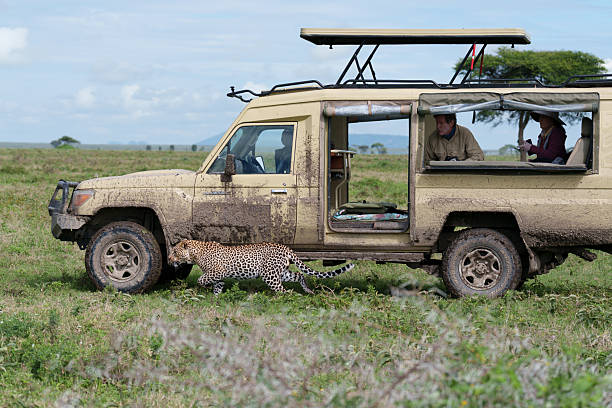
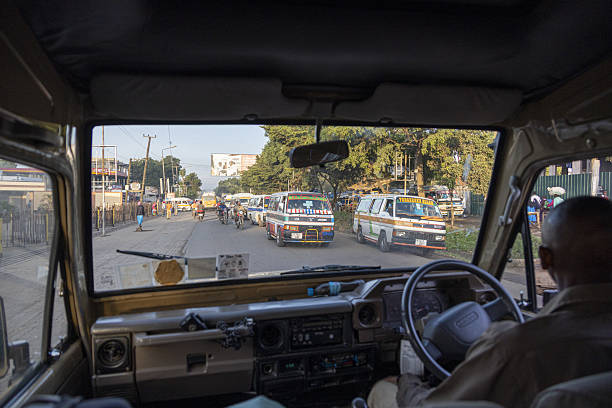
Maasai Cultural Tour From Moshi: Your Ultimate Guide
A Maasai cultural tour from Moshi offers a profound connection to one of Africa’s most iconic and enduring communities. Far beyond a typical tourist excursion, this journey allows you to understand the traditions, lifestyle, and deep connection to the land that defines the Maasai people. Starting your adventure from Moshi, the gateway to Mount Kilimanjaro, provides a convenient and strategic base for exploring these vibrant communities.
This guide is designed to provide you with all the essential information for planning an authentic and rewarding Maasai cultural tour from Moshi. We will cover what to expect, the best times to visit, sample itineraries, important considerations for packing and preparation, common pitfalls to avoid, and advice on booking your experience for 2026 and 2027.
Quick Overview: Maasai Cultural Tour From Moshi
| Aspect | Details |
|---|---|
| Focus Keyword | Maasai Cultural Tour From Moshi |
| Primary Activity | Visiting Maasai villages, learning about traditions, daily life, and cultural practices. |
| Starting Point | Moshi, Tanzania |
| Duration | Typically 1 to 3 days, can be customized. |
| Key Experiences | Village tours, traditional dance performances, storytelling, learning about beadwork, local cuisine tasting, understanding social structures. |
| Best For | Culture enthusiasts, travelers seeking authentic experiences, those interested in anthropology, families, photographers. |
| Best Time to Visit | Dry seasons (June-October, December-February) for easier travel, but cultural activities are year-round. |
| Planning Horizon | Book 3-6 months in advance for 2026-2027 trips, especially during peak seasons. |
Why Choose a Maasai Cultural Tour from Moshi?
Moshi’s location provides a unique advantage. Situated in the Kilimanjaro Region, it’s a hub for travelers preparing for or recovering from Kilimanjaro treks, and it’s also close to several Maasai communities. This proximity means that travel time from Moshi to these villages is often shorter compared to starting from other major cities like Arusha, allowing for more immersive time within the community itself.
A Maasai cultural tour isn’t just about seeing; it’s about understanding. The Maasai people have maintained many of their ancient traditions despite the pressures of the modern world. Engaging with them directly offers insights into a way of life deeply connected to nature, with a rich history of pastoralism, intricate social structures, and vibrant artistic expression.
Choosing to undertake a Maasai cultural tour from Moshi allows you to witness firsthand the resilience and pride of this remarkable people. It’s an opportunity to move beyond stereotypes and gain a genuine appreciation for their heritage.
Understanding the Maasai People and Their Culture
The Maasai are a Nilotic ethnic group inhabiting southern Kenya and northern Tanzania. They are renowned for their distinctive customs, vibrant clothing (shuka), and their traditional way of life centered around cattle, which are central to their economy and social status. Their connection to the land is profound, with traditional beliefs often tied to nature and the spiritual significance of their ancestral territories.
Key aspects of Maasai culture include:
- Pastoralism: Cattle are more than just livestock; they represent wealth, social standing, and are integral to ceremonies and daily sustenance.
- Social Structure: Maasai society is organized into age sets, with distinct roles and responsibilities for different groups, from junior warriors (morans) to elders.
- Adornments and Art: Intricate beadwork, often in bright colors, is a significant form of artistic expression and communication, with different patterns and colors signifying age, social status, and marital status. The red shuka is their iconic attire.
- Ceremonies and Rituals: Rites of passage, such as circumcision ceremonies for boys and girls, and the transition from warrior to elder, are marked by significant cultural events.
- Language: The Maasai primarily speak Maa. While many Maasai in tourist areas speak Swahili and some English, learning a few basic Maa phrases can enhance your interaction.
- Housing: Traditional homes, known as ‘manyatta’ or ‘enkaji’, are typically built from mud, cow dung, sticks, and thatch, forming circular homesteads.
It’s crucial to approach these interactions with respect and an open mind. The Maasai are proud of their heritage and are often willing to share their knowledge with visitors who show genuine interest and respect.
Best Time for a Maasai Cultural Tour From Moshi
While cultural experiences are available year-round, the timing of your Maasai cultural tour from Moshi can influence your overall travel comfort and the ease of access to certain areas. Tanzania experiences distinct wet and dry seasons.
- Dry Season (June to October): This is generally considered the best time for travel in Tanzania. The weather is pleasant, with sunny days and cooler evenings. Roads are in better condition, making travel to remote villages easier. This period coincides with the Great Migration in the Serengeti, so it’s a popular time for safaris and other tours.
- Short Rains (November): A brief period of rain that can sometimes occur.
- Long Rains (March to May): This is the wet season. While it can be a beautiful time with lush landscapes, heavy rains can make some roads impassable and may disrupt travel plans. However, fewer tourists mean a potentially more intimate experience, and prices might be lower.
- Hot Season (December to February): This period is hot and can be humid, especially in lower-lying areas. It’s also a popular time for travel due to holidays.
For a Maasai cultural tour specifically, the dry seasons (June-October and December-February) are often preferred for logistical reasons. However, the Maasai people live in these areas year-round, so their daily life and traditions continue regardless of the weather. If your primary goal is cultural immersion, you can visit during the shoulder seasons or even the rainy season if you are prepared for potentially challenging travel conditions.
When planning for 2026 and 2027, consider these seasons to align with your comfort and itinerary flexibility.
Sample Itinerary: A 2-Day Maasai Cultural Experience from Moshi
This sample itinerary provides a framework for a typical Maasai cultural tour from Moshi. It can be customized based on your interests and the specific communities you wish to visit.
| Day | Morning | Afternoon | Evening |
|---|---|---|---|
| Day 1: Journey to the Maasai Village & Introduction | After breakfast in Moshi, meet your guide and driver. Begin the scenic drive towards a designated Maasai community, often located a few hours away from Moshi. The journey itself offers glimpses of rural Tanzanian life. | Arrive at the Maasai village. You will be warmly welcomed by community members. A village elder or representative will introduce you to the community, explain their customs, and guide you through the ‘manyatta’ (homestead). Learn about the construction of traditional houses and the daily routines. Participate in a traditional welcome dance. | Enjoy a traditional Maasai meal prepared by the community. Engage in conversations, learn about their social structures, and perhaps try your hand at some basic beadwork under guidance. Overnight stay in a designated guest hut within or near the village, or return to a lodge/camp outside the village if preferred. |
| Day 2: Deeper Immersion & Departure | Wake up to the sounds of the village. Participate in morning activities, which might include observing or learning about cattle herding, understanding the significance of livestock, or visiting a local school (if arranged and appropriate). | Engage in a storytelling session with elders, learning about Maasai history, folklore, and their spiritual beliefs. Visit a local market if available, or observe traditional crafts being made. Opportunity to purchase authentic Maasai beadwork and other crafts directly from the artisans. | Share a farewell meal with the community. Reflect on your experiences and express your gratitude. Begin the drive back to Moshi, arriving in the late afternoon or early evening. |
Note: This is a sample. Longer tours (3-5 days) can include overnight stays in more remote locations, participation in more specific daily activities, and visits to multiple communities or related sites like conservation areas or craft centers.
What to Expect During Your Maasai Cultural Tour
A Maasai cultural tour is an immersive experience that differs significantly from a typical safari or city tour. Be prepared for:
- Authenticity: While these tours are designed for visitors, efforts are made to ensure they reflect genuine Maasai life. However, remember that communities interact with visitors regularly, so the experience is a curated form of their reality.
- Simplicity: Accommodations and facilities might be basic, especially if you opt for an overnight stay within a village. Expect traditional huts or designated guest areas, with limited modern amenities.
- Interaction: Direct interaction with community members is a cornerstone of the experience. Be open to conversations, questions, and learning from them.
- Cultural Sensitivity: You will be entering people’s homes and communities. Respect their customs, ask permission before taking photographs of individuals, and dress modestly.
- Learning: The primary purpose is to learn. Be curious, ask questions respectfully, and be attentive to the explanations provided.
- Dancing and Music: Maasai song and dance are powerful and energetic. You’ll likely witness traditional performances, and may even be invited to join in.
- Beadwork: Maasai women are renowned for their intricate beadwork. You’ll have opportunities to see them at work and purchase their creations.
It’s important to manage expectations. This is not a performance; it is an invitation into their lives. Embrace the learning process and the unique cultural exchange.
Planning Your Maasai Cultural Tour: Essential Considerations
Careful planning ensures a more enriching and smoother experience. Here are key aspects to consider:
1. Choosing the Right Tour Operator
Selecting a reputable tour operator is paramount. Look for companies that:
- Have strong relationships with the Maasai communities they visit.
- Ensure fair benefit sharing with the communities.
- Employ knowledgeable guides who understand Maasai culture and can facilitate respectful interactions.
- Offer customizable itineraries.
- Provide clear information about what is included and excluded.
Best Tanzania Tour Operator is committed to responsible tourism, working directly with communities to ensure authentic experiences and equitable benefits. We can help you craft a Maasai cultural tour from Moshi tailored to your interests for 2026-2027.
2. Duration and Pace
While a one-day tour is possible, a two or three-day experience allows for deeper immersion and a more relaxed pace. Consider how much time you have available and what level of engagement you seek.
3. Community Selection
There are various Maasai communities accessible from Moshi. Some are more accustomed to tourism than others. Your tour operator can guide you to communities that offer authentic experiences while also benefiting directly from your visit. Factors to consider might include proximity, specific cultural aspects you wish to explore, and the community’s established tourism initiatives.
4. Accommodation
Options range from basic, traditional huts within the village to more comfortable lodges or tented camps located nearby. Decide on your comfort level and desired level of immersion.
5. Health and Safety
Consult your doctor about recommended vaccinations and malaria precautions for Tanzania. Ensure you have adequate travel insurance. Always follow your guide’s advice regarding safety within the village and surrounding areas.
6. Respectful Engagement
Learn basic greetings in Swahili or Maa. Always ask permission before photographing people. Be mindful of local customs regarding dress and behavior. Avoid intrusive questions or actions.
7. Contribution and Souvenirs
Understand how your tour fee contributes to the community. If you wish to buy souvenirs, purchase directly from artisans. This ensures your money directly supports their livelihoods. Be prepared to bargain respectfully if appropriate.
Packing List for Your Maasai Cultural Tour
Packing light and smart is key. Focus on practical items that respect the environment and local customs.
| Category | Items | Notes |
|---|---|---|
| Clothing | Lightweight trousers or long skirts, long-sleeved shirts, t-shirts, a fleece or warm jacket (evenings can be cool), comfortable walking shoes or sturdy sandals, socks. | Opt for neutral or earth tones. Avoid revealing clothing. Pack layers. |
| Headwear & Sun Protection | Wide-brimmed hat or cap, sunglasses, high SPF sunscreen. | The sun can be intense. |
| Health & Hygiene | Hand sanitizer, personal toiletries, insect repellent, basic first-aid kit (band-aids, antiseptic wipes, pain relievers), any personal medications. | Consider biodegradable options. |
| Documents & Money | Passport, visa (if required), travel insurance details, copies of important documents, cash (USD or Tanzanian Shillings) for purchases. | Keep copies separate from originals. Inform your bank of your travel dates. |
| Accessories | Reusable water bottle, camera and extra batteries/power bank, small backpack or day bag, binoculars (optional). | Respect the environment by minimizing single-use plastics. |
| Gifts (Optional) | Pens, notebooks, school supplies for children; practical items for families. | Consult your guide for appropriate gifts. Avoid giving money directly unless advised. |
Common Mistakes to Avoid on a Maasai Cultural Tour
To ensure a respectful and enriching experience, be aware of common pitfalls:
- Treating it as a zoo: Remember you are visiting people, not exhibits. Avoid behavior that treats the community as a spectacle.
- Disrespectful photography: Always ask permission before taking close-up photos of individuals, especially children. Some people may prefer not to be photographed.
- Inappropriate dress: Dress modestly. Avoid very short shorts, revealing tops, or flashy clothing that might be seen as disrespectful.
- Assuming poverty: While economic disparities exist, avoid pitying or patronizing attitudes. Focus on cultural richness and resilience.
- Ignoring your guide: Your guide is there to facilitate understanding and ensure respectful interactions. Listen to their advice.
- Demanding performances: While dances are often part of the experience, they are not always performed on demand. Allow the community to offer them naturally.
- Unsolicited advice: Refrain from offering unsolicited advice on how they should live or manage their affairs.
- Giving money directly to children: This can encourage begging and disrupt schooling. If you wish to contribute, discuss with your guide about supporting community projects or schools.
By being mindful and respectful, you can foster positive interactions and gain a deeper appreciation for Maasai culture.
Who is a Maasai Cultural Tour From Moshi Best For?
This type of tour appeals to a specific type of traveler:
- Culture Enthusiasts: Those deeply interested in anthropology, sociology, and understanding diverse ways of life.
- Responsible Travelers: Individuals who prioritize ethical tourism, fair trade, and supporting local communities.
- Seekers of Authenticity: Travelers who want to move beyond superficial sightseeing and engage with local people and their traditions.
- Photographers: The vibrant colors, unique attire, and striking landscapes offer incredible photographic opportunities, provided respect is maintained.
- Families: It can be a highly educational experience for children, teaching them about different cultures and the importance of respect and empathy.
- Travelers Combining with Kilimanjaro: Those trekking Kilimanjaro often add a cultural visit before or after their climb to gain a broader perspective of the region.
It might be less suitable for travelers seeking luxury amenities, fast-paced sightseeing, or those who prefer to remain detached observers.
Alternatives to a Maasai Cultural Tour
While a Maasai cultural tour is unique, other cultural experiences are available in Tanzania from Moshi or nearby Arusha:
- Chagga Cultural Tours: The Chagga people are the dominant ethnic group on the slopes of Mount Kilimanjaro. Tours can focus on their agricultural practices (coffee farming), traditional housing (underground bunkers from colonial times), and local cuisine.
- Datoga and Hadzabe Tours: While typically accessed from the Lake Manyara region or Karatu, some operators might offer extended cultural itineraries that include visits to the semi-nomadic Datoga pastoralists and the hunter-gatherer Hadzabe people. These are often longer and more rugged expeditions.
- Local Market Visits: Exploring local markets in Moshi or Arusha offers a glimpse into daily commerce and local life, with opportunities to interact with vendors and sample local produce.
- Cultural Heritage Centers: Centers like the Shanga workshop near Arusha provide insights into local crafts and social enterprises supporting people with disabilities.
However, for a deep dive into the iconic pastoralist culture, the Maasai experience remains unparalleled.
Planning Your 2026-2027 Maasai Cultural Tour: A Timeline
Planning ahead is crucial for securing the best experiences, especially for travel in 2026 and 2027. Here’s a suggested timeline:
6-12 Months Before Travel
- Research: Identify potential tour operators, read reviews, and understand different tour options.
- Define Interests: What aspects of Maasai culture are you most interested in? What is your budget and preferred duration?
- Initial Contact: Reach out to a few trusted tour operators to inquire about availability and request sample itineraries.
3-6 Months Before Travel
- Book Your Tour: Finalize your choice of operator and book your Maasai cultural tour. Confirm all inclusions, exclusions, and payment terms.
- Book Flights: Secure your international flights to Kilimanjaro International Airport (JRO) or other major hubs.
- Visa Applications: If required, begin the process for obtaining your Tanzanian visa.
- Health Consultations: Schedule appointments with your doctor for necessary vaccinations and malaria prophylaxis.
1-2 Months Before Travel
- Finalize Itinerary: Confirm your day-to-day schedule with your tour operator.
- Pack: Start gathering your gear based on the recommended packing list.
- Currency: Order or arrange for the local currency (Tanzanian Shillings) or plan to get it upon arrival. US Dollars are also widely accepted for tourist services.
1-2 Weeks Before Travel
- Confirm Details: Reconfirm flight times, airport transfers, and your tour operator’s contact details.
- Inform Bank: Let your bank and credit card companies know your travel dates and destinations.
- Prepare Documents: Organize passports, visas, insurance, and booking confirmations.
Following this timeline will help ensure a well-organized and stress-free Maasai cultural tour from Moshi for your 2026 or 2027 adventure.
Booking Your Maasai Cultural Tour: Advice and Tips
Making an informed booking decision is crucial for a positive experience. Here’s how to approach it:
1. Choose Reputable Operators
Look for tour operators that:
- Are locally based and have deep knowledge of Tanzania.
- Have clear communication channels and respond promptly to inquiries.
- Are transparent about their pricing and what is included.
- Demonstrate a commitment to responsible tourism and community benefit.
Best Tanzania Tour Operator aligns with these principles. We work directly with communities to offer authentic Maasai cultural tours from Moshi. Contact us to discuss your plans:
- WhatsApp: +255616946642
- Email: topguideadventures@gmail.com
- Backup Email: info@topguideadventures.com
2. Understand Inclusions and Exclusions
Always clarify what your tour package covers. Common inclusions are:
- Transportation from Moshi (and back) in a private vehicle.
- A knowledgeable local guide.
- Community entrance fees and contributions.
- Meals as specified in the itinerary.
- Accommodation (if an overnight stay is included).
Common exclusions might be:
- International flights.
- Visa fees.
- Travel insurance.
- Tips for guides and drivers.
- Personal expenses (souvenirs, drinks, laundry).
- Optional activities not listed in the itinerary.
3. Payment and Cancellation Policies
Understand the payment schedule (e.g., deposit and final balance) and the cancellation policy. Ensure you are comfortable with the terms before making a payment.
4. Customization Options
If you have specific interests or requirements, don’t hesitate to ask if the tour can be customized. This could involve adjusting the duration, focusing on particular aspects of culture, or arranging specific activities.
5. Read Reviews (Critically)
While online reviews can be helpful, read them with a discerning eye. Look for consistent themes and consider the source. Reviews on independent travel forums or directly from the tour operator’s website (if they have a review section) can be valuable.
6. Ask Questions
Never hesitate to ask your tour operator any questions you have, no matter how small they seem. Clear communication prevents misunderstandings and ensures you are well-prepared.
Frequently Asked Questions (FAQs)
Q1: How far is it from Moshi to a Maasai village?
A1: The distance and travel time vary depending on the specific Maasai community. Generally, it can take anywhere from 2 to 5 hours of driving from Moshi. Your tour operator will select a community that balances authenticity with accessibility.
Q2: Is it safe to visit a Maasai village?
A2: Yes, Maasai cultural tours from Moshi are generally very safe when organized through reputable operators. The Maasai people are welcoming, and your guide will ensure you are in safe environments and follow local customs. Standard travel safety precautions apply.
Q3: What should I wear on a Maasai cultural tour?
A3: It’s best to dress modestly and respectfully. Long trousers or skirts, t-shirts, and long-sleeved shirts are recommended. Comfortable walking shoes are essential. Avoid revealing clothing. Layers are advisable as temperatures can change.
Q4: Can I take photos of the Maasai people?
A4: You can, but always ask for permission before taking close-up photos of individuals, especially children. Some people may decline, and their wishes should be respected. Your guide will advise you on best practices.
Q5: How much should I tip my guide?
A5: Tipping is customary and appreciated for good service. A general guideline for a private tour is around $10-20 USD per day for the driver/guide, but your tour operator can provide more specific recommendations. It’s best to tip at the end of your tour.
Q6: Can I buy Maasai crafts directly from the artisans?
A6: Yes, purchasing crafts directly from the artisans is a great way to support the community. You will likely have opportunities to do this during your visit. Be prepared to bargain respectfully if the situation allows.
Q7: What is the best way to contribute to the Maasai community?
A7: The most impactful way to contribute is by booking a tour with an operator that ensures fair benefit sharing. You can also purchase crafts directly. If you wish to donate items, consult your guide about appropriate contributions, such as school supplies or practical items for families, rather than cash.
Q8: Will I be able to communicate with the Maasai?
A8: Your guide will act as an interpreter and facilitator. While many Maasai in tourist areas speak some Swahili and English, direct communication might be limited. However, non-verbal communication and the presence of your guide make interactions very meaningful.
Q9: What kind of food can I expect?
A9: Traditional Maasai food often includes milk, meat, and blood from their cattle. You will likely be offered a taste of these or other local dishes prepared for visitors, which might be more familiar to international palates. Water is usually provided, but carrying your own reusable bottle is recommended.
Q10: When is the best time to plan a Maasai cultural tour for 2026 or 2027?
A10: The dry seasons (June-October and December-February) are generally preferred for easier travel and more comfortable weather. However, cultural tours can be conducted year-round. Consider the shoulder seasons for potentially fewer crowds.
Ready for Your Maasai Cultural Immersion from Moshi?
A Maasai cultural tour from Moshi is an enriching journey that offers a unique perspective on Tanzanian heritage. It’s an opportunity to connect with a proud and ancient culture, learn about their enduring traditions, and support their communities directly.
Whether you are planning for 2026, 2027, or beyond, Best Tanzania Tour Operator is here to help you craft the perfect Maasai cultural experience. We specialize in creating authentic, responsible, and unforgettable journeys that respect both our travelers and the communities we visit.
Contact us today to start planning your custom Maasai cultural tour from Moshi:
- WhatsApp: +255616946642
- Email: topguideadventures@gmail.com
- Backup Email: info@topguideadventures.com
Let us help you create memories that last a lifetime.
Plan your Maasai Cultural Tour From Moshi with Top Guide Adventures
Tell us your travel dates, group size, comfort level, and dream experience. We will help you shape a clear, realistic, and memorable Tanzania itinerary.







 Veedesigner
 Fatma Kizanga
 Benjamin Waryuba
 Philip Philip
 John jr Itaja
 Antonia Optatus
 Edith Kanyere
 Neema Iddy
 Kelvin Boniphace
 Damari Maiga



