
Updated planning guide for 2026, 2027-2028
Moshi To Tsavo Safari: Best Guide 2026-2027-2028
Explore the captivating journey from Moshi to Tsavo National Parks. This guide details the best routes, wildlife viewing opportunities, travel tips, and planning advice for your 2026-2027 adventure.
WhatsApp +255616946642 | topguideadventures@gmail.com | info@topguideadventures.com
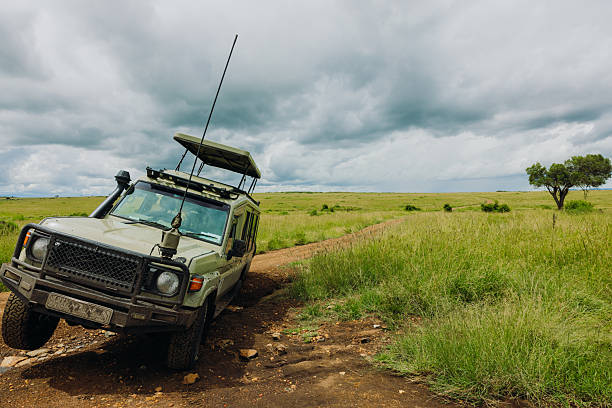
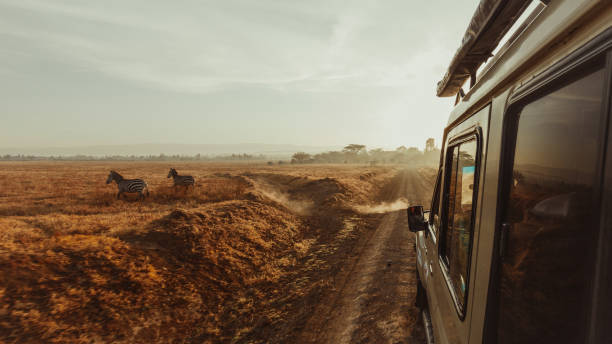
Moshi to Tsavo Safari: Your Comprehensive Tanzania Travel Guide
The journey from Moshi, the gateway to Mount Kilimanjaro, to the vast wilderness of Tsavo National Parks in Kenya offers a unique and rewarding safari experience. This route connects two distinct yet complementary African landscapes, allowing travelers to witness the dramatic change from the highlands surrounding Africa’s highest peak to the expansive savannas teeming with wildlife. A Moshi to Tsavo safari is perfect for those looking to combine cultural immersion and mountain views with classic game drives across different ecosystems.
This detailed guide covers everything you need to know for planning your adventure, from understanding the route and the best times to visit, to what to pack and how to book. We aim to provide practical, actionable advice for your 2026 and 2027 travel plans.
Table of Contents
- Quick Facts: Moshi to Tsavo Safari
- Safari Overview: Connecting Moshi and Tsavo
- Why Choose a Moshi to Tsavo Safari?
- Best Time to Travel: Seasonality for Your Safari
- Route Illustration: Moshi to Tsavo National Parks
- Sample Itinerary: A 7-Day Moshi to Tsavo Safari
- What to Expect on Your Journey
- Wildlife Highlights in Tsavo
- Understanding Park Fees and Costs
- Typical Inclusions and Exclusions
- Packing Essentials for Your Safari
- Pre-Trip Preparation and Health Advice
- Common Mistakes to Avoid
- Who is a Moshi to Tsavo Safari Best Suited For?
- Alternatives to a Moshi to Tsavo Safari
- Planning Your 2026-2027 Safari
- Booking Your Moshi to Tsavo Safari
- Frequently Asked Questions (FAQs)
Quick Facts: Moshi to Tsavo Safari
| Aspect | Details |
|---|---|
| Starting Point | Moshi, Tanzania |
| Ending Point | Tsavo National Parks (East & West), Kenya |
| Primary Activity | Wildlife viewing, game drives, landscape exploration |
| Key Wildlife Areas | Tsavo East, Tsavo West |
| Travel Time (Moshi to Tsavo) | Approx. 4-6 hours driving, depending on border crossing and specific park entrance. |
| Visa Requirements | Tanzania visa (if not visa-exempt), Kenya visa (if not visa-exempt). Check current regulations. |
| Currency | Tanzanian Shilling (TZS) in Tanzania, Kenyan Shilling (KES) in Kenya. USD widely accepted for tourist services. |
| Recommended Duration | 3-5 days for Tsavo portion, plus travel time from Moshi. |
| Best For | Nature lovers, photographers, those seeking diverse landscapes and wildlife. |
Safari Overview: Connecting Moshi and Tsavo
The Moshi to Tsavo safari is a cross-border adventure that begins in the town of Moshi, Tanzania, situated at the foot of Mount Kilimanjaro. From here, travelers head towards the Kenyan border, a relatively straightforward crossing for most nationalities. Once in Kenya, the journey continues to Tsavo National Park, one of Africa’s largest wildlife reserves. This park is famously divided into two distinct areas: Tsavo East and Tsavo West.
Tsavo East is renowned for its vast, open plains, the iconic Aruba Dam, and the Mudanda Rock, offering excellent opportunities to spot large herds of elephants, lions, cheetahs, and diverse birdlife. Tsavo West, on the other hand, presents a more varied terrain with volcanic hills, lava flows (like the Shetani Lava Flow), and permanent water sources such as the Mzima Springs, which are home to hippos and crocodiles. The landscapes in Tsavo West are more dramatic and offer chances to see leopards, rhinos, and various antelope species.
This safari allows for a logical progression, starting with the Kilimanjaro region’s unique environment and then moving into the classic East African savanna experience of Tsavo. It’s a journey that balances transit with game viewing, offering a rich introduction to the wildlife and natural beauty of both Tanzania and Kenya.
Why Choose a Moshi to Tsavo Safari?
Several compelling reasons make a Moshi to Tsavo safari an attractive option for travelers:
- Geographic Convenience: Moshi is a major hub for Kilimanjaro treks and northern Tanzanian safaris. Tsavo is one of Kenya’s most accessible major parks from the Tanzanian border, making it a logical extension or a standalone trip for those already in the region.
- Diverse Ecosystems: You transition from the fertile highlands around Kilimanjaro to the arid, expansive plains of Tsavo. This variety offers different photographic opportunities and wildlife viewing dynamics.
- Iconic Wildlife: Tsavo is famous for its large elephant herds, often seen bathing in red dust, giving them the nickname ‘red elephants.’ You also have excellent chances of spotting lions, cheetahs, leopards, buffalo, zebras, giraffes, and numerous antelope species.
- Less Crowded Experience (Potentially): While Tsavo is popular, it’s less frequented than some of the more famous Kenyan parks like the Masai Mara, offering a more serene safari experience at certain times of the year.
- Combination Potential: This route is ideal for combining with a Kilimanjaro climb or other northern Tanzanian circuit safaris (like Serengeti and Ngorongoro) before or after your Tsavo visit. It also works well for those heading towards the Kenyan coast.
- Value for Money: Compared to some other East African safari circuits, Tsavo can offer excellent value, especially for budget-conscious travelers, without compromising on wildlife encounters.
Best Time to Travel: Seasonality for Your Safari
The best time to undertake a Moshi to Tsavo safari depends on your priorities, particularly regarding weather and wildlife viewing. Generally, the dry seasons offer the most predictable conditions for game drives.
| Season | Months | Weather | Wildlife Viewing | Crowds | Notes |
|---|---|---|---|---|---|
| Dry Season (Long Dry) | June – October | Cooler, dry, sunny days. Minimal rainfall. | Excellent. Animals congregate around water sources. Vegetation is sparse, making spotting easier. | Moderate to High (especially July-September). | Ideal for photography and general game viewing. The “Great Migration” is often in the Masai Mara, but Tsavo has resident wildlife year-round. |
| Short Rains | November – December | Intermittent showers, usually short and heavy, often in the afternoon. Still good sunshine. | Good. The landscape becomes greener. Some animals may disperse slightly. | Moderate. | A beautiful time with lush scenery. Fewer tourists can mean better rates. |
| Wet Season (Long Rains) | January – March | Hotter, humid, with occasional rain. Can be unpredictable. | Good, but vegetation can be thicker. Animals are more dispersed. Birdlife is excellent. | Low. | Excellent for birdwatchers and photographers seeking dramatic skies. Fewer crowds and potentially lower prices. Roads can be more challenging. |
| Shoulder Season (Post-Long Rains) | April – May | Heavy rainfall, often prolonged. Can impact road conditions significantly. | Can be challenging due to thick vegetation and dispersed animals. | Low. | Generally considered the least ideal time for safaris in Tsavo due to rain and potential accessibility issues. |
For a Moshi to Tsavo safari, the period from June to October is often considered prime time. However, the shoulder months of November-December and January-March can offer a more intimate experience with fewer crowds and stunning green landscapes, provided you are prepared for occasional rain showers.
Route Illustration: Moshi to Tsavo National Parks
This is a simplified representation of the travel route. Actual travel times will vary based on road conditions, border crossing efficiency, and specific lodge locations within the parks.
| Stage | Location/Activity | Approximate Travel Time | Notes |
|---|---|---|---|
| 1 | Moshi, Tanzania | N/A | Start point. Pre-safari briefing, final preparations. |
| 2 | Drive to Namanga Border Post | Approx. 2-3 hours | Cross-border formalities. |
| 3 | Border Crossing (Namanga) | Approx. 1-2 hours (can vary significantly) | Immigration and customs procedures for both Tanzania and Kenya. |
| 4 | Drive to Tsavo West National Park (e.g., Kitani Lodge area) | Approx. 2-3 hours from border | Enter Tsavo West. First game drive en route to accommodation. |
| 5 | Tsavo West National Park | Full days | Explore varied landscapes, Mzima Springs, lava flows. |
| 6 | Transfer to Tsavo East National Park (e.g., Voi Safari Lodge area) | Approx. 2-3 hours drive within/between parks | Game drive en route. |
| 7 | Tsavo East National Park | Full days | Explore open plains, Aruba Dam, Yatta Plateau. |
| 8 | Departure from Tsavo / onward travel | N/A | Typically depart from a nearby airstrip (e.g., Voi) or drive to Nairobi/Mombasa. |
This route prioritizes experiencing both Tsavo East and West, offering a comprehensive look at the park’s diversity.
Sample Itinerary: A 7-Day Moshi to Tsavo Safari
This sample itinerary is designed to give you a good balance of travel, game viewing, and relaxation. It can be customized to your preferences and available time. This is a popular choice for a Moshi to Tsavo safari in 2026-2027.
| Day | Location | Activities | Accommodation Type (Example) |
|---|---|---|---|
| Day 1 | Moshi to Tsavo West | Morning departure from Moshi. Drive to Namanga border. Border formalities. Continue to Tsavo West National Park. Check into lodge. Afternoon game drive. | Mid-range lodge inside or near Tsavo West (e.g., Kilaguni Serena Safari Lodge or similar). |
| Day 2 | Tsavo West Exploration | Full day of game drives in Tsavo West. Visit Mzima Springs to see hippos and crocodiles. Explore the diverse landscapes, looking for leopards and rhinos. Optional: visit the rhino sanctuary. | Same as Day 1. |
| Day 3 | Tsavo West to Tsavo East | Morning game drive in Tsavo West. After breakfast, drive to Tsavo East National Park, enjoying game viewing en route. Check into lodge in Tsavo East. Afternoon game drive. | Mid-range lodge inside or near Tsavo East (e.g., Voi Wildlife Lodge or similar). |
| Day 4 | Tsavo East Exploration | Full day game drives in Tsavo East. Visit Aruba Dam and Mudanda Rock. Look for the famous red elephants, lions, cheetahs, and diverse birdlife. | Same as Day 3. |
| Day 5 | Tsavo East Exploration / Optional Activities | Morning game drive. Optional activities could include a visit to a local community or a guided bush walk (if available and permitted). Another afternoon game drive. | Same as Day 3. |
| Day 6 | Tsavo East to Taita Hills/Salt Lick | Morning game drive in Tsavo East. Depart for Taita Hills Wildlife Sanctuary (adjacent to Tsavo). Check into Taita Hills Lodge or the unique Salt Lick Safari Lodge. Afternoon game drive. | Salt Lick Safari Lodge (unique stilted lodge) or Taita Hills Lodge. |
| Day 7 | Departure | Early morning game drive. After breakfast, drive to your departure point (e.g., Voi airstrip for a flight to Nairobi or Mombasa, or drive to Mombasa/Nairobi). | N/A |
This itinerary is a suggestion. You can extend your stay in either park, focus more on specific activities, or adjust the pace. For instance, some travelers might choose to spend more time in the more rugged Tsavo West, while others prefer the open plains of Tsavo East.
What to Expect on Your Journey
A Moshi to Tsavo safari offers a distinct set of experiences:
- Road Conditions: Roads within Tsavo can range from well-maintained tracks to rougher, unpaved paths, especially after rain. Expect dusty conditions during the dry season. 4×4 safari vehicles are standard.
- Border Crossing: The Namanga border crossing is a common point. While generally efficient, it can sometimes involve delays. Ensure your visa requirements are met in advance. Your tour operator will typically guide you through this process.
- Accommodation: Tsavo offers a range of lodges and tented camps, from basic to luxury. Many lodges are strategically located with excellent views or near water sources. Some are built on stilts overlooking waterholes (like Salt Lick Lodge), offering unique viewing opportunities.
- Game Drives: Expect early morning and late afternoon game drives, which are typically the most productive times for spotting wildlife. Your guide will use their expertise to find animals.
- Scenery: Tsavo East is characterized by its vast, flat plains and acacia woodlands. Tsavo West is more dramatic, with rolling hills, volcanic cones, and rocky outcrops. The red earth of Tsavo is a defining feature, staining the elephants and landscapes.
- Heat: Tsavo can be very hot, especially between December and March. Early mornings and late afternoons are cooler. Staying hydrated is crucial.
- Connectivity: Mobile phone reception can be spotty within the parks. Lodges usually offer Wi-Fi, but it may be slow or limited.
Wildlife Highlights in Tsavo
Tsavo National Park is a wildlife haven, offering incredible viewing opportunities. Key species you might encounter include:
- Elephants: Tsavo is renowned for its large herds of African elephants, often seen coated in the characteristic red dust.
- Lions: The Tsavo lions are famous, particularly the maneless males of Tsavo East. While sightings are never guaranteed, the park has a healthy population.
- Cheetahs: Often found in the open plains of Tsavo East, they are the fastest land animals.
- Leopards: More elusive and typically found in Tsavo West’s denser bush and rocky areas.
- Rhinos: Tsavo West has a protected rhino sanctuary, offering a good chance to see both black rhinos and the critically endangered Eastern black rhino.
- Buffalo: Large herds are common throughout the park.
- Giraffes: Reticulated giraffes are often seen browsing acacia trees.
- Zebras: Plains zebras are abundant.
- Antelopes: A wide variety, including Oryx (Gemsbok), Gerenuk, hartebeest, dik-dik, impala, and kudu.
- Hippos and Crocodiles: Found in rivers and at Mzima Springs in Tsavo West.
- Birdlife: Tsavo is a paradise for birdwatchers, with over 500 species recorded, including endemic and migratory birds.
Understanding Park Fees and Costs
Park fees are a significant component of any safari budget. For Tsavo National Park, fees are charged per person per 24-hour period and vary for adults and children, and for non-residents versus East African residents.
Key points regarding park fees:
- Current Rates: Fees are subject to change and are set by the Kenya Wildlife Service (KWS). It’s crucial to confirm the latest rates for 2026-2027 with your tour operator.
- Payment: Fees are typically paid in USD for non-residents and are usually included in your tour package price by reputable operators.
- Duration: Fees are usually calculated on a 24-hour basis, meaning if you enter at 10 AM on Day 1 and exit at 10 AM on Day 2, you pay for one day. Exiting at 11 AM on Day 2 would incur a second day’s fee.
- Vehicle Fees: In addition to per-person fees, there might be a per-vehicle fee, especially for larger safari vehicles.
- Accommodation Location: Some lodges inside the park might charge an entry fee upon arrival if you haven’t paid it already.
Cost Notes:
- A typical non-resident park fee for Tsavo is in the range of USD 30-50 per person per day, but this can vary.
- Your tour operator will manage the payment of park fees. Ensure this is clearly stated in your booking confirmation.
- Budget for tips for your guide and lodge staff, which are customary.
- Costs for a Moshi to Tsavo safari will depend on the length of stay, accommodation level, and transportation method (private vehicle vs. shared).
Typical Inclusions and Exclusions
When booking a safari package, understanding what is included and excluded is vital to avoid surprises. Below is a general guide; always check the specifics with your tour operator.
| Included | Excluded |
|---|---|
| Accommodation for the duration of the safari | International flights to/from Tanzania/Kenya |
| All meals (breakfast, lunch, dinner) as specified in the itinerary | Visa fees for Tanzania and Kenya |
| Park entrance fees | Travel insurance |
| Game drives in a 4×4 safari vehicle with a professional driver/guide | Gratuities for guide and lodge staff |
| Bottled water during game drives | Personal expenses (e.g., laundry, souvenirs, drinks) |
| Airport transfers (if arranged as part of the package) | Optional activities (e.g., bush walks, cultural visits, hot air balloon rides) |
| Cross-border assistance (if applicable) | Tips for local guides or porters on Kilimanjaro (if combined) |
Packing Essentials for Your Safari
Packing smart is key to enjoying your safari. Focus on comfort, practicality, and protection from the elements.
- Clothing: Neutral colors (khaki, beige, olive green) are best to avoid startling wildlife. Avoid bright colors and dark blue/black, which can attract tsetse flies. Pack light, breathable fabrics.
- Layers: Mornings and evenings can be cool, especially in the dry season. Pack a fleece jacket or a warm sweater.
- Footwear: Comfortable, closed-toe shoes (hiking boots or sturdy trainers) are essential. Sandals or flip-flops for relaxing at the lodge.
- Headwear: A wide-brimmed hat or cap for sun protection is a must.
- Sun Protection: High SPF sunscreen, sunglasses, and lip balm.
- Insect Repellent: Especially important for evenings and areas near water. Look for products containing DEET or Picaridin.
- Camera Gear: Camera with extra batteries, memory cards, and a zoom lens. A dust-proof bag is advisable. Binoculars are highly recommended for spotting distant wildlife.
- First-Aid Kit: Include personal medications, antiseptic wipes, plasters, pain relievers, and any remedies for upset stomachs.
- Toiletries: Biodegradable toiletries are preferred. Don’t forget hand sanitizer.
- Documents: Passport, visas, flight details, insurance information, vaccination certificates. Keep copies separate from originals.
- Power Adapter: Kenya uses Type G (UK-style) plugs. Carry a universal adapter if needed. Power can sometimes be unreliable, so consider a power bank.
- Water Bottle: A reusable water bottle is eco-friendly and essential for staying hydrated.
- Small Backpack: For carrying essentials during game drives.
Pro Tip: Most safari lodges have laundry services, so you can pack lighter and have clothes washed.
Pre-Trip Preparation and Health Advice
Proper preparation ensures a smooth and healthy safari experience.
- Vaccinations and Health: Consult your doctor or a travel clinic 4-6 weeks before your trip. Recommended vaccinations may include Hepatitis A, Typhoid, and Tetanus. Yellow Fever vaccination may be required if arriving from or transiting through a country with a risk of Yellow Fever. Discuss malaria prophylaxis with your doctor; Tsavo is a malaria-risk area.
- Travel Insurance: Comprehensive travel insurance is non-negotiable. It should cover medical emergencies, evacuation, trip cancellation, and lost luggage.
- Visas: Check the latest visa requirements for both Tanzania and Kenya based on your nationality. You can often obtain visas on arrival or online in advance (e-visas).
- Currency: Carry a mix of USD (widely accepted for tourist services and visas) and local currency (KES for Kenya, TZS for Tanzania) for smaller purchases or tips. ATMs are available in larger towns but can be unreliable in remote areas. Credit cards are accepted at most lodges but may incur surcharges.
- Fitness: While not physically demanding, you should be able to get in and out of a safari vehicle and walk short distances. If combining with Kilimanjaro, ensure you are well-prepared for the trek.
- Cultural Sensitivity: Be respectful of local customs and traditions. Dress modestly when visiting local communities. Ask permission before taking photos of people.
Common Mistakes to Avoid
Planning a Moshi to Tsavo safari involves navigating cross-border logistics and different park systems. Here are common mistakes to avoid:
- Not booking in advance: Especially for popular travel periods in 2026-2027, accommodation and reliable guides can book up quickly.
- Underestimating travel times: Distances in East Africa can be deceiving, and road conditions or border delays can significantly impact travel schedules.
- Ignoring visa and health requirements: Last-minute rushes can lead to significant problems at borders or airports.
- Packing inappropriate clothing: Bright colors, excessive formal wear, or insufficient warm layers can detract from your experience.
- Not budgeting for all costs: Forgetting park fees, tips, or personal expenses can lead to financial strain during the trip.
- Choosing an unreliable operator: Opt for reputable tour operators with good reviews and clear communication. A bad guide can ruin an otherwise spectacular safari.
- Over-scheduling: Rushing from one park to another leaves little time for spontaneous wildlife sightings or relaxation. Allow ample time for game drives and enjoying the environment.
- Not understanding inclusions/exclusions: This can lead to unexpected charges.
Who is a Moshi to Tsavo Safari Best Suited For?
This particular safari route appeals to a diverse range of travelers:
- Adventure Seekers: Those who enjoy journeys that involve crossing borders and exploring varied terrains.
- Nature Enthusiasts: Individuals who appreciate diverse ecosystems and the chance to see a wide array of wildlife.
- Photographers: The dramatic landscapes of Tsavo West and the vast plains of Tsavo East, coupled with iconic wildlife, offer incredible photographic opportunities.
- Travelers Combining Destinations: Perfect for those who have climbed Kilimanjaro and want to extend their trip with a classic safari, or for those exploring northern Tanzania and looking for a Kenyan extension.
- Budget-Conscious Travelers: Tsavo can offer a more affordable safari experience compared to some other popular parks, while still delivering excellent game viewing.
- First-Time East African Safari-Goers: It provides a solid introduction to the safari experience with iconic animals and landscapes.
Alternatives to a Moshi to Tsavo Safari
While a Moshi to Tsavo safari is a fantastic option, other routes might better suit your interests or logistical preferences:
- Northern Tanzania Circuit: If you are starting in Moshi and want to focus solely on Tanzania, the classic Northern Circuit (Tarangire, Lake Manyara, Serengeti, Ngorongoro Crater) offers arguably the most concentrated and diverse wildlife viewing in East Africa. This is a more extensive Tanzanian experience.
- Southern Tanzania Safaris: Parks like Selous Game Reserve (now Nyerere National Park) and Ruaha National Park offer a more wild and less crowded safari experience. These are typically accessed via flights from Dar es Salaam.
- Kenya’s Masai Mara: For the ultimate big cat and migration experience (during season), the Masai Mara is unparalleled. It’s a longer journey from Moshi, usually involving a flight or a longer drive to Nairobi first.
- Amboseli National Park: Located closer to the Tanzanian border than Tsavo, Amboseli offers stunning views of Mount Kilimanjaro as a backdrop to its large elephant herds. It can be visited as a standalone trip or combined with Tsavo.
- Tanzania Coastal Holidays (Zanzibar): If wildlife is not your primary focus after Moshi, consider flying to Zanzibar for a beach and cultural escape.
The choice depends on your priorities: maximum wildlife density (Serengeti/Mara), unique landscapes (Tsavo), dramatic backdrops (Amboseli), or a more remote feel (Southern Tanzania).
Planning Your 2026-2027 Safari
Planning ahead is crucial for a successful safari, especially for travel in 2026 and 2027. Here’s a planning checklist:
| Phase | Action Items | Timeline (Approx.) |
|---|---|---|
| Initial Research & Decision | Determine your safari goals (wildlife, landscapes, activities). Choose your route (e.g., Moshi to Tsavo). Decide on the duration. Identify your budget range. | 12-18 months before travel |
| Choose a Tour Operator | Research reputable operators. Get quotes. Compare itineraries, inclusions, and reviews. Book with your chosen operator. | 9-12 months before travel |
| Book Flights | Book international flights to Kilimanjaro International Airport (JRO) or Nairobi (NBO), depending on your chosen itinerary. | 8-10 months before travel |
| Visa & Passport Check | Ensure passports are valid for at least 6 months beyond your return date. Check visa requirements for Tanzania and Kenya. Apply for e-visas if applicable. | 6-8 months before travel |
| Health Consultations | Schedule appointments with your doctor or travel clinic for vaccinations and malaria prophylaxis. | 4-6 months before travel |
| Finalize Itinerary & Payments | Confirm all details with your tour operator. Make the second payment if required. | 3-4 months before travel |
| Packing & Gear | Start purchasing or gathering necessary clothing and gear. | 2-3 months before travel |
| Pre-Trip Briefing | Receive final itinerary, contact information, and pre-departure advice from your operator. | 1-2 weeks before travel |
| Final Payments & Currency | Make any final payments. Obtain USD for visas/tips and some local currency. | 1 week before travel |
Booking early for 2026-2027 is highly recommended, especially if you have specific lodge preferences or travel during peak seasons.
Booking Your Moshi to Tsavo Safari
Securing your Moshi to Tsavo safari with a reliable operator is the most critical step. Here’s how to approach it:
- Research Operators: Look for Tanzanian or Kenyan-based tour operators specializing in safaris. Websites like Best Tanzania Tour Operator are dedicated to providing authentic and well-managed safari experiences.
- Get Detailed Quotes: Request detailed itineraries and quotes from 2-3 operators. Compare what’s included, the quality of accommodation, and the safari vehicle type.
- Check Reviews: Look for independent reviews on platforms like TripAdvisor or Google. Pay attention to comments about guide quality, vehicle condition, and customer service.
- Communication is Key: A good operator will be responsive and able to answer all your questions clearly. They should be flexible enough to customize your itinerary.
- Understand Payment Terms: Reputable operators typically require a deposit (e.g., 20-30%) upon booking, with the balance due 30-60 days before departure. Be wary of operators demanding full payment upfront.
- Ask About Vehicle Type: Ensure you are booked in a 4×4 safari vehicle (e.g., Land Cruiser) with pop-up roofs for optimal game viewing and photography.
- Confirm Guide Experience: Inquire about the qualifications and experience of your driver-guide. A good guide significantly enhances the safari experience.
- Consider Travel Insurance: Always purchase comprehensive travel insurance that includes medical evacuation.
Contact Us: For a personalized Moshi to Tsavo safari itinerary for 2026 or 2027, tailored to your interests and budget, please reach out to our expert team.
WhatsApp: +255616946642
Email: topguideadventures@gmail.com
Backup Email: info@topguideadventures.com
Frequently Asked Questions (FAQs)
Q1: Is a Moshi to Tsavo safari safe?
Yes, a Moshi to Tsavo safari is generally very safe when organized through a reputable tour operator. The primary safety concerns are related to wildlife, but your experienced driver-guide will ensure you maintain a safe distance. Health precautions, like malaria prevention and drinking bottled water, are also important.
Q2: What is the best way to travel from Moshi to Tsavo?
The most common and recommended way is by private safari vehicle. This allows for flexibility, comfort, and game viewing en route. The journey involves driving from Moshi to the Namanga border crossing, completing immigration, and then continuing into Tsavo National Park.
Q3: How many days are recommended for a Moshi to Tsavo safari?
To properly experience both Tsavo East and Tsavo West, a minimum of 3 to 4 days dedicated to the parks is recommended, in addition to travel time from Moshi. A 5-7 day itinerary often provides a more relaxed and comprehensive experience.
Q4: Can I do a Moshi to Tsavo safari on a budget?
Yes, it’s possible. Opting for mid-range or budget-friendly lodges, traveling during the low season (e.g., April-May), and joining a small group safari can help reduce costs. Tsavo itself is often more affordable than some other East African parks.
Q5: What kind of visa do I need for this trip?
You will need a Tanzanian visa (if required for your nationality) for your time in Moshi and a Kenyan visa (if required) for Tsavo National Park. Many nationalities can obtain these on arrival or via an e-visa application online before your trip. Always check the latest requirements for both countries.
Q6: What is the difference between Tsavo East and Tsavo West?
Tsavo East is known for its vast, flat plains and is home to the famous ‘red elephants.’ Tsavo West has a more varied landscape with rolling hills, volcanic cones, and permanent water sources like Mzima Springs, offering a different safari experience and better chances for spotting leopards and rhinos.
Q7: Will I see the Great Migration on a Moshi to Tsavo safari?
The Great Migration is primarily a phenomenon of the Serengeti (Tanzania) and Masai Mara (Kenya) ecosystems. While you will see abundant resident wildlife in Tsavo, the migration herds are unlikely to be present. If seeing the migration is a priority, you would need to adjust your itinerary to include the Masai Mara during the migration season (typically July-October).
Q8: What vaccinations are recommended for Tanzania and Kenya in 2026-2027?
It’s essential to consult a travel health professional well in advance. Common recommendations include Hepatitis A, Typhoid, Tetanus, and potentially Yellow Fever (depending on your travel route). Malaria prophylaxis is highly recommended for Tsavo.
Q9: Can I combine a Moshi to Tsavo safari with other destinations?
Absolutely. It’s a logical extension after climbing Kilimanjaro. You can also combine it with other northern Tanzanian parks before crossing, or continue to other Kenyan parks like Amboseli or the Masai Mara, or head to the coast (Mombasa).
Q10: What are the typical costs for a Moshi to Tsavo safari?
Costs vary significantly based on accommodation level, tour duration, and group size. A mid-range safari might range from $200-$350 USD per person per day, covering accommodation, park fees, meals, and a guide. Luxury options will be higher. It’s best to get a personalized quote.
Ready to Plan Your Moshi to Tsavo Safari?
A Moshi to Tsavo safari offers a rich and diverse wildlife experience, connecting the iconic Mount Kilimanjaro region with the vast savannas of Kenya’s Tsavo National Parks. Whether you’re seeking the famous ‘red elephants’ or the dramatic landscapes, this journey promises unforgettable moments. Let us help you craft the perfect adventure for 2026 or 2027.
Contact our safari experts today to design your custom itinerary. We specialize in creating memorable and authentic East African travel experiences.
WhatsApp: +255616946642
Email: topguideadventures@gmail.com
Backup Email: info@topguideadventures.com
Plan your Moshi to Tsavo Safari with Top Guide Adventures
Tell us your travel dates, group size, comfort level, and dream experience. We will help you shape a clear, realistic, and memorable Tanzania itinerary.







 Veedesigner
 Fatma Kizanga
 Benjamin Waryuba
 Philip Philip
 John jr Itaja
 Antonia Optatus
 Edith Kanyere
 Neema Iddy
 Kelvin Boniphace
 Damari Maiga



