
Updated planning guide for 2026, 2027-2028
Moshi To Amboseli Safari: Best Guide 2026-2027-2028
A comprehensive guide to planning and experiencing a safari from Moshi to Amboseli National Park. This guide covers everything from itinerary planning and wildlife viewing to accommodation and booking advice for your 2026-2027 adventure.
WhatsApp +255616946642 | topguideadventures@gmail.com | info@topguideadventures.com
Moshi to Amboseli Safari: The Ultimate Planning Guide
The journey from Moshi, Tanzania, to Amboseli National Park in Kenya offers a spectacular transition from the foothills of Mount Kilimanjaro to one of East Africa’s most iconic wildlife destinations. This route is a favorite for travelers seeking diverse landscapes and incredible animal encounters. Planning a Moshi to Amboseli safari requires careful consideration of logistics, timing, and what to expect. This detailed guide will walk you through every step, ensuring your adventure is memorable and well-organized.
Quick Answer: Moshi to Amboseli Safari
A Moshi to Amboseli safari is a multi-day trip combining overland travel from Tanzania’s Kilimanjaro region into Kenya’s Amboseli National Park. It’s ideal for those wanting to see large elephant herds against the backdrop of Kilimanjaro and experience diverse East African wildlife. The best time to go is during the dry seasons (June to October and December to February). Most tours take 3-5 days. Booking with a reputable local operator is recommended for seamless border crossing and wildlife viewing.
| Aspect | Details |
|---|---|
| Origin | Moshi, Tanzania |
| Destination | Amboseli National Park, Kenya |
| Primary Wildlife | Elephants, lions, cheetahs, giraffes, zebras, wildebeest, diverse birdlife. |
| Iconic Scenery | Mount Kilimanjaro backdrop, open savannah, acacia woodlands. |
| Typical Duration | 3 to 5 days |
| Best Time to Visit | Dry Seasons: June-Oct, Dec-Feb |
| Border Crossing | Namanga Border Post |
| Travel Style | Overland safari, lodge or camping options. |
Table of Contents
- Overview: The Moshi to Amboseli Journey
- Why Choose a Moshi to Amboseli Safari?
- Best Time to Plan Your Moshi to Amboseli Safari (2026-2027)
- Route and Area Overview
- Sample 4-Day Moshi to Amboseli Safari Itinerary
- What to Expect on Your Safari
- Wildlife Highlights of Amboseli
- The Scenic Beauty: Kilimanjaro’s Presence
- Accommodation Options: Lodges vs. Camping
- Packing and Preparation Essentials
- Navigating the Namanga Border Crossing
- Common Mistakes to Avoid
- Who is a Moshi to Amboseli Safari Best For?
- Alternatives to a Moshi to Amboseli Safari
- Planning Your Safari for 2026-2027
- Expert Booking Advice
- Frequently Asked Questions (FAQs)
- Ready for Your Amboseli Adventure?
Overview: The Moshi to Amboseli Journey
The Moshi to Amboseli safari is a popular overland expedition that connects two distinct yet complementary East African experiences. Starting in Moshi, a town nestled at the base of Africa’s highest peak, Mount Kilimanjaro, you transition into Kenya’s renowned Amboseli National Park. This park is celebrated for its large elephant populations and breathtaking views of Kilimanjaro, which straddles the border between Tanzania and Kenya.
This safari route is designed for travelers who appreciate the adventure of overland travel and want to experience the unique ecosystem of Amboseli, often with Kilimanjaro providing a dramatic backdrop. The journey typically involves driving from Moshi to the Namanga border post, completing immigration procedures, and then continuing into Kenya towards Amboseli. The duration can vary, but a 3 to 5-day itinerary is common, allowing sufficient time for game drives and appreciating the landscape.
Choosing this route means you can easily combine it with a Kilimanjaro climb or other Tanzanian adventures before heading north, or use it as a stepping stone to other Kenyan safari destinations. It’s a practical and rewarding way to experience cross-border wildlife viewing and iconic African scenery.
Why Choose a Moshi to Amboseli Safari?
Several compelling reasons make the Moshi to Amboseli safari a standout choice for many travelers:
- Iconic Kilimanjaro Views: Amboseli offers arguably the best vantage point for photographing Mount Kilimanjaro. The contrast of vast plains, abundant wildlife, and the majestic snow-capped peak is unforgettable.
- Abundant Elephant Herds: Amboseli is world-famous for its large, well-habituated elephant families. You are almost guaranteed to see elephants here, often in significant numbers, moving freely across the plains.
- Diverse Wildlife: While elephants are the stars, Amboseli hosts a rich variety of wildlife, including lions, cheetahs, giraffes, zebras, wildebeest, buffalo, and numerous bird species.
- Logistical Convenience: For those already in Moshi or planning a Kilimanjaro trek, this route offers a natural extension into Kenya without needing to fly back to a major international airport. It’s an efficient overland connection.
- Varied Landscapes: The park features a mix of open savannah, acacia woodlands, and seasonal swamps fed by Kilimanjaro’s meltwater, creating diverse habitats that attract a wide range of animals.
- Authentic Safari Experience: The overland journey and the park’s natural beauty provide a classic safari feel, often with fewer crowds than some of the more heavily touristed parks.
Best Time to Plan Your Moshi to Amboseli Safari (2026-2027)
Timing is crucial for an optimal safari experience. The best periods for a Moshi to Amboseli safari align with the dry seasons in East Africa, which generally offer better wildlife viewing conditions.
| Period | Description | Pros | Cons |
|---|---|---|---|
| June to October (Dry Season) | This is the peak dry season. Vegetation thins out, and animals congregate around permanent water sources, making them easier to spot. The weather is generally sunny and pleasant. | Excellent game viewing, lower chance of rain, cooler temperatures. Ideal for photography with clear skies and the iconic Kilimanjaro backdrop. | Higher tourist numbers, potentially higher prices. |
| November (Short Rains) | A brief period of intermittent rainfall. The landscape starts to green up. | Fewer tourists, more affordable prices, beautiful scenery. | Occasional rain showers can disrupt game drives. Wildlife may disperse slightly. |
| December to February (Dry Season) | Another dry period, though often warmer than the June-October season. Good for wildlife viewing, especially if rainfall has been minimal. This period also coincides with the Great Migration passing through parts of Kenya, though Amboseli’s wildlife is largely resident. | Good game viewing, pleasant temperatures for much of the period, festive atmosphere around holidays. | Can be hot, especially in February. Popular during Christmas and New Year, leading to higher prices and more visitors. |
| March to May (Long Rains) | This is the wet season. Heavy and prolonged rainfall is common. | Very few tourists, significantly lower prices, lush green landscapes. | Game viewing can be challenging as wildlife disperses, roads can become muddy and difficult to traverse, and skies may be overcast, obscuring Kilimanjaro views. |
Planning for 2026-2027: For the best balance of weather and wildlife, aim for June-October 2026 or December 2026-February 2027. If you prefer fewer crowds and don’t mind a chance of rain, consider November 2026 or March 2027. Booking well in advance is advisable, especially for peak seasons in 2026 and 2027.
Route and Area Overview
The Moshi to Amboseli safari route is a straightforward overland journey, primarily following major roads and then park tracks.
| Start Point | Moshi, Tanzania (near Mount Kilimanjaro) |
| Leg 1: Moshi to Namanga Border | Approximately 100-120 km (60-75 miles) via the A104/B141 roads. This leg takes about 2-3 hours depending on road conditions and traffic. The landscape transitions from agricultural areas around Moshi to drier savannah. |
| Border Crossing: Namanga | This is the official border post between Tanzania and Kenya. Here, you will go through immigration and customs procedures for both countries. This can take anywhere from 30 minutes to several hours, depending on the day and number of travelers. |
| Leg 2: Namanga to Amboseli National Park Entrance | From Namanga, the drive continues into Kenya for approximately 70-90 km (45-55 miles) to the park gates (e.g., Meshanani Gate or Amboseli Gate). This part of the journey takes about 1.5-2.5 hours on dusty, unpaved roads. The terrain becomes increasingly open savannah. |
| Inside Amboseli National Park | Once inside, game drives cover various areas known for wildlife, including the Observation Hill, the swampy areas, and open plains. The total area of Amboseli is around 392 sq km (151 sq miles), but game drives can cover significant distances. |
| End Point (for the safari) | Accommodation within or near the park (lodges, camps). Further travel might be to Nairobi or other Kenyan destinations. |
The journey is characterized by changing landscapes, from the lush highlands around Moshi to the arid plains of the Kenya-Tanzania border region and finally the iconic savannah of Amboseli. It’s an adventure in itself, offering glimpses into rural life and the transition between ecosystems.
Sample 4-Day Moshi to Amboseli Safari Itinerary
This sample itinerary provides a structure for a 4-day safari, balancing travel, game drives, and relaxation. Operators can customize this based on your preferences.
Day 1: Moshi to Amboseli National Park
- Morning: Depart from your hotel in Moshi after breakfast. Your safari vehicle and guide will pick you up.
- Late Morning: Drive towards the Namanga border post. The journey takes approximately 2-3 hours.
- Midday: Complete border formalities at Namanga. This involves exiting Tanzania and entering Kenya. Your guide will assist with the process.
- Afternoon: Continue the drive from Namanga into Kenya and then to the entrance of Amboseli National Park. This leg takes another 1.5-2.5 hours.
- Late Afternoon: Enter Amboseli, check into your lodge or camp, and potentially embark on a short introductory game drive if time permits, enjoying the first views of wildlife and Kilimanjaro.
- Evening: Dinner and overnight stay at your chosen accommodation within or near Amboseli.
Day 2: Full Day Amboseli Game Drives
- Morning: Early morning game drive. This is often the best time to see predators like lions and cheetahs before the heat of the day sets in. Enjoy the soft light and Kilimanjaro views.
- Late Morning: Return to camp/lodge for breakfast or brunch.
- Midday: Relax at your accommodation, perhaps enjoying the pool or viewing deck.
- Afternoon: Another extensive game drive, focusing on areas known for large elephant herds and other wildlife. Visit Observation Hill for panoramic views.
- Evening: Dinner and overnight stay at your accommodation.
Day 3: Amboseli Exploration and Optional Activities
- Morning: Optional early morning game drive or a guided bush walk (if offered and permitted). Alternatively, enjoy a leisurely breakfast.
- Late Morning: Visit a Maasai village (optional, often arranged by the tour operator) to learn about their culture and traditions.
- Afternoon: Further game drives in different parts of the park, seeking out species you may not have seen yet. Focus on landscape photography with Kilimanjaro.
- Evening: Farewell dinner and overnight stay at your accommodation.
Day 4: Final Amboseli Game Drive & Departure
- Morning: Early morning game drive as you exit the park, looking for any last-minute sightings.
- Late Morning: Drive back towards Namanga or your next destination (e.g., Nairobi, depending on your overall itinerary).
- Afternoon: Arrive at your onward destination.
This itinerary can be adjusted. For instance, a 3-day trip would involve less time for optional activities or a more condensed schedule. A 5-day trip would allow for more in-depth exploration, relaxation, or combining with other nearby attractions.
What to Expect on Your Safari
A Moshi to Amboseli safari is an overland adventure with specific expectations regarding travel, wildlife, and environment.
The Journey
The drive from Moshi to Amboseli involves crossing an international border. Expect:
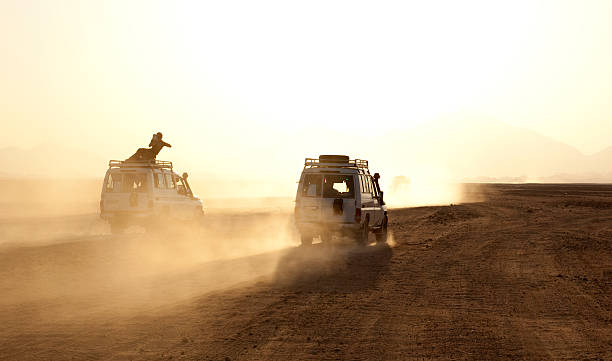
- Road Conditions: Roads in Tanzania can vary from good to poor. The main road to Namanga is generally decent, but expect dust and potentially bumpy sections. Once in Kenya and heading to Amboseli, roads are typically unpaved and can be rough, especially during or after rains.
- Border Crossing: The Namanga border can be busy. Be prepared for potential queues and the need for patience. Your guide will handle most of the paperwork, but you’ll need your passport and visa (if required).
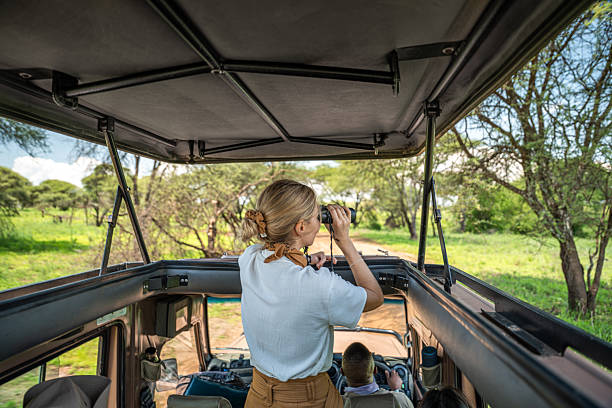
- Vehicle: You’ll typically travel in a 4×4 safari vehicle (Land Cruiser or Land Rover) with a pop-up roof for game viewing. These are essential for navigating park roads and providing good visibility.
- Duration: The total travel time on Day 1 can be 4-6 hours of driving, plus time at the border.
Wildlife Viewing
Amboseli is renowned for its wildlife, but sightings are never guaranteed. You can generally expect:
- Elephants: Very high probability of seeing large herds.
- Other Mammals: Good chances of seeing lions, cheetahs, leopards (more elusive), giraffes, zebras, wildebeest, buffalos, hyenas, jackals, and various antelope species.
- Birds: Amboseli is a birder’s paradise with over 400 species recorded.
- Game Drive Times: Early mornings and late afternoons are usually the most productive for spotting animals.
The Environment
Amboseli’s landscape is characterized by:
- Arid Savannah: Vast, open plains dotted with acacia trees.
- Swamps: Fed by underground streams from Kilimanjaro, these provide vital water sources for wildlife, especially during dry seasons.
- Dust: Expect dust, especially during dry periods and on unpaved roads.
- Temperature: Can range from cool in the early mornings and evenings to very hot during the day, particularly in the dry season.
Accommodation
Options range from budget-friendly camping to comfortable mid-range lodges and luxury tented camps. Most accommodations offer stunning views and are strategically located for wildlife viewing.
Wildlife Highlights of Amboseli
Amboseli National Park is a UNESCO Man and the Biosphere Reserve, celebrated for its ecological significance and abundant wildlife. The park’s ecosystem is heavily influenced by the presence of Mount Kilimanjaro, whose meltwater feeds underground streams that emerge as springs, creating lush swamps even in the dry season.
The Majestic Elephants
Amboseli is perhaps most famous for its large elephant population, numbering around 1,200 individuals. The park is a vital sanctuary for these gentle giants, and visitors are almost guaranteed to witness them. You’ll often see large family herds, including mothers, calves, and bulls, grazing peacefully or interacting near water sources. The elephants here are known for their calm demeanor, allowing for close and respectful viewing.
Predators and Other Mammals
While elephants are the main draw, Amboseli also hosts a healthy population of predators. Look out for:
- Lions: Often found in prides, particularly in areas with good prey concentrations.
- Cheetahs: These fast sprinters are well-adapted to the open plains and are frequently spotted on hunts.
- Leopards: More elusive than lions or cheetahs, they prefer denser bushland and are best seen during dawn or dusk game drives.
- Buffalo: Large herds can be seen, often near water sources.
- Giraffes: Masai giraffes are common, browsing on acacia trees.
- Other Antelopes: Wildebeest, zebras, gazelles (Grant’s and Thomson’s), impalas, dik-diks, and oryx are also present.
- Smaller Mammals: Hyenas, jackals, baboons, vervet monkeys, and various smaller creatures can be seen.
Birdlife
Amboseli is a birdwatcher’s delight, with over 400 species recorded. The varied habitats, from open plains to swamps and woodlands, attract a diverse avian population. Key species include:
- Water Birds: Pelicans, cormorants, herons, egrets, and storks are abundant in the swamps.
- Raptors: Various eagles, buzzards, and falcons.
- Ground Birds: Ostrich, bustards, and sandgrouse.
- Passerines: Numerous smaller birds, including weaver birds, sunbirds, and hornbills.
The Scenic Beauty: Kilimanjaro’s Presence
Perhaps the most defining feature of Amboseli National Park is the ever-present, majestic silhouette of Mount Kilimanjaro. Rising to 5,895 meters (19,341 feet), Africa’s highest peak dominates the southern horizon, providing a breathtaking backdrop to the savannah wildlife. The views are particularly spectacular during the early morning and late afternoon, when the light is soft and the mountain is often clear of clouds.
The park’s landscape is a blend of dry plains, acacia woodlands, and seasonal swamps. These swamps are fed by Kilimanjaro’s underground meltwater, creating pockets of lush vegetation that attract large numbers of animals, especially during the dry season. This contrast between the arid plains and the verdant swamps, with the imposing Kilimanjaro in the background, creates a uniquely beautiful and photogenic environment.
Observation Hill offers a panoramic viewpoint where you can survey the vast plains, spot wildlife, and capture stunning photographs of Kilimanjaro rising above the acacia trees. The interplay of light, landscape, and wildlife makes Amboseli a photographer’s dream.
Accommodation Options: Lodges vs. Camping
When planning your Moshi to Amboseli safari, accommodation is a key decision. You have two main categories: lodges and camping.
Lodges and Tented Camps
These offer comfortable to luxurious stays with amenities. They are ideal for travelers seeking comfort and convenience.
- Styles: Range from rustic-chic tented camps with canvas walls and en-suite bathrooms to more permanent stone-and-thatch lodges.
- Amenities: Typically include comfortable beds, private bathrooms, dining areas, lounges, and often swimming pools. Some offer stunning views of Kilimanjaro or waterholes.
- Meals: Usually provided as full board (breakfast, lunch, dinner).
- Location: Strategically located within or near the park for easy access to game drives.
- Pros: Comfort, convenience, amenities, no setup required, often good dining.
- Cons: Generally more expensive than camping.
Camping
Camping offers a more immersive and budget-friendly experience, connecting you more directly with nature.
- Public Campsites: Basic facilities, shared ablutions, often with designated fire pits. You’ll need to bring your own camping gear or rent it.
- Tented Camps (Operated): Some operators offer fully equipped safari tents on designated campsites, including beds, linens, and sometimes even a cook. This is a good mid-point between basic camping and lodges.
- Meals: Often prepared by a dedicated camp cook or your safari guide.
- Pros: More affordable, closer to nature, authentic safari feel.
- Cons: Requires more effort (or reliance on operator for setup), basic facilities, can be cold at night, need to be comfortable with wildlife sounds around your tent.
Your choice will depend on your budget, comfort preferences, and desired level of immersion. Reputable tour operators can advise on and book the best options for your safari.
Packing and Preparation Essentials
Proper packing is vital for a comfortable and enjoyable Moshi to Amboseli safari. Consider the climate, activities, and necessary documents.
Clothing
- Lightweight, neutral-colored clothing: Khaki, beige, green, or brown are ideal. Avoid bright colors and dark colors (like blue or black, which can attract tsetse flies).
- Long-sleeved shirts and trousers: For sun protection during the day and to protect against insects in the evening.
- T-shirts and shorts: For warmer daytime temperatures.
- Fleece or warm jacket: Evenings and early mornings can be cool, especially during dry seasons.
- Comfortable walking shoes/hiking boots: If you plan any walking safaris or for around camp.
- Sandals or flip-flops: For relaxing at the lodge/camp.
- Hat: Wide-brimmed for sun protection.
- Swimsuit: If your lodge has a pool.
Health and Safety
- Insect repellent: With DEET for mosquitoes and other biting insects.
- Sunscreen: High SPF.
- Personal first-aid kit: Including any personal medications.
- Hand sanitizer: For use when facilities are limited.
- Malaria precautions: Consult your doctor about appropriate antimalarials and vaccinations before traveling.
Documents and Money
- Passport: Valid for at least six months beyond your stay, with sufficient blank pages.
- Visas: Check requirements for Kenya. Many nationalities can get a visa on arrival or online (e-visa).
- Yellow Fever certificate: May be required for entry into Kenya depending on your travel history.
- Travel insurance details: Essential for medical emergencies and trip cancellations.
- Cash: USD is widely accepted for visas and tips. Kenyan Shillings (KES) for local purchases. Carry small denominations.
- Credit/Debit cards: For emergencies or pre-arranged payments. Inform your bank of your travel dates.
Gear and Accessories
- Camera and accessories: Extra batteries, memory cards, and a zoom lens are highly recommended for wildlife photography.
- Binoculars: Essential for spotting distant wildlife.
- Reusable water bottle: To reduce plastic waste.
- Adapter: For charging electronics (Kenya uses Type G plugs, 240V).
- Headlamp or flashlight: Useful for navigating camps at night.
- Small backpack: For day trips and carrying essentials.
Tip: Pack light, as luggage space in safari vehicles can be limited, especially for overland travel. Soft-sided duffel bags are often preferred over hard suitcases.
Navigating the Namanga Border Crossing
The Namanga border post is the primary crossing point for travelers moving between Tanzania and Kenya on this route. It’s a crucial part of your Moshi to Amboseli safari, and understanding the process can make it smoother.
Key Steps and Considerations:
- Location: Namanga is a town situated directly on the border.
- Exit Tanzania: You will first go through immigration to officially exit Tanzania. Your guide will typically handle the vehicle paperwork and assist you with your passport.
- Entry Kenya: After crossing the physical border line, you will proceed to the Kenyan immigration offices to enter Kenya. This is where you’ll present your passport and any required visa.
- Visa Requirements: Check the latest visa requirements for Kenya well in advance. Many nationalities can obtain an e-visa online before travel, which can speed up the process. Others may be eligible for a visa on arrival.
- Passport Validity: Ensure your passport is valid for at least six months beyond your intended stay and has at least two blank pages for stamps.
- Customs: There are customs checks, but for personal belongings and typical safari gear, it’s usually straightforward.
- Time Required: Allow ample time. Border crossings can take anywhere from 30 minutes to 3+ hours, depending on the volume of travelers, efficiency of officials, and whether you have all your documentation in order.
- Assistance: Your safari guide will be invaluable in navigating the process, understanding the procedures, and dealing with officials.
- Currency: Have some USD handy for visa fees if you are paying on arrival, or the local currency of the country you are entering.
Tip: Stay patient and cooperative. Having all your documents organized and readily accessible will significantly help. Your tour operator should provide clear instructions on what to expect and what you need to bring.
Common Mistakes to Avoid
Planning a cross-border safari like Moshi to Amboseli involves unique challenges. Avoiding common mistakes can save you time, money, and stress.
- Ignoring Visa Requirements: Failing to check or obtain the necessary Kenyan visa in advance can lead to significant delays or being denied entry. Always verify current regulations.
- Underestimating Border Crossing Time: Assuming the border crossing will be quick can disrupt your schedule, especially if you have onward travel plans or hotel check-ins. Build in buffer time.
- Not Packing Appropriately: Forgetting essentials like insect repellent, sun protection, or warm layers can make your safari uncomfortable. Remember neutral clothing colors.
- Choosing the Wrong Operator: Selecting an inexperienced or unreliable tour operator, especially for cross-border trips, can result in logistical nightmares, poor service, and missed opportunities. Research thoroughly.
- Overpacking: Safari vehicles have limited space. Overly large or numerous bags can be a problem. Opt for soft-sided duffel bags.
- Expecting Guarantees: While Amboseli has excellent wildlife, sightings are never guaranteed. Don’t set unrealistic expectations for seeing specific animals on demand.
- Not Budgeting for Extras: Factor in costs for tips, drinks, souvenirs, optional activities (like Maasai village visits), and potential visa fees.
- Ignoring Health Advice: Failing to take malaria precautions or get necessary vaccinations can have serious health consequences. Consult your doctor well before your trip.
- Poor Photography Gear: Not having a decent zoom lens or extra batteries can lead to missed photo opportunities of distant wildlife.
Who is a Moshi to Amboseli Safari Best For?
This specific safari route appeals to a particular type of traveler seeking a unique combination of experiences.
- Adventurous Travelers: Those who enjoy overland journeys, border crossings, and experiencing different cultures and landscapes firsthand.
- Kilimanjaro Climbers: It’s a natural extension for trekkers who have just summited or are descending Kilimanjaro, offering a different kind of African wilderness experience without extensive travel.
- Wildlife Enthusiasts Focused on Elephants: Amboseli’s unparalleled elephant viewing makes it a prime destination for anyone fascinated by these magnificent creatures.
- Photographers: The iconic Kilimanjaro backdrop combined with abundant wildlife offers incredible photographic opportunities.
- Budget-Conscious Travelers (with camping): Opting for camping can make this safari more affordable compared to fly-in safaris.
- Travelers Seeking a Cross-Border Experience: For those wanting to experience wildlife in both Tanzania and Kenya within a single trip without the complexity of internal flights.
- First-Time East Africa Safari Goers: It provides a classic safari introduction with guaranteed iconic scenery and wildlife.
It might be less suitable for travelers who prefer luxury fly-in safaris, have very limited time (as overland travel takes longer), or are uncomfortable with basic facilities if choosing the camping option.
Alternatives to a Moshi to Amboseli Safari
While the Moshi to Amboseli route is excellent, other safari options exist if your interests or logistics differ.
Within Tanzania (from Moshi):
- Serengeti National Park & Ngorongoro Crater: The crown jewels of Tanzanian safaris. Offers vast plains, the Great Migration (seasonal), and the unique caldera ecosystem of Ngorongoro. Requires more time and typically involves internal flights or longer drives.
- Tarangire National Park: Known for its large elephant herds (especially in the dry season) and baobab trees. Can be combined with Serengeti/Ngorongoro or visited as a shorter trip.
- Lake Manyara National Park: Famous for its tree-climbing lions and diverse birdlife. Often included in Northern Circuit tours.
Within Kenya (from Nairobi):
- Masai Mara National Reserve: Kenya’s most famous park, renowned for its big cats and the Great Migration (July-October). Offers a classic savannah safari experience.
- Lake Nakuru National Park: Known for its flamingos (though numbers vary) and rhinos.
- Tsavo National Parks (East & West): Vast, rugged landscapes with unique red-dust elephants and diverse wildlife.
Cross-Border Combinations (different routes):
- Tanzania Northern Circuit & Masai Mara (Kenya): A popular combination, often flying between the two regions to save time. This offers a broader view of East Africa’s safari highlights.
- Selous Game Reserve (Southern Tanzania) & Zanzibar: If you’re looking for a different Tanzanian experience combined with beach relaxation.
The Moshi to Amboseli safari offers a specific blend of convenience, iconic scenery, and wildlife that’s hard to replicate. If its unique combination appeals to you, it’s a fantastic choice. If you prioritize seeing the Great Migration or prefer exploring Tanzania’s interior parks, other options might be more suitable.
Planning Your Safari for 2026-2027
Planning ahead is key for a successful safari, especially for popular times in 2026 and 2027. Here’s a guide to help you prepare.
Booking Window
For peak seasons (June-October 2026/2027 and December 2026-February 2027), it’s advisable to book at least 6-12 months in advance. This secures your preferred accommodation and ensures availability of guides and vehicles.
Choosing a Tour Operator
Selecting the right operator is critical. Look for:
- Experience: Especially with cross-border safaris.
- Reputation: Check reviews and testimonials.
- Customization: Ability to tailor the itinerary to your interests and budget.
- Local Knowledge: Operators based in Tanzania or Kenya often have better insights.
- Clear Inclusions/Exclusions: Understand what your package covers.
Visa and Health Preparations
Start researching visa requirements for Kenya early. Consult your doctor regarding vaccinations and malaria prophylaxis for East Africa at least 6-8 weeks before your travel dates in 2026 or 2027.
Budgeting
Safari costs vary based on accommodation type (camping vs. lodge), duration, and inclusions. Budget for park fees, vehicle hire, guide services, accommodation, meals, and personal expenses like tips and souvenirs. For 2026-2027, expect prices to remain competitive but subject to annual adjustments.
Packing Strategy
Begin gathering your packing list early. Consider the season you plan to travel in 2026 or 2027. Lightweight, neutral clothing is essential. Don’t forget binoculars, camera gear, and a good insect repellent.
Flexibility
While planning is important, maintain some flexibility. Road conditions, weather, and wildlife movements can sometimes necessitate minor itinerary adjustments.
Expert Booking Advice
Securing the right Moshi to Amboseli safari package requires careful consideration. Here’s advice to ensure a smooth booking process for your 2026-2027 adventure.
1. Research and Vet Operators Thoroughly
Look for: Tanzanian or Kenyan-based companies with a proven track record in managing cross-border tours. Check independent review sites (TripAdvisor, Google Reviews) and ask for references. A company like Best Tanzania Tour Operator (Top Guide Adventures) has extensive experience in this region.
2. Understand Inclusions and Exclusions
Clarify: What is covered in the price? This typically includes park fees, accommodation, a safari vehicle and guide, meals as specified, and airport transfers (if applicable). Exclusions often involve international flights, visas, travel insurance, tips, drinks, and personal expenses. A clear itinerary breakdown is crucial.
3. Discuss Your Budget and Preferences
Be upfront: Communicate your budget range and desired level of comfort (e.g., camping, mid-range lodges, luxury lodges). A good operator will suggest options that fit your needs for 2026 or 2027 travel.
4. Review the Itinerary Carefully
Check: The pace of the safari, travel times, game drive durations, and included activities. Ensure it matches your expectations for exploring Amboseli and the journey from Moshi.
5. Ask About the Safari Vehicle and Guide
Inquire: Whether the vehicle is a well-maintained 4×4 (Land Cruiser/Land Rover) with a pop-up roof. A knowledgeable, experienced guide is essential for spotting wildlife and understanding the local environment.
6. Understand Payment Terms and Cancellation Policy
Read: The deposit requirements, payment schedule, and cancellation terms. Ensure they are fair and clearly stated. For bookings made for 2026-2027, these policies are particularly important.
7. Confirm Visa and Health Requirements
Don’t assume: Your operator will handle visas. While they can guide you, the responsibility for obtaining the correct Kenyan visa (e-visa recommended) and ensuring you meet health requirements (vaccinations, malaria prophylaxis) usually lies with the traveler. Consult your doctor and the Kenyan embassy/consulate.
8. Get Everything in Writing
Essential: All agreements, itinerary details, inclusions, exclusions, and payment terms should be documented in your booking confirmation or contract.
Contact Information for Booking Assistance:
For expert planning and booking of your Moshi to Amboseli safari, reach out to the experienced team at Best Tanzania Tour Operator (Top Guide Adventures):
- WhatsApp: +255616946642
- Email: topguideadventures@gmail.com
- Backup Email: info@topguideadventures.com
Frequently Asked Questions (FAQs)
What is the best way to travel from Moshi to Amboseli?
The most common and recommended way is via a private safari vehicle with a guide. This involves driving from Moshi to the Namanga border, completing immigration, and then continuing into Amboseli National Park. This overland journey is typically arranged by a tour operator.
How long does the journey from Moshi to Amboseli take?
The total travel time, including the border crossing at Namanga, can range from 4 to 7 hours, depending on road conditions, traffic, and the efficiency of the border officials. It’s best to start early in the morning.
What wildlife can I expect to see in Amboseli?
Amboseli is famous for its large elephant herds. You can also expect to see lions, cheetahs, leopards, giraffes, zebras, wildebeest, buffalo, hyenas, and a wide variety of bird species. The chances of seeing elephants are very high.
Is a visa required for Kenya when traveling from Tanzania?
Yes, a visa is generally required for Kenya for most nationalities. It’s highly recommended to apply for an e-visa online before your trip to streamline the entry process. Check the latest requirements with the Kenyan immigration authorities or your tour operator.
What is the best time of year for a Moshi to Amboseli safari in 2026-2027?
The dry seasons are best for wildlife viewing: June to October 2026 and December 2026 to February 2027. These periods offer thinner vegetation and animals congregating around water sources. For planning your 2027 safari, these periods remain ideal.
Can I combine a Moshi to Amboseli safari with a Kilimanjaro climb?
Absolutely! Many travelers do this. You can climb Kilimanjaro first and then take a safari to Amboseli, or vice versa. It’s a popular combination for experiencing diverse adventures in the region.
What should I pack for a Moshi to Amboseli safari?
Pack light, neutral-colored clothing, long sleeves and trousers for sun and insect protection, a warm jacket for cool mornings/evenings, comfortable shoes, a hat, sunscreen, insect repellent, a camera, binoculars, and any personal medications. Ensure your passport and visa are in order.
Are there malaria risks in Amboseli?
Yes, malaria is present in Amboseli and surrounding areas. It is crucial to consult your doctor about malaria prevention medication and take precautions such as using insect repellent and wearing long sleeves/trousers in the evenings.
What are the accommodation options in Amboseli?
Amboseli offers a range of options, including budget-friendly public campsites, comfortable mid-range lodges, and more luxurious tented camps. Your tour operator can help you choose based on your budget and preferences.
Is it safe to travel from Moshi to Amboseli?
The route is generally safe when undertaken with a reputable tour operator. They are experienced in handling border crossings and navigating the regions. Standard travel precautions should be observed.
Can I do a day trip from Moshi to Amboseli?
A day trip is not feasible or recommended due to the distance, border crossing time, and the desire to spend ample time on safari within Amboseli. A minimum of 2-3 days is needed to properly experience the park.
Ready for Your Moshi to Amboseli Safari?
The journey from Moshi to Amboseli offers an unforgettable East African safari experience, blending iconic landscapes with abundant wildlife. Whether you’re a seasoned traveler or embarking on your first African adventure, planning is key to maximizing your enjoyment.
Let us help you craft the perfect Moshi to Amboseli safari for 2026-2027. Our expert team at Best Tanzania Tour Operator (Top Guide Adventures) specializes in creating seamless and memorable safari experiences. We handle all the logistics, from reliable transportation and comfortable accommodation to expert guiding, ensuring you can focus on the incredible wildlife and scenery.
Contact us today to start planning your dream safari:
- WhatsApp: +255616946642
- Email: topguideadventures@gmail.com
- Backup Email: info@topguideadventures.com
We look forward to helping you create lasting memories on your Tanzanian and Kenyan adventure!
Plan your Moshi to Amboseli Safari with Top Guide Adventures
Tell us your travel dates, group size, comfort level, and dream experience. We will help you shape a clear, realistic, and memorable Tanzania itinerary.







 Veedesigner
 Fatma Kizanga
 Benjamin Waryuba
 Philip Philip
 John jr Itaja
 Antonia Optatus
 Edith Kanyere
 Neema Iddy
 Kelvin Boniphace
 Damari Maiga



