
Updated planning guide for 2026, 2027-2028
Moshi To Nairobi Safari: Best Guide 2026-2027-2028
Your comprehensive guide to planning a safari adventure from Moshi, Tanzania, to Nairobi, Kenya. Learn about the best routes, wildlife encounters, logistical considerations, and how to make the most of this cross-border journey in 2026-2027.
WhatsApp +255616946642 | topguideadventures@gmail.com | info@topguideadventures.com
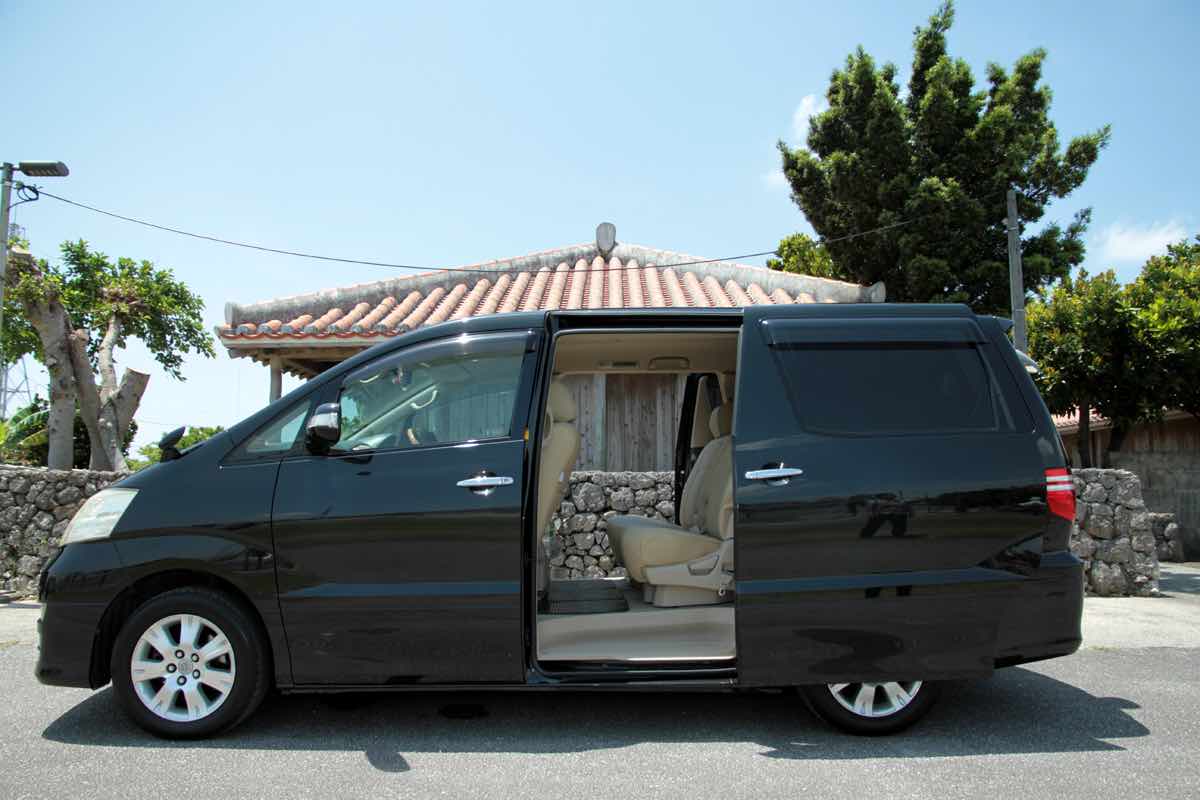
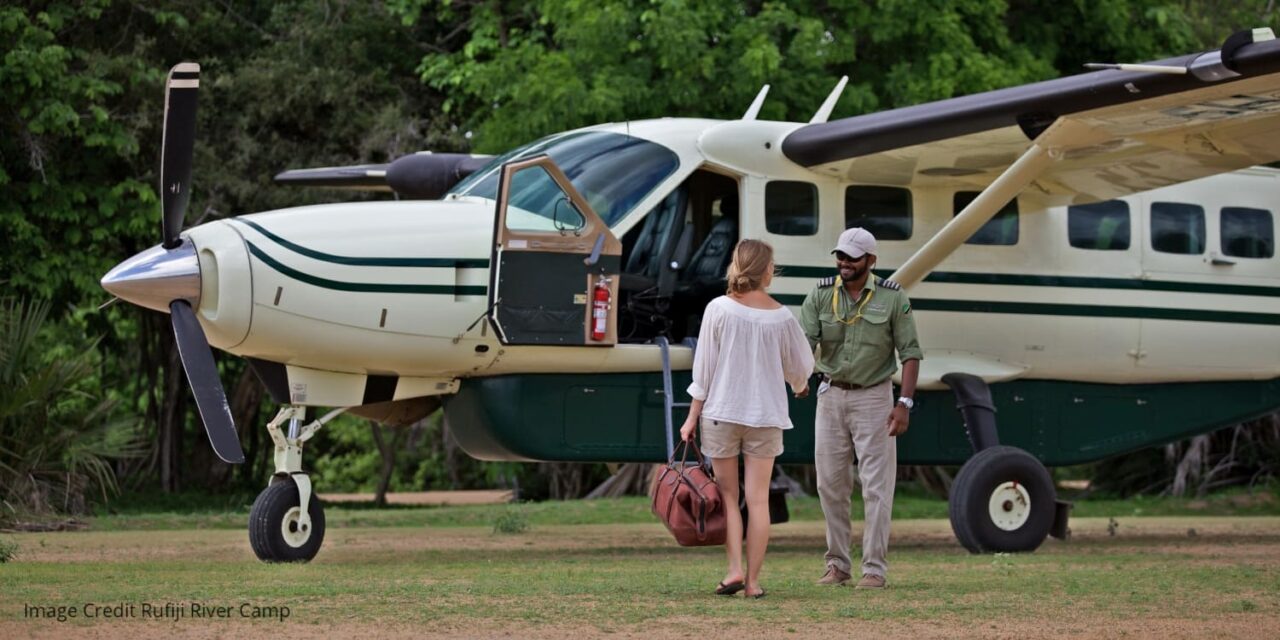
Moshi to Nairobi Safari: Your Essential Travel Guide
The journey from Moshi, Tanzania, to Nairobi, Kenya, is a popular route for travelers seeking to experience the iconic wildlife and diverse landscapes of East Africa. This adventure connects two of the region’s most significant safari hubs, offering a bridge between the wonders of the Serengeti, Ngorongoro Crater, and the Maasai Mara. Whether you’re starting your Tanzanian adventure near Mount Kilimanjaro and looking to extend your wildlife viewing into Kenya, or vice versa, understanding the logistics and highlights of a Moshi to Nairobi safari is key to a successful trip.
This guide provides an in-depth look at planning this unique cross-border safari. We cover everything from the best routes and timings to what wildlife you can expect, essential preparations, and how to book your adventure for 2026 and 2027. Get ready to explore the heart of East Africa’s safari circuit.
Quick Answer: What is a Moshi to Nairobi Safari?
A Moshi to Nairobi safari is a travel itinerary that typically involves starting in or near Moshi, Tanzania, experiencing its local attractions or concluding a Kilimanjaro climb, and then traveling overland or by flight to Nairobi, Kenya, to continue or begin a safari experience, most commonly focusing on Kenya’s renowned parks like the Maasai Mara. It’s a strategic way to combine the best of both countries’ wildlife offerings and cultural experiences.
Table of Contents
- Safari Overview: Moshi to Nairobi
- Why Choose a Moshi to Nairobi Safari?
- Quick Facts: Moshi to Nairobi Safari
- Best Time to Travel: Seasonality Explained
- Popular Routes and Travel Options
- Wildlife Highlights: What to Expect
- Sample Itinerary: A 10-Day Moshi to Nairobi Safari
- What to Expect on the Ground
- Essential Planning and Preparation
- Packing Essentials for Your Safari
- Common Mistakes to Avoid
- Who is This Safari Best Suited For?
- Alternatives to a Moshi to Nairobi Route
- Planning Your 2026-2027 Safari Trip
- Booking Your Moshi to Nairobi Safari
- Frequently Asked Questions
- Start Planning Your Dream Safari
Safari Overview: Moshi to Nairobi
The Moshi to Nairobi safari is more than just a transfer; it’s a carefully curated journey that allows travelers to witness the incredible biodiversity of two neighboring East African nations. Typically, this route begins in Tanzania, often after exploring the northern circuit parks like Tarangire, Lake Manyara, Serengeti, and the Ngorongoro Crater, or after a successful climb of Mount Kilimanjaro, with Moshi serving as the gateway city. From Moshi, travelers then make their way to Nairobi, Kenya’s vibrant capital, which is the primary gateway to Kenya’s world-famous national parks, chief among them the Maasai Mara National Reserve.
This cross-border travel requires careful planning, considering visa requirements, border crossings, and the transition between different tour operators or service providers. The reward, however, is an unparalleled safari experience that captures the essence of the Great Migration (depending on the season) and offers diverse landscapes, from the savannahs of the Mara to the unique ecosystems of the Tanzanian parks.
Why Choose a Moshi to Nairobi Safari?
Several compelling reasons make the Moshi to Nairobi safari a sought-after travel plan:
- Maximizing Wildlife Viewing: It allows you to experience the world-renowned Serengeti ecosystem, which extends into the Maasai Mara. Witnessing the Great Migration, which moves between these two iconic reserves, is a highlight for many.
- Logistical Efficiency: For travelers arriving in Kilimanjaro International Airport (JRO) and departing from Jomo Kenyatta International Airport (NBO), this route offers a natural flow, minimizing backtracking.
- Diverse Landscapes and Wildlife: Tanzania’s northern circuit offers unique geological features like the Ngorongoro Crater, while Kenya’s Maasai Mara is famed for its vast plains and dense predator populations. Combining them provides a richer safari experience.
- Cultural Immersion: The journey passes through regions inhabited by various ethnic groups, including the Maasai, offering opportunities for cultural interaction.
- Strategic Advantage for Climbers: For those who have climbed Kilimanjaro, Moshi is the logical starting point. Extending the trip to Kenya allows for continued wildlife adventures without significant logistical hurdles.
Quick Facts: Moshi to Nairobi Safari
| Aspect | Details |
|---|---|
| Primary Starting Point | Moshi, Tanzania |
| Primary Ending Point | Nairobi, Kenya |
| Key Parks (Tanzania) | Serengeti National Park, Ngorongoro Conservation Area, Tarangire National Park, Lake Manyara National Park |
| Key Parks (Kenya) | Maasai Mara National Reserve, potentially Amboseli National Park (detour) |
| Typical Duration | 7-14 days (can be customized) |
| Travel Between Countries | Border crossing at Namanga or via flight |
| Wildlife Highlights | Big Five, Great Migration (seasonal), diverse birdlife, large predator concentrations |
| Best Months | June to October (dry season, migration in Mara); January to February (calving season) |
Best Time to Travel: Seasonality Explained
The optimal time for a Moshi to Nairobi safari largely depends on what you wish to see and experience, particularly concerning the Great Migration and weather patterns.
Dry Season (June to October)
This is generally considered the peak safari season across both Tanzania and Kenya. The weather is dry and sunny, making game viewing easier as animals congregate around water sources. Crucially, the Great Migration typically moves into the Maasai Mara during these months, offering spectacular river crossings (especially July-September) and abundant predator activity.
- Pros: Excellent game viewing, comfortable weather, high chances of witnessing the migration in the Mara.
- Cons: Higher prices, more crowds, booking well in advance is essential for 2026-2027.
Green Season (November to May)
This period is characterized by rainfall, though it doesn’t usually rain all day. The landscape becomes lush and green, offering stunning photographic opportunities. This is the calving season in the southern Serengeti (December-March), a crucial time for predator-wildlife interactions. Birdwatching is also excellent during this time.
- Pros: Lower prices, fewer crowds, beautiful scenery, excellent for birding and observing young wildlife.
- Cons: Some roads can become challenging to navigate, potential for travel disruptions due to rain, migration is in southern Serengeti/south of the border.
Specific Considerations for 2026-2027:
- Migration Timing: While generally predictable, the exact timing of the Great Migration can vary slightly year to year. Consult with your tour operator for the most current predictions.
- Shoulder Seasons: May and November can offer a good balance of decent weather, fewer crowds, and more competitive pricing.
Popular Routes and Travel Options
There are several ways to undertake a Moshi to Nairobi safari, each with its own advantages:
1. Overland via Namanga Border Crossing
This is the most common and often the most economical method. It involves driving from Moshi to the Namanga border post, completing immigration and customs procedures, and then continuing the drive to Nairobi.
- Typical Itinerary Flow: Moshi -> Arusha -> Namanga Border -> Kajiado -> Nairobi.
- Duration: The drive from Moshi to Nairobi can take between 8-12 hours, depending on border crossing times and road conditions. This is often done as a travel day between safari legs.
- Pros: Cost-effective, allows for scenic views of the changing landscapes, opportunities to stop at local markets or points of interest.
- Cons: Can be a long and tiring day, potential delays at the border, requires coordination of vehicles and drivers on both sides.
2. Flight from Kilimanjaro to Nairobi
For those prioritizing speed and comfort, flying is an excellent option. There are regular flights from Kilimanjaro International Airport (JRO) or Arusha Airport (ARK) to Jomo Kenyatta International Airport (NBO) in Nairobi.
- Typical Itinerary Flow: Moshi/Arusha -> Transfer to JRO/ARK -> Flight to NBO -> Transfer to Nairobi hotel or next safari leg.
- Duration: Flight time is approximately 1-1.5 hours. Factor in airport transfers and check-in times.
- Pros: Fast, comfortable, avoids border crossing complexities, maximizes safari time.
- Cons: More expensive than overland travel, luggage restrictions on smaller aircraft.
3. Combination Overland and Flight
Some travelers might choose to drive part of the way, perhaps to a specific point of interest, and then fly to save time. Or, they might fly into Nairobi and then take an overland safari into Tanzania, returning to Nairobi for a Kenyan safari.
Route Illustration (Conceptual Overland Path):
Moshi (Tanzania) ➔ Arusha ➔ Drive North-West ➔ Namanga Border Crossing ➔ Drive North-East ➔ Kajiado (Kenya) ➔ Nairobi (Kenya)
Wildlife Highlights: What to Expect
The Moshi to Nairobi safari route is designed to maximize wildlife encounters, showcasing the diverse fauna of both countries.
Tanzania’s Northern Circuit (Starting from Moshi):
- Serengeti National Park: Famous for its vast plains and the Great Migration. Expect large herds of wildebeest and zebras, lions, leopards, cheetahs, elephants, giraffes, and numerous other plains game.
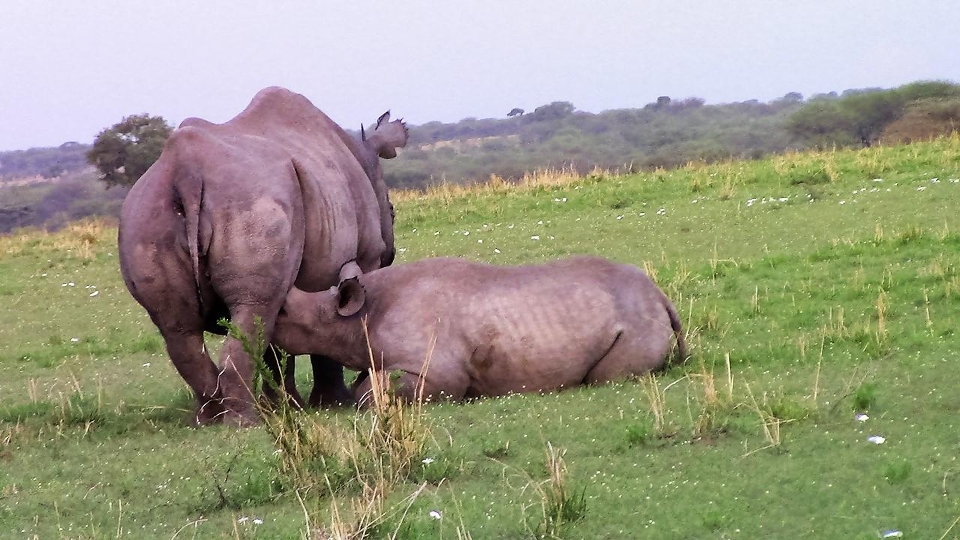
- Ngorongoro Conservation Area: Home to the Ngorongoro Crater, a UNESCO World Heritage Site. This caldera hosts an incredibly dense population of wildlife, including the Big Five (lion, leopard, elephant, rhino, buffalo) in a relatively small area. It’s one of the best places to spot the endangered black rhino.
- Tarangire National Park: Known for its large elephant herds, especially during the dry season when they congregate around the Tarangire River. Also features baobab trees and diverse birdlife.
- Lake Manyara National Park: Famous for its tree-climbing lions (though sightings are not guaranteed), large troops of baboons, and a beautiful soda lake that attracts flamingos and other water birds.
Kenya’s Maasai Mara National Reserve:
The Maasai Mara is the Kenyan extension of the Serengeti ecosystem and is arguably one of the most famous safari destinations in the world.
- Great Migration: From roughly July to October, the Mara hosts millions of wildebeest, zebras, and gazelles. Witnessing the dramatic river crossings of the Mara River is an unforgettable spectacle.
- Predator Capital: The Mara boasts one of the highest densities of predators in Africa, including lions, cheetahs, leopards, and hyenas.
- Big Cats: This is an excellent location for spotting big cats in their natural habitat.
- Other Wildlife: Elephants, giraffes, hippos, crocodiles, and a vast array of bird species are also abundant.
Potential for Amboseli National Park (Detour):
If time and logistics permit, a detour to Amboseli National Park, south of Nairobi, offers iconic views of Mount Kilimanjaro as a backdrop to large elephant herds. This can be incorporated before or after the Maasai Mara.
Sample Itinerary: A 10-Day Moshi to Nairobi Safari
This is a sample itinerary designed to give you a taste of both Tanzanian and Kenyan highlights. It can be customized to your interests, budget, and available time. For 2026-2027 travel, booking this far in advance is highly recommended.
Day 1: Arrival in Moshi / Arusha
Arrive at Kilimanjaro International Airport (JRO). You will be met and transferred to your hotel in Moshi or Arusha. Relax and prepare for your safari. If you’ve just completed a Kilimanjaro climb, this is a day for rest and celebration.
Day 2: Tarangire National Park
After breakfast, drive to Tarangire National Park, known for its large elephant herds and baobab trees. Enjoy a full day of game drives.
Day 3: Lake Manyara National Park & Ngorongoro Highlands
Morning game drive in Lake Manyara National Park, famous for its tree-climbing lions and diverse birdlife. In the afternoon, drive towards the Ngorongoro Conservation Area, stopping for views of the highlands.
Day 4: Ngorongoro Crater Tour
Descend into the Ngorongoro Crater for a full-day game drive. This unique ecosystem is home to a high concentration of wildlife, including the Big Five.
Day 5: Serengeti National Park (Central)
Drive to the Serengeti National Park, stopping at Olduvai Gorge (optional). Enjoy an afternoon game drive in the central Serengeti, known for its resident wildlife.
Day 6: Serengeti National Park (Migration Focus if applicable)
Full day exploring the Serengeti. Depending on the season, your guide will take you to areas where the Great Migration is likely to be found.
Day 7: Travel to Nairobi
Morning game drive in the Serengeti, then drive to the Seronera Airstrip for a flight to Nairobi (or drive to the border and cross overland to Nairobi, which takes a full day).
Option A (Flight): Fly from Seronera Airstrip to Wilson Airport, Nairobi. Transfer to your Nairobi hotel.
Option B (Overland): Early start for a long drive to the Namanga border. Complete border formalities and continue to Nairobi. Check into your hotel.
Day 8: Maasai Mara National Reserve
After breakfast, drive to the Maasai Mara National Reserve. Check into your camp/lodge and embark on an afternoon game drive.
Day 9: Maasai Mara National Reserve
Full day exploring the Maasai Mara. Search for the Big Five, witness predator-prey interactions, and, if in season, look for river crossings.
Day 10: Maasai Mara & Departure
Optional early morning game drive. After breakfast, drive back to Nairobi for your onward flight or overnight stay.
What to Expect on the Ground
A Moshi to Nairobi safari involves a mix of experiences:
- Vehicle Types: Safaris typically use 4×4 safari vehicles (Land Cruisers or Land Rovers) with pop-up roofs for optimal game viewing and photography. Ensure your operator provides reliable vehicles.
- Accommodation: Options range from budget-friendly tented camps and guesthouses to mid-range lodges and luxurious tented camps or hotels. Your choice will significantly impact the overall cost.
- Guides: Experienced, knowledgeable guides are crucial. They are skilled in tracking wildlife, understanding animal behavior, and navigating the parks. Good guides enhance the safari experience immensely.
- Game Drives: Expect early morning and late afternoon game drives, which are typically the best times for wildlife activity. Midday might involve relaxing at your lodge or optional activities.
- Border Crossing: If traveling overland, be prepared for the Namanga border crossing. This can sometimes involve queues and requires patience. Ensure you have the correct visa documentation for Kenya.
- Connectivity: Mobile phone reception can be spotty in national parks. Wi-Fi is usually available at lodges and hotels, but speeds can vary.
Essential Planning and Preparation
Thorough planning is vital for a smooth Moshi to Nairobi safari, especially for trips in 2026 and 2027.
Visas and Passports:
- Ensure your passport is valid for at least six months beyond your intended stay and has sufficient blank pages.
- Check the visa requirements for both Tanzania and Kenya based on your nationality. Many nationalities can obtain visas on arrival or apply online in advance (e-visas).
Health and Vaccinations:
- Consult your doctor or a travel clinic 4-6 weeks before your trip regarding recommended vaccinations (e.g., Yellow Fever, Hepatitis A, Typhoid) and malaria prophylaxis.
- Carry a basic first-aid kit.
Travel Insurance:
Comprehensive travel insurance is non-negotiable. It should cover medical emergencies, evacuation, trip cancellation, and lost luggage.
Currency:
- Tanzania Shilling (TZS) in Tanzania and Kenyan Shilling (KES) in Kenya. US Dollars are widely accepted for tourist services, especially for park fees and larger payments. Carry smaller denominations for tips and local purchases.
Communication:
Inform your mobile provider about your travel plans. Consider purchasing local SIM cards upon arrival for more affordable data and calls, though reception can be limited in parks.
Booking in Advance:
For popular periods like the dry season (June-October) and holiday seasons, booking your safari, especially for 2026 and 2027, 6-12 months in advance is highly recommended to secure preferred accommodation and vehicles.
Packing Essentials for Your Safari
Packing light and smart is key for an East African safari.
Clothing:
- Neutral Colors: Pack lightweight, breathable clothing in neutral colors like khaki, beige, olive green, and brown. Avoid bright colors and dark blue/black, which can attract insects or be seen as alarming by wildlife.
- Layers: Include long-sleeved shirts and trousers for sun protection and cooler evenings/early mornings. A fleece or warm jacket is essential for early morning game drives, especially in higher altitudes.
- Comfortable Footwear: Closed-toe walking shoes or hiking boots if you plan on any walking safaris. Comfortable sneakers for around the lodge/camp.
- Sun Protection: Wide-brimmed hat, sunglasses, and high SPF sunscreen.
- Rain Gear: A lightweight waterproof jacket or poncho, especially if traveling during the shoulder or green seasons.
Gear:
- Binoculars: Essential for spotting wildlife at a distance.
- Camera: With extra batteries, memory cards, and a zoom lens.
- Power Bank/Adapter: For charging electronics. Most camps have charging facilities, but it’s good to have a backup.
- Insect Repellent: With DEET or Picaridin.
- Personal Toiletries: Including hand sanitizer.
- Reusable Water Bottle: Stay hydrated and reduce plastic waste.
Common Mistakes to Avoid
To ensure your Moshi to Nairobi safari is memorable for all the right reasons, be aware of these common pitfalls:
- Underestimating Travel Times: Distances in East Africa can be deceiving, and road conditions can slow travel significantly. Always factor in ample time for transfers.
- Ignoring Border Crossing Procedures: Not having the correct visa or travel documents can lead to significant delays or being denied entry. Research thoroughly.
- Not Booking in Advance: Especially for peak seasons in 2026-2027, popular lodges and safari vehicles get booked up months ahead.
- Packing Inappropriately: Bringing too much luggage, the wrong types of clothing, or forgetting essentials like insect repellent can detract from your experience.
- Choosing the Cheapest Option Blindly: While budget is a factor, the cheapest safari operators may compromise on vehicle maintenance, guide quality, or safety standards. Research operator reviews and inclusions carefully.
- Expectations of Seeing Everything: Wildlife sightings are not guaranteed. While East Africa offers incredible chances, understand that nature is unpredictable. A good guide will maximize your chances.
- Not Considering the Great Migration Timing: Planning a safari specifically to see the migration without understanding its seasonal movements can lead to disappointment.
Who is This Safari Best Suited For?
The Moshi to Nairobi safari is ideal for:
- Wildlife Enthusiasts: Those eager to witness the diverse fauna of East Africa and potentially the Great Migration.
- Adventure Seekers: Travelers looking for an overland journey that combines different countries and iconic landscapes.
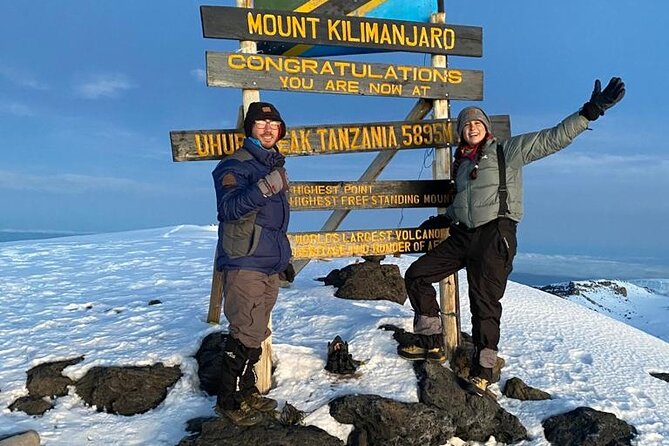
- Post-Kilimanjaro Climbers: A natural extension for those who have summited Kilimanjaro and want to continue their African adventure with incredible wildlife viewing.
- Photographers: The stunning landscapes and abundant wildlife offer unparalleled photographic opportunities.
- Couples and Families: With customizable itineraries, it can be tailored for honeymoons, family trips, or adventurous solo travelers.
- Travelers Seeking Value: By combining overland travel with strategic park choices, it can offer a comprehensive experience without necessarily opting for the most exclusive (and expensive) lodges.
Alternatives to a Moshi to Nairobi Route
While the Moshi to Nairobi route is popular, other options exist depending on your interests and starting point:
- Nairobi to Moshi: The reverse journey, starting in Kenya and moving south into Tanzania.
- Tanzania Only Safari: Focusing entirely on Tanzania’s northern circuit (Serengeti, Ngorongoro, Tarangire) or southern circuit (Selous, Ruaha).
- Kenya Only Safari: Exploring Kenya’s parks like the Maasai Mara, Amboseli, Samburu, and Tsavo without crossing into Tanzania.
- Fly-in Safaris: For maximum efficiency and comfort, flying between parks in both countries can bypass long overland journeys and border crossings, though at a higher cost.
- Southern Tanzania to Malawi/Zambia: For a different East/Southern Africa experience, focusing on parks like Ruaha and then heading south.
Planning Your 2026-2027 Safari Trip
Planning a safari for 2026 or 2027 requires early engagement and strategic decisions. Here are key considerations:
Early Booking for Peak Seasons:
As mentioned, the dry season (June-October) is the most sought-after period. For 2026 and especially 2027, start researching and contacting tour operators at least 9-12 months in advance. This is crucial for securing specific lodges or camps, especially those offering prime locations for migration viewing.
Budgeting for 2026-2027:
Safari costs can vary significantly. Generally, expect prices to reflect inflation and demand. A Moshi to Nairobi safari will involve costs for:
- Park entrance fees (which are substantial and often quoted in USD)
- Accommodation (lodges/camps)
- Vehicle and guide hire
- Meals and drinks
- Internal flights or overland transfer costs
- Visa fees
- Tips
A mid-range safari for 10 days might range from $3,000 to $6,000+ per person, excluding international flights. Luxury options will be considerably higher.
Choosing the Right Operator:
Select a reputable tour operator with strong experience in both Tanzania and Kenya. Look for operators who:
- Offer customizable itineraries.
- Have excellent reviews regarding guides, vehicles, and customer service.
- Are transparent about inclusions and exclusions.
- Are responsive to your inquiries.
Flexibility with Dates:
If your dates are flexible, consider traveling during the shoulder seasons (e.g., May, November) for potentially better value and fewer crowds in 2026-2027.
Booking Your Moshi to Nairobi Safari
Securing your Moshi to Nairobi safari requires careful selection of a tour operator and clear communication about your expectations.
Steps to Booking:
- Research Operators: Identify reputable companies that specialize in cross-border East African safaris.
- Request Quotes: Contact 2-3 operators with your desired dates, duration, budget, and specific interests (e.g., photography, Great Migration, birding).
- Review Itineraries and Inclusions: Compare the proposed itineraries, accommodation levels, and what is included (park fees, meals, drinks, activities, transfers).
- Ask Questions: Don’t hesitate to ask about vehicle types, guide experience, cancellation policies, and payment schedules.
- Confirm Details: Once you’ve chosen an operator, confirm all details, dates, and costs.
- Deposit and Final Payment: Most operators require a deposit to confirm the booking, with the balance due closer to the travel date.
What to Look for in an Operator:
- Local Expertise: Companies based in Tanzania or Kenya often have the best on-the-ground knowledge.
- Customization: The ability to tailor the trip to your needs is essential.
- Safety Standards: Ensure they adhere to strict safety protocols.
- Sustainability Practices: Look for operators committed to responsible tourism.
When planning your 2026-2027 adventure, remember that a well-planned Moshi to Nairobi safari offers an incredible opportunity to witness the best of East African wildlife and landscapes.
Frequently Asked Questions
1. How long does it take to travel from Moshi to Nairobi?
By road, the journey typically takes 8-12 hours, including the border crossing at Namanga. This often constitutes a full travel day. Flying from Kilimanjaro International Airport (JRO) to Nairobi (NBO) is much faster, taking about 1-1.5 hours of flight time, plus airport transfers.
2. What are the visa requirements for a Moshi to Nairobi safari?
Visa requirements vary by nationality. US, UK, and EU citizens can often get visas on arrival or apply online. It’s essential to check the latest regulations for both Tanzania and Kenya for your specific nationality well before your 2026-2027 trip. Many can now obtain e-visas.
3. Is it safe to travel overland between Tanzania and Kenya?
The overland route via Namanga is a well-traveled tourist route and is generally considered safe when using reputable tour operators. However, it’s a long journey, and road conditions can vary. It’s advisable to travel with experienced drivers and during daylight hours.
4. Can I see the Great Migration on a Moshi to Nairobi safari?
Yes, you can. The Great Migration moves between the Serengeti (Tanzania) and the Maasai Mara (Kenya). If your safari is timed between July and October, you have a high chance of witnessing the migration, particularly the dramatic river crossings in the Maasai Mara.
5. What is the best way to book this safari?
The best way is to book through a reputable tour operator that specializes in East African safaris and can arrange logistics in both countries. They will handle park bookings, accommodation, vehicles, and guides, ensuring a smoother experience for your 2026-2027 travel.
6. What is the typical cost of a Moshi to Nairobi safari?
Costs vary significantly based on accommodation level, duration, and inclusions. A mid-range 10-day safari could range from $3,000 to $6,000+ per person. Luxury safaris will be higher. It’s best to get personalized quotes from operators.
7. What kind of vehicle will I use?
Most safaris use 4×4 Land Cruisers or Land Rovers equipped with pop-up roofs for excellent game viewing and photography. Ensure your operator provides well-maintained vehicles.
8. What if I want to combine Kilimanjaro climb with this safari?
This is a very popular combination. You would typically complete your climb, spend a day or two resting in Moshi, and then begin your safari portion heading towards the Tanzanian parks before crossing into Kenya.
9. Are park fees included in safari packages?
Reputable tour operators usually include park fees in their quotes, but it’s crucial to confirm this. Park fees are a significant part of the safari cost and are typically paid daily per person.
10. What currency should I use?
While US Dollars are widely accepted for tourist services, it’s good to have some Tanzanian Shillings (TZS) and Kenyan Shillings (KES) for smaller purchases, tips, and local markets. ATMs are available in major towns like Moshi and Nairobi.
11. When is the best time for birdwatching on this route?
Birdwatching is excellent year-round, but migratory birds are most abundant during the wet seasons (roughly November to April). The green landscapes also make for beautiful photographic opportunities during these times.
12. Can I customize a Moshi to Nairobi safari for 2027?
Absolutely. Most tour operators allow for extensive customization. You can adjust the duration, choose specific parks, select accommodation types, and incorporate special interests like photography or cultural visits for your 2027 trip.
Start Planning Your Dream Safari
A Moshi to Nairobi safari offers an unparalleled journey through some of East Africa’s most iconic landscapes and wildlife havens. From the vast plains of the Serengeti to the predator-rich Maasai Mara, this route promises unforgettable experiences.
Planning a trip of this magnitude requires expertise and local knowledge. We specialize in creating bespoke safari adventures that connect the wonders of Tanzania with the breathtaking wildlife of Kenya. Whether you’re a post-Kilimanjaro climber or a dedicated wildlife enthusiast, we can craft the perfect itinerary for your 2026 or 2027 adventure.
Contact us today to discuss your ideal Moshi to Nairobi safari. Let us help you create memories that will last a lifetime.
WhatsApp: +255616946642
Email: topguideadventures@gmail.com
Backup Email: info@topguideadventures.com
Plan your Moshi to Nairobi Safari with Top Guide Adventures
Tell us your travel dates, group size, comfort level, and dream experience. We will help you shape a clear, realistic, and memorable Tanzania itinerary.
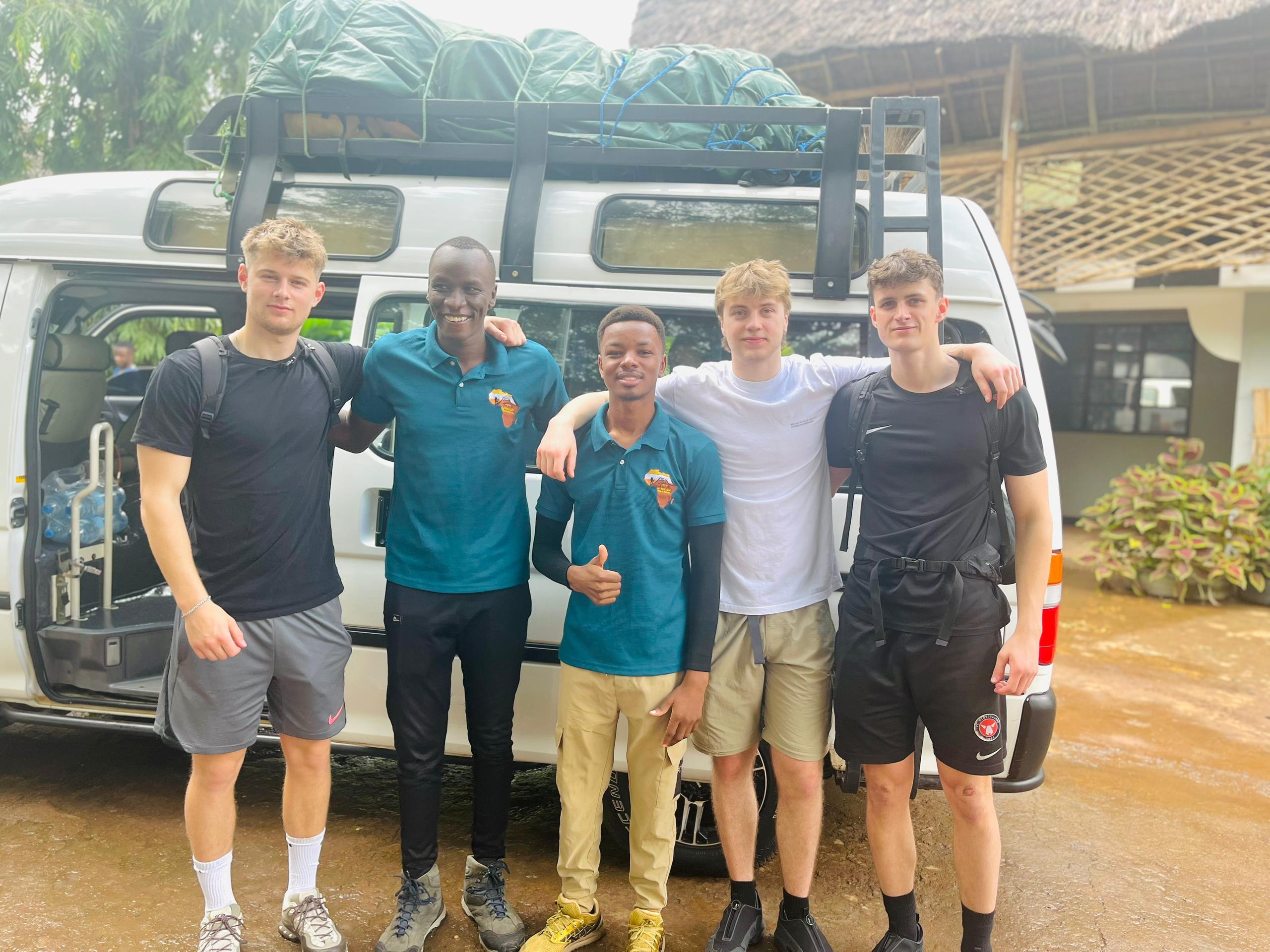

 Veedesigner
 Fatma Kizanga
 Benjamin Waryuba
 Philip Philip
 John jr Itaja
 Antonia Optatus
 Edith Kanyere
 Neema Iddy
 Kelvin Boniphace
 Damari Maiga



