
Updated planning guide for 2026, 2027-2028
Calving Season Safari From Moshi: Best Guide 2026-2027-2028
Discover the magic of calving season safaris starting from Moshi. This comprehensive guide covers everything you need to know for an incredible wildlife viewing experience in Tanzania during 2026-2027, including planning, itineraries, and what to expect.
WhatsApp +255616946642 | topguideadventures@gmail.com | info@topguideadventures.com
Calving Season Safari From Moshi: The Ultimate Guide to Witnessing New Life
Tanzania is renowned for its incredible wildlife spectacles, and few are as captivating as the annual calving season. For travelers seeking a profound connection with nature, a calving season safari from Moshi offers an unparalleled opportunity to witness the miracle of new life against the backdrop of the African savanna. This period, primarily centered in the southern Serengeti and Ngorongoro Conservation Area, sees vast herds of wildebeest, zebras, and other herbivores giving birth, attracting predators and creating a dynamic ecosystem alive with activity. This guide provides an in-depth look at planning, experiencing, and maximizing your calving season safari adventure, starting your journey from the convenient gateway town of Moshi.
Best Tanzania Tour Operator is your trusted partner in crafting unforgettable Tanzanian experiences. From the slopes of Kilimanjaro to the plains of the Serengeti, we specialize in creating custom safaris that cater to your interests and travel style. For those drawn to the drama of the calving season, we offer expertly curated itineraries designed to place you at the heart of the action.
Quick Facts: Calving Season Safari from Moshi
| Aspect | Details |
|---|---|
| Primary Wildlife Event | Births of wildebeest, zebras, and other herbivores. |
| Peak Season Period | Late January to March (can vary slightly year to year). |
| Key Locations | Southern Serengeti National Park, Ngorongoro Conservation Area. |
| Starting Point | Moshi, Tanzania. |
| Best For | Wildlife enthusiasts, photographers, those seeking dramatic natural events. |
| Typical Duration | 5-10 days (including travel from Moshi). |
| Predator Activity | High due to abundant prey. |
| Accommodation Types | Tented camps, lodges (ranging from budget to luxury). |
Understanding the Calving Season Phenomenon
The Great Migration is a year-round event, a constant movement of millions of wildebeest, zebras, and gazelles across the Serengeti-Mara ecosystem. The calving season is a crucial phase within this larger cycle. Around February, the herds congregate in the nutrient-rich grasslands of the southern Serengeti plains, particularly around areas like Ndutu and the Ngorongoro Conservation Area. This abundance of new life is a magnet for predators.
During this time, an estimated 500,000 calves are born within a few weeks. This concentrated birth rate is a survival strategy; the sheer number of newborns overwhelms predators, ensuring that a significant portion survives. For safari-goers, this translates into incredible viewing opportunities. You’ll witness mothers nurturing their young, predators like lions, cheetahs, and hyenas actively hunting, and the constant, mesmerizing movement of the herds.
Why a Calving Season Safari from Moshi is Special
Moshi serves as an ideal starting point for several reasons:
- Gateway to Northern Circuit Parks: Moshi is conveniently located for accessing the famous northern circuit parks, including Serengeti National Park, which is central to the calving season spectacle.
- Logistical Hub: It’s a well-established town with good infrastructure, making it easy to arrange pre-safari preparations, meet your guides, and begin your journey refreshed.
- Pre-Safari Acclimatization: Many travelers arrive in Moshi to prepare for Kilimanjaro climbs. For those not climbing, it offers a chance to adjust to the Tanzanian climate and culture before heading out on safari.
- Cost-Effectiveness: While Serengeti safaris can be an investment, starting from Moshi can sometimes offer more flexibility in tour operator choices and logistics compared to flying directly into remote airstrips.
When to Go: Timing Your Calving Season Safari
The calving season is concentrated, making timing crucial for the best experience. While the exact dates can shift slightly based on rainfall patterns and grass availability each year, the typical window is:
- Late January: The herds begin to gather in the southern Serengeti and Ngorongoro Conservation Area (including Ndutu). Early births may start.
- February: This is considered the peak of the calving season. The majority of births occur during this month, leading to the highest concentration of calves and associated predator activity.
- March: Calving continues, though the peak has passed. The landscape is still teeming with young animals, and predator sightings remain excellent. As the month progresses, the herds begin to prepare for their northward movement.
For travelers planning for 2026 or 2027, aiming for February offers the highest probability of witnessing the most intense calving activity. However, late January and March still provide fantastic wildlife viewing opportunities with fewer crowds than peak migration river crossings.
Best Time for Specific Interests
| Interest | Best Month(s) | Why |
|---|---|---|
| Maximum Calf Births | February | Peak of the birthing period, highest density of newborns. |
| Predator Sightings | February – March | Abundance of vulnerable young animals attracts lions, cheetahs, hyenas. |
| Fewer Crowds (slightly) | Late January / Early March | Before or after the absolute peak, still excellent viewing. |
| Green Scenery | March | Post-rains, landscapes are often lush and green. |
Routes and Key Locations for Your Calving Season Safari from Moshi
A typical calving season safari from Moshi will focus on the southern reaches of the Serengeti and the adjacent Ngorongoro Conservation Area. While Serengeti National Park is a protected area, the Ndutu area is technically part of the Ngorongoro Conservation Area, but it is a critical calving ground and managed in conjunction with the Serengeti ecosystem. Your itinerary will likely involve a combination of these areas.
Sample Route Overview
This is a conceptual route; actual itineraries can be customized.
Moshi -> Arusha -> Tarangire National Park (optional) -> Ngorongoro Conservation Area (Ndutu) -> Serengeti National Park (Southern/Central) -> Departure Airstrip (e.g., Seronera or Manyara)
Day 1: Moshi to Arusha/Tarangire
- After breakfast in Moshi, drive to Arusha for safari briefing and final preparations.
- Optionally, drive to Tarangire National Park. Known for its large elephant herds and baobab trees, Tarangire offers excellent game viewing, especially during the dry season, but can be a good introductory park before heading to the calving grounds.
- Overnight near Tarangire or proceed towards the Ngorongoro highlands.
Day 2-4: Ngorongoro Conservation Area (Ndutu)
- Drive into the Ndutu plains. This is the heartland of the calving season.
- Spend these days on game drives exploring the vast grasslands. You’ll witness massive herds of wildebeest and zebras, with countless newborn calves.
- Look for lions lounging with their cubs, cheetahs scanning the plains, hyena clans on the move, and jackals scavenging.
- Overnight in tented camps or lodges within the Ndutu area.
Day 5-7: Serengeti National Park (Southern/Central)
- Drive from Ndutu into the Serengeti National Park, heading towards the Seronera area or other central/southern regions where the migration may still be present or dispersing.
- Seronera is known for its resident big cats and offers excellent game viewing year-round.
- Continue game drives, searching for predators interacting with the remaining herds or hunting.
- Optional activities like guided walking safaris (in designated areas) or hot air balloon rides can be arranged.
- Overnight in lodges or tented camps within Serengeti.
Day 8: Departure
- Enjoy a final morning game drive.
- Transfer to a local airstrip (e.g., Seronera) for a flight back to Arusha or Kilimanjaro International Airport (JRO) for your onward journey.
Note on Tarangire: While Tarangire is fantastic, some travelers prefer to maximize their time in the Serengeti/Ndutu during calving season. Including Tarangire adds travel time but offers diverse landscapes and wildlife.
Key Areas within the Calving Grounds:
- Ndutu Plains: The primary birthing ground, characterized by short grass savannas. Expect massive herds and high predator activity.
- Seronera Valley (Serengeti): While the bulk of calving is south, Seronera often has resident predators that benefit from the proximity of the migration’s tail end or dispersing herds. It’s also a reliable area for big cats year-round.
A Sample Calving Season Itinerary (8 Days / 7 Nights)
This itinerary is designed for a comprehensive calving season safari experience starting from Moshi.
Day 1: Moshi to Ngorongoro Highlands
Depart from Moshi after breakfast and drive to the Ngorongoro Conservation Area. You’ll ascend into the highlands, enjoying scenic views. Check into your lodge or camp situated on the crater rim or nearby, offering cooler temperatures and stunning vistas. Prepare for your descent into the caldera tomorrow.
Accommodation: Lodge/Camp in Ngorongoro Highlands.
Day 2: Ngorongoro Crater Game Drive
Descend into the Ngorongoro Crater, a UNESCO World Heritage Site often referred to as Africa’s Eden. This self-contained ecosystem boasts an incredible density of wildlife, including the Big Five (lion, elephant, buffalo, leopard, rhino), hippos, and numerous bird species. Spend the day exploring the crater floor. While not the primary calving ground, it offers exceptional wildlife viewing in a unique setting.
Accommodation: Lodge/Camp in Ngorongoro Highlands.
Day 3: Ngorongoro to Ndutu Plains
After breakfast, drive from the Ngorongoro highlands towards the Ndutu plains, the heart of the calving season. This area, technically part of the Ngorongoro Conservation Area but bordering the Serengeti, is where the vast majority of wildebeest and zebra births occur in February. Spend the afternoon on a game drive, witnessing the incredible spectacle of thousands of herbivores and the predators that follow them.
Accommodation: Tented Camp or Lodge in Ndutu.
Day 4: Ndutu Plains – Calving Season Focus
Dedicate the full day to exploring the Ndutu plains. Focus on observing the calving activities, the interactions between mothers and newborns, and the hunting strategies of lions, cheetahs, and hyenas. The sheer scale of life here is breathtaking. Enjoy morning and afternoon game drives.
Accommodation: Tented Camp or Lodge in Ndutu.
Day 5: Ndutu to Southern/Central Serengeti
After a final morning game drive in Ndutu, you’ll drive into the Serengeti National Park proper. Depending on the migration’s exact location, you’ll head towards the southern Serengeti plains or the central Seronera Valley. Seronera is renowned for its resident big cats and offers excellent game viewing year-round.
Accommodation: Tented Camp or Lodge in Southern/Central Serengeti.
Day 6: Serengeti National Park Game Drives
Explore the vast plains of the Serengeti. Continue to track the remnants of the migration or focus on the resident wildlife. Seronera Valley offers opportunities to see lions, leopards, cheetahs, elephants, and giraffes. Enjoy morning and afternoon game drives, soaking in the immense beauty and wildlife of this iconic park.
Accommodation: Tented Camp or Lodge in Southern/Central Serengeti.
Day 7: Serengeti National Park – Optional Activities
Enjoy another day of exploration in the Serengeti. Consider an optional hot air balloon safari at sunrise for a unique perspective of the plains and wildlife. Alternatively, opt for a guided bush walk (where permitted) for a different kind of safari experience. Continue with game drives in areas you wish to revisit or explore new territories.
Accommodation: Tented Camp or Lodge in Southern/Central Serengeti.
Day 8: Serengeti to Arusha/Kilimanjaro Airport
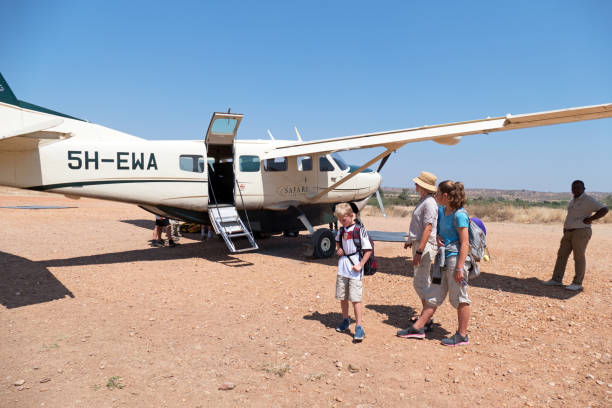
After breakfast, take a scenic morning game drive en route to the Seronera Airstrip (or another designated airstrip). Board a scheduled bush flight back to Arusha. Upon arrival in Arusha, you will be met and transferred to your hotel or directly to Kilimanjaro International Airport (JRO) for your departure flight.
What to Expect: The Sights, Sounds, and Smells
A calving season safari is an intense and rewarding experience. Here’s what you can anticipate:
- Vast Herds: The sheer number of wildebeest and zebras is staggering. You’ll see them stretching across the horizon, a living carpet of animals.
- Newborn Wildlife: The sight of wobbly-legged calves taking their first steps is incredibly moving. You’ll see countless young animals, from wildebeest calves to zebra foals.
- Predator Action: This is a prime time for predator sightings. Lions, cheetahs, hyenas, and wild dogs are actively hunting the vulnerable young. Witnessing a hunt is a raw and unforgettable part of nature.
- Intense Scenery: The southern plains are often open grasslands, dotted with acacia trees and occasional kopjes (rocky outcrops). The landscape can be dusty, especially during drier periods within the season.
- Sounds of Nature: The air will be filled with the sounds of grunting wildebeest, the calls of birds, the distant roar of lions, and the cackling of hyenas.
- Dust and Heat: February and March can be warm to hot, with occasional afternoon thunderstorms. Dust is common on the plains.
Inclusions and What to Pack
When booking a calving season safari from Moshi, understanding what’s included in your package is vital. Most reputable tour operators will include:
Typical Inclusions:
- Accommodation: Lodges or tented camps as per itinerary.
- Meals: All meals during the safari (breakfast, lunch, dinner).
- Park Fees: Entry fees for all national parks and conservation areas.
- Game Drives: Services of a professional English-speaking safari guide.
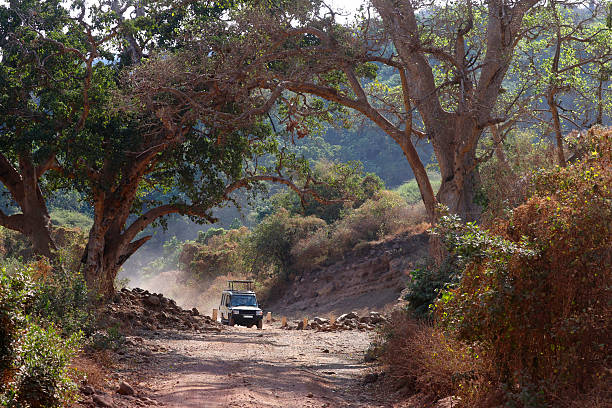
- 4×4 Safari Vehicle: Use of a custom-built safari vehicle with pop-up roof for game viewing.
- Ground Transportation: Transfers from Moshi to the parks and back, or to the departure airstrip.
- Bottled Water: Water provided in the safari vehicle during game drives.
What to Pack for Your Safari:
Packing smart is key for comfort and practicality. Layers are essential.
- Clothing:
- Lightweight, neutral-colored clothing (khaki, beige, olive green). Avoid bright colors and dark blue/black (can attract tsetse flies).
- Long-sleeved shirts and trousers (for sun protection and evenings).
- T-shirts and shorts/comfortable trousers for daytime.
- A warm fleece or jacket for cool mornings and evenings.
- Rain jacket or poncho (especially for March).
- Comfortable walking shoes or hiking boots (if planning any walks).
- Sandals or flip-flops for camp/lodge.
- Socks.
- Swimsuit (some lodges have pools).
- Accessories:
- Wide-brimmed hat or cap for sun protection.
- Sunglasses.
- Binoculars (essential for wildlife viewing!).
- Camera with extra batteries and memory cards.
- Power bank or portable charger.
- Insect repellent (with DEET or Picaridin).
- Sunscreen (high SPF).
- Small backpack for day trips.
- Headlamp or small flashlight.
- Personal toiletries.
- Basic first-aid kit (band-aids, antiseptic wipes, pain relievers, motion sickness medication).
- Hand sanitizer.
- Documents & Money:
- Passport (with at least 6 months validity) and visa (if required).
- Copies of passport and flight details.
- Travel insurance details.
- Credit cards and some USD cash (for tips, souvenirs, or personal expenses).
- Vaccination certificates (e.g., Yellow Fever if arriving from certain countries).
Common Mistakes to Avoid
To ensure your calving season safari from Moshi is as smooth and enjoyable as possible, be aware of these common pitfalls:
- Poor Timing: Booking too early or too late in the season might mean missing the peak calving activity. Consult with your tour operator for the best dates.
- Overpacking: Luggage restrictions often apply on internal flights. Pack light and efficiently. Soft-sided duffel bags are usually preferred over rigid suitcases.
- Ignoring Layers: Mornings and evenings can be surprisingly cool, especially at higher altitudes like Ngorongoro. Pack warm clothing.
- Not Packing Binoculars: While your guide will have them, having your own pair significantly enhances wildlife viewing.
- Using Bright Colors: Stick to neutral, earthy tones. Bright colors can disturb wildlife and may attract tsetse flies in certain areas.
- Expecting Constant Action: While calving season is dramatic, wildlife viewing involves patience. There will be downtime between sightings. Embrace the tranquility.
- Underestimating Travel Times: Distances in Tanzania can be long, and road conditions can vary. Factor in travel time when planning your itinerary.
- Not Booking in Advance: Calving season is a popular time. Accommodation and reliable safari vehicles can book up, especially for 2026 and 2027. Book well in advance.
- Ignoring Local Advice: Listen to your guide. They have invaluable knowledge of animal behavior, optimal viewing spots, and safety protocols.
Who is a Calving Season Safari Best Suited For?
This type of safari is ideal for:
- Wildlife Enthusiasts: Those who have a deep interest in animal behavior, ecosystems, and the cycles of nature.
- Photographers: The abundance of animals, newborns, and predator-prey interactions provides incredible photographic opportunities. The soft light of early morning and late afternoon is particularly beautiful.
- Families with Older Children: The dramatic predator action can be captivating for older children (typically 10+), offering educational and exciting experiences.
- Repeat Tanzania Visitors: Those who have already experienced the Serengeti migration in other seasons might appreciate the unique focus on new life.
- Travelers Seeking Drama: If you enjoy witnessing raw, natural events and the circle of life in action, this is the safari for you.
It might be less suitable for:
- Travelers seeking only the Big Five without interest in herd dynamics.
- Those who dislike dusty conditions or potentially warm weather.
- Families with very young children who might find the long game drives challenging or the predator action unsettling.
Alternatives to a Calving Season Safari
While calving season is spectacular, Tanzania offers incredible wildlife viewing year-round. If your travel dates don’t align or you prefer a different focus, consider:
- Great Migration River Crossings (July-September): Witness the dramatic crossings of the Mara River by wildebeest and zebras. This is another highlight of the migration cycle, typically occurring in the northern Serengeti and Maasai Mara.
- General Serengeti Safari (Year-Round): The Serengeti is always a fantastic destination. Outside of calving and river crossings, you can still find large resident animal populations and excellent predator sightings.
- Ngorongoro Crater Experience (Year-Round): The crater offers a condensed safari experience with high chances of seeing the Big Five due to its unique environment.
- Tarangire National Park (July-October): Famous for its huge elephant herds and baobab trees, Tarangire is particularly vibrant during the dry season when animals congregate around the Tarangire River.
- Selous Game Reserve / Nyerere National Park (Southern Tanzania): Offers a different safari experience with boat safaris on the Rufiji River, walking safaris, and vast, wild landscapes. Less focused on migration, more on diverse ecosystems and predators.
Planning Your 2026-2027 Calving Season Safari
Planning ahead is crucial for securing the best experiences, especially for peak seasons like calving. Here are some tips for planning your trip for 2026 or 2027:
- Book Early: For the best accommodation options and safari vehicles, especially in popular areas like Ndutu and Serengeti during February, book at least 6-12 months in advance. This is particularly important for 2026 and 2027 travel.
- Choose the Right Operator: Select a reputable tour operator with extensive experience in Tanzania and specifically in the Serengeti/Ngorongoro ecosystem. Look for operators who understand the nuances of the calving season.
- Customization is Key: Discuss your interests with your tour operator. Do you prioritize photography? Predator sightings? A mix of parks? A custom itinerary will maximize your experience.
- Consider Internal Flights: While driving from Moshi is possible, flying into a local airstrip like Seronera or Ndutu can save significant travel time and allow for more time on game drives. This is especially useful for shorter trips.
- Budget Realistically: Safaris in these prime locations during peak season are an investment. Factor in park fees, accommodation, guide services, and transportation.
- Health Precautions: Consult your doctor about necessary vaccinations and malaria precautions well in advance of your trip.
- Visa Requirements: Check the latest visa requirements for Tanzania for your nationality and apply in advance if necessary.
Booking Timeline Suggestion (for 2026-2027):
| Timeframe | Action |
|---|---|
| 12-18 Months Prior | Research tour operators, define budget, choose safari dates. |
| 9-12 Months Prior | Book your safari with your chosen operator. Secure preferred accommodation. |
| 6-9 Months Prior | Book international flights. Arrange visa if needed. |
| 3-6 Months Prior | Consult your doctor for vaccinations and malaria advice. Purchase travel insurance. |
| 1-3 Months Prior | Finalize packing list. Arrange currency for tips and personal expenses. Confirm all booking details. |
| 1-2 Weeks Prior | Reconfirm flights. Pack. Prepare essential documents. |
Booking Your Calving Season Safari from Moshi
Ready to witness the incredible drama of Tanzania’s calving season? Best Tanzania Tour Operator specializes in creating personalized safari experiences that put you at the heart of the action. We understand the best times and locations to witness this natural wonder and can tailor an itinerary from Moshi that perfectly suits your interests and budget.
Our expert team will guide you through every step, from selecting the ideal accommodation to ensuring seamless logistics. We pride ourselves on providing knowledgeable guides, comfortable and reliable safari vehicles, and an intimate understanding of Tanzania’s wildlife and landscapes.
To start planning your unforgettable calving season safari from Moshi for 2026 or 2027, please reach out to us:
- WhatsApp: +255616946642
- Email: topguideadventures@gmail.com
- Backup Email: info@topguideadventures.com
Let us help you create memories that will last a lifetime. We look forward to hearing from you!
Frequently Asked Questions (FAQs)
Q1: Is the calving season the best time to see predators in the Serengeti?
A1: Yes, the calving season is an excellent time to see predators. The abundance of vulnerable newborn calves means lions, cheetahs, hyenas, and wild dogs are highly active and visible as they hunt. You’ll often see them with cubs or pups, making for very engaging viewing.
Q2: Can I combine a calving season safari with a Kilimanjaro climb?
A2: Absolutely. Moshi is the base for Kilimanjaro climbs. Many travelers combine a climb with a safari. It’s advisable to do the climb first, then relax on safari, or vice-versa, depending on your preference and energy levels. Ensure you allocate sufficient time for both activities.
Q3: What is the weather like during the calving season (February-March)?
A3: February and March are typically warm to hot, especially on the plains. There’s a chance of afternoon thunderstorms, which can bring relief from the heat and create dramatic skies. The landscape can be dusty but also quite green after the rains.
Q4: How far is the calving season area from Moshi?
A4: The primary calving grounds (Ndutu and southern Serengeti) are a significant distance from Moshi. The drive typically takes a full day, often with an overnight stop in Arusha or the Ngorongoro highlands. Alternatively, you can fly from Arusha to a local airstrip near the calving grounds, significantly reducing travel time.
Q5: Are there any specific health risks during the calving season safari?
A5: The main health concern is malaria, prevalent in most Tanzanian wildlife areas. Consult your doctor about anti-malarial medication and other recommended vaccinations. It’s also important to protect yourself from the sun and stay hydrated. Always use insect repellent.
Q6: What kind of accommodation is available during the calving season?
A6: You’ll find a range of accommodations, from comfortable tented camps that offer an immersive experience with canvas walls and en-suite bathrooms, to more permanent lodges with full amenities. Options cater to various budgets, from mid-range to luxury. Booking in advance is crucial for 2026 and 2027.
Q7: Is it possible to see the Great Migration river crossings during the calving season?
A7: No, the calving season (January-March) is in the southern Serengeti and Ngorongoro Conservation Area. The Great Migration river crossings, primarily the Mara River crossings, typically occur much further north between July and September.
Q8: What are the costs associated with a calving season safari from Moshi?
A8: Safari costs vary widely based on accommodation level, duration, vehicle type, and inclusions. Generally, a calving season safari is a premium experience due to its popularity and the need for quality guides and lodges in remote areas. Expect costs to include park fees, accommodation, meals, and guide services. Internal flights add to the cost but save time. We recommend contacting operators for personalized quotes for 2026-2027 trips.
Q9: What is the minimum recommended duration for a calving season safari starting from Moshi?
A9: To truly experience the calving season in the southern Serengeti/Ndutu and allow for travel time from Moshi, a minimum of 5-7 days is recommended. An 8-day itinerary, as sampled above, provides a more in-depth experience and allows for exploration of both Ndutu and other parts of the Serengeti or Ngorongoro Crater.
Q10: Can I arrange a private calving season safari?
A10: Yes, most reputable tour operators, including Best Tanzania Tour Operator, specialize in private safaris. This means you’ll have a dedicated vehicle and guide, allowing for maximum flexibility in your itinerary and game drives. This is highly recommended for photographers or those with specific interests.
Plan your Calving Season Safari From Moshi with Top Guide Adventures
Tell us your travel dates, group size, comfort level, and dream experience. We will help you shape a clear, realistic, and memorable Tanzania itinerary.







 Veedesigner
 Fatma Kizanga
 Benjamin Waryuba
 Philip Philip
 John jr Itaja
 Antonia Optatus
 Edith Kanyere
 Neema Iddy
 Kelvin Boniphace
 Damari Maiga



