
Updated planning guide for 2026, 2027-2028
Mara River Crossing Safari From Moshi: Best Guide 2026-2027-2028
Discover the ultimate guide to experiencing the Great Migration's Mara River crossing on a safari starting from Moshi, Tanzania. Plan your unforgettable adventure with expert insights.
WhatsApp +255616946642 | topguideadventures@gmail.com | info@topguideadventures.com
Mara River Crossing Safari From Moshi: The Ultimate Planning Guide
The Mara River crossing is arguably the most dramatic and sought-after spectacle in the African wilderness. Witnessing thousands of wildebeest and zebras brave the crocodile-infested waters of the Mara River is a life-changing experience. For many travelers, the journey to this incredible event begins in Moshi, the gateway town to Northern Tanzania’s iconic safari circuit. This detailed guide will walk you through everything you need to know to plan your Mara River crossing safari from Moshi, covering the best times to go, sample itineraries, what to expect, and essential planning tips for 2026 and 2027.
| Quick Facts: Mara River Crossing Safari from Moshi |
|---|
| Primary Goal: Witnessing the Great Migration’s river crossing. |
| Starting Point: Moshi, Tanzania. |
| Key Parks: Serengeti National Park (Grumeti and Mara River areas), Masai Mara National Reserve (Kenya – often combined). |
| Best Time to Witness Crossing: Generally July to October. |
| Typical Duration: 5-10 days (including travel from Moshi and park exploration). |
| Travel Style: Can range from budget camping to luxury lodges. |
| Essential Planning: Early booking is crucial, especially for the peak migration season. |
Understanding the Mara River Crossing
The Great Migration is a perpetual movement of over 1.5 million wildebeest, zebras, and gazelles across the Serengeti-Masai Mara ecosystem. This natural phenomenon is driven by the search for fresh grazing lands and water. The Mara River, flowing through the Serengeti in Tanzania and the Masai Mara in Kenya, presents one of the most perilous but essential stages of this journey. As the herds move northwards, they are forced to cross the river, where predators like crocodiles and lions lie in wait, and the strong currents pose a significant threat.
The timing of the crossing is not fixed. It depends heavily on rainfall patterns, grass growth, and the animals’ natural instincts. While the period from July to October is generally considered prime time for the Tanzanian side of the crossing (specifically the northern Serengeti), individual crossings can occur earlier or later. Flexibility and expert guidance are key to maximizing your chances of seeing this event.
Why Choose Moshi as Your Safari Starting Point?
Moshi, nestled at the foot of Mount Kilimanjaro, is a convenient and popular starting point for safaris in Northern Tanzania. Its proximity to Kilimanjaro International Airport (JRO) makes it easily accessible for international travelers. Moreover, Moshi serves as a hub for tour operators, offering a wide range of safari packages, including those focused on the Mara River crossing. Choosing Moshi allows you to combine your safari adventure with other Tanzanian highlights, such as climbing Kilimanjaro or exploring the Ngorongoro Crater, before heading north towards the Serengeti.
Table of Contents
Best Time to See the Mara River Crossing
The timing of the Mara River crossing is dictated by the Great Migration’s cycle. While the migration is a year-round phenomenon, certain periods offer higher probabilities of witnessing the river crossings in the northern Serengeti.
| Month | Migration Location & Crossing Potential | Other Wildlife Highlights | Weather |
|---|---|---|---|
| June | Western Corridor of Serengeti; Grumeti River crossings may occur. Less predictable for Mara River. | Calving season is over; predators are active. | End of the long rains; green landscapes, fewer crowds. |
| July | Northward movement towards the Mara River. First significant crossings often begin. | High predator activity around river crossings. | Dry season; pleasant temperatures, clear skies. |
| August | Northern Serengeti, main Mara River crossings are highly probable. | Excellent for predator sightings. | Peak dry season; landscapes are drier, wildlife congregates around water. |
| September | Northern Serengeti, Mara River crossings continue. | Prime time for witnessing dramatic river crossings. | Dry season continues; temperatures can be cooler in mornings/evenings. |
| October | Northern Serengeti, crossings may still occur but can become less frequent as herds start moving south. | Good wildlife viewing, but crossing numbers might decrease. | Transition to the short rains; landscapes begin to green. |
Important Note: While July to October is the most popular period, the exact timing can vary. Some years, crossings might peak earlier or extend later. Flexibility with your travel dates and working with an experienced tour operator who monitors migration movements is crucial for the best experience.
Route Overview: Moshi to the Mara River
A typical safari from Moshi to witness the Mara River crossing involves a journey through several of Tanzania’s most famous national parks. The route is designed to maximize wildlife viewing while positioning you in the northern Serengeti when the migration is expected to cross the river.
Simplified Route Illustration:
- Moshi: Start point, often after arriving at Kilimanjaro International Airport (JRO).
- Tarangire National Park: (Optional, but recommended) Known for its large elephant herds and baobab trees. A good introduction to Tanzanian wildlife.
- Lake Manyara National Park: Famous for its tree-climbing lions and diverse birdlife.
- Ngorongoro Conservation Area: Descend into the Ngorongoro Crater, a UNESCO World Heritage Site teeming with wildlife.
- Central Serengeti (Seronera Valley): The heart of the Serengeti, offering excellent year-round game viewing and predator-prey interactions.
- Northern Serengeti (Kogatende/Lamai Wedge): This is the prime area for witnessing the Mara River crossings, typically from July to October.
The journey involves driving between these locations, with overnight stays in camps or lodges within or near the parks. The drive from the central Serengeti to the northern Serengeti can take several hours, often broken up with game drives.
Sample Safari Itinerary: 8-Day Mara River Focus
This is a sample itinerary designed to maximize your chances of seeing the Mara River crossing. Actual itineraries can be customized based on your interests, time, and budget.
| Day | Location | Activities | Overnight |
|---|---|---|---|
| Day 1 | Moshi to Tarangire | Pick up in Moshi, drive to Tarangire NP. Afternoon game drive. | Camp/Lodge near Tarangire |
| Day 2 | Tarangire to Karatu (Ngorongoro) | Morning game drive in Tarangire. Drive to Karatu, gateway to Ngorongoro. | Lodge in Karatu area |
| Day 3 | Ngorongoro Crater | Full day game drive inside the Ngorongoro Crater. | Lodge in Karatu area |
| Day 4 | Karatu to Central Serengeti | Drive to Serengeti National Park (via Olduvai Gorge if time permits). Afternoon game drive in Seronera Valley. | Camp/Lodge in Central Serengeti |
| Day 5 | Central Serengeti | Full day game drives in Central Serengeti, exploring different areas for wildlife. | Camp/Lodge in Central Serengeti |
| Day 6 | Central Serengeti to Northern Serengeti | Morning game drive in Central Serengeti, then drive north towards Kogatende/Lamai. Afternoon game drive en route. | Camp/Lodge in Northern Serengeti |
| Day 7 | Northern Serengeti (Mara River Focus) | Full day dedicated to searching for river crossings along the Mara River. Game drives in the Kogatende area. | Camp/Lodge in Northern Serengeti |
| Day 8 | Northern Serengeti to Moshi | Early morning game drive in Northern Serengeti. Fly from Kogatende airstrip back to Arusha (or drive back, which is a very long day). Transfer to Moshi. | N/A (Departure) |
Note on Flights: Flying from Kogatende airstrip back to Arusha significantly reduces travel time on the last day, allowing more time for game viewing. This option adds to the cost but is highly recommended for comfort and efficiency.
What to Expect on Your Mara River Safari
A Mara River crossing safari is an intense and rewarding experience. Here’s what you can anticipate:
- Early Mornings and Late Evenings: Game drives often start at dawn and continue until dusk to maximize wildlife viewing opportunities and the chances of witnessing a crossing.
- The Spectacle of the Crossing: If you are lucky, you will witness thousands of wildebeest and zebras gathering at the riverbank, hesitant to cross. The tension builds until a few brave animals plunge in, followed by the stampede. Crocodiles will attack, and the current can sweep animals away. It’s a raw and powerful display of nature.
- Predator Sightings: The river crossings attract predators. Lions, hyenas, and crocodiles are often seen hunting or scavenging along the riverbanks.
- Vast Landscapes: The Serengeti offers breathtaking savannah landscapes, acacia woodlands, and kopjes (rocky outcrops). The northern Serengeti, near the Mara River, is characterized by rolling hills and open plains.
- Accommodation: Options range from basic tented camps offering an authentic bush experience to comfortable mid-range lodges and luxurious permanent camps or lodges with excellent amenities.
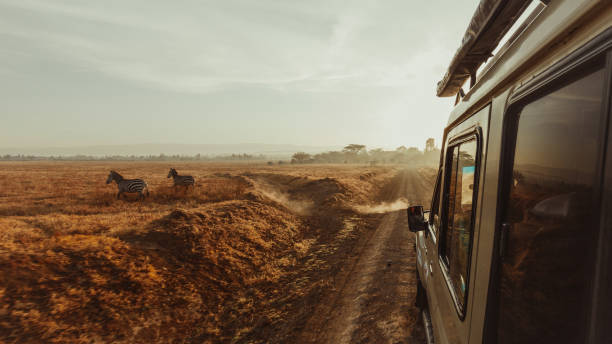
- Vehicle and Guide: You’ll typically be in a custom-built 4×4 safari vehicle with a pop-up roof for optimal viewing and photography. Your guide is crucial; they possess extensive knowledge of animal behavior, migration patterns, and the best locations to find wildlife.
- Patience is Key: Witnessing a river crossing is not guaranteed on any given day. It requires patience, sometimes waiting for hours at a potential crossing point, or driving considerable distances to track the herds.
Safari Inclusions, Packing, and Preparation
Understanding what’s typically included in a safari package and how to prepare is vital for a smooth trip.
Typical Safari Inclusions:
- Park entrance fees (Serengeti, Ngorongoro, Tarangire, etc.).
- Accommodation in camps or lodges as per your chosen itinerary.
- All meals (breakfast, lunch, dinner) during the safari.
- Drinking water in the safari vehicle.
- A professional, English-speaking safari guide.
- A 4×4 safari vehicle with fuel.
- Airport transfers to/from Moshi/Arusha.
- (Optional) Internal flight from Kogatende airstrip to Arusha.
What to Pack:
Pack light and smart. Most lodges and camps have laundry services, though it might be limited in tented camps.
- Clothing: Neutral-colored, lightweight clothing (khaki, beige, green, brown). Avoid bright colors. Pack long-sleeved shirts and trousers for sun and insect protection. Include a warm fleece or jacket for cool mornings and evenings.
- Footwear: Comfortable walking shoes or hiking boots (if doing any walking safaris), and sandals or flip-flops for camp.
- Sun Protection: Wide-brimmed hat, sunglasses, high SPF sunscreen.
- Insect Repellent: Containing DEET.
- Camera Gear: Camera, extra batteries, memory cards, zoom lens (essential for wildlife photography). Binoculars are highly recommended.
- Personal Items: Personal medications, basic first-aid kit, hand sanitizer, wet wipes.
- Documents: Passport, visa (if required), yellow fever certificate, travel insurance details, copies of important documents.
- Adapter: For charging electronics (Type D or G sockets are common in Tanzania).
- Small Backpack: For carrying essentials during game drives.
Preparation Tips:
- Book Early: Especially for the July-October period, accommodation and flights fill up quickly. Aim to book 6-12 months in advance for 2026-2027.
- Health: Consult your doctor about malaria prophylaxis and recommended vaccinations well in advance of your trip.
- Fitness: No specific fitness level is required for standard game drives, but being able to get in and out of the vehicle is necessary.
- Mindset: Be prepared for early starts, long drives between locations, and the unpredictable nature of wildlife sightings. Embrace the adventure!
Common Mistakes to Avoid
To ensure your Mara River crossing safari is a success, be aware of these common pitfalls:
Mistake 1: Not booking early enough.
This is especially true for the peak migration season (July-October). Prime lodges and camps, and even the best guides, get booked up months, sometimes over a year, in advance. Last-minute bookings may mean limited options or higher prices.
Mistake 2: Expecting guaranteed river crossings.
While the probability is high during the peak season, nature is unpredictable. The herds might cross a few days before or after your visit, or they might delay crossing due to predator presence or weather. Flexibility and realistic expectations are key.
Mistake 3: Underestimating travel times.
Distances in Tanzania are vast, and road conditions can vary. Driving between parks can take many hours. Factor this into your itinerary and don’t try to cram too much into a short period.
Mistake 4: Packing incorrectly.
Bringing too much luggage, or the wrong kind of clothing, can be uncomfortable. Stick to neutral, breathable fabrics and pack layers. Avoid camouflage clothing.
Mistake 5: Choosing the wrong tour operator.
Not all tour operators are equal. Look for companies with a proven track record, excellent reviews, knowledgeable guides, and a commitment to responsible tourism. A good operator will help you navigate the complexities of planning a migration safari.
Mistake 6: Focusing solely on the crossing.
While the river crossing is spectacular, the Serengeti offers incredible wildlife viewing year-round. Don’t miss out on exploring other areas of the park, which may offer different migration movements or resident wildlife spectacles.
Who is a Mara River Crossing Safari Best For?
A Mara River crossing safari from Moshi is ideal for:
- Wildlife Enthusiasts: Those who are passionate about observing animal behavior and witnessing one of nature’s greatest spectacles.
- Photographers: The dramatic scenes of the crossing, predator action, and vast landscapes offer unparalleled photographic opportunities.
- Adventurous Travelers: Those who appreciate raw, natural experiences and are comfortable with the unpredictable elements of wildlife viewing.
- First-Time Tanzania Safari-Goers: It offers a chance to see iconic Tanzanian parks like the Serengeti, Ngorongoro, and Tarangire, culminating in the migration’s climax.
- Repeat Safari Visitors: For those who have experienced other parts of East Africa, the Mara River crossing offers a unique and thrilling addition to their wildlife encounters.
It is less suitable for travelers seeking a completely relaxing, predictable holiday with guaranteed sightings at specific times. It requires patience and an appreciation for the wild.
Alternatives to the Mara River Crossing
While the Mara River crossing is a highlight, Tanzania offers incredible safari experiences year-round:
- Serengeti National Park (Year-Round): Even outside the migration crossing season, the Serengeti is a wildlife paradise. The central Serengeti (Seronera Valley) offers fantastic predator sightings and resident wildlife throughout the year. You might witness smaller river crossings in other parts of the Serengeti or other seasonal movements.
- Ngorongoro Crater: This unique caldera offers a dense concentration of wildlife, including the Big Five, in a compact area. It’s an excellent destination for guaranteed sightings, especially for those with limited time.
- Tarangire National Park: Particularly impressive during the dry season (June-October) when large herds of elephants congregate around the Tarangire River.
- Selous Game Reserve (Nyerere National Park): Located in southern Tanzania, this vast reserve offers a different safari experience, including boat safaris on the Rufiji River and walking safaris. The wildlife is abundant, though the Great Migration does not pass through here.
- Ruaha National Park: Tanzania’s largest national park, known for its large predator populations (lions, wild dogs) and rugged landscapes. It’s more remote and offers a wilder, less crowded experience.
- Masai Mara National Reserve (Kenya): Directly across the border from the Serengeti’s northern section. If you are visiting in the latter part of the year (October-November), the herds might be moving south into the Masai Mara, offering crossing opportunities there. Often combined with a Tanzanian safari.
For those specifically interested in the Great Migration but perhaps wanting to avoid the peak crowds or higher costs of the Mara River crossing, visiting the Serengeti during the calving season (January-March) in the southern plains offers a different, yet equally fascinating, aspect of the migration.
Planning Your Safari for 2026-2027
Planning a safari for 2026 or 2027, especially one targeting the Mara River crossing, requires foresight and attention to detail. Here’s a planning timeline and key considerations:
Safari Planning Checklist (12-18 Months Out)
- Define Your Dates: Aim for July to October for the best chance of seeing river crossings.
- Set Your Budget: Safari costs vary significantly based on accommodation level, duration, and inclusions.
- Research Tour Operators: Look for reputable companies specializing in Tanzanian safaris. Read reviews and compare offerings.
- Contact Operators: Request custom itineraries and quotes. Discuss your priorities (e.g., maximizing river crossing sightings).
- Book Key Elements: Secure your preferred accommodation (especially in the Northern Serengeti) and internal flights if needed.
Safari Planning Checklist (6-12 Months Out)
- Confirm Your Itinerary: Finalize dates, parks, and daily activities.
- Make Deposit: Pay the initial deposit to secure your booking.
- Check Visa Requirements: Apply for your Tanzanian visa if necessary.
- Book International Flights: Purchase your flights to Kilimanjaro International Airport (JRO).
- Arrange Travel Insurance: Ensure comprehensive coverage, including medical evacuation.
Safari Planning Checklist (1-3 Months Out)
- Consult Your Doctor: Discuss vaccinations and malaria prophylaxis.
- Start Packing: Gather necessary clothing and gear.
- Inform Operator of Special Needs: Dietary restrictions, medical conditions, etc.
- Final Payment: Make the final payment for your safari package.
Safari Planning Checklist (1-2 Weeks Out)
- Confirm All Bookings: Double-check flight and safari details.
- Pack Final Items: Ensure you have all essentials.
- Inform Bank: Notify your bank of your travel dates to avoid card issues.
- Print Documents: Carry printed copies of your itinerary, bookings, and insurance.
For 2026-2027 planning: The earlier you start, the better your chances of securing the best guides, lodges, and timings, especially if you are targeting the popular July-October migration season. Prices for safaris are generally stable year-on-year, but booking in advance can sometimes secure better rates or guarantee availability at specific properties.
Booking Your Mara River Crossing Safari
Choosing the right tour operator is paramount for a successful Mara River crossing safari. Here’s what to look for and how to proceed:
- Reputation and Reviews: Look for companies with consistently positive reviews on platforms like TripAdvisor. Check for testimonials and case studies.
- Expertise in Migration Safaris: Ensure the operator has specific experience and knowledge of the Great Migration and the Mara River crossing. They should be able to advise on the best timing and locations.
- Customization: A good operator will tailor the itinerary to your interests, budget, and travel style, rather than offering a rigid package.
- Vehicle and Guide Quality: Inquire about the type of safari vehicles used (4×4 is standard) and the qualifications and experience of their guides. Excellent guides are the backbone of a great safari.
- Transparency: The operator should be clear about what is included in the price and what is not. Ask for a detailed breakdown of costs.
- Communication: Responsive and clear communication is a good sign. They should answer your questions promptly and thoroughly.
Getting Started:
To begin planning your unforgettable Mara River crossing safari from Moshi, we recommend reaching out to experienced local operators. You can contact us directly:
Contact Us for Your Safari:
For personalized safari planning and expert advice on experiencing the Mara River crossing, get in touch:
- WhatsApp: +255616946642
- Email: topguideadventures@gmail.com
- Backup Email: info@topguideadventures.com
Let us help you craft the perfect adventure for 2026 or 2027!
When you contact an operator, be prepared to share your desired travel dates, number of travelers, budget range, and any specific interests you have. This will help them create the most suitable itinerary for your Mara River crossing safari from Moshi.
Frequently Asked Questions (FAQs)
1. Is it guaranteed that I will see the Mara River crossing?
No, witnessing a river crossing is a natural event and cannot be guaranteed. While July to October offers the highest probability, the exact timing and occurrence depend on rainfall and the animals’ movements. Patience and flexibility are key.
2. What is the best time of year for a Mara River crossing safari from Moshi?
The best time is generally from July to October when the migration herds are typically in the northern Serengeti, preparing to or actively crossing the Mara River. For 2026-2027, this period remains the prime target.
3. How long should my safari be to see the crossing?
To give yourself a good chance, a safari focusing on the Mara River crossing should be at least 7-8 days, allowing sufficient time in the northern Serengeti. Longer trips (9-10 days) that include other parks like Ngorongoro and Tarangire offer a more comprehensive experience.
4. Can I combine the Mara River crossing with climbing Mount Kilimanjaro?
Yes, many travelers combine these experiences. You can climb Kilimanjaro first and then head out on safari from Moshi, or vice versa. It’s advisable to allow at least 5-7 days for the climb and then 5-7 days for the safari portion.
5. What is the difference between the Serengeti (Tanzania) and Masai Mara (Kenya)?
They are essentially one ecosystem. The Serengeti is in Tanzania, and the Masai Mara is in Kenya. The Great Migration moves between these two parks. The Mara River flows through both. Safaris from Moshi primarily focus on the Tanzanian side (Serengeti), but some itineraries might include crossing into the Masai Mara, or vice versa.
6. What are the typical costs for a Mara River crossing safari from Moshi?
Costs vary greatly depending on accommodation choice (budget camping, mid-range lodges, luxury camps), safari duration, and inclusions. A rough estimate for a mid-range 7-day safari from Moshi could range from $2,500 to $4,500 per person, excluding international flights. Luxury options can be significantly higher. It’s best to get custom quotes for 2026-2027.
7. Do I need a visa for Tanzania?
Most nationalities require a visa for Tanzania. You can often obtain this online through the official Tanzanian immigration website or upon arrival at the airport. Check current requirements for your nationality well in advance of your 2026-2027 trip.
8. What vaccinations are recommended for Tanzania?
It is essential to consult your doctor or a travel clinic 4-6 weeks before your trip. Recommended vaccinations often include Yellow Fever (required for entry if arriving from an endemic country), Hepatitis A, Typhoid, and Tetanus. Malaria prophylaxis is also highly recommended.
9. Can I do a self-drive safari in the Serengeti?
Self-driving is generally not recommended or permitted for tourists in the Serengeti. Safaris are conducted with a professional guide in a specially equipped 4×4 safari vehicle. This ensures safety, optimal wildlife viewing, and adherence to park regulations.
10. What happens if the migration is not crossing the river during my visit?
Even if you don’t witness a dramatic river crossing, the Serengeti is incredibly rich in wildlife year-round. You will still have fantastic game drives, seeing vast herds of wildebeest and zebras on the plains, abundant predators, and diverse birdlife. The northern Serengeti is also a beautiful area to explore.
Your Unforgettable Mara River Crossing Safari From Moshi Awaits
A Mara River crossing safari from Moshi is more than just a holiday; it’s an immersion into the raw power and beauty of the natural world. It’s an opportunity to witness one of Earth’s most awe-inspiring events and explore the iconic landscapes of the Serengeti. By planning carefully, choosing the right partners, and maintaining realistic expectations, you can ensure your journey to see the Mara River crossing is an unparalleled adventure.
We are passionate about creating exceptional safari experiences. Whether you’re planning for 2026, 2027, or 2028, let us help you craft the perfect itinerary for your Mara River crossing safari from Moshi. Our team of experts is ready to guide you every step of the way.
Ready to Plan Your Dream Safari?
Contact us today to discuss your personalized Mara River crossing safari from Moshi. We specialize in creating tailor-made adventures that capture the magic of Tanzania.
- WhatsApp: +255616946642
- Email: topguideadventures@gmail.com
- Backup Email: info@topguideadventures.com
Let’s make your 2026-2027 safari dreams a reality!
Plan your Mara River Crossing Safari From Moshi with Top Guide Adventures
Tell us your travel dates, group size, comfort level, and dream experience. We will help you shape a clear, realistic, and memorable Tanzania itinerary.







 Veedesigner
 Fatma Kizanga
 Benjamin Waryuba
 Philip Philip
 John jr Itaja
 Antonia Optatus
 Edith Kanyere
 Neema Iddy
 Kelvin Boniphace
 Damari Maiga



