
Updated planning guide for 2026, 2027-2028
Best Safari From Moshi For Backpackers: Guide 2026-2027-2028
Discover how to plan the best safari from Moshi specifically for backpackers. This comprehensive guide covers budget planning, essential parks, itinerary options, what to pack, and how to book your unforgettable Tanzanian wildlife adventure in 2026-2027.
WhatsApp +255616946642 | topguideadventures@gmail.com | info@topguideadventures.com
Best Safari From Moshi for Backpackers: The Ultimate Planning Guide
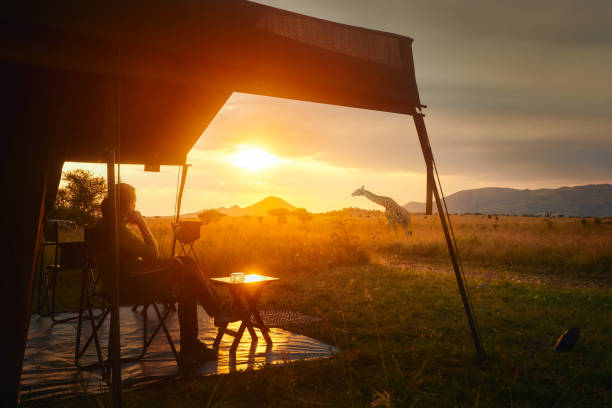
Moshi, the vibrant town nestled at the foot of Mount Kilimanjaro, is a prime starting point for many adventures in Tanzania. For backpackers, it represents not only a gateway to the Roof of Africa but also a strategic hub for exploring the country’s world-renowned wildlife parks. Planning a safari from Moshi on a backpacker’s budget requires smart choices, a focus on value, and an understanding of what makes a truly rewarding wildlife experience. This guide is crafted to help you navigate every step, ensuring your safari from Moshi is as incredible as it is affordable.
Many travelers arrive in Moshi with dreams of Kilimanjaro, but the call of the wild plains, teeming with iconic African animals, is equally strong. The proximity of Moshi to the northern safari circuit parks—Tarangire, Lake Manyara, and especially the Serengeti and Ngorongoro Crater—makes it an ideal departure point. However, the ‘best’ safari isn’t just about ticking off parks; it’s about finding the right balance of experience, duration, and cost that fits your backpacker ethos. We’ll cover everything from choosing the right parks for your interests and budget to practical tips on accommodation, transport, and booking with reputable, budget-conscious operators.
Why Moshi is a Great Base for Backpacker Safaris
Moshi offers a unique advantage for backpackers looking for a safari experience. Firstly, it’s a major transport hub. Travelers often pass through Moshi after trekking Kilimanjaro or before heading to other destinations. This means tour operators in Moshi are accustomed to catering to a range of budgets and travel styles. Secondly, the cost of living and operating in Moshi can be lower than in some larger cities, which can translate into more affordable safari packages. Finally, its location provides relatively easy access to the northern circuit parks, minimizing travel time and costs compared to starting from further afield.
For backpackers, the key is to find operators who understand the need for value without compromising on safety or the quality of the wildlife viewing. This guide aims to demystify the process, providing you with the knowledge to make informed decisions for your 2026 or 2027 adventure.
| Aspect | Details for Backpackers |
|---|---|
| Primary Parks Accessible | Serengeti, Ngorongoro Crater, Tarangire, Lake Manyara |
| Typical Safari Duration | 2 to 5 days (can be customized) |
| Accommodation Style | Budget campsites, basic lodges, sometimes shared tents |
| Transport | 4×4 safari vehicles (often shared to reduce costs) |
| Best Time to Go (Budget Focus) | Shoulder seasons (e.g., March-May, November) can offer lower prices, but wildlife is always present. Peak season (June-Oct) has best weather but higher costs. |
| Key Consideration | Balancing cost with quality of game drives and accommodation. Group sizes matter. |
Choosing Your Safari Parks: The Backpacker’s Priorities
When planning a safari from Moshi on a backpacker’s budget, park selection is crucial. You want to maximize wildlife sightings and unique experiences without breaking the bank. The classic Northern Circuit offers the best concentration of iconic parks.
Serengeti National Park: The Crown Jewel
The Serengeti is legendary for its vast plains and the Great Migration. While it can be the most expensive park to visit due to its size and remoteness, it’s often a non-negotiable for many travelers. For backpackers, focusing on a shorter duration within the Serengeti, or visiting during the shoulder seasons when park fees might be slightly less impactful on a package price, is key. The sheer scale and abundance of wildlife here are unparalleled.
Ngorongoro Conservation Area (and Crater): A Natural Wonder
The Ngorongoro Crater is a UNESCO World Heritage Site and a caldera that holds an incredible density of wildlife, including the Big Five. It’s a fantastic destination for shorter safaris as you can see a lot in a single day. The cost of entry into the Crater is significant, but many backpacker tours include it as a highlight, often combining it with a visit to a Maasai village or Lake Manyara. The views from the crater rim are breathtaking.
Tarangire National Park: Land of Giants
Tarangire is famous for its large elephant herds and iconic baobab trees. It’s often less crowded and can be more budget-friendly than the Serengeti. It’s an excellent park for a day or two of game driving, especially during the dry season when animals congregate around the Tarangire River. Its accessibility from Moshi also makes it a practical choice for shorter itineraries.
Lake Manyara National Park: Tree-Climbing Lions and Flamingos
This park is known for its diverse ecosystems, from groundwater forests to soda lakes. It’s home to tree-climbing lions (though sightings are not guaranteed), large troops of baboons, and vast flocks of flamingos. Lake Manyara is compact and can be explored effectively in a single day, making it a popular and often more affordable addition to a safari itinerary.
Budget-Conscious Park Combinations
For backpackers, a common and highly recommended itinerary is a 3-day/2-night safari covering Tarangire, Lake Manyara, and Ngorongoro Crater. This offers a fantastic introduction to Tanzania’s wildlife diversity and iconic landscapes without the extensive travel time and higher costs associated with a longer Serengeti-focused trip. A 4-day/3-night safari might add a day in the Serengeti, focusing on areas accessible within a reasonable drive.
| Park/Area | Key Attractions | Backpacker Appeal |
|---|---|---|
| Serengeti | Great Migration, Big Cats, vast plains | Iconic wildlife, vastness. Best for longer trips or specific migration viewing. |
| Ngorongoro Crater | High wildlife density, Big Five, unique caldera ecosystem | Guaranteed sightings, stunning scenery. Excellent for shorter trips. |
| Tarangire | Large elephant herds, baobabs, diverse birdlife | Good value, less crowded, accessible. Great for 1-2 days. |
| Lake Manyara | Tree-climbing lions, flamingos, diverse habitats | Compact, varied, affordable. Good for a day trip or half-day. |
Itinerary Logic: Crafting the Best Safari From Moshi for Backpackers
The structure of your safari is key to maximizing your experience while managing costs. Most backpacker safaris from Moshi are group tours, which significantly reduce individual expenses. Here are sample itinerary structures, focusing on value and wildlife viewing.
Sample 1: The Classic 3-Day Budget Safari (Tarangire, Lake Manyara, Ngorongoro)
This is perhaps the most popular and budget-friendly option for backpackers starting from Moshi.
Day 1: Moshi to Tarangire National Park
- Morning pickup from your accommodation in Moshi.
- Drive to Tarangire National Park (approx. 3-4 hours).
- Full day of game driving in Tarangire, known for its large elephant herds and baobab trees. Picnic lunch included.
- Late afternoon drive to a campsite near the park or in Karatu.
- Dinner and overnight stay at the campsite.
Day 2: Lake Manyara National Park & Drive to Karatu/Ngorongoro
- Morning drive to Lake Manyara National Park (approx. 1-2 hours).
- Morning game drive in Lake Manyara, looking for tree-climbing lions, diverse birdlife, and monkeys.
- Picnic lunch.
- Afternoon drive to your campsite or budget lodge in Karatu, the gateway to the Ngorongoro Crater.
- Dinner and overnight stay.
Day 3: Ngorongoro Crater Tour & Return to Moshi
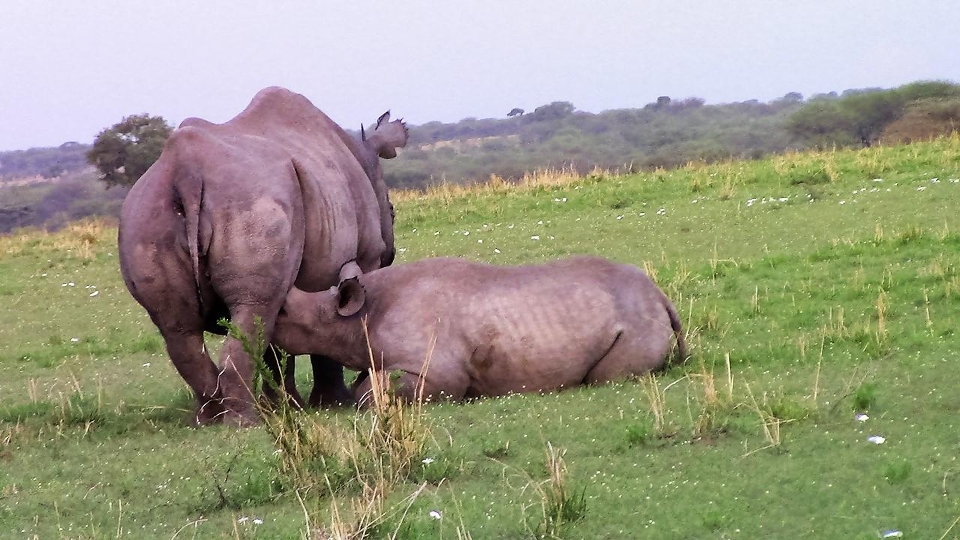
- Early morning descent into the Ngorongoro Crater for a 5-6 hour game drive. This is a prime location to spot rhinos, hippos, lions, elephants, and buffalos in a compact area.
- Ascend from the crater and have lunch.
- Afternoon drive back to Moshi (approx. 4-5 hours).
- Drop-off at your accommodation in Moshi.
Sample 2: The 4-Day Extended Safari (Adding Serengeti)
For those who can stretch their budget and time slightly, adding a day in the Serengeti significantly enhances the experience.
Day 1: Moshi to Tarangire National Park
- Morning pickup from Moshi.
- Drive to Tarangire National Park.
- Full day game drive in Tarangire.
- Overnight at a campsite near Tarangire or Karatu.
Day 2: Lake Manyara & Drive to Serengeti National Park
- Morning game drive in Lake Manyara.
- Picnic lunch.
- Drive towards the Serengeti National Park, entering through the Naabi Hill Gate.
- Afternoon game drive en route to your campsite in the Central Serengeti (Seronera area).
- Dinner and overnight at the campsite.
Day 3: Full Day in Serengeti National Park
- Full day dedicated to exploring the Serengeti, focusing on predator sightings and the vast plains. You can tailor your route based on recent wildlife movements.
- All meals (breakfast, lunch, dinner) provided.
- Overnight at a campsite in the Serengeti.
Day 4: Ngorongoro Crater Tour & Return to Moshi
- Early morning drive from the Serengeti towards the Ngorongoro Conservation Area.
- Descend into the Ngorongoro Crater for a morning game drive.
- Ascend and have lunch.
- Drive back to Moshi in the afternoon.
- Drop-off at your accommodation.
Itinerary Customization for Backpackers
Most operators are flexible. If you have specific interests (e.g., birdwatching, photography, focusing on a particular animal), communicate this. You might opt for a 2-day safari focusing solely on Tarangire and Lake Manyara if time or budget is very tight. Conversely, a 5-day safari could offer more in-depth exploration of the Serengeti or include a visit to Lake Natron for a different landscape experience.
When comparing tours, look at the driving times. Shorter drives between parks mean more time for game viewing. Also, consider the vehicle and guide quality—a good guide can make a huge difference to your experience.
What to Expect: The Backpacker Safari Experience
A safari from Moshi for backpackers is typically a shared-group experience designed for affordability. This means several things:
Accommodation: Camping is King
The most common and cost-effective accommodation for backpackers is camping. You’ll typically stay at designated public campsites within or near the national parks. These sites usually have basic facilities like shared toilets and showers (sometimes cold water). While basic, they offer an authentic bush experience. Some operators might offer upgrades to budget lodges or tented camps, but this will increase the price.
What to expect at campsites:
- Shared ablution blocks (toilets and showers).
- A central mess tent or area for meals.
- Basic security.
- The sounds and atmosphere of the African bush at night.
- You’ll usually be provided with tents, sleeping bags, and mats.
Transport: The Sturdy 4×4
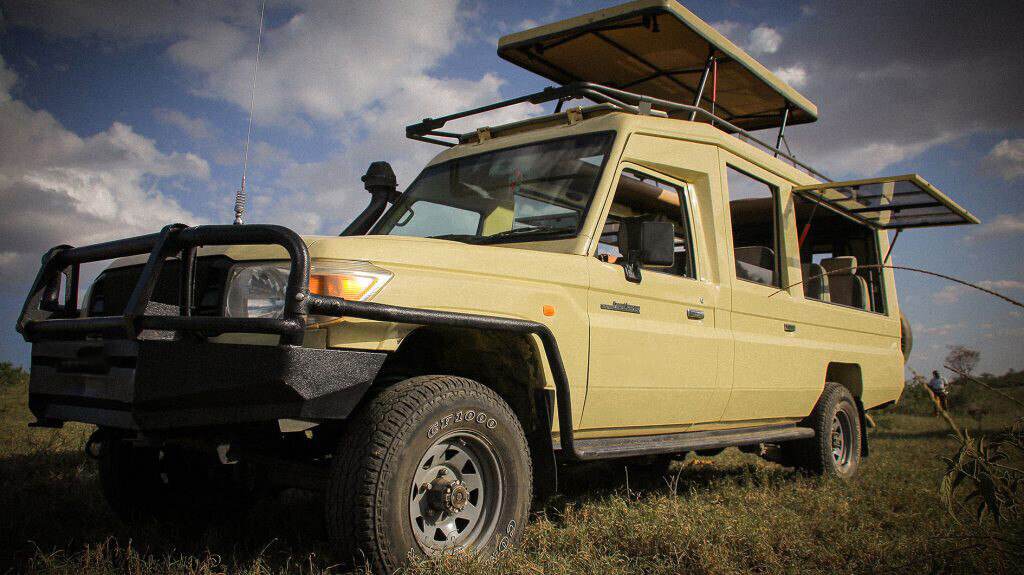
You’ll travel in a sturdy 4×4 safari vehicle, usually a Land Cruiser or Land Rover, equipped with a pop-up roof for optimal game viewing and photography. These vehicles are essential for navigating the often rough park tracks. For backpacker tours, these vehicles are usually shared among 4-7 travelers, further reducing per-person costs. A good guide is crucial for spotting wildlife and navigating the parks effectively.
Meals: Hearty and Filling
Expect hearty, filling meals prepared by a safari chef or cook. This typically includes breakfast (porridge, eggs, toast), picnic lunches (sandwiches, salads, fruit), and dinners (stews, rice, pasta, vegetables, sometimes grilled meat). Meals are usually served communally, adding to the social aspect of a group safari. Dietary restrictions can usually be accommodated with advance notice.
Group Dynamics
Group safaris are a fantastic way for backpackers to meet like-minded travelers from around the world. You’ll share the vehicle, meals, and experiences, creating a fun and social atmosphere. Be prepared to be sociable and considerate of others in your group.
Inclusions and Exclusions: What Your Backpacker Safari Covers
Understanding what’s included in your safari package is vital for budgeting and avoiding surprises. For backpacker tours from Moshi, typical inclusions are:
Common Inclusions:
- Park entrance fees (these are substantial and a major part of the cost).
- Accommodation (camping or budget lodge as per your package).
- All meals during the safari (breakfast, lunch, dinner).
- A professional safari guide.
- A 4×4 safari vehicle with fuel.
- Drinking water during game drives.
- Camping equipment (tents, sleeping bags, mats).
- Crater service fees (for Ngorongoro).
Common Exclusions:
- Accommodation before and after the safari in Moshi.
- Gratuities for the guide and cook.
- Soft drinks, alcoholic beverages, and personal expenses.
- Travel insurance.
- Visa fees.
- Optional activities (e.g., Maasai village visit, hot air balloon safari – these are usually expensive and not standard for budget tours).
Always clarify these details with your tour operator before booking. A good operator will provide a clear list of inclusions and exclusions.
Backpacker Safari Packing List
Clothing:
- Lightweight, neutral-colored clothing (khaki, beige, green) – avoid bright colors and dark blue/black.
- Long-sleeved shirts and trousers for sun protection and evenings.
- T-shirts and shorts for warmer days.
- A warm fleece or jacket for cool mornings and evenings.
- Rain jacket (lightweight, waterproof).
- Comfortable walking shoes or hiking boots (you won’t do much walking on safari itself, but good for camp).
- Sandals or flip-flops for camp.
- Swimsuit (if your lodge has a pool, unlikely for budget camping).
- Underwear and socks.
Gear & Essentials:
- Backpack (comfortable for carrying essentials).
- Daypack for daily essentials.
- Sleeping bag liner (optional, for hygiene in shared sleeping bags).
- Sun hat with a wide brim.
- Sunglasses.
- Sunscreen (high SPF).
- Insect repellent (with DEET).
- Reusable water bottle.
- Headlamp or flashlight with extra batteries.
- Camera with extra batteries and memory cards.
- Binoculars (essential for wildlife viewing!).
- Small personal first-aid kit.
- Hand sanitizer.
- Wet wipes.
- Toiletries (biodegradable if possible).
- Adapter for electronics (Tanzania uses Type G sockets, 230V).
- Power bank for charging devices on the go.
- Copies of passport, visa, and other important documents.
- Cash (USD for tips and small purchases, Tanzanian Shillings for local markets).
Common Mistakes to Avoid for Backpacker Safaris
To ensure your best safari from Moshi for backpackers is a success, steer clear of these common pitfalls:
- Booking the Cheapest Tour Without Research: The absolute lowest price might mean cutting corners on guide quality, vehicle maintenance, or even park fees (which is illegal). Prioritize value and reputable operators.
- Not Clarifying Inclusions/Exclusions: Surprise costs for park fees or meals can derail your budget. Always get a detailed breakdown.
- Underestimating Park Fees: These are a significant portion of any safari cost. Understand they are substantial and non-negotiable.
- Packing Inappropriately: Bright colors can disturb animals, and not packing warm layers for evenings can be uncomfortable.
- Not Bringing Binoculars: While guides are skilled, binoculars dramatically enhance your wildlife viewing experience.
- Expecting Luxury Accommodation: Backpacker safaris prioritize experience and cost. Embrace the camping aspect for a more authentic adventure.
- Not Budgeting for Tips: Guides and cooks work hard. Tipping is customary and appreciated.
- Ignoring Seasonality: While wildlife is present year-round, weather and animal movements (like the Great Migration) vary. Traveling in peak season (dry, June-Oct) offers the best weather but higher prices. Shoulder seasons can be more budget-friendly but may have rain.
- Over-scheduling: Trying to cram too many parks into too few days leads to excessive driving and less game viewing time.
Who is the Best Safari From Moshi for Backpackers Best Suited For?
This type of safari is ideal for:
- Budget Travelers: Those who want to experience Tanzania’s wildlife without spending a fortune.
- Solo Travelers: Group tours offer a safe and social environment.
- Young Adventurers: Those looking for an authentic, hands-on experience, including camping.
- Students and Gap Year Travelers: Seeking an unforgettable adventure within financial constraints.
- First-Time Safari Goers: The Northern Circuit offers a classic and comprehensive introduction to African wildlife.
- Travelers Combining with Kilimanjaro: Many trekkers opt for a short safari post-climb.
It may be less suited for travelers seeking absolute luxury, private experiences, or extensive off-the-beaten-path adventures, as these typically come with higher price tags and require different planning.
Alternatives to a Standard Backpacker Safari
While the classic Northern Circuit is superb, consider these alternatives if your priorities differ:
- Southern Circuit Safaris (e.g., Selous, Ruaha): Generally less crowded and can sometimes be more affordable for longer trips, but access from Moshi is more complex and time-consuming, often requiring internal flights.
- Day Trips from Moshi: For a very short safari experience, consider day trips to parks like Arusha National Park (good for seeing colobus monkeys and Mount Meru views) or even a long day trip to Tarangire. These are less immersive but very budget-friendly.
- Self-Drive (Not Recommended for Backpackers): While possible, self-driving in Tanzania requires significant experience, a robust vehicle, and navigating park rules can be challenging, especially on a budget. It’s generally not a practical or cost-effective option for most backpackers.
- Volunteer Tourism with Wildlife Focus: Some organizations offer experiences that combine conservation work with wildlife viewing, though these are structured differently from a traditional safari.
Planning Your 2026-2027 Backpacker Safari from Moshi
Planning ahead is key, especially when aiming for specific travel years like 2026 and 2027. Here’s how to approach it:
Booking Timeline
- 6-12 Months in Advance: If you’re planning for peak season (June-October) in 2026 or 2027, start researching and booking. Popular budget operators can fill up.
- 3-6 Months in Advance: For shoulder seasons or if you have flexibility, this is a good time to book. You’ll have a wider choice of operators and potentially better deals.
- 1-3 Months in Advance: Still possible, especially for group tours during off-peak times, but availability might be more limited.
Choosing a Reputable Backpacker Operator
This is the most critical step. Look for:
- Clear Pricing: No hidden costs.
- Positive Reviews: Check platforms like TripAdvisor, but be discerning. Look for reviews mentioning budget-friendliness, good guides, and reliable vehicles.
- Responsiveness: A good operator will answer your questions promptly and clearly.
- Focus on Value: They should understand the backpacker market and offer good quality for the price.
- Local Ownership/Knowledge: Operators based in Tanzania often have a better understanding of local conditions and can offer competitive pricing.
Budgeting Considerations for 2026-2027
While exact prices fluctuate, consider these cost components:
- Safari Package: This is the largest expense, covering park fees, guide, vehicle, accommodation, and meals. For a 3-day/2-night basic camping safari, expect it to be a significant portion of your travel budget.
- Tips: Budget around $15-25 USD per person per day for the guide/cook team.
- Pre/Post Safari Accommodation: Factor in nights in Moshi.
- Personal Expenses: Drinks, souvenirs, etc.
- Travel Insurance: Essential.
Prices for a 3-day camping safari from Moshi can range widely based on the operator and group size, but as a rough guide for 2026-2027, expect to budget for the package itself to be in the range of $150-250 USD per person per day for a shared group, with Serengeti extensions costing more.
| Timeframe | Action |
|---|---|
| 12+ Months Out | Research operators, understand park options and costs. Book peak season trips. |
| 6-9 Months Out | Narrow down operator choices, get quotes, confirm inclusions. Book for popular dates. |
| 3-6 Months Out | Finalize booking, pay deposit. Arrange travel insurance. |
| 1-2 Months Out | Confirm itinerary, discuss packing list, inform operator of dietary needs. |
| 1-2 Weeks Out | Exchange contact details with operator, plan arrival in Moshi. |
| During Safari | Enjoy! Communicate any issues promptly. Prepare for tipping. |
| Post Safari | Leave reviews. Settle final payments. |
Booking Your Best Safari From Moshi for Backpackers
Ready to book your adventure? Here’s how to proceed with a trusted operator like Top Guide Adventures:
When you’re looking for the best safari from Moshi for backpackers, you need an operator that balances cost-effectiveness with an unforgettable experience. Top Guide Adventures specializes in creating high-value safari packages tailored to the backpacker budget, ensuring you get the most out of Tanzania’s incredible wildlife parks without overspending.
We understand that a safari is a significant part of your travel experience, and we are committed to providing safe, reliable, and exciting tours. Our team in Moshi is experienced in crafting itineraries that maximize game viewing opportunities while keeping costs down through smart planning, efficient logistics, and focusing on excellent camping accommodations.
To get started with booking your safari:
- Contact Us: Reach out via WhatsApp or email to discuss your safari plans. Let us know your preferred dates, duration, number of travelers, and any specific parks you wish to visit.
- Get a Custom Quote: Based on your requirements, we will prepare a detailed itinerary and a transparent quote, clearly outlining inclusions and exclusions.
- Ask Questions: Don’t hesitate to ask about our vehicles, guides, camping facilities, or safety protocols. We are here to ensure you feel confident and informed.
- Confirmation and Deposit: Once you’re happy with the plan, we’ll require a deposit to secure your booking for 2026 or 2027.
- Pre-Trip Support: We’ll provide you with a comprehensive packing list and any other essential information you need before your arrival in Moshi.
Let us help you plan the adventure of a lifetime. We pride ourselves on offering the best safari from Moshi for backpackers, combining incredible wildlife encounters with genuine value and local expertise.
Ready to Plan Your Dream Safari?
Contact Top Guide Adventures today for a personalized safari quote and expert advice. We make the best safari from Moshi for backpackers a reality!
WhatsApp: +255 616 946 642
Email: topguideadventures@gmail.com
Backup Email: info@topguideadventures.com
Frequently Asked Questions (FAQs)
Q1: How much does a budget safari from Moshi typically cost for backpackers in 2026?
For a 3-day/2-night camping safari from Moshi covering Tarangire, Lake Manyara, and Ngorongoro Crater, backpackers can typically expect prices to range from $150 to $250 USD per person per day in 2026. This includes park fees, accommodation, meals, and transport. Longer safaris, especially those including the Serengeti, will cost more. Always get a detailed quote.
Q2: What is the best time of year for a budget safari from Moshi?
The best wildlife viewing is generally during the dry season (June to October), but this is also peak season and the most expensive. For budget backpackers, the shoulder seasons (March to May, November) can offer lower prices, though there’s a higher chance of rain. Wildlife is present year-round, so a safari is always possible.
Q3: Can I book a private safari if I’m on a backpacker budget?
True private safaris are usually expensive. The best way for backpackers to get a more private feel or customize more extensively is to form their own group with friends or other travelers they meet in Moshi, and then book a tour for that group. Some operators might offer small group tours with a maximum of 6-7 people, which can feel quite personal.
Q4: Is camping safe on a safari from Moshi?
Yes, camping on safaris in Tanzania is generally safe when done with a reputable tour operator. Campsites are designated areas, and operators have procedures in place for security. You’ll be advised on safety protocols, such as not leaving your tent unattended and staying within the camp boundaries at night.
Q5: What are the essential items I must pack for a budget safari?
Key items include neutral-colored clothing, a warm layer for evenings, a rain jacket, sunscreen, insect repellent, a hat, sunglasses, comfortable walking shoes, binoculars, a camera, a headlamp, and a reusable water bottle. A detailed packing list is provided in this guide.
Q6: How many people are typically in a backpacker safari group?
Backpacker safari groups are usually small to medium-sized, typically ranging from 4 to 7 people in a 4×4 safari vehicle. This size allows for good game viewing for everyone and fosters a friendly group dynamic.
Q7: What is the difference between Tarangire, Lake Manyara, and the Serengeti for a short safari?
Tarangire is known for large elephant herds and baobab trees. Lake Manyara offers diverse habitats, tree-climbing lions, and flamingos. The Serengeti is vast, famous for the Great Migration and big cats. For a short, budget safari, Tarangire and Lake Manyara offer excellent value and diverse sightings, while the Ngorongoro Crater provides a concentrated wildlife experience.
Q8: Do I need travel insurance for my safari?
Absolutely. Comprehensive travel insurance is essential for any safari. It should cover medical emergencies, evacuation, trip cancellation, and lost or stolen belongings. Ensure it covers activities like wildlife safaris.
Q9: Can I do a safari from Moshi that excludes the Ngorongoro Crater to save money?
Yes, it’s possible to arrange a safari that focuses on other parks like Tarangire and Lake Manyara, potentially extending time in the Serengeti if budget allows. However, many backpacker packages include the Ngorongoro Crater because it offers such high wildlife density and is a unique experience, even if its park fees are high.
Q10: What are the visa requirements for Tanzania?
Most nationalities require a visa for Tanzania. You can often obtain this upon arrival at the airport or apply online in advance. Check the official Tanzanian immigration website for the most current requirements for your nationality before your 2026 or 2027 trip.
Q11: How much should I tip my safari guide and cook?
Tipping is customary and highly appreciated. A general guideline for backpacker safaris is $15-25 USD per person per day, which is usually split between the guide and the cook. It’s best to give this directly to them at the end of the safari. Your operator can provide more specific recommendations.
Q12: What should I do about vaccinations and health precautions?
Consult your doctor or a travel clinic well in advance of your trip (4-6 weeks). Recommended vaccinations often include Hepatitis A, Typhoid, and Yellow Fever (especially if traveling from or transiting through a country with risk of Yellow Fever). Malaria prophylaxis is also usually recommended for Tanzania. Pack a basic first-aid kit and insect repellent.
Conclusion: Your Unforgettable Backpacker Safari Awaits
A safari from Moshi offers an accessible and incredibly rewarding wildlife adventure for backpackers. By understanding the park options, focusing on value-driven itineraries, embracing camping, and choosing a reputable operator, you can create an unforgettable experience that fits your budget. The magic of seeing lions stalk across the plains, elephants bathing in dust, and the sheer abundance of life in Tanzania’s parks is truly special.
Planning your trip for 2026 or 2027 is an exciting prospect. With the right preparation, you’ll be well-equipped to navigate the options and secure a safari that exceeds your expectations. Remember, the best safari from Moshi for backpackers is one that balances incredible wildlife encounters with responsible budgeting and authentic experiences.
Start Planning Your Best Safari From Moshi for Backpackers Today!
Don’t let your dream safari remain a dream. Contact Top Guide Adventures for expert advice, custom itineraries, and unbeatable value for your 2026-2027 Tanzanian adventure. We are dedicated to providing backpackers with exceptional safari experiences.
WhatsApp: +255 616 946 642
Email: topguideadventures@gmail.com
Backup Email: info@topguideadventures.com
Plan your Best Safari From Moshi for Backpackers with Top Guide Adventures
Tell us your travel dates, group size, comfort level, and dream experience. We will help you shape a clear, realistic, and memorable Tanzania itinerary.

 Veedesigner
 Fatma Kizanga
 Benjamin Waryuba
 Philip Philip
 John jr Itaja
 Antonia Optatus
 Edith Kanyere
 Neema Iddy
 Kelvin Boniphace
 Damari Maiga



