
Updated planning guide for 2026, 2027-2028
Best Safari From Moshi For Photographers: Guide 2026-2027-2028
Discover how to plan the ultimate safari from Moshi specifically for photographers. This comprehensive guide covers everything from choosing the right parks and understanding wildlife behavior to packing essential gear and navigating itinerary options for your 2026-2027 Tanzania trip.
WhatsApp +255616946642 | topguideadventures@gmail.com | info@topguideadventures.com
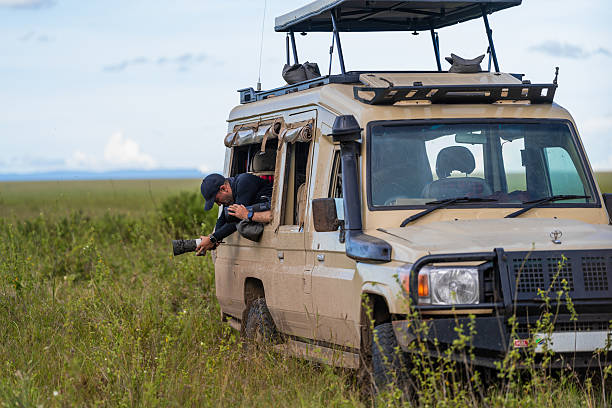
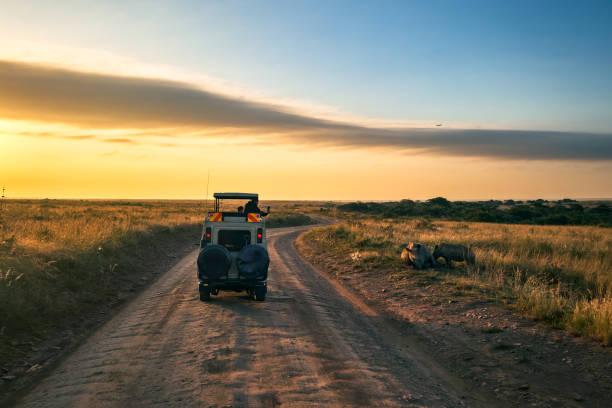
Best Safari From Moshi for Photographers: Your Ultimate Planning Guide
For photographers seeking to capture the essence of Africa, a safari starting from Moshi, Tanzania, offers unparalleled opportunities. This region serves as a gateway to some of the continent’s most iconic wildlife destinations, including Kilimanjaro National Park, Arusha National Park, and the world-renowned Serengeti and Ngorongoro Conservation Area. Planning a safari with photography as a primary focus requires specific considerations, from choosing the right parks and timing to understanding animal behavior and maximizing your photographic opportunities. This guide provides an in-depth look at crafting the best safari from Moshi for photographers, ensuring you return with stunning images and unforgettable memories.
Quick Navigation:
- Quick Facts: Safari from Moshi for Photographers
- Safari from Moshi: A Photographer’s Paradise
- Why Focus on Photography from Moshi?
- Best Time for Photography Safaris from Moshi
- Key Safari Destinations Accessible from Moshi
- Sample Itineraries for Photographers
- What to Expect on a Photography Safari
- Essential Photography Gear and Packing List
- Photography Tips for Safari Success
- Common Mistakes to Avoid
- Who is This Safari Best Suited For?
- Alternatives to a Moshi-Based Safari
- Planning Your 2026-2027 Safari from Moshi
- Booking Your Photography Safari
- Frequently Asked Questions
Quick Facts: Safari from Moshi for Photographers
| Aspect | Details for Photographers |
|---|---|
| Starting Point | Moshi, Tanzania |
| Primary Draw for Photographers | Access to diverse wildlife, dramatic landscapes, and iconic species, with opportunities for unique shots. |
| Key Parks/Areas | Serengeti National Park, Ngorongoro Conservation Area, Tarangire National Park, Lake Manyara National Park, Arusha National Park, Kilimanjaro backdrop. |
| Best Wildlife Viewing Seasons | Dry seasons (June-Oct, Dec-Feb) for concentrated wildlife. Great Migration viewing (timing varies). |
| Photography Considerations | Early morning and late afternoon light, animal behavior, landscape shots, challenging light conditions, need for long lenses. |
| Typical Safari Duration | 3-10 days depending on the areas visited. |
| Accommodation Types | Tented camps (mobile and permanent), lodges, budget campsites. |
| Transportation | 4×4 safari vehicles with pop-up roofs for optimal viewing and photography. |
Safari from Moshi: A Photographer’s Paradise
Moshi, a vibrant town nestled at the foot of Mount Kilimanjaro, is more than just a base for trekkers; it’s an excellent launchpad for photographers eager to capture the breathtaking wildlife and landscapes of northern Tanzania. The proximity to several of the country’s most celebrated national parks and conservation areas makes it a strategic starting point for a dedicated photography safari. Unlike starting from further afield, a Moshi-based safari allows for more efficient travel times to parks like Arusha, Tarangire, and Lake Manyara, while still providing access to the vast plains of the Serengeti and the unique caldera of Ngorongoro.
The appeal for photographers lies in the sheer diversity and abundance of wildlife. From the large herds of elephants in Tarangire and the tree-climbing lions of Lake Manyara to the predator-prey dynamics of the Serengeti and the dense populations within the Ngorongoro Crater, every day presents a new photographic challenge and reward. The dramatic backdrop of Mount Kilimanjaro itself offers stunning landscape photography opportunities, especially during sunrise and sunset. Photographers can expect a range of subjects, from the majestic Big Five to the intricate details of smaller creatures and the vast, sweeping savannas.
Why Focus on Photography from Moshi?
Choosing Moshi as your safari starting point for photography is a deliberate choice that caters to specific photographic goals. The region surrounding Moshi offers a unique blend of accessibility and world-class wildlife viewing that is hard to match.
- Strategic Access: Moshi provides relatively quick access to a circuit of northern Tanzanian parks. This means less travel time and more time in prime wildlife areas. Parks like Arusha National Park are a short drive away, offering unique subjects like colobus monkeys and Mount Meru.
- Diverse Ecosystems: Within a few days’ drive, you can experience vastly different environments: the acacia-dotted plains of Tarangire, the alkaline lake shores of Manyara, the endless grasslands of the Serengeti, and the unique crater ecosystem of Ngorongoro. This variety is crucial for a diverse photographic portfolio.
- Iconic Backdrops: The presence of Mount Kilimanjaro provides photographers with iconic, dramatic landscapes that can frame wildlife shots or stand alone as powerful images. Sunrise and sunset shots with Kilimanjaro in the background are highly sought after.
- Wildlife Abundance and Behavior: The northern circuit is renowned for its high wildlife densities. Photographers can anticipate opportunities to capture action shots, intimate portraits, and behavioral sequences of predators, herbivores, and diverse birdlife.
- Professional Support: Tour operators based in Moshi often have deep local knowledge, enabling them to tailor itineraries for photographers. This includes understanding the best times of day for light, optimal viewing locations, and ensuring vehicles are equipped for photography.
Best Time for Photography Safaris from Moshi
The ‘best’ time for a photography safari from Moshi depends on what you aim to capture. Tanzania experiences distinct wet and dry seasons, each offering unique photographic advantages and challenges.
The Dry Seasons (June to October and December to February)
These are generally considered the prime times for wildlife photography.
- Wildlife Concentration: As water sources become scarce, animals congregate around remaining waterholes and rivers. This makes spotting and photographing them easier and often leads to more dramatic interactions.
- Visibility: The vegetation is less dense, offering clearer lines of sight for wildlife. The open landscapes of the Serengeti are particularly good for spotting distant animals.
- The Great Migration (Serengeti): While the exact location varies annually, the dry season often coincides with critical phases of the Great Migration. Witnessing the vast herds, river crossings (typically June-July in the west, then moving north), and predator-prey interactions offers unparalleled photographic drama.
- Light: The dry season often brings clear skies, leading to sharp, bright light. However, this can also mean harsh midday sun, making early morning and late afternoon ‘golden hours’ even more precious for photographers. Dust kicked up by large herds can create atmospheric effects.
- Challenges: Crowds can be larger, especially in popular areas. The dry, dusty conditions can be challenging for camera equipment.
The Wet Seasons (March to May and November)
While often less popular, the wet seasons offer unique photographic opportunities.
- Lush Landscapes: The land is green and vibrant, offering beautiful, soft backdrops for wildlife. This can be ideal for landscape shots and adding a richer color palette to your images.
- Baby Animals: The short rains in November and the long rains from March to May often coincide with birthing seasons for many herbivores. Photographing newborns and their mothers offers tender and compelling subjects.
- Birdlife: Migratory birds arrive, and resident birds are often in breeding plumage, making it a fantastic time for bird photographers.
- Fewer Crowds: You’ll generally encounter fewer tourists, leading to more intimate wildlife encounters and a more exclusive photographic experience.
- Challenges: Rain can disrupt game drives and photography. The dense vegetation can make spotting wildlife more difficult. Light can be diffused and less dramatic. Roads can become impassable in certain areas.
Year-Round Considerations for 2026-2027
For 2026 and 2027, understanding these seasonal patterns is key. Generally, photographers aiming for classic safari shots with abundant wildlife and the potential for dramatic migration events should target the dry seasons. However, those interested in softer light, newborn animals, and lush scenery might find the shoulder months or even parts of the wet season appealing. Always consult with your tour operator about the specific wildlife movements and conditions expected during your planned travel dates.
Key Safari Destinations Accessible from Moshi
Moshi’s strategic location opens doors to a rich tapestry of Tanzanian wilderness. Here are the prime destinations photographers should consider:
Arusha National Park
- Proximity: Closest to Moshi, making it ideal for a day trip or the start of a longer safari.
- Photography Highlights: Mount Meru’s stunning landscapes, diverse birdlife, Ngurdoto Crater, Momella Lakes (famous for flamingos and other waterbirds), and troops of colobus monkeys and Sykes monkeys in the forests. It’s a great place to practice wildlife photography in a varied environment.
- Best For: Landscape, bird photography, primate photography, and those with limited time.
Tarangire National Park
- Proximity: A few hours’ drive from Moshi.
- Photography Highlights: Famous for its large elephant herds, especially during the dry season when they congregate around the Tarangire River. The park’s iconic baobab trees create dramatic silhouettes and add character to landscape shots. Predators like lions, leopards, and cheetahs are also present.
- Best For: Elephant photography, large mammal herds, baobab tree landscapes, and action shots.
Lake Manyara National Park
- Proximity: Relatively close to Tarangire and on the way to the Serengeti.
- Photography Highlights: Known for its tree-climbing lions, large troops of baboons, and diverse birdlife along the lake shore. The park’s compact size means you can cover a lot of ground and encounter varied habitats, from groundwater forests to acacia woodlands and the lake itself.
- Best For: Primate photography, birdwatching, unique lion behaviors, and diverse small-park photography.
Ngorongoro Conservation Area (including the Crater)
- Proximity: Further drive, but a must-visit.
- Photography Highlights: The Ngorongoro Crater is a UNESCO World Heritage Site and often called ‘Africa’s Eden’. It boasts an incredibly high density of wildlife, including the Big Five (lion, leopard, elephant, rhino, buffalo) in a relatively small area. The crater floor offers stunning views and opportunities for close-up shots of animals against the backdrop of the crater walls.
- Best For: Big Five photography, predator-prey interactions, landscape shots of the crater, and capturing a high concentration of wildlife.
Serengeti National Park
- Proximity: The furthest but the most iconic. Often combined with Ngorongoro.
- Photography Highlights: Vast plains, the Great Migration (timing dependent), abundant predators (lions, cheetahs, leopards), diverse herbivores, and incredible sunrise/sunset opportunities. The sheer scale of the Serengeti offers endless photographic possibilities, from wide-angle vistas to intimate wildlife portraits.
- Best For: Iconic safari landscapes, Great Migration action, predator photography, and capturing the essence of the African savanna.
Sample Itineraries for Photographers
These sample itineraries are designed to maximize photographic opportunities, focusing on diverse landscapes and wildlife encounters, starting from Moshi. They can be customized for 2026-2027 trips.
Short Photography Focus (4 Days / 3 Nights)
Ideal for those with limited time, focusing on accessible parks near Moshi.
| Day | Location | Activities & Photography Focus |
|---|---|---|
| Day 1 | Moshi to Arusha National Park | Morning departure from Moshi. Game drive in Arusha NP. Focus on colobus monkeys, Mount Meru landscapes, and Momella Lakes birdlife. Late afternoon return to Moshi. |
| Day 2 | Moshi to Tarangire National Park | Full day game drive in Tarangire. Focus on large elephant herds, baobab trees, and predators. Capture the golden light on the savanna during early morning/late afternoon. Overnight near Tarangire. |
| Day 3 | Tarangire to Lake Manyara NP & return to Moshi | Morning game drive in Tarangire. Drive to Lake Manyara NP for a shorter game drive focusing on tree-climbing lions and birdlife. Return to Moshi in the late afternoon/evening. |
| Day 4 | Optional: Local exploration or departure | Depending on flight schedules, explore Moshi town, visit local markets for cultural photography, or depart. |
Mid-Range Photography Adventure (7 Days / 6 Nights)
Combines key northern circuit parks for a richer photographic experience.
| Day | Location | Activities & Photography Focus |
|---|---|---|
| Day 1 | Moshi to Tarangire National Park | Depart Moshi after breakfast. Full day game drive in Tarangire, focusing on elephants, baobabs, and predators. Overnight in Tarangire area. |
| Day 2 | Tarangire to Lake Manyara NP & Karatu | Morning game drive in Tarangire. Drive to Lake Manyara NP for a game drive. Continue to Karatu for overnight, perhaps capturing sunset over the highlands. |
| Day 3 | Ngorongoro Crater Tour | Descend into the Ngorongoro Crater for a full day of game viewing and photography. Focus on Big Five, dense wildlife, and crater landscapes. Overnight in Karatu or Ngorongoro rim. |
| Day 4 | Karatu to Serengeti National Park (Central) | Drive to Serengeti, with a stop at Olduvai Gorge (optional photography). Afternoon game drive in central Serengeti, looking for big cats and diverse plains game. Overnight in central Serengeti. |
| Day 5 | Serengeti National Park (Central/North) | Full day exploring Serengeti. Focus on predator sightings, vast landscapes, and potential migration movements depending on the season. Consider an early morning hot air balloon safari for unique aerial shots (additional cost). Overnight in Serengeti. |
| Day 6 | Serengeti to Arusha | Morning game drive in Serengeti. Fly from Seronera airstrip to Arusha to save travel time, or drive back to Arusha with a final game drive en route. Overnight in Arusha. |
| Day 7 | Arusha to Moshi/Departure | Morning exploration in Arusha or transfer back to Moshi for departure. |
Comprehensive Photography Expedition (10 Days / 9 Nights)
A deep dive into the northern circuit, allowing ample time for photography in each location.
| Day | Location | Activities & Photography Focus |
|---|---|---|
| Day 1 | Moshi to Arusha National Park | Morning departure from Moshi. Full day exploring Arusha NP: colobus monkeys, diverse birdlife, Mt Meru, Ngurdoto Crater. Overnight near Arusha. |
| Day 2 | Arusha to Tarangire National Park | Drive to Tarangire. Afternoon game drive focusing on elephants, baobabs, and savanna landscapes. Overnight in Tarangire area. |
| Day 3 | Tarangire National Park | Full day game drive in Tarangire. Focus on predator sightings, large herds, and capturing the unique light through the baobabs. Overnight in Tarangire area. |
| Day 4 | Tarangire to Lake Manyara NP & Karatu | Morning game drive in Tarangire. Drive to Lake Manyara for a game drive. Continue to Karatu for overnight. |
| Day 5 | Ngorongoro Crater Tour | Full day exploring the Ngorongoro Crater floor. Focus on Big Five, diverse birdlife, and the unique ecosystem. Overnight on the crater rim or in Karatu. |
| Day 6 | Karatu to Serengeti (Central) | Drive to Serengeti, stopping at Olduvai Gorge. Afternoon game drive in central Serengeti. Overnight in central Serengeti camp/lodge. |
| Day 7 | Serengeti (Central) | Full day exploring central Serengeti. Focus on predator activity, vast plains, and capturing the scale of the park. Optional hot air balloon safari. Overnight in central Serengeti. |
| Day 8 | Serengeti (North/West) | Depending on migration patterns or your photographic interests, explore another region of the Serengeti. Focus on specific species or landscape features. Overnight in Serengeti. |
| Day 9 | Serengeti to Arusha | Morning game drive in Serengeti. Fly from Seronera airstrip to Arusha. Relax or do some final souvenir shopping. Overnight in Arusha. |
| Day 10 | Arusha to Moshi/Departure | Transfer to Kilimanjaro International Airport (JRO) for departure, or back to Moshi. |
What to Expect on a Photography Safari
A safari from Moshi tailored for photographers involves specific expectations:
- Early Mornings and Late Afternoons: These are the prime times for photography due to the soft, golden light and increased animal activity. Expect to be up before dawn and out on game drives until dusk.
- Vehicle Dynamics: You’ll typically travel in a custom-built 4×4 safari vehicle with a pop-up roof. This provides excellent vantage points and protection from the elements. Operators catering to photographers may offer vehicles with extra legroom, beanbags for stabilizing lenses, and guides knowledgeable about photographic needs.
- Guide Expertise: Your guide is crucial. A good photography guide will not only know where to find animals but also understand light, composition, and animal behavior to position the vehicle for the best shots. They should be patient and willing to wait for the perfect moment.
- Long Hours in the Vehicle: Be prepared for extended periods in the safari vehicle, often bouncing along rough tracks. Comfort is key, so choose appropriate clothing and be ready for the elements.
- Unpredictability: Wildlife is wild. While itineraries are planned, sightings are never guaranteed. Patience and adaptability are essential. You might spend hours waiting for a leopard or a lion kill.
- Light Conditions: Expect a range of light, from the harsh midday sun to the dramatic hues of sunrise and sunset. Learning to work with these conditions is part of the photographic challenge.
- Dust and Elements: Safari environments can be dusty, especially in the dry season. Protect your camera gear with dust covers and consider cleaning kits.
Essential Photography Gear and Packing List
Having the right equipment is vital for capturing stunning safari images. This list focuses on photography needs, alongside general safari essentials.
Camera Body and Lenses
- Camera Body: A DSLR or mirrorless camera with good low-light performance and interchangeable lenses is recommended.
- Telephoto Lens: This is your most important lens. A 70-200mm, 100-400mm, or even a 150-600mm lens is ideal for capturing distant wildlife. Consider a prime lens like a 300mm or 400mm for sharpness.
- Mid-Range Zoom: A 24-70mm or 24-105mm lens is versatile for landscapes, wider shots, and animals that come closer.
- Wide-Angle Lens: For grand landscapes, Mount Kilimanjaro, and vast savanna vistas.
- Prime Lens (Optional): A 50mm f/1.8 or 35mm f/1.8 can be useful for low light or portraits if you have opportunities.
- Teleconverter (Optional): To extend the reach of your telephoto lens.
Accessories
- Extra Batteries: Essential, as charging opportunities can be limited.
- Memory Cards: Bring plenty of high-capacity, fast memory cards.
- Tripod/Monopod: A lightweight travel tripod or a monopod can help stabilize long lenses, especially in low light. Beanbags are often provided by safari vehicles for lens support.
- Lens Cleaning Kit: Microfiber cloths, lens wipes, and a blower are crucial for dealing with dust.
- Camera Bag: A comfortable, padded backpack or shoulder bag to protect your gear. Consider a waterproof cover.
- Rain Cover: For your camera and bag, especially during the wet season.
- Power Bank/Adapter: For charging devices on the go. Ensure you have the correct adapter for Tanzania (Type G).
- Binoculars: While not for photography, they are essential for spotting wildlife.
General Safari Packing List
- Clothing: Neutral-colored, lightweight, breathable clothing (khaki, green, beige). Avoid bright colors. Long sleeves and trousers for sun and insect protection.
- Footwear: Comfortable walking shoes or hiking boots (if any walking is planned), and comfortable shoes for the vehicle.
- Sun Protection: Wide-brimmed hat, sunglasses, high SPF sunscreen.
- Insect Repellent: With DEET.
- Personal Items: Prescription medications, basic first-aid kit, toiletries.
- Water Bottle: Reusable.
- Headlamp/Torch: Useful for moving around camps at night.
Photography Tips for Safari Success
Maximize your chances of capturing incredible shots with these expert tips:
Master Timing and Light
- Golden Hours: Shoot during the first hour after sunrise and the last hour before sunset. The light is soft, warm, and creates beautiful shadows.
- Backlighting: Experiment with shooting towards the sun during golden hours for dramatic silhouettes or rim lighting on animals.
- Midday Shooting: Avoid harsh midday sun for portraits. Use this time for landscape shots with clear skies or focus on animals in shaded areas.
Composition and Focus
- Rule of Thirds: Place your subject off-center for a more dynamic image.
- Eye Level: Whenever possible, try to get your camera to the animal’s eye level. This creates a more intimate connection with the subject.
- Include the Environment: Don’t just shoot close-ups. Capture animals in their habitat to convey scale and context.
- Focus on the Eyes: Sharp focus on the animal’s eyes is crucial for compelling wildlife portraits.
- Look for Action: Patience can pay off. Wait for moments of interaction, feeding, or movement.
Camera Settings and Technique
- Aperture Priority (Av/A): Often useful for controlling depth of field, especially when photographing animals against busy backgrounds.
- Shutter Speed: Use a fast shutter speed (1/500s or higher) to freeze action and avoid motion blur, especially with longer lenses. For landscapes or intentional motion blur (e.g., water), use slower speeds.
- ISO: Learn your camera’s limits for usable ISO. Increase ISO in low light, but be mindful of noise.
- Burst Mode: Use continuous shooting mode to capture sequences of action.
- Image Stabilization: Ensure your lens’s image stabilization (IS/VR) is on when shooting handheld.
Working with Your Guide
- Communicate: Tell your guide your photographic interests. They can help position the vehicle and wait for specific behaviors.
- Listen: Guides have invaluable knowledge about animal behavior and tracking.
- Respect: Always follow your guide’s instructions regarding safety and animal welfare.
Common Mistakes to Avoid
Steering clear of these common pitfalls will enhance your photography safari experience:
- Overpacking Camera Gear: While it’s good to be prepared, too much gear can be cumbersome and impractical in a safari vehicle. Prioritize versatile lenses.
- Ignoring the Environment: Focusing only on close-ups misses the opportunity to capture the grandeur of the African landscape and the animal’s place within it.
- Not Protecting Gear: Dust and sand can damage equipment. Use protective covers and cleaning kits diligently.
- Using Flash Inappropriately: Never use flash directly at animals, especially at night or with predators. It can startle them or affect their vision. Most safari vehicles do not allow flash photography of certain species.
- Not Respecting Animal Space: Always maintain a safe and respectful distance. Your guide will manage this, but be aware of your own impact.
- Missing the Golden Hours: Sleeping in late means missing the best light and animal activity.
- Not Backing Up Photos: Ensure you have a reliable way to back up your images daily, especially if you’re shooting on multiple memory cards.
- Poor Communication with Guide: Not clearly expressing your photographic goals to your guide can lead to missed opportunities.
Who is This Safari Best Suited For?
A photography-focused safari from Moshi is ideal for:
- Passionate Wildlife Photographers: Those who prioritize capturing high-quality images of African wildlife and landscapes.
- Amateur Photographers: Individuals who want to improve their safari photography skills and learn from experienced guides.
- Travelers with Specific Interests: Birdwatchers, landscape enthusiasts, or those keen on documenting animal behavior.
- Families: Older children and teenagers interested in photography can find this a very engaging and educational trip.
- Solo Travelers: The structured nature of a guided safari is safe and offers ample opportunity for photography.
- Couples: A romantic and adventurous trip with incredible visual memories to cherish.
Alternatives to a Moshi-Based Safari
While Moshi offers excellent access, other starting points and safari types exist:
- Starting from Arusha: Arusha is the primary safari hub in Northern Tanzania and offers direct access to the northern circuit. Most tours depart from Arusha, but Moshi is a viable and often more scenic alternative, especially if combined with Kilimanjaro views.
- Starting from Nairobi, Kenya: If your focus is on the Masai Mara and its migration, starting from Nairobi might be more direct. However, it offers less direct access to the Tanzanian parks like Serengeti and Ngorongoro.
- Southern Tanzania Safaris (e.g., Selous, Ruaha): These parks offer a different, often wilder, experience with fewer crowds. However, they are less accessible from Moshi and typically require internal flights. They are less common for short photography trips starting from the north.
- Self-Drive Safaris: While possible in some African countries, self-drive safaris in Tanzania are generally not recommended for first-time visitors or those focused on photography, due to complex road conditions and the need for expert local knowledge to find wildlife.
Planning Your 2026-2027 Safari from Moshi
Planning well in advance is crucial for securing the best experiences, especially for popular seasons in 2026 and 2027. Here’s a planning timeline and considerations:
Planning Timeline
- 12-18 Months Prior: Research destinations, tour operators, and desired safari length. Identify your prime photographic interests (e.g., migration, specific species). Book early for peak seasons (July-October, December-February) and specific accommodations.
- 9-12 Months Prior: Finalize your itinerary and book your safari with a reputable operator. Confirm vehicle type and guide specialization (if possible). Book international flights.
- 6-9 Months Prior: Purchase travel insurance. Start researching and purchasing essential photography gear.
- 3-6 Months Prior: Obtain necessary visas and vaccinations. Confirm travel documents.
- 1-3 Months Prior: Pack and test your photography gear. Confirm all booking details with your tour operator.
- 2-4 Weeks Prior: Finalize any last-minute packing. Inform your bank of your travel dates.
Booking Considerations for 2026-2027
- Peak Seasons: 2026 and 2027 are expected to be popular years. Book accommodations and safari vehicles well in advance, especially for Serengeti and Ngorongoro during June-October.
- Migration Timing: If witnessing the Great Migration is a priority for your photography, research its expected movements for 2026 and 2027. While unpredictable, general patterns can be anticipated.
- Customization: Clearly communicate your photography needs to your tour operator. Ask about guides with specific wildlife photography knowledge and vehicles equipped for photographers (e.g., lower seating, beanbags).
- Park Fees: Be aware that park fees are subject to change. Tour operators will include these in your package, but it’s good to have an idea of their significance.
- Accommodation Levels: Decide on your comfort level. Options range from budget camping to mid-range lodges and luxury tented camps. For photographers, proximity to wildlife and good viewing points are key.
Booking Your Photography Safari
Choosing the right tour operator is paramount for a successful photography safari. Here’s how to approach booking:
Finding a Reputable Operator
- Local Expertise: Opt for operators based in Tanzania, like Top Guide Adventures, who have in-depth local knowledge, established relationships with park authorities, and a deep understanding of wildlife patterns.
- Specialization: Look for operators who mention experience with photography tours or who are willing to customize itineraries for photographers.
- Reviews and Recommendations: Check independent reviews on platforms like TripAdvisor, but also ask for direct references if possible.
- Communication: A good operator will respond promptly and clearly to your inquiries, demonstrating their professionalism and attention to detail.
What to Ask Your Operator
- Vehicle Type: Is it a custom 4×4 safari vehicle with a pop-up roof? Are there specific features for photographers (e.g., beanbags, charging ports)?
- Guide Experience: Does your guide have experience working with photographers? Do they understand photographic timing and animal behavior from a photographic perspective?
- Itinerary Flexibility: How flexible is the itinerary if we find a great photographic opportunity that requires more time?
- Group Size: For photography, smaller groups are often better to avoid congestion around sightings.
- Inclusions/Exclusions: What is included (meals, park fees, accommodation, water)? What is not (tips, personal expenses, optional activities like balloon safaris)?
- Payment Terms: Understand the deposit required, payment schedule, and cancellation policy.
Making the Booking
Once you have chosen an operator and finalized your itinerary, you will typically:
- Receive a detailed quote and itinerary.
- Pay a deposit to confirm your booking.
- Receive booking confirmations and pre-departure information.
- Pay the balance payment by the due date.
For the best safari from Moshi for photographers, partnering with an experienced and responsive tour operator is key. Contact us at WhatsApp +255616946642 or email us at topguideadventures@gmail.com or info@topguideadventures.com to discuss your photographic safari needs for 2026 or 2027.
Frequently Asked Questions
Q1: What is the best time of year for wildlife photography in Tanzania starting from Moshi?
A1: The dry seasons (June to October and December to February) are generally best for wildlife photography. Animals congregate around water sources, vegetation is less dense, offering clearer views, and the light during sunrise and sunset is spectacular. The Great Migration viewing is also a major draw during these periods, though its exact location varies.
Q2: What kind of camera gear is essential for a safari from Moshi?
A2: A telephoto lens (e.g., 70-200mm, 100-400mm) is crucial for capturing distant wildlife. A mid-range zoom (24-70mm) for landscapes and closer subjects, extra batteries, plenty of memory cards, and a lens cleaning kit are also highly recommended. A beanbag for lens support is very useful.
Q3: Can I get good landscape photos from Moshi?
A3: Absolutely. Mount Kilimanjaro provides a stunning backdrop for landscape photography, especially during sunrise and sunset. Arusha National Park also offers beautiful scenery with Mount Meru. The vast plains of the Serengeti also lend themselves to dramatic landscape shots.
Q4: Are there specific safari vehicles designed for photographers?
A4: Yes, many reputable tour operators offer customized 4×4 safari vehicles for photography. These often feature pop-up roofs that can be lowered for better stability, extra legroom, charging ports, and sometimes even beanbags. It’s important to discuss your photography needs when booking.
Q5: How important is a photography guide?
A5: A guide with specific photography knowledge can significantly enhance your experience. They understand light, animal behavior, and how to position the vehicle for optimal shots, saving you valuable time and increasing your chances of capturing unique moments.
Q6: What are the main parks accessible for a photography safari from Moshi?
A6: Key parks include Arusha National Park (close by), Tarangire National Park (elephants, baobabs), Lake Manyara National Park (tree-climbing lions, birds), Ngorongoro Conservation Area (dense wildlife, Big Five), and Serengeti National Park (vast plains, migration, predators). The best safari from Moshi for photographers will likely include a combination of these.
Q7: What should I pack besides camera gear for a photography safari in 2026?
A7: Pack neutral-colored, lightweight clothing, comfortable walking shoes, a wide-brimmed hat, sunglasses, high SPF sunscreen, insect repellent, a reusable water bottle, and a headlamp. Layers are advisable as temperatures can vary.
Q8: Is it possible to see the Great Migration on a photography safari from Moshi?
A8: Yes, it is possible. The Great Migration is a year-round phenomenon, with different stages occurring in different parts of the Serengeti. While its exact location can vary, generally the dry season (June-October) offers opportunities to witness river crossings or large herds in specific areas. Consult with your tour operator for the most likely locations for 2026 or 2027.
Q9: What are the costs associated with a photography safari from Moshi?
A9: Costs vary significantly based on accommodation level, safari duration, and vehicle type. Generally, photography-focused safaris may incur slightly higher costs due to specialized vehicles or guides. Expect costs to cover park fees, accommodation, meals, vehicle and driver/guide hire, and internal transfers. It’s best to get a detailed quote from your chosen tour operator.
Q10: How far in advance should I book my 2027 photography safari?
A10: For peak seasons in 2027, booking 9-12 months in advance is highly recommended, especially if you have specific accommodation preferences or require a specialized photography vehicle and guide. For less popular times, 4-6 months might suffice, but early booking is always advisable for the best selection and availability.
Plan Your Best Safari From Moshi for Photographers
A safari from Moshi is an exceptional choice for photographers, offering access to diverse wildlife, stunning landscapes, and unparalleled photographic opportunities. To ensure your trip is a success, partner with an experienced and reputable tour operator. We specialize in crafting bespoke safari experiences tailored to photographers, ensuring you have the right vehicle, an knowledgeable guide, and an itinerary that maximizes your chances of capturing the magic of Tanzania.
Contact us today to start planning your dream photography safari for 2026 or 2027:
WhatsApp: +255616946642
Email: topguideadventures@gmail.com
Backup Email: info@topguideadventures.com
Plan your Best Safari From Moshi for Photographers with Top Guide Adventures
Tell us your travel dates, group size, comfort level, and dream experience. We will help you shape a clear, realistic, and memorable Tanzania itinerary.







 Veedesigner
 Fatma Kizanga
 Benjamin Waryuba
 Philip Philip
 John jr Itaja
 Antonia Optatus
 Edith Kanyere
 Neema Iddy
 Kelvin Boniphace
 Damari Maiga



