
Updated planning guide for 2026, 2027-2028
Best Safari From Moshi For Birdwatchers: Guide 2026-2027-2028
Planning a birdwatching safari from Moshi? This comprehensive guide covers the best destinations, optimal timings, sample itineraries, essential preparations, and booking advice for an unforgettable avian experience in Tanzania.
WhatsApp +255616946642 | topguideadventures@gmail.com | info@topguideadventures.com
Best Safari From Moshi for Birdwatchers: Your Ultimate Planning Guide
Moshi, the gateway to Mount Kilimanjaro, is also a surprisingly excellent starting point for birdwatchers eager to explore Tanzania’s rich avian biodiversity. While many associate safaris from Moshi with wildlife viewing in iconic parks like the Serengeti or Ngorongoro Crater, a focused birdwatching safari offers a different, deeply rewarding perspective. This guide is designed for serious birders and nature enthusiasts looking to plan the best safari from Moshi for birdwatchers, covering everything from prime locations and ideal seasons to practical planning and booking considerations for 2026 and 2027.
Quick Answer for Birdwatchers Near Moshi
For the best safari from Moshi for birdwatchers, focus on areas offering diverse habitats. Key destinations include Arusha National Park (especially the Momella Lakes and Ngurdoto Crater rim), Maramboi Tented Lodge area (for dry-land species), Tarangire National Park (known for its large elephant herds and diverse birdlife), and Lake Manyara National Park (famous for its tree-climbing lions and abundant bird species, particularly around the lake shores). For a more specialized birding trip, consider extending to areas like the Southern Highlands or coastal forests, though these are further afield from Moshi and require dedicated planning.
| Feature | Details |
|---|---|
| Primary Birding Focus | Diverse habitats: montane forest, savanna, woodland, wetlands. |
| Best Starting Point | Moshi, Tanzania. |
| Key Nearby Destinations | Arusha National Park, Tarangire National Park, Lake Manyara National Park, Maramboi area. |
| Target Species Examples | Hartlaub’s Turaco, Narina Trogon, Secretarybird, Lilac-breasted Roller, various raptors, waterbirds. |
| Ideal Travel Period | Dry seasons (June-October) for easier spotting; wet seasons (November-May) for breeding plumage and migratory birds. |
| Typical Safari Duration | 3-7 days for focused birding. |
| Accommodation Types | Lodges, tented camps, guesthouses. |
Understanding Birdwatching Safaris from Moshi
A safari from Moshi tailored for birdwatchers is distinct from a general wildlife safari. While large mammals are a bonus, the primary objective is to observe and identify as many bird species as possible. This requires a different approach to itinerary planning, park selection, and even the time of day you’ll be out birding. Tanzania boasts over 1,100 bird species, making it a premier destination for ornithological tourism. From the towering acacia trees of Tarangire to the unique crater highlands and the montane forests on the slopes of Kilimanjaro, the diversity is astounding.
Why Choose Moshi as a Birding Safari Base?
Moshi’s strategic location offers several advantages for birdwatchers:
- Proximity to Diverse Ecosystems: It’s close to Arusha National Park, which features montane forests, savannah, and alkaline lakes, each supporting different bird communities.
- Gateway to Northern Circuit: Moshi serves as an excellent starting point for accessing the Northern Safari Circuit parks, including Tarangire and Lake Manyara, which are also rich in avian life.
- Access to Local Expertise: Reputable tour operators based in Moshi understand the local terrain and birding hotspots, crucial for a successful birdwatching trip.
- Shorter Travel Times: Compared to starting from Arusha town for some destinations, Moshi can offer slightly shorter initial drives to certain parks.
Key Birding Destinations Accessible from Moshi
When planning the best safari from Moshi for birdwatchers, these parks and areas should be high on your list:
1. Arusha National Park
Often overlooked for its larger neighbors, Arusha National Park is a gem for birders. Its varied habitats include montane forests, highland alkaline lakes (Momella Lakes), and the Ngurdoto Crater.
- Highlights: Momella Lakes are fantastic for waterbirds, including flamingos (less common than at other Rift Valley lakes but present), various waders, and ducks. The montane forests are home to species like Hartlaub’s Turaco, Narina Trogon, and various sunbirds and hornbills. The Ngurdoto Crater offers opportunities to spot birds of prey soaring above.
- Bird Species Count: Over 300 species recorded.
- Accessibility from Moshi: Approximately 1-1.5 hours drive.
2. Tarangire National Park
Famous for its large elephant herds and baobab trees, Tarangire is also a significant birding destination, especially during the dry season when birds congregate around the Tarangire River and its swamps.
- Highlights: This park is renowned for its raptors, including martial eagles and bateleur eagles. It’s also a stronghold for the endemic Ashy Starling and Rufous-tailed Weaver. The park’s swamps are excellent for waterbirds and grassland species. Keep an eye out for the large ostrich and secretarybird.
- Bird Species Count: Over 550 species recorded.
- Accessibility from Moshi: Approximately 3-4 hours drive, often combined with Lake Manyara.
3. Lake Manyara National Park
This relatively small park packs a punch with its diverse habitats, including groundwater forest, acacia woodland, and the shallow alkaline lake itself.
- Highlights: The lake shore attracts large numbers of waterbirds, including pelicans, storks, and various herons. The groundwater forest is ideal for seeing turacos and hornbills. The acacia woodlands are home to colorful species like the lilac-breasted roller and the red-billed hornbill.
- Bird Species Count: Over 400 species recorded.
- Accessibility from Moshi: Approximately 2.5-3.5 hours drive.
4. Maramboi Tented Lodge Area (and surrounds)
Located between Tarangire and Lake Manyara, this area offers excellent dry-land birding opportunities and is often visited as part of a Tarangire/Manyara itinerary. It provides a different habitat focus.
- Highlights: Species like the Violet Woodhoopoe, Red-billed Hornbill, and various weavers and sparrows thrive here. It’s a good area to spot ground birds and species adapted to arid landscapes.
- Accessibility from Moshi: Part of the drive to Tarangire/Manyara, approximately 3-3.5 hours.
Choosing the Best Time for Your Birdwatching Safari (2026-2027)
The timing of your safari significantly impacts birding success. Tanzania has two main seasons:
| Season | Months | Birding Advantages | Considerations |
|---|---|---|---|
| Dry Season | June – October | Easier to spot birds as vegetation is less dense. Water sources are limited, attracting birds and mammals to rivers/waterholes. Migratory birds have departed. | Can be cooler, especially in the mornings and evenings. Higher tourist season. |
| Short Rains | November – December | Breeding season begins, birds start acquiring breeding plumage. Landscapes become greener. | Intermittent showers, can affect road conditions. |
| Long Rains | March – May | Peak breeding season, many species in full breeding plumage. Lush landscapes. Migratory birds arrive from Europe and Asia (November-April). | Heavy rainfall, can lead to impassable roads in some areas. Less ideal for general safari, but excellent for dedicated birders focused on breeding behavior and migrants. |
| Green Season / Shoulder | January – February | Good for general wildlife viewing, some breeding activity, landscapes are green. | Can have scattered showers. Good balance between birding and other wildlife. |
For 2026-2027, consider:
- June to October (Dry Season): Ideal for spotting birds against sparser vegetation and in areas where water is concentrated. Excellent for seeing larger birds like Secretarybirds and raptors.
- November to April (Wet Season/Breeding Season): Perfect for witnessing birds in their vibrant breeding plumage and observing nesting behaviors. This is when European and Asian migratory birds are present, significantly boosting species counts. If you’re a serious birder aiming for maximum species, this period is highly recommended, provided you’re prepared for potential rain.
Sample Itinerary: A 5-Day Birdwatching Safari from Moshi
This sample itinerary focuses on the most accessible and bird-rich parks near Moshi. It can be customized based on your interests and available time.
Day 1: Moshi to Arusha National Park
- Morning: Depart from Moshi after breakfast.
- Drive to Arusha National Park (approx. 1-1.5 hours).
- Activity: Full day birding around the Momella Lakes and Ngurdoto Crater rim. Focus on waterbirds at Momella Lakes and forest species near the crater.
- Accommodation: Overnight at a lodge or tented camp near the park entrance or in Arusha town.
Day 2: Arusha National Park to Tarangire National Park
- Morning: Early morning birding session in Arusha NP, focusing on any missed species or areas.
- Late Morning: Drive towards Tarangire National Park (approx. 3-4 hours).
- Afternoon: Arrive at Tarangire and begin game drives with a birding focus. Explore the main game tracks and areas near the river.
- Accommodation: Overnight at a lodge or tented camp inside or just outside Tarangire.
Day 3: Full Day Birding in Tarangire National Park
- Morning: Early morning game drive/birding expedition. Focus on swamp areas for waders and waterbirds, and woodlands for raptors and smaller species. Look for Ashy Starlings.
- Afternoon: Continue exploring different sectors of the park, perhaps focusing on baobab-dotted landscapes for specific species.
- Accommodation: Overnight at the same lodge/camp in Tarangire.
Day 4: Tarangire to Lake Manyara National Park
- Morning: Final early morning birding in Tarangire, targeting any specific species you haven’t yet seen.
- Late Morning: Drive to Lake Manyara National Park (approx. 1 hour from Tarangire).
- Afternoon: Birding game drive in Lake Manyara. Focus on the lake shore for waterbirds and the groundwater forest for forest-dwelling species.
- Accommodation: Overnight at a lodge or tented camp near Lake Manyara.
Day 5: Lake Manyara to Moshi
- Morning: Early morning birding around Lake Manyara or on the drive out of the park.
- Late Morning: Begin the drive back to Moshi (approx. 2.5-3.5 hours).
- Afternoon: Arrive back in Moshi.
Route Overview: Moshi to Northern Circuit Birding Hotspots
Here’s a simplified illustration of the route:
Moshi –> (East) Arusha National Park –> (South-West) Tarangire National Park –> (West) Lake Manyara National Park –> (North-East) Moshi
This route covers a good range of habitats within a manageable travel distance from Moshi, making it ideal for a focused birding safari.
What to Expect on Your Birdwatching Safari
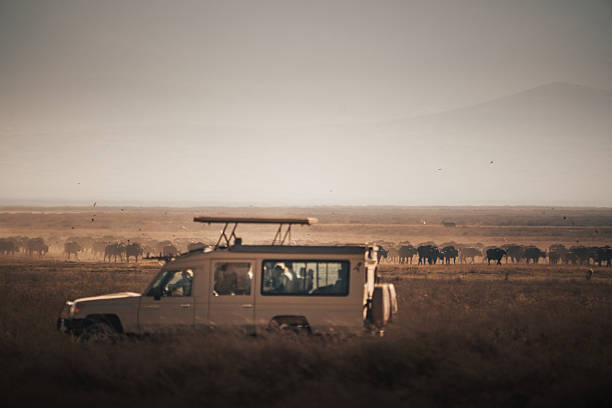
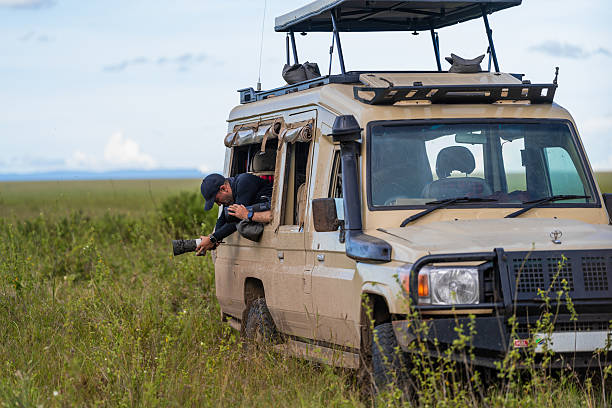
A birdwatching safari from Moshi is an immersive experience. Expect to spend a significant portion of your time in a 4×4 safari vehicle, often with the roof open, allowing for optimal viewing and photography. Your guide will be crucial, not only for spotting wildlife but for identifying birds, knowing their calls, and understanding their preferred habitats.
The Role of Your Birding Guide
A specialized birding guide can make or break your trip. They should possess:
- Extensive knowledge of local bird species, their calls, and behaviors.
- Familiarity with the best birding spots within each park.
- Proficiency with bird identification guides and binoculars.
- Ability to drive slowly and stop frequently for observation.
- Skills in spotting camouflaged birds.
Daily Schedule for Birders
Bird activity is highest during the cooler parts of the day. Your schedule will likely include:
- Early Morning: Depart camp/lodge shortly after sunrise (around 6:00-6:30 AM) for prime birding hours.
- Mid-Morning: Continue birding, perhaps with a break for tea/coffee.
- Late Morning/Early Afternoon: Return to camp for lunch and a rest during the hottest part of the day. Some birding might occur if driving between locations.
- Late Afternoon: Depart for another birding session until sunset (around 6:30 PM).
- Evening: Return to camp for dinner and relaxation. Night drives can sometimes be arranged for nocturnal species.
Accommodation Choices
Accommodation options range from comfortable lodges to more intimate tented camps. For birders, staying inside or very close to the parks allows for earlier starts and later finishes, maximizing your time in prime birding areas. Many lodges and camps offer excellent locations with bird-rich gardens.
Essential Preparations and Packing for Birdwatchers
Proper preparation ensures a comfortable and successful birding safari. Here’s what you need to consider:
Gear and Equipment
- Binoculars: This is your most critical piece of equipment. A good pair (e.g., 8×42 or 10×42) with excellent optics is essential. Ensure they are well-adjusted and you know how to use them.
- Field Guide: A comprehensive field guide for East African birds (e.g., ‘Birds of East Africa’ by Terry Stevenson and John Fanshawe) is indispensable.
- Camera and Lenses: If you’re a keen photographer, bring a camera with a good zoom lens (300mm or more). Extra batteries and memory cards are vital.
- Notebook and Pen: For recording sightings, notes on behavior, and species details.
- Spotting Scope: Optional but highly recommended for waterbirds or distant raptors. Check if your tour operator can provide one.
Clothing and Personal Items
- Neutral-Colored Clothing: Avoid bright colors. Khaki, olive green, beige, and brown are best to blend in. Long sleeves and trousers protect against sun and insects.
- Comfortable Footwear: Sturdy walking shoes or hiking boots if any light walking is planned, otherwise comfortable closed shoes for the vehicle.
- Hat: A wide-brimmed hat for sun protection.
- Sunscreen and Insect Repellent: High SPF sunscreen and effective insect repellent.
- Lightweight Rain Jacket: Essential, especially during the wet seasons.
- Warm Layers: Evenings and early mornings can be cool, particularly in the dry season. A fleece or light jacket is advisable.
- Personal First-Aid Kit: Include any personal medications.
Health and Safety
- Vaccinations: Consult your doctor about recommended vaccinations (e.g., Yellow Fever, Hepatitis A/B, Typhoid) and malaria prophylaxis well in advance of your 2026-2027 trip.
- Travel Insurance: Comprehensive travel insurance covering medical emergencies and evacuation is crucial.
- Hydration: Drink plenty of bottled water to stay hydrated, especially in the heat.
Common Mistakes to Avoid on a Birdwatching Safari
To ensure a smooth and rewarding experience, be aware of these common pitfalls:
- Choosing the Wrong Time: Traveling during the peak rainy season without being prepared for potential disruptions.
- Insufficient Duration: Trying to cover too many parks in too little time, resulting in rushed birding opportunities.
- Not Hiring a Specialist Birding Guide: Relying on a general wildlife guide who may lack specific ornithological knowledge.
- Poor Gear: Not bringing adequate binoculars or a suitable field guide.
- Ignoring Local Advice: Not consulting with your tour operator about current birding conditions or specific species to look for.
- Focusing Only on Mammals: Forgetting that the primary goal is bird identification, not just spotting the ‘big five’.
- Wearing Bright Colors: This can make birds more wary and harder to approach.
Who is This Safari Best Suited For?
The best safari from Moshi for birdwatchers is ideal for:
- Dedicated Birders: Those who are passionate about identifying and observing a wide variety of avian species.
- Photographers: Bird photographers looking to capture unique species in their natural habitat.
- Nature Enthusiasts: Travelers who appreciate detailed observation of the natural world and enjoy quieter, more focused experiences.
- Repeat Visitors to Tanzania: Those who have already experienced the major wildlife parks and are looking for a deeper, more specialized exploration of Tanzania’s ecosystems.
- Travelers with Specific Interests: Individuals interested in ornithology, conservation, or eco-tourism.
It might be less suited for travelers whose primary interest is seeing large numbers of big game or who prefer a fast-paced, varied itinerary with many different activities each day.
Alternatives and Extensions for Avid Birders
While the Northern Circuit offers excellent birding, Tanzania has even more to offer for the truly dedicated birder. If you have more time or are looking for different species, consider these:
- Southern Highlands (e.g., Ruaha National Park, Udzungwa Mountains National Park): These areas host unique species not found in the north, including endemics. Ruaha is known for its raptors and dry-country birds, while Udzungwa offers montane forest species. These require longer travel times from Moshi and are best accessed via internal flights or longer overland journeys.
- Lake Victoria Region (e.g., Rubondo Island National Park): An island national park in Lake Victoria, offering a unique wetland and forest birding experience.
- Coastal Forests (e.g., Pugu Hills Forest Reserve near Dar es Salaam): For unique coastal forest endemics.
These destinations would typically require separate, dedicated itineraries and may not be feasible as a quick add-on to a Northern Circuit trip originating from Moshi. They are best planned as distinct birding safaris.
Planning Your Birdwatching Safari for 2026-2027
Planning ahead is key, especially for specialized safaris. Here are some tips for 2026 and 2027:
Key Planning Steps for 2026-2027
- Book Early: For popular seasons (dry season, Christmas/New Year), book your safari at least 6-12 months in advance to secure preferred lodges and guides.
- Consult Experts: Work with a reputable tour operator specializing in Tanzania. Discuss your specific birding interests to ensure they can provide a guide with the necessary expertise.
- Confirm Guide Specialization: Explicitly ask if your assigned guide has significant birdwatching experience and knowledge.
- Budget Appropriately: Specialized birding safaris, particularly with expert guides, can be more expensive than general safaris. Factor in park fees, accommodation, transport, and guide costs.
- Visa and Flights: Arrange your Tanzanian visa and international flights well in advance.
- Health Preparations: Start any necessary vaccinations or malaria prophylaxis discussions with your doctor 4-6 weeks before travel.
Booking Your Best Safari from Moshi for Birdwatchers
Selecting the right tour operator is paramount for a successful birdwatching safari. Look for companies with a proven track record in Tanzania, particularly those that highlight their birding expertise.
What to Look for in a Tour Operator:
- Specialization: Do they offer dedicated birding tours or have guides known for their ornithological skills?
- Customization: Can they tailor an itinerary to your specific interests and pace?
- Reputation: Check reviews and testimonials, especially from other birdwatchers.
- Local Knowledge: A company based in Tanzania, like Top Guide Adventures, often has superior local knowledge and responsiveness.
- Transparency: Clear communication about what is included and excluded in your safari package.
Working with Top Guide Adventures
At Top Guide Adventures, we understand the unique requirements of birdwatchers. We pride ourselves on crafting detailed itineraries that maximize your chances of spotting Tanzania’s incredible avian diversity. Our experienced guides are passionate about birds and know the best locations and times to find specific species.
Whether you’re looking for the best safari from Moshi for birdwatchers focusing on the Northern Circuit, or planning for the peak breeding seasons of 2026 or 2027, we can help you design the perfect trip. We offer personalized advice, flexible itineraries, and a commitment to providing an unforgettable birding experience.
Contact us to start planning your dream birdwatching safari:
- WhatsApp: +255616946642
- Email: topguideadventures@gmail.com
- Backup Email: info@topguideadventures.com
Typical Inclusions and Exclusions
While packages vary, typical inclusions for a birding safari from Moshi would be:
| Included | Excluded |
|---|---|
| Park entrance fees | International flights |
| Accommodation (full board often) | Visa fees |
| 4×4 safari vehicle with pop-up roof | Travel insurance |
| Professional, experienced birding guide | Tips for guide and staff |
| Game drives/birding excursions | Alcoholic beverages and personal expenses |
| Bottled drinking water in the vehicle | Gratuities for driver/guide (often recommended) |
| Airport transfers (if specified) | Optional activities (e.g., night drives, cultural visits) |
Frequently Asked Questions (FAQs)
Q1: How far is Arusha National Park from Moshi?
Arusha National Park is approximately 1 to 1.5 hours drive from Moshi, making it an easily accessible destination for a day trip or the start of a multi-day birding safari.
Q2: Can I see the ‘Big Five’ on a birdwatching safari from Moshi?
While the primary focus is birds, you will likely see many of the ‘Big Five’ (Lion, Leopard, Elephant, Buffalo, Rhino) as they inhabit these parks. However, sightings are not guaranteed, and the itinerary is optimized for birding, not big game.
Q3: What is the best month for birdwatching in Tanzania from Moshi in 2026?
For breeding plumage and migratory birds, the wet season months (November to April) are generally considered best. However, the dry season (June to October) offers easier spotting due to less dense vegetation. For the best safari from Moshi for birdwatchers focusing on species diversity, consider the shoulder months or the earlier part of the wet season (November-December) or the end of it (March-April).
Q4: Do I need a special birding guide?
Yes, for a dedicated birdwatching safari, it is highly recommended to have a guide with specific ornithological knowledge. They can identify birds by sight and sound, know their habits, and take you to prime birding locations, significantly enhancing your experience.
Q5: What kind of camera equipment is best for bird photography?
A DSLR or mirrorless camera with a telephoto lens (300mm or longer) is ideal for bird photography. Fast autofocus and good low-light performance are also beneficial. Don’t forget extra batteries and memory cards.
Q6: Are malaria precautions necessary for safaris near Moshi?
Yes, malaria is present in Tanzania. It’s advisable to consult your doctor about malaria prophylaxis and take other precautions such as using insect repellent and wearing long sleeves and trousers during dawn and dusk.
Q7: How much does a birdwatching safari from Moshi cost?
The cost varies significantly based on the duration, accommodation level, and guide specialization. A 5-day birding safari from Moshi could range broadly. Expect costs to be higher than a general safari due to the specialized guide and potentially custom itinerary. Prices are typically quoted per person sharing.
Q8: What are the main differences between birding in Arusha NP and Tarangire NP?
Arusha National Park offers montane forest species, waterbirds on alkaline lakes, and birds of prey over its crater. Tarangire National Park is known for its dry-land species, large raptors, endemic birds like the Ashy Starling, and waterbirds in its extensive swamps, especially in the dry season.
Q9: Can I combine birdwatching with Kilimanjaro trekking?
Yes, many travelers combine a birding safari with a Kilimanjaro climb. You could do a birding safari before or after your trek. The lower slopes of Kilimanjaro themselves also host unique montane bird species.
Q10: What is the best way to book a birdwatching safari for 2027?
The best way is to contact a reputable local tour operator like Top Guide Adventures well in advance. Discuss your specific birding interests, preferred dates for 2027, and desired level of accommodation. This allows them to craft a tailored itinerary and secure the best guides and lodges.
Ready to Plan Your Ultimate Birdwatching Safari from Moshi?
Tanzania offers an unparalleled birdwatching experience, and starting your journey from Moshi provides convenient access to some of its most diverse and rewarding avian hotspots. Whether you’re aiming for specific endemic species, keen on observing breeding behaviors, or simply wish to expand your life list, a dedicated birdwatching safari is an incredible adventure.
Let Top Guide Adventures help you craft the best safari from Moshi for birdwatchers. Our team is passionate about creating personalized itineraries that cater to the specific needs of birders. We work with experienced guides who possess deep knowledge of Tanzania’s avifauna. Plan your trip for 2026 or 2027 with confidence, knowing you’re in expert hands.
Get in touch with us today to discuss your dream birding safari:
- WhatsApp: +255616946642
- Email: topguideadventures@gmail.com
- Backup Email: info@topguideadventures.com
Plan your Best Safari From Moshi for Birdwatchers with Top Guide Adventures
Tell us your travel dates, group size, comfort level, and dream experience. We will help you shape a clear, realistic, and memorable Tanzania itinerary.


 Veedesigner
 Fatma Kizanga
 Benjamin Waryuba
 Philip Philip
 John jr Itaja
 Antonia Optatus
 Edith Kanyere
 Neema Iddy
 Kelvin Boniphace
 Damari Maiga



