
Updated planning guide for 2026, 2027-2028
Moshi To Arusha National Park Safari: Best Guide 2026-2027-2028
A comprehensive guide to planning your safari from Moshi to Arusha National Park, detailing what to expect, how to prepare, and the best ways to experience Tanzania's natural wonders.
WhatsApp +255616946642 | topguideadventures@gmail.com | info@topguideadventures.com
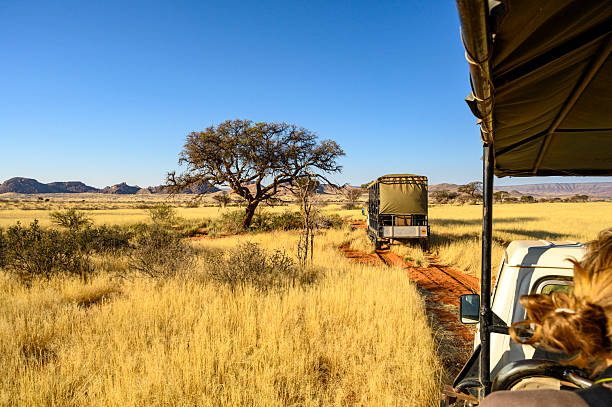
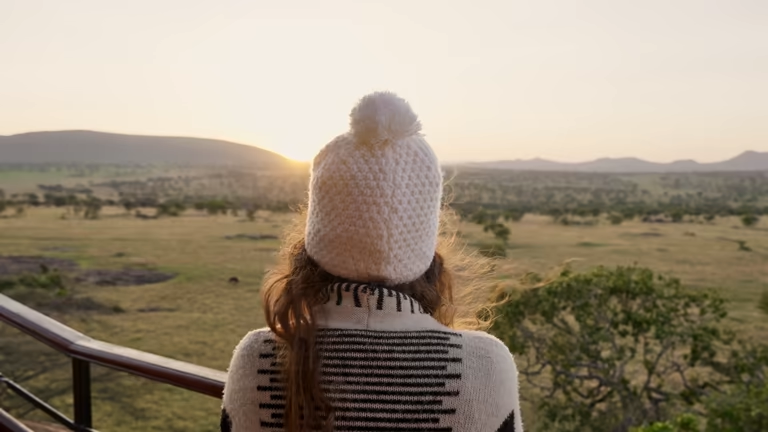
Moshi to Arusha National Park Safari: Your Complete Planning Guide
A safari adventure starting from Moshi, leading to the captivating Arusha National Park, offers an accessible yet incredibly rewarding wildlife experience in Tanzania. Often overshadowed by its larger neighbours like the Serengeti and Ngorongoro Crater, Arusha National Park provides a unique charm with its diverse landscapes, abundant birdlife, and the iconic Mount Meru dominating the skyline. This guide is designed to help you plan every aspect of your Moshi to Arusha National Park safari, ensuring you make the most of your journey in 2026 and 2027.
Quick Answers for Your Moshi to Arusha National Park Trip
| Key Aspect | Details |
|---|---|
| Starting Point | Moshi, Tanzania |
| Destination Park | Arusha National Park |
| Typical Duration | 1 to 3 days |
| Key Wildlife | Colobus monkeys, elephants, giraffes, zebras, buffalos, diverse birdlife |
| Main Activities | Game drives, walking safaris, canoeing (on Momella Lakes) |
| Best Time to Visit | June to October (dry season), January to February (short dry season) |
| Accessibility from Moshi | Approximately 1-2 hours drive |
Table of Contents
- Arusha National Park: A Gem Near Moshi
- Why Choose a Moshi to Arusha National Park Safari?
- When is the Best Time for a Moshi to Arusha National Park Safari?
- Arusha National Park Geography and Key Areas
- Sample Itinerary: 2-Day Moshi to Arusha National Park Safari
- Activities in Arusha National Park
- What Wildlife to Expect
- Packing List for Your Safari
- Pre-Safari Preparation and Tips
- Common Mistakes to Avoid
- Who is This Safari Best Suited For?
- Alternatives to Arusha National Park from Moshi
- Planning Your Safari for 2026-2027
- Booking Your Moshi to Arusha National Park Safari
- Frequently Asked Questions (FAQs)
Arusha National Park: A Gem Near Moshi
Arusha National Park is Tanzania’s first national park, established in 1960. It’s a relatively small but incredibly diverse park, encompassing a wide range of habitats. From the alkaline Momella Lakes with their vibrant pink flamingo populations to the Ngurdoto Crater, often called ‘Little Ngorongoro’, and the misty rainforests of Mount Meru, the park offers varied scenery and wildlife viewing opportunities. Its proximity to Moshi makes it an ideal destination for a short safari, a day trip, or as an introduction to Tanzania’s spectacular natural heritage before or after a Kilimanjaro climb.
Why Choose a Moshi to Arusha National Park Safari?
Several compelling reasons make a safari from Moshi to Arusha National Park a fantastic choice:
- Convenience: Located just a short drive from Moshi, it minimizes travel time and allows for more time spent on safari activities.
- Scenery: The park boasts stunning views, with Mount Meru (4,566m) as a prominent backdrop. The Momella Lakes and Ngurdoto Crater offer unique geological features.
- Biodiversity: Despite its size, Arusha National Park is rich in wildlife. It’s one of the best places in Tanzania to see the black and white Colobus monkey in its natural habitat. You can also find elephants, giraffes, zebras, buffalos, hippos, and a vast array of bird species.
- Activities: Beyond standard game drives, the park offers walking safaris (with an armed ranger) and canoeing on the Momella Lakes, providing different perspectives on the wildlife and landscape.
- Less Crowded: Compared to some of the more famous parks, Arusha National Park generally experiences fewer tourists, offering a more intimate wildlife viewing experience.
- Excellent Add-on: It’s a perfect addition for those climbing Mount Kilimanjaro, offering a chance to see wildlife and beautiful scenery after their trek. It also serves as a great day trip for visitors staying in Arusha town.
When is the Best Time for a Moshi to Arusha National Park Safari?
The best time to visit Arusha National Park depends on your priorities, but generally, the dry seasons offer the most favourable conditions for wildlife viewing and travel. For your 2026 or 2027 safari plans, consider these periods:
| Period | Description | Pros | Cons |
|---|---|---|---|
| June – October (Dry Season) | This is the prime safari season across Tanzania. The vegetation is less dense, making spotting animals easier, and water sources are scarce, concentrating wildlife. Roads are in good condition. | Excellent wildlife viewing, pleasant temperatures, minimal rain. | Higher tourist numbers, potentially higher prices for accommodation and tours. |
| November – December (Short Rains) | A transitional period with occasional short showers. The landscape becomes greener. | Fewer tourists, lower prices, beautiful green scenery. | Rain can interrupt activities, game viewing can be slightly more challenging due to denser vegetation. |
| January – February (Short Dry Season) | A brief dry spell within the wet season. Good for birdwatching as migratory birds are present. | Good for bird enthusiasts, fewer crowds, dramatic landscapes. | Occasional rain showers are still possible. |
| March – May (Long Rains) | This is the peak of the rainy season. Heavy rainfall is common, roads can become difficult to navigate, and wildlife disperses. | Very few tourists, lowest prices, lush green landscapes. | Significant rainfall can disrupt travel plans and game viewing. Not ideal for a first-time safari. |
For a Moshi to Arusha National Park safari in 2026 or 2027, aiming for the June-October dry season or the January-February short dry season will likely provide the best overall experience, especially if your primary goal is maximizing wildlife sightings.
Arusha National Park Geography and Key Areas
Arusha National Park is a compact park with distinct geographical zones, each offering unique attractions:
Park Area Overview:
- Momella Lakes: A series of seven alkaline lakes (Big Momella, Small Momella, Kusare, El Kekeni, Rishoto, Tulusia, and Lekandiro). Each lake has a distinct colour and attracts different bird species. Canoeing here is a highlight.
- Ngurdoto Crater: A steep-sided crater, often called ‘Little Ngorongoro’. Its floor is a caldera supporting lush vegetation and a permanent population of buffaloes and warthogs. A scenic drive overlooks the crater.
- Mount Meru Forest: The lower slopes of Mount Meru are covered in dense montane forest. This is prime habitat for primates, especially the black and white Colobus monkeys, and also home to elephants and leopards (though leopards are rarely seen). Waterfalls and stunning viewpoints are found here.
- Ash Cone: A striking volcanic feature within the park, offering a unique landscape.
The park is divided into different sections accessible by roads, with game drives typically focusing on the areas around the Momella Lakes and the Ngurdoto Crater rim. Walking safaris usually take place in the Mount Meru forest area, guided by park rangers.
Sample Itinerary: 2-Day Moshi to Arusha National Park Safari
This sample itinerary is designed for travelers starting from Moshi and looking for an immersive experience in Arusha National Park. This can be customized for 2026 or 2027 travel.
Day 1: Moshi to Momella Lakes & Ngurdoto Crater
- Morning (8:00 AM): After an early breakfast in Moshi, your guide will pick you up. The drive to Arusha National Park takes approximately 1.5 to 2 hours.
- Late Morning: Arrive at the park gate, complete registration, and proceed to the Momella Lakes area. Enjoy a guided canoe safari on one of the lakes (e.g., Big Momella Lake), observing diverse birdlife, hippos, and potentially giraffes and zebras grazing along the shores.
- Lunch: Enjoy a picnic lunch at a designated scenic spot, perhaps with views of the lakes and distant mountains.
- Afternoon: Drive towards the Ngurdoto Crater. Stop at viewpoints to observe the crater floor, which is a caldera teeming with wildlife like buffaloes, warthogs, and wildebeest. You might spot elephants and giraffes on the crater rim.
- Late Afternoon: Check into your lodge or camp either just outside the park or within the park boundaries (if using specific accommodation options).
- Evening: Relax and enjoy dinner, reflecting on the day’s sightings.
Day 2: Walking Safari & Departure
- Morning: After breakfast, head to the Momella Gate or a designated ranger post for a guided walking safari. Accompanied by an armed park ranger, you’ll explore the lower slopes of Mount Meru, walking through the montane forest. This is an excellent opportunity to spot Colobus monkeys, other primates, and various bird species up close. The walk offers stunning views and a different perspective from game drives.
- Late Morning/Lunch: Depending on the duration of your walk, you’ll have lunch. This could be a picnic lunch or at a local eatery before heading back.
- Afternoon: Begin your drive back to Moshi, arriving in the late afternoon.
This itinerary can be extended to 3 days for a more relaxed pace, allowing for longer walks, more time at the lakes, or exploring different sections of the park. It’s also adaptable for those who prefer staying in lodges versus camping.
Activities in Arusha National Park
Arusha National Park offers a variety of activities that cater to different interests:
- Game Drives: The primary way to explore the park. Vehicles follow designated tracks, allowing you to see wildlife in the Momella Lakes area, around the Ngurdoto Crater rim, and through the open grasslands.
- Walking Safaris: A unique and highly recommended activity. Led by an armed park ranger, these walks allow for close encounters with nature, observing smaller details, flora, and fauna that might be missed from a vehicle. They are typically conducted in the forest areas around Mount Meru.
- Canoeing: Available on the Momella Lakes. Paddling across the shallow, alkaline waters provides incredible opportunities to see water birds, hippos submerged in the water, and animals coming to drink at the shoreline. It’s a peaceful and immersive experience.
- Birdwatching: The park is a paradise for birdwatchers, with over 400 recorded species. From flamingos on the Momella Lakes to forest birds and raptors, there’s a lot to see.
- Mount Meru Trekking (Day Hikes): While full treks up Mount Meru are multi-day expeditions, shorter guided hikes on its lower slopes are possible within the park, offering spectacular views and forest exploration.
What Wildlife to Expect
While Arusha National Park may not have the sheer density of big cats found in the Serengeti or the concentration of animals in the Ngorongoro Crater, it offers a diverse range of species:
- Primates: The park is famous for its healthy population of black and white Colobus monkeys, easily spotted in the montane forests. Blue monkeys are also common.
- Large Mammals: You can expect to see herds of Cape buffaloes, giraffes (Masai giraffe), zebras, warthogs, and various antelope species like dik-dik and bushbuck. Elephants are present, particularly in the forest areas, but are often more elusive than in other parks. Hippos are abundant in the Momella Lakes and rivers.
- Predators: While lions, leopards, and cheetahs are present in the park, they are rarely seen due to the dense vegetation and their nocturnal habits. Your chances of spotting them are slim compared to other parks.
- Birdlife: Over 400 species have been recorded, including Greater and Lesser Flamingos, Hadada Ibis, Turacos, Narina Trogon, various waterfowl on the lakes, and raptors like the Augur Buzzard.
Packing List for Your Safari
Packing smart is crucial for any safari. Here’s a list tailored for a Moshi to Arusha National Park trip:
Clothing:
- Lightweight, neutral-colored clothing (khaki, beige, green) to blend in with the environment. Avoid bright colors and dark blue/black (which can attract tsetse flies).
- Long-sleeved shirts and trousers for sun and insect protection.
- T-shirts and shorts for warmer parts of the day.
- A warm fleece or jacket for cooler mornings and evenings, especially if walking near Mount Meru.
- A waterproof or water-resistant jacket, particularly if traveling during the shoulder seasons (Nov-Dec or Jan-Feb).
- Comfortable walking shoes or hiking boots (if planning walking safaris).
- Sandals or flip-flops for relaxing at the lodge/camp.
- Socks (including some warm ones if hiking).
- A wide-brimmed hat for sun protection.
Gear & Essentials:
- Binoculars (essential for wildlife spotting).
- Camera with extra batteries and memory cards. Consider a zoom lens.
- Sunscreen (high SPF).
- Insect repellent (with DEET).
- Sunglasses.
- Personal first-aid kit (with any personal medications).
- Hand sanitizer.
- Reusable water bottle.
- A small backpack or daypack for carrying essentials during walks and game drives.
- Headlamp or flashlight (useful for camps).
- Adapter for electronics (Tanzania uses Type G plugs, 230V).
- Copies of important documents (passport, visa, insurance).
Optional Items:
- Field guide to East African mammals and birds.
- Notebook and pen.
- Swimsuit (if your accommodation has a pool).
Remember to pack light, especially if you are also planning a Kilimanjaro climb, as luggage space in safari vehicles can be limited.
Pre-Safari Preparation and Tips
Proper preparation ensures a smoother and more enjoyable safari experience. Here’s what to consider before your Moshi to Arusha National Park adventure:
- Visas and Vaccinations: Check the latest visa requirements for Tanzania for your nationality. Consult your doctor or a travel clinic about recommended vaccinations (e.g., Yellow Fever, Hepatitis A, Typhoid) and malaria prophylaxis.
- Travel Insurance: Ensure you have comprehensive travel insurance that covers medical emergencies, evacuation, trip cancellation, and lost belongings.
- Fitness: While not as strenuous as Kilimanjaro, a walking safari involves moderate hiking. Ensure you are reasonably fit.
- Photography: Practice using your camera and familiarize yourself with its settings. Consider a zoom lens for capturing wildlife from a distance. Bring extra batteries and memory cards.
- Learning Basic Swahili: While English is widely spoken in tourist areas, knowing a few basic Swahili phrases like ‘Jambo’ (Hello) and ‘Asante’ (Thank you) is always appreciated.
- Book in Advance: Especially if you are planning for peak seasons in 2026 or 2027, book your safari and accommodation well in advance to secure availability and potentially better rates.
- Currency: The Tanzanian Shilling (TZS) is the local currency, but USD is widely accepted for safari payments and park fees. Carry some smaller USD bills for tips and incidentals. ATMs are available in Moshi and Arusha.
Common Mistakes to Avoid
To ensure your safari is memorable for all the right reasons, be aware of these common pitfalls:
- Ignoring Park Rules: Always follow the instructions of your guide and the park rangers. Do not feed animals, do not litter, and stay in your vehicle unless permitted.
- Overpacking: Luggage space is often restricted in safari vehicles. Pack essentials and neutral-colored clothing. Soft duffel bags are usually preferred over hard suitcases.
- Wearing Bright Colors: Bright clothing can startle animals and may make them flee. Stick to muted, natural tones.
- Underestimating Sun Protection: The African sun is intense. Always wear sunscreen, a hat, and sunglasses, even on cloudy days.
- Not Bringing Binoculars: Binoculars are essential for spotting and observing wildlife at a distance. Don’t leave them behind.
- Expecting to See Everything: Wildlife sightings are never guaranteed. Arusha National Park, while diverse, is not known for guaranteed leopard or lion sightings. Appreciate the animals you do see.
- Not Staying Hydrated: Drink plenty of water, especially during game drives and walks, to prevent dehydration.
- Last-Minute Bookings: For popular travel dates in 2026 or 2027, booking well in advance is crucial. Popular lodges and tour operators fill up quickly.
Who is This Safari Best Suited For?
A Moshi to Arusha National Park safari is ideal for several types of travelers:
- Beginner Safari Goers: It’s an excellent introduction to the safari experience due to its accessibility and diverse, though less overwhelming, wildlife.
- Kilimanjaro Climbers: A perfect addition before or after a trek, offering a relaxing wildlife and scenic experience.
- Nature and Bird Enthusiasts: The park’s varied habitats and rich birdlife make it a prime destination for ornithologists and nature lovers.
- Photographers: The stunning landscapes, unique animals like Colobus monkeys, and opportunities for walking and canoeing offer diverse photographic subjects.
- Travelers with Limited Time: Its proximity to Moshi makes it suitable for a day trip or a 1-2 day excursion for those on a tighter schedule.
- Those Seeking Variety: The combination of lakes, crater, and montane forest provides a varied landscape and activity set not found in many other parks.
Alternatives to Arusha National Park from Moshi
While Arusha National Park is a fantastic option, other nearby destinations offer different safari experiences. If you’re looking for alternatives from Moshi for your 2026-2027 travels:
| Destination | Distance from Moshi | Key Features | Best For |
|---|---|---|---|
| Tarangire National Park | Approx. 3-4 hours | Large elephant herds, baobab trees, diverse birdlife, predators. | Those seeking abundant elephants and a classic savanna safari. |
| Lake Manyara National Park | Approx. 2.5-3.5 hours | Tree-climbing lions, large baboon troops, flamingos (seasonal), diverse birdlife, forest and savanna habitats. | A shorter, diverse park experience with unique wildlife behaviours. |
| Ngorongoro Conservation Area (Crater) | Approx. 3-4 hours to the gate | The ‘Eighth Wonder of the World’, dense wildlife population including the Big Five (often), unique caldera ecosystem. | Those prioritizing seeing the Big Five in a spectacular setting. Requires separate permits and fees. |
| Mkomazi National Park | Approx. 2-3 hours | Conservation focus, especially for black rhinos and wild dogs. Less crowded, rugged landscapes. | Conservation-minded travelers looking for off-the-beaten-path experiences. |
These parks are typically part of the Northern Circuit safaris and often combined. Arusha National Park offers a unique, accessible experience that complements these larger destinations.
Planning Your Safari for 2026-2027
Planning ahead is key to securing the best experience and value for your 2026 or 2027 Moshi to Arusha National Park safari. Here’s a planning timeline:
6-12 Months Before Travel:
- Research: Identify your interests (wildlife, birds, activities), desired safari style (budget, mid-range, luxury), and the best time to visit based on your preferences.
- Choose a Tour Operator: Select a reputable tour operator. Look for local companies with good reviews and clear communication.
- Outline Itinerary: Discuss your ideal itinerary with your chosen operator. For Arusha, decide on the number of days (1-3 is common).
- Book Key Elements: Secure your safari package, especially if traveling during peak seasons (June-Oct) or holidays.
3-6 Months Before Travel:
- Confirm Bookings: Finalize your safari booking and accommodation.
- Flights: Book international flights to Kilimanjaro International Airport (JRO) or other nearby airports.
- Visas: Apply for your Tanzanian visa if required.
- Vaccinations: Consult your doctor about necessary vaccinations and malaria precautions.
1-3 Months Before Travel:
- Pack: Start gathering your safari essentials based on the packing list.
- Currency: Arrange for USD for park fees and tips, and research the best exchange rates for Tanzanian Shillings.
- Insurance: Ensure your travel insurance is in place and covers all your planned activities.
1-2 Weeks Before Travel:
- Final Checks: Confirm flight details, safari itinerary, and accommodation.
- Pack Smart: Ensure you have all essentials, including medications and camera gear.
- Inform Bank: Let your bank know about your travel dates to avoid issues with card usage.
During Your Trip:
- Stay Flexible: Wildlife sightings and weather can be unpredictable. Be open to adjustments.
- Communicate: Keep your tour operator informed of any needs or issues.
- Enjoy! Immerse yourself in the experience.
Booking Your Moshi to Arusha National Park Safari
Choosing the right tour operator is crucial for a successful safari. Here’s how to approach booking your Moshi to Arusha National Park safari:
Finding a Reputable Operator:
- Local Expertise: Opt for a Tanzania-based tour operator. They have intimate knowledge of the parks, local conditions, and can often offer better value.
- Reviews and Recommendations: Check online reviews (e.g., TripAdvisor, Google Reviews) and ask for recommendations from other travelers or your accommodation.
- Clear Communication: A good operator will respond promptly and clearly to your inquiries, be transparent about inclusions/exclusions, and be willing to customize your itinerary.
- Safety Standards: Inquire about their safety protocols, especially for walking safaris and vehicle maintenance.
What to Expect in Your Safari Package:
A typical Moshi to Arusha National Park safari package will often include:
- Park entrance fees.
- Vehicle and driver-guide for game drives.
- Accommodation (lodge or camping).
- Meals (usually breakfast, lunch, and dinner).
- Activities like canoeing or walking safaris (confirm if ranger fees are extra).
- Drinking water during game drives.
It’s important to clarify what is *not* included, such as:
- Tips for guides and staff.
- Personal expenses (souvenirs, drinks).
- Travel insurance.
- Flights to Tanzania.
Booking Process:
When you’re ready to book your Moshi to Arusha National Park safari for 2026 or 2027, contact us at Best Tanzania Tour Operator. We specialize in creating personalized safari experiences:
- Contact Us: Reach out via WhatsApp at +255616946642 or email us at topguideadventures@gmail.com. For backup, you can also use info@topguideadventures.com.
- Consultation: We’ll discuss your preferences, budget, and desired dates.
- Customized Itinerary: We’ll provide a detailed itinerary tailored to your needs.
- Quotation: You’ll receive a clear quotation outlining all inclusions and exclusions.
- Deposit and Balance: A deposit is typically required to confirm your booking, with the balance due closer to your travel date.
- Pre-Departure Information: We’ll provide you with all the necessary information to prepare for your trip.
We are committed to providing exceptional service and unforgettable safari adventures in Tanzania.
Frequently Asked Questions (FAQs)
Q1: How far is Arusha National Park from Moshi?
A1: Arusha National Park is approximately 60-70 kilometers (37-43 miles) from Moshi. The drive typically takes about 1.5 to 2 hours, depending on road conditions and the specific starting point in Moshi.
Q2: Can I do a day trip to Arusha National Park from Moshi?
A2: Yes, a day trip is possible and quite popular. You can experience a game drive around the Momella Lakes and Ngurdoto Crater, and potentially a short walk. However, a 2-day trip allows for a more relaxed pace and includes a dedicated walking safari, which is highly recommended.
Q3: What is the best time of year for a Moshi to Arusha National Park safari in 2026 or 2027?
A3: The best time is generally during the dry seasons: June to October and January to February. These periods offer the most favourable conditions for game viewing and travel. However, the park is beautiful year-round, and shoulder seasons can offer fewer crowds and lower prices.
Q4: What kind of wildlife can I expect to see in Arusha National Park?
A4: You can expect to see Colobus monkeys, blue monkeys, giraffes, zebras, buffalos, hippos, warthogs, and various antelope species. Elephants are present but less common. Birdlife is abundant. Predators like lions and leopards are rarely seen.
Q5: Is Arusha National Park safe for walking safaris?
A5: Yes, walking safaris in Arusha National Park are conducted with armed park rangers for your safety. They are well-trained to handle wildlife encounters. It’s essential to follow their instructions carefully.
Q6: What should I pack for a 2-day safari from Moshi?
A6: Pack light, neutral-colored clothing, a warm layer, rain gear (if needed), comfortable walking shoes, a hat, sunscreen, insect repellent, binoculars, and a camera. A small backpack for day trips is also useful.
Q7: Are there accommodation options inside Arusha National Park?
A7: There are limited options inside the park, typically park-run bandas or basic huts, and a few private lodges situated just outside the park boundaries that offer easy access. Many visitors opt to stay in lodges or camps in Arusha town or nearby areas and do day trips or short overnight stays.
Q8: How much does a Moshi to Arusha National Park safari cost?
A8: The cost varies based on the duration, accommodation standard, and inclusions. A 1-day trip might range from $150-$300 per person, while a 2-day/1-night trip could be from $300-$600+ per person. These are estimates; exact prices depend on your chosen operator and specific arrangements for 2026-2027.
Q9: Can I combine Arusha National Park with Mount Kilimanjaro trekking?
A9: Absolutely! It’s a very popular combination. Many climbers choose to do a 1 or 2-day safari in Arusha National Park either before their climb for acclimatization and a taste of Tanzania’s wildlife, or after their trek as a relaxing reward.
Q10: What are the park fees for Arusha National Park?
A10: Park fees are set by the Tanzania National Parks Authority (TANAPA) and are typically charged per person, per day. For international visitors, this is usually around $50-$60 USD per person, per day. Canoe fees and walking safari ranger fees are separate. Your tour operator will include these in your package price.
Ready for Your Moshi to Arusha National Park Safari Adventure?
A safari from Moshi to Arusha National Park offers a convenient, diverse, and rewarding wildlife experience. Whether you’re looking for a short escape into nature, an introduction to Tanzanian safaris, or a perfect complement to your Kilimanjaro climb, this park delivers. Plan your trip for 2026 or 2027 with confidence.
Let Best Tanzania Tour Operator craft your perfect Moshi to Arusha National Park safari. Our expert guides and personalized service ensure an unforgettable journey.
Contact us today to start planning:
- WhatsApp: +255616946642
- Email: topguideadventures@gmail.com
- Backup Email: info@topguideadventures.com
Plan your Moshi to Arusha National Park Safari with Top Guide Adventures
Tell us your travel dates, group size, comfort level, and dream experience. We will help you shape a clear, realistic, and memorable Tanzania itinerary.







 Veedesigner
 Fatma Kizanga
 Benjamin Waryuba
 Philip Philip
 John jr Itaja
 Antonia Optatus
 Edith Kanyere
 Neema Iddy
 Kelvin Boniphace
 Damari Maiga



