
Updated planning guide for 2026, 2027-2028
Moshi To Lake Manyara Safari: Best Guide 2026-2027-2028
Your complete guide to experiencing a safari from Moshi to Lake Manyara National Park. Learn about wildlife, planning, itineraries, and booking your unforgettable Tanzanian adventure.
WhatsApp +255616946642 | topguideadventures@gmail.com | info@topguideadventures.com
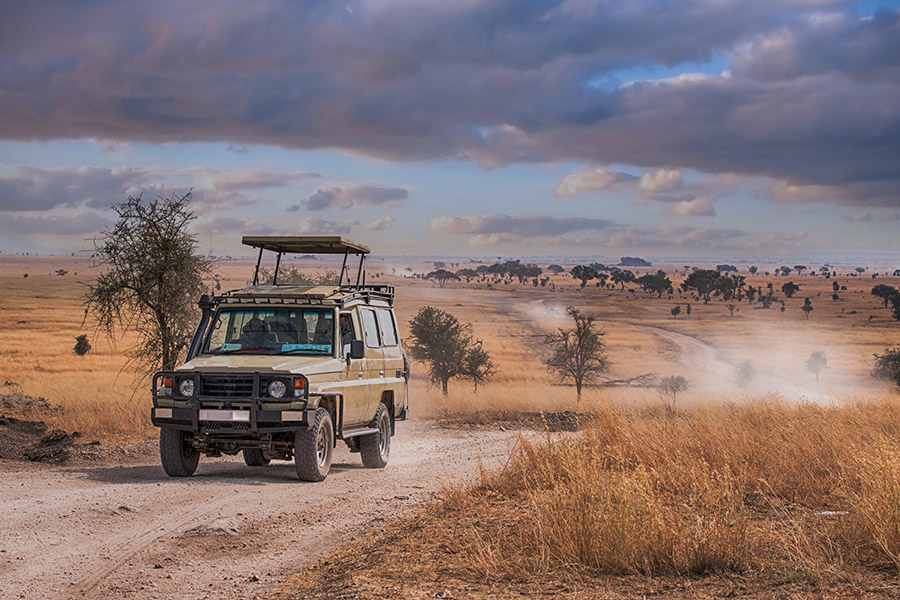
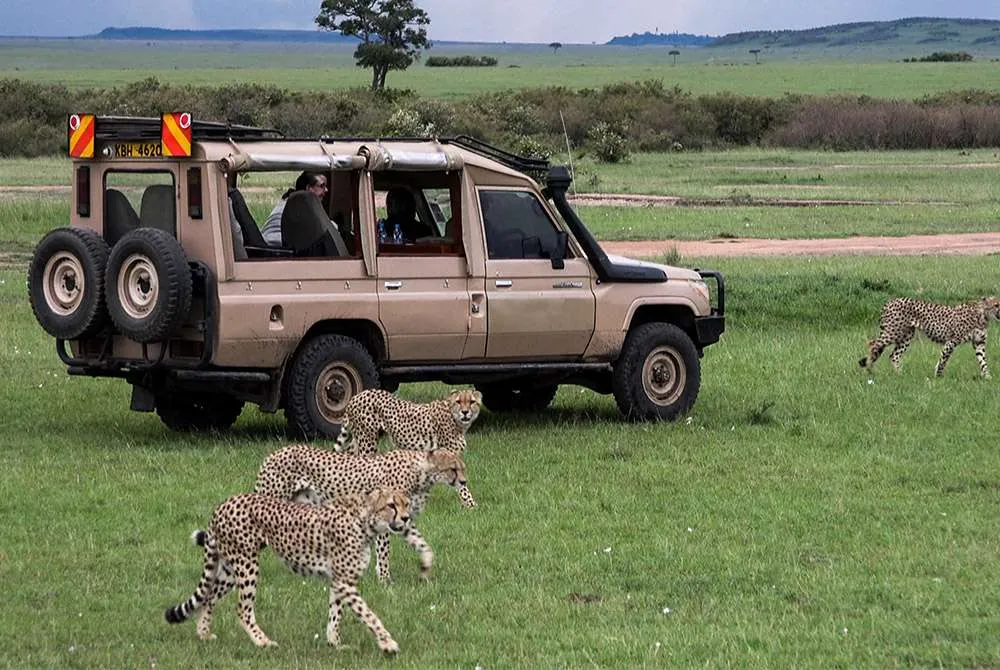
Moshi to Lake Manyara Safari: Your Ultimate Planning Guide
The journey from Moshi to Lake Manyara National Park offers a fantastic introduction to Tanzania’s renowned Northern Circuit. This safari route is celebrated for its diverse landscapes, abundant wildlife, and particularly for its tree-climbing lions. Whether you’re starting your Tanzanian adventure from the base of Mount Kilimanjaro or seeking a specific wildlife experience, understanding the nuances of a Moshi to Lake Manyara safari is key to a successful trip. This guide provides an in-depth look at everything you need to know, from initial planning for 2026 and 2027 to what to expect on the ground.
Lake Manyara National Park, though one of Tanzania’s smaller parks, packs a significant punch. Its compact size makes it ideal for shorter safaris or as a crucial stop on a longer Northern Circuit tour. The park’s shallow, alkaline lake is a magnet for vast flocks of flamingos, while the surrounding woodlands and grasslands teem with elephants, giraffes, buffaloes, zebras, and a variety of primates. The elusive leopard is also a resident, and the chance to spot the famed tree-climbing lions adds a unique allure.
Table of Contents
- Quick Facts: Moshi to Lake Manyara Safari
- Lake Manyara National Park: An Overview
- Why Choose a Moshi to Lake Manyara Safari?
- Best Time to Visit Lake Manyara
- Route Overview: Moshi to Lake Manyara
- Sample Safari Itinerary: Moshi to Lake Manyara
- What to Expect on Your Safari
- Wildlife Highlights of Lake Manyara
- Activities in and Around Lake Manyara
- Typical Inclusions and Exclusions
- Packing and Preparation Essentials
- Common Mistakes to Avoid
- Who is a Moshi to Lake Manyara Safari Best Suited For?
- Alternatives to Lake Manyara
- Planning Your Safari for 2026-2027
- Booking Your Moshi to Lake Manyara Safari
- Frequently Asked Questions (FAQs)
Quick Facts: Moshi to Lake Manyara Safari
| Feature | Details |
|---|---|
| Starting Point | Moshi, Tanzania |
| Destination | Lake Manyara National Park |
| Distance from Moshi | Approximately 200-250 km (125-155 miles) |
| Travel Time from Moshi | 3.5 to 5 hours (depending on road conditions and stops) |
| Park Size | 325 sq km (125 sq miles) |
| Key Wildlife | Elephants, tree-climbing lions, baboons, flamingos, giraffes, buffalo, hippos |
| Terrain | Forest canopy, rift valley escarpment, soda lake, grasslands |
| Safari Duration | Typically 1-2 days from Moshi |
| Park Entry Fees | Charged per person per 24 hours (subject to change by TANAPA) |
Lake Manyara National Park: An Overview
Nestled at the base of the Great Rift Valley escarpment, Lake Manyara National Park is a jewel of Tanzania’s safari circuit. Its unique setting provides a dramatic backdrop for wildlife viewing. The park is characterized by a narrow strip of land between the Rift Valley cliffs and the shallow, alkaline waters of Lake Manyara. This varied environment supports a surprisingly diverse range of ecosystems and, consequently, a rich array of wildlife.
The park’s most iconic feature is its population of tree-climbing lions, a behavior observed in only a few other locations globally. While seeing them requires luck and patience, the possibility adds an exciting dimension to any safari here. Beyond the lions, Lake Manyara is renowned for its large elephant herds, which often can be seen foraging in the woodlands. The park’s dense foliage offers excellent opportunities to spot troops of baboons and other primates, such as the blue monkey and vervet monkey.
The lake itself, especially during the wet season, becomes a vibrant spectacle of pink. Thousands of flamingos, along with other water birds, congregate here, creating a breathtaking sight. The park also hosts a significant number of giraffes, zebras, wildebeest, and hippos, particularly in the hot springs area.
Why Choose a Moshi to Lake Manyara Safari?
Opting for a safari that includes Lake Manyara, starting your journey from Moshi, offers several distinct advantages:
- Accessibility from Moshi: Moshi, the gateway to Kilimanjaro, is a convenient starting point. Many travelers begin or end their treks in Moshi, making it a logical place to incorporate a safari. The drive to Lake Manyara is manageable, allowing for a day trip or an overnight stay without excessive travel time.
- Diverse Ecosystems in a Small Area: Despite its modest size, Lake Manyara boasts a remarkable variety of habitats. You’ll find groundwater forests, acacia woodlands, open grasslands, and the soda lake itself. This diversity supports a rich mix of wildlife and birds, providing varied viewing experiences within a single park.
- Iconic Wildlife Sightings: The park is famous for its large elephant herds, often seen at close range. The chance to spot the rare tree-climbing lions is a major draw. Large troops of baboons are a common sight, and the lake’s birdlife, particularly the flamingos, is spectacular.
- Introduction to the Northern Circuit: Lake Manyara serves as an excellent introduction to the wonders of Tanzania’s Northern Safari Circuit. It offers a taste of what awaits in larger parks like the Serengeti and Ngorongoro Crater, making it a perfect first stop.
- Photography Opportunities: The dramatic Rift Valley escarpment provides a stunning backdrop for wildlife photos. The dense forests can offer intimate encounters with animals, while the open lake shores are ideal for birdwatching photography.
- Shorter Safari Option: For travelers with limited time, a day trip or a one-night stay in Lake Manyara is feasible and highly rewarding. It allows for significant wildlife viewing without committing to a longer safari.
Best Time to Visit Lake Manyara
Lake Manyara National Park is a year-round destination, but certain periods offer distinct advantages for wildlife viewing and overall experience. Understanding the seasons can help you plan your Moshi to Lake Manyara safari for 2026 or 2027.
| Period | Weather | Wildlife Viewing | Crowds | Notes |
|---|---|---|---|---|
| Dry Season (June to October) | Cooler temperatures, minimal rain, sunny days. This is the prime safari season. | Animals are concentrated around water sources, making them easier to spot. Vegetation is thinner. Excellent for spotting elephants and lions. | Higher. It’s peak tourist season. | Ideal for combining with other parks like Serengeti and Ngorongoro. Less chance of rain. |
| Wet Season (November to May) | Warmer temperatures, intermittent rains (often short, heavy afternoon showers). | Animals disperse as water is plentiful. Birdlife is at its peak, especially migratory birds. Lush green scenery. Flamingos are often abundant on the lake. | Lower. Fewer tourists, potentially better prices. | Post-rain periods can offer stunning landscapes. May can be a good shoulder season. November can be unpredictable with rains starting. |
| Shoulder Seasons (e.g., March-May, October-November) | Transitional weather, can be a mix of dry and wet conditions. | Good, with fewer crowds than the peak dry season. | Moderate. | Often a good balance of weather, wildlife, and fewer tourists. |
For a Moshi to Lake Manyara safari, the dry season (June-October) is generally preferred for optimal wildlife viewing due to animal concentration. However, the wet season (November-May) offers a different kind of beauty with lush landscapes and abundant birdlife, and fewer visitors. Planning for 2026-2027 should consider these seasonal differences based on your priorities.
Route Overview: Moshi to Lake Manyara
The typical route for a Moshi to Lake Manyara safari involves driving west from Moshi towards Arusha, and then continuing southwest towards the Great Rift Valley. While not a complex route, understanding the journey helps in planning.
Here’s a simplified illustration of the route:
| Stage | From | To | Approximate Distance | Estimated Travel Time | Key Features/Notes |
|---|---|---|---|---|---|
| 1 | Moshi | Arusha | ~40-50 km (25-30 miles) | 1 hour | The largest town in the region, often a brief stop for supplies or meeting guides. |
| 2 | Arusha | Makuyuni Junction | ~110-130 km (70-80 miles) | 2-2.5 hours | This section of the A14 road heads towards Babati. The landscape starts to open up. |
| 3 | Makuyuni Junction | Lake Manyara National Park Entrance (and Mto wa Mbu) | ~50-60 km (30-37 miles) | 1-1.5 hours | The road descends towards the Rift Valley floor. Mto wa Mbu, a vibrant local village, is located just outside the park entrance. The park itself stretches along the escarpment base. |
The total journey from Moshi to the park entrance is roughly 200-250 km (125-155 miles) and takes between 3.5 to 5 hours. The drive offers changing scenery, from agricultural lands around Moshi to the drier plains as you approach Lake Manyara. It’s a scenic drive, often punctuated by stops in small towns or villages.
Sample Safari Itinerary: Moshi to Lake Manyara
This sample itinerary focuses on a Moshi to Lake Manyara safari, suitable for a single day trip or as the first leg of a longer Northern Circuit tour. It assumes a departure from Moshi.
| Day | Morning (Approx. 6:00 AM – 12:00 PM) | Afternoon (Approx. 12:00 PM – 6:00 PM) | Evening |
|---|---|---|---|
| Day 1: Moshi to Lake Manyara Safari | Early Departure from Moshi: After an early breakfast (around 6:00 AM), meet your guide and depart from Moshi in a 4×4 safari vehicle. The drive takes approximately 4-5 hours, passing through Arusha and heading towards the Great Rift Valley. Enjoy the changing landscapes and your guide’s insights.
Arrival at Lake Manyara: Arrive at Lake Manyara National Park around 10:00 AM – 11:00 AM. After park formalities, begin your game drive. The initial focus is often on the park’s dense groundwater forests, known for elephant sightings and primate activity. |
Midday Game Drive: Continue your game drive, exploring the different habitats. Look for the park’s famous tree-climbing lions in the acacia trees. Visit the hippo pool for close-up views of these large mammals. The drive will lead you towards the lake shore, where you can observe flamingos (seasonally) and other water birds. A picnic lunch is typically enjoyed at a designated picnic site amidst nature.
Late Afternoon Exploration: Explore the open grasslands and rift valley escarpment viewpoints. Your guide will navigate to areas with higher chances of spotting giraffes, zebras, buffalo, and various antelopes. The drive concludes by exiting the park in the late afternoon. |
Return to Moshi: Depart from Lake Manyara National Park around 4:00 PM – 5:00 PM for the drive back to Moshi. You’ll arrive in Moshi in the early evening (around 7:00 PM – 8:00 PM), concluding your day safari.
(Optional: If extending to an overnight stay, you would drive to a lodge/camp near the park or Mto wa Mbu for dinner and overnight.) |
| Day 2 (Optional Extension) | Morning Game Drive: If staying overnight, enjoy another morning game drive in Lake Manyara, perhaps focusing on areas missed the previous day or seeking out specific wildlife. Alternatively, depart for your next destination (e.g., Serengeti or Ngorongoro). | Activities or Departure: Depending on your itinerary, you might visit the local village of Mto wa Mbu for cultural insights, or begin your journey to your next safari destination. | Continue your Tanzanian adventure. |
This is a flexible itinerary. For a more relaxed experience or to maximize wildlife viewing, an overnight stay is recommended. This allows for a full day of game driving and a less rushed journey.
What to Expect on Your Safari
A Moshi to Lake Manyara safari is an experience designed to immerse you in Tanzania’s natural beauty and wildlife. Here’s what you can generally expect:
- Vehicle: You will travel in a specially adapted 4×4 safari vehicle, typically a Land Cruiser or Land Rover, equipped with pop-up roofs for optimal game viewing and photography. Your vehicle will be driven by an experienced safari guide.
- Game Drives: Expect to spend several hours each day in the safari vehicle, traversing the park’s roads. Game drives are conducted in the early morning and late afternoon, which are generally the most active times for animals.
- Wildlife Encounters: While wildlife sightings are never guaranteed, Lake Manyara is known for its high density of elephants, baboons, and giraffes. The chance of seeing tree-climbing lions is a significant highlight. Birdlife is also prolific.
- Park Landscape: The scenery is varied. You’ll drive through dense groundwater forests, open grasslands, and along the shores of the soda lake. The towering Rift Valley escarpment provides a constant, dramatic backdrop.
- Guide’s Role: Your guide is your primary resource. They are trained to spot wildlife, understand animal behavior, navigate the park, and share information about flora, fauna, and local culture. They will drive, answer questions, and ensure your safety.
- Picnic Lunch: Most day safaris include a picnic lunch, allowing you to enjoy a meal in a scenic spot within the park. Meal quality is generally good, offering a break from the driving.
- Park Facilities: Lake Manyara has basic facilities, including designated picnic areas and a few lodges within or near its boundaries. Restrooms are available at some points.
- Duration: A day trip from Moshi is a long day, involving significant driving. An overnight stay allows for a more relaxed pace and more in-depth exploration.
- Safety: Your guide will brief you on safety protocols, such as staying inside the vehicle at all times when game driving and not feeding animals. The park is managed to ensure visitor safety.
Wildlife Highlights of Lake Manyara
Lake Manyara National Park, despite its size, offers a concentrated display of Tanzania’s wildlife. Key species to look out for include:
- Elephants: The park is home to large, tusker elephants that are often seen in the woodlands and near water sources. They are frequently observed at close range.
- Tree-Climbing Lions: Lake Manyara’s lions are famous for their unusual habit of climbing trees, likely to escape the heat or escape biting insects. Spotting them requires keen eyes and a bit of luck.
- Baboons: Large troops of baboons are a common sight, often seen foraging on the ground or interacting in the trees.
- Giraffes: The park’s acacia trees provide a food source for a healthy population of Masai giraffes, which are easily visible due to their height.
- Buffalo: Cape buffalo herds are also present, often seen grazing in the grasslands.
- Hippos: Hippos can be found wallowing in the water or at the hot springs area, especially during the cooler parts of the day.
- Zebras and Wildebeest: These migratory species are present, particularly during certain times of the year, adding to the plains game spectacle.
- Primates: Besides baboons, look for blue monkeys and vervet monkeys in the forest canopy.
- Birds: Lake Manyara is a birdwatcher’s paradise. The star attraction is the vast number of flamingos on the lake. Other notable species include pelicans, cormorants, storks, eagles, and numerous smaller birds.
Activities in and Around Lake Manyara
While game driving is the primary activity within Lake Manyara National Park, there are other experiences available, especially if you opt for an overnight stay or choose to explore the surrounding areas.
- Game Driving: The core activity. Explore the park’s diverse habitats in a 4×4 vehicle with a pop-up roof.
- Walking Safaris: Currently, walking safaris are not permitted inside Lake Manyara National Park itself. However, some lodges outside the park may offer guided walking safaris in community areas or conservancies, providing a different perspective on the environment.
- Bird Watching: The park is exceptionally rich in birdlife, making it a prime destination for ornithologists and casual birdwatchers alike. The lake shore and forest areas offer the best opportunities.
- Cultural Tours: The nearby village of Mto wa Mbu is a vibrant, multicultural hub. Guided tours can offer insights into the lives of the local communities, their farming practices, and traditional crafts. This is an excellent addition to a Moshi to Lake Manyara safari for those interested in cultural immersion.
- Canoeing Safaris: While not directly in Lake Manyara National Park, some lodges on the shores of Lake Babati (a nearby lake) or other water bodies might offer canoeing activities. However, these are less common than game drives.
- Night Game Drives: Night game drives are not typically offered within Lake Manyara National Park. This activity is more common in private conservancies or certain areas of larger parks.
Typical Inclusions and Exclusions
When booking a Moshi to Lake Manyara safari, understanding what’s included in your package is crucial for budgeting and avoiding surprises. Tour operators may vary in their offerings, but here’s a general guide:
| Typically Included | Typically Excluded |
|---|---|
| Safari Vehicle: 4×4 safari vehicle with a pop-up roof. | International Flights: Flights to and from Tanzania. |
| Professional Safari Guide: Experienced driver-guide. | Visa Fees: Tanzanian visa costs. |
| Park Entrance Fees: For Lake Manyara National Park. | Travel Insurance: Comprehensive travel and medical insurance. |
| Game Drives: Full or half-day game drives as per itinerary. | Gratuities: Tips for guides and lodge staff. |
| Picnic Lunch: For day trips. | Personal Expenses: Souvenirs, laundry, alcoholic beverages, additional drinks. |
| Accommodation: If an overnight safari package is booked. Includes lodge/camp fees. | Tips for Staff: Recommended amounts vary. |
| Meals: As specified in the itinerary (e.g., lunch on day trips, breakfast, lunch, dinner for overnight stays). | Optional Activities: Cultural tours, hot air balloon safaris (if offered elsewhere), etc. |
| Water: Bottled water provided in the safari vehicle during game drives. | Vaccinations and Medications: Costs associated with health preparations. |
Always confirm the exact inclusions and exclusions with your tour operator when booking your Moshi to Lake Manyara safari for 2026 or 2027.
Packing and Preparation Essentials
Proper packing ensures comfort and preparedness for your safari. For a Moshi to Lake Manyara trip, focus on lightweight, practical items.
| Category | Items | Notes |
|---|---|---|
| Clothing | Neutral-colored, lightweight long-sleeved shirts and trousers; T-shirts; fleece or warm jacket (for cooler mornings/evenings); comfortable walking shoes; sandals or flip-flops; sun hat; swimwear (if lodge has a pool). | Avoid bright colors and dark blue/black (can attract tsetse flies). Layers are key. |
| Gear | Binoculars (essential!); camera with extra batteries and memory cards; power bank/adapter; headlamp or flashlight; reusable water bottle. | A good pair of binoculars can significantly enhance wildlife viewing. |
| Health & Hygiene | Insect repellent (DEET recommended); sunscreen (high SPF); personal first-aid kit; any personal medications; hand sanitizer; wet wipes. | Consult your doctor about malaria prophylaxis and other necessary vaccinations. |
| Documents & Money | Passport (with copies); visa; flight details; vaccination certificates; credit/debit cards; USD cash (for tips and small purchases). | Keep copies separate from originals. USD is widely accepted for tourist services. |
| Miscellaneous | Small backpack for day use; sunglasses; travel-sized toiletries. | Pack light, especially if combining with Kilimanjaro or other travel. |
For a Moshi to Lake Manyara safari, consider the weather. Even during dry seasons, mornings can be cool, and evenings can be chilly. Layers are your best friend.
Common Mistakes to Avoid
To ensure a smooth and enjoyable Moshi to Lake Manyara safari, be aware of these common pitfalls:
- Underestimating Travel Times: Distances in Tanzania can be deceiving, and road conditions can vary. Always factor in ample travel time. A day trip from Moshi is a long day.
- Not Booking in Advance: Especially for peak seasons in 2026 and 2027, popular lodges and reputable tour operators get booked up. Secure your safari well in advance.
- Ignoring Park Rules: Always listen to your guide regarding safety. Do not feed animals, do not litter, and stay inside the vehicle during game drives unless instructed otherwise at designated spots.
- Packing Inappropriately: Avoid bright colors that might startle animals or attract insects. Heavy clothing is unnecessary; layers are more practical.
- Overpacking: If you are combining this with other activities like Kilimanjaro trekking, pack light. Most lodges and camps have laundry services.
- Not Budgeting for Extras: Remember to account for tips, personal expenses, drinks, and any optional activities not included in your package.
- Expecting Guaranteed Sightings: While Lake Manyara is rich in wildlife, sightings of specific animals (like tree-climbing lions) are not guaranteed. Appreciate all the wildlife you encounter.
- Relying Solely on Mobile Reception: Connectivity can be spotty in parks. Download offline maps or important information beforehand.
Who is a Moshi to Lake Manyara Safari Best Suited For?
A safari from Moshi to Lake Manyara National Park caters to a broad range of travelers, but it’s particularly ideal for:
- Beginner Safari Goers: It offers a fantastic introduction to the African safari experience with diverse wildlife and stunning scenery in a manageable environment.
- Time-Constrained Travelers: A day trip or a 1-night stay is feasible, making it perfect for those who can’t commit to a longer safari but still want to see wildlife.
- Kilimanjaro Trekkers: Those climbing Mount Kilimanjaro often start or end their journey in Moshi. A safari to Lake Manyara is a perfect way to extend their Tanzanian adventure.
- Bird Enthusiasts: Lake Manyara is a birding hotspot, especially during the wet season, making it attractive for dedicated birdwatchers.
- Wildlife Photographers: The park offers excellent opportunities for close-up shots of elephants, baboons, and giraffes, as well as dramatic landscape photography. The chance to photograph tree-climbing lions is a unique draw.
- Travelers Seeking Variety: The combination of forest, lake, and escarpment offers a varied landscape and wildlife viewing experience within a compact area.
- Families: The relatively short travel times and abundance of visible wildlife like elephants and baboons make it suitable for families with children.
Alternatives to Lake Manyara
While Lake Manyara is a superb destination, Tanzania offers many other safari options. If Lake Manyara doesn’t quite fit your needs, consider these alternatives:
- Tarangire National Park: Located south of Lake Manyara, Tarangire is famous for its massive elephant herds, especially during the dry season (June-October), and its baobab-studded landscapes. It’s larger than Manyara and offers a more extensive safari experience.
- Serengeti National Park: The crown jewel of Tanzania’s safari circuit, renowned for its vast plains, the Great Migration, and exceptional predator sightings. It requires more time and is a significant step up in terms of scale and cost.
- Ngorongoro Conservation Area (and Crater): A UNESCO World Heritage Site featuring the Ngorongoro Crater, an intact volcanic caldera teeming with wildlife. It offers incredible densities of animals, including the Big Five, in a unique setting. Often visited in conjunction with Lake Manyara and Serengeti.
- Arusha National Park: Closer to Moshi than Lake Manyara, this park offers Mount Meru trekking, canoeing on Momella Lakes, and opportunities to see colobus monkeys, buffaloes, and giraffes. It’s a good option for a shorter, more accessible wildlife experience or for those interested in hiking.
- Selous Game Reserve (Nyerere National Park): Located in southern Tanzania, this is one of Africa’s largest game reserves. It offers a different feel, with boat safaris on the Rufiji River and opportunities for walking safaris. It’s more remote and typically requires flights.
For travelers starting in Moshi, Lake Manyara, Tarangire, and the Ngorongoro Conservation Area are the most logical and popular extensions to their journey, often forming the core of the Northern Circuit.
Planning Your Safari for 2026-2027
Planning a safari for 2026 or 2027 requires foresight, especially if you aim for peak seasons or specific lodges. Here’s how to approach your Moshi to Lake Manyara safari planning:
- Define Your Safari Goals: Are you focused on specific animals? Do you want a relaxed pace or a packed itinerary? Are you interested in culture? Your priorities will shape your safari.
- Choose Your Timing Wisely: As discussed, the dry season (June-October) offers concentrated wildlife, while the wet season (November-May) provides lush scenery and fewer crowds. Consider shoulder seasons for a balance. For 2026-2027, book popular safari months well in advance.
- Select Your Tour Operator: Research reputable operators based in Tanzania. Look for companies with good reviews, clear communication, and knowledge of the Northern Circuit. Top Guide Adventures is a trusted local operator ready to assist.
- Determine Safari Duration: A day trip is possible, but a 1-2 night stay allows for a more comprehensive experience of Lake Manyara and a less rushed journey. If extending, consider combining it with Tarangire and Ngorongoro for a classic Northern Circuit.
- Budget Considerations: Safaris are a significant investment. Factor in park fees, accommodation, vehicle, guide, meals, and any optional extras. Prices can vary based on the level of accommodation and group size. Expect prices for 2026-2027 to reflect current market conditions.
- Accommodation Style: Decide between lodges (more permanent structures) or tented camps (often more luxurious, canvas tents with en-suite facilities). Both offer comfortable stays.
- Health and Safety Preparations: Consult your doctor 4-6 weeks before travel regarding vaccinations (Yellow Fever, Hepatitis A/B, Typhoid) and malaria prevention. Ensure you have comprehensive travel insurance.
- Book in Advance: For 2026 and 2027 safaris, especially during peak seasons, booking at least 6-12 months ahead is highly recommended to secure your preferred dates and accommodation.
Booking Your Moshi to Lake Manyara Safari
Making an informed booking decision is crucial for a memorable safari. Here’s advice for securing your Moshi to Lake Manyara safari:
- Research Tour Operators: Look for Tanzanian-based operators with a strong local presence and excellent reviews. Companies like Top Guide Adventures specialize in customized Tanzanian safaris and Kilimanjaro treks.
- Request Detailed Itineraries and Quotes: Once you have a shortlist of operators, ask for detailed itineraries tailored to your interests and dates. Ensure quotes clearly list inclusions and exclusions. For 2026-2027 bookings, confirm pricing structures and any early bird offers.
- Communicate Your Needs: Be clear about your budget, travel style (budget, mid-range, luxury), interests (e.g., specific animals, photography), and any special requirements (dietary, accessibility).
- Check Inclusions Carefully: Pay close attention to what is included. Park fees, accommodation, meals, vehicle, guide, and bottled water are standard. Understand what’s extra.
- Understand Payment Terms: Most operators require a deposit (typically 30-50%) to confirm bookings, with the balance due closer to the travel date (e.g., 30-60 days prior). Clarify cancellation policies.
- Ask About Vehicle and Guide: Inquire about the type of vehicle used (4×4 is standard) and the experience level of your guide. A good guide significantly enhances the safari experience.
- Review Terms and Conditions: Read the operator’s terms and conditions thoroughly, especially regarding cancellations, changes, and liability.
- Consider a Multi-Day Safari: While a day trip is possible, a 1-2 night stay in Lake Manyara, or combining it with other parks like Tarangire and Ngorongoro, offers a much richer experience.
- Contact Us: For personalized planning and booking assistance for your Moshi to Lake Manyara safari in 2026 or 2027, feel free to reach out. Top Guide Adventures is ready to help craft your perfect Tanzanian adventure.
Get in touch with us:
- WhatsApp: +255616946642
- Email: topguideadventures@gmail.com
- Backup Email: info@topguideadventures.com
Frequently Asked Questions (FAQs)
Q1: How long does it take to drive from Moshi to Lake Manyara?
The drive from Moshi to Lake Manyara National Park typically takes between 3.5 to 5 hours, covering approximately 200-250 kilometers (125-155 miles). This includes passing through Arusha and then heading southwest towards the Rift Valley. The exact duration depends on road conditions and any stops made along the way.
Q2: Can I do a day trip from Moshi to Lake Manyara?
Yes, a day trip from Moshi to Lake Manyara is possible. However, it is a long day, involving about 8-10 hours of driving round trip, plus the game drive time within the park. Many travelers find an overnight stay to be more rewarding, allowing for a less rushed experience and more time for wildlife viewing.
Q3: What are the chances of seeing tree-climbing lions in Lake Manyara?
Lake Manyara is one of the few places where lions are known to climb trees. While these lions are a unique attraction, sightings are not guaranteed. They tend to climb trees to escape the heat or avoid biting insects. Patience and a skilled guide increase your chances, but it’s best to appreciate all the wildlife you encounter.
Q4: Is Lake Manyara suitable for families with children?
Yes, Lake Manyara is generally suitable for families. The park’s relatively small size, diverse and visible wildlife (especially elephants and baboons), and shorter travel times compared to larger parks make it manageable for children. Ensure you book family-friendly accommodation if staying overnight.
Q5: What is the best time of year for a Moshi to Lake Manyara safari in 2026-2027?
The dry season, from June to October, is generally considered the best time for wildlife viewing as animals congregate around water sources. However, the wet season (November to May) offers lush green landscapes, abundant birdlife, and fewer tourists. For 2026-2027, consider June-October for peak game viewing or November-May for a more serene experience with lush scenery.
Q6: What should I pack for a safari to Lake Manyara?
Pack lightweight, neutral-colored clothing suitable for warm weather, with layers for cooler mornings/evenings (e.g., a fleece jacket). Essential items include comfortable walking shoes, a sun hat, sunglasses, sunscreen, insect repellent, binoculars, a camera, and any personal medications. A small backpack for day trips is also useful.
Q7: Are there other activities besides game drives in Lake Manyara?
While game driving is the main activity within the park, you can also enjoy bird watching. The nearby village of Mto wa Mbu offers cultural tours for those interested in local life. Walking safaris are not permitted inside the national park itself.
Q8: How much does a Moshi to Lake Manyara safari cost?
The cost of a Moshi to Lake Manyara safari varies greatly depending on the duration (day trip vs. overnight), accommodation style (budget, mid-range, luxury), and group size. Park fees are a significant component. It’s best to request personalized quotes from tour operators like Top Guide Adventures for accurate pricing for your specific travel dates in 2026 or 2027.
Q9: What wildlife can I expect to see in Lake Manyara?
You can expect to see large elephant herds, baboons, giraffes, zebras, wildebeest, buffalo, hippos, and various antelopes. Lake Manyara is also famous for its tree-climbing lions and abundant birdlife, including flamingos, pelicans, and storks.
Q10: Do I need a visa for Tanzania?
Most nationalities require a visa to enter Tanzania. You can typically obtain a visa upon arrival at the airport or online in advance through the e-visa portal. It’s advisable to check the latest visa requirements for your nationality well before your travel dates for 2026-2027.
Ready to Plan Your Moshi to Lake Manyara Safari?
A safari from Moshi to Lake Manyara National Park offers a rich and rewarding wildlife experience, perfectly complementing other Tanzanian adventures like Kilimanjaro treks or longer Northern Circuit tours. Whether you opt for a thrilling day trip or a more immersive overnight stay, the park’s diverse ecosystems and iconic wildlife promise unforgettable memories.
Let Top Guide Adventures help you craft the perfect Moshi to Lake Manyara safari for your 2026 or 2027 journey. We specialize in creating personalized safari experiences that match your interests, budget, and travel style. Our expert local guides are dedicated to providing you with an authentic and safe African adventure.
Contact us today to start planning:
- WhatsApp: +255616946642
- Email: topguideadventures@gmail.com
- Backup Email: info@topguideadventures.com
We look forward to helping you discover the wonders of Lake Manyara!
Plan your Moshi to Lake Manyara Safari with Top Guide Adventures
Tell us your travel dates, group size, comfort level, and dream experience. We will help you shape a clear, realistic, and memorable Tanzania itinerary.







 Veedesigner
 Fatma Kizanga
 Benjamin Waryuba
 Philip Philip
 John jr Itaja
 Antonia Optatus
 Edith Kanyere
 Neema Iddy
 Kelvin Boniphace
 Damari Maiga



