
Updated planning guide for 2026, 2027-2028
Moshi To Tarangire And Ngorongoro Safari: Best Guide 2026-2027-2028
Your ultimate guide to an unforgettable safari adventure from Moshi to Tarangire National Park and the Ngorongoro Crater. Learn everything you need to know for 2026-2027.
WhatsApp +255616946642 | topguideadventures@gmail.com | info@topguideadventures.com
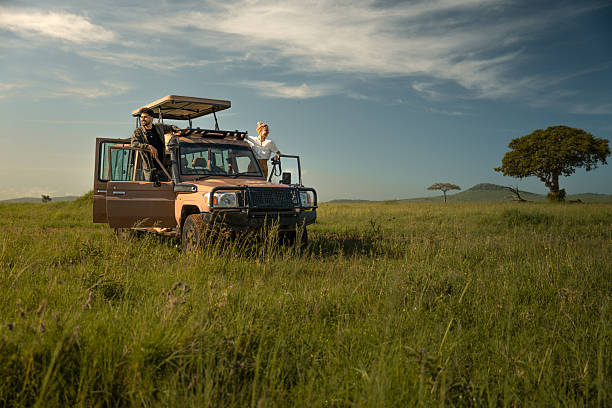
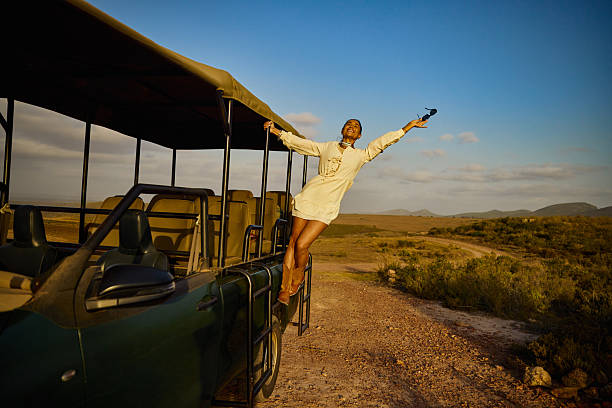
Moshi to Tarangire and Ngorongoro Safari: The Complete Travel Guide
A safari adventure that takes you from the base of Mount Kilimanjaro to the iconic wildlife havens of Tarangire National Park and the Ngorongoro Crater is a dream for many. This journey, often starting in the vibrant town of Moshi, offers a concentrated yet incredibly rich experience of Tanzania’s famed Northern Circuit. Understanding the nuances of a Moshi to Tarangire and Ngorongoro safari is key to crafting an expedition that meets your expectations for wildlife viewing, comfort, and overall immersion. This guide provides an in-depth look at planning, experiencing, and maximizing your adventure in these spectacular landscapes.
For travelers looking to witness the Great Migration, explore diverse ecosystems, and encounter Africa’s most celebrated animals, this route is a top choice. Whether you’re a first-time safari-goer or a seasoned explorer, this comprehensive resource will equip you with the knowledge needed to plan a memorable 2026-2027 trip.
Table of Contents
- Quick Facts: Moshi to Tarangire & Ngorongoro
- Safari Overview: From Moshi to Iconic Parks
- Why Choose the Moshi to Tarangire and Ngorongoro Route?
- Best Time to Visit: Seasonality for Wildlife Viewing
- Route and Area Overview
- Sample Itinerary: A Classic 5-Day Safari
- What to Expect on Your Safari
- Safari Inclusions, Packing, and Preparation
- Common Mistakes to Avoid
- Who is This Safari Best Suited For?
- Alternative Safari Options in Tanzania
- Planning Your 2026-2027 Safari
- Booking Your Safari: Expert Tips
- Frequently Asked Questions
Quick Facts: Moshi to Tarangire & Ngorongoro
| Feature | Details |
|---|---|
| Starting Point | Moshi, Tanzania |
| Key Destinations | Tarangire National Park, Ngorongoro Conservation Area (including the Crater) |
| Typical Duration | 3 to 7 days (often combined with other parks) |
| Wildlife Highlights | Elephants (Tarangire), Big Five (Ngorongoro), diverse birdlife, wildebeest migration (seasonal) |
| Landscape | Baobab-dotted plains (Tarangire), volcanic caldera (Ngorongoro), acacia woodlands |
| Accommodation Options | Safari lodges, tented camps, budget campsites |
| Best Travel Months | June to October (dry season), January to February (calving season) |
| Activities | Game drives (day and night), walking safaris (limited areas), cultural visits (Maasai villages) |
Safari Overview: From Moshi to Iconic Parks
The journey from Moshi to Tarangire and Ngorongoro is a classic Tanzanian safari circuit, focusing on the heart of the Northern Safari Circuit. This route is renowned for its high concentration of wildlife and diverse natural beauty.
Your adventure typically begins in Moshi, a town nestled at the foot of Mount Kilimanjaro, often serving as the gateway for trekkers and safari-goers. From here, you’ll travel west towards Tarangire National Park. Tarangire is celebrated for its massive elephant herds, particularly during the dry season when they congregate around the Tarangire River. The park’s landscape is distinctive, dominated by giant baobab trees, which create a dramatic and ancient feel to the scenery.
After Tarangire, the safari continues to the Ngorongoro Conservation Area. The crown jewel here is the Ngorongoro Crater, a UNESCO World Heritage Site and one of the world’s largest intact volcanic calderas. The crater floor is a self-contained ecosystem teeming with wildlife, including the rare black rhinoceros, lions, leopards, cheetahs, hippos, and a vast array of bird species. The sheer density of animals within this relatively small area is astonishing.
This route offers a fantastic introduction to Tanzanian wildlife and landscapes, providing incredible photo opportunities and memorable encounters. It’s a well-trodden path for good reason, offering reliable game viewing and stunning vistas.
Why Choose the Moshi to Tarangire and Ngorongoro Route?
Opting for a safari that connects Moshi with Tarangire and Ngorongoro offers distinct advantages for travelers seeking a rich wildlife experience in Tanzania. This combination provides a concentrated dose of some of the country’s most celebrated natural attractions.
- Exceptional Wildlife Density: The Ngorongoro Crater, in particular, is famous for its incredibly high concentration of animals. You can often see a wide variety of species in a single day, including the Big Five.
- Diverse Habitats: You’ll experience varied environments, from the baobab-studded plains and acacia woodlands of Tarangire to the unique ecosystem of the Ngorongoro Crater floor. This diversity supports a broad spectrum of wildlife.
- Iconic Landscapes: The sheer scale of the Ngorongoro Crater and the ancient baobab trees of Tarangire create visually stunning backdrops for your safari.
- Elephant Spectacle: Tarangire is a must-visit for anyone interested in elephants. It’s home to some of the largest elephant populations in East Africa, with herds often numbering in the hundreds.
- Convenient Starting Point: Moshi is a well-established hub, making it an easy place to start your safari after arriving in Tanzania or after a Kilimanjaro climb. It offers good infrastructure for tour preparations.
- Manageable Itinerary: This route can be experienced in a relatively short time frame (e.g., 3-5 days), making it ideal for those with limited vacation time who still want to see major highlights.
- Year-Round Appeal: While there are peak seasons, Tarangire and Ngorongoro offer good wildlife viewing throughout the year, with different advantages depending on the season (e.g., migration in Tarangire, resident animals in Ngorongoro).
This route is a cornerstone of Tanzania’s safari offerings, providing a rewarding and accessible introduction to the country’s natural wonders.
Best Time to Visit: Seasonality for Wildlife Viewing
Choosing the right time to visit for your Moshi to Tarangire and Ngorongoro safari significantly impacts your wildlife viewing experience. While Tanzania is a year-round safari destination, certain periods offer unique advantages.
| Season | Months | Pros | Cons |
|---|---|---|---|
| Dry Season (Peak) | June – October | Excellent game viewing as animals congregate around water sources. Lush green landscapes begin to dry, making animals more visible. Pleasant weather. Ideal for migration viewing in nearby Serengeti (though not directly in Tarangire/Ngorongoro). | Higher prices, more tourists. Vegetation can become sparse. |
| Short Rains | November – December | Fewer crowds, lower prices. Landscapes are beautiful and green. Good birdwatching. | Occasional rain showers can disrupt game drives. Some roads may be difficult. |
| Long Rains (Green Season) | March – May | Spectacular scenery, baby animals born (especially Jan-Feb), very few tourists, lowest prices. Excellent for photography with dramatic skies. | Heavy rains can make some areas inaccessible and game viewing more challenging. Many lodges close or offer reduced services. |
| Calving Season / Dry Spell | January – February | Calving season in the Serengeti (nearby). Tarangire’s dry season concentrations of elephants are usually still present. Pleasant weather. | Can be hot. While Ngorongoro has resident wildlife, migration is elsewhere. |
For 2026 and 2027: The dry season from June to October remains the most popular and reliable time for game viewing. If you prefer fewer crowds and lower costs, consider the shoulder months of late May, early June, or November. For those interested in photography and witnessing newborns, January and February are excellent, though the long rains from March to May should generally be avoided unless on a tight budget and seeking solitude.
Route and Area Overview
The typical safari route from Moshi to Tarangire and Ngorongoro forms a segment of Tanzania’s renowned Northern Safari Circuit. This path is well-established and offers a logical progression through diverse ecosystems.
1. Moshi: Your starting point, located in the Kilimanjaro Region, northeast Tanzania. It’s a bustling town known for coffee plantations and as the primary gateway for Mount Kilimanjaro climbs and Northern Circuit safaris.
2. Arusha: Often the next stop or a brief transit point. Arusha is the safari capital of Tanzania, with an international airport (JRO) and numerous tour operator offices. Most safaris depart from Arusha, or directly from Moshi if arranged.
3. Tarangire National Park: Located south of Arusha. The journey from Moshi/Arusha takes approximately 2-3 hours by road. Tarangire is known for its vast elephant herds, baobab trees, and the life-giving Tarangire River. It’s a relatively large park offering varied landscapes, from swamps to savannah.
4. Ngorongoro Conservation Area (NCA): Situated west of Tarangire. The drive from Tarangire to the Ngorongoro area typically takes 1-2 hours. The NCA is a vast protected area encompassing diverse landscapes and the world-famous Ngorongoro Crater. You’ll usually stay in lodges or camps on the crater rim or nearby Karatu.
5. Ngorongoro Crater: The main attraction within the NCA. Access is via a steep descent from the crater rim. The crater floor is a unique, enclosed ecosystem.
Optional Extensions: This route is often combined with Serengeti National Park, which lies to the west of the NCA. A typical Northern Circuit safari might include Tarangire, Ngorongoro, and Serengeti.
Simplified Route Illustration:
- Moshi (Start)
- Arusha (Transit/Hub)
- Tarangire National Park (South-West of Arusha)
- Ngorongoro Conservation Area (West of Tarangire)
- Ngorongoro Crater (Within NCA)
- (Optional: Continue to Serengeti)
Sample Itinerary: A Classic 5-Day Safari
This sample itinerary focuses on Moshi to Tarangire and Ngorongoro, offering a balanced experience of both parks. It can be customized based on your interests and available time. This is a popular choice for travelers in 2026 and 2027.
| Day | Morning Activity | Afternoon Activity | Overnight Location |
|---|---|---|---|
| Day 1 | Depart Moshi/Arusha after breakfast. Drive to Tarangire National Park (approx. 2-3 hours). | Enter Tarangire NP. Full-day game drive, focusing on elephant herds and diverse wildlife. Picnic lunch in the park. | Tented camp or lodge near Tarangire entrance or inside the park. |
| Day 2 | Morning game drive in Tarangire, exploring different areas. Look for predators and birdlife. | After game drive, depart Tarangire and drive towards the Ngorongoro Conservation Area (approx. 1-2 hours). Check into your lodge/camp, often with stunning views. | Lodge or camp on the Ngorongoro Crater rim or in Karatu. |
| Day 3 | Descend into the Ngorongoro Crater for a full-day game drive. Explore the crater floor, a unique ecosystem. | Continue game drive, searching for the Big Five, including the black rhino. Enjoy a picnic lunch by the hippo pool. Ascend in the late afternoon. | Same lodge/camp as Day 2. |
| Day 4 | Optional: Visit a Maasai village for a cultural experience, or enjoy a leisurely morning at your lodge. | Drive back towards Arusha/Moshi (approx. 3-4 hours). Opportunity for souvenir shopping in Arusha. | Overnight in Arusha or Moshi (depending on onward travel). |
| Day 5 | Depending on flight schedules, enjoy a final Tanzanian breakfast, visit local markets, or transfer to the airport for departure. | N/A | N/A |
Note: This 5-day itinerary is a common structure. Many travelers extend this to include Serengeti National Park, making it a 7-10 day safari.
What to Expect on Your Safari
A Moshi to Tarangire and Ngorongoro safari promises an unforgettable encounter with nature. Here’s what you can anticipate:
- Wildlife Encounters: Expect to see a remarkable array of animals. Tarangire is famous for its massive elephant herds, often seen in hundreds, especially during the dry season. You’ll also find lions, leopards, cheetahs, giraffes, zebras, wildebeest, buffalos, and a variety of antelopes. Ngorongoro Crater offers a unique opportunity to see the Big Five (lion, leopard, elephant, rhino, buffalo) in close proximity due to the high animal density within the caldera.
- Spectacular Scenery: Tarangire’s landscape is dominated by ancient baobab trees, creating a prehistoric feel. The open savannahs and acacia woodlands offer beautiful backdrops. Ngorongoro Crater presents a dramatic natural amphitheater, with its lush green floor teeming with life, surrounded by steep crater walls.
- Game Drives: The primary activity is game driving in specialized 4×4 safari vehicles. These vehicles are typically open-sided or have pop-up roofs for optimal viewing and photography. Drives can last several hours, with breaks for picnics.
- Accommodation: Options range from luxury lodges with stunning views and amenities to comfortable tented camps that offer a more immersive wilderness experience, and budget-friendly campsites. Lodges and camps are strategically located to offer proximity to wildlife and scenic beauty.
- Guides: You’ll be accompanied by experienced, knowledgeable local guides who are experts in tracking animals, understanding their behavior, and sharing insights into the flora and fauna of Tanzania.
- Road Conditions: Roads within national parks and conservation areas can be dusty, bumpy, and uneven, especially during the rainy season. While safari vehicles are designed for this, expect a rugged journey at times. The drive between parks is generally on paved or well-maintained gravel roads.
- Weather: Expect a range of temperatures. Mornings and evenings can be cool, especially at higher altitudes like the Ngorongoro Crater rim, while midday can be warm to hot. Pack layers.
- Cultural Interactions: Some itineraries include optional visits to local Maasai villages, offering a glimpse into the traditional lifestyle of the indigenous people of the region.
Prepare for early mornings, incredible photographic opportunities, and the raw beauty of the African wilderness.
Safari Inclusions, Packing, and Preparation
To ensure a smooth and enjoyable Moshi to Tarangire and Ngorongoro safari, careful preparation regarding what’s included in your tour and what you need to pack is essential.
Typical Safari Inclusions:
While inclusions vary by tour operator and package, most comprehensive safaris will cover:
- Accommodation: Lodging for the duration of the safari (lodges, tented camps, or campsites).
- Meals: Typically full board (breakfast, lunch, dinner) during the safari days. Drinks may or may not be included.
- Park Fees: Entrance fees for Tarangire National Park and Ngorongoro Conservation Area.
- Vehicle and Guide: A 4×4 safari vehicle with a pop-up roof and an experienced, English-speaking driver-guide.
- Activities: Scheduled game drives within the parks.
- Water: Bottled water provided in the safari vehicle during game drives.
- Transfers: Pick-up from your hotel in Moshi/Arusha and drop-off at the end of the safari.
Exclusions often include:
- International flights
- Visa fees
- Travel insurance
- Gratuities for guides and camp staff
- Personal expenses (souvenirs, laundry, alcoholic beverages)
- Optional activities (e.g., cultural visits, hot air balloon safaris)
Packing Essentials:
Pack light, neutral-colored clothing. Avoid bright colors that can startle wildlife and dark colors that attract tsetse flies.
Clothing:
- Lightweight long-sleeved shirts (for sun and insect protection)
- Lightweight long trousers (quick-drying)
- T-shirts and comfortable tops
- Fleece jacket or warm sweater (for cool mornings/evenings)
- Waterproof and windproof jacket (especially during rainy seasons)
- Comfortable walking shoes or hiking boots (if planning any walking safaris)
- Sandals or flip-flops for relaxing at camps/lodges
- Swimsuit (if your lodge has a pool)
- Hat with a wide brim (for sun protection)
- Bandana or scarf (for dust)
Gear & Accessories:
- High-quality binoculars (essential for wildlife viewing)
- Camera with extra batteries and memory cards
- Power bank or portable charger
- Sunscreen (high SPF)
- Insect repellent (with DEET or Picaridin)
- Personal first-aid kit
- Any personal medications
- Small backpack or daypack
- Reusable water bottle
- Headlamp or flashlight
- Sunglasses
- Adapter for electronics (Tanzania uses Type D and G plugs, 230V)
Documents:
- Passport (with at least 6 months validity)
- Visa (if required)
- Flight tickets
- Travel insurance details
- Vaccination certificates (e.g., Yellow Fever, if required)
- Copies of important documents (stored separately)
Preparation Tips:
- Consult Your Doctor: Discuss necessary vaccinations and malaria prophylaxis well in advance of your trip.
- Book in Advance: Especially for 2026-2027 travel during peak seasons, book your safari and accommodation early.
- Physical Fitness: While safaris are not strenuous, being reasonably fit helps with early morning starts and potentially bumpy rides.
- Learn Basic Swahili: A few phrases like ‘Jambo’ (Hello) and ‘Asante’ (Thank you) are appreciated.
Common Mistakes to Avoid
Planning a safari can be complex, and certain pitfalls can detract from the experience. Being aware of these common mistakes can help you have a more enjoyable Moshi to Tarangire and Ngorongoro safari.
- Booking the Cheapest Option Without Research: While budget is a factor, the cheapest tours often compromise on vehicle quality, guide experience, accommodation standards, or park fees, leading to a less rewarding safari. Research reputable operators.
- Overpacking: Luggage space in safari vehicles is limited. Stick to soft-sided duffel bags rather than hard suitcases. Pack only essentials in neutral colors.
- Ignoring the Weather: Not packing appropriate clothing for temperature fluctuations or potential rain can make game drives uncomfortable. Always pack layers.
- Not Bringing Binoculars: While guides have them, having your own pair allows for personal exploration and detailed viewing of distant wildlife.
- Expecting to See Everything on Day One: Wildlife sightings are never guaranteed. Patience and flexibility are key. Trust your guide’s expertise in tracking.
- Underestimating Drive Times: Distances in Tanzania can be long, and road conditions can slow travel. Factor in realistic travel times between destinations.
- Not Clarifying Inclusions/Exclusions: Be clear about what your tour package covers (park fees, meals, drinks, etc.) to avoid unexpected costs.
- Forgetting Essential Medications or First-Aid: Ensure you have a personal medical kit and any prescription drugs, as facilities can be remote.
- Choosing the Wrong Time to Travel: Visiting during the peak rainy season (March-May) can lead to inaccessible roads and challenging game viewing, unless you specifically seek solitude and lower prices.
- Not Informing the Operator of Special Needs: If you have dietary restrictions, mobility issues, or specific interests, communicate them well in advance.
Avoiding these common errors will help ensure your safari is as smooth and rewarding as possible.
Who is This Safari Best Suited For?
A safari focusing on Moshi to Tarangire and Ngorongoro is a versatile option that appeals to a wide range of travelers. Its popularity stems from its accessibility, incredible wildlife viewing, and stunning landscapes.
- First-Time Safari Goers: This route offers a fantastic introduction to the African safari experience. The high wildlife density, especially in Ngorongoro, provides immediate gratification and memorable sightings, building confidence and excitement for future adventures.
- Travelers with Limited Time: A 3-5 day safari covering Tarangire and Ngorongoro is achievable for those on shorter trips, perhaps combined with a Kilimanjaro climb or a visit to Zanzibar. It packs a lot of highlights into a compact timeframe.
- Wildlife Enthusiasts: The sheer abundance and variety of animals, from the massive elephant herds in Tarangire to the Big Five in the Ngorongoro Crater, make this route a dream for anyone passionate about observing wildlife in its natural habitat.
- Photographers: The iconic baobab trees of Tarangire, the dramatic Ngorongoro Crater landscape, and the close proximity to animals offer exceptional photographic opportunities. The different seasons also present varied lighting and scenery.
- Families: The relatively short travel times between parks and the high chances of seeing a wide variety of animals make this route suitable for families, including those with older children who can appreciate the experience. The variety of accommodation also caters to different family needs.
- Couples and Honeymooners: The romantic settings of lodges on the crater rim, the stunning sunsets, and the adventure of wildlife encounters create a memorable backdrop for couples. Many lodges offer special packages.
- Budget-Conscious Travelers (with caveats): While luxury options exist, this route can be adapted for more budget-conscious travelers by opting for camping safaris or mid-range lodges. However, it’s crucial to balance cost with quality for a safe and enjoyable experience.
- Travelers Based in Moshi: For those who have finished a Kilimanjaro climb or are already in the Moshi region, this safari is a natural and convenient extension.
Essentially, if you seek reliable wildlife viewing in iconic Tanzanian landscapes and appreciate diverse scenery, this safari route is an excellent choice for your 2026 or 2027 travel plans.
Alternative Safari Options in Tanzania
While the Moshi to Tarangire and Ngorongoro route is a superb choice, Tanzania offers a wealth of other safari destinations and experiences. Depending on your interests, budget, and desired level of exclusivity, you might consider these alternatives or additions:
- Serengeti National Park: Often combined with Tarangire and Ngorongoro to complete the Northern Circuit. It is world-renowned for the Great Migration, vast plains, and exceptional predator sightings. It requires more time and budget than just Tarangire/Ngorongoro.
- Lake Manyara National Park: Located between Tarangire and Ngorongoro. It’s a smaller park known for its tree-climbing lions, large buffalo herds, and diverse birdlife, particularly around the alkaline lake. It can be a good addition for a shorter safari or a day trip from Arusha.
- Selous Game Reserve (Nyerere National Park): Located in southern Tanzania, this is one of Africa’s largest game reserves. It offers a different experience with boat safaris on the Rufiji River, walking safaris, and fly-camping. It’s less crowded than the Northern Circuit and ideal for those seeking wilder, more remote feel.
- Ruaha National Park: Tanzania’s largest national park, also in the south. It’s known for its rugged landscape, large elephant and buffalo herds, and high predator concentrations, particularly lions and wild dogs. It’s a more remote and adventurous destination.
- Katavi National Park: One of Tanzania’s most remote and wild parks, offering an authentic wilderness experience. It’s known for its large populations of hippos, crocodiles, elephants, and predators. It requires significant travel time and budget.
- Gombe Stream National Park: Famous for chimpanzee trekking, pioneered by Jane Goodall. It’s a very different experience focused on primates, located on the shores of Lake Tanganyika.
- Mahale Mountains National Park: Another prime chimpanzee trekking destination, offering stunning lake views and more challenging trekking.
Comparison Note: The Northern Circuit (including Tarangire, Ngorongoro, and Serengeti) is generally considered the most accessible and offers the highest concentration of wildlife. Southern parks like Selous and Ruaha offer a wilder, more exclusive experience but require more travel time and are often more expensive due to internal flights.
Planning Your 2026-2027 Safari
Planning a Moshi to Tarangire and Ngorongoro safari for 2026 or 2027 requires foresight, especially if you aim for peak seasons. Here’s a guide to help you navigate the planning process.
Key Planning Considerations for 2026-2027:
- Book Early: For popular travel dates in 2026 and 2027, particularly the dry season (June-October), accommodation and safari vehicles get booked up months, sometimes over a year, in advance. Early booking secures your preferred lodges and ensures availability.
- Define Your Budget: Safaris vary significantly in cost. Factors include accommodation level (camping, mid-range, luxury lodges), safari duration, private vs. group tours, and time of year. Have a clear budget range in mind.
- Choose Your Travel Style: Are you looking for a budget camping safari, a comfortable mid-range experience, or a luxury lodge safari? This will influence accommodation choices and overall cost.
- Duration: A minimum of 3 days is needed for Tarangire and Ngorongoro. However, 4-5 days allows for a more relaxed pace and deeper exploration. Consider if you want to add Serengeti.
- Time of Year: Revisit the “Best Time to Visit” section. For 2026-2027, decide if you prioritize dry weather and high animal visibility (June-Oct), fewer crowds (Nov-Dec, Jan-Feb), or the lowest prices and lush scenery (March-May, with potential travel disruptions).
- Health Precautions: Consult your doctor 6-8 weeks before travel regarding vaccinations (Yellow Fever, Hepatitis A/B, Typhoid) and malaria prevention.
- Visa Requirements: Check the latest visa requirements for Tanzania for your nationality. Many can be obtained online or on arrival.
- Travel Insurance: Essential for any international trip, especially safaris. Ensure it covers medical emergencies, evacuation, trip cancellation, and lost luggage.
Planning Timeline Example for 2026-2027:
| Timeframe | Action |
|---|---|
| 12-18 Months Before | Research destinations, tour operators, and best times to visit. Start saving. |
| 9-12 Months Before | Finalize your itinerary and choose a reputable tour operator. Book your safari. |
| 6-9 Months Before | Book international flights. Apply for any necessary visas if applicable. |
| 3-6 Months Before | Consult your doctor for vaccinations and malaria advice. Start purchasing safari gear. Arrange travel insurance. |
| 1-3 Months Before | Confirm all bookings. Make final payments. Pack your bags. Learn a few Swahili phrases. |
| Week of Departure | Double-check all documents, confirmations, and packing lists. Notify your bank of travel dates. |
Proactive planning ensures a stress-free and memorable safari experience for your 2026 or 2027 adventure.
Booking Your Safari: Expert Tips
Securing the right safari operator is crucial for a successful Moshi to Tarangire and Ngorongoro safari. Here’s expert advice to guide your booking process:
- Research Reputable Operators: Look for tour operators based in Tanzania (like us!) or well-established international operators with excellent reviews and local partnerships. Check testimonials, online reviews (TripAdvisor, Google), and ask for recommendations.
- Prioritize Local Operators: Tanzanian-based operators often have a deeper understanding of local conditions, better relationships with park authorities, and can offer more competitive pricing. Ensure they are licensed and insured.
- Request Detailed Itineraries: Don’t settle for generic plans. Ask for a day-by-day itinerary that specifies activities, drive times, accommodation names, and meal arrangements.
- Understand Inclusions and Exclusions: Get a clear, written breakdown of what is included (park fees, meals, accommodation, guide, vehicle, water) and what is not (tips, drinks, personal expenses, visas). This prevents hidden costs.
- Inquire About Vehicle Quality: Safari vehicles are key. Ask about the type of vehicle used (4×4 Land Cruiser is standard for Northern Circuit), its condition, and whether it has pop-up roofs for viewing. Ensure it’s well-maintained.
- Check Guide Experience: The quality of your guide significantly impacts the safari. Inquire about their experience, knowledge of wildlife and local culture, and language proficiency.
- Accommodation Standards: Understand the type and quality of accommodation included. If specific lodges are mentioned, research them. Be aware if “standard” or “luxury” is used, and ask for examples.
- Payment Terms: Reputable operators typically require a deposit (e.g., 20-50%) to secure bookings, with the balance due closer to the travel date (e.g., 30-60 days prior). Understand their cancellation policy thoroughly.
- Communication: Choose an operator who communicates clearly and promptly. They should be responsive to your questions and requests. WhatsApp and email are common communication channels.
- Customization: If you have specific needs or preferences, look for operators who offer custom safari planning. They can tailor the itinerary to your interests, pace, and budget.
- Be Wary of Unrealistic Promises: Avoid operators who guarantee sightings of specific animals or offer prices that seem too good to be true.
For your 2026-2027 safari booking: Contact us at WhatsApp +255616946642 or email topguideadventures@gmail.com / info@topguideadventures.com. We specialize in crafting personalized Tanzanian safari experiences and can provide detailed quotes and itineraries tailored to your needs.
Frequently Asked Questions
Frequently Asked Questions About Moshi to Tarangire and Ngorongoro Safari
Q1: How long should a Moshi to Tarangire and Ngorongoro safari be?
A: A typical safari covering just Tarangire and Ngorongoro takes 3 to 4 days. For a more relaxed experience or to include Serengeti National Park, 5 to 7 days is recommended. This allows ample time for game drives and to appreciate the diverse landscapes without feeling rushed.
Q2: Is the Moshi to Tarangire and Ngorongoro safari good for seeing the Great Migration?
A: While Tarangire and Ngorongoro offer excellent resident wildlife viewing year-round, the Great Wildebeest Migration is primarily found in Serengeti National Park. The migration’s location within Serengeti varies seasonally. If seeing the migration is your main goal, you’ll need to extend your safari to include Serengeti.
Q3: What is the best way to travel from Moshi to Tarangire and Ngorongoro?
A: The most common and practical way is via a private 4×4 safari vehicle with a driver-guide, arranged through a tour operator. This ensures comfort, safety, and the best wildlife viewing opportunities. Public transport is not suitable for reaching park entrances and conducting game drives.
Q4: Can I do a budget safari for this route in 2026-2027?
A: Yes, budget safaris are possible, typically involving camping accommodation. While quality can vary, reputable operators offer affordable camping options that still provide excellent wildlife viewing and experienced guides. Booking in advance is key for budget travel in 2026-2027.
Q5: What are the main differences between Tarangire and Ngorongoro?
A: Tarangire National Park is known for its vast elephant herds, baobab trees, and seasonal river. Ngorongoro Crater is a volcanic caldera with a unique, self-contained ecosystem, famous for its high density of animals, including the rare black rhino, and dramatic scenery. Ngorongoro is generally more compact and offers a higher chance of seeing the Big Five in a single day.
Q6: What wildlife can I expect to see in Tarangire?
A: Tarangire is most famous for its large elephant herds, often numbering in the hundreds. You can also expect to see lions, leopards, cheetahs, buffalo, giraffes, zebras, wildebeest, dik-dik, and a huge variety of birdlife. The park’s landscape is also a major draw.
Q7: What wildlife can I expect to see in Ngorongoro Crater?
A: Ngorongoro Crater is home to an incredible concentration of wildlife, including the Big Five: lion, leopard, elephant, rhino, and buffalo. You’ll also see hippos, hyenas, cheetahs, jackals, diverse bird species, and a variety of plains game. The black rhino is a highlight here.
Q8: Is malaria a concern on this safari route?
A: Yes, malaria is present in Tanzania, including the areas visited on this safari. It is recommended to consult your doctor about malaria prophylaxis and take precautions such as using insect repellent and wearing long sleeves and trousers during dawn and dusk. Your tour operator can advise on current recommendations.
Q9: What kind of accommodation is available?
A: Accommodation options range from basic campsites and budget-friendly lodges to comfortable mid-range lodges and luxurious tented camps or lodges, especially around Ngorongoro. Options on the crater rim offer spectacular views.
Q10: When is the best time for photography on this safari in 2026-2027?
A: The dry season (June-October) offers clear skies and visible wildlife gathered around water sources, ideal for photography. However, the green season (March-May) provides dramatic skies and lush landscapes, which can also be stunning for photographers, though rain can be a factor. January-February is good for baby animals.
Ready for Your Tanzanian Safari Adventure?
A Moshi to Tarangire and Ngorongoro safari promises an unforgettable journey through some of Africa’s most spectacular wildlife destinations. Whether you’re drawn by the elephants of Tarangire or the unique ecosystem of the Ngorongoro Crater, this route offers incredible opportunities for wildlife viewing and breathtaking landscapes.
Planning is key to a successful trip. For personalized itineraries, expert advice, and seamless booking for your 2026 or 2027 safari adventure, trust the local expertise of Tanzania’s leading tour operators.
Contact us today to start planning your dream safari:
WhatsApp: +255616946642
Email: topguideadventures@gmail.com
Backup Email: info@topguideadventures.com
Plan your Moshi to Tarangire and Ngorongoro Safari with Top Guide Adventures
Tell us your travel dates, group size, comfort level, and dream experience. We will help you shape a clear, realistic, and memorable Tanzania itinerary.







 Veedesigner
 Fatma Kizanga
 Benjamin Waryuba
 Philip Philip
 John jr Itaja
 Antonia Optatus
 Edith Kanyere
 Neema Iddy
 Kelvin Boniphace
 Damari Maiga



