
Updated planning guide for 2026, 2027-2028
Moshi To Serengeti And Ngorongoro Safari: Best Guide 2026-2027-2028
Discover the ultimate safari experience from Moshi to the iconic Serengeti and Ngorongoro Crater. This comprehensive guide provides all the essential planning details for your 2026-2027 Tanzania adventure.
WhatsApp +255616946642 | topguideadventures@gmail.com | info@topguideadventures.com
Moshi to Serengeti and Ngorongoro Safari: Your Complete Planning Guide
For many, the dream of Africa involves vast savannas teeming with wildlife. A journey from Moshi to the Serengeti and Ngorongoro Crater offers precisely this, presenting some of the most spectacular wildlife viewing opportunities on the planet. This route is the heart of Tanzania’s Northern Safari Circuit, a classic African safari experience that consistently delivers unforgettable moments. Whether you’re a first-time safari-goer or a seasoned traveler, understanding the nuances of planning a trip along this iconic path is key to maximizing your adventure. This guide aims to provide a thorough overview, from initial planning stages through to booking your dream safari for 2026 and 2027.
Starting your safari from Moshi, a town nestled at the foot of Mount Kilimanjaro, provides a convenient and scenic entry point. From here, the adventure unfolds towards Tarangire National Park, Lake Manyara National Park, the Ngorongoro Conservation Area, and finally, the vast plains of the Serengeti. Each destination offers unique landscapes, wildlife concentrations, and experiences, creating a rich and varied safari itinerary.
This extensive guide will walk you through everything you need to know. We’ll cover the best times to visit, sample itineraries, what to expect in each park, essential packing tips, how to budget, common mistakes to avoid, and how to choose the right tour operator for your 2026 or 2027 safari.
| Quick Facts: Moshi to Serengeti & Ngorongoro Safari |
|---|
| Primary Destinations: Serengeti National Park, Ngorongoro Conservation Area (including the Crater), Tarangire National Park, Lake Manyara National Park. |
| Starting Point: Moshi, Tanzania. |
| Typical Duration: 5 to 10 days (can be customized). |
| Best Time to Visit: June to October (dry season, Great Migration in Serengeti) and December to February (calving season in Serengeti). |
| Key Wildlife: “Big Five” (Lion, Leopard, Elephant, Rhino, Buffalo), Wildebeest, Zebra, Giraffe, Cheetah, Hyena, numerous bird species. |
| Activities: Game drives (day and night), walking safaris (in specific areas), cultural visits (Maasai villages), hot air balloon safaris (Serengeti). |
| Accommodation: Safari lodges, tented camps (luxury and mid-range), budget campsites. |
Why Choose a Moshi to Serengeti and Ngorongoro Safari?
This safari route is a cornerstone of Tanzanian tourism for compelling reasons. It offers a concentrated yet diverse experience of East Africa’s most celebrated wildlife spectacles.
- The Great Migration: The Serengeti is world-renowned for hosting the annual Great Migration, where over 1.5 million wildebeest and zebras traverse the plains in search of fresh grazing. Witnessing this natural phenomenon is a bucket-list experience for many, and the timing of your safari can significantly impact your chances of seeing it.
- Ngorongoro Crater’s Density: The Ngorongoro Crater, a UNESCO World Heritage Site, is often called “Africa’s Eden.” Its unique caldera structure means a high concentration of wildlife lives within its 260 square kilometer floor, offering exceptional game viewing in a compact area. It’s one of the best places to spot the endangered black rhino.
- Diverse Ecosystems: The Northern Circuit showcases a variety of habitats, from the acacia-dotted plains of the Serengeti and the baobab-studded landscapes of Tarangire to the acacia-fringed soda lake of Manyara and the lush, montane environment of the Ngorongoro Crater. This diversity supports a wide array of wildlife.
- Convenient Logistics: Starting from Moshi, the route is well-established, with good infrastructure for lodges, camps, and transportation. This makes it a logistically straightforward, albeit popular, choice for travelers.
- Proximity to Kilimanjaro: For those combining their safari with a trek up Mount Kilimanjaro, Moshi is the natural starting and ending point, making this itinerary highly efficient.
Understanding the Route: Key Parks and Reserves
A typical Moshi to Serengeti and Ngorongoro safari covers several key locations, each with its unique appeal. The exact order can vary based on migration patterns, time of year, and personal preferences, but a common progression includes:
1. Tarangire National Park
Often the first stop after Moshi (or Arusha), Tarangire is famous for its large elephant herds and iconic baobab trees. During the dry season, the Tarangire River becomes a vital water source, attracting a significant concentration of wildlife, including lions, leopards, cheetahs, and numerous antelope species. Its landscape is more open than some other parks, offering excellent visibility.
2. Lake Manyara National Park
Though small, Lake Manyara is renowned for its tree-climbing lions (though sightings are not guaranteed), large troops of baboons, and its scenic soda lake, which attracts thousands of flamingos during certain times of the year. The park’s diverse habitats, including groundwater forests, woodlands, and grasslands, support a surprising variety of animals.
3. Ngorongoro Conservation Area & Crater
This is a highlight for many. The Ngorongoro Conservation Area is a vast ecosystem managed for both wildlife and the Maasai people. The main attraction is the Ngorongoro Crater, a collapsed volcano caldera that houses an incredible density of wildlife year-round. You can expect to see lions, elephants, buffalo, hippos, and often the elusive black rhino. The Maasai often graze their livestock alongside wildlife here, showcasing a unique coexistence.
4. Serengeti National Park
The crown jewel of Tanzanian safaris, the Serengeti is immense, covering over 14,750 square kilometers. Its name means “endless plains” in the Maasai language, and it truly lives up to it. The park is divided into different regions, each offering unique wildlife viewing experiences:
- Central Serengeti (Seronera): Known for its resident wildlife populations year-round, particularly big cats.
- Western Corridor: Famous for the Grumeti River, where large crocodiles and hippos reside, and a key crossing point for the migration during May-July.
- Northern Serengeti: Prime location to witness the wildebeest and zebra migration crossing the Mara River (typically August-October).
- Southern Serengeti: The calving grounds for wildebeest and zebras from late January to March, offering spectacular predator-action.
Sample Route Overview (Text-Based)
This illustrates a common flow, though it can be adjusted.
- Day 1: Arrive Kilimanjaro International Airport (JRO) / Moshi. Transfer to hotel in Moshi.
- Day 2: Drive to Tarangire National Park. Afternoon game drive. Overnight near Tarangire.
- Day 3: Morning game drive in Tarangire. Drive to Lake Manyara. Afternoon game drive. Overnight near Lake Manyara.
- Day 4: Drive to Ngorongoro Conservation Area. Descend into the Crater for a full-day game drive. Overnight on the crater rim or nearby.
- Day 5: Drive to Serengeti National Park (via Olduvai Gorge optional). Afternoon game drive in Serengeti. Overnight in Central Serengeti.
- Day 6-X: Explore different regions of the Serengeti based on migration and interests (e.g., Central, North, East). Game drives.
- Last Day: Morning game drive. Fly from Serengeti airstrip to Arusha/Kilimanjaro. Depart or overnight in Arusha.
Best Time to Visit for Your Moshi to Serengeti and Ngorongoro Safari
The “best” time depends on what you prioritize. Tanzania offers excellent wildlife viewing year-round, but certain periods are more advantageous for specific sightings.
| Best Time to Visit: Tanzania Northern Circuit | |
|---|---|
| June – October (Dry Season) | Pros: Excellent game viewing as animals congregate around water sources. Pleasant temperatures. The Great Migration is typically in the Western and Northern Serengeti, with river crossings possible. Lower humidity. Cons: Peak tourist season, higher prices, can be crowded. Grass is shorter, but some vegetation is dry. |
| November (Short Rains) | Pros: Fewer crowds, lower prices. Landscapes begin to green. Migration starts moving south. Cons: Short, unpredictable rains can disrupt game drives. Some roads may be muddy. |
| December – March (Long Rains / Calving Season) | Pros: Southern Serengeti becomes the focus with the calving season, offering dramatic predator-prey interactions. Lush green scenery. Fewer tourists. Lower prices. Cons: Rains can be heavy and frequent, potentially impacting game drives and road conditions. Some camps might close. Migration is in the south. |
| April – May (Long Rains) | Pros: Lowest prices, very few tourists. Landscapes are very green. Cons: Heavy rains are expected, making travel difficult. Many camps and lodges close. Not recommended for a first-time safari unless on a very tight budget and flexible. |
For 2026 and 2027 planning: If witnessing the Great Migration river crossings is a priority, aim for July to October. If you want to see the wildebeest calving and predator action, target January to March. For general excellent game viewing with fewer crowds and pleasant weather, June and September/October are often ideal.
Sample Itinerary: 7-Day Moshi to Serengeti & Ngorongoro Safari
This is a popular and well-rounded itinerary. It can be extended or shortened based on your time and budget.
Day 1: Arrival in Moshi & Safari Briefing
Arrive at Kilimanjaro International Airport (JRO). You’ll be met by your guide and transferred to your hotel in Moshi. Your guide will conduct a pre-safari briefing, answer any last-minute questions, and confirm arrangements for the next day. Enjoy a relaxed evening.
Accommodation: Hotel in Moshi.
Day 2: Moshi to Tarangire National Park
After breakfast, depart from Moshi for Tarangire National Park (approx. 4-5 hours drive). This park is famous for its large elephant herds and baobab trees. Enjoy an afternoon game drive as you search for wildlife, including lions, leopards, giraffes, zebras, and various antelopes.
Accommodation: Tented camp or lodge near Tarangire.
Day 3: Tarangire to Lake Manyara & Ngorongoro
After a morning game drive in Tarangire, drive towards Lake Manyara National Park (approx. 1-2 hours). Enjoy a game drive in Lake Manyara, known for its tree-climbing lions and large flamingo populations. Afterwards, continue your journey to the Ngorongoro Conservation Area (approx. 1 hour). Check into your lodge on the crater rim or nearby.
Accommodation: Lodge or tented camp on the Ngorongoro Crater rim or Karatu.
Day 4: Ngorongoro Crater Tour
Descend into the magnificent Ngorongoro Crater for a full day of game viewing. This UNESCO World Heritage Site is a natural amphitheater teeming with wildlife. You have an excellent chance of spotting the “Big Five,” including the rare black rhino. Enjoy a picnic lunch by the hippo pool. In the late afternoon, ascend from the crater.
Accommodation: Lodge or tented camp on the Ngorongoro Crater rim or Karatu.
Day 5: Ngorongoro to Serengeti National Park
After breakfast, drive to the world-renowned Serengeti National Park (approx. 3-4 hours). You can opt for a stop at Olduvai Gorge, a significant paleoanthropological site. Upon entering the Serengeti, begin your game drive en route to your camp or lodge in the Central Serengeti (Seronera area), known for its high concentration of predators.
Accommodation: Tented camp or lodge in Central Serengeti.
Day 6: Full Day Serengeti Exploration
Spend the entire day exploring the vast plains of the Serengeti. Your guide will track wildlife, focusing on areas where the Great Migration is present or where resident wildlife is abundant. Look for lions, leopards, cheetahs, hyenas, elephants, giraffes, and the incredible diversity of plains game. Optional hot air balloon safari can be arranged for an unforgettable aerial perspective.
Accommodation: Tented camp or lodge in Central Serengeti.
Day 7: Serengeti to Arusha & Departure
Enjoy a final morning game drive in the Serengeti. Afterwards, you will be transferred to a local airstrip for your flight back to Arusha or Kilimanjaro International Airport (JRO). From here, you can connect with your international flight home or continue your travels in Tanzania.
End of Safari Services.
What to Expect: Wildlife, Landscapes, and Experiences
Your Moshi to Serengeti and Ngorongoro safari will be a sensory feast. Expect:
- Abundant Wildlife: Tanzania boasts one of the highest concentrations of wildlife in the world. You’ll see large herds of herbivores and numerous predators. Patience is rewarded; sometimes the most exciting sightings come after a period of quiet observation.
- Varying Landscapes: From the dry acacia woodlands of Tarangire and the soda lake of Manyara to the open grasslands of the Serengeti and the unique caldera of Ngorongoro, the scenery is constantly changing and always impressive.
- Professional Guides: Your safari experience hinges on your guide. Experienced guides are knowledgeable about animal behavior, tracking, and the local environment. They are skilled at finding wildlife and ensuring your safety.
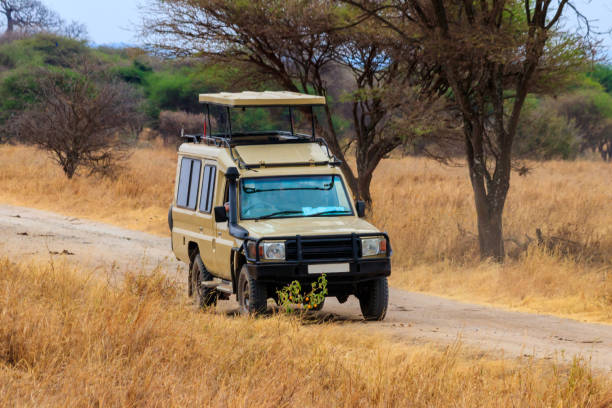
- Safari Vehicles: Most safaris use custom-built 4×4 Land Cruisers or Land Rovers. These vehicles have pop-up roofs for optimal game viewing and photography. They are designed for comfort and navigating rough terrain.
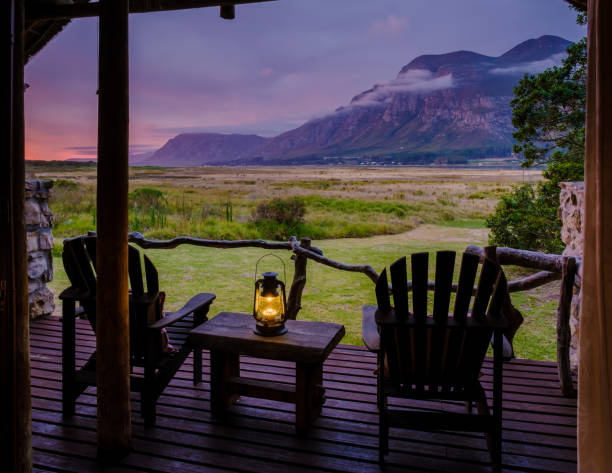
- Accommodation Styles: Options range from basic campsites and mid-range lodges to ultra-luxury tented camps. Tented camps offer a more immersive experience, often located closer to wildlife, while lodges provide more amenities.
- Early Mornings and Late Evenings: The best wildlife viewing often happens during the cooler parts of the day, so expect early starts (around 6:00 AM) and late afternoon game drives.
Packing Essentials for Your Safari
Packing smart is crucial for a comfortable and enjoyable safari. Focus on lightweight, neutral-colored clothing.
Safari Packing List
- Clothing: Lightweight, breathable fabrics. Neutral colors (khaki, beige, olive green, brown) are best to blend in. Avoid bright colors and black/dark blue (can attract tsetse flies).
- Long-sleeved shirts (for sun and insect protection)
- T-shirts and casual tops
- Trousers or convertible pants (2-3 pairs)
- Shorts (for warmer days, optional)
- Fleece jacket or warm sweater (evenings and early mornings can be cool, especially in Ngorongoro)
- Waterproof and windproof jacket (essential for unpredictable weather)
- Footwear: Comfortable and broken-in.
- Closed-toe walking shoes or hiking boots (if doing walking safaris)
- Comfortable trainers or sandals for around camp
- Accessories:
- Sun hat with a wide brim
- Sunglasses
- Scarf or bandana (for dust protection)
- Swimsuit (for lodges with pools)
- Small backpack or daypack for essentials during game drives
- Health & Hygiene:
- Insect repellent (with DEET)
- Sunscreen (high SPF)
- Personal first-aid kit (with any personal medications)
- Hand sanitizer
- Malaria precautions (consult your doctor)
- Electronics:
- Camera with extra batteries and memory cards
- Binoculars (essential for wildlife viewing!)
- Power bank or portable charger
- Universal travel adapter
- Documents:
- Passport (with at least 6 months validity)
- Visa (if required)
- Flight tickets and itinerary
- Travel insurance details
- Yellow Fever vaccination certificate (if required)
Note: Luggage is usually restricted to soft duffel bags on small bush flights. Check with your tour operator.
Preparation and Planning for 2026-2027 Safaris
Planning a safari to Tanzania requires foresight, especially for popular times like 2026 and 2027. Early booking is highly recommended.
Key Planning Steps:
- Define Your Budget: Safaris range from budget camping to luxury lodge experiences. Knowing your budget will help narrow down options.
- Choose Your Travel Dates: Consider the best time for wildlife viewing and migration patterns based on your priorities.
- Select Your Safari Style: Decide between budget camping, mid-range lodges/camps, or luxury accommodation. This heavily influences cost and comfort.
- Determine Trip Duration: A minimum of 5 days is recommended for the Northern Circuit, but 7-10 days allows for a more relaxed pace and deeper exploration.
- Research Tour Operators: Look for reputable operators with good reviews, clear communication, and experience in Tanzania. Ensure they are locally based for the best insights and value.
- Book in Advance: For 2026 and 2027, especially for peak seasons (June-October), book at least 6-12 months ahead. Popular lodges and camps fill up quickly.
- Health Preparations: Consult your doctor about necessary vaccinations and malaria prophylaxis well in advance.
- Visa and Passport: Ensure your passport is valid and check visa requirements for Tanzania.
- Travel Insurance: Comprehensive travel insurance is essential, covering medical emergencies, trip cancellations, and lost belongings.
Common Mistakes to Avoid on Your Safari
Avoiding these common pitfalls can significantly enhance your safari experience.
- Booking Too Late: Especially for 2026 and 2027, popular accommodations and peak season slots disappear quickly.
- Choosing the Wrong Time of Year: Mismatching your visit with migration patterns or weather can lead to disappointment.
- Over-packing: Light, practical clothing is key. Heavy luggage is cumbersome, especially on internal flights.
- Ignoring Health Advice: Not taking malaria precautions or consulting a doctor can lead to serious health issues.
- Unrealistic Expectations: While wildlife sightings are abundant, not every animal is guaranteed on every drive. Embrace the unpredictability.
- Not Budgeting for Extras: Factor in tips, drinks, souvenirs, and optional activities like hot air ballooning.
- Poor Choice of Tour Operator: A disreputable or inexperienced operator can ruin your trip. Thorough research is vital.
- Not Bringing Binoculars: These are essential for spotting distant animals and enjoying detailed views.
- Wearing Bright Colors or Black/Blue: This can disturb wildlife and attract tsetse flies.
Who is a Moshi to Serengeti and Ngorongoro Safari Best For?
This classic Northern Circuit safari is incredibly versatile and suits a wide range of travelers:
- First-Time Safari-Goers: It offers a quintessential safari experience with high chances of seeing iconic wildlife and is logistically well-supported.
- Wildlife Enthusiasts: The sheer density and diversity of animals, especially in Ngorongoro and Serengeti, are unparalleled.
- Photographers: The dramatic landscapes and abundant wildlife provide endless photographic opportunities.
- Families: With appropriate lodge choices and a focus on safety, this safari is suitable for families with older children (usually 6+).
- Couples & Honeymooners: Romantic lodges, stunning sunsets, and intimate wildlife encounters make it a perfect honeymoon destination.
- Adventure Seekers: While not extreme adventure, the thrill of the wild, early mornings, and vast landscapes are exhilarating.
- Travelers Combining with Kilimanjaro: It’s the perfect add-on after a trek, starting and ending near the mountain.
Alternatives to the Moshi to Serengeti and Ngorongoro Route
While the Northern Circuit is iconic, Tanzania offers other incredible safari experiences:
- Southern Circuit (Selous/Ruaha): Offers a more wild and less crowded experience. Selous Game Reserve is known for its boat safaris and walking safaris, while Ruaha National Park is one of Africa’s largest and most remote, with huge elephant and buffalo herds. Best visited during the dry season.
- Western Tanzania (Gombe/Mahale): Famous for chimpanzee trekking. Gombe Stream National Park is small and famous for Jane Goodall’s research. Mahale Mountains National Park offers stunning beaches on Lake Tanganyika and chimp trekking. Requires more travel time and budget.
- Zanzibar: While not a mainland safari, Zanzibar offers a tropical island escape with pristine beaches, rich history (Stone Town), and spice tours. It’s often combined with a Northern Circuit safari.
Budgeting for Your Safari
Safari costs vary significantly based on accommodation, duration, and inclusions. While exact prices aren’t provided here, consider these factors:
- Accommodation: Budget campsites are the most affordable. Mid-range lodges and tented camps offer a balance of comfort and experience. Luxury lodges and tented camps are the most expensive.
- Duration: Longer safaris naturally cost more due to more days of park fees, guiding, and accommodation.
- Vehicle Type: Private 4×4 vehicles are standard for comfort and flexibility. Shared vehicles might be cheaper but offer less personalized experience.
- Park Fees: These are a significant portion of the cost and are set by the Tanzanian government. They are per person, per day.
- Time of Year: Peak season (June-October) is more expensive than the low season.
- Inclusions: Ensure your package includes meals, accommodation, park fees, guide, and vehicle. Exclusions often include drinks, tips, and personal expenses.
For 2026 and 2027, expect prices to reflect current trends, with potential for slight increases. Booking early can sometimes secure better rates, especially with package deals.
Booking Your Moshi to Serengeti and Ngorongoro Safari
Choosing the right tour operator is paramount. Look for companies that:
- Are locally based in Tanzania.
- Have excellent reviews and a strong online presence.
- Offer clear, detailed itineraries and pricing.
- Provide responsive and helpful communication.
- Are transparent about what is included and excluded.
- Have experienced, certified guides.
When you’re ready to plan your unforgettable Moshi to Serengeti and Ngorongoro Safari for 2026 or 2027, reach out to experienced local operators. They can craft personalized itineraries to match your interests, budget, and travel style.
Ready to Plan Your Dream Tanzania Safari?
Let us help you create the perfect Moshi to Serengeti and Ngorongoro Safari experience. We specialize in custom-designed safaris that showcase the best of Tanzania’s wildlife and landscapes. Get in touch with our safari experts:
WhatsApp: +255616946642
Email: topguideadventures@gmail.com
Backup Email: info@topguideadventures.com
We look forward to helping you plan your incredible 2026-2027 adventure!
Frequently Asked Questions (FAQs)
Q1: How long does a typical Moshi to Serengeti and Ngorongoro safari take?
A typical safari covering these key destinations lasts between 5 to 10 days. A 7-day itinerary offers a good balance, allowing exploration of Tarangire, Lake Manyara, Ngorongoro, and a few days in the Serengeti. Shorter trips might focus on Ngorongoro and Serengeti, while longer trips allow for deeper exploration of Serengeti regions.
Q2: Is it safe to go on safari in Tanzania?
Yes, Tanzania is a very safe safari destination. Reputable tour operators prioritize guest safety. Your guide will brief you on safety protocols. Wildlife is observed from the safety of safari vehicles, and lodges/camps have security measures. It’s important to follow your guide’s instructions at all times.
Q3: What is the best way to see the Great Migration?
The Great Migration is a continuous movement. To see the wildebeest and zebra river crossings, plan your safari for the Northern Serengeti between July and October. For the calving season and predator action, head to the Southern Serengeti from late January to March. Your tour operator can advise on the best locations based on the time of year for your 2026 or 2027 trip.
Q4: Do I need malaria pills for a safari in Tanzania?
Yes, malaria is present in Tanzania. It is highly recommended to consult your doctor or a travel clinic about malaria prophylaxis and other necessary vaccinations (like Yellow Fever) well in advance of your 2026-2027 safari. Using insect repellent and wearing long sleeves/trousers at dawn and dusk also helps prevent bites.
Q5: What kind of vehicle will I be using?
Most reputable tour operators use specially designed 4×4 safari vehicles, typically Land Cruisers or Land Rovers. These vehicles are equipped with pop-up roofs for excellent game viewing and photography, comfortable seating, and often charging ports. They are robust enough to handle the park’s terrain.
Q6: Can I do a walking safari on this route?
Walking safaris are generally permitted in specific areas of the Ngorongoro Conservation Area (outside the crater floor) and in some parts of the Serengeti (like the Western or Northern regions) when arranged with your guide and operator. They offer a different perspective on the bush, but are not typically part of a standard 4×4 game drive itinerary.
Q7: What are the accommodation options?
Accommodation ranges from basic campsites (offering a true bush experience at a lower cost) to comfortable mid-range lodges and tented camps, and luxurious high-end lodges and tented camps. Tented camps provide a more intimate wildlife experience, often with en-suite facilities.
Q8: How much should I tip my safari guide?
Tipping is customary and appreciated for good service. A general guideline is around $20-$30 USD per day for your driver-guide. This can be given at the end of your safari. Your tour operator can provide more specific recommendations for 2026-2027.
Q9: Can I combine a safari with Mount Kilimanjaro or Zanzibar?
Absolutely. Moshi is the gateway for Kilimanjaro treks, making it easy to combine a safari with a climb. Zanzibar is a popular add-on for relaxation after a safari, typically accessed via a flight from Arusha or Kilimanjaro International Airport.
Q10: How far in advance should I book for 2026 or 2027?
For peak season travel in 2026 or 2027 (June-October), it’s highly recommended to book at least 9-12 months in advance. For shoulder or low seasons, 4-6 months might suffice, but booking early is always a good strategy to secure preferred accommodations and itineraries.
Plan your Moshi to Serengeti and Ngorongoro Safari with Top Guide Adventures
Tell us your travel dates, group size, comfort level, and dream experience. We will help you shape a clear, realistic, and memorable Tanzania itinerary.







 Veedesigner
 Fatma Kizanga
 Benjamin Waryuba
 Philip Philip
 John jr Itaja
 Antonia Optatus
 Edith Kanyere
 Neema Iddy
 Kelvin Boniphace
 Damari Maiga



