
Updated planning guide for 2026, 2027-2028
Moshi To Tarangire, Serengeti And Ngorongoro Safari: Best Guide 2026-2027-2028
Plan an unforgettable safari journey from Moshi, taking you through the iconic wildlife parks of Tarangire, Serengeti, and the Ngorongoro Crater. This guide covers everything you need to know for your 2026-2027 adventure.
WhatsApp +255616946642 | topguideadventures@gmail.com | info@topguideadventures.com
Moshi to Tarangire, Serengeti and Ngorongoro Safari: Your Ultimate Planning Guide
A safari starting in Moshi and traversing the legendary Northern Circuit parks of Tarangire, Serengeti, and the Ngorongoro Crater represents the pinnacle of East African wildlife viewing. This journey offers a concentrated experience of Tanzania’s unparalleled natural beauty and biodiversity. For many, it’s the ultimate African adventure, a chance to witness the Great Migration, encounter the Big Five, and immerse oneself in landscapes that have captivated explorers for centuries. This guide is designed to provide you with all the practical details and insights needed to plan and execute a remarkable Moshi to Tarangire, Serengeti and Ngorongoro Safari, focusing on what to expect, how to prepare, and what makes this route so special for 2026 and 2027 travel.
Quick Safari Essentials
| Aspect | Details |
|---|---|
| Starting Point | Moshi, Tanzania |
| Key Parks/Reserves | Tarangire National Park, Serengeti National Park, Ngorongoro Conservation Area (Crater) |
| Duration | Typically 5-7 days for this circuit |
| Wildlife Highlights | Big Five (Lion, Leopard, Elephant, Rhino, Buffalo), Great Migration (seasonal), vast herds, diverse birdlife |
| Best Time to Visit | Dry seasons (June-October, December-February) for general wildlife viewing; Migration timing varies (check specific months) |
| Accommodation | Safari lodges, tented camps (luxury to mid-range), budget campsites |
| Activities | Game drives (daily), optional hot air balloon safaris, cultural visits, walking safaris (limited areas) |
| Travel Style | Private or group tours, self-drive (not recommended for first-timers) |
| Operator Focus | This itinerary is ideal for operators specializing in Northern Circuit safaris and custom tours. |
Understanding the Moshi to Tarangire, Serengeti, Ngorongoro Safari Route
This classic safari route is popular for good reason. It offers a diverse range of habitats and wildlife concentrations, making it highly efficient for experiencing Tanzania’s best. Starting in Moshi, a town nestled at the foot of Mount Kilimanjaro, provides a convenient gateway. From here, you journey west and south into the heart of the Northern Circuit’s wildlife strongholds.
Why This Route is Exceptional
- Ecological Diversity: From the baobab-studded plains of Tarangire to the endless grasslands of the Serengeti and the unique caldera of Ngorongoro, each park presents a different landscape and wildlife viewing experience.
- Concentrated Wildlife: These parks are renowned for their high animal densities, increasing your chances of sightings.
- The Great Migration: The Serengeti is home to the annual wildebeest and zebra migration, a natural spectacle that draws millions of animals across the plains. The timing of your safari can align with different stages of this incredible event.
- The Ngorongoro Crater: A UNESCO World Heritage Site, the crater is a self-contained ecosystem supporting an astonishing array of wildlife, including a healthy population of endangered black rhinos.
- Logistical Efficiency: The proximity of these parks allows for a well-paced itinerary without excessive travel time between destinations, making it ideal for trips of 5-7 days.
The Parks in Focus
Tarangire National Park
Often the first stop on a Northern Circuit safari from Moshi, Tarangire is famous for its large elephant herds, particularly during the dry season when they congregate around the Tarangire River. The park’s landscape is dominated by ancient baobab trees, creating a dramatic and picturesque setting. You’ll also find lions, leopards, giraffes, zebras, and a rich variety of birdlife.
Serengeti National Park
The name ‘Serengeti’ means ‘endless plains’ in the Maasai language, and this vast park truly lives up to its name. It’s a land of sweeping savannas, acacia woodlands, and rocky kopjes. The Serengeti is most famous for the Great Migration, but it also boasts resident populations of lions, cheetahs, leopards, elephants, giraffes, and countless other species year-round. Its sheer size means different regions offer distinct experiences depending on the time of year.
Ngorongoro Conservation Area (and the Crater)
The Ngorongoro Conservation Area is a unique multi-use area where wildlife and Maasai people coexist. The main attraction is the Ngorongoro Crater, a large volcanic caldera that formed millions of years ago. Its steep walls create a natural enclosure for an incredible density of wildlife. It’s one of the few places where you have a high chance of spotting all of the Big Five in a single day, including the elusive black rhino. The views from the crater rim are breathtaking.
Planning Your Moshi to Tarangire, Serengeti and Ngorongoro Safari for 2026-2027
Successful safari planning involves understanding the best times to visit, considering your budget, and choosing the right operator. For 2026 and 2027, early booking is advisable, especially if you aim for peak seasons or specific accommodations.
Best Time to Visit
The ‘best’ time depends on your priorities:
| Period | Wildlife Viewing | Weather | Crowds | Key Events |
|---|---|---|---|---|
| June – October (Dry Season) | Excellent. Animals concentrate around water sources. | Cool mornings/evenings, warm days, minimal rain. | Moderate to High. Popular time. | Predator activity high, wildebeest in western/central Serengeti. |
| November (Short Rains) | Good. Landscapes become greener. | Short, unpredictable showers. Humid. | Lower. | Migration moving south towards Ndutu. |
| December – February (Dry Season/Summer) | Excellent. Good game viewing, especially in southern Serengeti/Ndutu. | Hot days, mild evenings. Occasional rain. | Moderate to High. Peak season for calving. | Calving season in Ndutu, large predator activity. |
| March – May (Long Rains) | Good, but can be challenging with rain. Less crowded. | Heavy, prolonged rains. Lush green scenery. | Low. Good for birdwatching. | Migration starts moving north. |
For 2026 and 2027: If seeing the Great Migration river crossings is a priority, aim for July-September (western Serengeti). For calving season and predator action, December-February (Ndutu area) is ideal. For general excellent wildlife viewing with pleasant weather, June-October and December-February are your best bets.
Sample Itinerary: 7-Day Moshi to Tarangire, Serengeti & Ngorongoro Safari
This is a popular and well-balanced itinerary. Adjustments can be made based on your interests and available time.
| Day | Location | Activities | Accommodation Type |
|---|---|---|---|
| Day 1 | Moshi to Tarangire | Morning pick-up in Moshi, drive to Tarangire NP. Afternoon game drive. | Tented Camp / Lodge near Tarangire |
| Day 2 | Tarangire National Park | Full day game drives in Tarangire, focusing on elephant herds and diverse landscapes. | Tented Camp / Lodge near Tarangire |
| Day 3 | Tarangire to Serengeti | Morning game drive in Tarangire, then drive to Serengeti NP with a stop at Olduvai Gorge (optional). Afternoon game drive en route to lodge/camp. | Tented Camp / Lodge in Central Serengeti |
| Day 4 | Serengeti National Park | Full day game drives in the central Serengeti, exploring kopjes and plains. Optional hot air balloon safari at dawn. | Tented Camp / Lodge in Central Serengeti |
| Day 5 | Serengeti to Ngorongoro | Morning game drive in Serengeti. Depart for Ngorongoro Conservation Area, arriving at your lodge on the crater rim. | Lodge on Ngorongoro Crater Rim |
| Day 6 | Ngorongoro Crater | Descend into the Ngorongoro Crater for a full day game drive. Picnic lunch at a designated spot. Ascend in the late afternoon. | Lodge on Ngorongoro Crater Rim |
| Day 7 | Ngorongoro to Moshi/Arusha | Morning at leisure or optional visit to a Maasai village. Drive back to Moshi or Arusha for departure or onward travel. | N/A (End of Safari) |
Route Overview Map (Conceptual)
| Moshi (Start) | → | Tarangire NP | → | Serengeti NP (Central/Other) | → | Ngorongoro Crater (Rim & Floor) | → | Moshi/Arusha (End) |
What to Expect on Your Safari
A safari of this caliber is an immersive experience. Expect long days filled with wildlife observation, stunning scenery, and the thrill of the wild.
Daily Safari Life
- Early Mornings: Most safaris start at dawn, the best time to see predators and animals that are active in the cooler parts of the day.
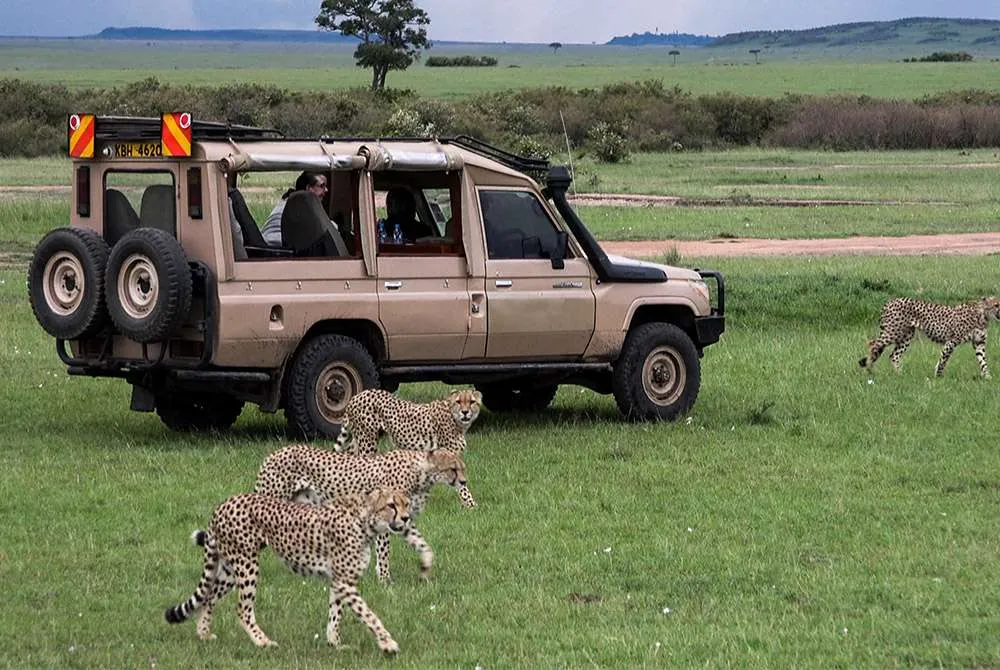
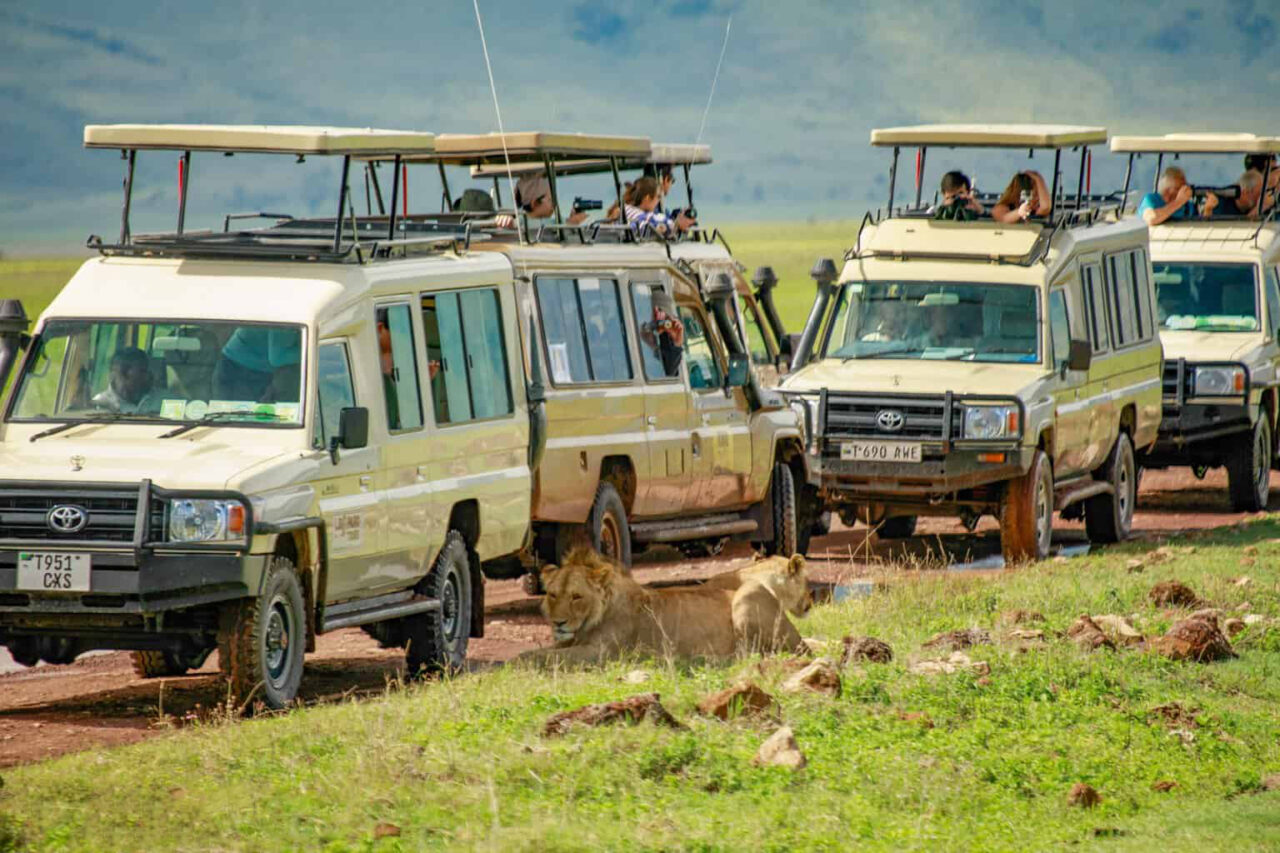
- Game Drives: These are typically conducted in custom-built 4×4 safari vehicles with pop-up roofs for optimal viewing and photography. Your experienced guide will track animals, interpret animal behavior, and navigate the parks.
- Lunch Breaks: Usually taken at a scenic picnic spot within the park or at a lodge/camp.
- Afternoon Drives: Continue until dusk, offering a different perspective as animals prepare for the night.
- Evenings: Relax at your lodge or camp, sharing stories of the day’s sightings. Some camps offer evening activities like guided walks or cultural experiences.
Accommodation Options
Your choice of accommodation significantly impacts the safari experience and budget. Options range from:
- Luxury Lodges & Camps: Offer en-suite bathrooms, fine dining, swimming pools, and impeccable service.
- Mid-Range Lodges & Camps: Comfortable with good amenities, often featuring en-suite facilities and restaurant services.
- Budget Campsites: Basic but clean facilities, often communal bathrooms. Ideal for the adventurous traveler seeking a more rustic experience.
For 2026-2027, consider booking your preferred accommodation type well in advance, as popular lodges and camps fill up quickly.
Wildlife Encounters
The Northern Circuit is renowned for its diverse and abundant wildlife. While sightings are never guaranteed, this route offers excellent chances for:
- The Big Five: Lion, Leopard, Elephant, Buffalo, and Rhinoceros (especially the black rhino in Ngorongoro).
- Great Migration: Depending on the season, you might witness millions of wildebeest and zebras.
- Predators: Cheetahs, hyenas, wild dogs (less common but possible).
- Other Mammals: Giraffes, hippos, crocodiles, warthogs, various antelope species (gazelles, impalas, kudus), monkeys, and baboons.
- Birdlife: Over 1000 species of birds are found in Tanzania, making it a paradise for birdwatchers.
Inclusions, Packing, and Preparation
Careful preparation ensures a comfortable and enjoyable safari.
Typical Inclusions in Safari Packages
Most reputable tour operators will include:
- All park entrance fees
- Accommodation as per itinerary
- All meals while on safari (breakfast, lunch, dinner)
- A professional English-speaking safari guide
- 4×4 safari vehicle with fuel
- Bottled water during game drives
- Airport transfers
- Crater service fee (for Ngorongoro)
Note: Always confirm what is included. Items often excluded are international flights, visa fees, travel insurance, tips for guides and staff, personal expenses, and optional activities like hot air balloon safaris.
Essential Packing List
Pack light and smart. Neutral-colored clothing is best to avoid startling wildlife.
| Category | Items |
|---|---|
| Clothing | Lightweight, breathable long-sleeved shirts and trousers (neutral colors like khaki, beige, olive green), T-shirts, sweaters/fleece for cool mornings/evenings, comfortable walking shoes, sandals, socks, sleepwear. Avoid bright colors and dark blue/black (attracts tsetse flies). |
| Outerwear | Lightweight waterproof and windproof jacket. |
| Headwear | Wide-brimmed hat or cap for sun protection. |
| Eyewear | Sunglasses. |
| Health & Hygiene | Personal toiletries, sunscreen (high SPF), insect repellent (with DEET), basic first-aid kit (band-aids, antiseptic wipes, pain relievers, motion sickness medication), any personal prescription medications. Consult your doctor about malaria prophylaxis and vaccinations. |
| Documents & Money | Passport (with at least 6 months validity), visa (if required), flight tickets, travel insurance details, vaccination certificates, credit/debit cards, USD cash (for tips and small purchases). Make copies of important documents. |
| Photography & Electronics | Camera with extra batteries and memory cards, binoculars (essential!), power bank or portable charger, universal travel adapter. |
| Miscellaneous | Reusable water bottle, small backpack for day trips, hand sanitizer, wet wipes. |
Health and Safety
- Vaccinations: Consult your doctor or a travel clinic well in advance of your trip for recommended vaccinations (e.g., Yellow Fever, Hepatitis A, Typhoid) and malaria precautions.
- Malaria: Tanzania is a malaria risk area. Take prescribed antimalarial medication and use insect repellent, especially during dawn and dusk.
- Sun Protection: The sun is strong. Use sunscreen, wear a hat, and stay hydrated.
- Food and Water: Drink only bottled or purified water. Be cautious with uncooked food. Your lodge/camp will provide safe meals.
- Wildlife Safety: Always follow your guide’s instructions. Never leave the vehicle in wildlife areas unless specifically permitted. Maintain a safe distance from animals.
Common Mistakes to Avoid
Planning a safari can be complex. Here are common pitfalls to steer clear of for your Moshi to Tarangire, Serengeti and Ngorongoro Safari:
- Booking Too Late: Especially for peak seasons (June-Oct, Dec-Feb) in 2026 and 2027, popular lodges and safari vehicles get booked up months in advance.
- Not Researching Operators Thoroughly: Opt for reputable operators with good reviews, local knowledge, and a strong safety record. Check their communication responsiveness.
- Underestimating Costs: Safaris can be expensive. Factor in park fees, accommodation, vehicle hire, guide fees, meals, and optional extras.
- Packing Inappropriately: Bright colors, jeans, and excessive luggage can detract from the experience.
- Focusing Only on the Big Five: While iconic, Tanzania’s wildlife is incredibly diverse. Appreciate smaller mammals, birds, and the stunning landscapes.
- Not Allowing Enough Time: Rushing through the parks diminishes the experience. A minimum of 5-7 days is recommended for this circuit.
- Ignoring the Great Migration’s Seasonality: If seeing the migration is a priority, research its location for your travel dates.
- Not Having Travel Insurance: Essential for medical emergencies, trip cancellations, or lost luggage.
Who is This Safari Best Suited For?
The Moshi to Tarangire, Serengeti, and Ngorongoro safari is a fantastic choice for a wide range of travelers:
- First-time Safari-Goers: It offers a comprehensive introduction to the African safari experience with high chances of spectacular sightings.
- Wildlife Enthusiasts: The sheer density and diversity of animals are unparalleled.
- Photographers: The dramatic landscapes and abundant wildlife provide endless photographic opportunities.
- Families: With careful planning and appropriate accommodation, it can be an educational and exciting trip for children (ages typically 6+ for most safaris).
- Couples & Honeymooners: Offers romantic settings, incredible wildlife, and luxurious lodge options.
- Adventure Seekers: The thrill of being in the wild, the vastness of the landscapes, and the potential for unique sightings cater to adventurous spirits.
For travelers in 2026 and 2027 looking for a classic, rewarding safari, this circuit is hard to beat.
Alternatives and Variations
While the Moshi-Tarangire-Serengeti-Ngorongoro route is classic, there are variations and alternatives:
Variations to the Northern Circuit
- Adding Lake Manyara: A shorter park known for its tree-climbing lions and birdlife, often visited between Tarangire and Ngorongoro.
- Extending Serengeti Stay: Spend more time in different Serengeti regions (e.g., North, West, South) to track the migration more closely.
- Including other Northern Parks: Explore Arusha National Park (for walking safaris and Mount Meru views) or Mkomazi National Park (for conservation efforts).
Southern Tanzania Safaris
For a less crowded and more off-the-beaten-path experience, consider the southern parks:
- Selous Game Reserve (Nyerere National Park): Africa’s largest game reserve, offering boat safaris, walking safaris, and vast wilderness.
- Ruaha National Park: Tanzania’s largest national park, known for its large elephant and buffalo herds, and a high concentration of predators.
These parks are best accessed by light aircraft from Dar es Salaam and are typically combined into a separate safari itinerary.
Other East African Safaris
If you’ve already experienced Tanzania’s Northern Circuit or are looking for different wildlife spectacles:
- Kenya’s Masai Mara: Famous for the Great Migration (July-October) and large predator populations. Often combined with Tanzania.
- Uganda/Rwanda: For gorilla trekking and chimpanzee tracking.
Planning Your 2026-2027 Safari: Key Considerations
Planning ahead is crucial for a memorable safari, especially for 2026 and 2027 travel. Here are some points to keep in mind:
Budgeting for Your Safari
Safari costs vary widely based on accommodation level, duration, and the number of people in your group. Generally, the Northern Circuit is considered mid-to-high range due to park fees and logistics. Expect costs to cover:
- Park Fees: These are significant and charged per person per day.
- Accommodation: Luxury lodges are the most expensive, followed by mid-range camps, and then budget campsites.
- Vehicle and Guide: Private tours are more expensive than joining a group.
- Meals: Usually included, but drinks and extras might not be.
- Optional Activities: Hot air balloon safaris, cultural visits, etc., add to the total cost.
It’s best to get a detailed quote from your chosen tour operator that breaks down these costs.
Choosing the Right Tour Operator
Your choice of tour operator is paramount. Look for:
- Local Expertise: An operator based in Tanzania understands the local conditions, logistics, and regulations best.
- Reputation and Reviews: Seek out companies with consistently positive reviews and testimonials.
- Customization Options: Can they tailor an itinerary to your specific interests, budget, and pace?
- Vehicle Quality: Ensure they use well-maintained, comfortable 4×4 safari vehicles.
- Guide Quality: Experienced, knowledgeable, and friendly guides make a huge difference.
- Responsiveness: How quickly and thoroughly do they answer your queries?
Booking Your Safari
The booking process typically involves:
- Initial Inquiry: Contact operators with your desired dates, number of travelers, and preferences.
- Itinerary and Quote: Receive a proposed itinerary and a detailed quote.
- Confirmation: Discuss any necessary adjustments and confirm the itinerary.
- Deposit: A deposit (usually 20-50%) is typically required to secure your booking and accommodation.
- Final Payment: The remaining balance is usually due 30-60 days before departure.
- Pre-Departure Information: You’ll receive detailed information about what to expect, packing lists, and contact details.
For 2026-2027 safaris, starting this process 9-12 months in advance is recommended, especially for peak seasons.
Frequently Asked Questions (FAQs)
Q1: How long does a Moshi to Tarangire, Serengeti and Ngorongoro safari typically take?
A: A comprehensive safari covering these three iconic destinations usually takes between 5 to 7 days. This allows for sufficient game drives in each park without feeling too rushed.
Q2: Is it possible to see the Great Migration on this route?
A: Yes, the Serengeti is the primary location for the Great Migration. The exact location of the herds varies throughout the year. For 2026-2027, consult with your tour operator about the best timing and regions within the Serengeti to witness different stages of the migration.
Q3: What is the best time of year for a safari in Tarangire, Serengeti, and Ngorongoro?
A: The dry seasons (June-October and December-February) generally offer the best wildlife viewing as animals congregate around water sources. However, each season has its unique appeal, including the green landscapes during the rains and specific migration events.
Q4: Can I customize this safari itinerary?
A: Absolutely. Most reputable tour operators, like Best Tanzania Tour Operator, specialize in custom safari planning. You can adjust the duration, choose specific lodges or camps, and add optional activities to suit your interests and budget for your 2026 or 2027 trip.
Q5: What are the main differences between Tarangire, Serengeti, and Ngorongoro?
A: Tarangire is known for its large elephant herds and baobab trees. The Serengeti offers vast plains and is central to the Great Migration. The Ngorongoro Crater is a unique caldera with incredibly high wildlife density, including rhinos, and offers stunning crater-rim views.
Q6: What kind of vehicle will I use for the safari?
A: You will typically use a custom-built 4×4 safari vehicle (like a Land Cruiser or Land Rover) with a pop-up roof for optimal game viewing and photography. These vehicles are designed for rugged terrain and equipped for comfort.
Q7: What should I pack for a safari in Tanzania?
A: Pack light, neutral-colored clothing, comfortable walking shoes, a hat, sunscreen, insect repellent, binoculars, a camera, and any personal medications. Layers are recommended for changing temperatures. Refer to our detailed packing list above for more specifics.
Q8: Is it safe to travel to Tanzania for a safari?
A: Tanzania is a safe destination for tourism, and the Northern Circuit is well-established for safaris. Following your guide’s instructions, maintaining a safe distance from wildlife, and taking health precautions (like malaria prevention) are key to a safe trip.
Q9: How much should I budget for tips for the safari guide and staff?
A: Tipping is customary. A general guideline is $10-$20 per day for your safari guide and $5-$10 per day for camp/lodge staff, per person. Your operator can provide more specific recommendations for 2026-2027 travel.
Q10: What are the visa requirements for Tanzania?
A: Most nationalities require a visa for Tanzania. This can often be obtained online in advance (e-Visa) or upon arrival at the airport. Please check the latest requirements with the Tanzanian embassy in your country.
Q11: Are there any age restrictions for children on safari?
A: While there are no strict legal age limits for safaris, most operators recommend children be at least 6 years old for standard game drives due to the long hours and exposure to the elements. Some lodges may have their own restrictions. Discuss your family’s needs with your tour operator.
Q12: What is the difference between a private safari and a group safari?
A: A private safari means you have a dedicated vehicle and guide solely for your group, offering flexibility in timing and route. A group safari involves sharing a vehicle and guide with other travelers, which is generally more budget-friendly.
Book Your Dream Moshi to Tarangire, Serengeti and Ngorongoro Safari
A journey from Moshi through Tarangire, Serengeti, and Ngorongoro is an unparalleled wildlife adventure. It’s a chance to connect with nature on a profound level and create memories that last a lifetime. For your 2026 or 2027 safari, let us help you craft the perfect itinerary.
We specialize in creating personalized safari experiences that cater to your interests, budget, and travel style. From selecting the best lodges and camps to ensuring you have an expert guide, we handle all the details so you can focus on the magic of Tanzania.
Contact us today to start planning your unforgettable safari:
- WhatsApp: +255616946642
- Email: topguideadventures@gmail.com
- Backup Email: info@topguideadventures.com
Let’s make your Tanzania safari dreams a reality for 2026-2027!
Plan your Moshi to Tarangire, Serengeti and Ngorongoro Safari with Top Guide Adventures
Tell us your travel dates, group size, comfort level, and dream experience. We will help you shape a clear, realistic, and memorable Tanzania itinerary.







 Veedesigner
 Fatma Kizanga
 Benjamin Waryuba
 Philip Philip
 John jr Itaja
 Antonia Optatus
 Edith Kanyere
 Neema Iddy
 Kelvin Boniphace
 Damari Maiga



